

Henrieke Otte is an accomplished writer and content editor, specializing in topics that inspire thoughtful living—ranging from global travel and sustainable lifestyles to interior design and architecture. With a keen editorial sense and a background in cultural studies, Henrieke brings depth, elegance, and clarity to every piece she crafts.
Her work is known for its engaging voice, visual sensitivity, and ability to turn complex ideas into accessible, reader-friendly narratives. Whether exploring eco-conscious destinations, dissecting climate-conscious home trends, or curating serene living spaces, Henrieke writes with a balance of creativity and insight that resonates with design-savvy, environmentally aware audiences.
Driven by a love of meaningful storytelling and a refined aesthetic, Henrieke contributes regularly to digital platforms and magazines where quality content meets visual sophistication.
The New Definition of Involved Fatherhood

Today’s millennial fathers are rewriting the playbook on what it means to be a dad. Modern dads take parenting seriously, spending three times as much time with their children as men did two generations ago, and they’re approaching fatherhood with a completely different mindset than previous generations. Back in 1982, a whopping 43% of fathers admitted they’d never changed a diaper, but today that number has dropped to just 3%. This shift represents more than just changing diapers—it’s about fundamentally reimagining the role of fathers in children’s lives.
The statistics paint a clear picture: Fathers in America now spend an average of 7.8 hours per week taking care of their children at home, up by 1 hour per week in just about two decades. Millennial dads are more likely to take regular night shifts with a newborn or become active members of the school’s PTO/PTA than previous generations. But here’s where it gets interesting—they’re not just doing more, they’re doing it differently.
The Co-Parenting Revolution

Perhaps the most significant change is the rise of true co-parenting among millennial couples. In fact, many millennial families, especially those with two working parents, embrace a “co-parenting” approach, in which responsibilities for all things kid-related are spilt more or less equally between both parents. This isn’t just about splitting diaper duty or taking turns with bedtime stories—it’s about completely sharing the mental load of parenting.
That means the struggle to find the balance between work and caregiving is shared by both parents, too. Boston College’s studies have found that 85 percent of millennial fathers report that they want to spend more time with their kids. The desire is there, but the reality is often more complex. Unlike previous generations where dads might have felt pressure to be the primary breadwinner while moms handled childcare, today’s millennial fathers are actively seeking ways to be present and involved in every aspect of their children’s lives.
The Work-Life Balance Struggle

The challenge for millennial dads isn’t just about wanting to be more involved—it’s about actually making it happen in a work culture that hasn’t entirely caught up. According to a Caboodle study, 50% of UK fathers find balancing work and family a source of severe stress. Over half of millennial fathers say they want to move to a job that allows them to spend more time with their children. This desire for flexibility is driving significant changes in how these fathers approach their careers.
Millennials value work-life balance much more than older generations. They rated its importance at 8.69 out of 10. In contrast, Baby Boomers ranked it at 5.18, and Gen X at 7.93. This isn’t just about wanting shorter hours—it’s about fundamental shifts in priorities. “I didn’t CARE about prestige anymore!” declared former entertainment executive Travis Chambers in a LinkedIn post about choosing the slow lane in order to be able to invest in his role as a dad.
The Digital Dad Phenomenon
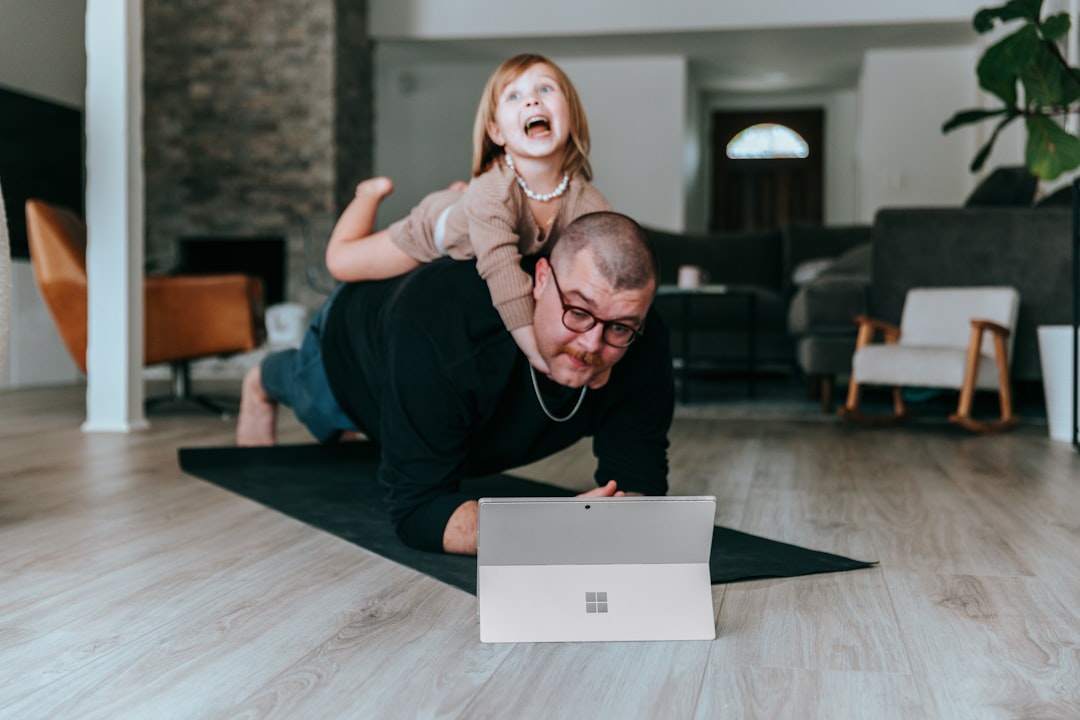
Technology has become both a tool and a challenge for millennial fathers. They frequently turn to online resources and communities, like Fatherly.com, for guidance and support, reflecting their identity as “digital dads.” Millennial fathers are “digital dads,” who turn to the Internet for tips and tricks about parenting, products helpful in child rearing, and information about child development. However, this digital reliance comes with its own set of pressures.
Nearly half (46%) of millennial parents feel burned out with 85% believing social media creates unrealistic parenting expectations. Further demonstrating the challenges technology can pose, 30% of millennial moms say they compare their parenting success to others on social media. The same pressures affect fathers, who are constantly exposed to images of “perfect” dads online, creating additional stress in their parenting journey.
The Mental Health Priority

One area where millennial fathers are truly breaking new ground is in their approach to mental health. Despite this, 80% think discussions about mental health and emotional well-being are very important in shaping a child’s overall development. There’s a stark contrast between the generations and discussing mental health: 2 in 3 millennial parents say their parents never talked with them about mental health while 98% of millennial parents talk with their children about it. This represents a complete paradigm shift in how fathers view their role in their children’s emotional development.
Dads struggle with their mental health, too, and millennials are much more open about it than previous generations. They’re not just talking about mental health with their children—they’re actively seeking support for themselves, understanding that taking care of their own mental health is crucial for being effective parents.
The Education and Income Divide

However, this involved fatherhood isn’t equally distributed across all millennial dads. With these trends in place, the gap in fathers’ parenting time has widened by fathers’ education, marital status, and race/ethnicity. For example, college-educated fathers now spend almost twice the amount of time with their children as fathers without a college degree (10.2 hours per week vs. 5.9 hours per week). This creates a troubling disparity in how different groups of millennial fathers experience and practice involved parenting.
On the other hand, parenting time has been stagnant or even in decline for other dads. Fathers without a college degree now spend an average of 5.9 hours a week doing child care activities, down from 6.2 hours per week in 2003. Economic pressures, job flexibility, and workplace culture all play roles in determining which fathers can actually implement their desires for greater involvement.
The Paternity Leave Battle

One of the most significant challenges facing millennial fathers is the lack of adequate paternity leave policies. In Ernst & Young’s global generational survey, 83 percent of millennials said they would look for a company with strong parental leave benefits. Because of this desire, a cultural shift is on the horizon in both the workforce and in legislation, with a paid family leave act gaining momentum across the country. The United States remains notably behind other developed nations in this area.
The U.S. government is the only high-income nation in the world not to guarantee paid leave for its parents. The Family and Medical Leave Act (FMLA) offers a 12-week unpaid provision of job-protected leave for specified family and medical reasons, including becoming a parent. This policy gap forces millennial fathers to make difficult choices between bonding with their newborns and maintaining financial stability.
The Identity Shift
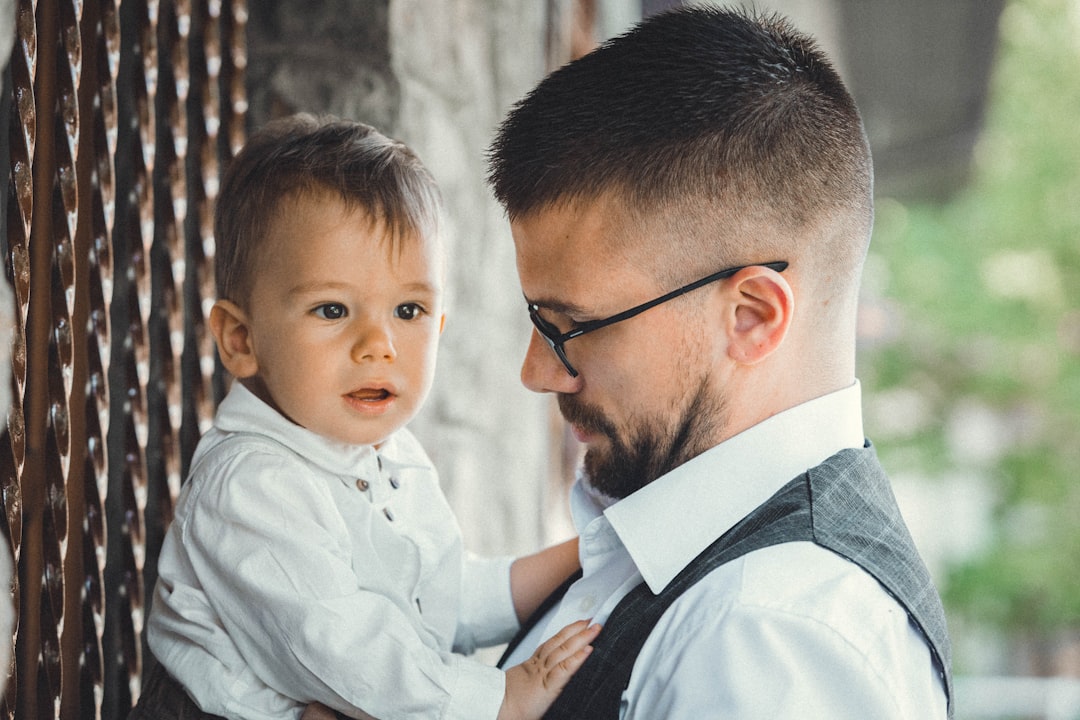
Perhaps most significantly, millennial fathers view parenthood as central to their identity in ways that previous generations did not. Dads overwhelmingly view being a parent as an important aspect of their personal identity, a survey of U.S. parents conducted in fall 2022 shows. The vast majority of fathers with children under 18 (85%) say being a parent is the most (24%) or one of the most (61%) important aspects of who they are as a person. This isn’t just about fulfilling a role—it’s about fundamental self-definition.
Ninety percent of millennial and Generation X dads say that parenting is their greatest joy. This represents a complete shift from the traditional model where careers often took precedence over family involvement. Today’s millennial fathers are actively choosing to prioritize their children, even when it means making professional sacrifices.
The Changing Workplace Response

The workplace is slowly beginning to respond to these changing expectations, though not always adequately. These changes have positively impacted work-life balance for younger generations, particularly Gen Zs and millennials. The potential requirement to return to on-site work full-time is a significant deal-breaker for a substantial portion of Gen-Z and Millennials, as it might have a negative impact on their work-life balance. Companies are beginning to recognize that flexible work arrangements aren’t just nice-to-have perks—they’re essential for attracting and retaining millennial talent.
Research shows that over 95% of those born between 1981 and 1996 consider work-life balance crucial when evaluating work opportunities. This generation is known for job-hopping if their standards aren’t met, with 80% taking into account how a position affects their daily lives. Millennial fathers are literally voting with their feet, leaving jobs that don’t support their parenting goals.
The Future of Fatherhood

As we look at the landscape of 2025, millennial fathers are fundamentally changing what it means to be a dad. Blended households, same-sex couples, co-parenting setups, and multi-generational living arrangements are becoming more celebrated. Throughout 2025, parenting resources will cater more inclusively to families with diverse structures, acknowledging that modern families no longer fit one mold. This evolution reflects not just changing family structures, but changing expectations about what fathers should and can be.
The millennial dad paradox isn’t really a paradox at all—it’s a revolution. These fathers are proving that you don’t have to choose between career success and involved parenting. They’re creating new models, demanding workplace flexibility, and fundamentally redefining what it means to be a good father. The question isn’t whether they can balance career and co-parenting—it’s whether society will catch up to support them in doing so.
Did you expect the transformation of fatherhood to be this dramatic, or are we just getting started with this generational shift?

Henrieke Otte is an accomplished writer and content editor, specializing in topics that inspire thoughtful living—ranging from global travel and sustainable lifestyles to interior design and architecture. With a keen editorial sense and a background in cultural studies, Henrieke brings depth, elegance, and clarity to every piece she crafts.
Her work is known for its engaging voice, visual sensitivity, and ability to turn complex ideas into accessible, reader-friendly narratives. Whether exploring eco-conscious destinations, dissecting climate-conscious home trends, or curating serene living spaces, Henrieke writes with a balance of creativity and insight that resonates with design-savvy, environmentally aware audiences.
Driven by a love of meaningful storytelling and a refined aesthetic, Henrieke contributes regularly to digital platforms and magazines where quality content meets visual sophistication.