

Matthias is a skilled author and digital storyteller with a focus on travel journalism, environmental issues, and modern home design. With a background in communications and a passion for global cultures, Matthias crafts engaging narratives that blend real-world exploration with thoughtful analysis and visual flair.
His writing reflects a deep interest in how climate change shapes our lives and lifestyles—from sustainable travel practices to eco-friendly living environments. Known for his clear, approachable voice and sharp editorial instincts, Matthias delivers content that resonates with readers seeking both inspiration and substance.
Whether reporting from remote destinations, breaking down sustainable design trends, or spotlighting innovative green initiatives, Matthias brings a global perspective and an eye for detail to every piece. He regularly contributes to web platforms and editorial projects that aim to foster awareness, creativity, and conscious living.
Hot or Warm Foods
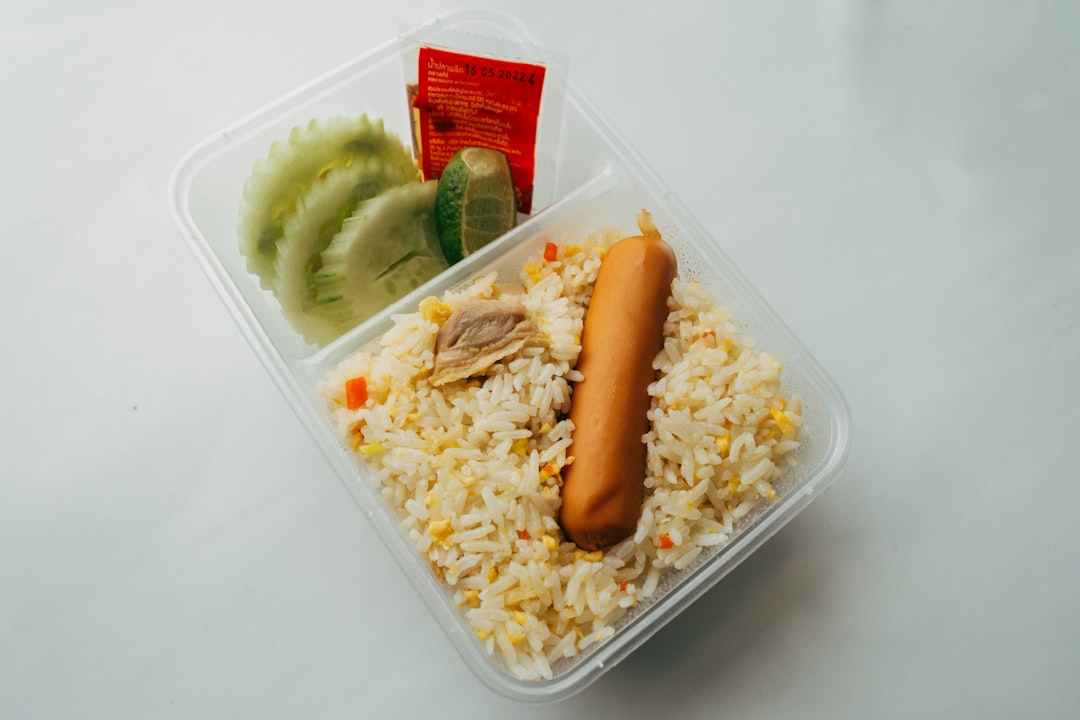
Storing hot food in plastic containers is one of the worst mistakes you can make for your health. Heat can release microplastics from containers directly into your food, and when hot food is placed in plastic, heat can cause chemicals like BPA to leach from the container into the food. This is particularly dangerous because greasy or oily foods, which react more with plastic, amplify this chemical migration. Some of the plasticizers and chemicals can transfer from the plastic containers into the food during heating.
Even if you let food cool slightly, there’s still risk involved. Transfer hot foods to heat-safe glass or metal containers for storage to completely avoid this problem. Your body deserves better than unknowingly consuming plastic chemicals with every meal.
Tomato-Based Sauces and Products
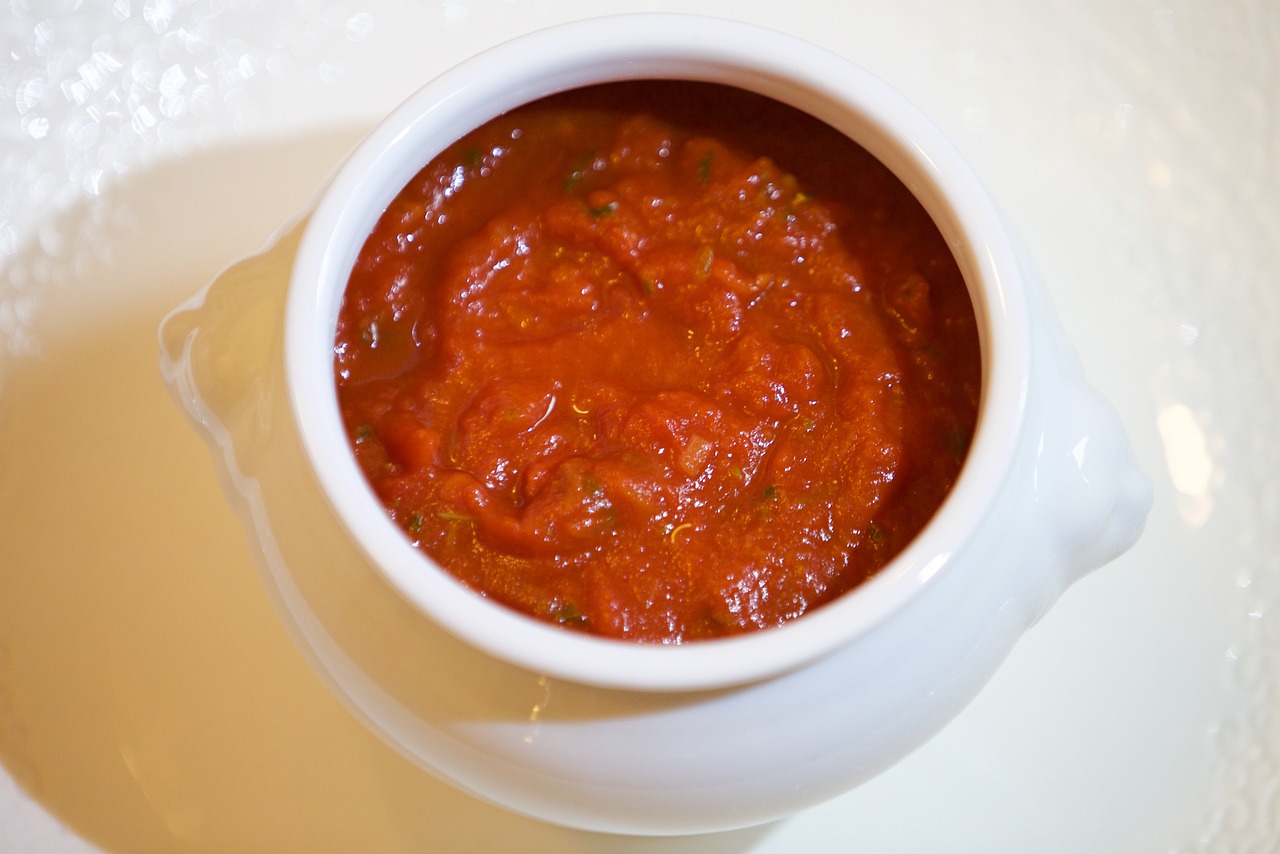
Tomato sauce might seem innocent enough, but it’s actually a plastic container’s worst nightmare. Acidic foods “chemically react with plastics over time”, and these foods can “absorb plasticizers” from their containers. Tomato sauces, such as marinara or chili, are acidic and can easily stain plastic containers. The acidity of tomatoes also reacts with plastic, potentially causing chemicals to seep into the sauce.
The problem goes beyond just chemical leaching – the rich red color of tomatoes will often leave stains that are hard to remove, even after washing. Tomato-based sauces: These are highly acidic and should be stored in glass jars instead of PET or PP containers. Glass containers completely eliminate the risk of chemical migration while keeping your sauce tasting exactly as it should.
Citrus Fruits and Juices
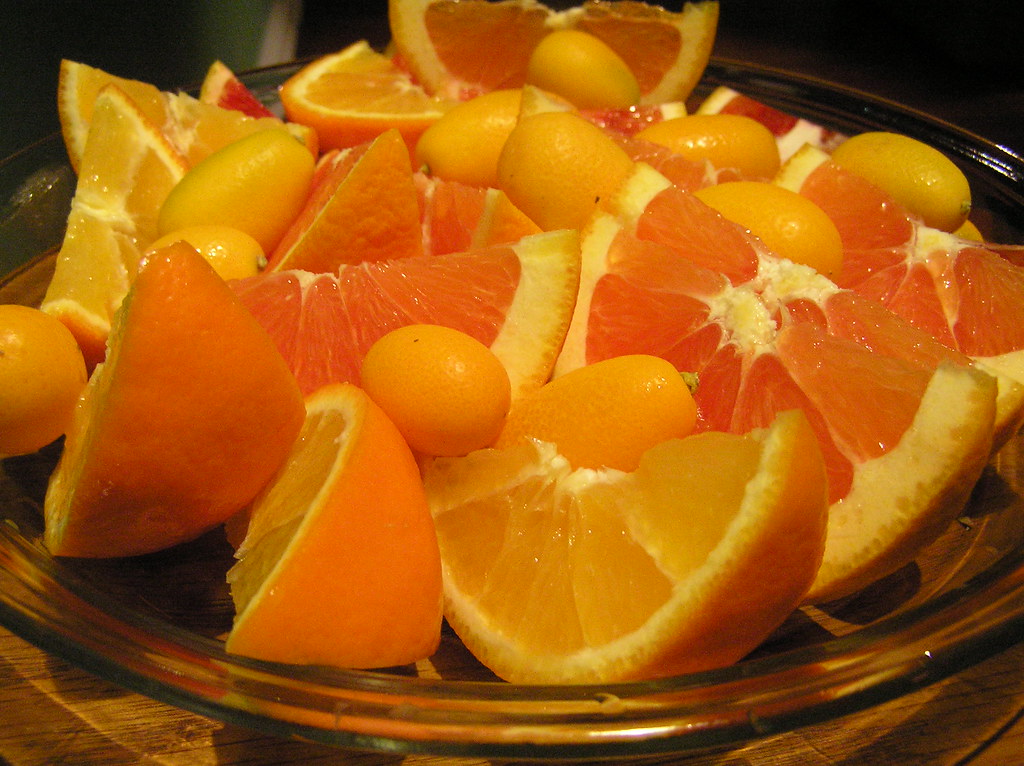
Citrus fruits pack a powerful acidic punch that can turn your plastic containers into chemical leaching machines. Many foods we might store for later are considered acidic—think tomato sauce or anything pickled or citrusy, and acidic foods such as tomatoes, citrus fruits, vinegar-based dressings, and pickled vegetables can react with the chemicals in some plastic containers. Putting highly acidic foods — such as tomatoes or citrus fruits — in these products does the same thing as scratching them or washing them harshly.
The worst part? PET (Polyethylene Terephthalate) containers are commonly used for storing beverages like soda and juices, they may not be ideal for storing highly acidic foods over a long period due to potential chemical leaching. Lemon juice: Best stored in glass bottles to maintain its flavor and safety. Don’t let that morning orange juice turn into a chemical cocktail.
Fatty and Oily Foods
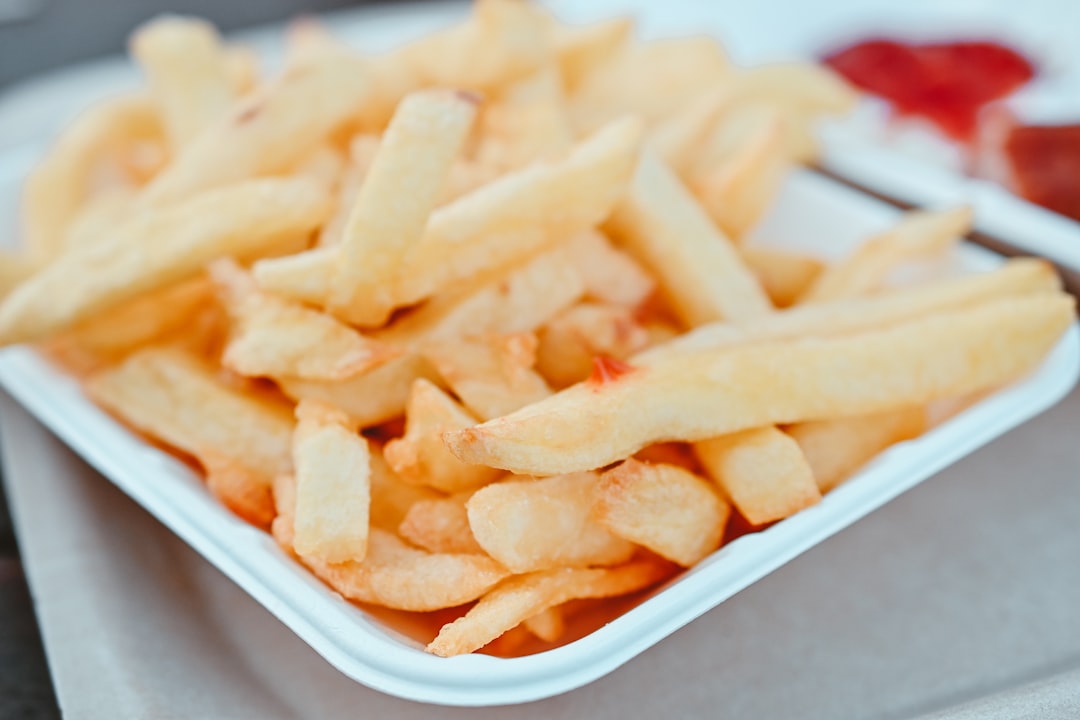
Butter, cheese, and other fatty foods are like magnets for plastic chemicals. Oily and fatty foods like butter, cheese, and meat can absorb chemicals from plastic containers, especially when stored for long periods or at high temperatures. Oily and fatty foods (e.g., butter, cheese). These can absorb chemicals from LDPE, especially when exposed to heat. The science is clear: phthalates are highly fat-soluble, and warm milk with it’s high fat content appears to readily collect phthalate residue.
This creates a perfect storm of contamination. The researchers tested olive oil, ketchup, and mayonnaise and found that all of them had detectable levels of PFAS after being in contact with an HDPE for a week. Your innocent block of cheese could be slowly absorbing harmful chemicals that accumulate in your body over time.
Spicy Foods and Curries
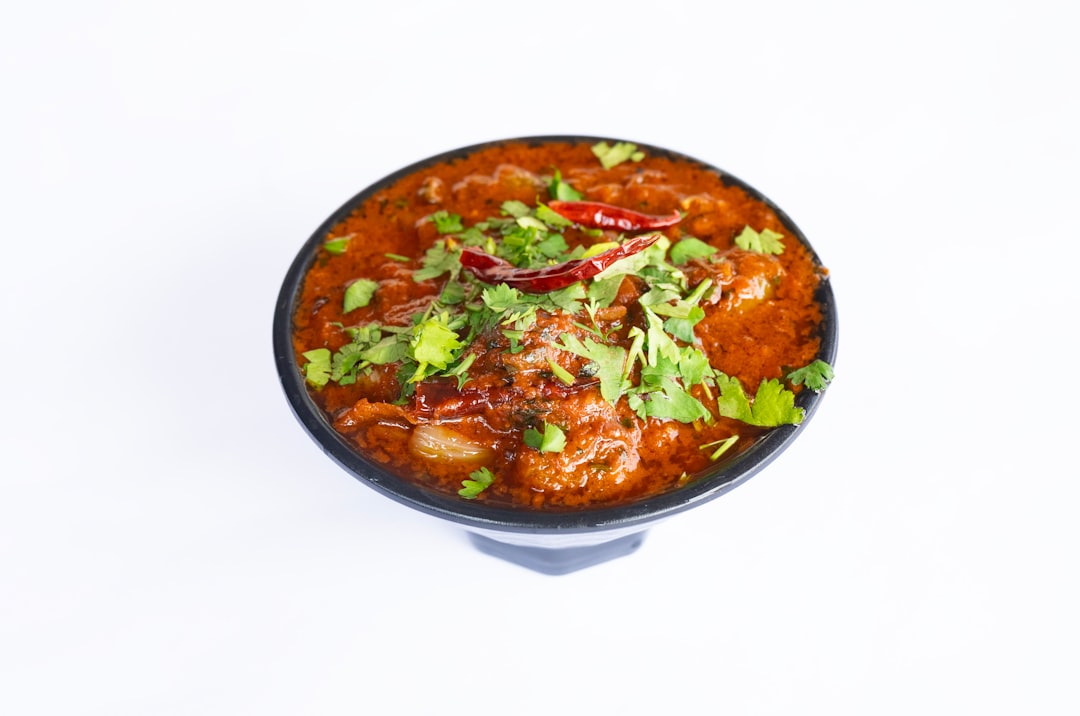
That delicious curry you made last night? It’s turning your plastic container into a chemical-stained mess. Spicy foods, like curries or hot chili, can also stain and leave strong odors in plastic containers. The oils from spices like turmeric, cumin, and chili peppers can cling to plastic, making it difficult to clean. But the problem runs deeper than just stains and smells.
These oils can also leach into the plastic over time, affecting the flavor of any other foods stored in the same container later. To avoid staining and odor issues, consider using ceramic or glass containers for spicy foods. Once those spice oils penetrate the plastic, they’re nearly impossible to remove completely.
Dairy Products
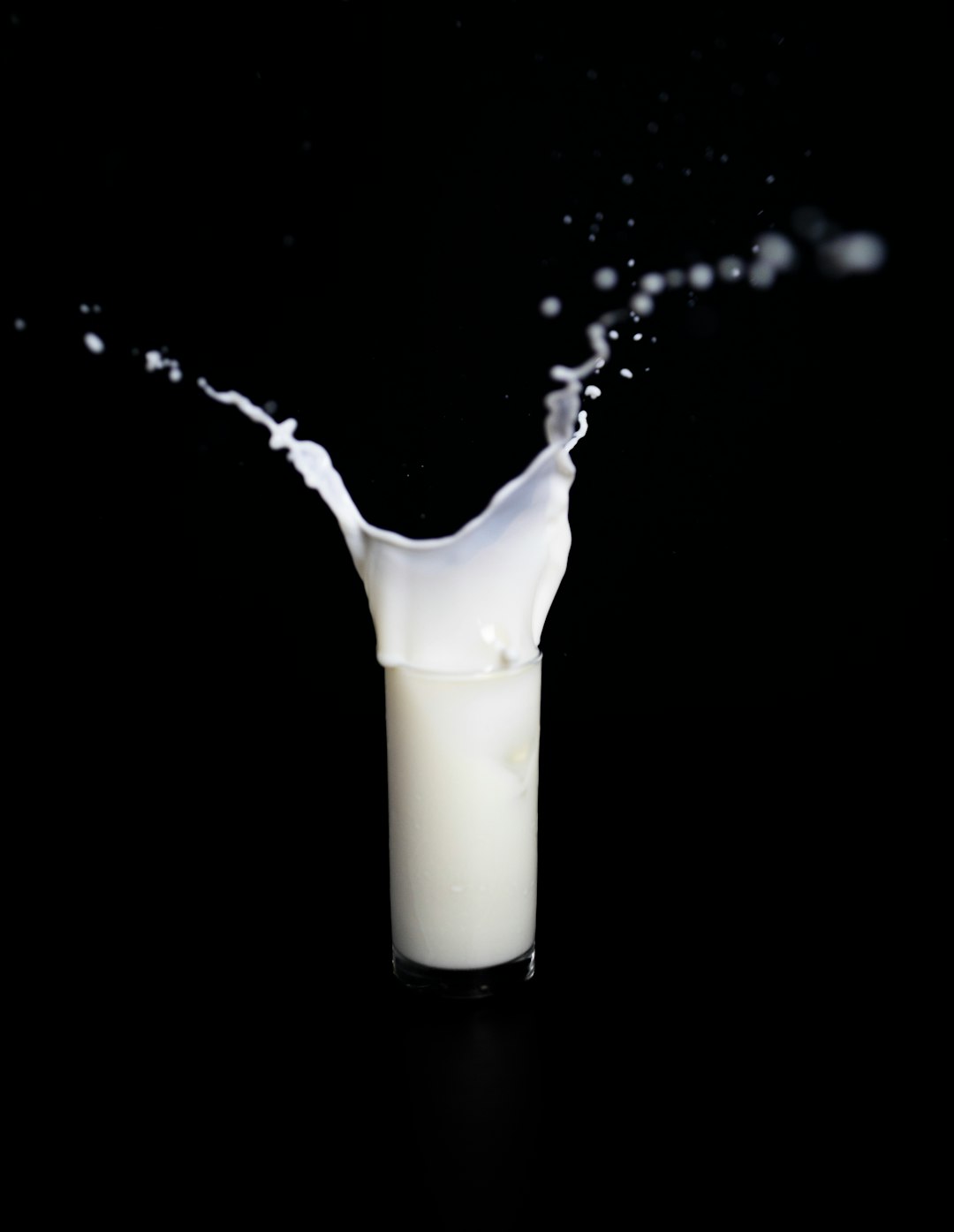
Your morning milk might be hiding a dirty secret. One of the most alarming sources of dietary phthalates is via consumption of dairy products and milk, including many organic versions and even milk from glass bottles that has been collected with phthalate laden equipment. The mechanized milking process uses a lot of plastic components, and the tubing that the milk passes through is known to infect fresh cow’s milk as it passes through.
Research shows alarming contamination levels. We found high levels in, among other products, Del Monte sliced peaches, Chicken of the Sea pink salmon, Fairlife Core Power high-protein chocolate milkshakes, Yoplait Original French vanilla low-fat yogurt. Recent testing by Consumer Reports has revealed concerning levels of microplastics and phthalates in Fairlife’s Core Power High Protein Chocolate Milk Shake. This discovery has raised alarms about potential plastic contamination in popular milk products and its implications for consumer health.
Nut Butters
Peanut butter and other nut butters create a perfect storm of problems in plastic containers. Nut butters, like peanut butter or almond butter, can leave an oily residue and odor in plastic containers. Over time, the oils in nut butter can seep into the plastic, affecting its taste and smell. This isn’t just about flavor – it’s about your health.
The high fat content in nut butters makes them particularly susceptible to chemical absorption. Storing nut butter in glass jars helps keep the flavor pure and prevents the container from smelling. Glass is also easier to clean and doesn’t retain oils. Don’t let your healthy snack become a source of plastic contamination.
Pickled and Fermented Foods
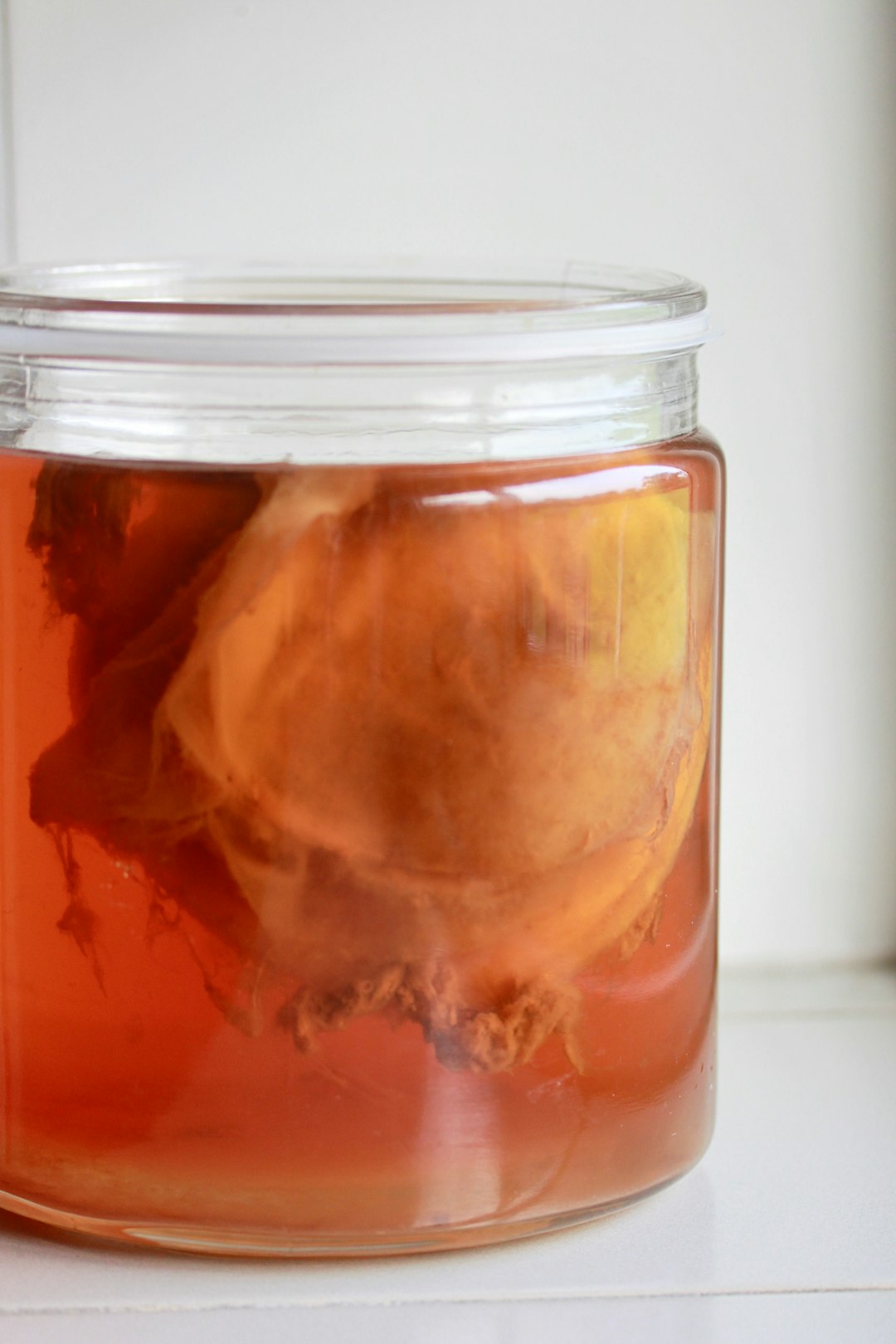
Pickles, sauerkraut, and other fermented foods are acidic powerhouses that can wreak havoc on plastic containers. Many foods we might store for later are considered acidic—think tomato sauce or anything pickled or citrusy. Acidic foods such as tomatoes, citrus fruits, vinegar-based dressings, and pickled vegetables can react with the chemicals in some plastic containers.
The fermentation process creates additional acids that make these foods even more corrosive to plastic. It’s advisable to use glass or stainless steel containers for long-term storage of acidic foods. Traditional mason jars exist for a reason – they’re the gold standard for preserving acidic foods safely.
Alcoholic Beverages
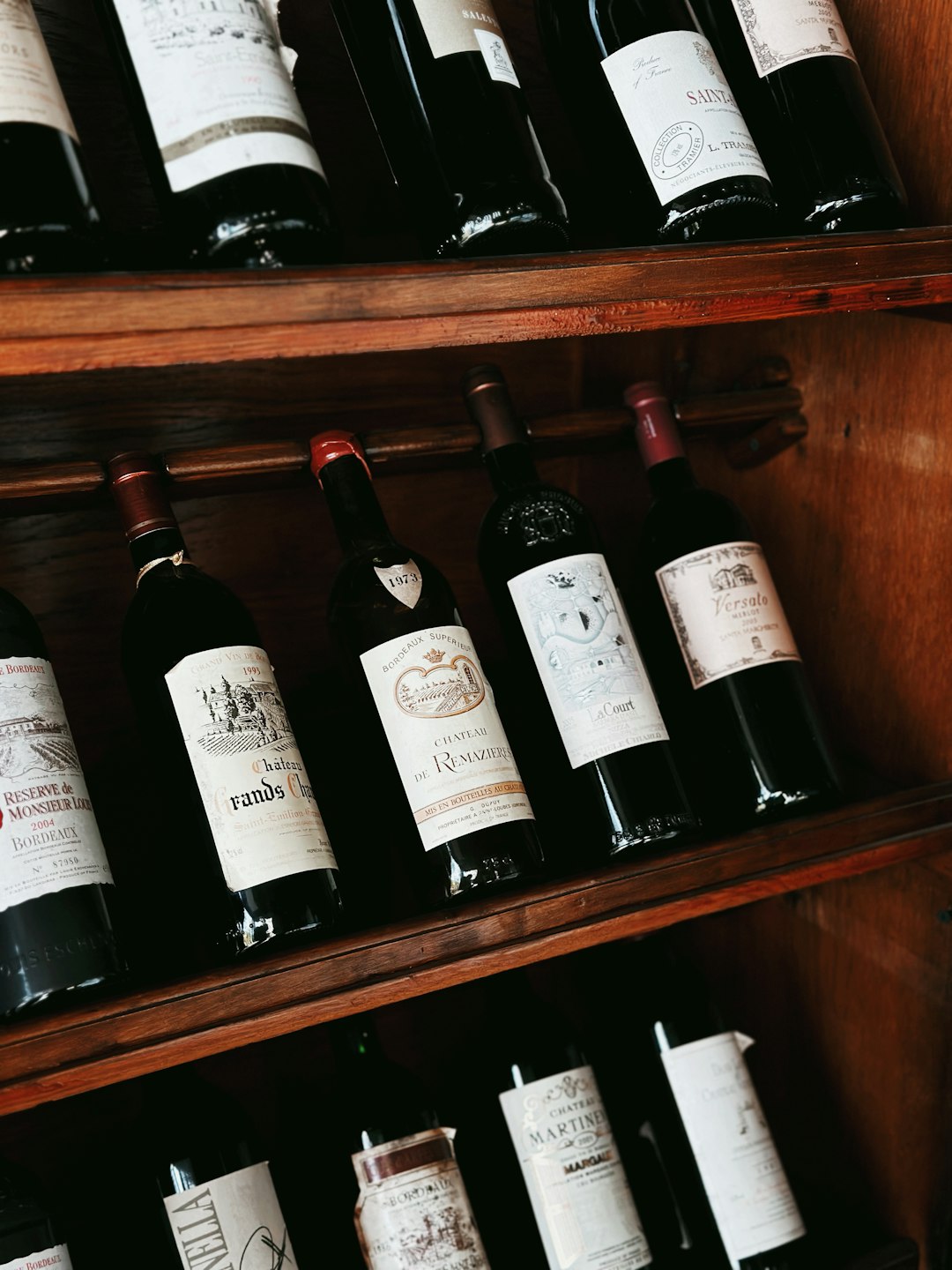
That leftover wine or beer shouldn’t go anywhere near your plastic containers. Worst for: Acidic foods (e.g., tomatoes, citrus juices) and alcoholic beverages. These can cause leaching and alter the flavor and safety of the contents. Alcohol is a powerful solvent that can break down plastic polymers and extract harmful chemicals.
The combination of alcohol and plastic creates a dangerous chemical cocktail. Even small amounts of alcohol can accelerate the breakdown of plastic materials, leading to increased chemical migration into your beverages. Glass is the only safe option for storing any alcoholic beverages.
Berries and Soft Fruits
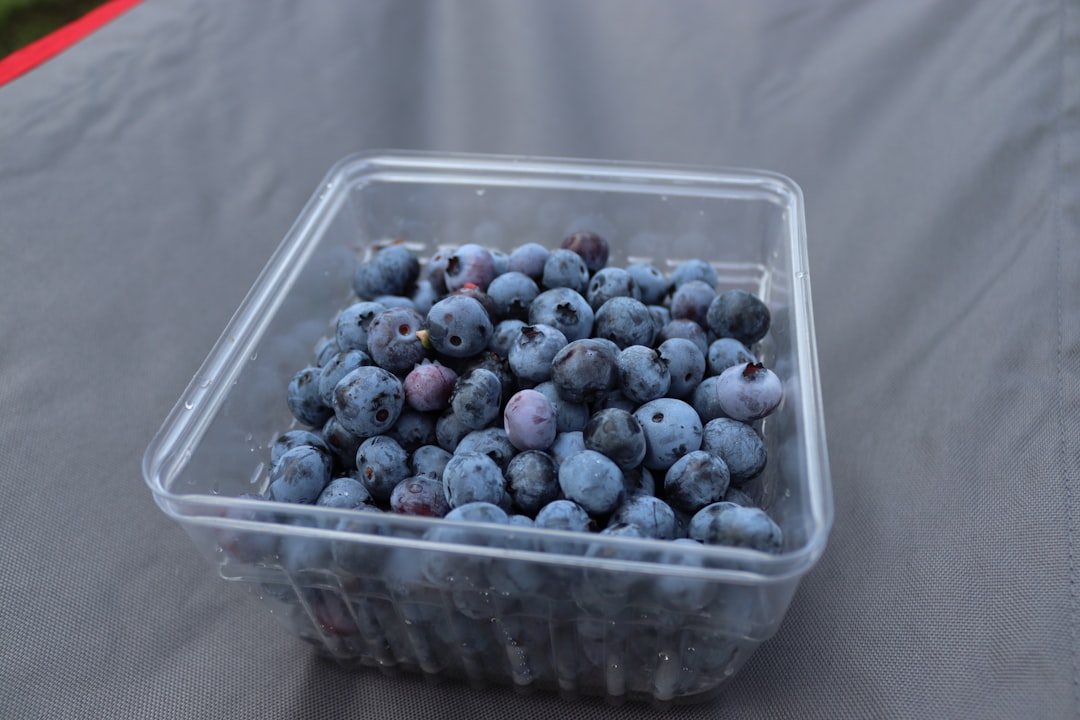
Fresh berries might look innocent, but they’re actually problematic in plastic containers. Worst for: Soft fruits and berries, which may trap moisture and cause the plastic to degrade faster, leading to mold growth. The moisture from these fruits creates an environment where both plastic degradation and bacterial growth can flourish.
Berries are also naturally acidic, which compounds the problem. The combination of moisture, acidity, and time creates perfect conditions for plastic chemicals to leach into your healthy fruit. Glass or breathable containers are much better options for keeping berries fresh without chemical contamination.
Honey and Syrups
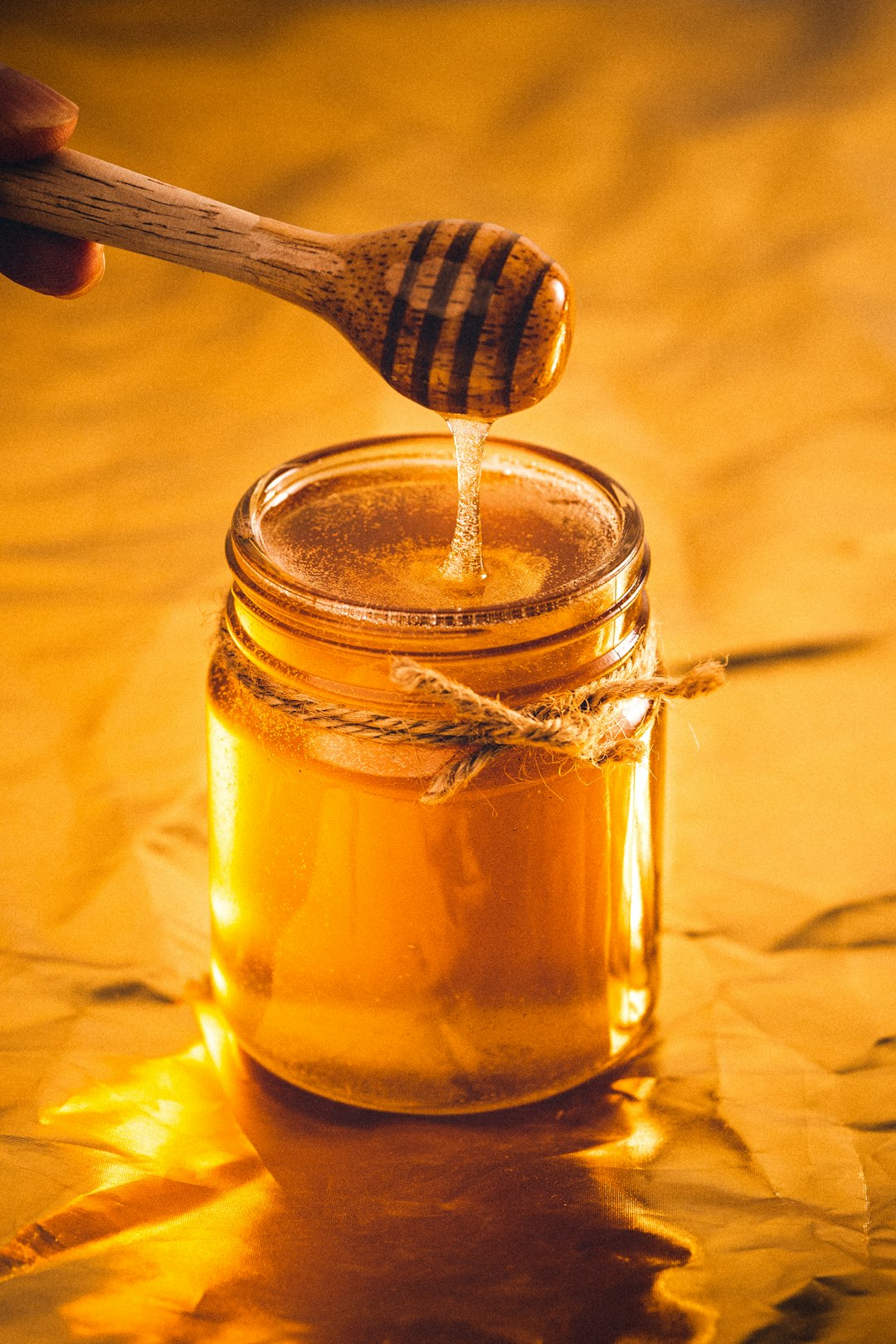
Even something as natural as honey can become contaminated in plastic containers. Honey is best stored in glass jars, as it can react with plastic over time. Although honey is stable and doesn’t spoil easily, plastic can impact its flavor and texture. The high sugar content and slight acidity of honey can interact with plastic polymers over extended storage periods.
Storing honey in a glass keeps it tasting as pure as possible without any added flavors. If you buy honey in a plastic container, consider transferring it to glass for long-term storage. Your pure honey shouldn’t taste like plastic chemicals.
Canned Foods After Opening
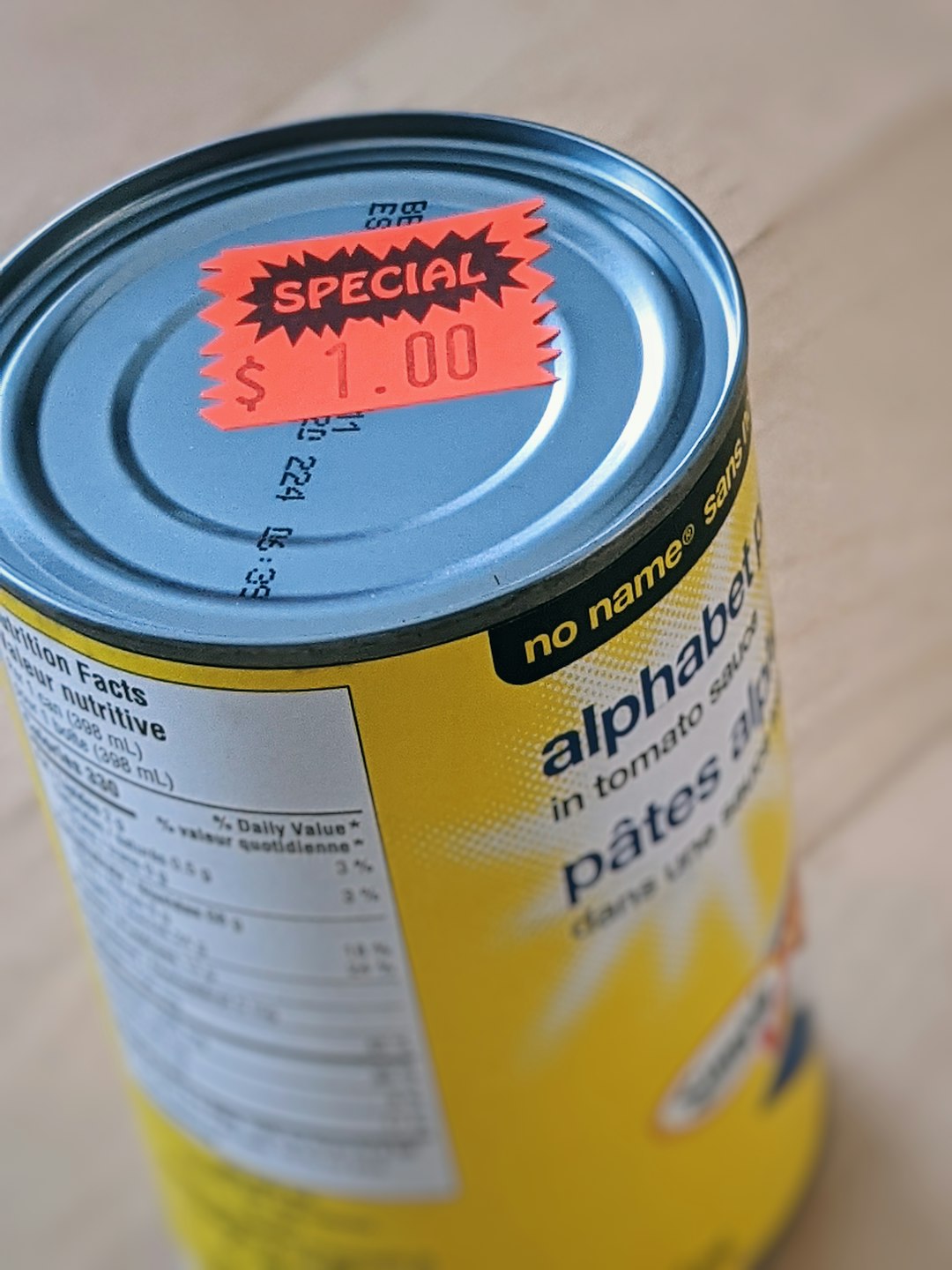
Once you open that can of beans or tomatoes, transferring the contents to plastic is a major mistake. Organic products were just as problematic: In fact, the highest phthalate levels we found were in a can of Annie’s Organic cheesy ravioli. Some of the worst offenders are certain canned foods (e.g., Annie’s Organic Cheesy Ravioli with a level of 53,579 nanograms (ng) per serving.
The problem is that canned foods are often already contaminated with plastic chemicals from the can lining. In the epoxy resin linings of cans for food and infant formula, BPA is commonly used. Adding plastic storage on top of this creates a double dose of chemical exposure.
Baby Food and Formula
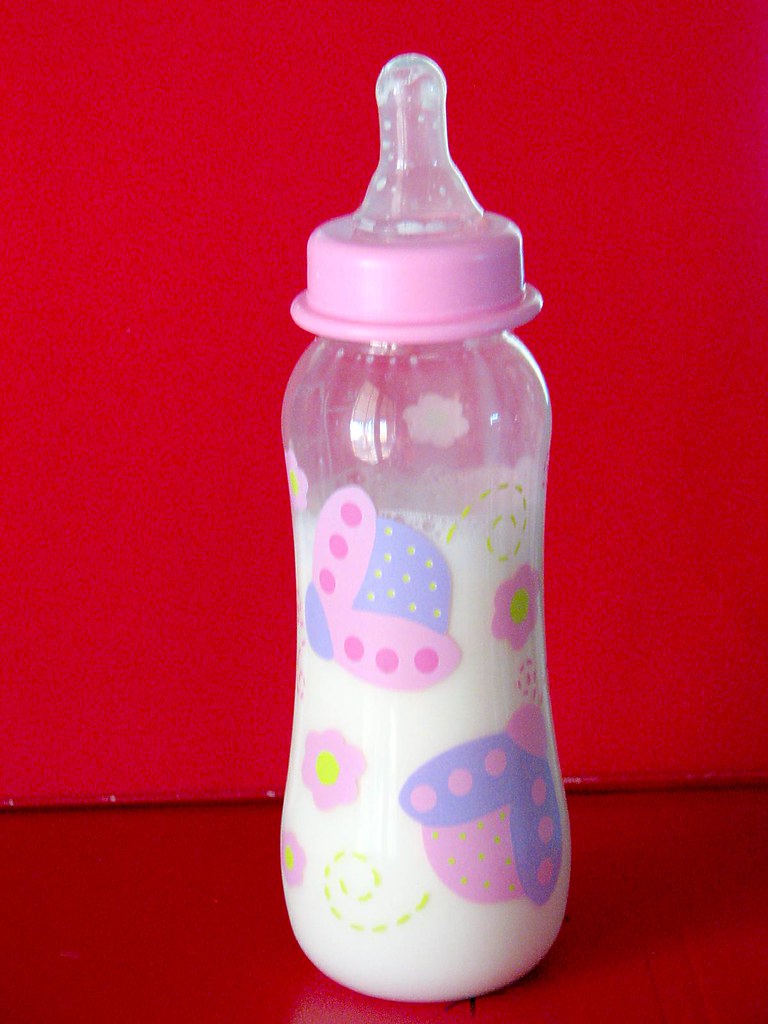
Baby foods and formula require the highest level of protection from plastic contamination. Under the precautionary principle, more stringent conditions have been set in that BPA should not transfer into foods from articles intended for infants and young children. CR finds that BPA in plastic baby bottles can leach into infant formula and advises parents to throw away bottles that could contain the chemical.
The stakes are incredibly high for developing children. Early research suggests phthalate exposure is linked to endocrine disruption leading to male fertility issues, neurodevelopmental disorders, obesity and type II diabetes, breast cancer, and immune dysfunction. Glass containers are the only safe option for storing baby food and formula.
Meat and Seafood
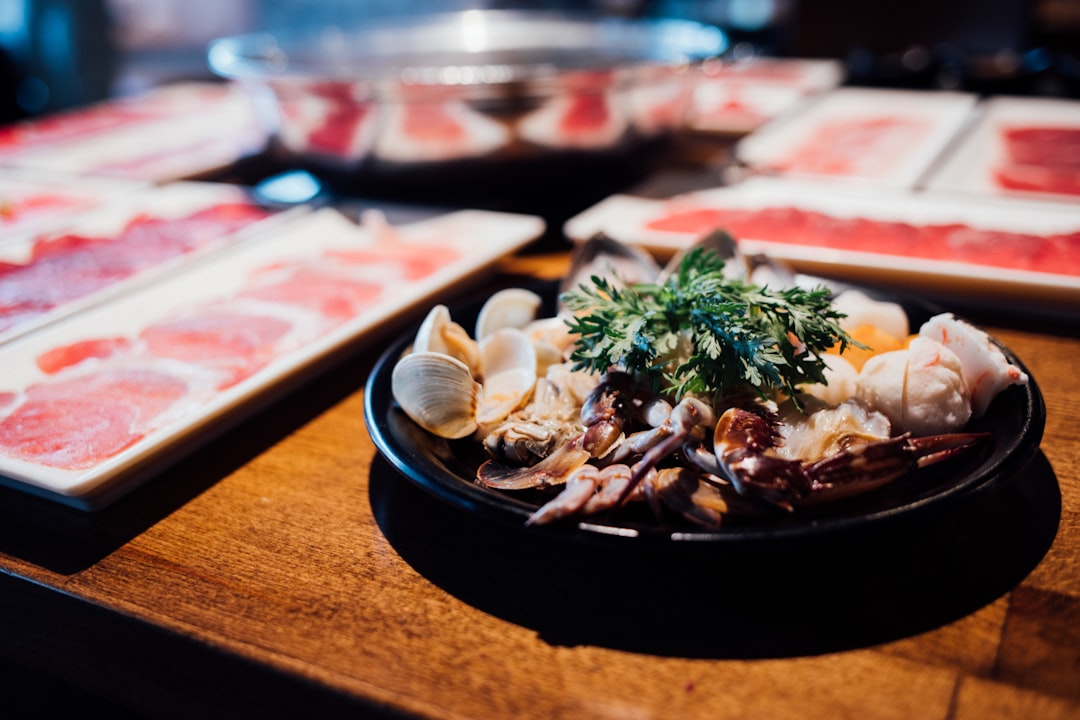
Raw or cooked meat and seafood are particularly vulnerable to plastic contamination. Oily and fatty foods like butter, cheese, and meat can absorb chemicals from plastic containers, especially when stored for long periods or at high temperatures. The high fat content in many meats makes them chemical magnets.
Chicken of the Sea said it requires its suppliers to certify that neither products nor packaging has intentionally added BPA or phthalates, but it acknowledged that fish live in water that is often polluted with phthalates. Even when companies try to avoid contamination, the seafood itself might already contain plastic chemicals from environmental pollution.
Leftover Foods in Black Plastic Containers
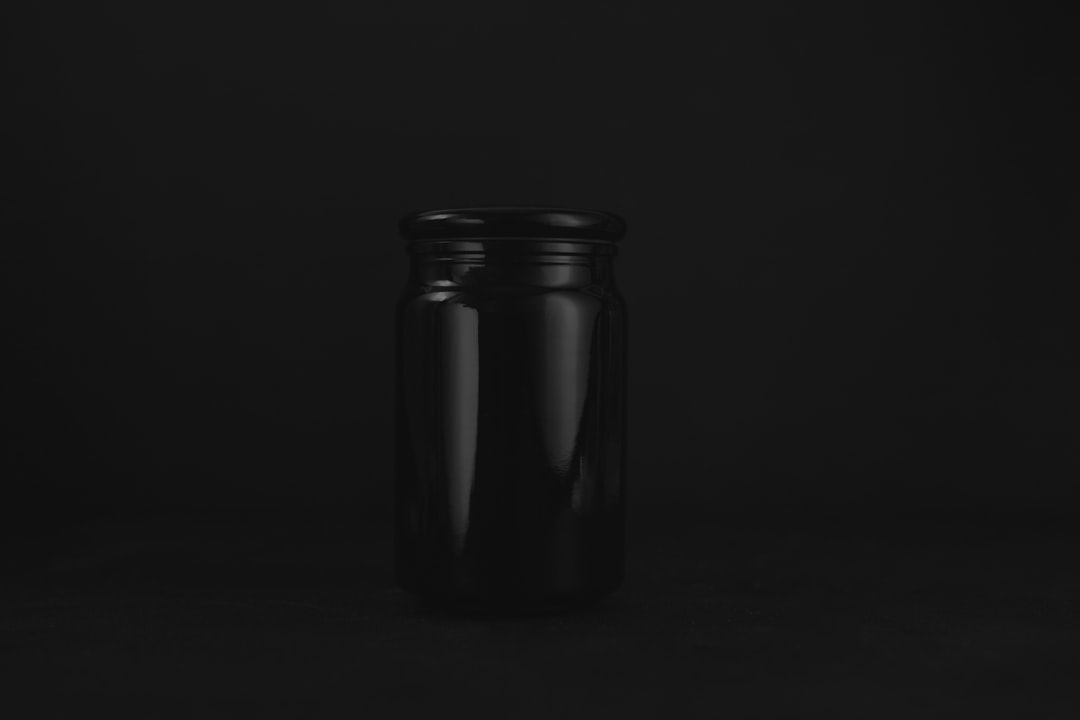
Black plastic containers are the worst offenders when it comes to food storage. Items of the greatest concern include black plastic cooking utensils, stirrers, food containers, and hot cup lids, as exposure to heat increases the likelihood of these toxic chemicals leaching into your food and drink. Due to the lack of recycled black plastic, the demand is often met with e-waste (discarded electronics like old computers, phones, TVs, monitors, speakers, and appliances) that contains toxic chemicals such as phthalates, flame retardants, and heavy metals such as cadmium, lead, nickel, chromium, and mercury.
Although existing safety regulations limit the amounts of these chemicals and metals present in electronics, there are currently NO government regulations covering the safety of recycled black plastic items. Therefore, high levels of toxic chemicals that are prohibited in your laptop or phone are perfectly legal in your black plastic fork, spatula, slotted spoon, or hot cup lid. If you purchase food in a black plastic container, switch it to a glass, ceramic or metal storage container when you get it home.
The science is clear: plastic containers pose serious health risks for many common foods. These containers are not totally inert and leach varying levels of metals and chemicals into the foods they store—especially if subjected to elevated temperatures. Many of these thresholds do not reflect the most current scientific knowledge, and may not protect against all the potential health effects.
Your health is worth more than the convenience of plastic storage. Glass, stainless steel, and ceramic containers offer safe alternatives that won’t compromise your food’s safety or flavor. What will you change first in your kitchen?

Matthias is a skilled author and digital storyteller with a focus on travel journalism, environmental issues, and modern home design. With a background in communications and a passion for global cultures, Matthias crafts engaging narratives that blend real-world exploration with thoughtful analysis and visual flair.
His writing reflects a deep interest in how climate change shapes our lives and lifestyles—from sustainable travel practices to eco-friendly living environments. Known for his clear, approachable voice and sharp editorial instincts, Matthias delivers content that resonates with readers seeking both inspiration and substance.
Whether reporting from remote destinations, breaking down sustainable design trends, or spotlighting innovative green initiatives, Matthias brings a global perspective and an eye for detail to every piece. He regularly contributes to web platforms and editorial projects that aim to foster awareness, creativity, and conscious living.