


Matthias is a skilled author and digital storyteller with a focus on travel journalism, environmental issues, and modern home design. With a background in communications and a passion for global cultures, Matthias crafts engaging narratives that blend real-world exploration with thoughtful analysis and visual flair.
His writing reflects a deep interest in how climate change shapes our lives and lifestyles—from sustainable travel practices to eco-friendly living environments. Known for his clear, approachable voice and sharp editorial instincts, Matthias delivers content that resonates with readers seeking both inspiration and substance.
Whether reporting from remote destinations, breaking down sustainable design trends, or spotlighting innovative green initiatives, Matthias brings a global perspective and an eye for detail to every piece. He regularly contributes to web platforms and editorial projects that aim to foster awareness, creativity, and conscious living.
The Shocking Truth About Crime Prevention That Police Won’t Tell You

While high-tech security systems and surveillance cameras dominate our crime-prevention conversations, the most powerful security tool sits right next door. Studies show that neighborhood watch programs are associated with a reduction in crime of between 16 percent and 26 percent, making them more effective than most expensive security gadgets.
This isn’t just about watching out for packages or reporting suspicious activity. Recent evidence indicates that alternative policies based on building community can reduce crime, especially in disadvantaged neighborhoods. The data reveals something extraordinary: the simple act of knowing your neighbors creates an invisible shield around your entire community.
Crime Statistics That Will Change How You Think About Safety

In 2024, reported levels of 12 of the 13 offenses were lower than in 2023, with homicides decreasing by 16% and aggravated assaults dropping by 4%. But here’s what makes this interesting: communities with strong neighbor connections consistently outperform national averages in crime reduction.
In areas where community programs like the Gang Reduction and Youth Development and Community Safety Partnership have engaged residents, LAPD reported a 40% reduction in homicides, underscoring the powerful impact of community involvement. The evidence is clear that neighbors working together create safer spaces than isolated households ever could.
Why Professional Security Falls Short Where Neighbors Succeed

Security cameras catch criminals after the fact, but neighbors prevent crime before it happens. Involving community members in watch programs decreases opportunities for criminals to commit crime rather than attempting to catch them after the fact. This proactive approach creates what researchers call “natural surveillance” – eyes and ears that are always present.
The reason is surprisingly simple: criminals prefer anonymity and predictability. There may be a lack of anonymity in areas with strong neighbor connections, which may make it less likely for crimes to be committed regardless of other factors. When neighbors know each other, they immediately notice when something doesn’t belong.
The Science Behind Neighbor Networks and Crime Reduction

Research across U.S. cities from 1970 to 2009 found that a one standard deviation increase in social connectedness leads to a precisely estimated 21 percent decrease in murder and a 20 percent decrease in other violent crimes. This isn’t correlation – it’s causation backed by decades of data.
Studies show that community-building initiatives significantly reduce intimate crimes in the short term and drug crimes in the long term, with young offender crime rates also being lowered due to tighter-knit communities. The research consistently points to the same conclusion: social bonds create physical safety.
How Knowing Your Neighbors Creates Invisible Security Layers

When you know your neighbors, you’re not just exchanging pleasantries – you’re building a sophisticated intelligence network. The three main responsibilities of neighborhood watch members are observation, communication, and security, with residents being the best experts on what is normal and acceptable in their own neighborhood.
This creates what security experts call “environmental awareness” – the ability to spot anomalies before they become problems. Residents who know their neighbors can immediately identify when something is out of place and communicate this information effectively. It’s like having a custom security system that learns and adapts to your specific neighborhood patterns.
The Ripple Effect: How One Conversation Protects the Whole Block

Community-engaged activities that involve residents working together to improve their neighborhood may be one way to create busy streets and reduce crime. When neighbors talk to each other, they create what researchers call “collective efficacy” – the shared belief that people can work together to solve problems.
This ripple effect is measurable. Community-led efforts implementing crime prevention strategies have shown promising results, with areas like Flint, Michigan witnessing a 40 percent reduction in violent crimes over five years. The power multiplies as more neighbors get involved, creating protective bubbles that expand beyond individual properties.
Breaking Down the Myth of the Fortress Home

Many people believe that creating a fortress-like home with high fences, security systems, and minimal interaction is the safest approach. The data tells a different story. All neighborhood watch programs share one foundational idea: bringing community members together to reestablish control of their neighborhoods promotes increased quality of life and reduces crime rates.
Isolation actually increases vulnerability. Studies show that once a neighborhood watch program deteriorates, criminals notice and quickly resume illegal activities. The fortress mentality creates targets rather than protection, signaling to criminals that no one is watching or caring about community safety.
The Technology vs. Human Connection Crime Prevention Battle

While we spend billions on security technology, the most effective crime prevention costs nothing and builds community simultaneously. Neighborhood watch programs are simple and inexpensive, yet highly effective in the fight against crime, with statistics indicating that communities with active programs show a marked decrease in burglaries and related crimes.
Technology fails when power goes out, cameras break, or systems malfunction. Every day, we encounter situations calling upon us to be the eyes and ears of law enforcement, and neighborhood watch allows citizens to help in the fight against crime while building community bonds. Human connections remain active 24/7, adapt to changing circumstances, and strengthen over time.
Real-World Success Stories That Prove the Point

In Cathedral City, the police department participated in numerous community events and attended neighborhood watch meetings, contributing to a 10% reduction in violent crime and highlighting the effectiveness of law enforcement strategies combined with community partnerships. These aren’t isolated incidents – they’re repeatable patterns happening nationwide.
The success stories share common elements: neighbors who communicate regularly, established protocols for sharing information, and partnerships with local law enforcement. The decline in shooting victims can be attributed to community partnerships aimed at preventing crimes, resulting in the successful seizure of thousands of illegal firearms. Community involvement amplifies professional law enforcement effectiveness.
The Economics of Neighbor-Based Security

Professional security systems require monthly fees, maintenance costs, and regular upgrades. Knowing your neighbors requires only time and genuine interest. Since 1972, the National Neighborhood Watch Program has worked to unite law enforcement agencies and citizens in a nation-wide effort to reduce crime, establishing neighborhood watch as the nation’s premier crime prevention program.
The return on investment is remarkable. Meta-analysis of neighborhood watch studies indicated that across all eligible studies combined, neighborhood watch was associated with a reduction in crime. This represents thousands of dollars saved in potential losses, insurance claims, and security equipment costs, all through the simple act of building relationships with people who live nearby.
How to Transform Your Block Into a Security Network

Starting doesn’t require formal programs or official designations. A neighborhood watch system is easy to establish by getting to know your neighbors and being willing to communicate crime and non-crime neighborhood information, making your community less attractive to potential criminals. Begin with simple introductions, exchange contact information, and establish regular communication patterns.
Block meetings can be organized to offer training in crime strategies, surveillance, home security surveys, and internal communications. The key is consistency and genuine relationship-building rather than formal structures. Creating truly effective neighborhood watch programs takes patience, planning, and enthusiasm, but the foundation starts with simply knowing who lives around you.
The Hidden Benefits Beyond Crime Prevention

While crime reduction is the primary goal, neighbor connections create additional security layers. Neighborhood watch serves as a communication link for disaster preparedness and terrorism alerts, with ongoing threats necessitating community residents to look out for suspicious activities while also preparing for natural disasters. These networks become lifelines during emergencies, power outages, and community crises.
Research reveals that local peer-to-peer sharing can dramatically reduce resource shortages during disaster isolation periods, with findings having broad implications for communities seeking to improve their disaster preparedness. The social capital built through neighbor relationships pays dividends far beyond crime prevention, creating resilient communities that can weather multiple types of challenges.
Why This Matters More Than Ever in 2025
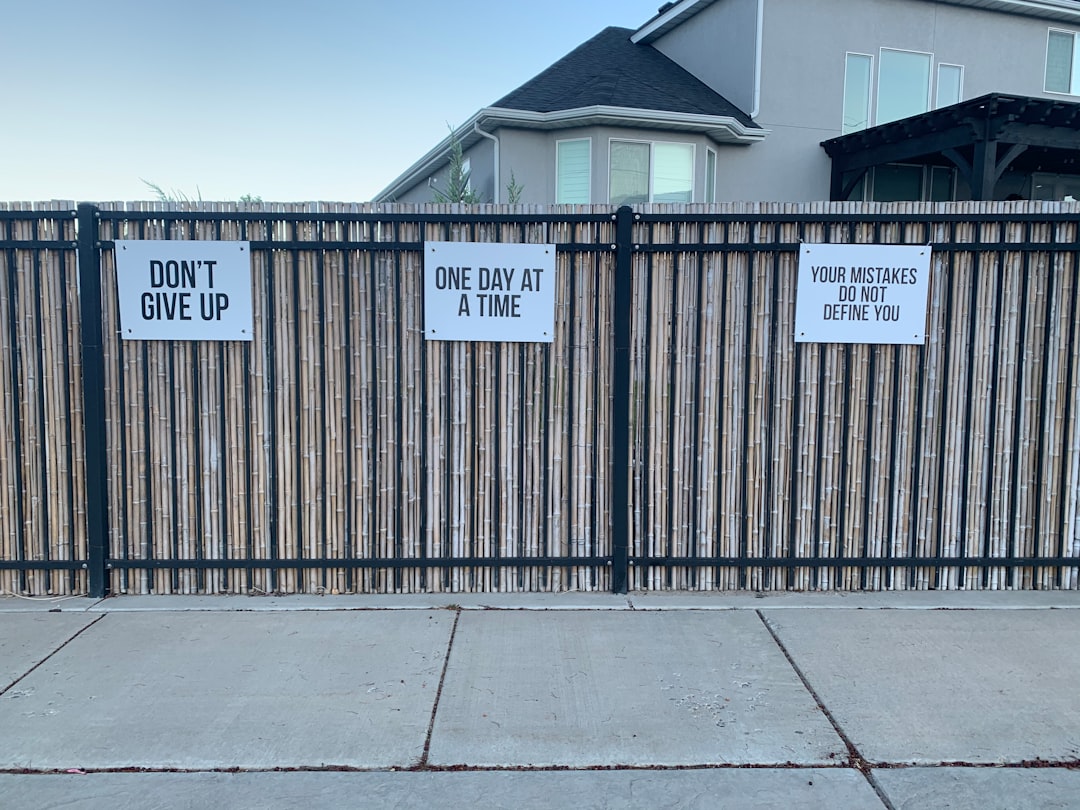
As communities become increasingly digital and isolated, the power of human connection for safety becomes more crucial. Recent public demands for changes in traditional policing highlight the need for citizen participation in crime prevention efforts, with crime prevention through environmental design and community engagement showing promising results. The future of community safety lies not in more technology, but in stronger human networks.
The evidence is overwhelming: knowing your neighbors creates the most effective, sustainable, and affordable security system available. Programs that involve residents in neighborhood improvement may be effective violence prevention strategies, with resident engagement associated with increased pride in and connection to the community. In a world of expensive security solutions, the most powerful protection was always right next door.
The next time you consider upgrading your security system, remember that the most sophisticated alarm system pales in comparison to neighbors who genuinely care about each other’s safety. How well do you really know the people who live closest to you?

Matthias is a skilled author and digital storyteller with a focus on travel journalism, environmental issues, and modern home design. With a background in communications and a passion for global cultures, Matthias crafts engaging narratives that blend real-world exploration with thoughtful analysis and visual flair.
His writing reflects a deep interest in how climate change shapes our lives and lifestyles—from sustainable travel practices to eco-friendly living environments. Known for his clear, approachable voice and sharp editorial instincts, Matthias delivers content that resonates with readers seeking both inspiration and substance.
Whether reporting from remote destinations, breaking down sustainable design trends, or spotlighting innovative green initiatives, Matthias brings a global perspective and an eye for detail to every piece. He regularly contributes to web platforms and editorial projects that aim to foster awareness, creativity, and conscious living.