

Henrieke Otte is an accomplished writer and content editor, specializing in topics that inspire thoughtful living—ranging from global travel and sustainable lifestyles to interior design and architecture. With a keen editorial sense and a background in cultural studies, Henrieke brings depth, elegance, and clarity to every piece she crafts.
Her work is known for its engaging voice, visual sensitivity, and ability to turn complex ideas into accessible, reader-friendly narratives. Whether exploring eco-conscious destinations, dissecting climate-conscious home trends, or curating serene living spaces, Henrieke writes with a balance of creativity and insight that resonates with design-savvy, environmentally aware audiences.
Driven by a love of meaningful storytelling and a refined aesthetic, Henrieke contributes regularly to digital platforms and magazines where quality content meets visual sophistication.
Installing a smart thermostat can be a game-changer for your home’s energy efficiency, comfort, and convenience. However, before you jump into the installation process, there are several crucial factors to consider. Understanding these elements will ensure a smooth transition and optimal performance of your new device.
1. Check Your Home’s Compatibility

Before purchasing a smart thermostat, it’s essential to determine if your home’s heating and cooling system is compatible with the device. While most smart thermostats are designed to work with central heating and cooling systems, some may not be suitable for high-voltage heating systems or specific multi-stage systems. It’s wise to consult the specifications of the thermostat you are considering and compare them with your existing HVAC system. Furthermore, if you have a zoned heating system, it’s critical to verify that the thermostat can manage multiple zones effectively. This step will help avoid any compatibility issues that could hinder the thermostat’s performance.
2. Assess Your Home’s Wi-Fi Network

Smart thermostats rely heavily on a stable Wi-Fi connection to function efficiently. Before installation, it’s prudent to assess your home’s Wi-Fi network to ensure it has adequate coverage in the area where the thermostat will be installed. A weak Wi-Fi signal can lead to connectivity issues, impacting the thermostat’s ability to perform its functions. If you find that your Wi-Fi signal is not strong enough, consider upgrading your router or adding Wi-Fi extenders to enhance coverage. This will ensure uninterrupted connectivity and optimal performance of your smart thermostat.
3. Determine the Features You Want
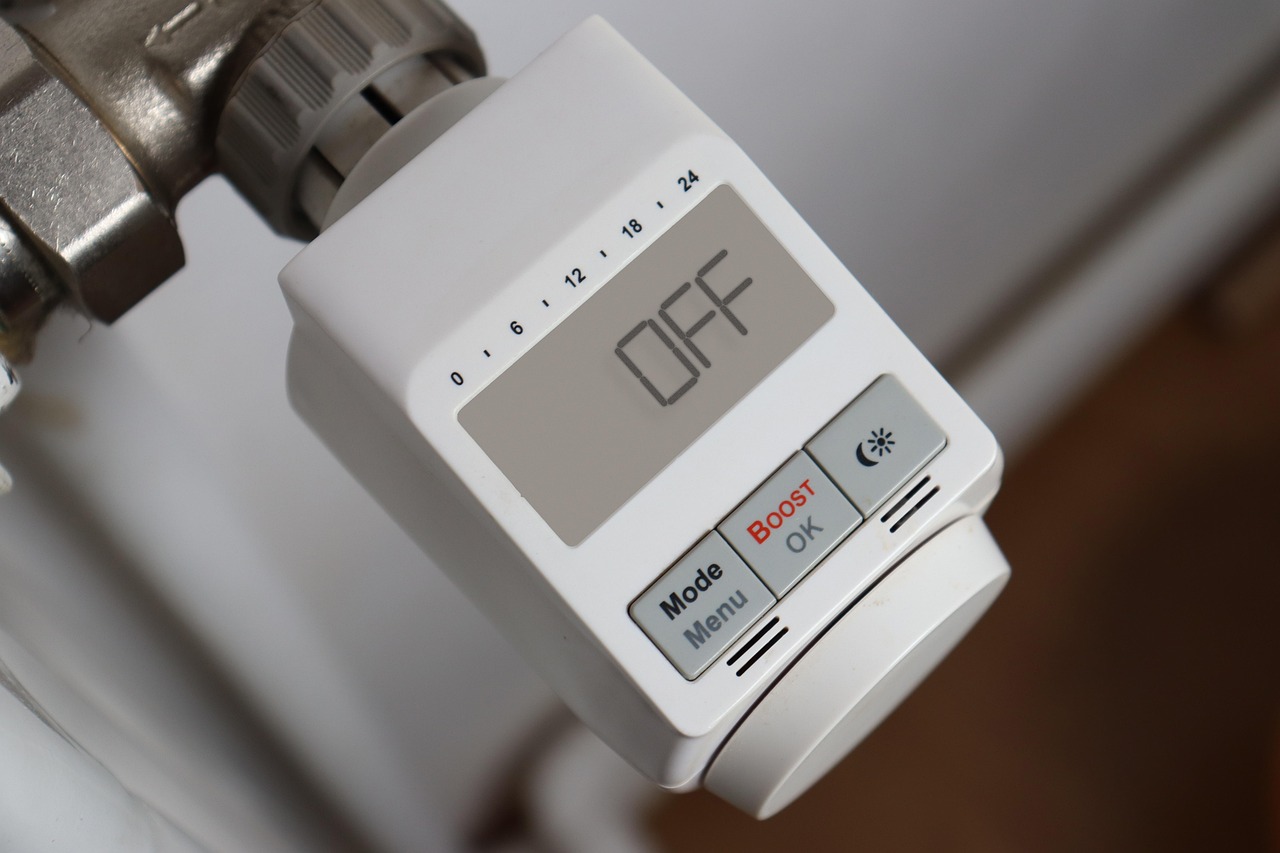
When looking at smart thermostats, it’s important to determine which features are most important to you. Some popular features include remote access via smartphone apps, learning capabilities that adjust settings based on your habits, energy usage reports, and integration with other smart home devices. Spend some time researching different models and their features to find one that best aligns with your lifestyle and preferences. This will ensure you get the most out of your investment and enjoy the convenience and energy savings a smart thermostat offers.
4. Installation Process
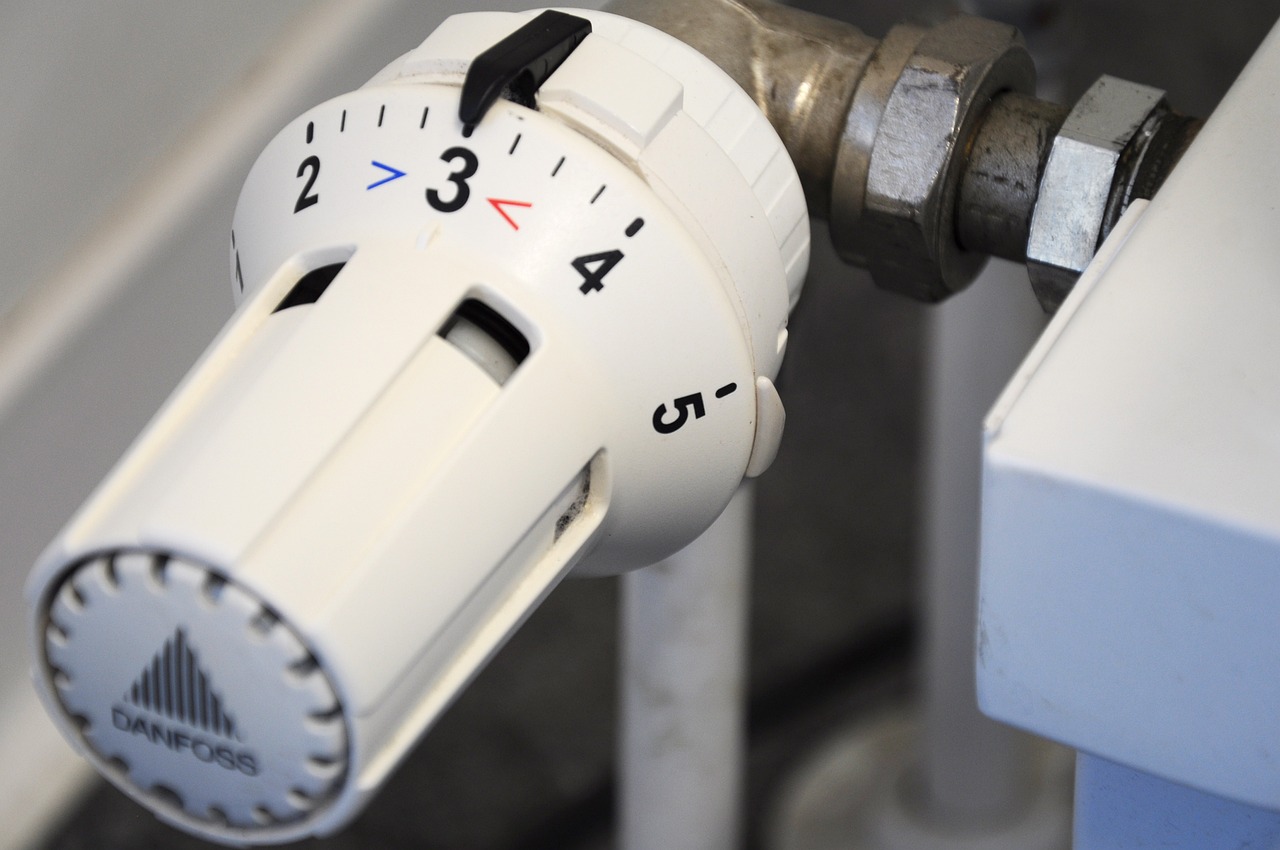
The installation process for a smart thermostat can vary depending on the model and your existing system. Many smart thermostats come with detailed installation instructions, and some even offer video tutorials to guide you through the process. If you are comfortable with basic electrical work, you may be able to install the thermostat yourself. However, if you are unsure or have a complex system, it might be wise to hire a professional. This can help ensure proper installation, preventing potential issues and maximizing the performance of your new device.
5. Cost vs. Long-Term Savings
While the initial cost of a smart thermostat may be higher than that of a traditional thermostat, it’s essential to consider the long-term savings on your energy bills. Smart thermostats can help optimize your heating and cooling schedules, leading to reduced energy consumption. Studies suggest that homeowners can save anywhere from 10% to 30% on their energy bills after installing a smart thermostat. By calculating the potential savings based on your usage patterns, you can determine if the investment is worthwhile and make an informed decision.
6. Consider the Design and Aesthetics

Smart thermostats come in various designs and colors, making it important to choose one that complements your home’s decor. Consider the size, shape, and finish of the thermostat, as it will likely be a visible feature in your home. A well-designed thermostat can enhance the overall aesthetic of your living space, while a poorly chosen one may clash with your interior design. By selecting a thermostat that aligns with your home’s style, you can ensure it seamlessly integrates into your living environment.
7. Check the Manufacturer’s App and Support

The user experience of a smart thermostat often hinges on the accompanying mobile app. Before making a purchase, it’s advisable to read reviews about the manufacturer’s app to ensure it is user-friendly and reliable. Additionally, evaluating the level of customer support offered by the manufacturer is crucial. In case you encounter issues during installation or use, having access to responsive customer service can make a significant difference. This will help you get the most out of your smart thermostat and address any concerns promptly.
8. Privacy and Security Concerns
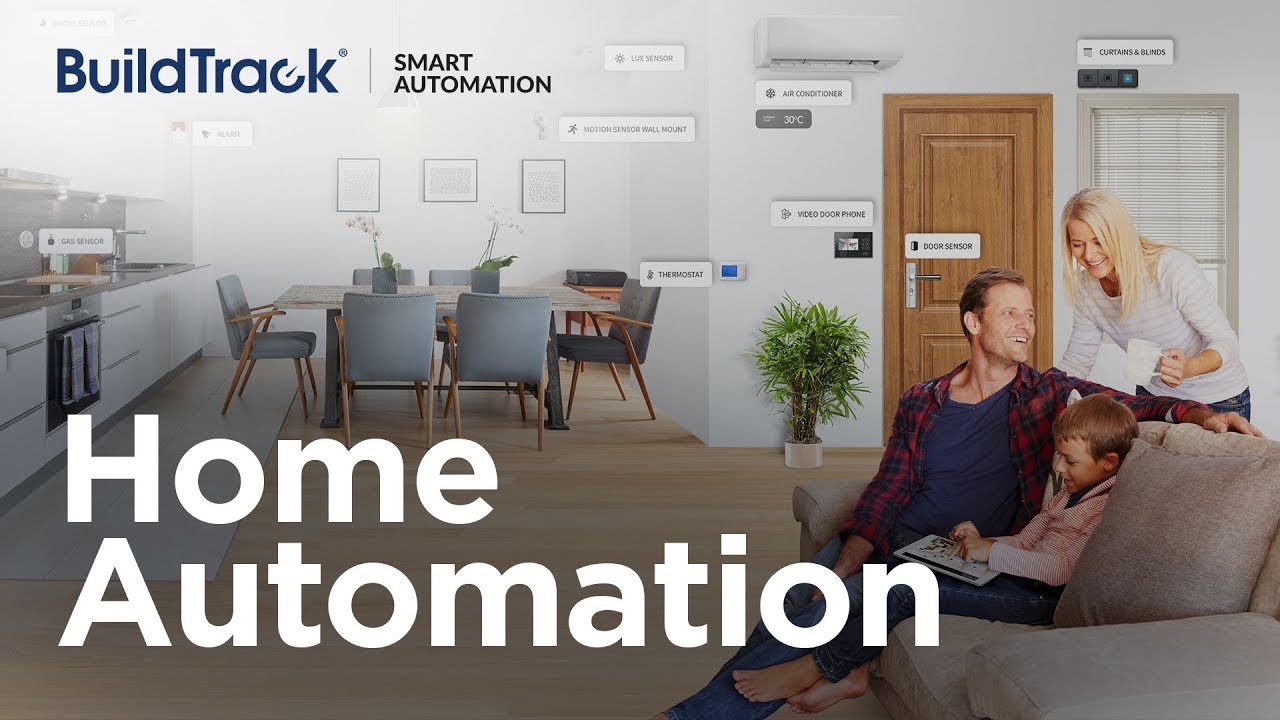
With the rise of smart home devices, privacy and security have become critical considerations. Smart thermostats collect data about your heating and cooling habits, which can be sensitive information. Ensure that the thermostat you choose has robust security features, such as encryption and two-factor authentication. Additionally, review the manufacturer’s privacy policy to understand how your data will be used and stored. Taking these precautions will help protect your personal information and provide peace of mind.
9. Battery Backup Options
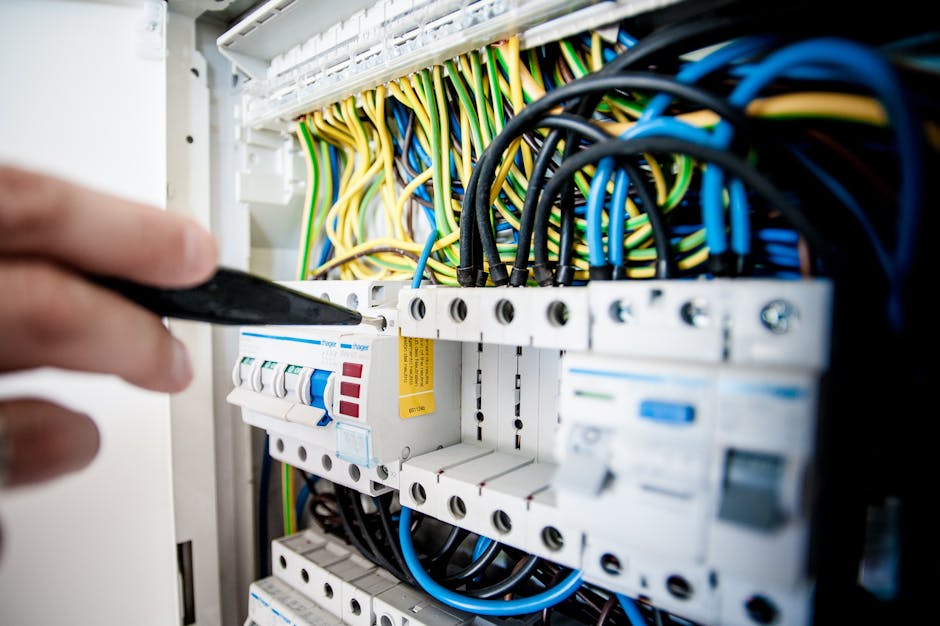
Some smart thermostats require a constant power supply, while others come with battery backup options. If you live in an area prone to power outages, consider choosing a thermostat with a battery backup to ensure it continues to function during outages. This feature can help maintain your home’s temperature and prevent issues related to extreme weather conditions. By selecting a thermostat with a battery backup, you can ensure uninterrupted heating and cooling, even in the event of a power failure.
10. Evaluate the Long-Term Performance
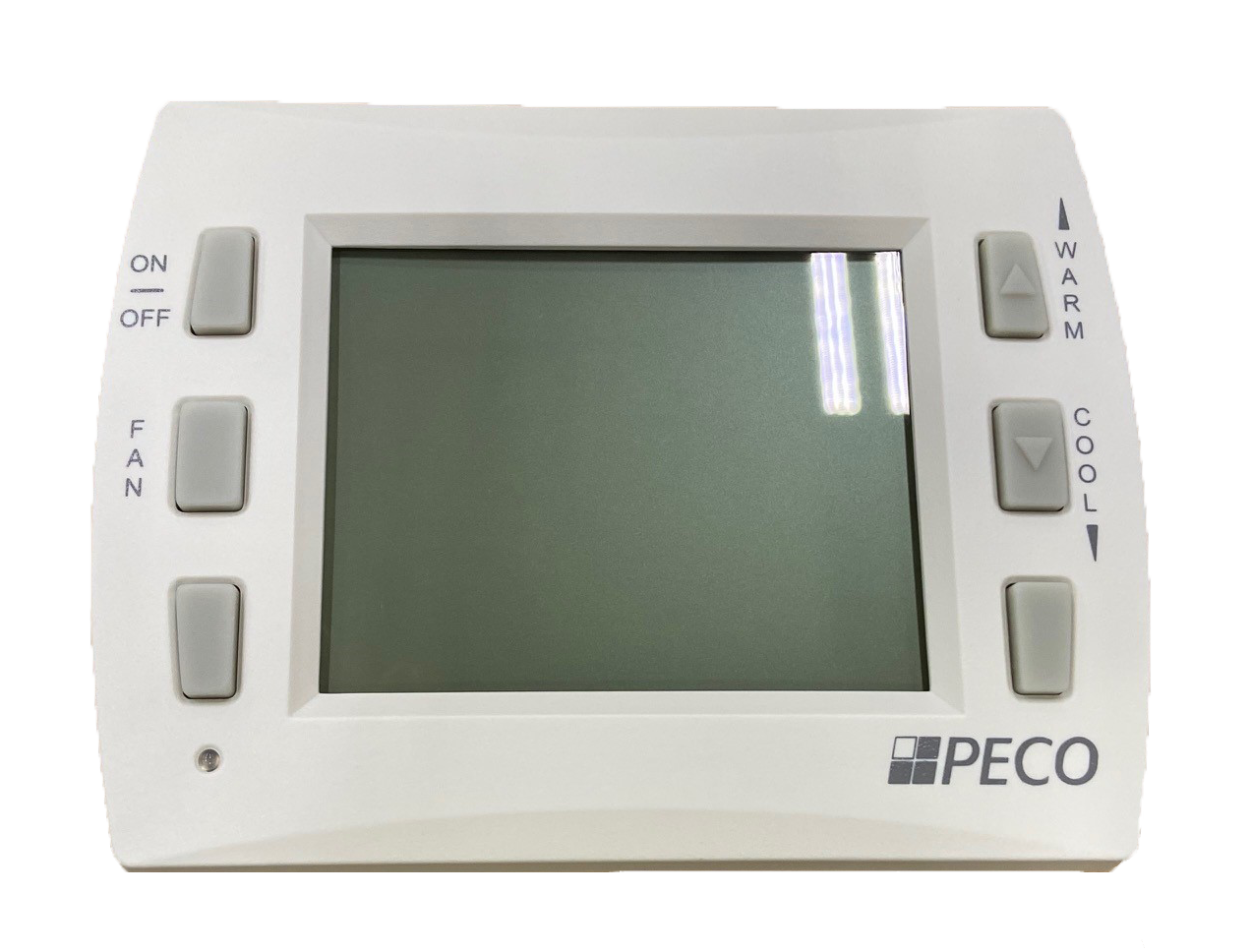
Finally, consider the long-term performance of the smart thermostat you choose. Look for models that have received positive reviews for reliability and durability. Additionally, consider the availability of software updates and how often the manufacturer releases them. A thermostat that receives regular updates can improve its functionality and security over time, ensuring that you get the most out of your investment. By evaluating the long-term performance of the thermostat, you can make a well-informed decision and enjoy its benefits for years to come.

Henrieke Otte is an accomplished writer and content editor, specializing in topics that inspire thoughtful living—ranging from global travel and sustainable lifestyles to interior design and architecture. With a keen editorial sense and a background in cultural studies, Henrieke brings depth, elegance, and clarity to every piece she crafts.
Her work is known for its engaging voice, visual sensitivity, and ability to turn complex ideas into accessible, reader-friendly narratives. Whether exploring eco-conscious destinations, dissecting climate-conscious home trends, or curating serene living spaces, Henrieke writes with a balance of creativity and insight that resonates with design-savvy, environmentally aware audiences.
Driven by a love of meaningful storytelling and a refined aesthetic, Henrieke contributes regularly to digital platforms and magazines where quality content meets visual sophistication.