
Henrieke Otte is an accomplished writer and content editor, specializing in topics that inspire thoughtful living—ranging from global travel and sustainable lifestyles to interior design and architecture. With a keen editorial sense and a background in cultural studies, Henrieke brings depth, elegance, and clarity to every piece she crafts.
Her work is known for its engaging voice, visual sensitivity, and ability to turn complex ideas into accessible, reader-friendly narratives. Whether exploring eco-conscious destinations, dissecting climate-conscious home trends, or curating serene living spaces, Henrieke writes with a balance of creativity and insight that resonates with design-savvy, environmentally aware audiences.
Driven by a love of meaningful storytelling and a refined aesthetic, Henrieke contributes regularly to digital platforms and magazines where quality content meets visual sophistication.
1. Understanding Smart Lighting
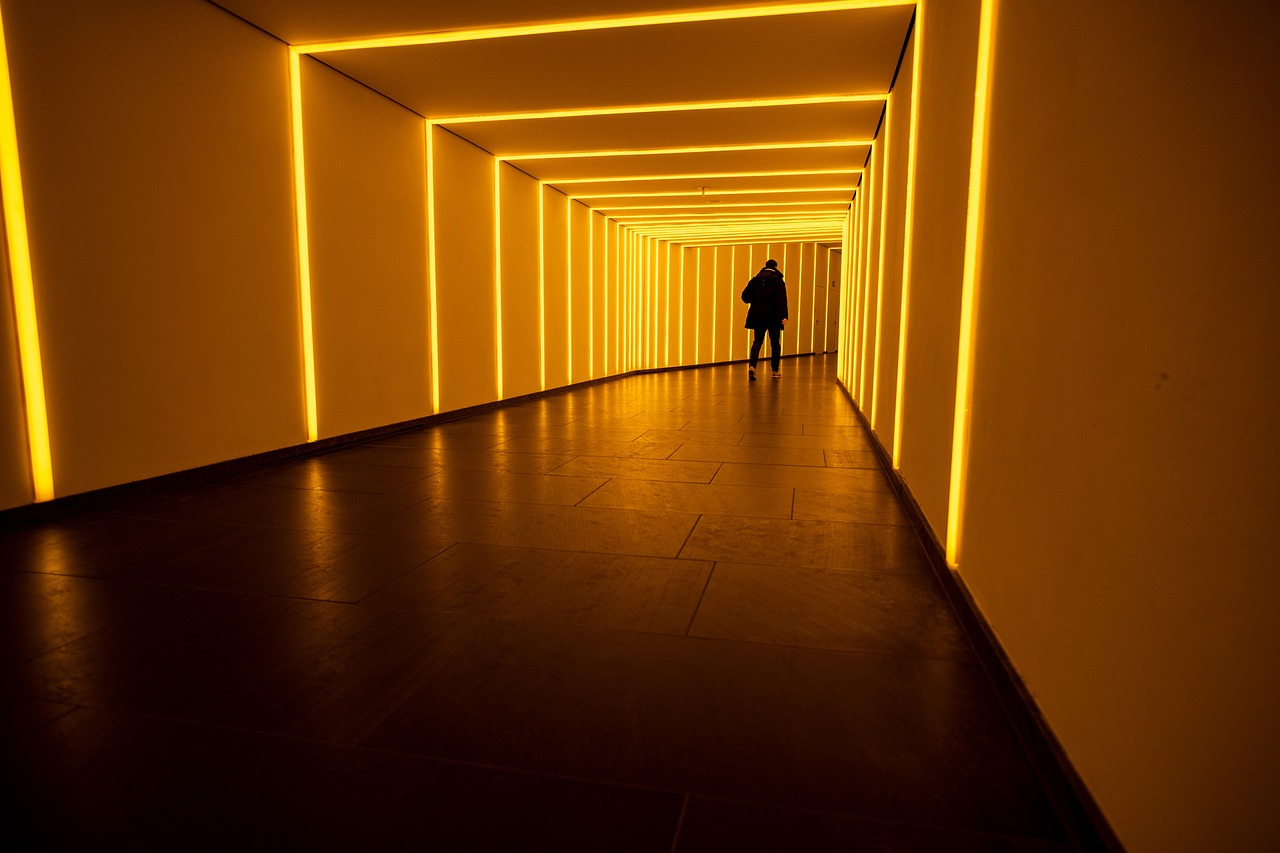
Smart lighting is a game-changer for modern homes, providing the ability to control your lights through smartphones, tablets, or voice-activated assistants. Imagine dimming your lights for a movie night or setting a vibrant color scheme for a party—all at the touch of a button. This level of convenience is why the smart lighting market is booming, with projections reaching $75.03 billion by 2027. The growth is fueled by a desire for energy efficiency and the allure of smart homes. Smart lighting is not just about illumination; it’s about creating a tailored experience that fits your lifestyle.
2. Key Features of Masculine Smart Lighting
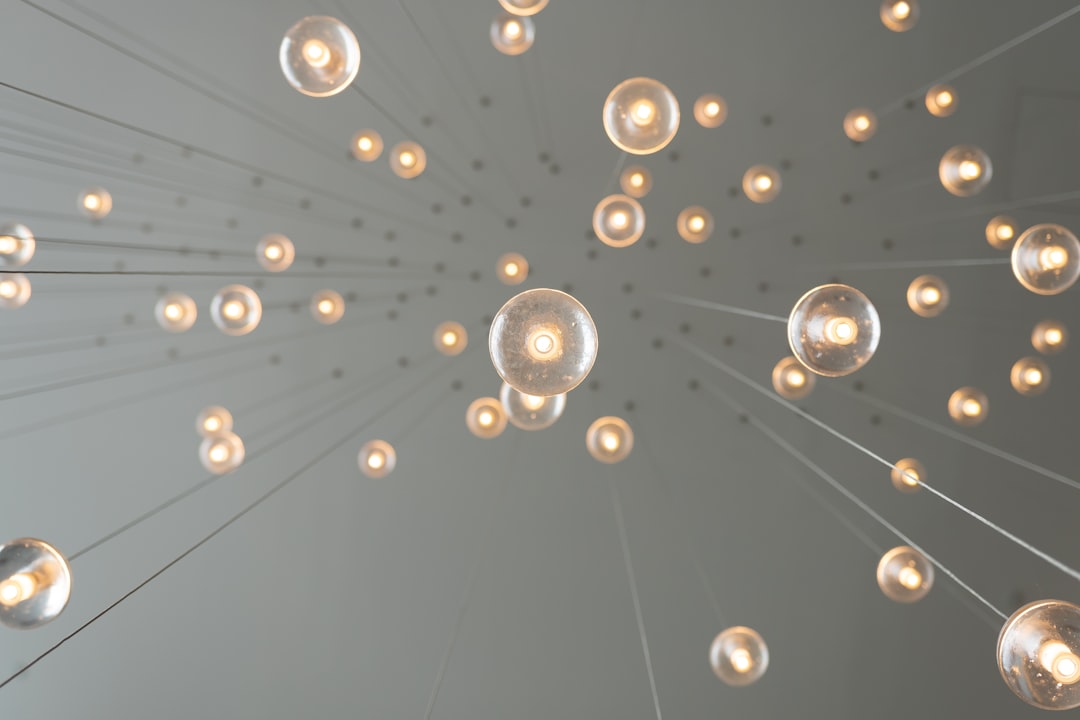
In a masculine home, smart lighting should blend functionality with style. Consider lighting options that offer customizable color temperatures, enabling you to shift from warm, soothing hues to cooler, more invigorating tones. This flexibility allows you to set the perfect mood for any occasion. Additionally, smart bulbs that integrate with home automation systems can provide seamless control. The ability to adjust brightness and create varied lighting scenes can transform the atmosphere, enhancing both the aesthetics and functionality of your space.
3. Top Smart Lighting Brands
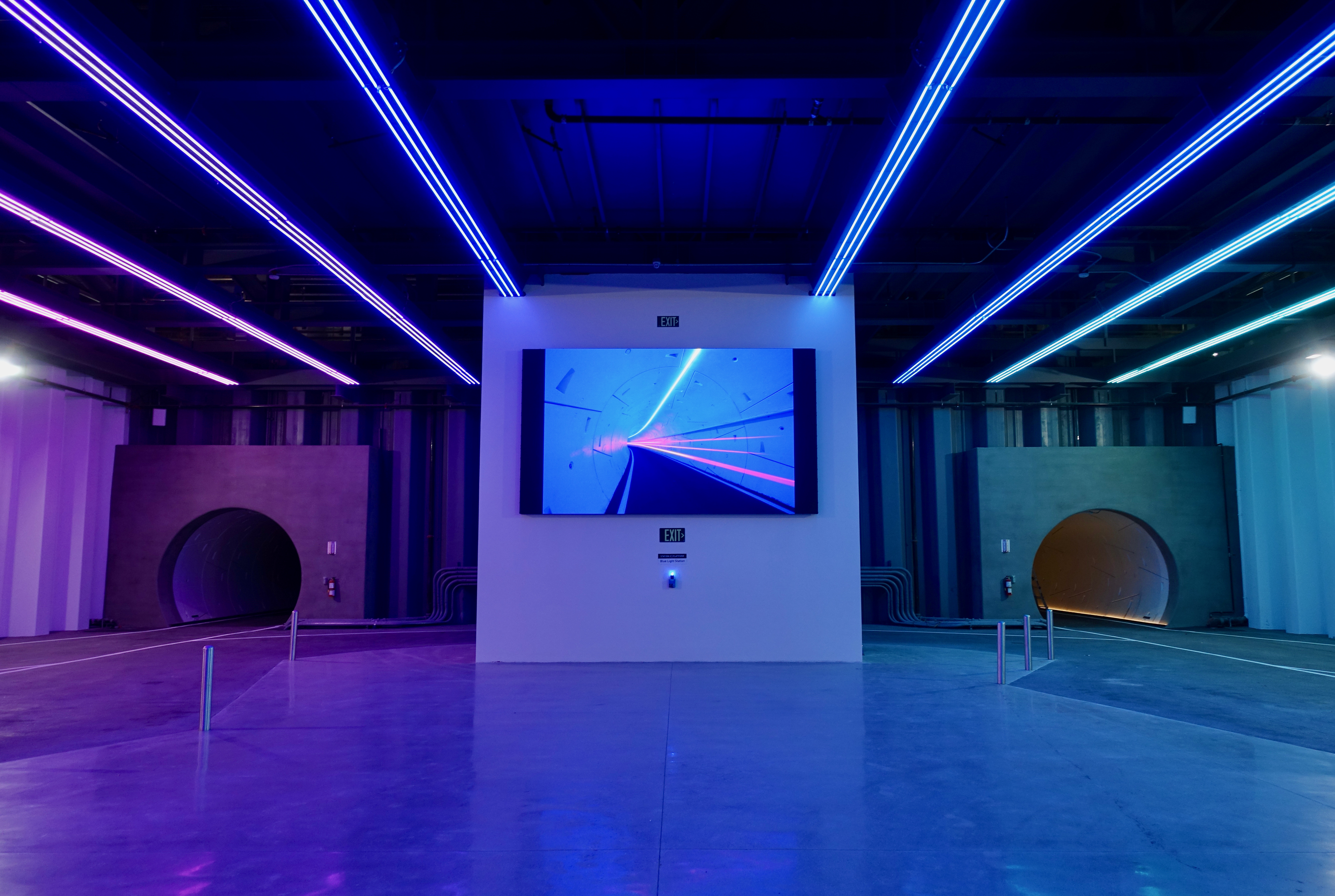
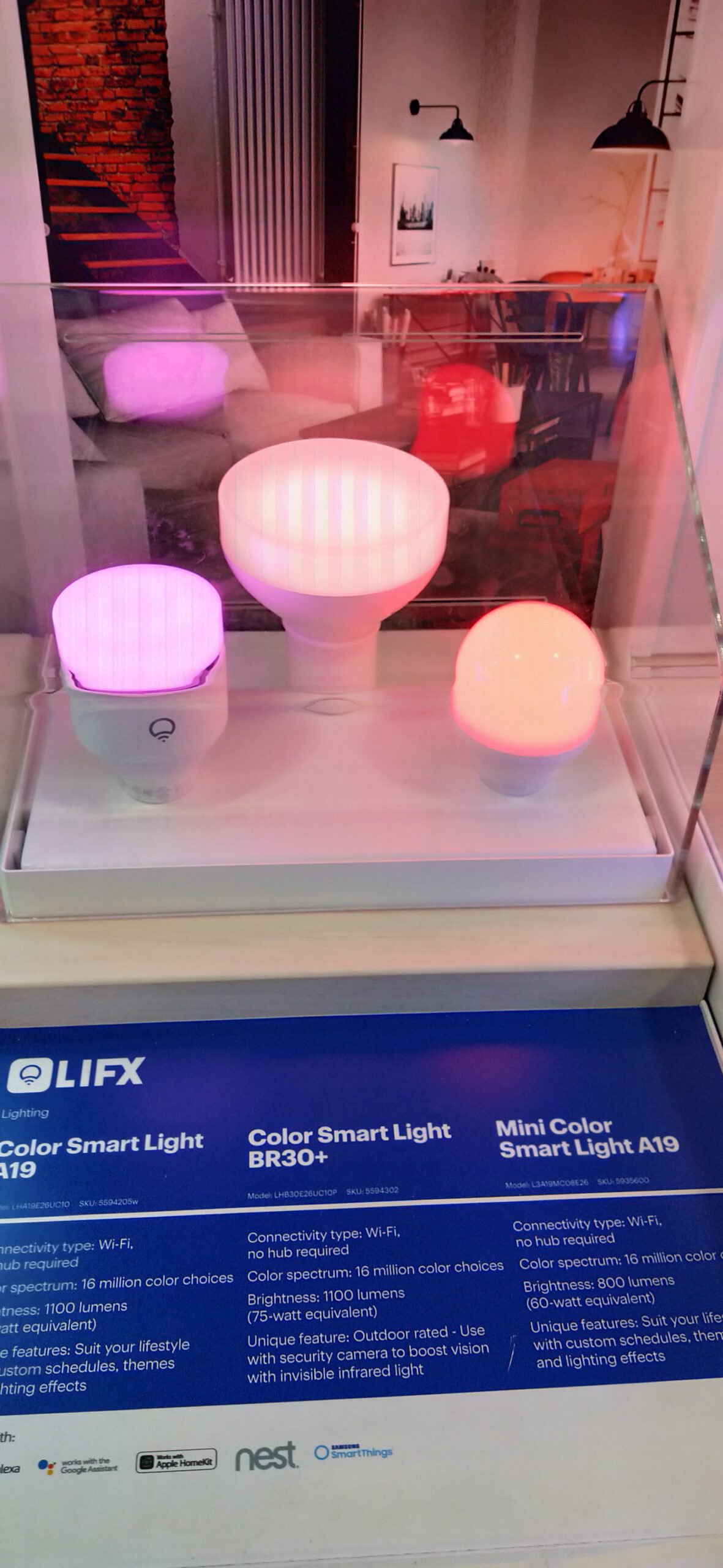
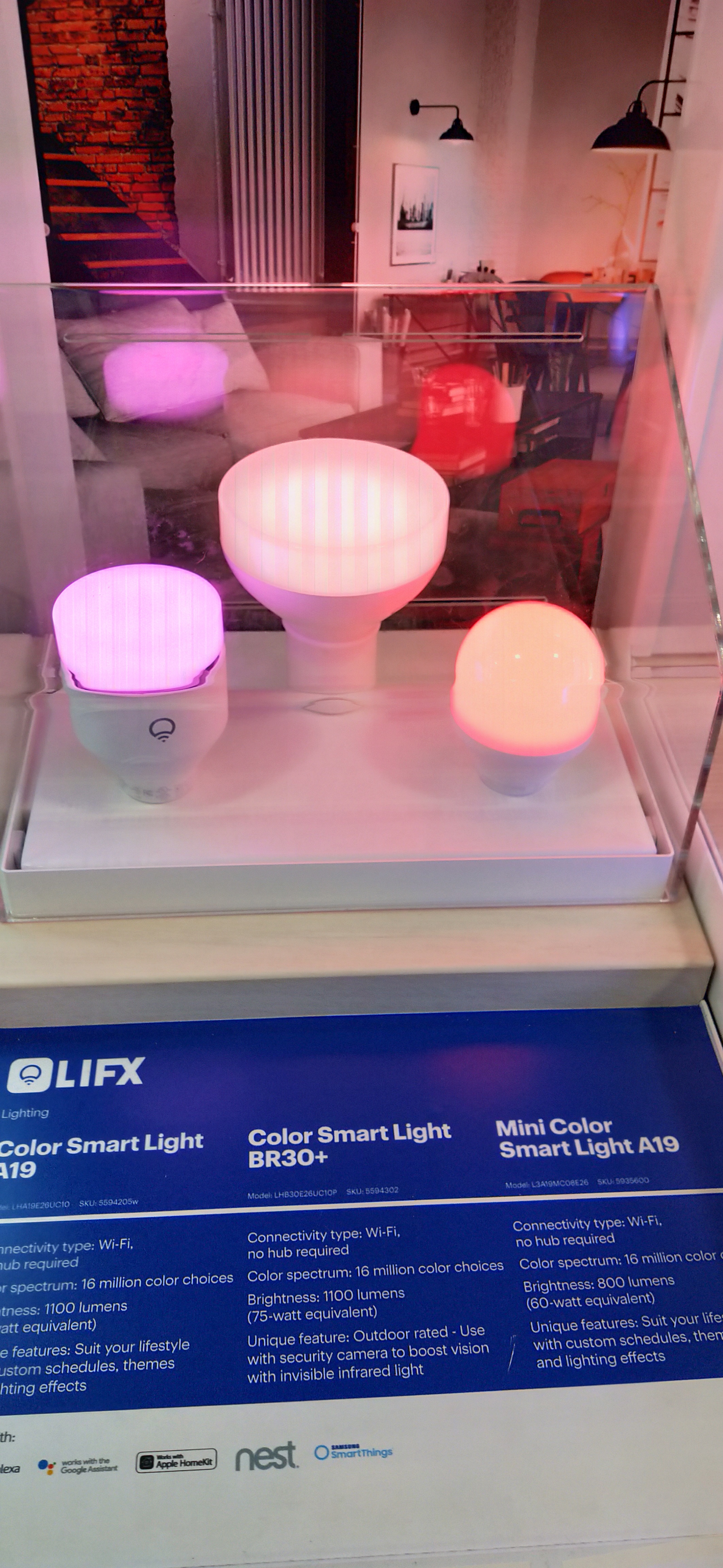
When it comes to smart lighting, brands like Philips Hue, LIFX, and Wyze stand out. Philips Hue offers an extensive range of smart bulbs and fixtures compatible with a variety of smart home systems. LIFX is celebrated for its bold, vibrant colors and high brightness levels, perfect for making a statement. Meanwhile, Wyze offers budget-friendly options without skimping on quality, appealing to those mindful of their spending. Each brand brings something unique to the table, allowing for a tailored approach to your lighting needs.
4. Smart Bulbs vs. Smart Fixtures
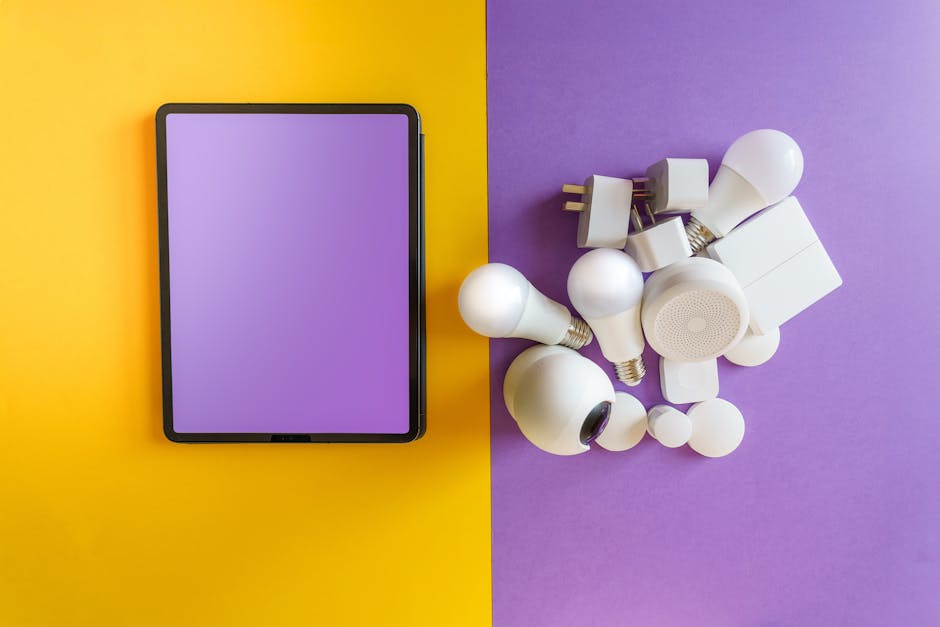
Choosing between smart bulbs and smart fixtures depends on your preferences and existing setup. Smart bulbs are versatile and can easily be installed into existing fixtures, making them a great option for quick upgrades. On the other hand, smart fixtures come with integrated technology, providing a more cohesive solution. For a high-tech masculine home, a combination of both can offer a comprehensive and stylish lighting system that caters to every need, from functionality to design.
5. Color Temperature and Mood Setting
The color temperature of your lights can dramatically impact the ambiance of a room. Cooler temperatures, ranging from 5000K to 6500K, are ideal for workspaces, enhancing concentration and productivity. In contrast, warmer temperatures, between 2700K and 3000K, create a cozy and inviting atmosphere. For a masculine home, a mix of both can cater to different activities and moods throughout the day. This versatility is key to creating a balanced environment that meets the demands of modern living.
6. Voice Control and Automation

Voice control systems like Amazon Alexa and Google Assistant have revolutionized the way we interact with smart lighting. With simple voice commands, you can adjust your lighting without lifting a finger, adding a layer of convenience to your daily routine. Moreover, automation routines can manage lighting based on your schedule, ensuring your home is always well-lit when needed. This integration not only enhances the high-tech experience but also streamlines your day-to-day life, making it more efficient and enjoyable.
7. Energy Efficiency and Cost Savings
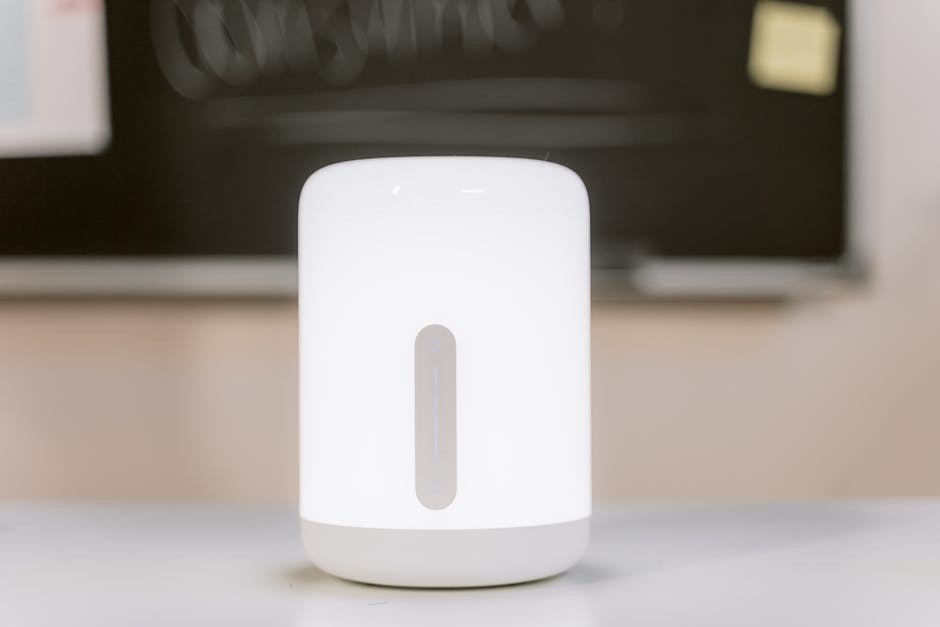
Smart lighting is designed with energy efficiency in mind, offering significant cost savings on electricity bills. The U.S. Department of Energy highlights that LED bulbs, commonly used in smart lighting, consume up to 75% less energy than traditional incandescent bulbs. This reduction in energy consumption translates to lower utility costs and a smaller carbon footprint. Investing in smart lighting is not only an aesthetically pleasing choice but also a financially and environmentally responsible one.
8. Security and Safety Features
Beyond aesthetics and energy savings, smart lighting enhances home security. Features like motion sensors and programmable schedules can deter potential intruders by mimicking occupancy. You can program lights to turn on and off at specific times, giving the impression that someone is home even when you’re not. This added layer of security is particularly valuable for those who travel frequently or live in areas with higher crime rates, providing peace of mind and a safer living environment.
9. Installation and Compatibility

Installing smart lighting is generally straightforward, especially with smart bulbs that fit standard fixtures. However, compatibility with your existing smart home ecosystem is crucial. Many smart lighting products are designed to work seamlessly with popular platforms like Apple HomeKit, Amazon Alexa, and Google Home. This compatibility ensures easy integration and control, allowing you to enjoy the full benefits of smart lighting without unnecessary hassle or complication.
10. Future Trends in Smart Lighting
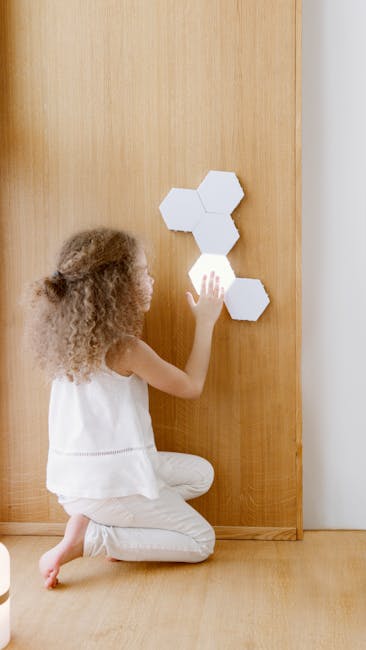
The future of smart lighting is bright, with technological advancements leading to innovative solutions. Trends such as human-centric lighting, which adjusts according to the time of day to support natural circadian rhythms, are gaining popularity. Additionally, the integration of smart lighting with the Internet of Things (IoT) will continue to enhance functionality and convenience, making smart homes even more interactive and responsive to user needs. These developments promise a future where lighting not only illuminates but also enriches our daily lives.

Henrieke Otte is an accomplished writer and content editor, specializing in topics that inspire thoughtful living—ranging from global travel and sustainable lifestyles to interior design and architecture. With a keen editorial sense and a background in cultural studies, Henrieke brings depth, elegance, and clarity to every piece she crafts.
Her work is known for its engaging voice, visual sensitivity, and ability to turn complex ideas into accessible, reader-friendly narratives. Whether exploring eco-conscious destinations, dissecting climate-conscious home trends, or curating serene living spaces, Henrieke writes with a balance of creativity and insight that resonates with design-savvy, environmentally aware audiences.
Driven by a love of meaningful storytelling and a refined aesthetic, Henrieke contributes regularly to digital platforms and magazines where quality content meets visual sophistication.