

Henrieke Otte is an accomplished writer and content editor, specializing in topics that inspire thoughtful living—ranging from global travel and sustainable lifestyles to interior design and architecture. With a keen editorial sense and a background in cultural studies, Henrieke brings depth, elegance, and clarity to every piece she crafts.
Her work is known for its engaging voice, visual sensitivity, and ability to turn complex ideas into accessible, reader-friendly narratives. Whether exploring eco-conscious destinations, dissecting climate-conscious home trends, or curating serene living spaces, Henrieke writes with a balance of creativity and insight that resonates with design-savvy, environmentally aware audiences.
Driven by a love of meaningful storytelling and a refined aesthetic, Henrieke contributes regularly to digital platforms and magazines where quality content meets visual sophistication.
Choose the Right Location Strategy
The secret to peaceful composting starts with where you place your bin. While the emphasis should always be on prevention, odor treatment may also be required, particularly in sensitive neighborhoods. Position your compost bin at least 20 feet away from your house and property lines, ensuring it’s not directly adjacent to your neighbor’s windows or outdoor living spaces. Think of it like choosing a campsite – you want good drainage, some sunlight, but not so much that it dries out completely.
Consider the prevailing wind patterns in your area when selecting your spot. Wind direction is the single most critical information for selecting fields for land application of manure. Odor plumes travel in the same direction as wind and spread out laterally very little. This principle applies to home composting too – position your bin so that typical winds carry any odors away from neighboring properties rather than toward them.
Master the Art of Proper Ratios
Getting your green-to-brown ratio right isn’t just about good compost – it’s about avoiding the stinky mess that turns neighbors into enemies. The composting process requires a proper ratio of carbon-rich materials (such as dry leaves or wood chips) to nitrogen-rich materials (such as food scraps or grass clippings). Aim for roughly 3 parts brown materials to 1 part green materials by volume.
When your compost smells like ammonia or rotting eggs, you’ve got too much nitrogen-rich material. Odor is perhaps the most common problem associated with composting, and the failure to adequately address it has led to numerous neighbor complaints and the closure of many large scale facilities. Fortunately, for the most part odors can be controlled, but proper management can take time and money. Think of browns as your odor insurance policy – keep a stockpile of dry leaves, shredded paper, or wood chips nearby to add whenever you toss in fresh kitchen scraps.
Install Physical Barriers Against Pests

Nothing ruins neighborhood relations faster than a rat highway running through your compost bin. Although many gardeners and composters will only see rats infrequently, if at all, a study conducted in central New York reported that pests, including rats, were the third most common obstacle to home composting. The solution is surprisingly simple: use hardware cloth, not chicken wire, to create a barrier.
Use hardware cloth to line the bottom and outside walls of your bin. For mice, 0.5 cm (1/4 in), 16 gauge should be used; 1 cm (1/2 in), 20 gauge for keeping out larger pests. This mesh is available at any hardware store and creates an impenetrable fortress against unwanted visitors. Keep compost bins off the ground by placing them on a cement slab or on top of paving stones. If this is not feasible, use a bin that has legs.
Use Proper Bin Construction
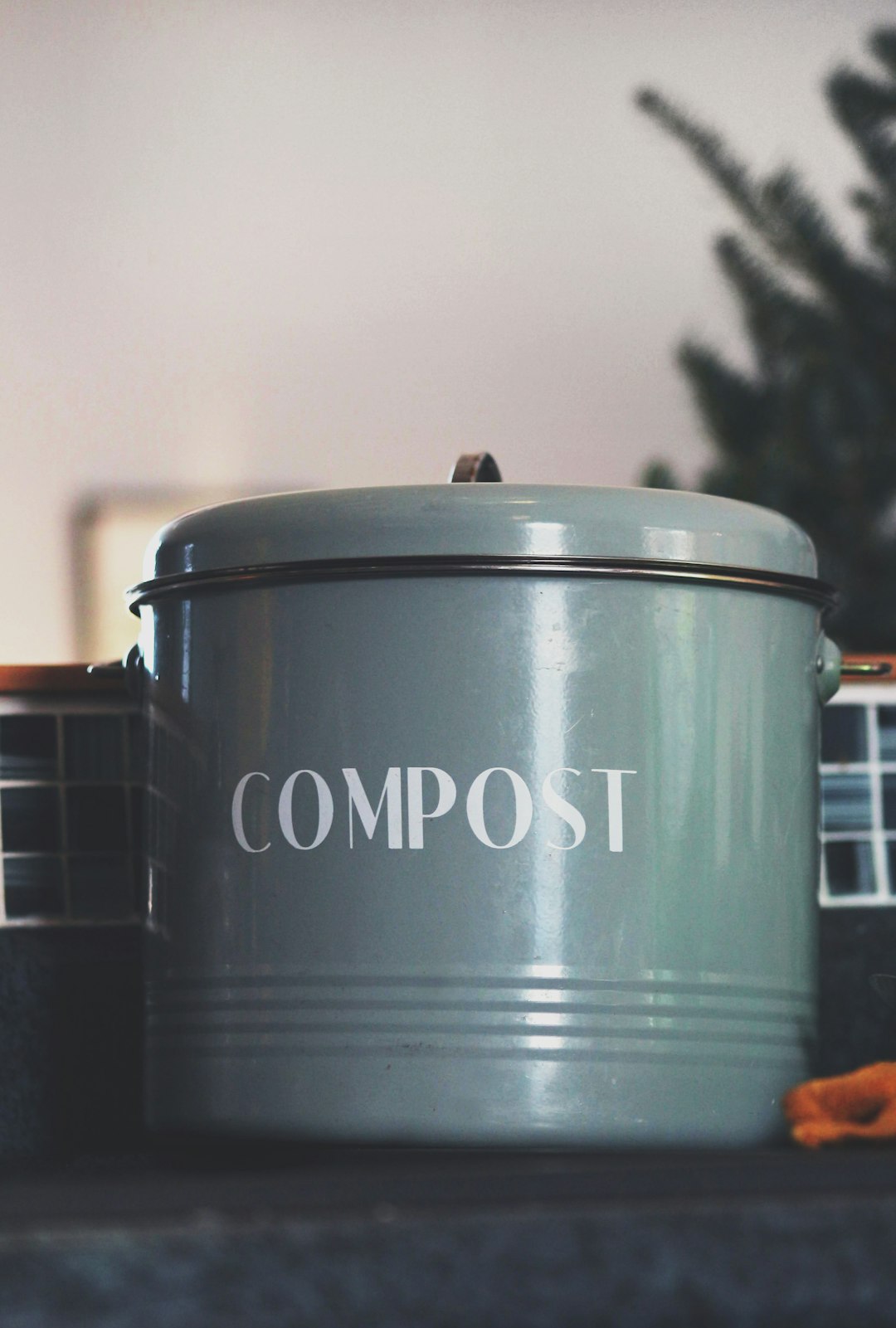
Your bin choice can make or break your composting success story. The use of “off the ground” fully-enclosed tumbler bins will usually prevent rodent access, but they tend to be expensive and more challenging to use. If you’re going the DIY route, avoid plastic bins that sit directly on the ground – they’re basically open invitations for rodents.
Use a fully enclosed bin with a tight-fitting lid. Think of it like a cookie jar – if you can’t get a secure seal, neither will pests be kept out. Get a tight-fitting lid or modify your existing lid by adding hinges and a latch. Or stretch a bungee cord or chain across the lid and fasten it to the sides of the bin. A heavy brick or rock will also keep the lid secure.
Avoid Problematic Materials
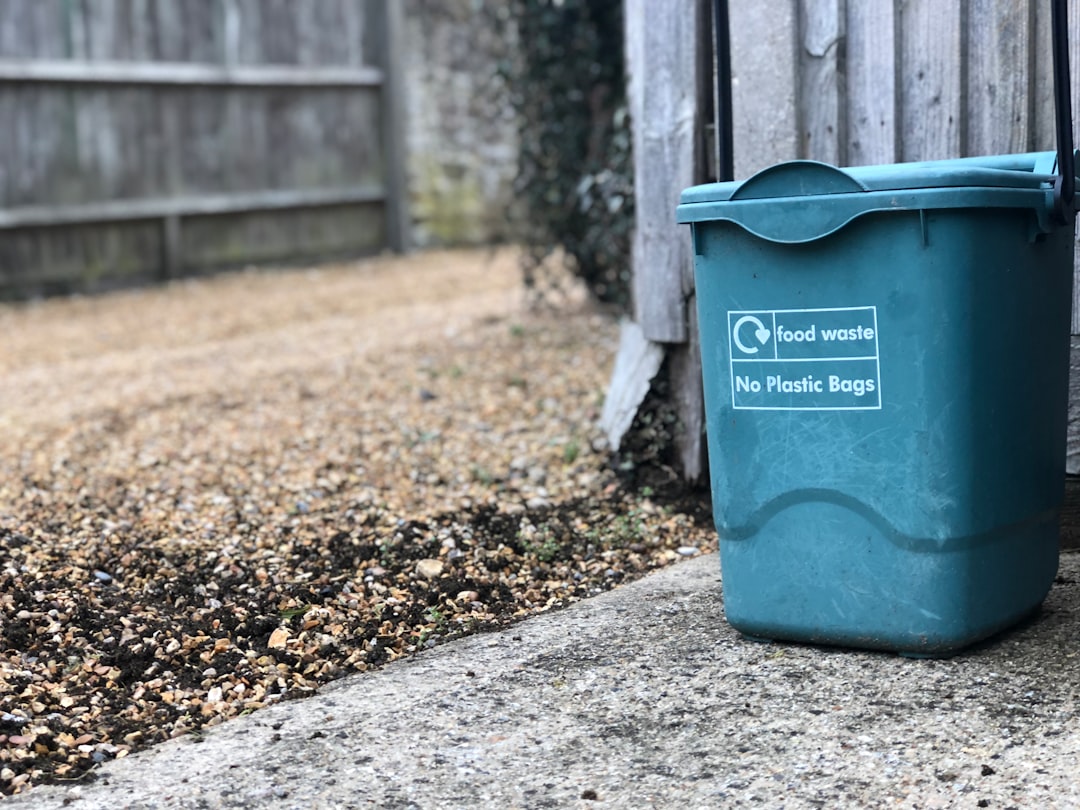
The fastest way to create a neighborhood incident is to toss the wrong stuff in your compost bin. Do not add grease, meat, or dairy products to the compost. These items are like sending out dinner invitations to every rat, raccoon, and opossum in a three-block radius.
Cooked foods, cheese, dairy products and meats can emit strong, attractive smells for rodents. But it’s far more fun to turn these products into compost than throw it out into the trash. If you’re determined to compost these items, One option for dealing with this is to use a Bokashi bin. Bokashi bins deter mice in two ways. They have a tight seal, and rodents are said to dislike the pickling smell they make.
Implement Regular Maintenance Routines
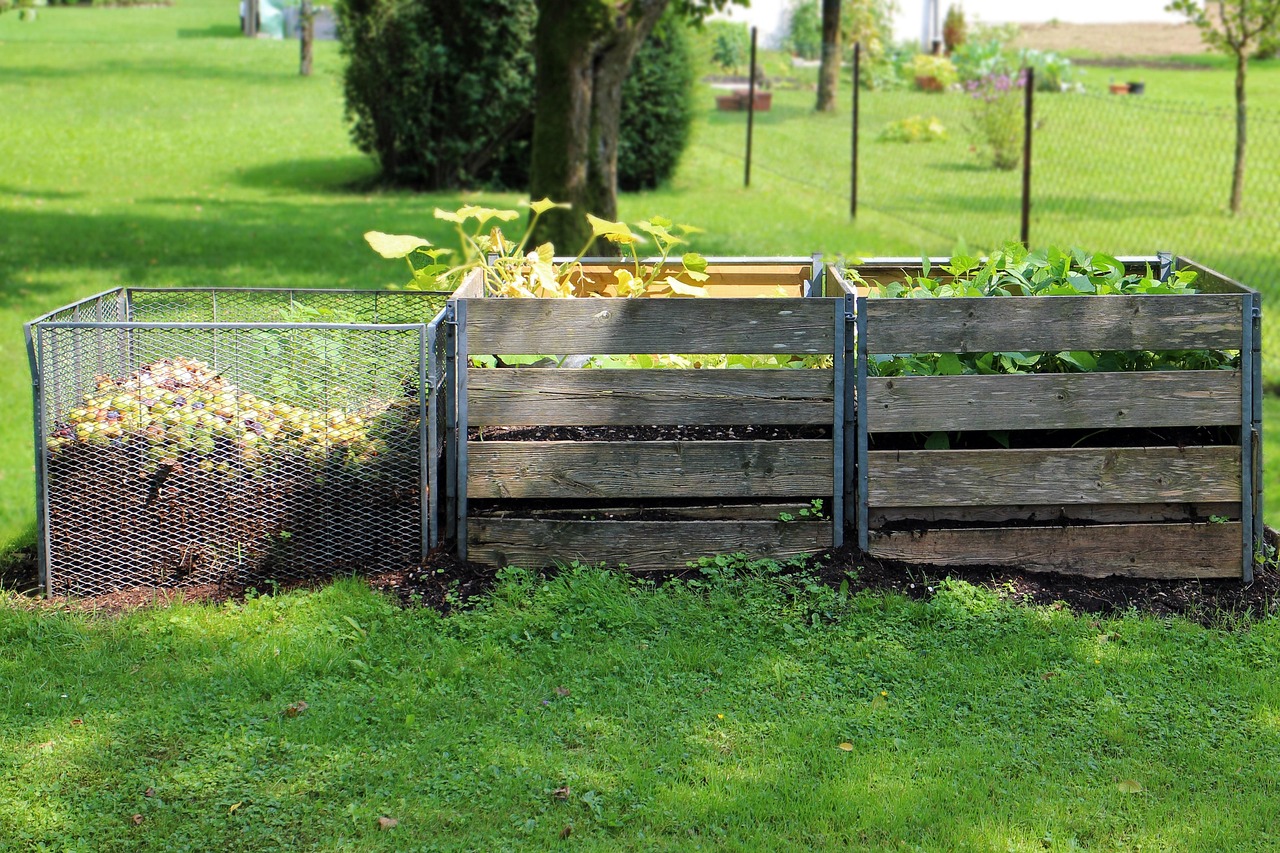
Lazy composting is smelly composting, and smelly composting means angry neighbors. To deter rodents from nesting in the bin, keep the compost moist and make sure to turn it regularly. Regular turning serves double duty – it speeds up decomposition and makes your bin less attractive to unwanted visitors.
Every time you aerate or turn your compost pile the temperature increases, which will both speed up decomposition but also deter these animals that are looking for a dry, cool, undisturbed home and food source. Mice don’t like disturbance. Take advantage of warm snaps and thaws to turn your pile the best you can. Think of turning as your weekly insurance premium against problems.
Control Moisture Levels
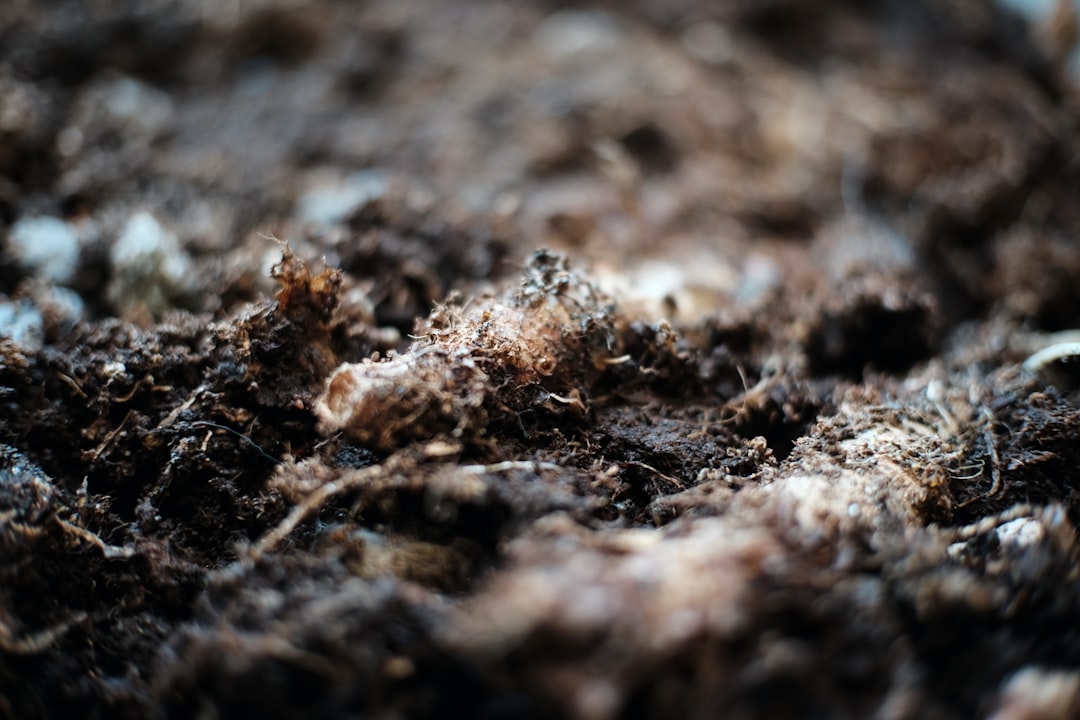
Getting moisture right is like walking a tightrope – too little and nothing decomposes, too much and you’ve created a smelly swamp. Maintaining adequate moisture level, oxygen flow, particle size, and temperature ensures microorganisms effectively break down organic materials into quality compost. Your compost should feel like a wrung-out sponge – moist but not dripping.
When compost gets too wet, it can switch from aerobic (with air) to anaerobic (without air) composting. Anaerobic composting causes more smells to be released, which in turn can attract rats. Mice don’t like wet bedding conditions. Soak your pile well in the fall when mice are moving out of the surrounding terrain and in to your pile.
Use Proper Layering Techniques
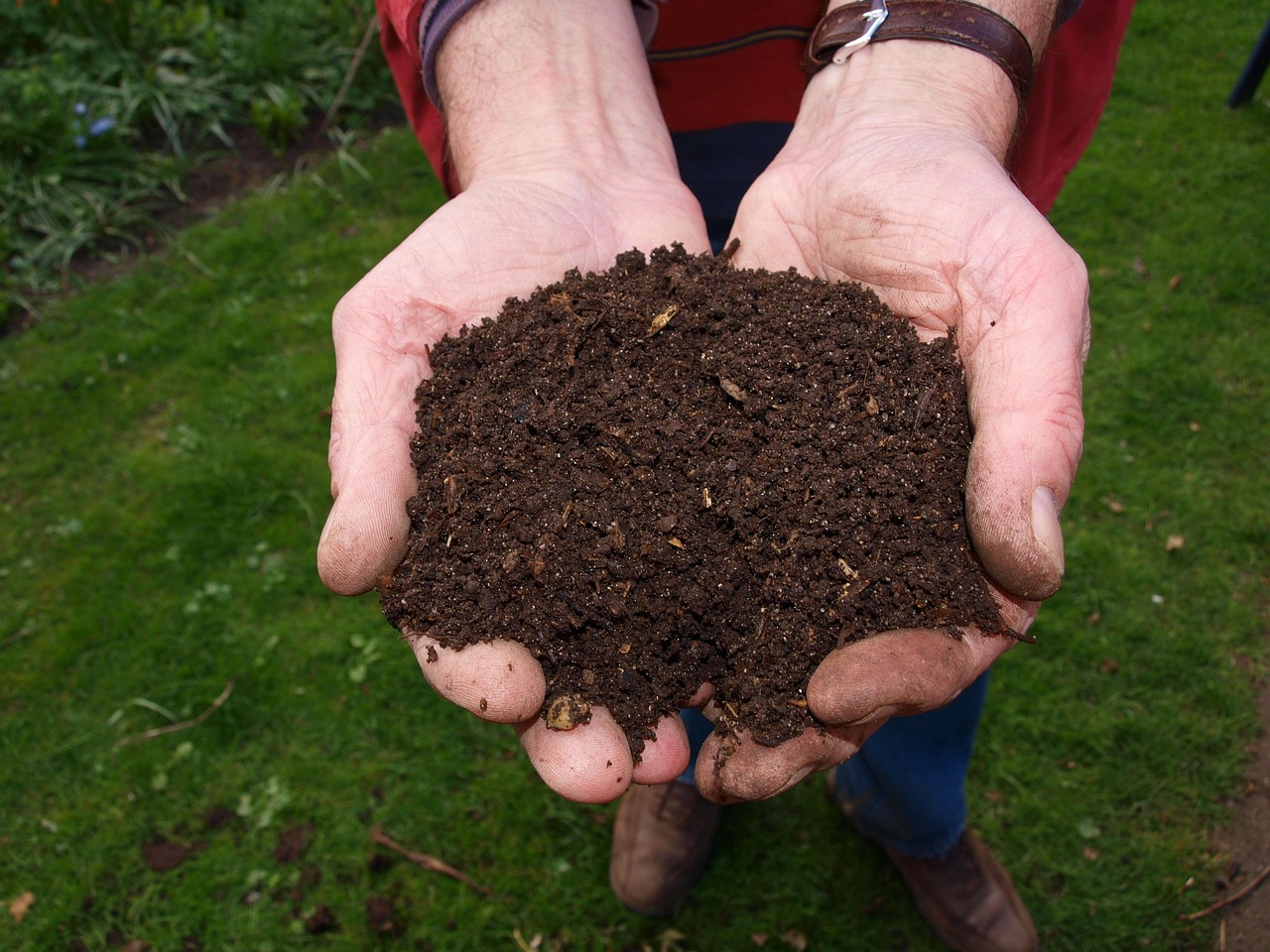
Strategic layering is like building a lasagna – each layer serves a specific purpose. Then, add alternating layers of nitrogen and carbon (aka Lasagna Composting), always ending with a carbon layer, which serves as a blanket and keeps flies from laying eggs on the exposed nitrogen material, and masks the odor of food waste from other animals.
Even if you do have hot compost, it’s a good idea to bury food scraps. As you go deeper into the compost it is hotter – which means the microorganisms are at their most active, and will break down the food faster. And, of course, it prevents the tempting smell of rotting food from drifting to the sensitive nose of rats. Bury fresh food waste 6 inches deep (open pile system). Cover with finished compost (open pile system).
Consider Natural Deterrents
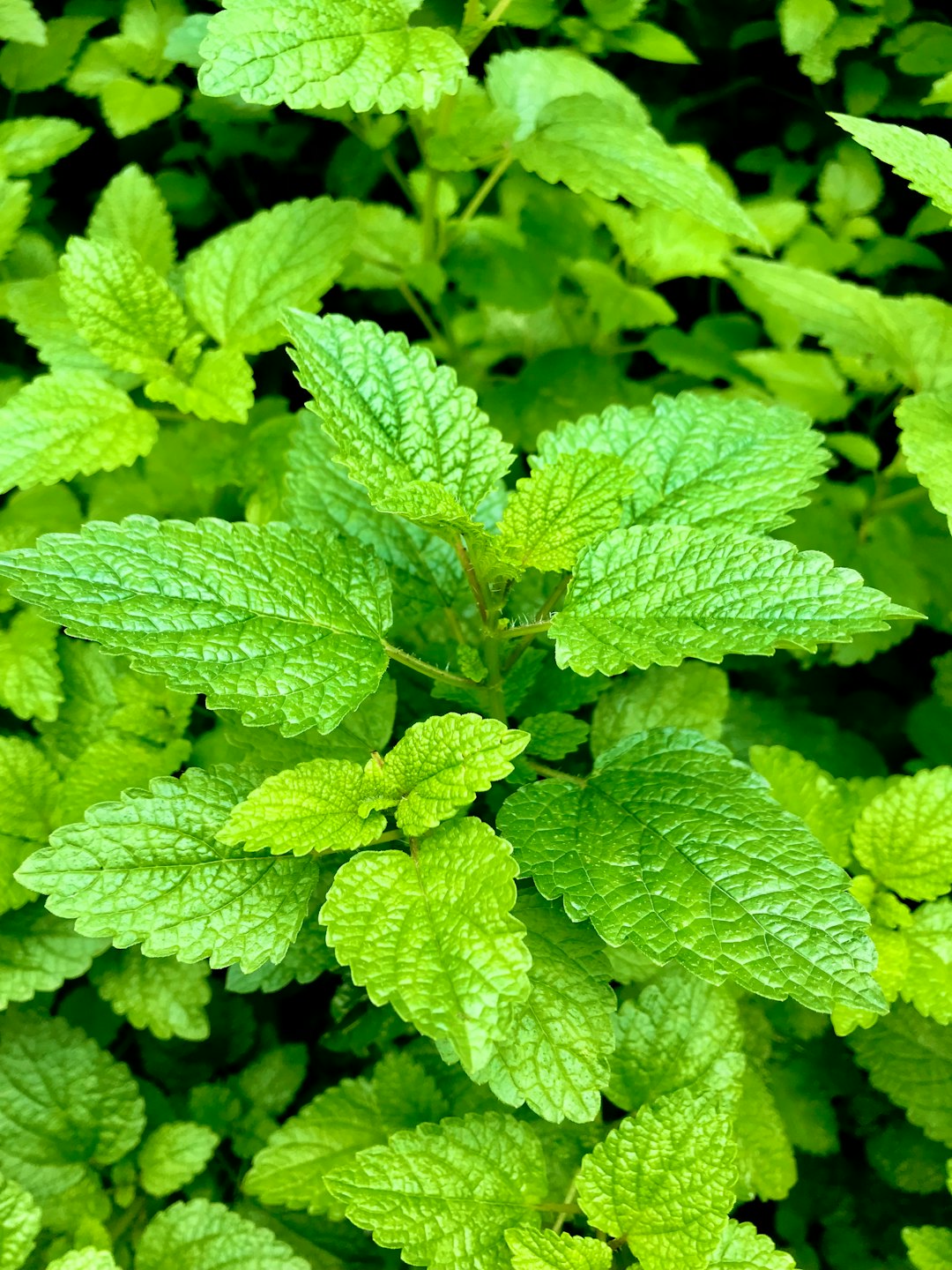
Sometimes the old-fashioned remedies work better than fancy gadgets. Rats and mice apparently dislike the smell of mint and it is suggested that planting mint near the bin will act as a rat deterrent. While the research isn’t definitive, This did use concentrated peppermint oil, with a stronger smell than a plant, but the results are encouraging. Perhaps mint would work!
Sprinkle Cayenne pepper round the bin as a rat deterrent. Other gardeners swear by coffee grounds, crushed eggshells, or even human hair scattered around the bin. These methods might not work for everyone, but they’re worth trying before resorting to more drastic measures.
Address Broader Yard Management
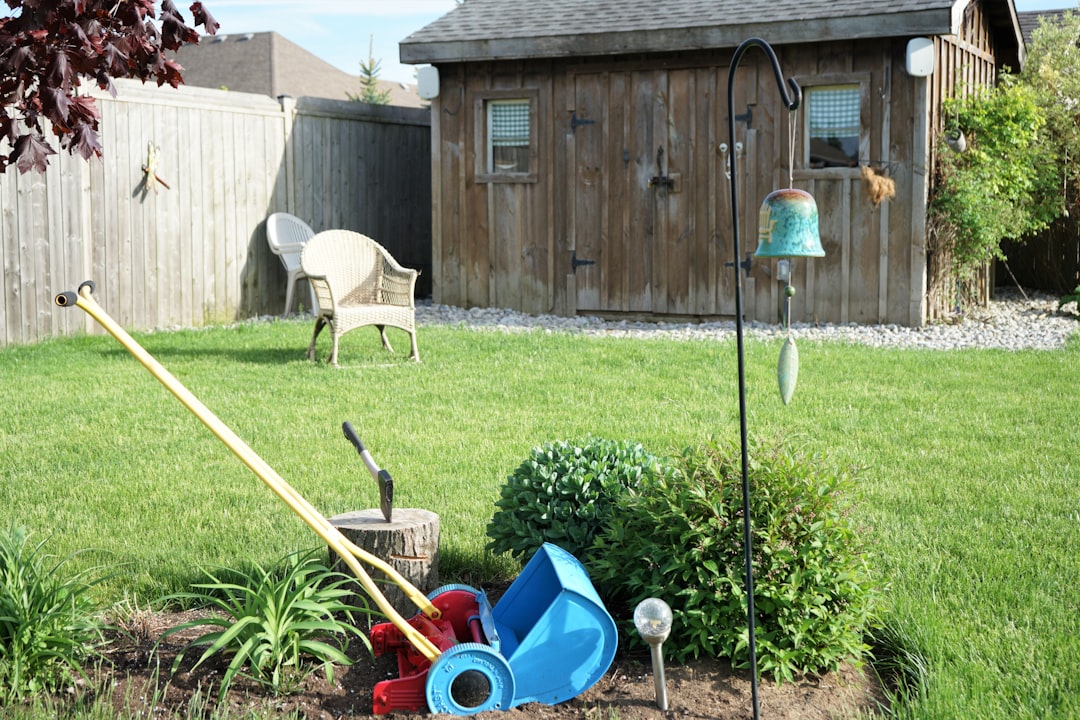
Your compost bin doesn’t exist in isolation – it’s part of a larger ecosystem that either attracts or repels pests. Other ways to reduce rodent populations in your yard include cleaning up scattered seed under bird-feeding stations, bringing in pet food at night, trimming overgrown brush, and picking up dropped fruit and vegetables in your garden.
These animals are also looking for other food sources (i.e., bird feeders, outdoor pet food bowls, garbage cans, and fruit trees). Rats don’t like open spaces. Keep compost bins away from a fixed wall or fence. Think of your yard as a stage set – you want to create an environment that looks uninviting to pests while still being functional for you.
Monitor and Adjust Your System
Good composting is like good cooking – you need to taste and adjust as you go. Preventing excessive odors requires consistent management of the composting process, starting with prompt attention to incoming ingredients. Wet materials should be mixed with a porous bulking amendment to provide the necessary pre-conditions for oxygen transport, and then must be aerated or turned as required during the active stages of the composting process.
It is also important to harvest finished compost at the bottom of the bin every three to six months. Good compost management can deter pests while also accelerating the composting process. Regular monitoring means you can catch problems before they become neighbor-relations disasters. Check weekly for signs of pests, unusual odors, or overly wet conditions.
Handle Winter Challenges
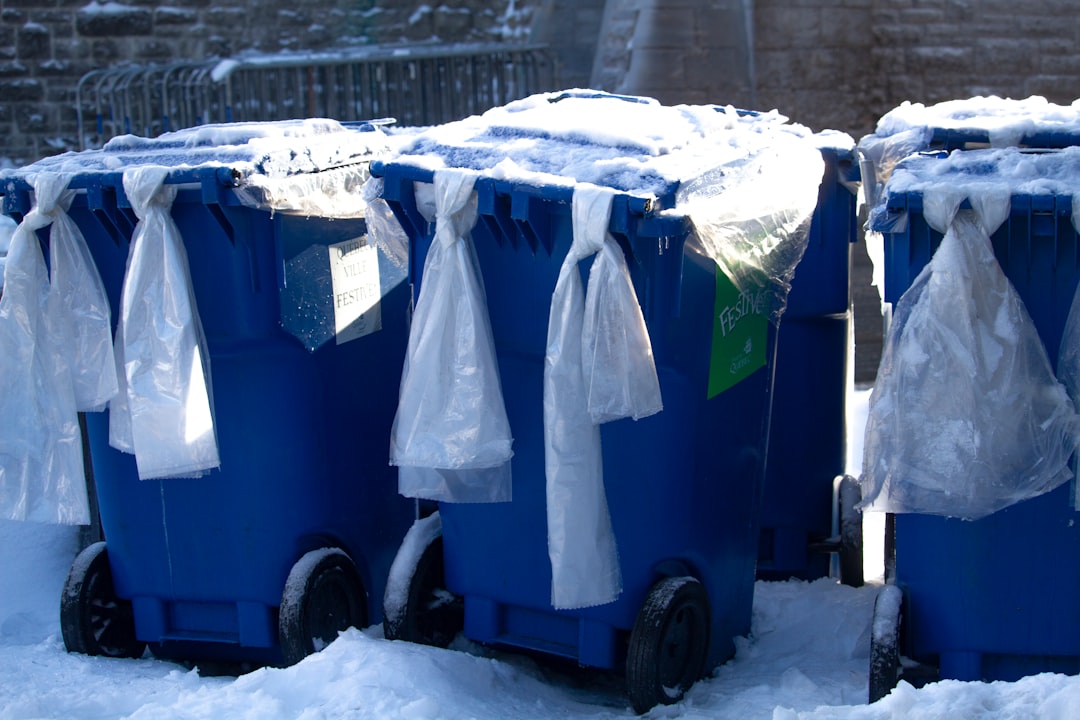
Winter composting presents unique challenges that can make or break your neighbor relationships. The compost bin will be particularly attractive during the winter as it can provide warmth and a good supply of food with kitchen scraps being regularly added to the top while the material in the lower part of the bin is relatively undisturbed.
Don’t put food scraps in the compost heap during winter. Instead, convert kitchen waste to soil amendments using indoor vermicompost bins or a bokashi bucket. Use a lid or tarp to cover your compost. Winter is when most people let their composting habits slide, but it’s actually when consistent management matters most.
Know When to Seek Help
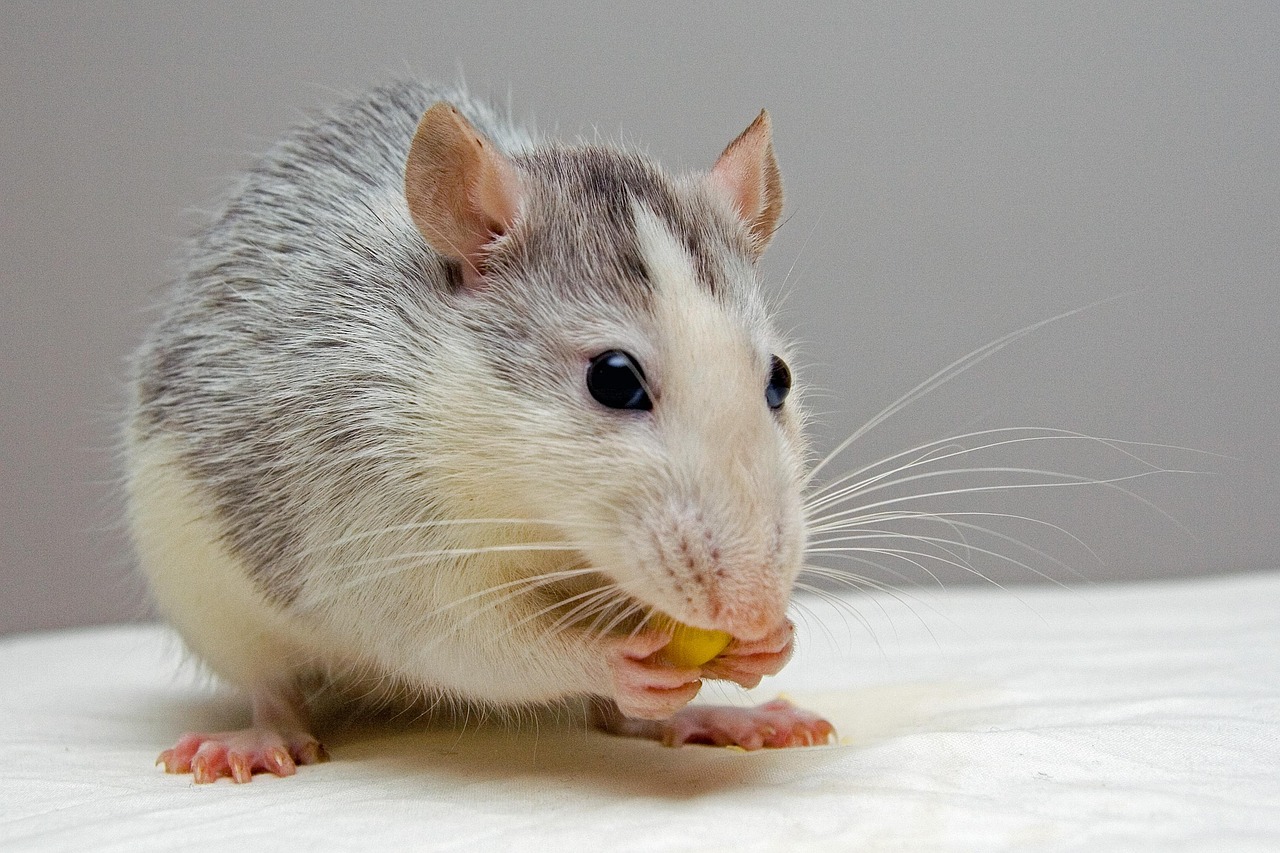
Sometimes despite your best efforts, problems arise that require professional intervention. Rats are attracted to prior rodent infestation, using urine as an attractant. You may need to power wash hard surfaces to remove signs of rat activity. If you’ve had a serious infestation, simply starting fresh might not be enough.
Poison is highly effective to get rid of mice and rats. Mice and rats just love the bait that the poison is embedded in, and it’s the fastest way I know to rapidly clear a population of rodents from the garden. However, The problem is that it doesn’t just kill mice and rats. In fact, one friend told me how, after he put rat poison down, the barn owls from his area disappeared. His theory is that mice and rats ate the poison, and were in turn eaten by the owls, which were poisoned.
Conclusion
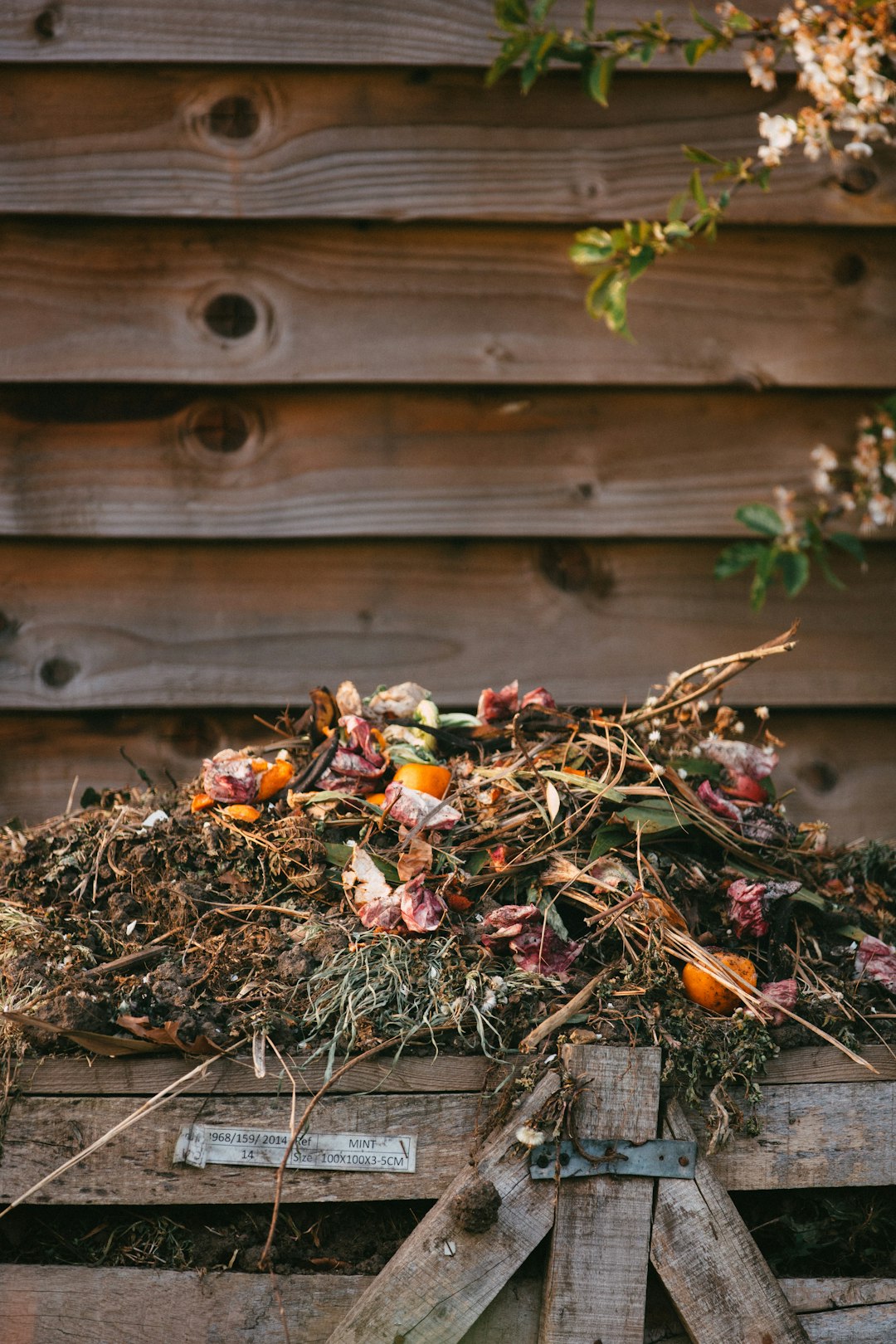
Successful composting without annoying your neighbors or attracting critters comes down to three key principles: location, maintenance, and prevention. Nearly half of U.S. residents say they let Mother Nature recycle kitchen and yard waste for use in their own or their friends’ gardens. With proper techniques, you can join this growing movement while maintaining good relationships with everyone around you.
Remember, composting is ultimately about working with nature, not against it. The same principles that create rich, healthy soil also create a system that’s naturally resistant to pests and odors. When you get the basics right – proper ratios, adequate moisture, regular turning, and smart material choices – most problems solve themselves. Have you considered what small changes might make the biggest difference in your own composting setup?

Henrieke Otte is an accomplished writer and content editor, specializing in topics that inspire thoughtful living—ranging from global travel and sustainable lifestyles to interior design and architecture. With a keen editorial sense and a background in cultural studies, Henrieke brings depth, elegance, and clarity to every piece she crafts.
Her work is known for its engaging voice, visual sensitivity, and ability to turn complex ideas into accessible, reader-friendly narratives. Whether exploring eco-conscious destinations, dissecting climate-conscious home trends, or curating serene living spaces, Henrieke writes with a balance of creativity and insight that resonates with design-savvy, environmentally aware audiences.
Driven by a love of meaningful storytelling and a refined aesthetic, Henrieke contributes regularly to digital platforms and magazines where quality content meets visual sophistication.