

Matthias is a skilled author and digital storyteller with a focus on travel journalism, environmental issues, and modern home design. With a background in communications and a passion for global cultures, Matthias crafts engaging narratives that blend real-world exploration with thoughtful analysis and visual flair.
His writing reflects a deep interest in how climate change shapes our lives and lifestyles—from sustainable travel practices to eco-friendly living environments. Known for his clear, approachable voice and sharp editorial instincts, Matthias delivers content that resonates with readers seeking both inspiration and substance.
Whether reporting from remote destinations, breaking down sustainable design trends, or spotlighting innovative green initiatives, Matthias brings a global perspective and an eye for detail to every piece. He regularly contributes to web platforms and editorial projects that aim to foster awareness, creativity, and conscious living.
The North American Chaos Unfolds
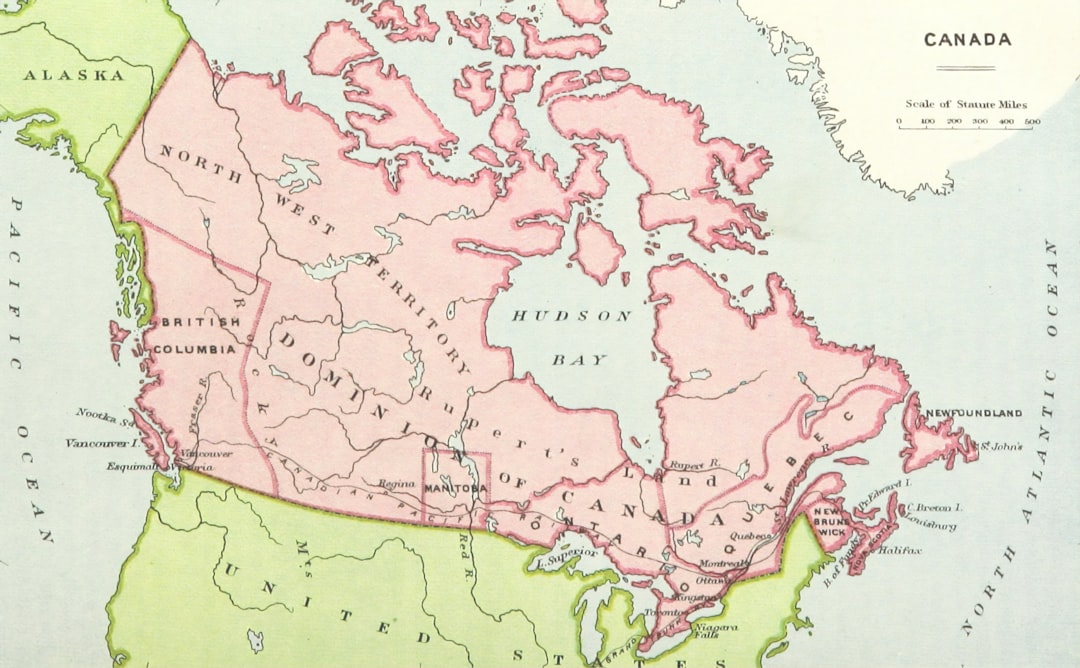
Picture this: you live next door to the most powerful person in the neighborhood, someone who’s notorious for changing their mind, making bold promises, and occasionally threatening to take over your backyard. That’s exactly what Canada, Mexico, and even Cuba are dealing with when it comes to their relationship with the United States in 2025. A trade war involving the United States, Canada, and Mexico began on February 1, 2025, when U.S. president Donald Trump signed orders imposing near-universal tariffs on goods from the two countries entering the United States. The situation is so bizarre that it feels like watching a reality TV show, except the consequences are painfully real for millions of people. These aren’t just policy disagreements – these are seismic shifts that are reshaping decades of carefully built relationships. Trump has threatened to impose 25% tariffs on the United States’ closest neighbors and largest trading partners, Canada and Mexico, in apparent contravention of the United States-Mexico-Canada Agreement that Trump himself negotiated, and he has publicly pressured Canada to “become our 51st state” or else face increased tariffs. This public rift has the potential to do lasting harm to U.S.-Canada relations.
When Your Best Friend Becomes Your Biggest Problem
Canada, America’s supposedly closest ally, is now caught in what can only be described as a diplomatic nightmare. In November 2024, after winning the U.S. presidential election, Trump threatened 25 percent tariffs on all products from Canada and Mexico, which he said would “remain in effect until such time as drugs, in particular fentanyl, and all illegal aliens stop this invasion of our country.” Shortly after, Canadian prime minister Justin Trudeau—who has a contentious relationship with Trump—traveled to Trump’s estate in Florida to speak with him and discuss the tariffs, as well as illegal immigration and drug smuggling across the Canada–U.S. border. On December 16, Canada announced a plan to spend CA$1.3 billion (US$913 million) on border security to allay Trump’s concerns. Despite these efforts, the relationship continued to deteriorate, and On January 6, 2025, Trudeau declared his intention to resign as Liberal Party leader and prime minister after the election of a new leader on March 9. Experts warn that shifting trade policies could make the U.S. an unreliable partner, impacting future economic ties with Canada. Trump’s decision to impose tariffs on Canada, despite having negotiated the deal himself, raises concerns about the U.S.’ reliability as a trading partner.
Mexico Gets Caught in the Crossfire
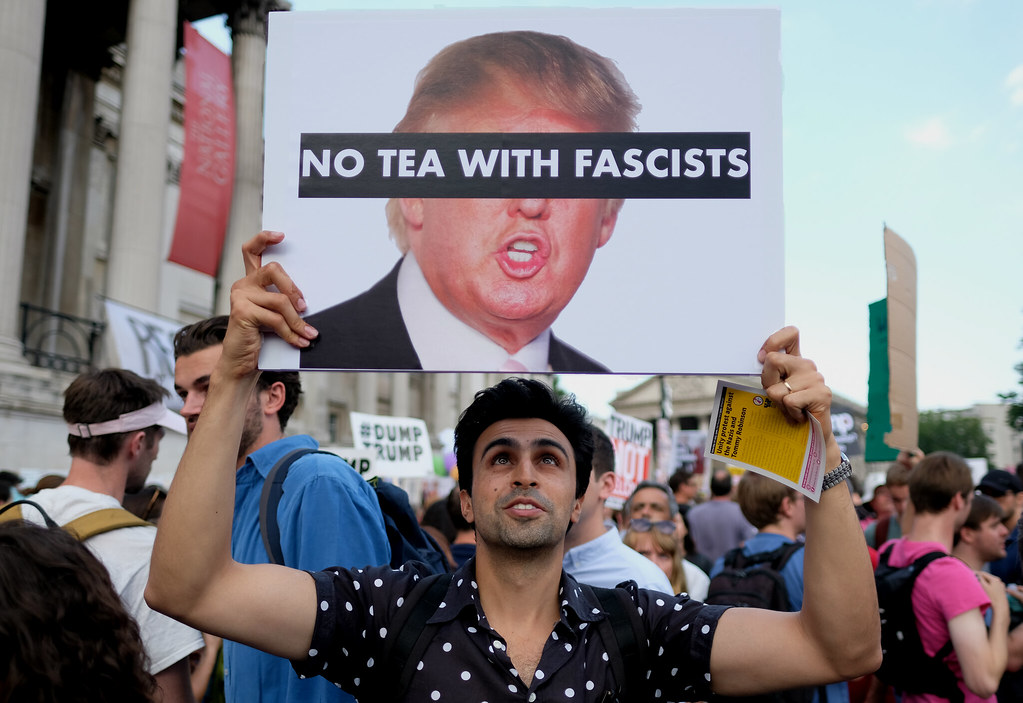
Mexico isn’t faring much better in this chaotic dance with its northern neighbor. The order called for 25 percent tariffs on all imports from Mexico and all imports from Canada except for oil and energy, which would be taxed at 10 percent. In response, Canadian prime minister Justin Trudeau said Canada would retaliate with 25 percent tariffs on CA$30 billion (US$20.6 billion) of American goods, which would expand to CA$155 billion (US$106 billion) after three weeks. Mexican president Claudia Sheinbaum said Mexico would enact tariffs and non-tariff retaliation against the United States. The impact has been devastating for Mexican public opinion, with a poll by the Mexican firm Buendía & Márquez found that 80 percent of Mexicans held a negative opinion of Trump in mid-February 2025, an increase from 66 percent in early January. What’s particularly striking is how these trade disputes are affecting ordinary people’s lives and livelihoods across both countries.
The USMCA Agreement Becomes a Broken Promise

Here’s where things get truly absurd: Trump made this deal to replace NAFTA, which was signed in the early 1990s. Take a listen to what he had to say when he signed the agreement in the summer of 2020. PRESIDENT DONALD TRUMP: Today, we’re finally ending the NAFTA nightmare and signing into law the brand new U.S.-Mexico-Canada Agreement – very special. Fast forward to 2025, and during Trump’s second term, he said that Mexico and Canada “made these great deals with the United States, took advantage of the United States on manufacturing … I look at some of these agreements, I’d read them at night, and I’d say, ‘Who would ever sign a thing like this?'” The irony is almost too much to bear – Trump is essentially criticizing his own deal. Once you have a trade deal, you’re not supposed to go back on the deal. And this is what’s actually happening now.
The Economic Fallout Hits Home
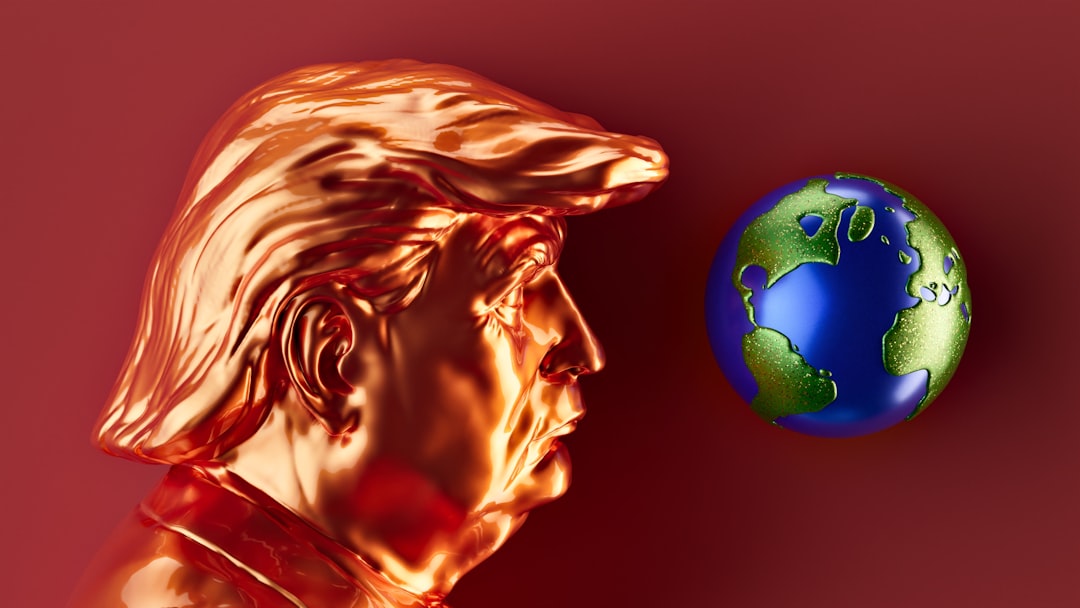
The numbers tell a story that goes beyond political theater. Many economists have expressed skepticism over the effectiveness of Trump’s strategy in imposing tariffs, and many have said that increased tariffs would raise the prices of consumer goods in the U.S. and worsen the country’s cost-of-living crisis. The Budget Lab at Yale University estimated that the tariffs would lead to a loss of about US$1,200 in purchasing power for the typical American household. For Mexico, the projections are equally grim: A year-long 25 percent tariff could cause Mexican exports to fall by around 12 percent, ultimately leading to a 4 percent decline in the country’s gross domestic product in 2025. Canada, a highly trade-dependent economy, will also likely suffer, experiencing harmed economic growth and increased prices for businesses and consumers. The Canadian economy could enter a recession within six months if the tariffs are maintained.
Cuba’s Rollercoaster Relationship
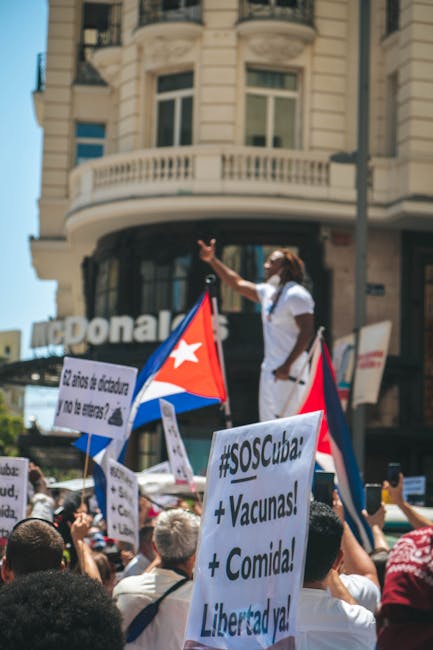
If you think the Canada-Mexico situation is confusing, wait until you hear about Cuba. Newly sworn-in President Donald Trump on Monday revoked the Biden administration’s last-minute decision to remove Cuba from the U.S. list of state sponsors of terrorism, the White House said. Just hours after his inauguration to a second term, Trump signed a so-called “rescission” of then-President Joe Biden’s Jan. 14 move that would have lifted the Communist-ruled island’s designation as a terrorism-sponsoring nation. The whiplash is incredible – in less than a week, Cuba went from being removed from the terrorism list to being put right back on it. Biden left Cuba on the State Sponsors of Terrorism list from 2021 to 2024 – only removing the country from the list a few days before leaving office! And on Monday, Trump once again named Cuba to the list of State Sponsors of Terrorism. This kind of back-and-forth policy making demonstrates just how unstable these relationships have become.
The Greenland Obsession
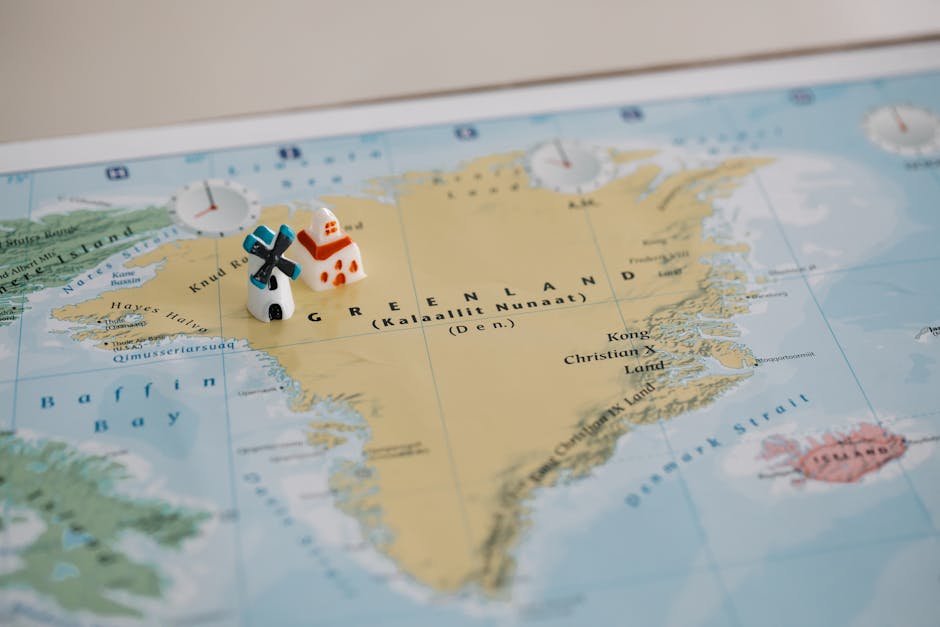
Perhaps nothing illustrates America’s complicated relationship with neighboring territories better than Trump’s fixation on Greenland. Greenland and Denmark agreed on Sunday to strengthen their ties in response to U.S. President Donald Trump’s interest in taking control of the strategically located Arctic island, their leaders said after talks in Copenhagen. Greenland’s new Prime Minister Jens-Frederik Nielsen landed in the Danish capital on Saturday for a three-day visit, in a display of unity between the mineral-rich island, a semi-autonomous Danish territory, and Denmark. The situation has become so tense that The United States is exerting “unacceptable pressure” on Greenland, Denmark’s Prime Minister Mette Frederiksen said on Tuesday, ahead of an unsolicited visit by a high-profile U.S. delegation to the semi-autonomous Danish territory this week. Trump, who takes office on Jan. 20, said on Tuesday he would not rule out using military or economic action to make Greenland part of the United States. The same day, Trump’s eldest son, Donald Trump Jr., made a private visit to Greenland.
Denmark Draws the Line
Denmark’s response to American pressure over Greenland has been remarkably firm. “I would like to take this opportunity to send a message directly to the United States of America,” Frederiksen said on board a military vessel with snowy cliffs in the background. “This is not only about Greenland or Denmark, this is about the world order that we have built together across the Atlantic over generations. You cannot annex another country, not even with an argument about security,” she said. The Greenlanders themselves have been equally clear about their position: “We are ready for a strong partnership (with the U.S.) and more development, but we want respect … We will never be a piece of property that can be bought by anyone,” Nielsen said. What’s particularly striking is how Vance falsely claimed that 55,000 citizens of Greenland want to be part of the U.S. However, a recent poll indicated that only six percent of Greenland’s population supports the idea of joining the United States.
The Global Reputation Crisis
These strained relationships aren’t happening in a vacuum – they’re part of a broader pattern that’s affecting America’s global standing. The proportion saying the United States will have a positive influence on world affairs has fallen in 26 out of 29 countries over the last six months. America’s reputation has fallen most markedly in Canada. For the first time in our decade-long survey series, China is placed ahead of the US when it comes to playing a positive role on the international scene. This is absolutely shocking when you consider that Canada has traditionally been one of America’s most reliable supporters on the world stage. Antonio De Loera-Brust argued in Foreign Policy that Trump’s threats to retake the Panama Canal, by force if necessary, have sparked a backlash in Latin America. De Loera-Brust notes: “Latin Americans have sought—time and time again in their region’s history—partnerships with extra-hemispheric rivals to the United States, from the Mexican conservatives who invited the French into Mexico in 1862 to the Cuban communists who invited the Soviets into Cuba a century later. It’s a pattern in U.S. history: Overeager enforcement of the Monroe Doctrine has often encouraged more serious violations, as Latin American countries look for a counterbalance to a neighbor they cannot hope to deter on their own.”
Europe Watches in Disbelief
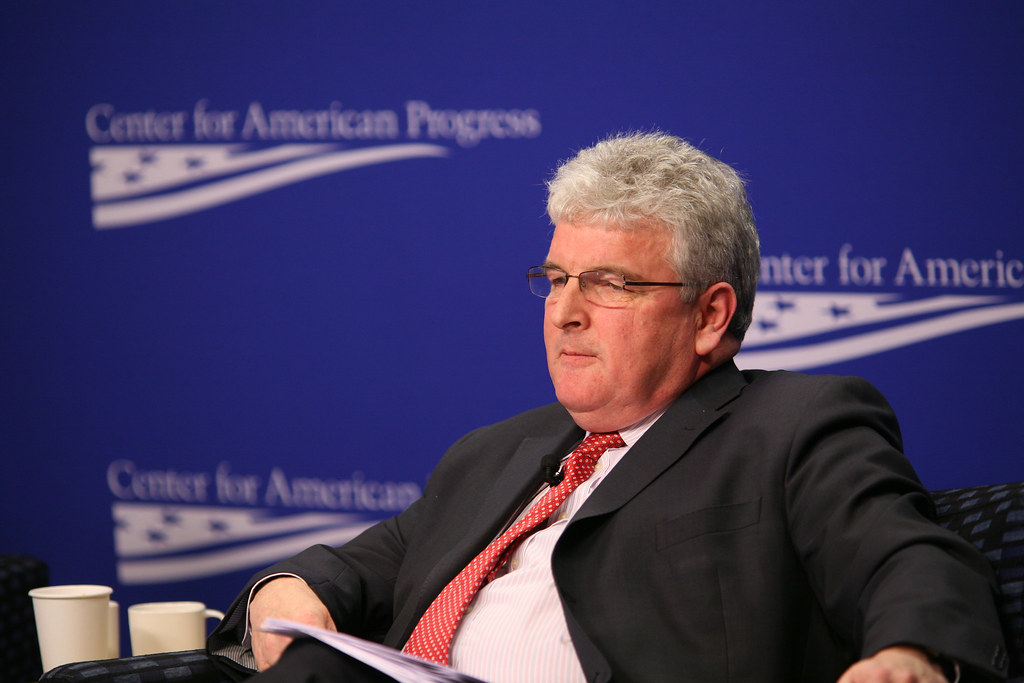
European allies are watching these developments with growing concern and disbelief. The European Commission—the executive branch of the European Union—condemned U.S. tariffs on Canada and Mexico, and called for the U.S. to “reconsider its approach”. German Chancellor Olaf Scholz expressed surprise at Trump’s comments about Greenland and Canada, underlining that European partners unanimously uphold the inviolability of borders. The transatlantic relationship, which has been a cornerstone of Western cooperation for decades, is showing serious strain. The European Union and the United States have the world’s largest bilateral trade and investment relationship, and enjoy the most integrated economic relationship in the world. Taking goods, services and investment into account, the EU and the US are each other’s largest trading partners by far, yet even this relationship is being tested by America’s increasingly unpredictable approach to its neighbors.
The Ripple Effect Across the Americas
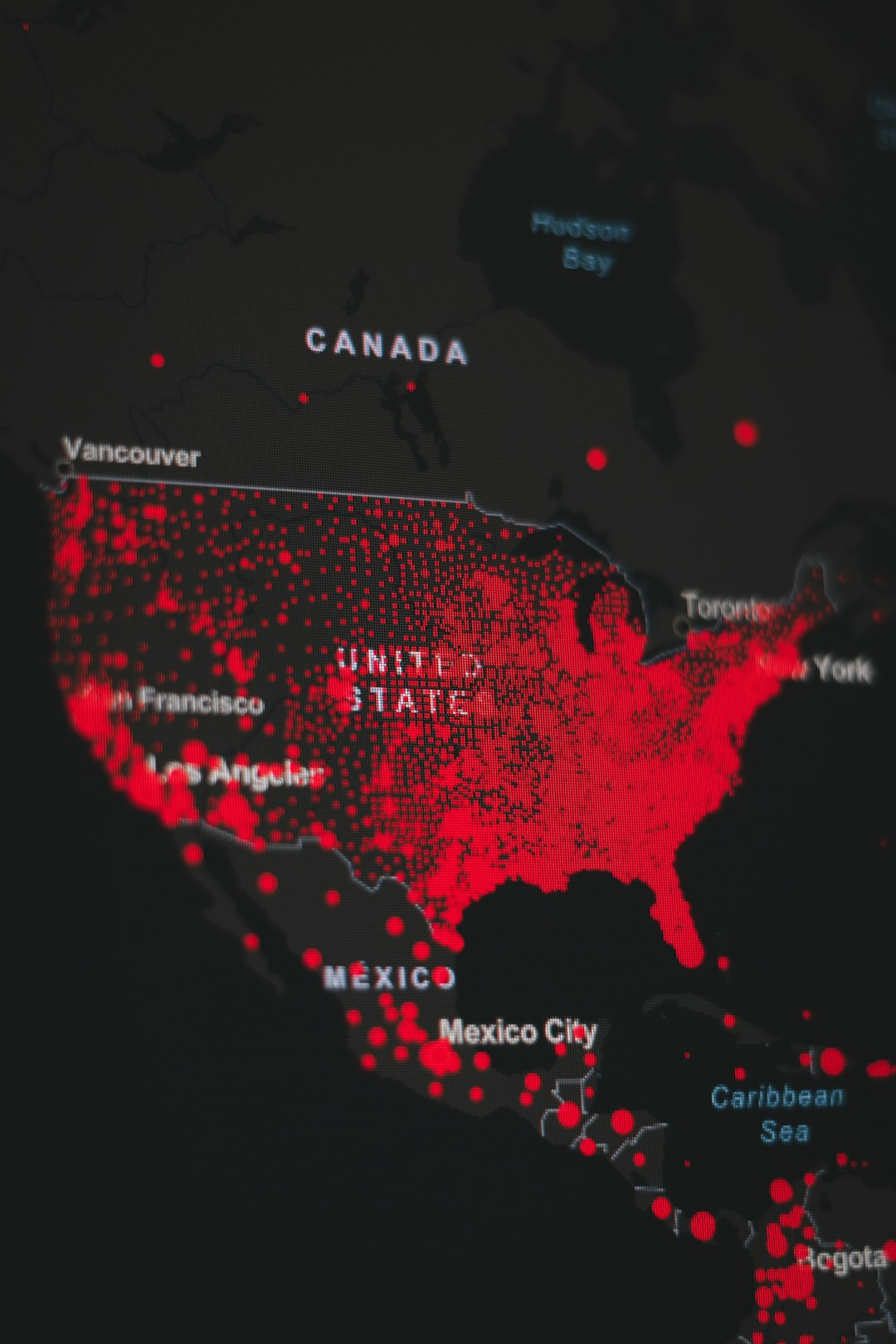
The chaos isn’t limited to direct neighbors – it’s creating uncertainty throughout the entire hemisphere. Haiti’s further collapse could trigger another wave of migrants fleeing to Florida, a Trump stronghold. Haiti’s further collapse could trigger another wave of migrants fleeing to Florida, a Trump stronghold. Meanwhile, in South America, US-South Africa relations have been tense and difficult for several years, but with the advent of the Trump administration they have reached a critical juncture. The eventual outcome of this bilateral relationship is likely to impact US relationships with the rest of Africa, particularly the Great Lakes region and southern Africa. The following explores US-Africa trade relations, exemplified by the African Growth and Opportunity Act (AGOA), and the fundamental differences in foreign policy between South Africa and the United States. The pattern is clear: America’s approach to international relations is creating instability far beyond its immediate borders.
What This Means for the Future
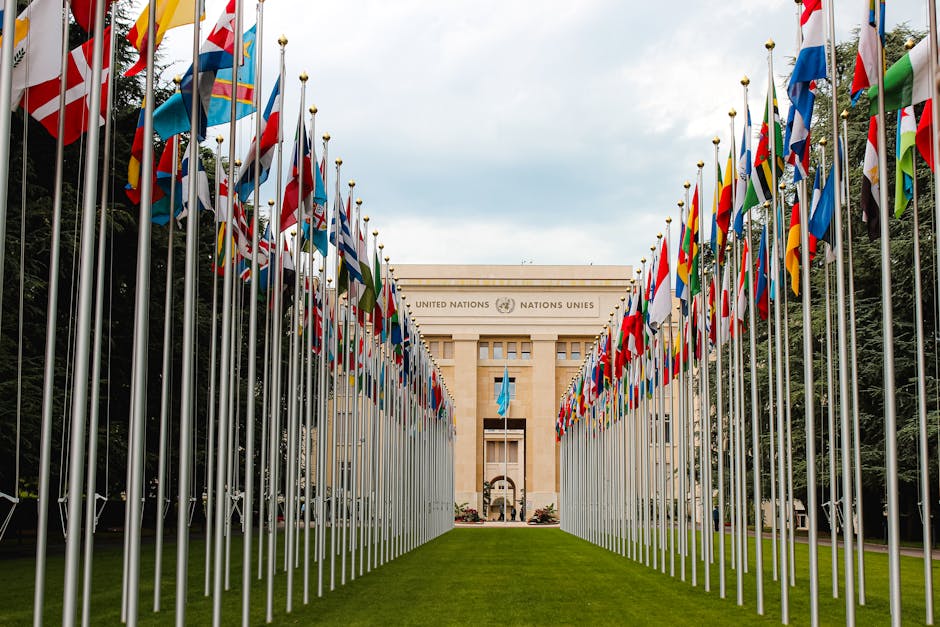
The implications of these deteriorating relationships extend far beyond trade statistics and diplomatic protests. “I think that just sets the stage for a new era of trade policy, and one where the U.S. “We are beholden to this unreliable neighbor to the South now, and the whims of that neighbor are making us finally ask the questions of what do we need to become?” Kara said. Countries that have long depended on stable relationships with the United States are being forced to reconsider their strategies and seek alternative partnerships. Other U.S. allies, including Japan and South Korea, have already increased their defence spending, spooked by both Chinese conduct and U.S. inconsistency. Large constituencies in Tokyo and Seoul believe their countries should acquire their own nuclear deterrents. This isn’t just about economics – it’s about fundamental questions of security and sovereignty that could reshape the global order for decades to come.
The relationships between the United States and its neighboring countries have never been more complicated or unpredictable. From trade wars with Canada and Mexico to diplomatic chess games over Greenland, from the Cuba policy whiplash to growing tensions across multiple continents, America’s neighbors are grappling with an unprecedented level of uncertainty. What was once predictable has become chaotic, and what was once stable has become volatile. Countries that have spent decades building partnerships with the United States are now being forced to question whether they can rely on their powerful neighbor – or whether they need to start looking elsewhere for the stability and respect they deserve. Did you expect that America’s relationships with its closest neighbors would become this turbulent?

Matthias is a skilled author and digital storyteller with a focus on travel journalism, environmental issues, and modern home design. With a background in communications and a passion for global cultures, Matthias crafts engaging narratives that blend real-world exploration with thoughtful analysis and visual flair.
His writing reflects a deep interest in how climate change shapes our lives and lifestyles—from sustainable travel practices to eco-friendly living environments. Known for his clear, approachable voice and sharp editorial instincts, Matthias delivers content that resonates with readers seeking both inspiration and substance.
Whether reporting from remote destinations, breaking down sustainable design trends, or spotlighting innovative green initiatives, Matthias brings a global perspective and an eye for detail to every piece. He regularly contributes to web platforms and editorial projects that aim to foster awareness, creativity, and conscious living.