


Lena is a thoughtful and imaginative writer with a passion for storytelling across the themes of travel, environmental sustainability, and contemporary home aesthetics. With a background in cultural media and a strong visual sensibility, Anna Lena creates content that bridges inspiration with practical insight.
Her work explores the interplay between place, lifestyle, and design—guiding readers through meaningful travel experiences, eco-conscious choices, and modern approaches to living well. Known for her elegant writing style and attention to detail, she brings a fresh, human-centered perspective to every topic she covers.
Anna Lena contributes to digital publications and editorial projects where aesthetics meet purpose. Her writing not only informs but also encourages readers to live more intentionally, sustainably, and beautifully—wherever they are in the world.
Who Is Eligible?

Babies born in the United States between January 1, 2025, and December 31, 2028, are automatically eligible for a Trump Account. To qualify, each child must be a U.S. citizen and have a valid Social Security number. Parents who open accounts for children born outside this window can still use the program but will not receive the government’s $1,000 seed contribution. This four-year eligibility period ensures that the program remains limited in scope and predictable in cost.
How Much Seed Money Is Provided?
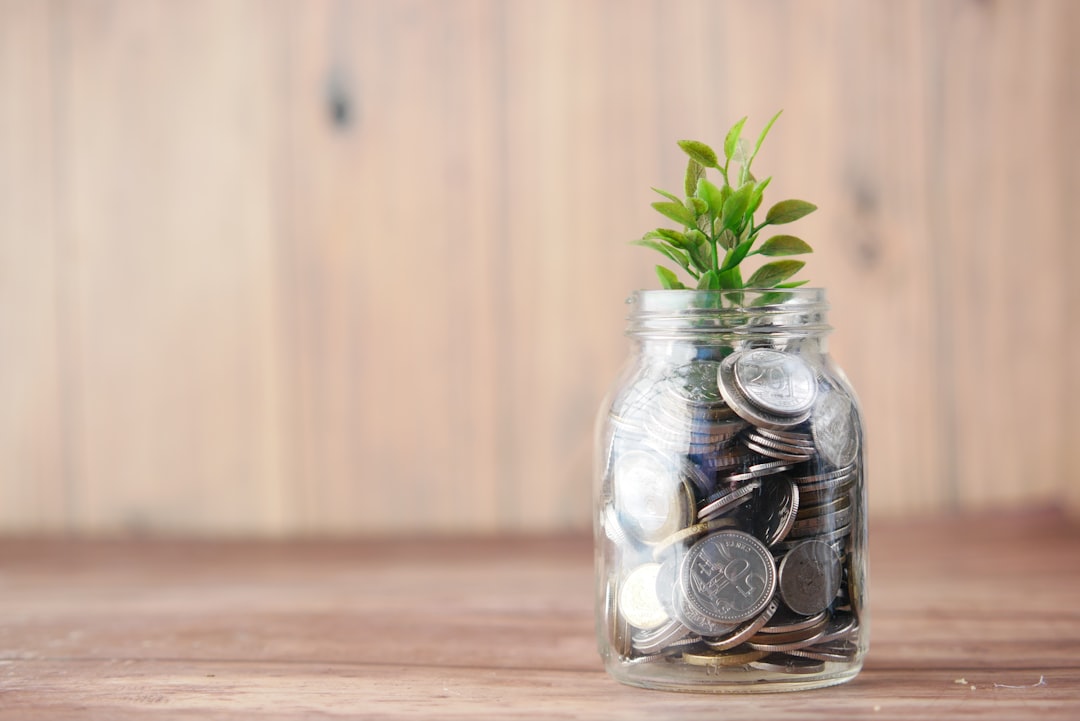
Every eligible child will receive a one-time $1,000 deposit from the federal government. This money is invested immediately in a designated low-cost stock index fund. The goal is to help families leverage long-term market growth so even a modest starting amount can grow over nearly two decades.
Who Can Contribute?
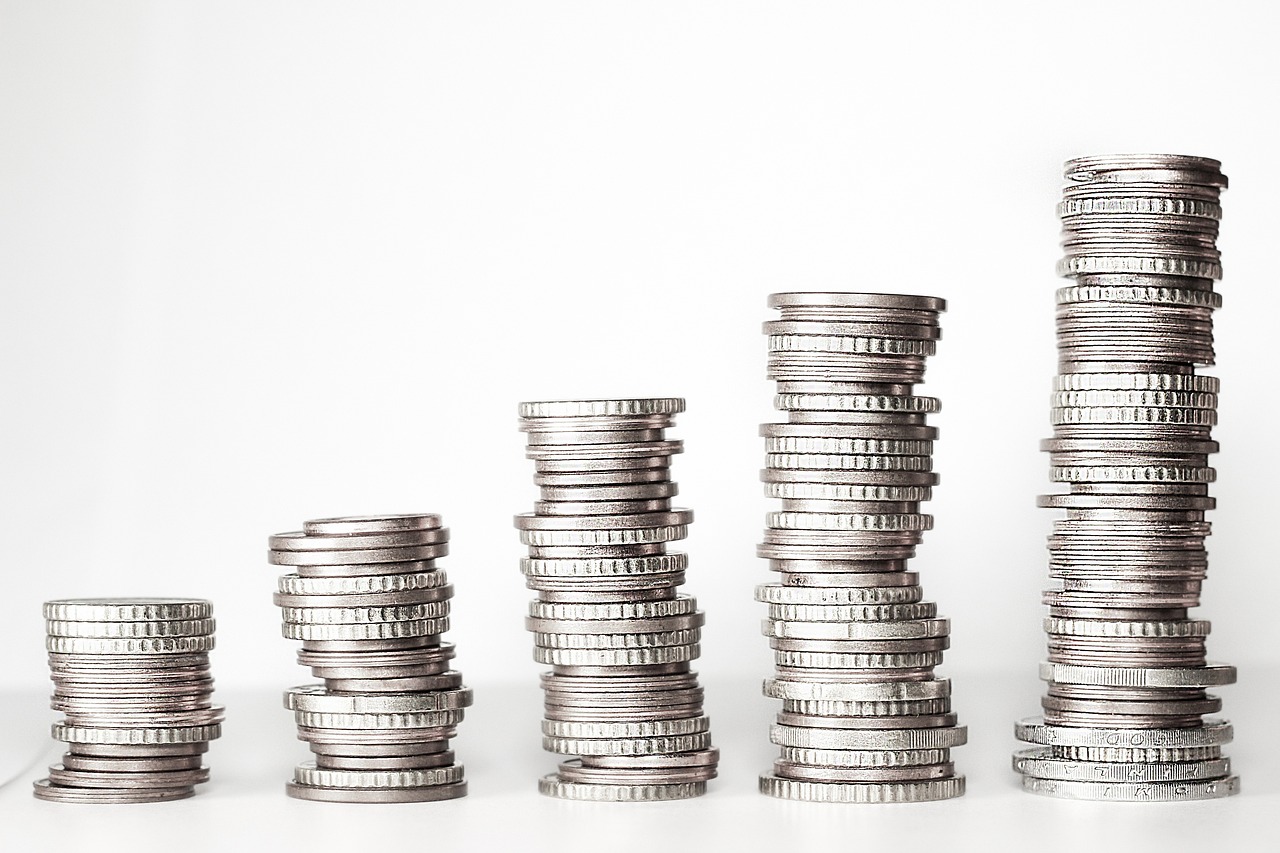
Trump Accounts are designed to be flexible. Parents, relatives, and other supporters can contribute up to $5,000 per year until the child reaches age 18. Employers are also allowed to add money, with special provisions that let them contribute up to $2,500 annually per child without the amount counting toward the parent’s taxable income. Financial planners point out that this employer contribution could be especially helpful to working families trying to build savings.
How Is the Money Invested?

The funds must be placed in “eligible investments,” such as mutual funds or exchange-traded funds (ETFs) that track broad U.S. stock indexes like the S&P 500. Annual expenses and fees are capped at 0.1%, which helps keep costs low and growth potential higher over time. Many advisors consider this approach an effective way to invest for a minor’s future needs.
When Can Children Access the Money?

Children can access the funds in their Trump Accounts beginning in the year they turn 18. There is no requirement in the final legislation to liquidate the account by a certain age, which gives young adults the option to keep investing if they choose. Locking the money away until adulthood ensures it has time to grow without interruptions.
How Much Could the Accounts Be Worth in the Future?
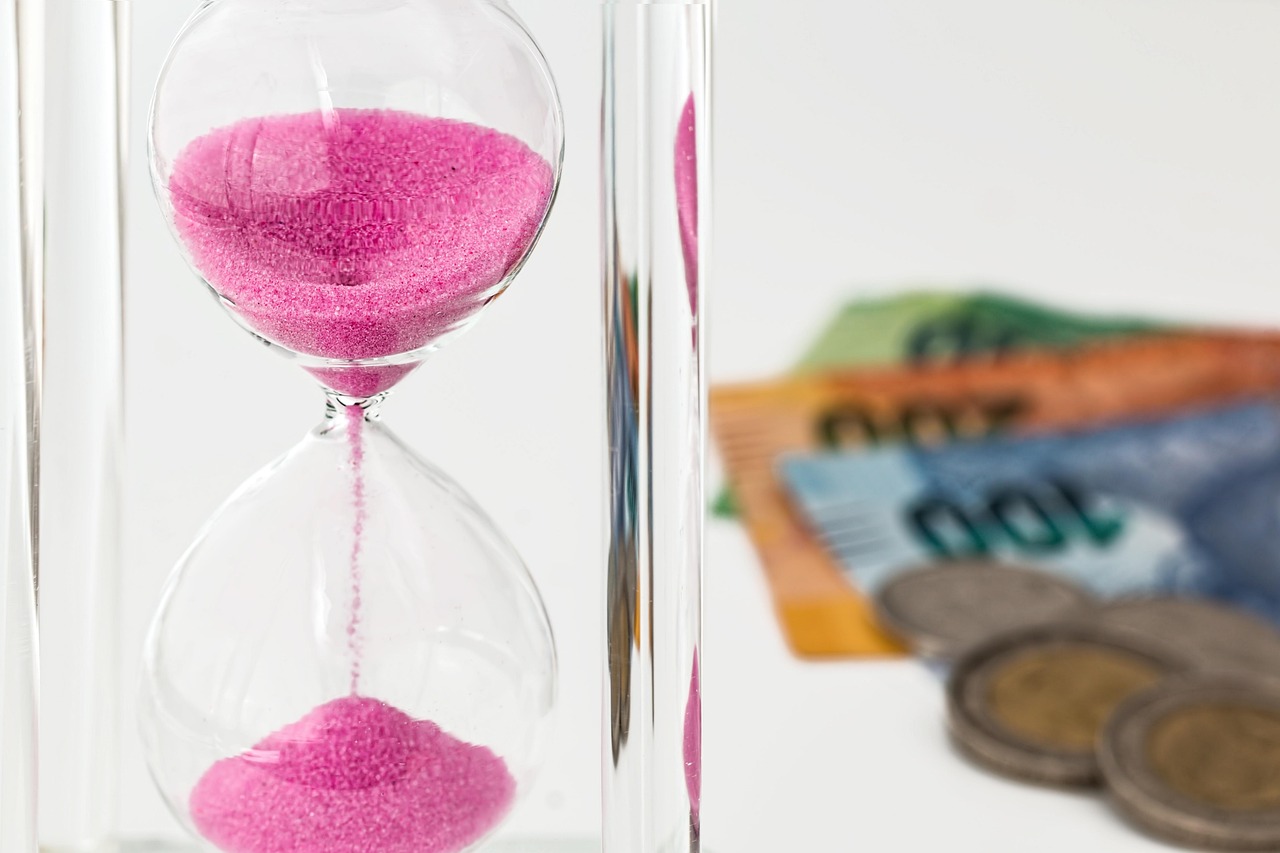
The final value depends on the investment returns and whether families contribute additional funds. With no further contributions and an assumed 8% annual return, the initial $1,000 could grow to about $4,000 by the time the child turns 18. If families contribute the maximum $5,000 per year over 18 years, the account could grow to more than $190,000, though most families are unlikely to contribute that much every year.
How Do Trump Accounts Compare to Other Options?
These accounts join an already crowded field of savings vehicles, including 529 plans for education, Uniform Transfers to Minors Act (UTMA) accounts, and regular brokerage or Roth accounts. While Trump Accounts provide a unique initial deposit, they don’t offer the same tax advantages as 529 plans for education expenses. Still, many families see them as another tool to help fund future goals like college, homeownership, or entrepreneurship.
Will This Help Close the Wealth Gap?

Some policy experts say Trump Accounts resemble so-called “baby bonds,” which aim to give every child a financial head start. However, critics argue the $1,000 seed is too small to significantly reduce the wealth gap, especially since families with more resources are better positioned to contribute extra funds. Others have also pointed out that excluding many immigrant children could reinforce existing inequalities rather than closing them.

Lena is a thoughtful and imaginative writer with a passion for storytelling across the themes of travel, environmental sustainability, and contemporary home aesthetics. With a background in cultural media and a strong visual sensibility, Anna Lena creates content that bridges inspiration with practical insight.
Her work explores the interplay between place, lifestyle, and design—guiding readers through meaningful travel experiences, eco-conscious choices, and modern approaches to living well. Known for her elegant writing style and attention to detail, she brings a fresh, human-centered perspective to every topic she covers.
Anna Lena contributes to digital publications and editorial projects where aesthetics meet purpose. Her writing not only informs but also encourages readers to live more intentionally, sustainably, and beautifully—wherever they are in the world.