
Henrieke Otte is an accomplished writer and content editor, specializing in topics that inspire thoughtful living—ranging from global travel and sustainable lifestyles to interior design and architecture. With a keen editorial sense and a background in cultural studies, Henrieke brings depth, elegance, and clarity to every piece she crafts.
Her work is known for its engaging voice, visual sensitivity, and ability to turn complex ideas into accessible, reader-friendly narratives. Whether exploring eco-conscious destinations, dissecting climate-conscious home trends, or curating serene living spaces, Henrieke writes with a balance of creativity and insight that resonates with design-savvy, environmentally aware audiences.
Driven by a love of meaningful storytelling and a refined aesthetic, Henrieke contributes regularly to digital platforms and magazines where quality content meets visual sophistication.
Federal Health Report Faces Scrutiny Over Citation Errors

The “Make America Healthy Again” (MAHA) report, released last week by the Trump administration, is under intense examination after multiple inaccuracies were discovered in its citations. The 78-page document, intended to outline strategies for combating chronic health issues in children, references over 500 studies. However, investigations revealed that at least seven of these studies do not exist, and others were misrepresented. The White House has acknowledged these errors, attributing them to formatting issues, and has since issued a corrected version of the report.
Experts Deny Authorship of Referenced Studies
Among the misattributed works, a study credited to Dr. Katherine Keyes, an epidemiologist at Columbia University, was found to be nonexistent. Dr. Keyes confirmed that neither she nor her co-authors wrote the paper cited in the report. Similarly, Dr. Robert Findling, a psychiatry professor at Virginia Commonwealth University, was incorrectly listed as the author of another study. Both instances highlight significant lapses in the report’s research integrity.
Potential Use of AI in Report Compilation Raises Concerns
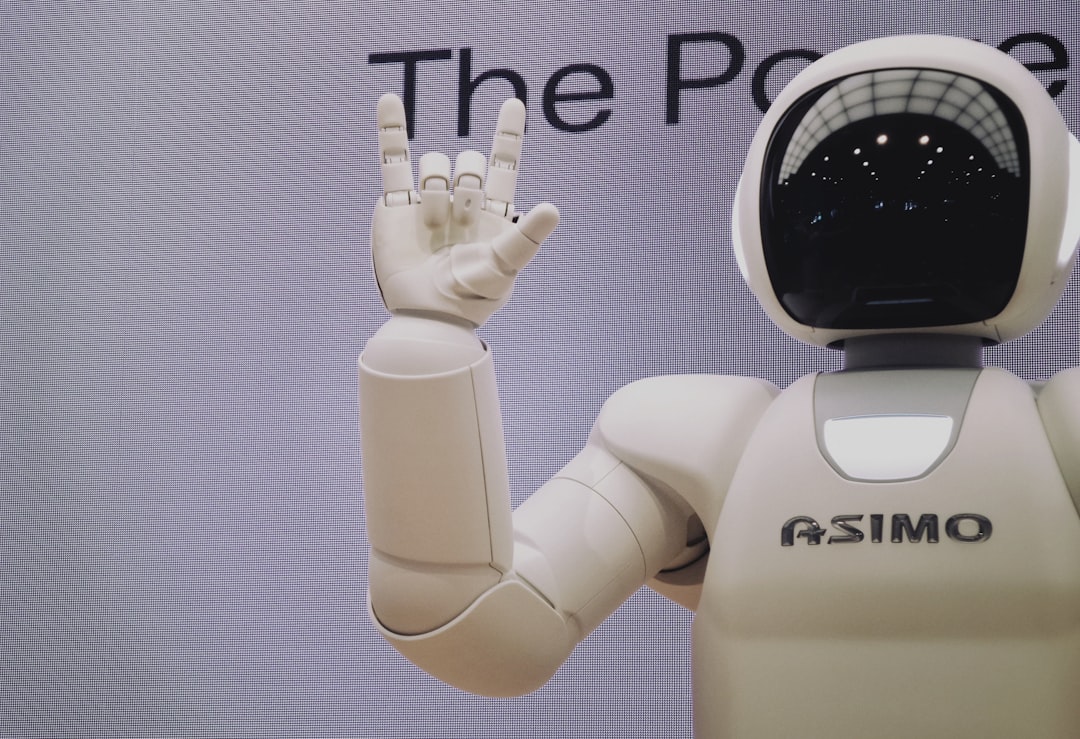
The presence of placeholders like “oaicite,” commonly associated with AI-generated content, in the MAHA report has led to speculation that artificial intelligence tools may have been used in its creation. Experts caution that while AI can assist in drafting documents, reliance on such tools without thorough human oversight can result in the inclusion of fabricated or inaccurate information.
White House and HHS Respond to Report Controversy
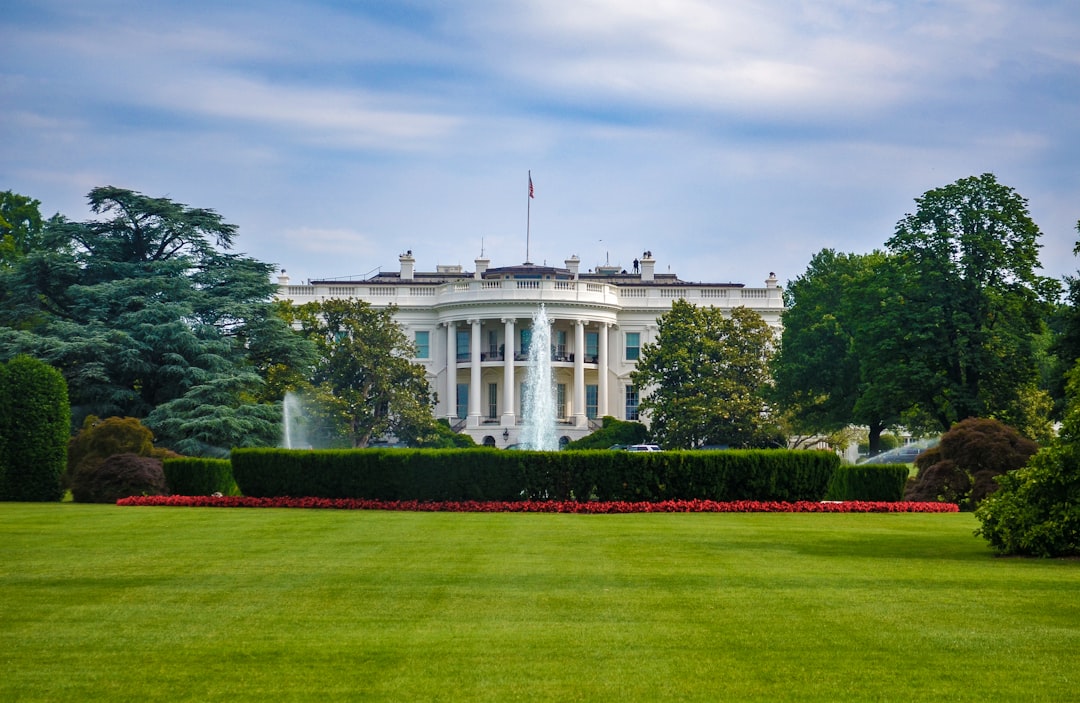
In response to the backlash, Health and Human Services Secretary Robert F. Kennedy Jr. defended the report, stating that minor citation and formatting errors have been corrected, and the report’s core findings remain valid. White House Press Secretary Karoline Leavitt echoed this sentiment, emphasizing the administration’s confidence in the report’s overall message and its commitment to addressing the chronic disease epidemic among children.
Agricultural Groups Express Alarm Over Report’s Claims
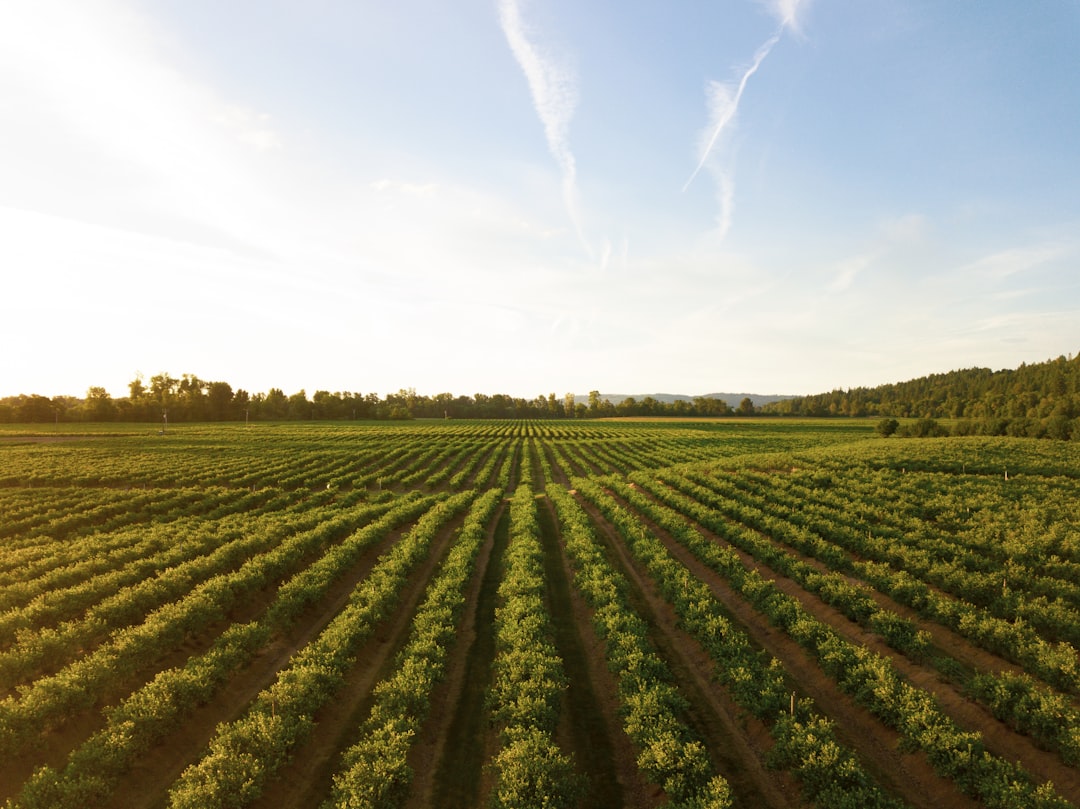
The MAHA report’s assertions regarding the negative health impacts of pesticides and ultra-processed foods have drawn criticism from agricultural organizations. Farmers and industry representatives argue that the report’s claims are fear-based and lack scientific substantiation, potentially undermining public trust in the food supply.
Future of MAHA Initiative Remains Uncertain Amid Controversy
Despite the controversies, the MAHA Commission is tasked with developing a comprehensive strategy to address childhood chronic diseases within the next 80 days. The White House has requested $500 million in funding from Congress to support the initiative. However, the recent revelations have cast doubt on the report’s credibility and the administration’s approach to public health policy.

Henrieke Otte is an accomplished writer and content editor, specializing in topics that inspire thoughtful living—ranging from global travel and sustainable lifestyles to interior design and architecture. With a keen editorial sense and a background in cultural studies, Henrieke brings depth, elegance, and clarity to every piece she crafts.
Her work is known for its engaging voice, visual sensitivity, and ability to turn complex ideas into accessible, reader-friendly narratives. Whether exploring eco-conscious destinations, dissecting climate-conscious home trends, or curating serene living spaces, Henrieke writes with a balance of creativity and insight that resonates with design-savvy, environmentally aware audiences.
Driven by a love of meaningful storytelling and a refined aesthetic, Henrieke contributes regularly to digital platforms and magazines where quality content meets visual sophistication.