
Lena is a thoughtful and imaginative writer with a passion for storytelling across the themes of travel, environmental sustainability, and contemporary home aesthetics. With a background in cultural media and a strong visual sensibility, Anna Lena creates content that bridges inspiration with practical insight.
Her work explores the interplay between place, lifestyle, and design—guiding readers through meaningful travel experiences, eco-conscious choices, and modern approaches to living well. Known for her elegant writing style and attention to detail, she brings a fresh, human-centered perspective to every topic she covers.
Anna Lena contributes to digital publications and editorial projects where aesthetics meet purpose. Her writing not only informs but also encourages readers to live more intentionally, sustainably, and beautifully—wherever they are in the world.
The Golden Touch: How Trump Turned Gold into a Signature
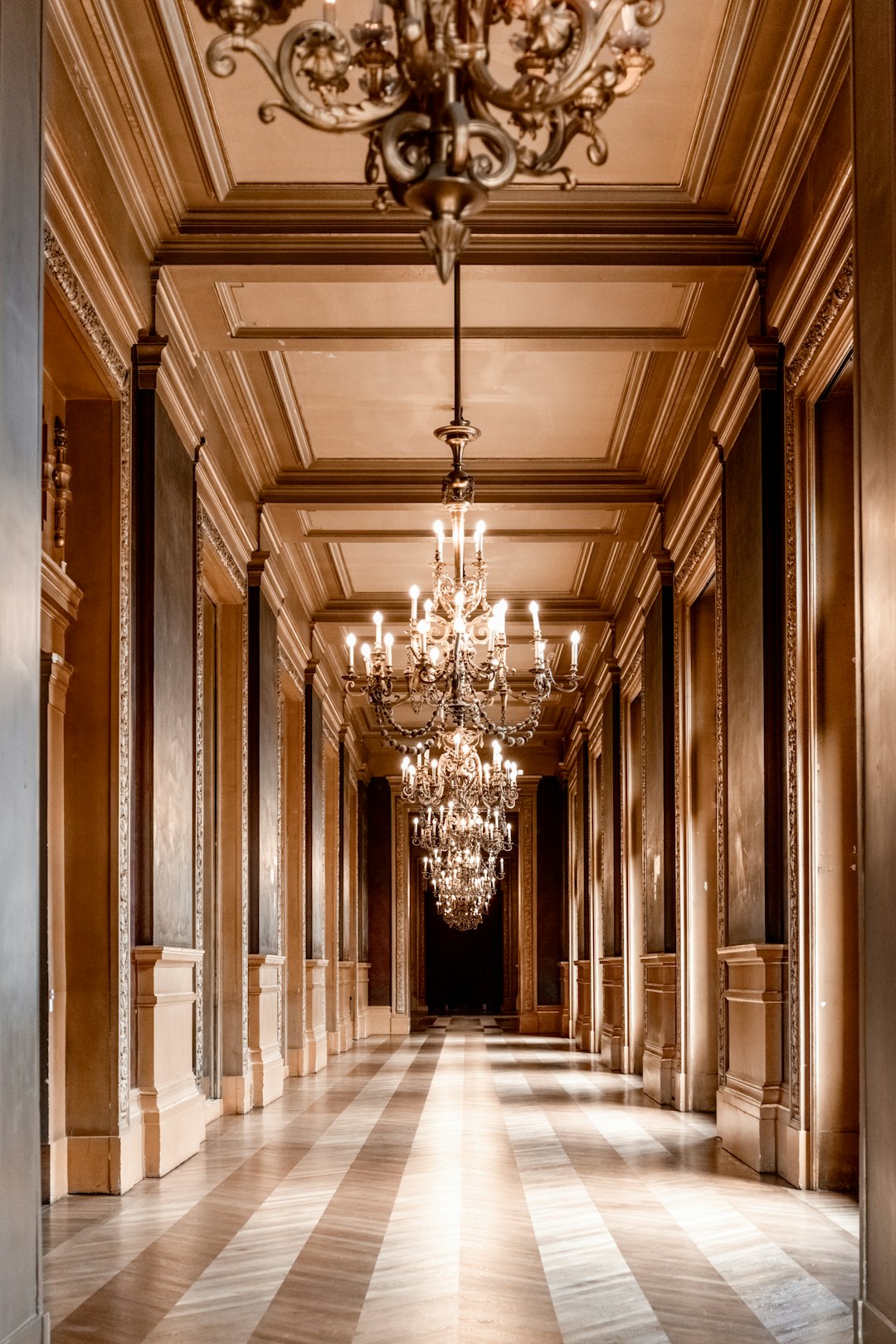
Donald Trump’s love for gold isn’t just a rumor—it’s a branding strategy that has become almost legendary. From the moment guests step into Trump Tower in Manhattan, they’re greeted with gleaming gold accents on everything from elevators to chandeliers. Trump’s obsession dates back decades, but it surged into the public eye during his real estate boom in the 1980s. According to interviews with longtime business associates, Trump once insisted that “gold is the best investment you can make.” Real estate insiders note that Trump’s use of gold finishes—both real and faux—set a new standard for luxury in New York, making gold synonymous with wealth and exclusivity. His approach inspired a wave of imitators, as rival developers realized that even the illusion of gold could drive up property prices.
Gold-Plated Real Estate: The Trump Tower Effect
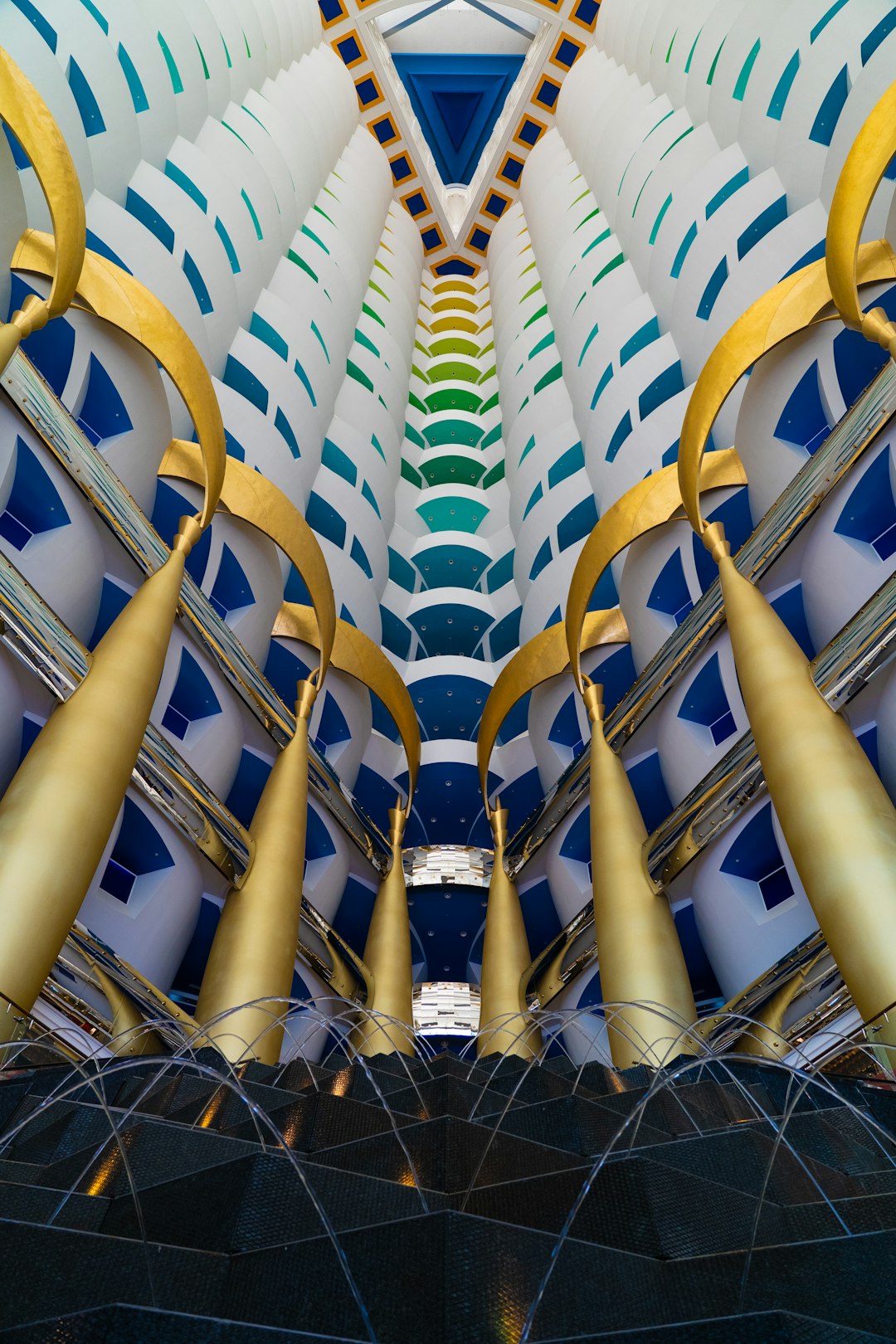
The influence of Trump’s gold obsession is most visible in his landmark properties. Trump Tower’s lobby, with its 24-karat gold-plated fixtures, has become an Instagram sensation, drawing both tourists and luxury shoppers. The building’s use of gold finishes was considered excessive by critics in the 1980s, but today it’s a tourism draw and a model for high-end developments worldwide. According to a 2023 report by the National Association of Realtors, luxury buildings that incorporate gold or gold-like materials into their design see a 12% higher resale value on average compared to properties without such features. The “Trump effect” has pushed developers in cities from Miami to Dubai to replicate this gilded look, hoping to attract status-conscious buyers.
Gold in the White House: Presidential Aesthetics Gone Luxe
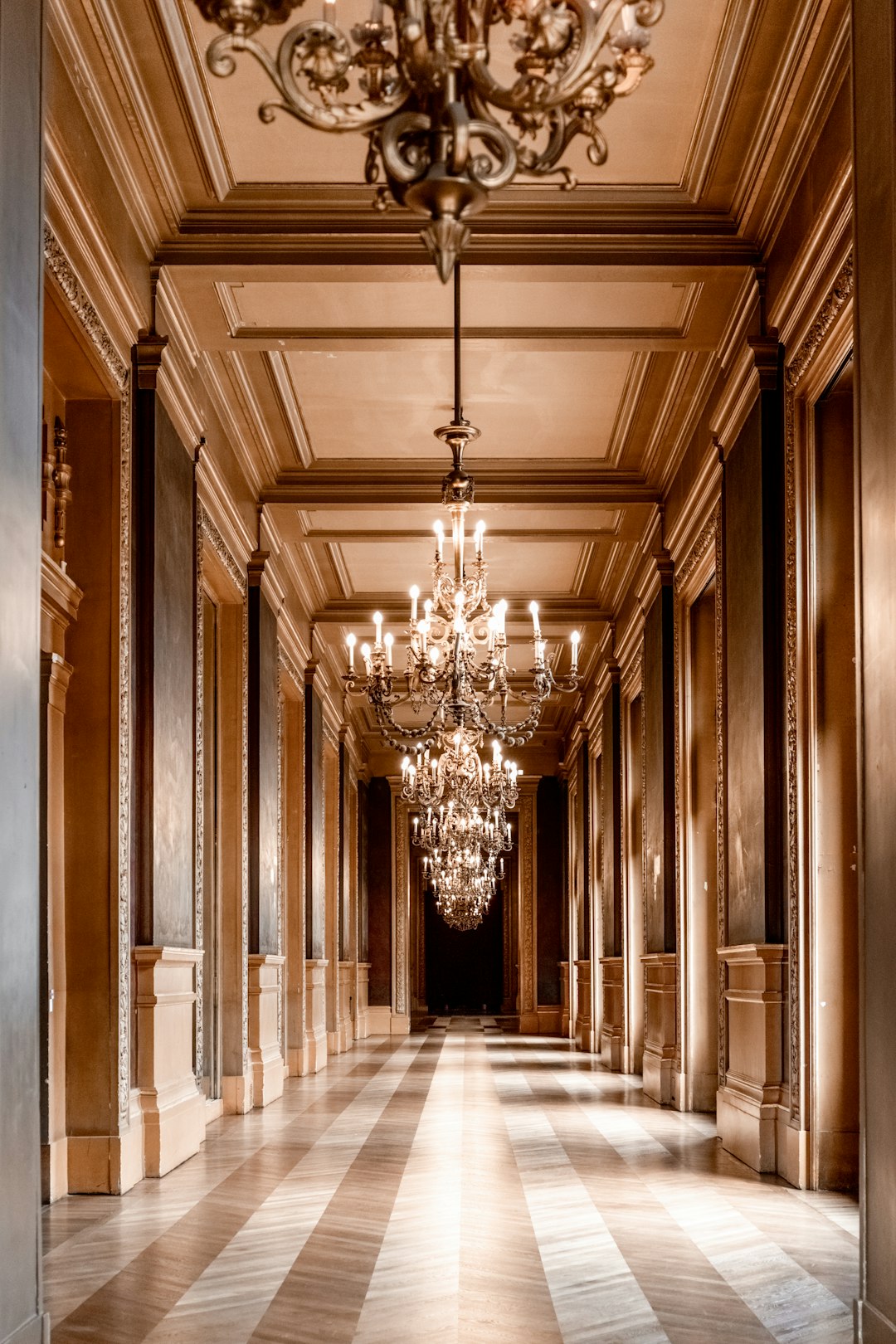
Trump’s presidency didn’t stop his gold fixation—it brought it to the most powerful house in America. In 2017, media outlets highlighted the transformation of the Oval Office, where gold drapes and accents replaced Obama-era earth tones. These changes sparked controversy and fascination, with critics calling the look “imperial,” while supporters saw it as a return to grandeur. The gold accents even featured in official White House Christmas decorations, signaling that Trump’s taste wasn’t just personal—it was policy. According to design magazine Architectural Digest, the White House’s new look inspired a 17% uptick in searches for “gold home décor” from 2017 to 2019, proving the ripple effect of presidential style on American interior trends.
Luxury Retailers Go for Gold: Shifting Consumer Tastes
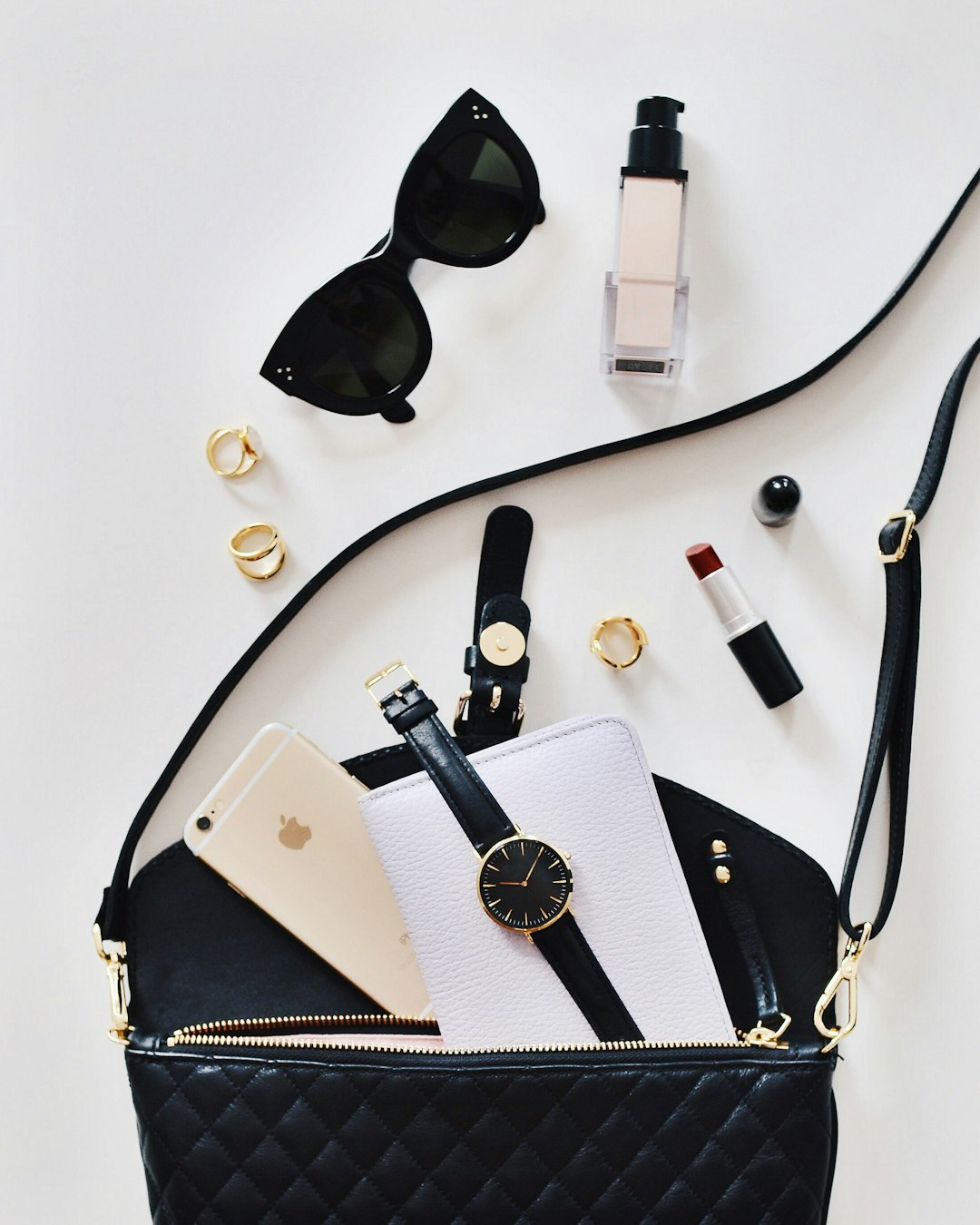
Trump’s high-profile use of gold has had a measurable impact on luxury retail. Brands like Versace, Gucci, and Louis Vuitton have leaned into gold accents in both their product lines and store designs over the past decade. Market research firm Statista reported that sales of gold jewelry in the U.S. rose from $25.7 billion in 2016 to $32.6 billion in 2023, a jump attributed in part to the “Trumpian” taste for the bold and ostentatious. Retail experts note that gold now signals not just wealth, but a kind of unapologetic confidence. Shoppers, especially in cities where Trump-branded properties are prominent, increasingly associate gold with the “winner” mentality that Trump projects.
Hotels and Casinos: The Gilded Age Returns
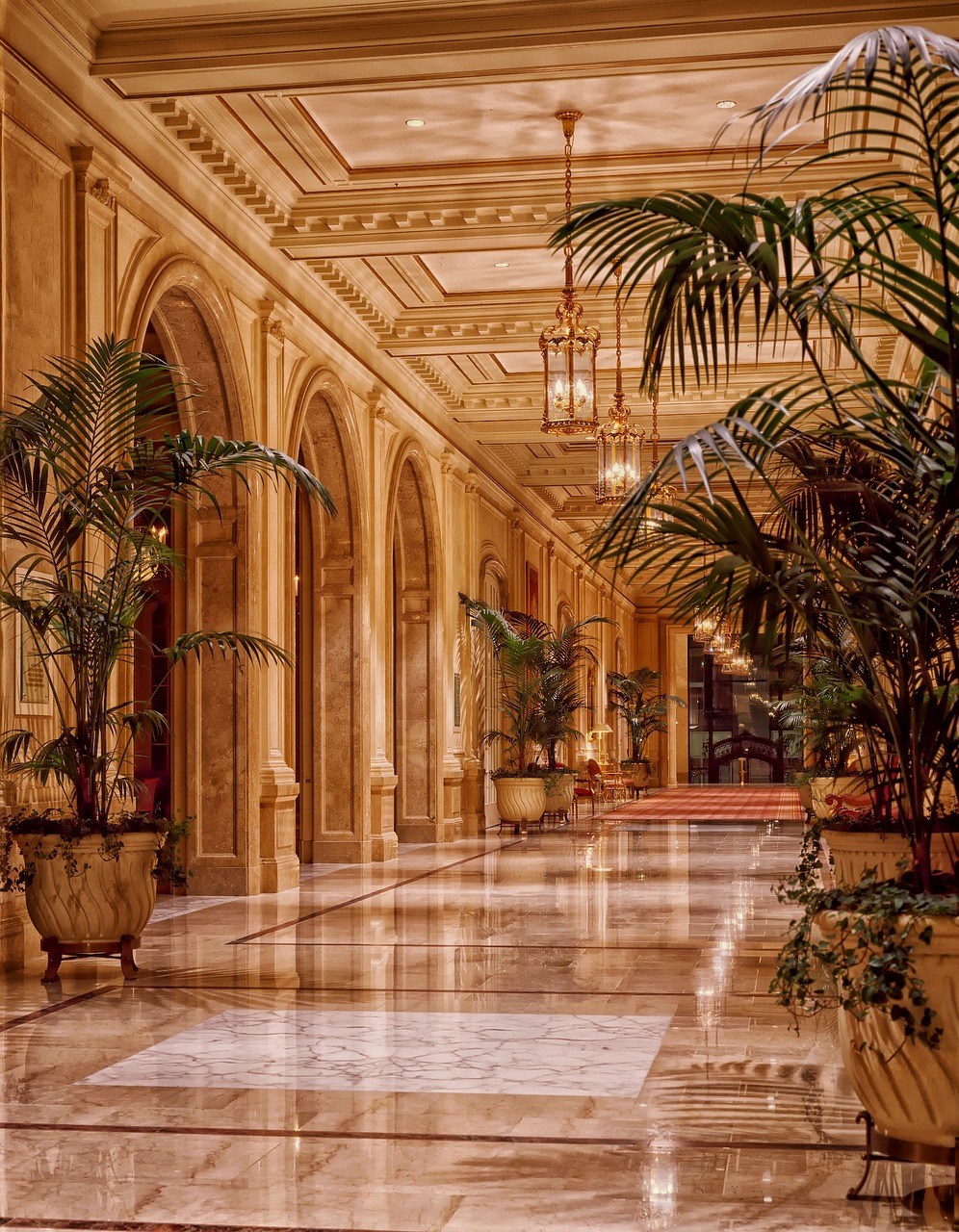
Trump’s influence is perhaps most dramatic in the world of luxury hotels and casinos. His Las Vegas property, Trump International Hotel, boasts hundreds of gold-tinted windows, while the Atlantic City casinos he once owned were famous for their gold-trimmed interiors. A 2022 survey by Hospitality Design found that hotels adopting gold accents in their lobbies and suites saw a 15% boost in bookings from high-net-worth individuals. Other hotel chains, such as the Four Seasons and Ritz-Carlton, have updated their interiors to include more gold finishes, hoping to capture the aspirational market segment that associates gold with ultimate luxury.
Global Luxury Markets: Gold as the New Standard
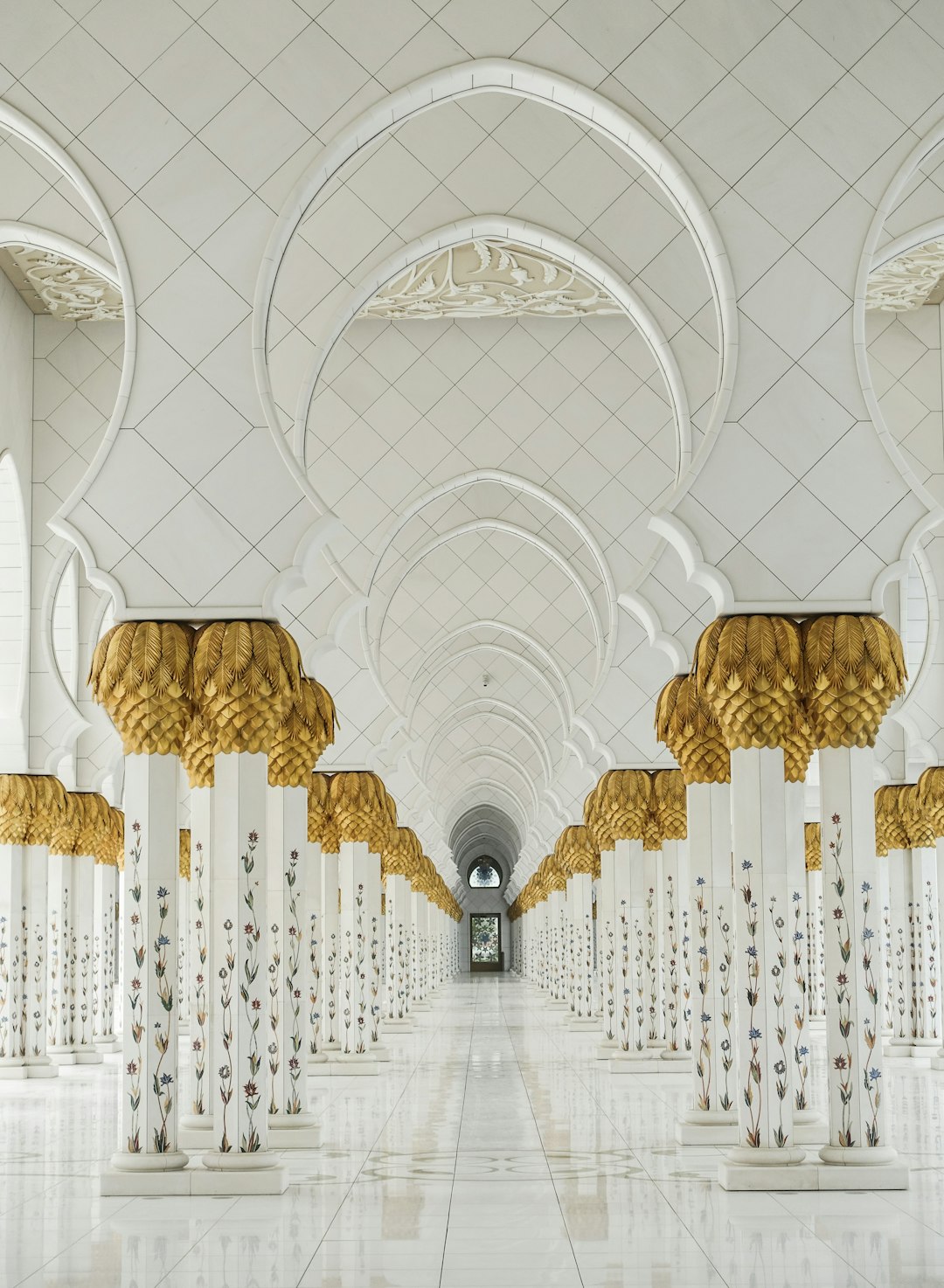
The “Trump gold standard” has gone global. In the Middle East, luxury developments in Dubai and Abu Dhabi now regularly feature gold-plated fixtures and furnishings, with developers openly crediting the Trump Organization for popularizing the look. According to Knight Frank’s 2023 Wealth Report, luxury homebuyers in Asia and the Middle East are 23% more likely to demand gold finishes than their Western counterparts. Gold-themed penthouses and villas now command premium prices, often selling for millions above similar properties without the lavish metal.
Gold and the Art World: A New Kind of Bling
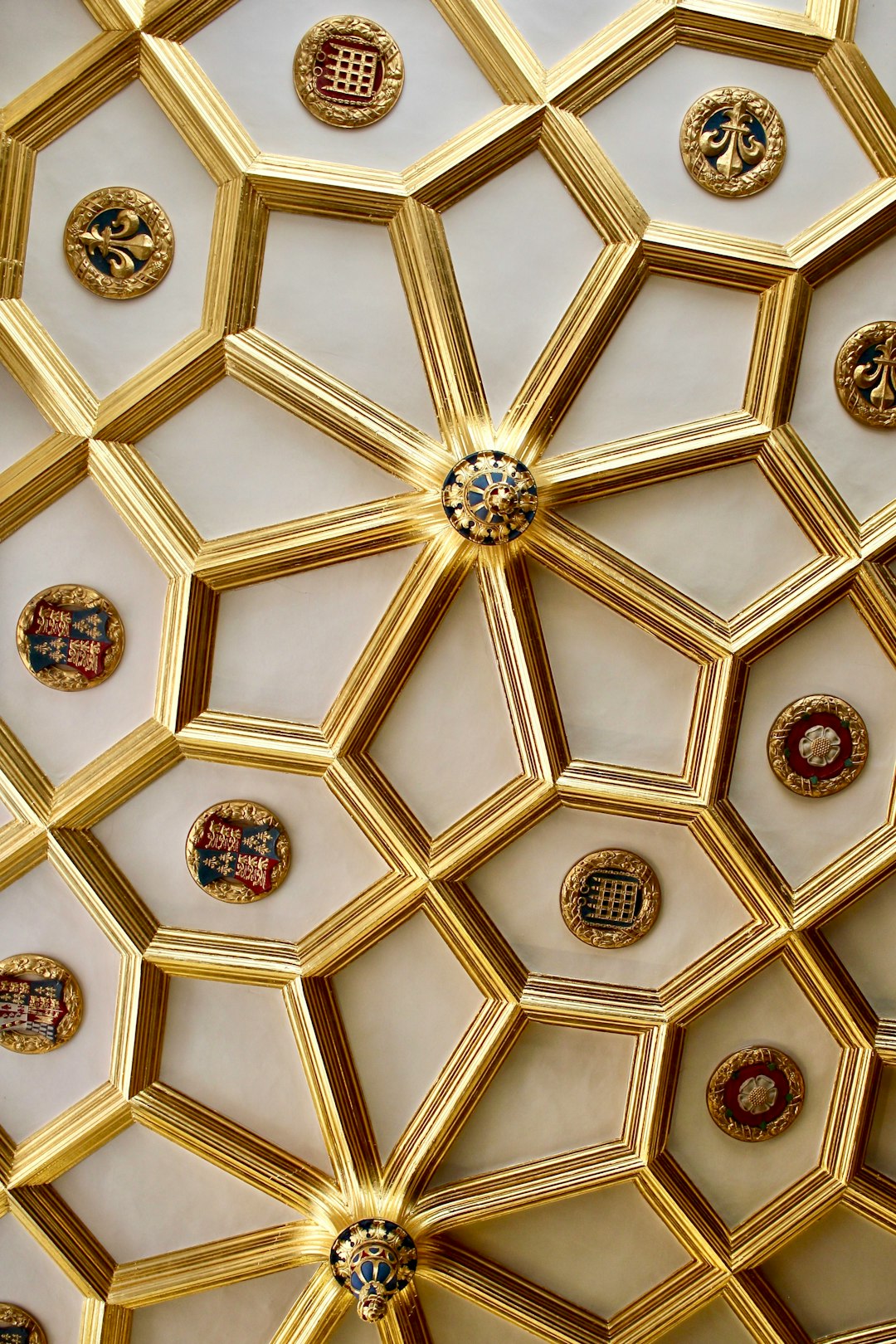
Trump’s influence has reached the art world, where gold has become a powerful symbol of both opulence and controversy. In 2022, Sotheby’s reported a 30% increase in sales of contemporary artworks featuring gold leaf or gold paint, a trend many attribute to the Trump era’s embrace of excess. Artists like Jeff Koons and Damien Hirst have released gold-themed works that fetch record prices at auction. Art critics argue that this is part of a larger cultural shift toward valuing flash and spectacle over subtlety, a shift that echoes Trump’s own public persona.
Gold in Fashion: The Trump-Inspired Runway
High fashion designers have not been immune to gold fever. New York Fashion Week in 2023 saw a surge of gold fabrics, accessories, and jewelry on the runway, with designers openly acknowledging the influence of “Trumpian luxury.” According to Vogue, metallic gold clothing sales jumped 18% from 2019 to 2023, and luxury watchmaker Rolex reported a record number of gold watch sales in the same period. Fashion historians suggest that Trump’s ability to make gold aspirational again has led to a revival of 1980s-style glamour, with a modern twist.
Watches, Cars, and Private Jets: Personal Luxury Gets the Midas Touch
For the ultra-wealthy, gold isn’t just about décor—it’s about lifestyle. Trump’s own collection of gold-trimmed cars and private jet interiors has inspired luxury manufacturers to offer bespoke gold options. Rolls-Royce and Bentley have reported a 14% increase in custom gold finishes on new vehicles since 2018. Private jet company NetJets now offers gold-plated fixtures for VIP clients, a service that doubled in popularity between 2020 and 2023. Experts say the demand is driven by a desire to signal success and exclusivity, a trend that aligns perfectly with Trump’s public image.
The Future of Luxury: Is Gold Here to Stay?
Industry analysts are divided on whether Trump’s gold addiction will have a lasting impact or if it’s simply a passing trend. What’s clear is that gold has come to symbolize a new era of luxury—one defined by visibility, bravado, and global influence. The luxury market’s embrace of gold reflects a broader cultural shift toward celebrating wealth openly, rather than hiding it behind understated elegance. As long as Trump remains a public figure, his golden aesthetic will likely continue to shape not just tastes, but the very definition of luxury itself.

Lena is a thoughtful and imaginative writer with a passion for storytelling across the themes of travel, environmental sustainability, and contemporary home aesthetics. With a background in cultural media and a strong visual sensibility, Anna Lena creates content that bridges inspiration with practical insight.
Her work explores the interplay between place, lifestyle, and design—guiding readers through meaningful travel experiences, eco-conscious choices, and modern approaches to living well. Known for her elegant writing style and attention to detail, she brings a fresh, human-centered perspective to every topic she covers.
Anna Lena contributes to digital publications and editorial projects where aesthetics meet purpose. Her writing not only informs but also encourages readers to live more intentionally, sustainably, and beautifully—wherever they are in the world.