

Lena is a thoughtful and imaginative writer with a passion for storytelling across the themes of travel, environmental sustainability, and contemporary home aesthetics. With a background in cultural media and a strong visual sensibility, Anna Lena creates content that bridges inspiration with practical insight.
Her work explores the interplay between place, lifestyle, and design—guiding readers through meaningful travel experiences, eco-conscious choices, and modern approaches to living well. Known for her elegant writing style and attention to detail, she brings a fresh, human-centered perspective to every topic she covers.
Anna Lena contributes to digital publications and editorial projects where aesthetics meet purpose. Her writing not only informs but also encourages readers to live more intentionally, sustainably, and beautifully—wherever they are in the world.
Two American Giants, One Presidential Target
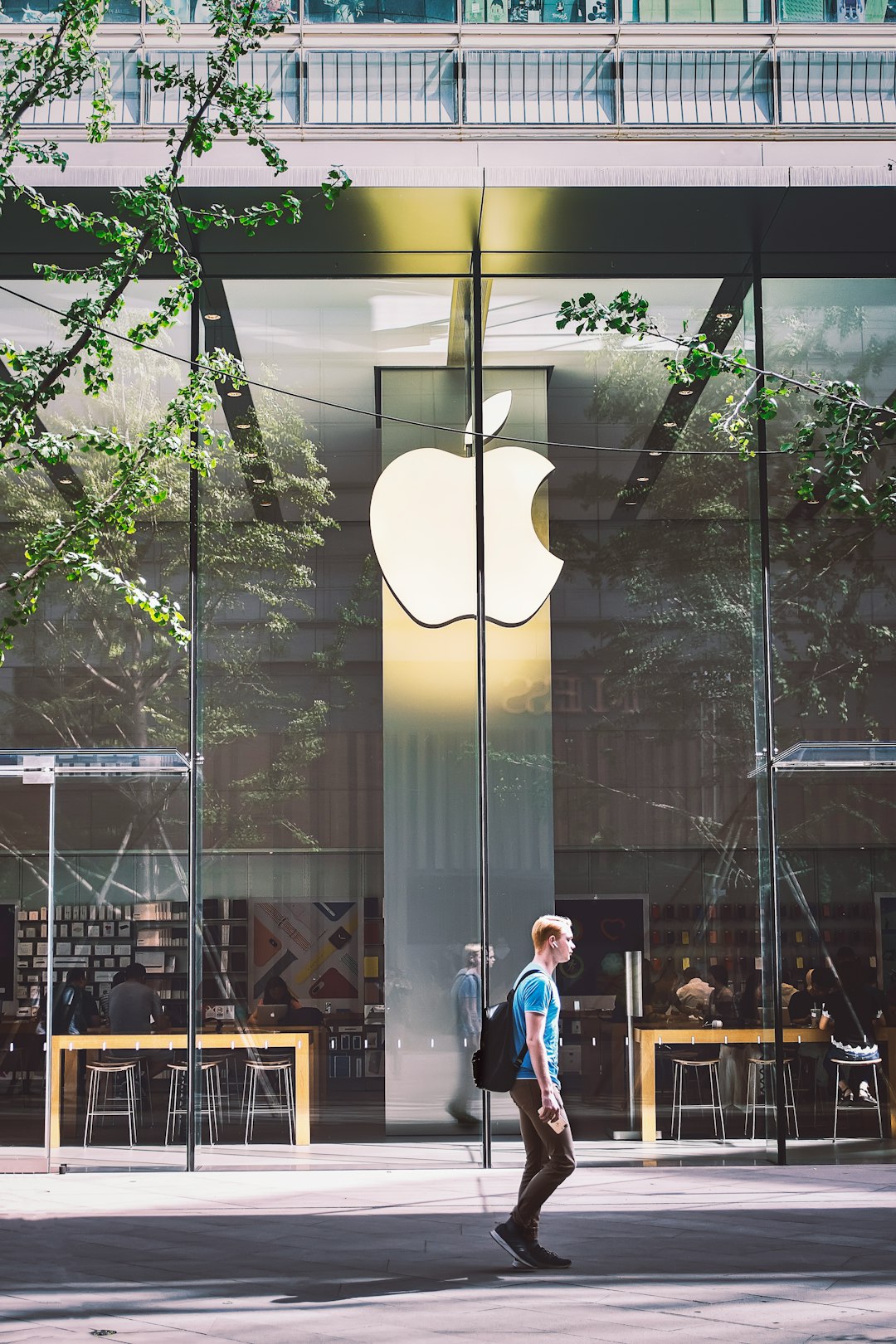
President Donald Trump has turned his tariff strategy inward, targeting two iconic U.S. companies—Apple and Mattel. Fueled by frustration over public comments from their CEOs, Trump has floated imposing steep tariffs on iPhones and toys. The threats are part of a broader pattern of using tariffs as leverage to force corporate compliance with his political and economic agenda.
Legal Hurdles for Company-Specific Tariffs
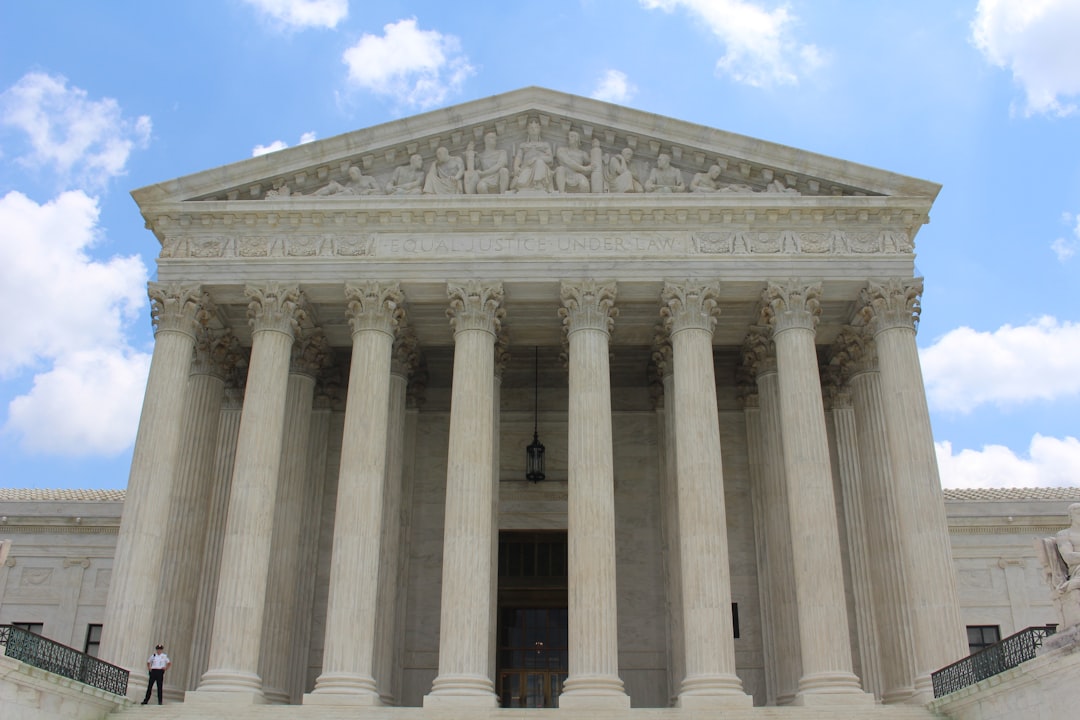
While Trump’s rhetoric is forceful, his ability to impose tariffs on individual companies faces significant legal constraints. A recent U.S. Court of International Trade ruling questioned the president’s authority to impose tariffs without Congressional action. Although a temporary hold was placed on that decision by an appeals court, legal experts agree that targeting specific companies is constitutionally shaky.
Apple in the Spotlight Over iPhone Production

Earlier this year, Trump praised Apple CEO Tim Cook for plans to invest $500 billion in the U.S. But that goodwill vanished when Cook revealed that iPhones for the U.S. market would be made in India. Trump responded with a threat: a 25% tariff on iPhones not built in the U.S. While he later broadened the warning to all imported smartphones for fairness, experts say the true goal is to pressure Apple into bringing more production stateside.
Section 232: National Security or Negotiation Tool?
Trump may invoke Section 232 of the trade law, which permits tariffs on imports that threaten national security. This provision has previously justified levies on steel, autos, and chips. While the administration is already exploring a 232 review on tech products, analysts doubt Trump’s endgame is actually a tariff. Instead, it’s likely a negotiating tactic to extract investment promises or limit public complaints about rising prices.
Mattel and the 100% Tariff Bluff
Mattel CEO Ynon Kreiz drew Trump’s ire after saying the company might raise toy prices due to tariffs rather than relocate manufacturing to the U.S. Trump retaliated with a threat: a 100% tariff on all Mattel toys. Unlike smartphones, toys don’t have a plausible national security justification, making such a tariff harder to defend. Yet legal experts suggest the goal isn’t enforcement—it’s coercion.
Tariff Theater: The Power of the Threat
Trade attorneys and analysts agree that Trump’s threats often aren’t meant to materialize. “The real power is in the panic,” said one trade expert, describing how clients scrambled over previous tariff threats that never took effect. With Apple and Mattel, the president is likely seeking symbolic victories—domestic sourcing announcements, corporate compliance, or silence on price hikes—that he can frame as wins without triggering economic fallout.

Lena is a thoughtful and imaginative writer with a passion for storytelling across the themes of travel, environmental sustainability, and contemporary home aesthetics. With a background in cultural media and a strong visual sensibility, Anna Lena creates content that bridges inspiration with practical insight.
Her work explores the interplay between place, lifestyle, and design—guiding readers through meaningful travel experiences, eco-conscious choices, and modern approaches to living well. Known for her elegant writing style and attention to detail, she brings a fresh, human-centered perspective to every topic she covers.
Anna Lena contributes to digital publications and editorial projects where aesthetics meet purpose. Her writing not only informs but also encourages readers to live more intentionally, sustainably, and beautifully—wherever they are in the world.