


Henrieke Otte is an accomplished writer and content editor, specializing in topics that inspire thoughtful living—ranging from global travel and sustainable lifestyles to interior design and architecture. With a keen editorial sense and a background in cultural studies, Henrieke brings depth, elegance, and clarity to every piece she crafts.
Her work is known for its engaging voice, visual sensitivity, and ability to turn complex ideas into accessible, reader-friendly narratives. Whether exploring eco-conscious destinations, dissecting climate-conscious home trends, or curating serene living spaces, Henrieke writes with a balance of creativity and insight that resonates with design-savvy, environmentally aware audiences.
Driven by a love of meaningful storytelling and a refined aesthetic, Henrieke contributes regularly to digital platforms and magazines where quality content meets visual sophistication.
Trump Announces 50% Tariff on Steel and Aluminum

On May 30, 2025, President Donald Trump declared a significant increase in tariffs on imported steel and aluminum, raising them from 25% to 50%. This announcement was made during a rally at the U.S. Steel plant in West Mifflin, Pennsylvania. The new tariffs are scheduled to take effect on June 4, 2025. Trump emphasized that this move aims to bolster the domestic steel industry and protect American jobs. He criticized the quality of foreign steel, particularly from China, labeling it as “shoddy” and asserting that the higher tariffs would prevent such products from undermining U.S. manufacturers.
Economic Implications and Industry Reactions

The tariff hike has elicited mixed reactions from various stakeholders. While U.S. steel producers like United States Steel Corp. (X) have seen a slight uptick in stock prices, concerns loom over potential cost increases for industries reliant on steel and aluminum, such as automotive and construction. Economists warn that the higher tariffs could lead to increased prices for consumers and potential job losses in downstream industries. The United Steelworkers union has expressed apprehension about the long-term effects on employment and industry stability.
International Backlash and Trade Tensions
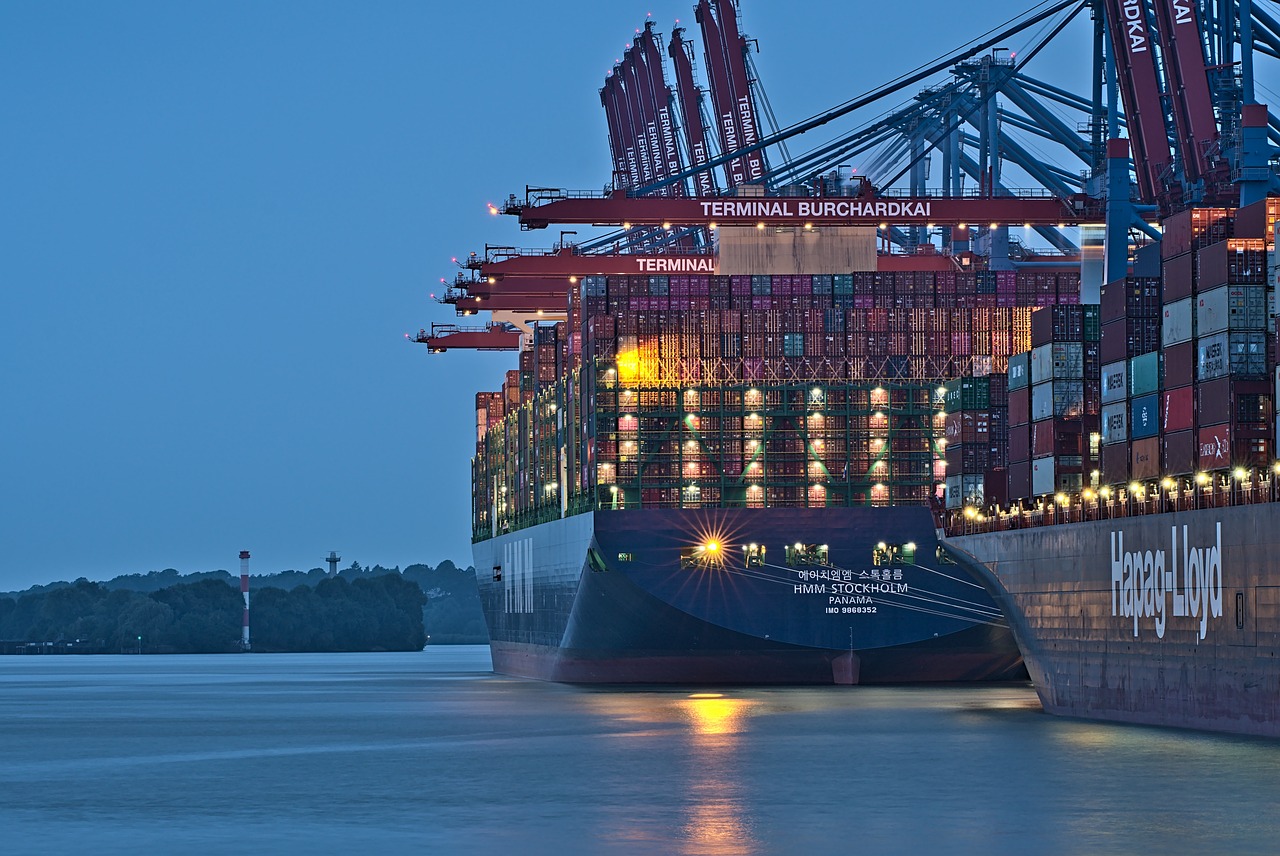
The international community has responded with criticism and threats of retaliation. Canada, the largest supplier of steel and aluminum to the U.S., has condemned the tariffs, with Prime Minister Mark Carney warning of “catastrophic” job losses in Canada’s steel sector. Canada plans to impose equivalent tariffs on U.S. goods in response. Similarly, Australia’s Trade Minister Don Farrell labeled the move as “unjustified” and “not the act of a friend,” emphasizing the strain it places on allied relationships. The European Commission has also expressed deep regret over the tariff increase and is prepared to implement countermeasures if a resolution isn’t reached.
Impact on U.S. Industries and Consumers
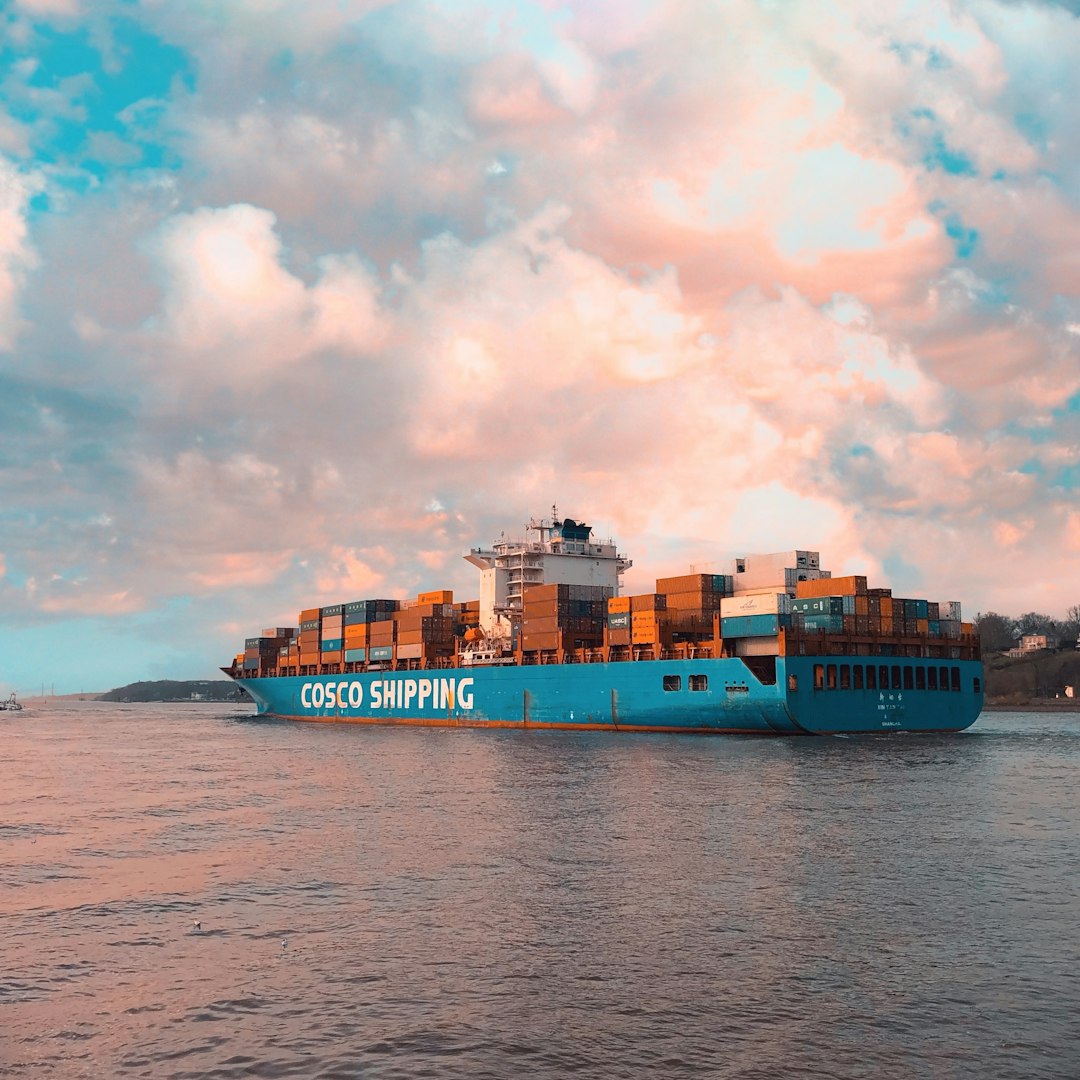
The increased tariffs are expected to have ripple effects across various sectors of the U.S. economy. Industries that rely heavily on steel and aluminum, such as automotive, construction, and manufacturing, may face higher input costs, potentially leading to increased prices for consumers. Small and medium-sized enterprises could be disproportionately affected due to their limited ability to absorb cost increases. There are also concerns about potential delays in infrastructure projects and housing developments as material costs rise. Economists caution that while the tariffs aim to protect domestic industries, they could inadvertently slow economic growth and increase inflationary pressures.
U.S.-Japan Steel Deal and Strategic Investments

In conjunction with the tariff announcement, President Trump highlighted a $14 billion investment deal between U.S. Steel and Japan’s Nippon Steel. The agreement includes significant investments in Pennsylvania and other states, aiming to enhance domestic steel production capabilities. Trump emphasized that the deal would preserve American control over the company, with an American-majority board and a U.S. government veto on decisions. While the deal is touted as a victory for American steelworkers, details remain sparse, and labor unions have expressed concerns about job security and labor rights.
Legal Challenges and Legislative Responses

The tariff increase has prompted legal scrutiny and legislative action. A recent ruling by the United States Court of International Trade in the case of V.O.S. Selections, Inc. v. United States declared that the president does not have the authority to use the International Emergency Economic Powers Act (IEEPA) to set tariffs in this manner. The administration has appealed the decision, and the Federal Circuit Appeals Court has temporarily stayed the lower court’s ruling. In Congress, the proposed Trade Review Act of 2025 seeks to reassert legislative authority over trade policy decisions, requiring the president to notify Congress of any new tariffs and obtain approval for them to remain in effect beyond 60 days.
Outlook and Future Considerations

As the June 4 implementation date approaches, businesses, consumers, and international partners are bracing for the potential impacts of the increased tariffs. While the move aims to strengthen domestic industries, the broader economic implications and potential for escalating trade tensions raise concerns. Stakeholders across various sectors will be closely monitoring developments, including potential retaliatory measures from trade partners and the outcomes of ongoing legal and legislative challenges. The situation underscores the complexities of trade policy and its far-reaching effects on the global economy.

Henrieke Otte is an accomplished writer and content editor, specializing in topics that inspire thoughtful living—ranging from global travel and sustainable lifestyles to interior design and architecture. With a keen editorial sense and a background in cultural studies, Henrieke brings depth, elegance, and clarity to every piece she crafts.
Her work is known for its engaging voice, visual sensitivity, and ability to turn complex ideas into accessible, reader-friendly narratives. Whether exploring eco-conscious destinations, dissecting climate-conscious home trends, or curating serene living spaces, Henrieke writes with a balance of creativity and insight that resonates with design-savvy, environmentally aware audiences.
Driven by a love of meaningful storytelling and a refined aesthetic, Henrieke contributes regularly to digital platforms and magazines where quality content meets visual sophistication.