


Lena is a thoughtful and imaginative writer with a passion for storytelling across the themes of travel, environmental sustainability, and contemporary home aesthetics. With a background in cultural media and a strong visual sensibility, Anna Lena creates content that bridges inspiration with practical insight.
Her work explores the interplay between place, lifestyle, and design—guiding readers through meaningful travel experiences, eco-conscious choices, and modern approaches to living well. Known for her elegant writing style and attention to detail, she brings a fresh, human-centered perspective to every topic she covers.
Anna Lena contributes to digital publications and editorial projects where aesthetics meet purpose. Her writing not only informs but also encourages readers to live more intentionally, sustainably, and beautifully—wherever they are in the world.
Increased Cost of Building Materials
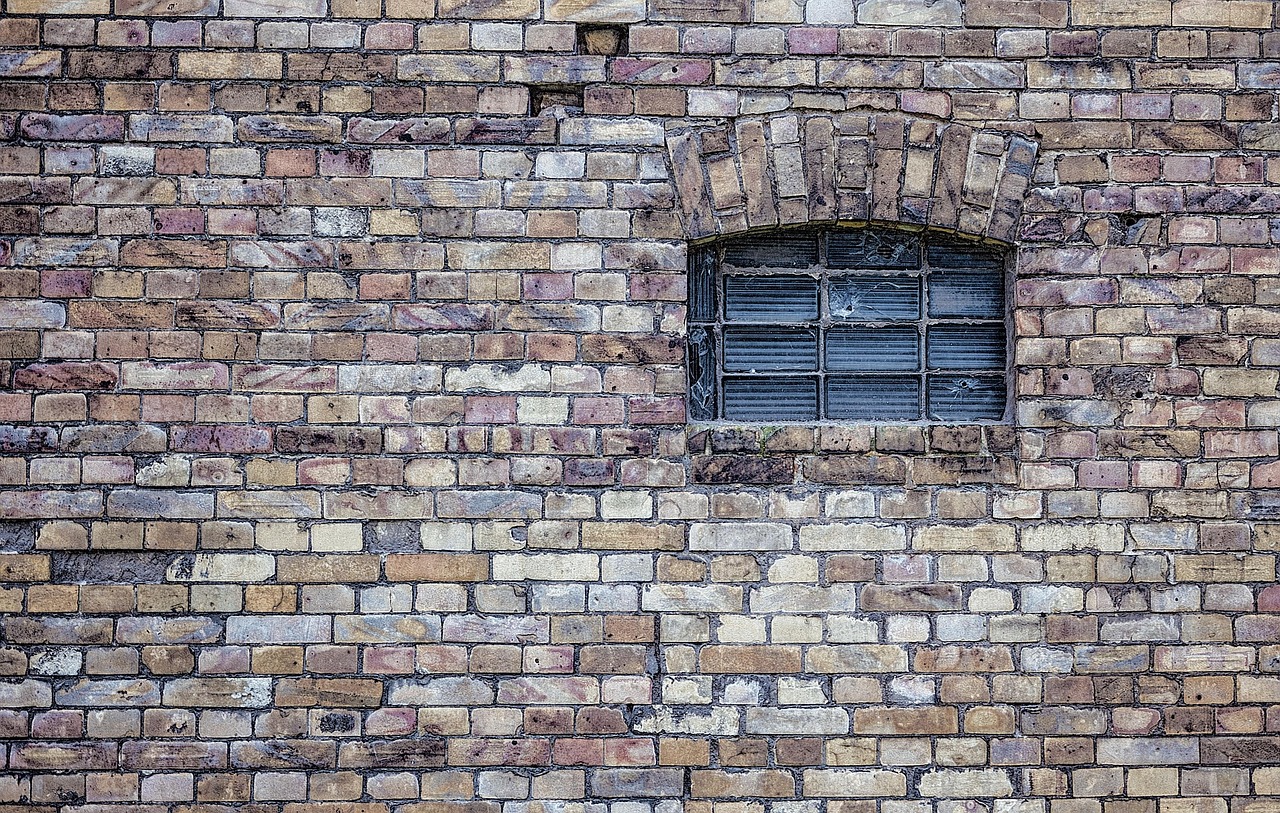
When former President Donald Trump introduced tariffs on imported goods, one of the most immediate and unexpected effects was the spike in the cost of building materials. Homeowners looking to renovate or build new homes suddenly found themselves facing much higher bills than anticipated. For instance, the tariffs on lumber, steel, and aluminum translated to increased costs for contractors and builders, who then passed these costs onto homeowners. Imagine planning a kitchen remodel only to find out that the cost of cabinets and appliances had skyrocketed. This unexpected financial burden forced many to either delay their projects or downsize their plans. The ripple effect was felt not just in individual homes but across the construction industry, causing a slowdown in new builds and renovations.
Impact on Home Prices

The tariffs not only affected building materials but also had a surprising impact on home prices. As construction costs rose, so did the prices of newly built homes. Homebuyers found themselves in a market where affordability became a major issue. With fewer new homes being built due to increased costs, the demand for existing homes surged, pushing prices even higher. This created a competitive market, where bidding wars became the norm, and many potential buyers were priced out. The dream of owning a home became more elusive for many, as they watched prices climb higher than ever before. This effect was particularly pronounced in urban areas, where demand was already high.
Renovation Delays and Cancellations
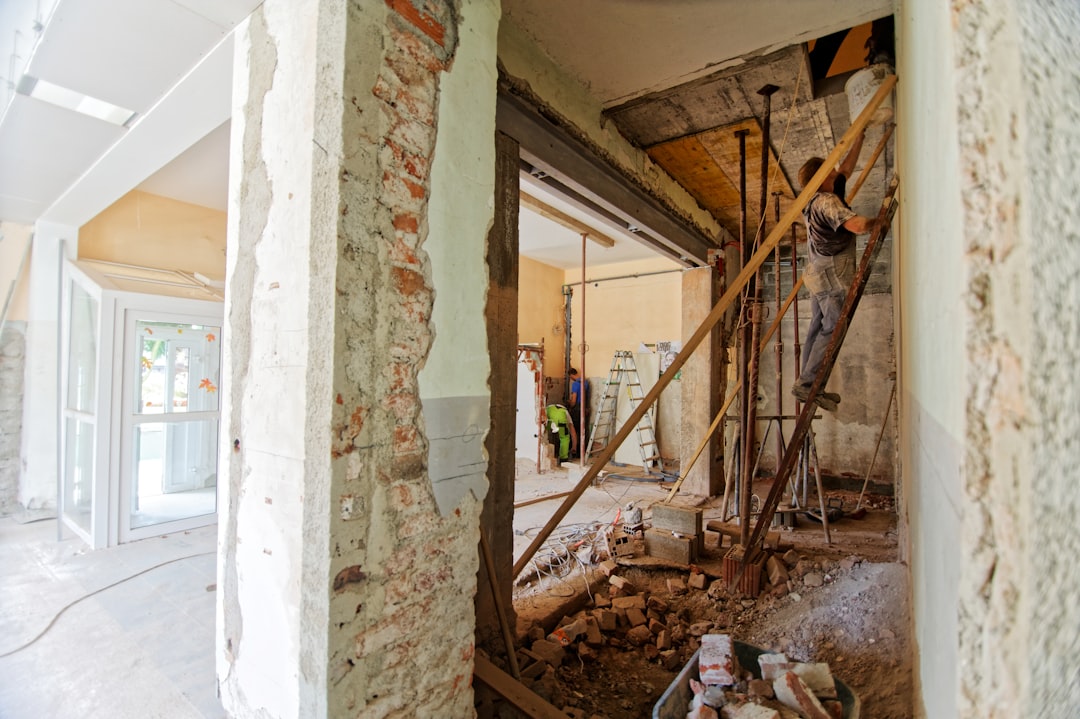
For homeowners in the midst of renovations, the tariffs brought about unexpected delays and even cancellations. Contractors faced with higher material costs often had to renegotiate contracts, leading to disputes and stalled projects. Imagine the frustration of living in a half-renovated home, with no clear timeline for completion. Some homeowners were forced to abandon their projects altogether, unable to absorb the additional costs. This not only affected individual homeowners but also had a wider economic impact, as contractors and workers faced reduced income and job insecurity. The uncertainty surrounding the tariffs led many to postpone or cancel their renovation plans, waiting for a more stable economic environment.
Changes in Home Design Trends
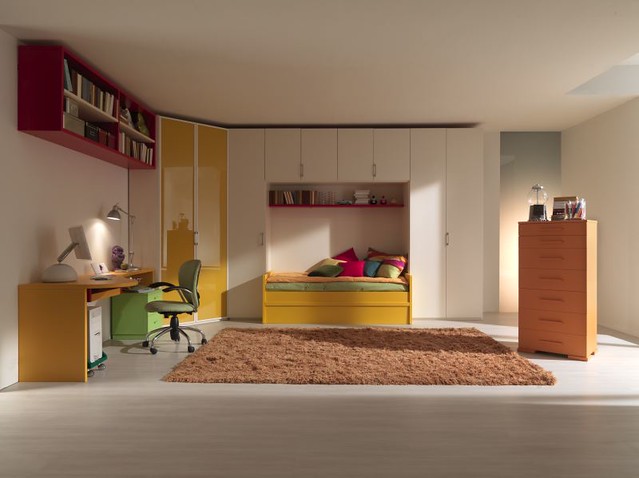
Interestingly, the tariffs also influenced home design trends. As the cost of certain materials rose, homeowners and designers began seeking alternative solutions. For instance, with the price of imported tiles and fixtures on the rise, many turned to locally sourced or recycled materials. This shift not only helped mitigate costs but also sparked a trend towards sustainable and eco-friendly home designs. Additionally, the emphasis on open-concept spaces and minimalistic designs grew, as homeowners sought to maximize their investment in a cost-effective manner. This unexpected effect of the tariffs led to a creative shift in the way homes were designed and renovated, with a focus on sustainability and cost-efficiency.
Effects on Mortgage Rates

While the direct connection between tariffs and mortgage rates might not be immediately apparent, there was an indirect effect. The economic uncertainty caused by the tariffs led to fluctuations in the financial markets, which in turn influenced mortgage rates. Homeowners looking to refinance or secure new mortgages found themselves navigating a volatile market. This unpredictability made financial planning more challenging, as rates could change rapidly. For those on a tight budget, even a slight increase in mortgage rates could mean the difference between affordability and financial strain. The tariffs, therefore, introduced an element of uncertainty into the housing market that many had not anticipated.
Increased Demand for Local Products
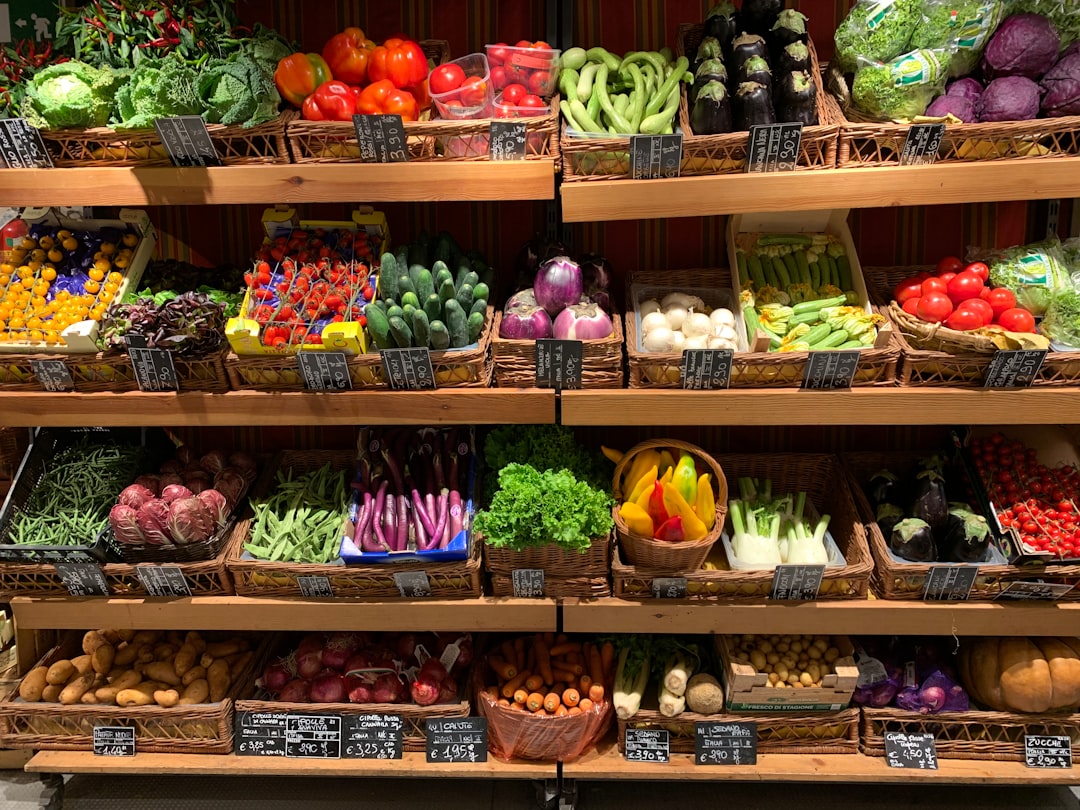
One of the more positive effects of the tariffs was the increased demand for locally produced goods. As the cost of imported materials rose, many homeowners and builders began looking closer to home for their supplies. This shift not only supported local economies but also reduced the carbon footprint associated with long-distance shipping. For homeowners, choosing local products often meant better quality and faster delivery times. This trend towards supporting local businesses was a silver lining in the otherwise challenging environment created by the tariffs. It also encouraged innovation and competition within local markets, leading to a wider variety of products and services available to consumers.
Strain on Small Businesses

Small businesses, particularly those in the construction and home improvement sectors, felt the strain of the tariffs acutely. With higher material costs, many small contractors and suppliers struggled to remain competitive. Unlike larger companies, they often lacked the resources to absorb the increased costs, leading to financial difficulties. Some were forced to close their doors, unable to compete in the challenging market. This had a cascading effect on homeowners, who found themselves with fewer options and potentially higher costs. The tariffs, therefore, had a significant impact on the small business landscape, altering the dynamics of local economies and affecting the livelihoods of many.
Shift in Real Estate Investment

Real estate investors also had to adjust their strategies in response to the tariffs. With construction costs on the rise, many shifted their focus from new builds to existing properties. This change in strategy led to increased competition in the resale market, driving up prices and making it more challenging for first-time buyers. Additionally, investors began looking for opportunities in markets less affected by the tariffs, leading to shifts in investment patterns. The tariffs, therefore, had a ripple effect on the real estate market, influencing where and how investors chose to allocate their resources. This shift also highlighted the interconnected nature of global and local economies, as decisions made on an international level impacted individual investors.
Impact on Homeowner Insurance

The tariffs also had an unexpected impact on homeowner insurance. As the cost of rebuilding and repairs increased, so did insurance premiums. Homeowners found themselves paying more for coverage, as insurance companies adjusted their rates to reflect the higher costs of claims. This added financial burden was an unwelcome surprise for many, who had not anticipated the indirect effects of the tariffs on their insurance costs. For those already struggling with higher mortgage rates and increased home prices, the additional cost of insurance added to their financial strain. This effect underscored the complex and far-reaching impact of the tariffs on various aspects of homeownership.
Long-term Economic Implications

Finally, the long-term economic implications of the tariffs on homeowners are still unfolding. While some effects were immediate, others will take time to fully manifest. The increased cost of living, changes in home design trends, and shifts in real estate investment are just a few of the ongoing impacts. As the global economy continues to evolve, homeowners will need to remain adaptable and informed, ready to navigate the challenges and opportunities that arise. The tariffs have highlighted the interconnectedness of global trade and local economies, emphasizing the importance of understanding how international policies can affect everyday life.

Lena is a thoughtful and imaginative writer with a passion for storytelling across the themes of travel, environmental sustainability, and contemporary home aesthetics. With a background in cultural media and a strong visual sensibility, Anna Lena creates content that bridges inspiration with practical insight.
Her work explores the interplay between place, lifestyle, and design—guiding readers through meaningful travel experiences, eco-conscious choices, and modern approaches to living well. Known for her elegant writing style and attention to detail, she brings a fresh, human-centered perspective to every topic she covers.
Anna Lena contributes to digital publications and editorial projects where aesthetics meet purpose. Her writing not only informs but also encourages readers to live more intentionally, sustainably, and beautifully—wherever they are in the world.