


Lena is a thoughtful and imaginative writer with a passion for storytelling across the themes of travel, environmental sustainability, and contemporary home aesthetics. With a background in cultural media and a strong visual sensibility, Anna Lena creates content that bridges inspiration with practical insight.
Her work explores the interplay between place, lifestyle, and design—guiding readers through meaningful travel experiences, eco-conscious choices, and modern approaches to living well. Known for her elegant writing style and attention to detail, she brings a fresh, human-centered perspective to every topic she covers.
Anna Lena contributes to digital publications and editorial projects where aesthetics meet purpose. Her writing not only informs but also encourages readers to live more intentionally, sustainably, and beautifully—wherever they are in the world.
The New Regulatory Landscape Takes Shape

When Janet settled down to relax after a long day at work, she never expected the pulsing music from the Airbnb next door would keep her youngest awake all night. But her story isn’t unique anymore – it’s become the catalyst for a sweeping transformation in how cities across America regulate short-term rentals. Research shows that total vacation rental revenues will reach 19.77bn USD in 2024, making the U.S. the industry’s number one revenue generator. This explosive growth has forced lawmakers to act, creating a complex web of regulations that vary dramatically from one neighborhood to the next.
The regulatory environment has become increasingly sophisticated as cities move beyond simple permits to comprehensive frameworks. STR laws cover licensing and registration, zoning, operations, tax, and occupancy restrictions, and those STR managers who aren’t compliant—especially within stricter zones—can end up with fines or even lose their business permits altogether. What started as a simple home-sharing concept has evolved into a billion-dollar industry that’s reshaping entire neighborhoods.
New York City’s Groundbreaking Approach Sets the Standard

New York City, where Local Law 18 now requires hosts to register with the city, be present in the residence while hosting, and host at most two travelers. This unprecedented move has created what many consider the most restrictive short-term rental environment in the country. Despite there being approximately 40,000 Airbnb listings in the city, fewer than 300 applications for short-term rentals were approved by the end of August. The results have been dramatic and controversial.
The ripple effects of these regulations extend far beyond simple compliance numbers. Hotel Average Daily Rate has risen by 6 percent from May 2023 to May 2024, according to the report. In fact, New York City recently reached a record-high ADR of $524, an over 50 percent year-over-year increase. While proponents argue these measures protect housing stock, critics point to the economic consequences for both hosts and travelers.
The Statewide Registry Revolution
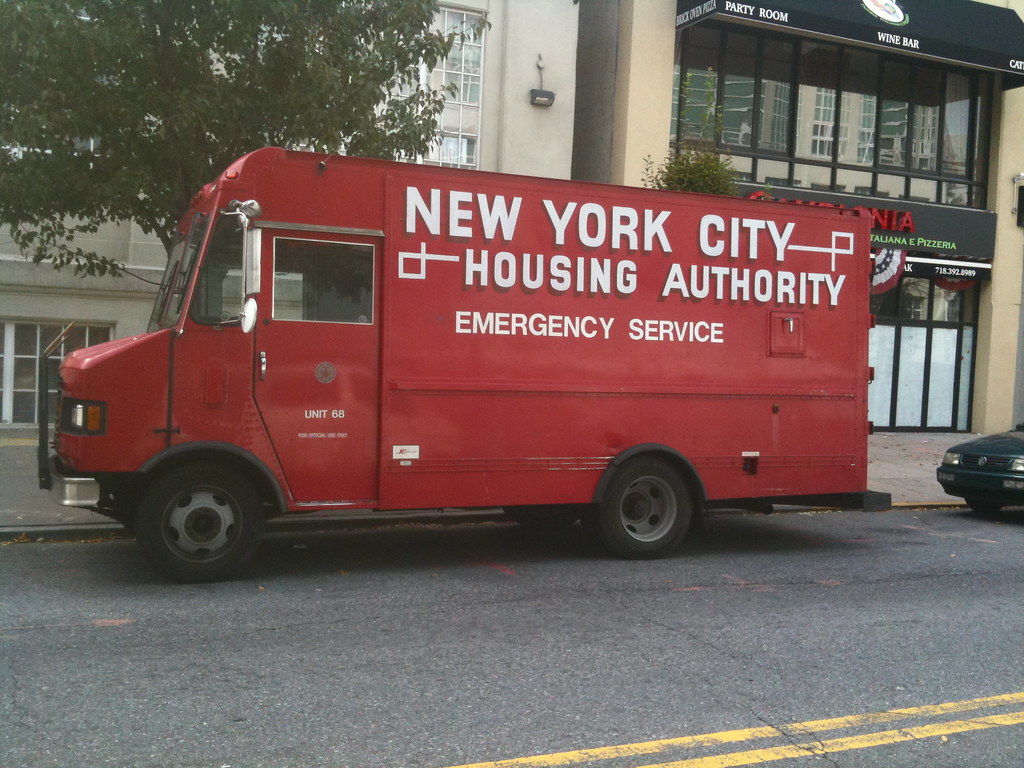
New York State has taken regulation to the next level with the nation’s first statewide approach. It’s the nation’s first statewide short-term rental registry, designed by legislators to ease the housing crisis. The law defines a “short-term rental unit” as a residential unit rented for under 30 days. This comprehensive system went into effect in early 2025, requiring every short-term rental operator to register with the state or municipal systems.
“This law will provide communities with the tools necessary to track and analyze how short-term rental units impact their local housing markets,” said Democratic Assemblymember Pat Fahy. The registry approach represents a significant shift from reactive complaint-based enforcement to proactive monitoring and data collection.
Florida’s Occupancy Caps and Beach Town Battles

Florida has emerged as a testing ground for innovative regulatory approaches, particularly around occupancy limits. In 2024, the Florida Senate introduced SB280, a law stating that a maximum of two people per bedroom can stay overnight in a vacation rental, with an additional two people allowed in common areas. This mathematical approach to regulating density reflects growing concerns about overcrowding in residential neighborhoods.
The state’s coastal communities have taken dramatically different approaches to regulation. On February 5, 2024, the Sarasota City Commission passed Ordinance 24-5506. Regulations are still the same in that you cannot have guests stay for shorter than seven days and nights. But as of July 1, 2024, the city will start accepting applications for vacation rentals situated on the mainland. Meanwhile, other Florida cities have implemented specific messaging requirements to address neighbor concerns about noise and behavior.
Colorado’s Local Control Experiment

While there are no state-wide Colorado short-term rental laws, the rules at the county and city level are frequently some of the strictest in the US. Colorado’s approach represents a fascinating experiment in local control, allowing individual communities to craft regulations that reflect their specific needs and challenges. In March 2020 the Colorado General Assembly signed an act which allows a board of county commissioners to license and regulate owners and owner agents who rent or advertise lodging units for short-term stays.
This decentralized model has created a patchwork of regulations that can vary dramatically between neighboring communities. The flexibility allows mountain towns to address tourism-related concerns while urban areas focus on housing preservation, but it also creates confusion for operators managing properties across multiple jurisdictions.
The Noise Complaint Phenomenon

One survey found that excessive noise is the single greatest concern of residents for potential short-term rental neighbors – likely because this accommodation type is vulnerable to guests inviting additional people to the property and throwing parties. Noise complaints have become the primary battleground between short-term rental operators and neighborhood residents, driving much of the regulatory response.
Interestingly, research has challenged some assumptions about noise impacts. New research shows that the growth of Airbnb properties in New York City residential neighborhoods is associated with fewer noise complaints. However, this average effect doesn’t rule out cases of increased noise under certain conditions. Ozer’s team found that noise complaints increased in areas where Airbnb rentals housed larger groups of guests. Noise complaints also increased in areas farther from tourist attractions, where guests spend more time inside apartments.
The Housing Supply Squeeze

The relationship between short-term rentals and housing affordability has become central to regulatory debates. From 2021 to 2022, the U.S. housing shortage grew to 4.5 million homes, up from 4.3 million. In 2022, the number of U.S. families increased by 1.8 million, while only 1.4 million housing units were built. Critics argue that short-term rentals exacerbate this shortage by removing units from the long-term rental market.
However, the relationship isn’t straightforward. The supply deceleration is driven by an “incredible shortage of housing,” according to Steve Milo, founder and CEO of VTrips. The growth of the U.S. short-term rental supply is decelerating due to factors like housing shortages and increased demand for long-term rentals. A cap limiting short-term-rental properties that equal 1% of the local housing stock has been introduced to address this issue.
Technology-Driven Enforcement

Cities are increasingly turning to technology to monitor and enforce short-term rental regulations. With many destinations cracking down on short-term rentals and tightening regulations, it’s more important than ever for short-term rental property managers to make smart tech investments. Noise monitoring technology supports managers in resolving issues before they develop into complaints, fines, property damages, and upset neighbors, helping them stay on top of developing regulations.
The enforcement landscape has evolved from reactive complaint-based systems to proactive monitoring. Recently, Anchorage passed a new STR law that requires Airbnb and other STR operators to license rental spaces and pay an annual fee of $200-$400 per unit. Effective September 15th, 2024, the Anchorage Assembly confirmed its goal is to “safeguard the renter, the property, and neighborhood value.” These systems often require property owners to maintain insurance coverage and respond to issues within specified timeframes.
The Economic Impact Debate

The economic implications of short-term rental regulations extend far beyond individual property owners. The hotel industry, which lobbied for LL18, has seen a major financial benefit in the law’s wake while travelers bear the brunt of its impact. Since LL18 took effect, hotel prices have surged, making it increasingly expensive to stay in New York City. This shift has created winners and losers across the hospitality ecosystem.
LL18 has also drastically reduced accommodation options outside Manhattan with only 20 percent of NYC’s hotel rooms being in the outer boroughs, compared to nearly 70 percent of Airbnbs prior to the law. The regulatory changes have fundamentally altered the geography of visitor accommodation, potentially affecting tourism patterns and local economic development in previously underserved areas.
The Future of Neighborhood Regulation
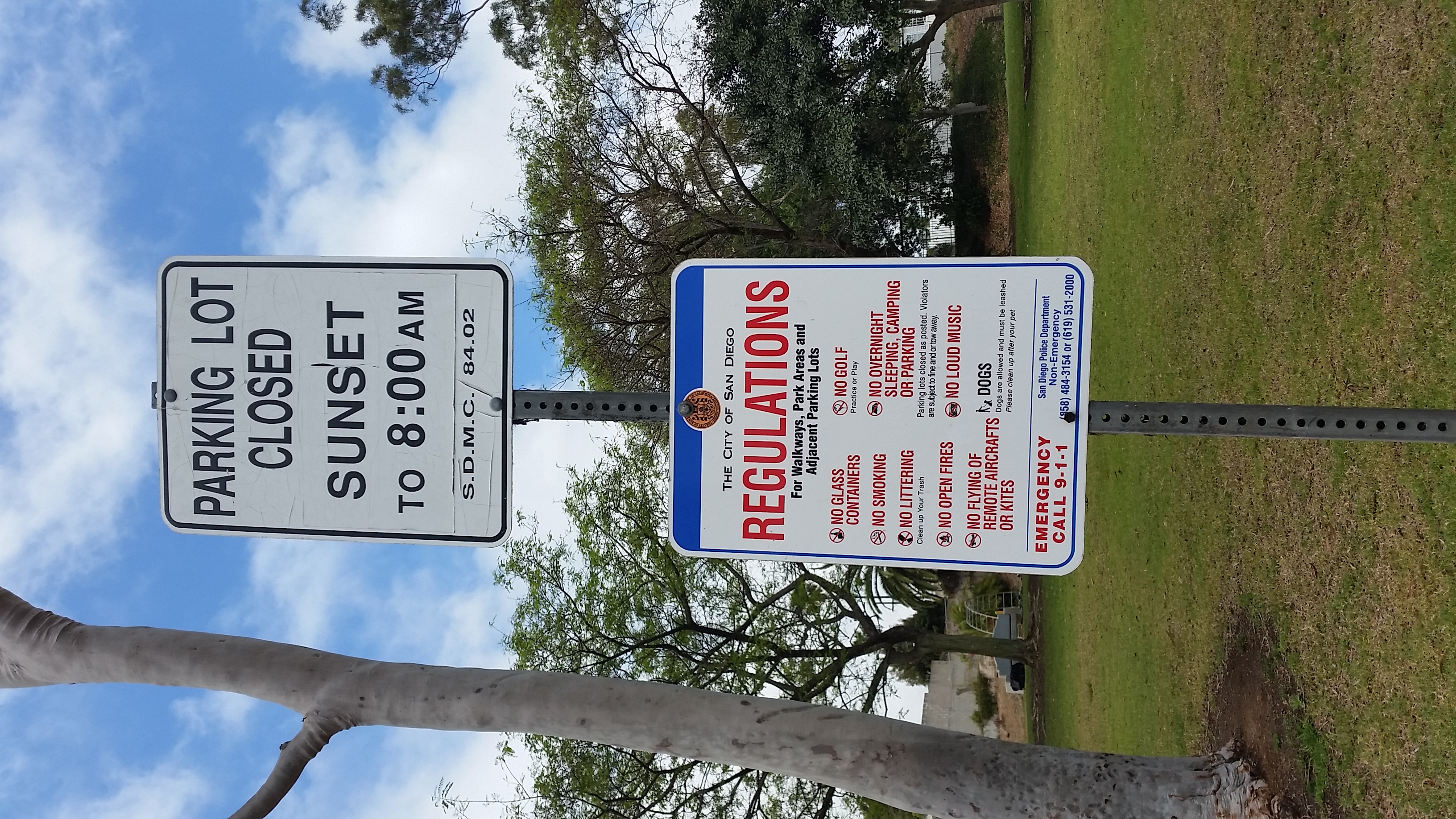
As cities continue to grapple with short-term rental impacts, the regulatory landscape is evolving toward more sophisticated, data-driven approaches. Bozeman, Montana, just severely restricted new short-term rentals. There are various smaller towns in Colorado that are doing so. A lot of places are realizing that they’ve been late to regulate them and now they’re confronting it. The trend suggests that comprehensive regulation is becoming the norm rather than the exception.
The future likely holds more nuanced approaches that balance economic benefits with community concerns. However, this growth has also spurred the development of regulations aimed at balancing the benefits with potential drawbacks. In this section, we’ll delve into the global trends in short-term rental regulations and explore their impact on property managers. Success will depend on how well communities can adapt their regulatory frameworks to local conditions while maintaining the flexibility that has made short-term rentals popular with both hosts and guests.

Lena is a thoughtful and imaginative writer with a passion for storytelling across the themes of travel, environmental sustainability, and contemporary home aesthetics. With a background in cultural media and a strong visual sensibility, Anna Lena creates content that bridges inspiration with practical insight.
Her work explores the interplay between place, lifestyle, and design—guiding readers through meaningful travel experiences, eco-conscious choices, and modern approaches to living well. Known for her elegant writing style and attention to detail, she brings a fresh, human-centered perspective to every topic she covers.
Anna Lena contributes to digital publications and editorial projects where aesthetics meet purpose. Her writing not only informs but also encourages readers to live more intentionally, sustainably, and beautifully—wherever they are in the world.