

Matthias is a skilled author and digital storyteller with a focus on travel journalism, environmental issues, and modern home design. With a background in communications and a passion for global cultures, Matthias crafts engaging narratives that blend real-world exploration with thoughtful analysis and visual flair.
His writing reflects a deep interest in how climate change shapes our lives and lifestyles—from sustainable travel practices to eco-friendly living environments. Known for his clear, approachable voice and sharp editorial instincts, Matthias delivers content that resonates with readers seeking both inspiration and substance.
Whether reporting from remote destinations, breaking down sustainable design trends, or spotlighting innovative green initiatives, Matthias brings a global perspective and an eye for detail to every piece. He regularly contributes to web platforms and editorial projects that aim to foster awareness, creativity, and conscious living.
The Sound of Silence Is Getting Harder to Find

Picture this: It’s 11 PM on a Tuesday night, and your neighbor’s music is thumping through your bedroom wall like a bass drum from hell. You’ve got an important meeting tomorrow, your baby just went to sleep, and you’re about to lose your mind. Sound familiar? 51% of people living in the city, and even 9% of people living outside cities, complain about the noise.
This isn’t just a minor inconvenience anymore. In the United States, noise pollution impacts over 100 million Americans, leading to health issues and reduced quality of life We’re living in a world where quiet has become a luxury good. The problem is getting worse too – Urban noise pollution levels have increased by over 30% in the past decade due to population growth and increased traffic
When Decibels Become Your New Best Friend

Let’s talk numbers because they matter more than you think. Any noise exceeding 70 dB is considered disturbing. Residential limits usually start at 60 or 55 dB (the equivalent noise of a regular vacuum cleaner). Here’s the thing though – it’s not just about volume. Time limits usually apply after 10 pm and until 7 am.
From 7 p.m. to 10 p.m., a tenant cannot make noise exceeding 50 decibels, and any noise more than 50 decibels is considered a nuisance. That’s quieter than a normal conversation! But here’s where it gets tricky – There is usually a big difference between decibel readings near the source of the noise and readings tens or hundreds of meters away. The rule is as follows: whenever the distance from the sound source doubles, the sound drops by 6 dB.
The Anatomy of a Noise Ordinance
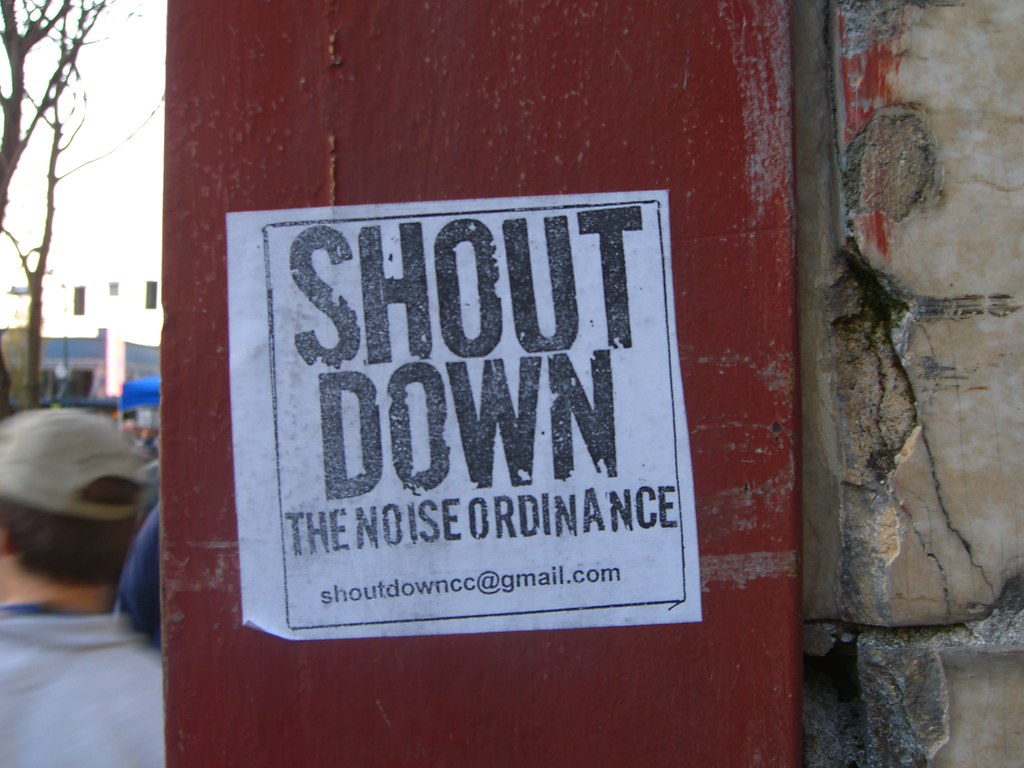
Noise ordinances are laws which limit the allowable noise level(s) at different times of day for different zoned areas (i.e. residential, commercial, industrial). Think of them as the rulebook for keeping the peace in your neighborhood. The maximum allowable noise levels are typically higher during daytime hours and lower during nighttime hours.
But here’s the frustrating part – Some noise ordinances can be vague and open for interpretation without specific sound levels noted while others are very specific and call out specific sound levels and daytimes. It’s like having a speed limit that says “don’t drive too fast” instead of “55 mph.” Many small or rural communities will not have a noise ordinance in place, but in more densely populated areas such as big cities, noise ordinances are an extremely important part of the community’s health.
The Quiet Hours Game
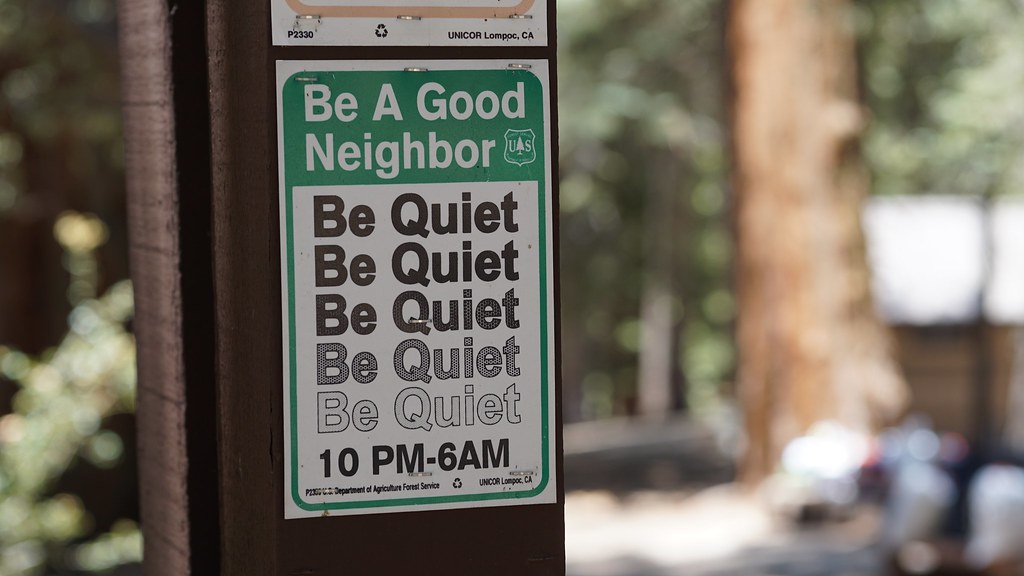
Most noise laws designate certain “quiet” times. Some types of noise might be allowed at some times, but not at others. This is where things get interesting – your neighbor’s drumming practice might be perfectly legal at 2 PM but a violation at 2 AM. Most local noise ordinances designate “quiet hours”—for example, from 10 p.m. to 7 a.m. on weekdays and until 8 or 9 a.m. on weekends.
A common range for residential quiet hours is from 10:00 p.m. or 11:00 p.m. until 7:00 a.m. But don’t assume – check your local ordinances because some places are stricter than others.
The Big City Noise Complaint Reality
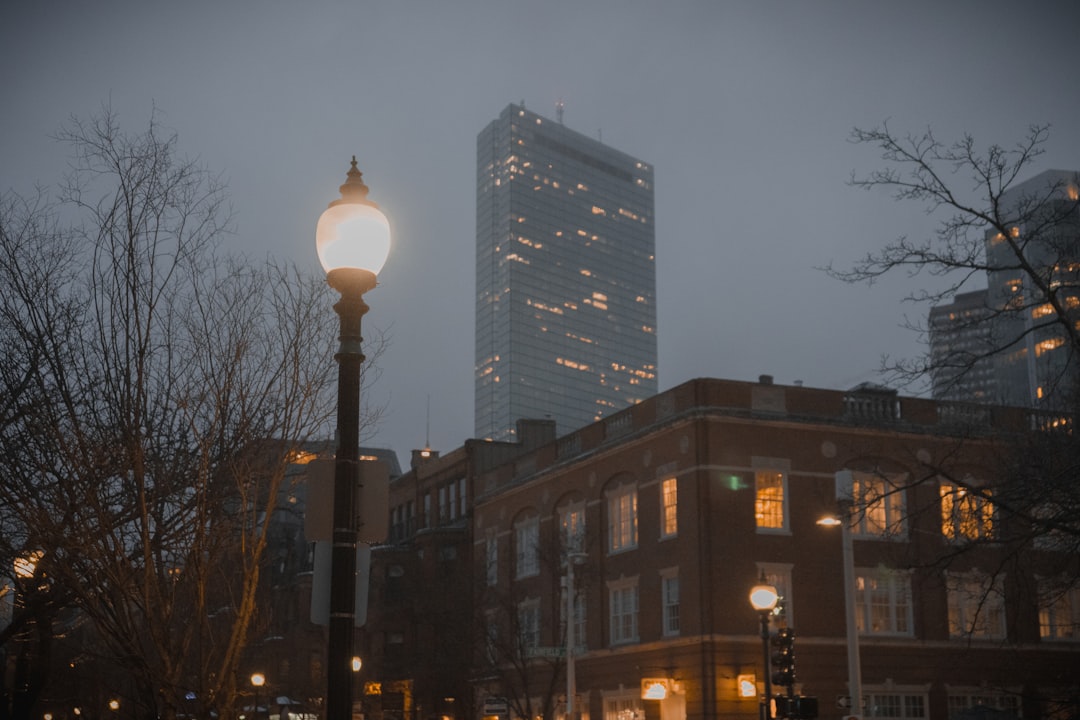
If you think you’re alone in this battle, think again. For example, in New York City noise is consistently the number one quality of life issue, and authorities there received > 40,000 noise complaints in 2012 That number has only grown since then. Herein, we analyze data on over 4 million municipal noise complaints in New York City (NYC) from January 2010 through February 2021.
From January 2021 to May 2021, people filed noise complaints 242,141 times, which is 21.5% more complaints than the year before. Out of 183,640 complaints in New York between January 2022 and May 2022, loud music/party was the most common at 51%. And if you’re wondering about enforcement – Fines increase for repeat offenses, with a first violation potentially costing $50 to $250, while subsequent ones could be $500 or more.
The Evidence Game: Building Your Case
Before you storm over to your neighbor’s place or call the cops, you need to play detective. Keep a log, with as much detail as possible, of the times and dates of noise you are hearing. Consider recording the noise, and, if it’s really bad, buy a decibel level machine to measure it. To see how loud the drumming is, you’ll need a decibel level machine (they’re usually around $50).
Don’t have $50 to spare? No problem. To measure your neighbor’s decibel level, use an app like Decibel Pro. It’s the easiest way to get professional-grade readings right on your screen. Document everything – dates, times, duration, and the type of noise. This isn’t about being petty; it’s about protecting your sanity and your legal rights.
Talk First, Sue Later

Here’s some advice your lawyer probably won’t give you: try talking to your neighbor first. Raising a problem directly with a neighbor is not easy, but it should always be the first step and, if done with respect and sensitivity, might resolve the matter. Often the neighbor is unaware of a problem—for instance, the dog barks only when nobody is home.
Assume that the neighbor doesn’t know and would like to be told what’s happening. A face-to-face conversation can feel intimidating, but will likely yield the best results. If the direct approach doesn’t work, Email it to your neighbor (if you have an email address) or send a copy with a note repeating your request to keep the noise down and explaining that you’ll be forced to notify the authorities if you don’t get results.
When Dogs Won’t Stop Barking

Let’s face it – barking dogs are the number one noise complaint in most neighborhoods. In some places, barking dogs are covered by a specific state or local ordinance. If there’s no law aimed specifically at dogs, a general nuisance or noise ordinance makes the owner responsible. And someone who allows a dog to bark after numerous warnings from police may be arrested for disturbing the peace.
Police aren’t normally interested in barking dog problems. And summoning a police cruiser to a neighbor’s house obviously will not improve your already strained relations. But if you’ve tried everything else and the relationship is already shot, it might be your only option.
The Enforcement Reality Check

Here’s the brutal truth about noise enforcement – it’s not as simple as calling 911. A first-time offense often results in a verbal or written warning from a law enforcement or code enforcement officer. This initial step notifies the individual of the complaint and provides an opportunity to comply without an immediate fine.
If the noise continues, enforcement escalates to civil citations with fines. An officer may be dispatched to the location to witness the noise and determine if it violates the local ordinance. In some areas, you might be asked to provide your name and contact information, which could become part of the public record. That means your neighbor might find out you’re the one who called.
The COVID Effect Nobody Saw Coming
During the COVID-19 pandemic, noise complaint patterns shifted significantly. While street noise levels dropped due to stay-at-home orders, an analysis of 43,186 noise complaints in London found a rise in complaints during spring 2020 compared to spring 2019, especially in socioeconomically distressed areas. Though the pandemic has ended, the data offers insight into how urban soundscapes and community responses were impacted during that unique period.
Why? People were stuck at home, forced to hear everything their neighbors were doing. Work-from-home calls, kids doing virtual school, and everyone’s new hobbies suddenly became everyone else’s problem. Another study of about 4,000 noise complaints in Dallas, Texas, however, demonstrated pandemic-related reductions in noise complaints. It really depended on where you lived.
The Health Cost of Noise

This isn’t just about being annoyed – noise pollution is a serious health issue. Chronic exposure to elevated noise levels can cause sleep disturbances in up to 45% of urban residents and that’s just the beginning. Noise pollution contributes to increased stress hormone levels, such as cortisol, in urban residents, leading to long-term health consequences
The World Health Organization isn’t messing around either. The WHO recommends that urban noise levels should not exceed 50 decibels at night to ensure healthy sleep, but many cities exceed this limit Meanwhile, In urban Europe, noise pollution has contributed to an estimated 900,000 cases of hypertension, with significant public health implications
What’s Actually Changing in 2024 and 2025

Cities are finally starting to take this seriously. The Prince William Board of County Supervisors unanimously approved an amendment to the existing noise ordinance on Tuesday. The noise ordinance has been in place for many years but has been undergoing review since July 2022. According to county documents, in January 2023, county staff recommended the Board reconsider County Code Section 14-4(b), which places fewer restrictions on residential heating and cooling systems (HVAC) at night. This was approved in February 2023.
Even free speech is getting into the mix. Today the Boise City Council voted unanimously to approve an amendment to the City’s noise ordinance as part of a settlement with the Sierra Club, represented by Wrest Collective, resolving a lawsuit over an outdated city statute that violated the First Amendment. “This is a win for free speech and a win for all Boiseans who want to practice their constitutionally protected rights,” said Lisa Young, Director of Idaho Sierra Club.
Your Action Plan for Peace and Quiet
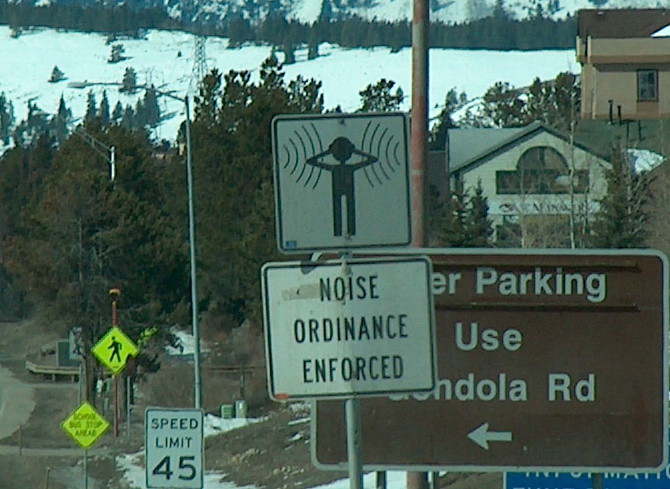
So what do you actually do? First, know your local ordinance inside and out. For all other noise concerns, residents must consult their local “Code of Ordinances,” often found on the municipality’s website, to find the rules for their area. Document everything, try talking to your neighbor first, and if that fails, follow the proper channels.
To ensure an effective report, it is helpful to gather specific information before contacting the authorities. The exact address is needed so officers can respond. You should also be prepared to describe the noise and its pattern. Remember, this is a marathon, not a sprint. Building a solid case takes time, but it’s worth it for your sanity and quality of life.
The noise battle isn’t going away anytime soon. With cities getting denser and people living closer together, we’re all going to have to figure out how to coexist without driving each other crazy. The good news? You’re not powerless. Armed with the right knowledge and a decent decibel meter app, you can reclaim your right to peace and quiet. Did you expect that winning the noise war would require this much strategy?

Matthias is a skilled author and digital storyteller with a focus on travel journalism, environmental issues, and modern home design. With a background in communications and a passion for global cultures, Matthias crafts engaging narratives that blend real-world exploration with thoughtful analysis and visual flair.
His writing reflects a deep interest in how climate change shapes our lives and lifestyles—from sustainable travel practices to eco-friendly living environments. Known for his clear, approachable voice and sharp editorial instincts, Matthias delivers content that resonates with readers seeking both inspiration and substance.
Whether reporting from remote destinations, breaking down sustainable design trends, or spotlighting innovative green initiatives, Matthias brings a global perspective and an eye for detail to every piece. He regularly contributes to web platforms and editorial projects that aim to foster awareness, creativity, and conscious living.