

Lena is a thoughtful and imaginative writer with a passion for storytelling across the themes of travel, environmental sustainability, and contemporary home aesthetics. With a background in cultural media and a strong visual sensibility, Anna Lena creates content that bridges inspiration with practical insight.
Her work explores the interplay between place, lifestyle, and design—guiding readers through meaningful travel experiences, eco-conscious choices, and modern approaches to living well. Known for her elegant writing style and attention to detail, she brings a fresh, human-centered perspective to every topic she covers.
Anna Lena contributes to digital publications and editorial projects where aesthetics meet purpose. Her writing not only informs but also encourages readers to live more intentionally, sustainably, and beautifully—wherever they are in the world.
The Five-Minute Test That Reveals Everything
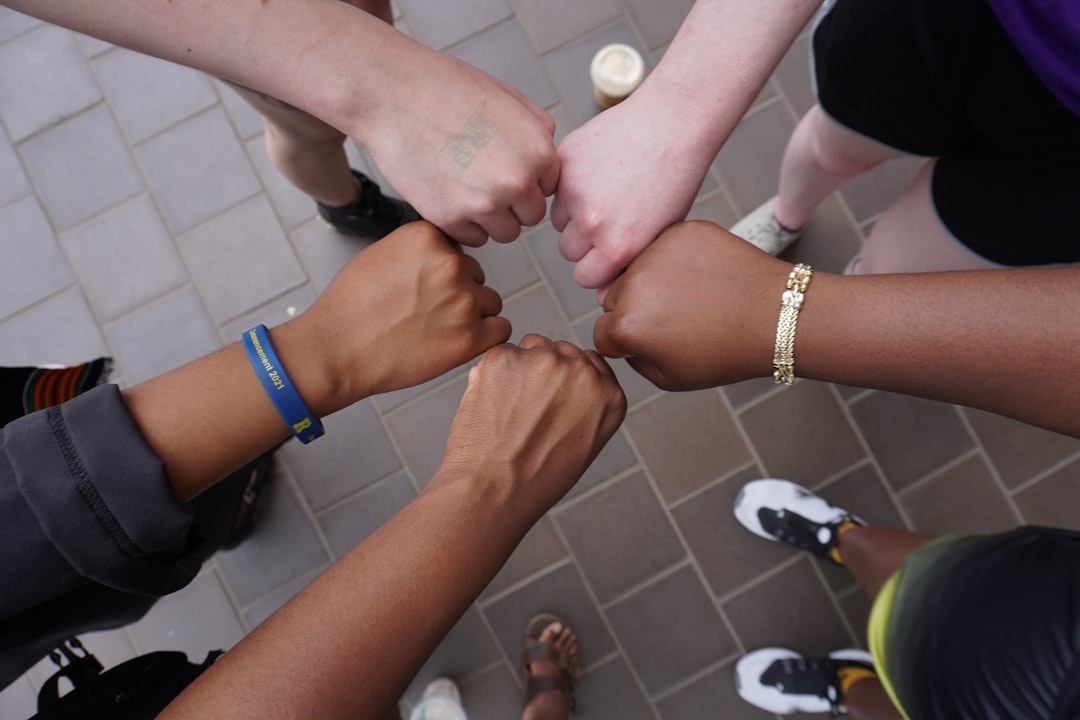
Walk out your front door and count how many neighbors you can greet by name. If you can’t fill one hand with names, you’re probably living in a place, not a community. Neighborhood social cohesion can be defined as the perceived degree of connection among neighbors, and people’s willingness to intervene for the common good. This simple test exposes the reality: true communities are built on relationships, while places are simply collections of houses.
The difference becomes crystal clear when you experience both. Places feel anonymous and distant, while communities wrap around you with familiarity and support. Building a strong neighborhood community is not just about geographical proximity; it’s about fostering a sense of belonging, shared responsibility, and mutual support. Understanding this distinction matters because perceived neighborhood social cohesion was associated with mental health outcomes, psychological well-being outcomes, social outcomes, and civic/prosocial outcomes.
Watch How People Interact on the Streets
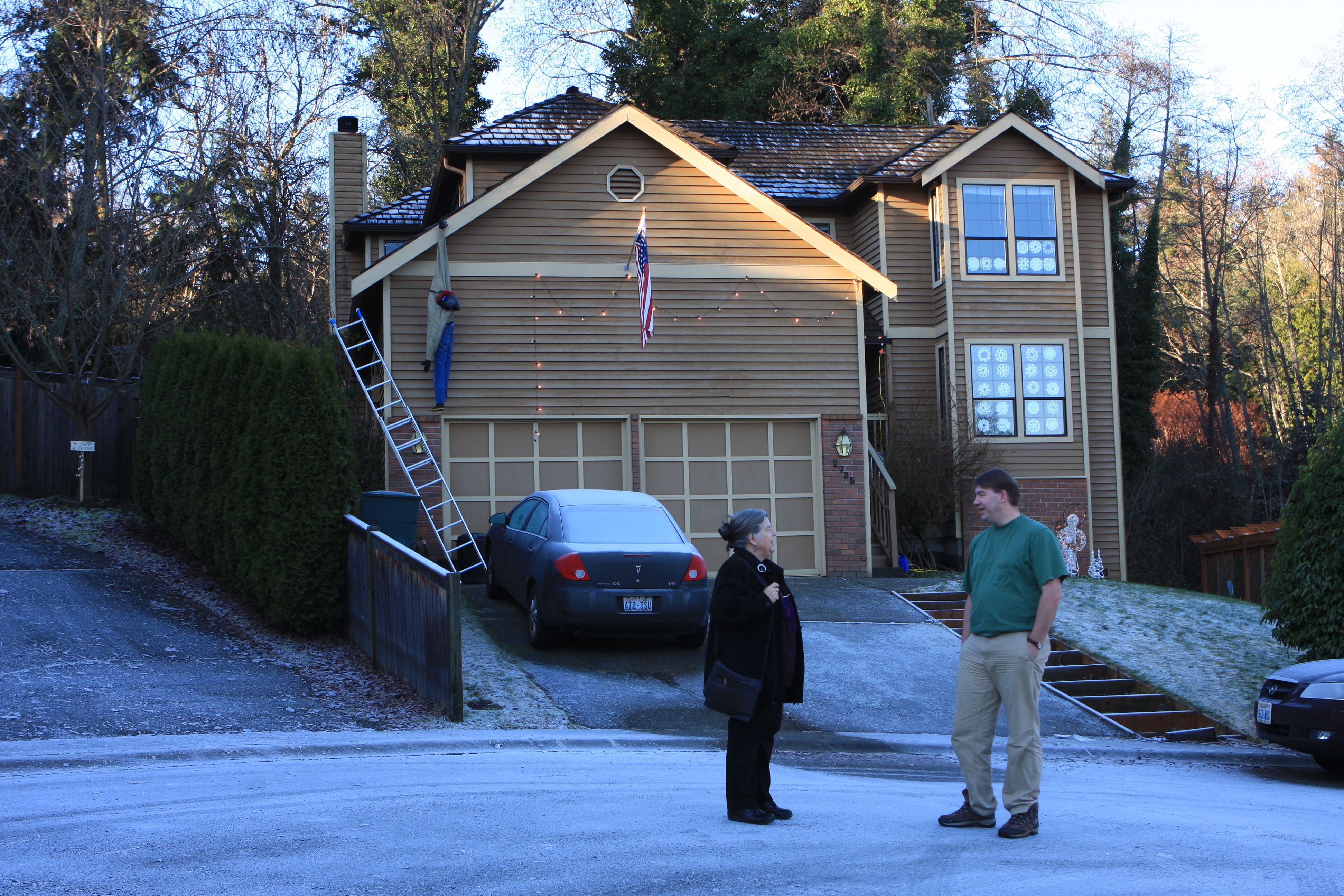
Real communities have a rhythm you can feel. Spend some time walking through your neighborhood at various points throughout the day or week to gain an accurate picture. Visit early in the morning when people may be headed out the door on their commutes to work or school; return during the daytime to observe activities of the community; and again in the evening for a general impression of it all. Notice if people make eye contact, wave, or stop to chat with each other.
In genuine communities, you’ll see spontaneous conversations happening on sidewalks, kids playing together across property lines, and neighbors helping each other with everyday tasks. The neighborhood has a rare blend of urban convenience and small-town warmth—neighbors know each other’s names, exchange misdelivered mail, and come together for potlucks and community gatherings. Places, by contrast, feel like parallel lives happening in isolation.
Check for Shared Spaces and Gathering Points

Communities naturally create spaces where people come together. Look for well-maintained common areas, community gardens, or informal gathering spots that show regular use. From farmer’s markets to art fairs and holiday festivals, there’s always something happening. These aren’t just amenities—they’re the beating heart of community life.
The key is whether these spaces feel lived-in and loved. Regular community events such as block parties, potlucks, or cultural festivals provide an excellent opportunity for neighbors to meet and bond. A place might have a perfect playground that sits empty, while a community will have a slightly weathered one buzzing with activity and parent conversations.
Notice the Response to Problems

When issues arise, communities mobilize while places complain. City Heights is renowned for its strong community spirit and active resident participation in shaping the neighborhood’s future. Local organizations, non-profits, and community initiatives have played a pivotal role in advocating for residents’ needs, fostering social cohesion, and addressing important community issues. Real communities don’t just identify problems—they roll up their sleeves and work together to solve them.
Watch social media groups or neighborhood apps to see the difference in action. Communities discuss solutions and organize help, while places tend to focus on complaints without follow-through. People in the range of demographic categories who reported being treated as “less than others” in their local communities suggests a broad social breakdown in civic norms and behavior. It also presents an opportunity for local communities to inquire about whether their residents experience indignity in daily interactions, and to seek to address any issues.
Measure the Welcome Factor for Newcomers
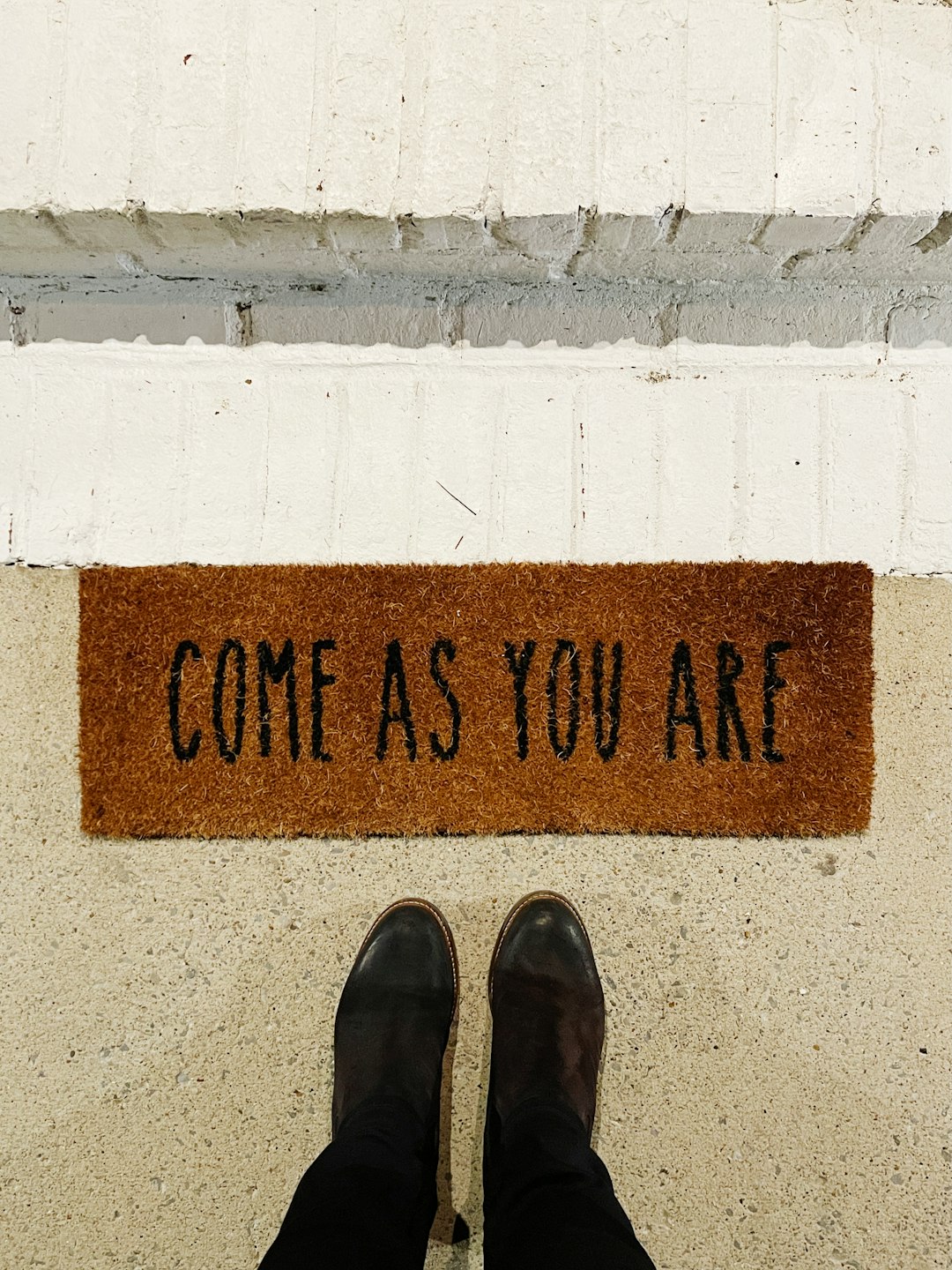
How a neighborhood treats new residents reveals its true character. A group dedicated to welcoming new residents can help them feel immediately included and informed about the community, easing their transition and encouraging early involvement. Communities have informal welcome committees—neighbors who introduce themselves, share helpful information, and extend invitations to local events.
Places leave newcomers to figure things out alone. Have conversations with neighbors to assess what their perception of their neighborhood is like; people often willingly discuss its positive and negative features as well as unique characteristics. In genuine communities, established residents actively help newcomers understand the local culture and find their place in the social fabric.
Look for Evidence of Mutual Support
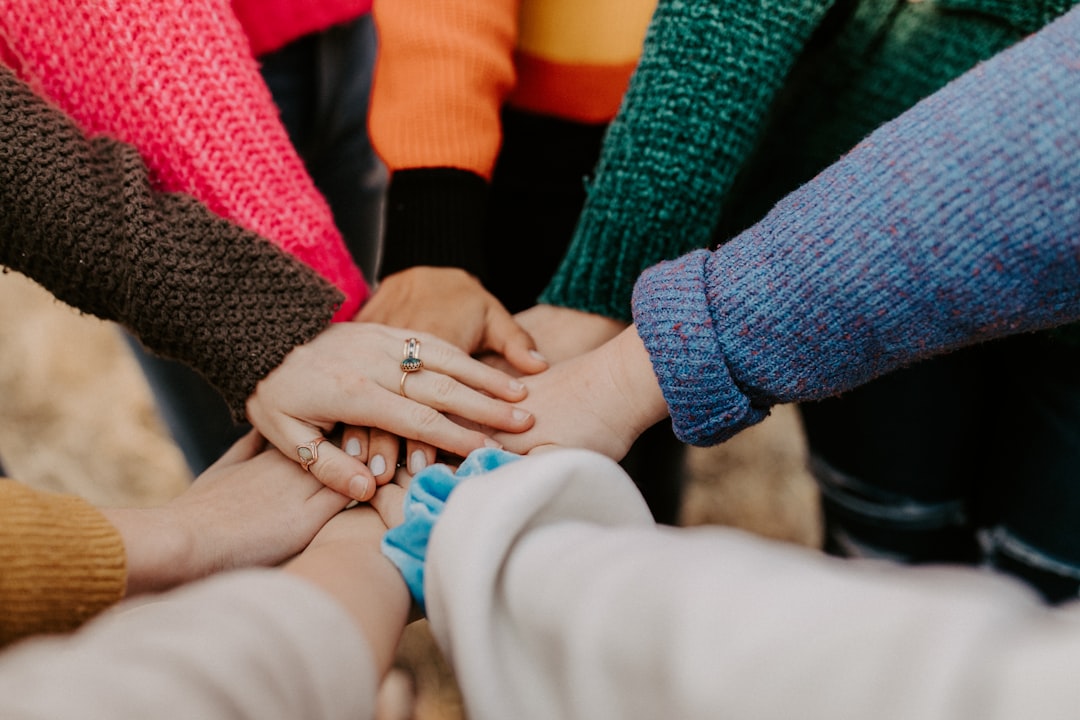
Communities show up for each other during both celebrations and crises. Neighborhood social cohesion was measured with items including: people around here are willing to help their neighbors; this is a close-knit neighborhood; people in this neighborhood can be trusted. You’ll see evidence of this in small acts—neighbors collecting mail during vacations, sharing garden produce, or organizing meal trains for families in need.
Each SD increase in neighborhood social cohesion was associated with a higher likelihood that people would obtain influenza vaccinations or cholesterol tests. Further, women were more likely to receive mammograms/x rays or Pap tests. This mutual support extends beyond social niceties to actual health outcomes and wellbeing.
Assess the Diversity of Ages and Life Stages
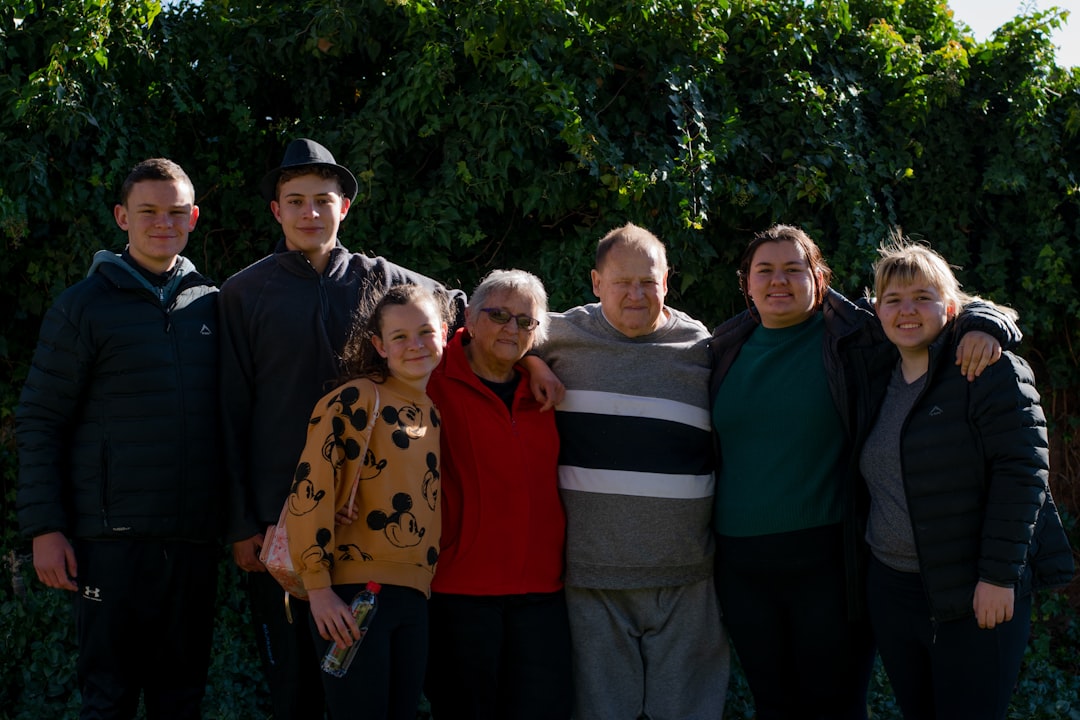
Healthy communities include people across all life stages living harmoniously together. A strong community provides seniors with a support network, a sense of belonging, and opportunities for social interaction. Whether through family, friends, or neighbors, being part of a community helps seniors feel valued and connected. You’ll see children playing while elderly neighbors watch approvingly, young families connecting with empty nesters, and intergenerational friendships forming naturally.
Places often segregate by age or life stage, creating invisible barriers between different groups. Seniors who are actively involved in their communities have better mental health outcomes. They report higher levels of life satisfaction, greater happiness, and a more positive outlook on life. Communities recognize that this mixing of generations strengthens everyone involved.
Test the Information Flow

In real communities, information flows through multiple channels—not just digital ones. Residents are more likely to engage when the community call to action comes from a group with which they affiliate. Whether it be faith-based organizations, nonprofits, neighborhood associations, or civic groups like the Rotary Club, affiliated networks and community groups play an influential role in the fabric of a community. People learn about events, issues, and opportunities through conversations, community bulletin boards, and active neighborhood networks.
Places rely heavily on impersonal digital communication that often gets ignored. These groups seamlessly help bridge the trust gap between governments and residents. The preexisting rapport established between community groups and residents provides a trusted environment that has the potential to enhance the willingness to participate in engagement opportunities. Communities understand that personal connections make information more meaningful and actionable.
Examine the Local Business Ecosystem

Communities support local businesses that become community anchors. The neighborhood is known for its hipster culture and unique, independently-owned shops – there are over 70 small businesses in this charming yet eclectic neighborhood. These businesses know their customers personally and serve as informal community centers where neighbors encounter each other regularly.
Places might have the same chain stores you’d find anywhere, lacking the personal touch that builds relationships. Residents love how pet-friendly and walkable the area is, as well as the community-feel among those who call Normal Heights home. If you take a stroll down Adams Avenue, you’ll find antique shops, a handful of breweries and tap houses, and several restaurants offering global cuisines. The local business ecosystem reflects whether people see themselves as temporary residents or invested community members.
Study the Physical Environment’s Message
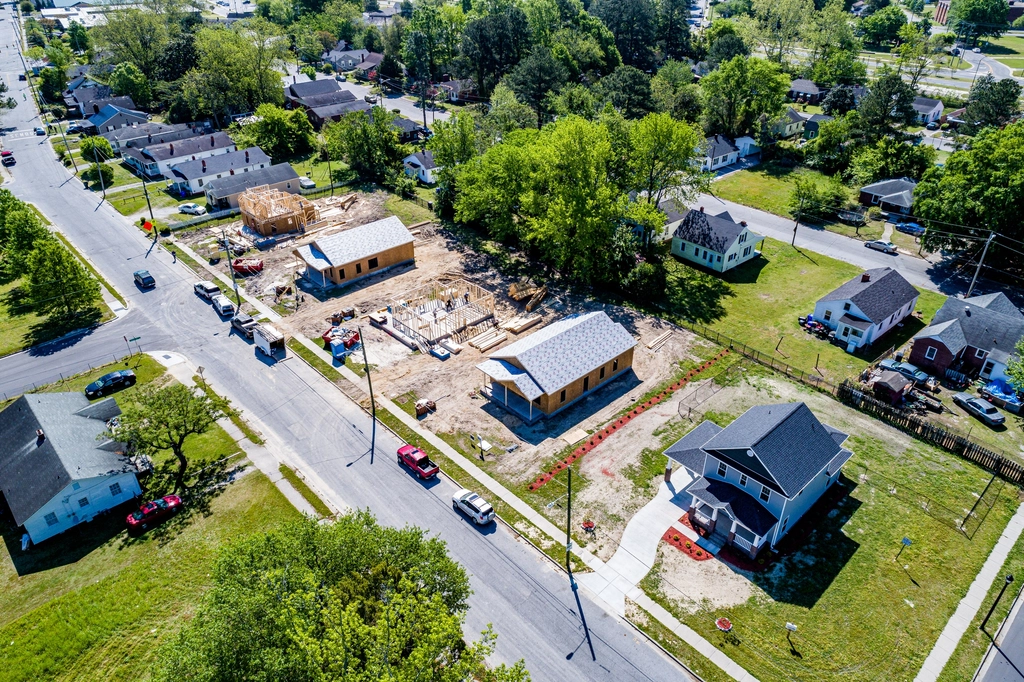
Community spaces tell a story about the people who live there. Walk the neighborhood to gain a better understanding of just how walkable the area is. You should also look for potential warning signs such as graffiti, vacant houses, and poor road conditions. Look for personal touches—painted mailboxes, creative gardens, or community art projects that show residents care about their shared environment.
The physical environment reveals investment levels and pride. City Heights has undergone revitalization efforts aimed at enhancing the quality of life for residents. The neighborhood has seen significant investments in infrastructure, including improved parks, community centers, and public spaces. These initiatives have further enhanced the neighborhood’s appeal and created a more vibrant and livable environment. Communities maintain and improve their spaces collectively, while places often show signs of neglect or purely individual maintenance efforts.
Evaluate the Response to Change
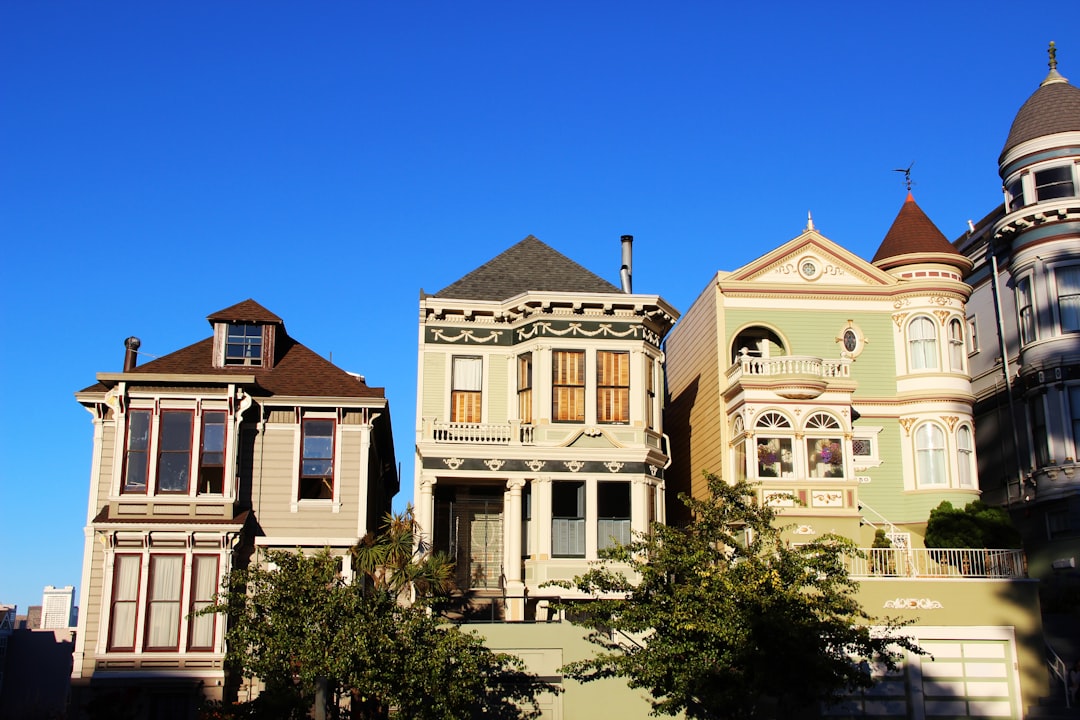
How neighborhoods handle change reveals their true nature. Our research suggests that belonging and diversity are related. Americans with more diverse friendships reported higher levels of overall friendship belonging. Moreover, non-Hispanic white Americans living in ethnically/racially diverse neighborhoods reported less fear of demographic change as they experienced more local belonging. Communities adapt to change while maintaining their essential character and values.
Places often resist change or fracture under pressure. City Heights has long been recognized as a diverse and multicultural community. In the late 20th century, waves of immigration from various countries contributed to the neighborhood’s rich tapestry of cultures and traditions. The community embraced this diversity, fostering a welcoming environment where different ethnicities coexist harmoniously. Real communities see change as an opportunity for growth rather than a threat to their identity.
Measure Long-Term Stability and Commitment

Communities have residents who invest in long-term relationships and neighborhood improvement. Despite the substantial changes spurred by the COVID-19 pandemic, the pandemic did not lead to a significant change in perceived neighborhood social cohesion. These findings reveal the durability of perceived neighborhood social cohesion, showing that it appears to be unaffected even by sizable changes in social and economic contexts. This stability creates a foundation for sustained community building.
Look for evidence of long-term thinking—people who’ve lived there for years and plan to stay, investments in neighborhood improvements, and ongoing community projects. Perceived neighborhood social cohesion was associated with numerous subsequent psychosocial well-being outcomes over the 4-year follow-up period. Places have high turnover and transient relationships that prevent deep community bonds from forming.
The Power of Belonging vs. Residing

Without a sense of belonging, individuals and communities suffer; with it, they thrive. Yet, because belonging is notoriously difficult to measure, it is often ignored when attempting to address the deep fractures in our societies. The difference between community and place ultimately comes down to whether people feel they belong or are simply residing. Belonging was associated with critical life outcomes in health, experiences in the workplace, social cohesion, higher satisfaction with local community, increased trust in neighbors, more civic engagement, and more openness to diversity.
Communities create belonging through countless small interactions and shared experiences that build trust and connection over time. Community engagement is vital because it empowers residents, fosters collaboration, and leads to innovative solutions that truly reflect local needs. When people come together, they create a stronger, more vibrant community where everyone thrives! The choice between living in a community versus a place might be the most important decision you never knew you were making.

Lena is a thoughtful and imaginative writer with a passion for storytelling across the themes of travel, environmental sustainability, and contemporary home aesthetics. With a background in cultural media and a strong visual sensibility, Anna Lena creates content that bridges inspiration with practical insight.
Her work explores the interplay between place, lifestyle, and design—guiding readers through meaningful travel experiences, eco-conscious choices, and modern approaches to living well. Known for her elegant writing style and attention to detail, she brings a fresh, human-centered perspective to every topic she covers.
Anna Lena contributes to digital publications and editorial projects where aesthetics meet purpose. Her writing not only informs but also encourages readers to live more intentionally, sustainably, and beautifully—wherever they are in the world.