
Matthias is a skilled author and digital storyteller with a focus on travel journalism, environmental issues, and modern home design. With a background in communications and a passion for global cultures, Matthias crafts engaging narratives that blend real-world exploration with thoughtful analysis and visual flair.
His writing reflects a deep interest in how climate change shapes our lives and lifestyles—from sustainable travel practices to eco-friendly living environments. Known for his clear, approachable voice and sharp editorial instincts, Matthias delivers content that resonates with readers seeking both inspiration and substance.
Whether reporting from remote destinations, breaking down sustainable design trends, or spotlighting innovative green initiatives, Matthias brings a global perspective and an eye for detail to every piece. He regularly contributes to web platforms and editorial projects that aim to foster awareness, creativity, and conscious living.
Warm Minimalism Takes Center Stage
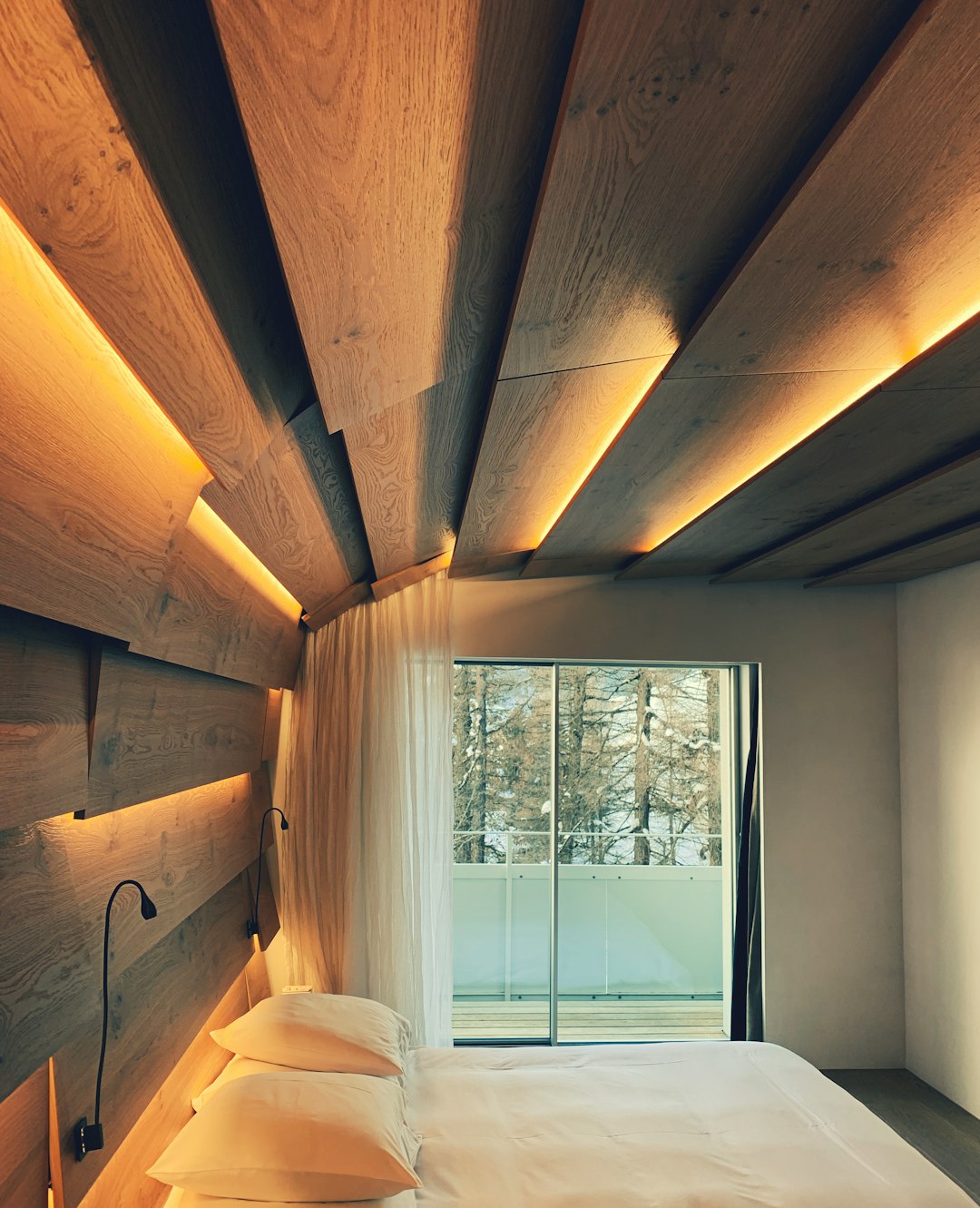
The cold, stark minimalism of the past decade is giving way to something far more inviting and human-centered. According to Pantone’s 2025 trend forecast and multiple design industry reports, warm minimalism combines the clean lines we love with earthy textures, natural materials, and colors that actually make you want to spend time in a room. Think honey-toned woods, cream-colored stones, and fabrics that beg to be touched. Interior designers from Milan to New York are embracing this shift, with Architectural Digest reporting a 40% increase in requests for “cozy minimalist” spaces throughout 2024. The trend represents our collective desire for homes that feel both uncluttered and genuinely welcoming, rather than showroom-perfect but emotionally cold.
Curved Architecture and Furniture Dominates
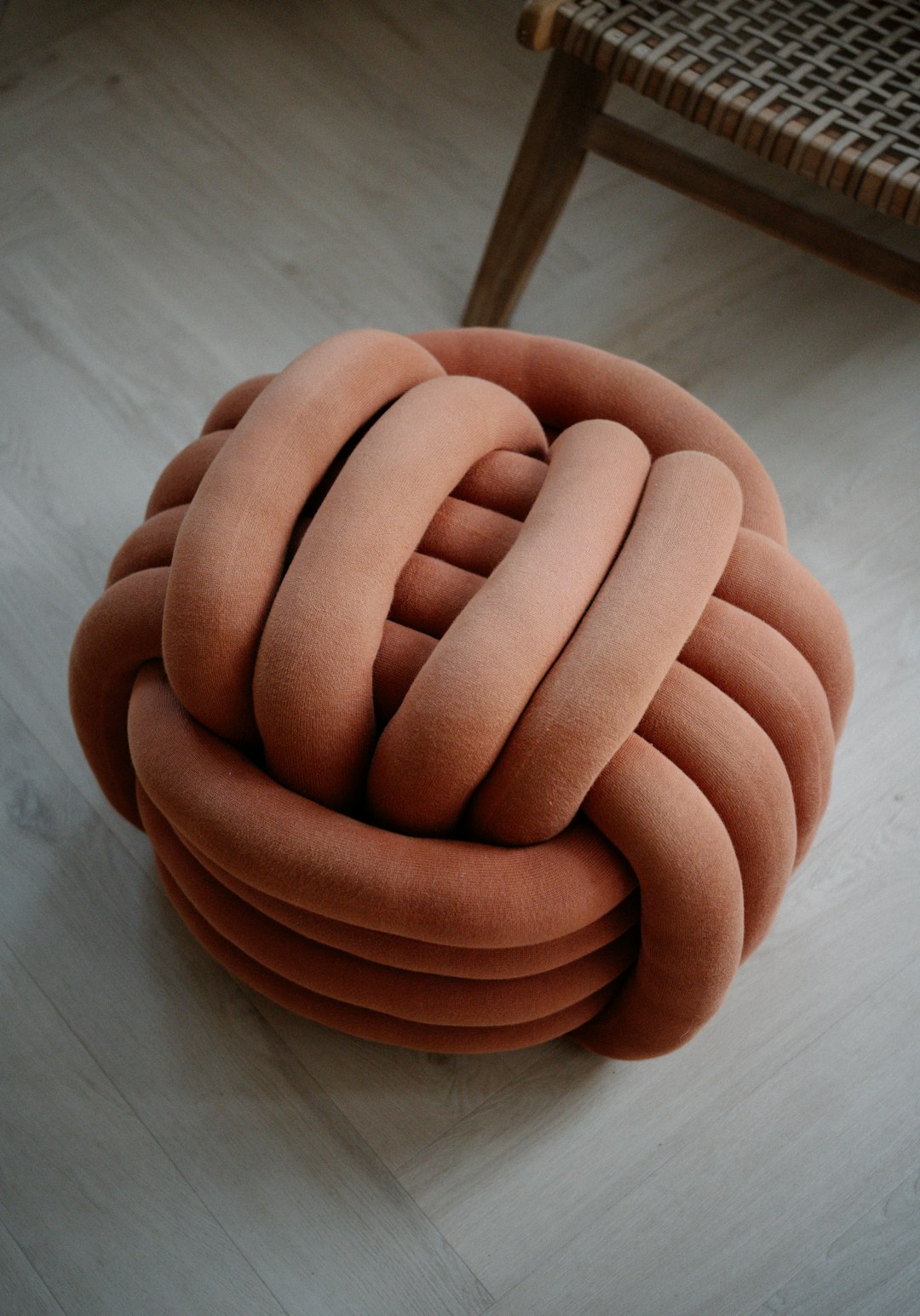
Sharp edges are officially out, and organic curves are taking over everything from kitchen islands to entire room layouts. The Global Design Trends Report 2025 shows that curved furniture sales jumped 35% in the last year alone, with consumers gravitating toward pieces that feel more natural and less aggressive. Major furniture retailers like West Elm and CB2 have completely restructured their product lines to feature rounded sofas, circular dining tables, and arched doorways that create flow instead of barriers. This isn’t just about aesthetics—studies from the Environmental Psychology Institute found that curved environments actually reduce stress levels and promote better social interaction. When you walk into a room full of sharp corners versus one with gentle curves, your nervous system literally responds differently.
Dopamine Decor Brings Joy Back Home
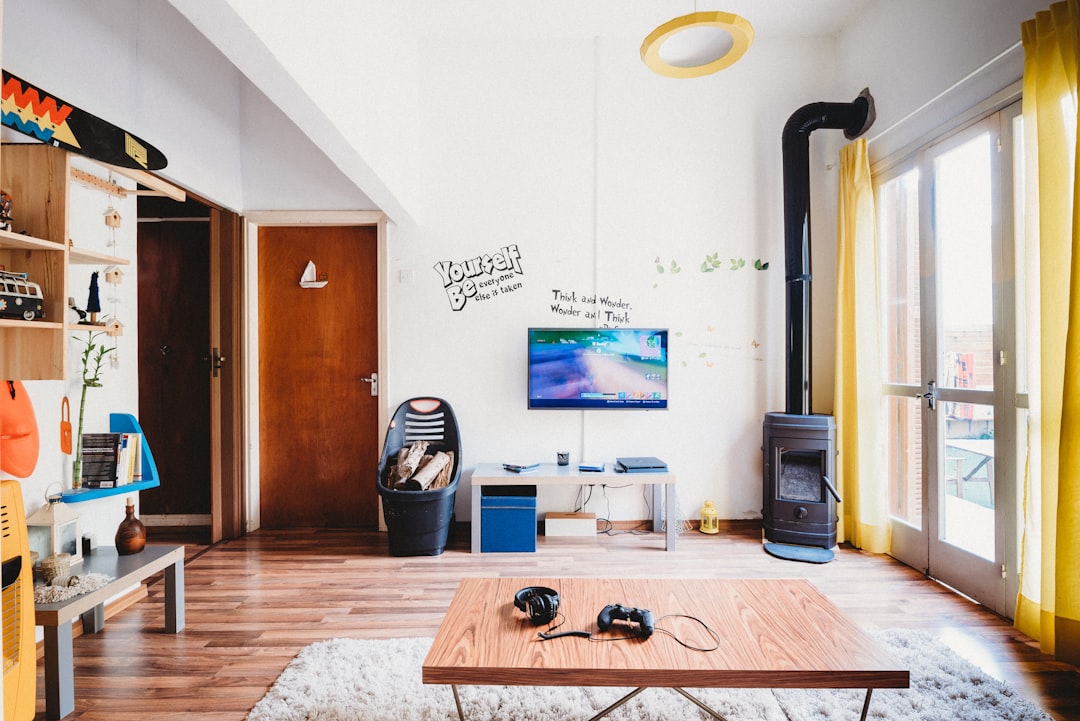
After years of beige and gray dominance, people are practically starving for color, and dopamine decor is the antidote. This trend, highlighted in Elle Decor’s 2025 predictions, involves using bright, mood-boosting colors strategically throughout living spaces to trigger actual happiness chemicals in the brain. We’re talking electric blues, sunny yellows, and coral pinks that make you smile the moment you walk into a room. Instagram reports show that posts tagged with #dopaminedecor have increased by 250% since early 2024, with younger homeowners leading the charge. The science backs this up too—color therapy research from the International Association of Color Consultants proves that certain hues can genuinely improve mood and energy levels. It’s like taking vitamins, but for your walls.
Sustainable Materials Become Non-Negotiable
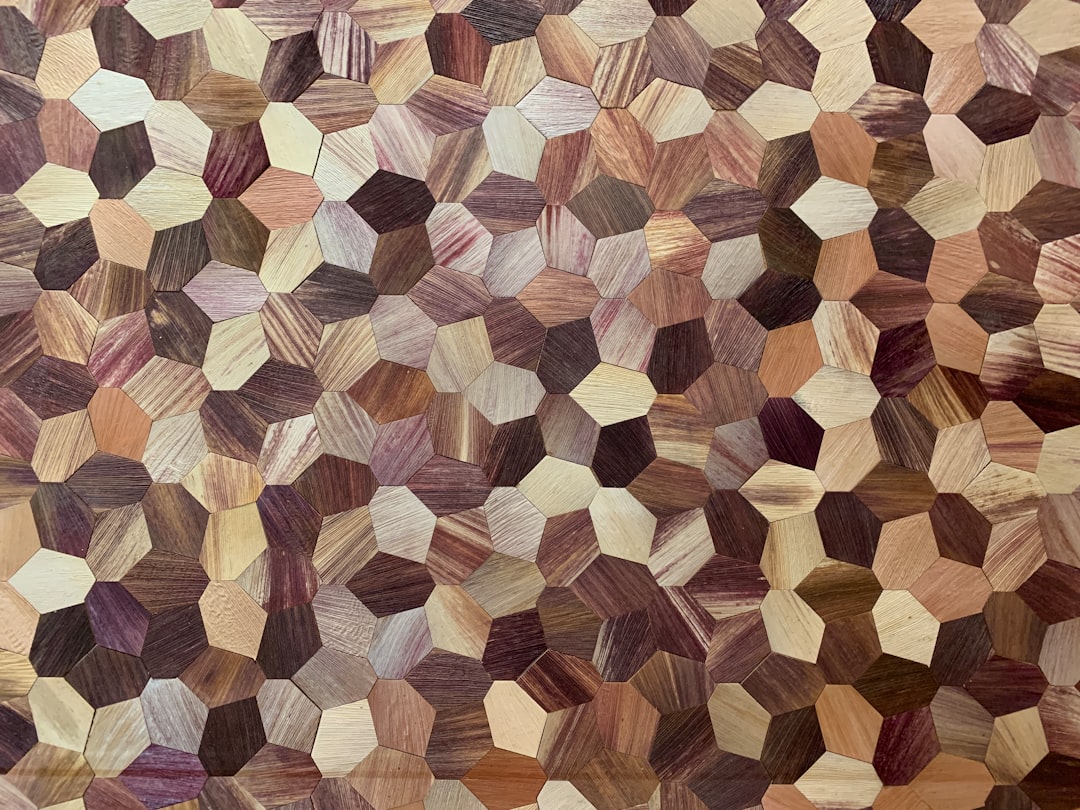
Sustainability isn’t just a nice-to-have anymore; it’s become the baseline expectation for conscious consumers. The 2025 Home & Design Sustainability Report reveals that 78% of homeowners now prioritize eco-friendly materials when renovating, up from just 45% in 2022. Reclaimed wood, recycled metals, and innovative materials like mushroom-based leather are no longer niche products—they’re mainstream must-haves. Companies like IKEA and Herman Miller have committed to carbon-neutral production by 2025, while smaller artisan brands are thriving by offering furniture made from ocean plastic and agricultural waste. The beauty is that sustainable doesn’t mean sacrificing style; some of the most stunning pieces in high-end showrooms are now made from materials that would have been considered trash just a few years ago.
Multi-Functional Spaces Reflect Modern Life
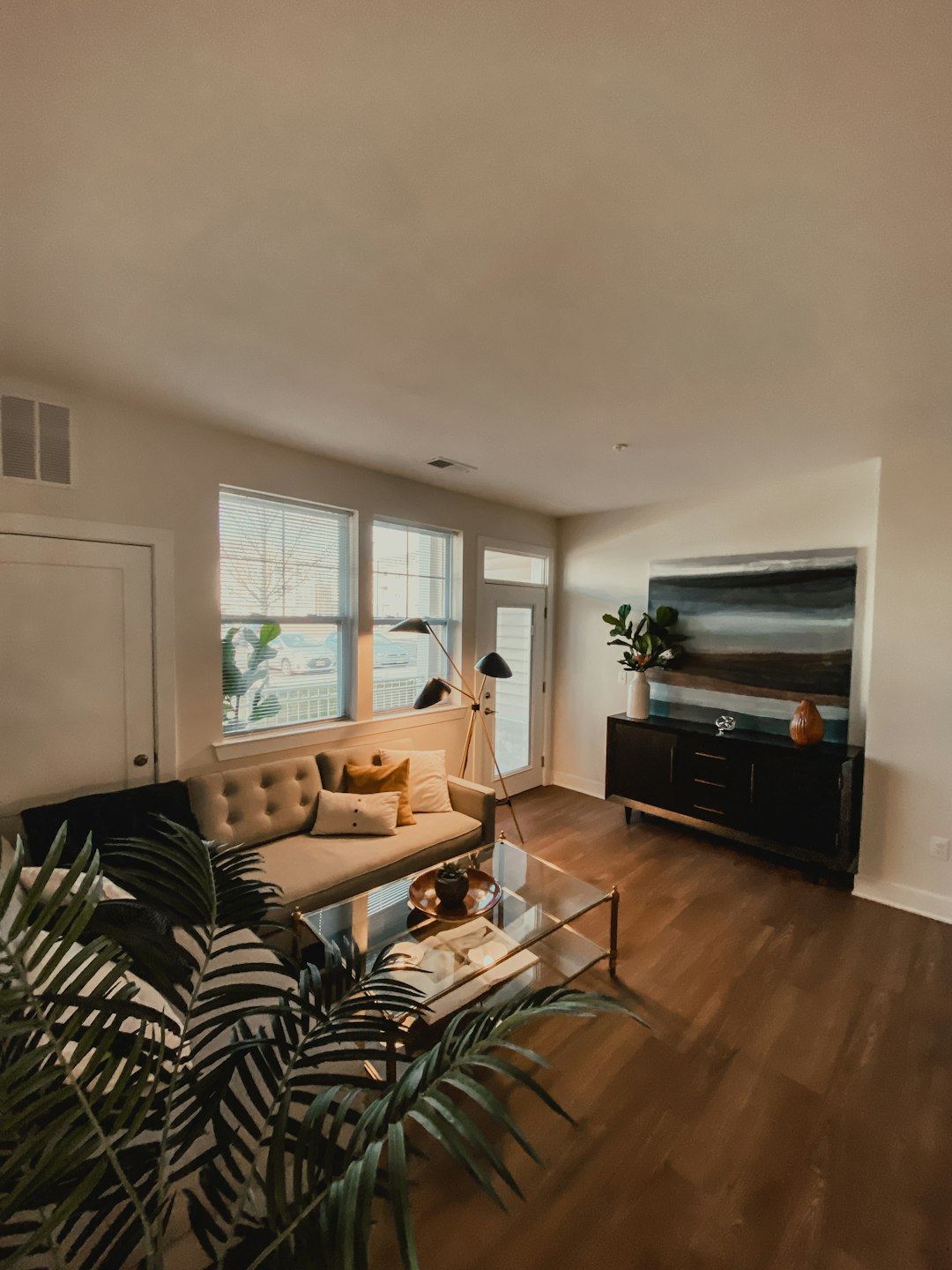
The traditional single-purpose room is becoming extinct as our lives become increasingly fluid and multi-faceted. According to the National Association of Home Builders, 67% of new home designs now incorporate flexible spaces that can transform throughout the day. Dining rooms that convert to home offices, guest bedrooms that double as yoga studios, and kitchen islands that serve as homework stations are no longer luxury features—they’re practical necessities. The trend accelerated during the pandemic, but it’s stuck around because it simply makes sense for how we actually live. Smart furniture companies like Resource Furniture have seen a 180% increase in demand for transformable pieces, proving that adaptability is the new luxury.
Grandmillennial Style Makes Tradition Cool Again
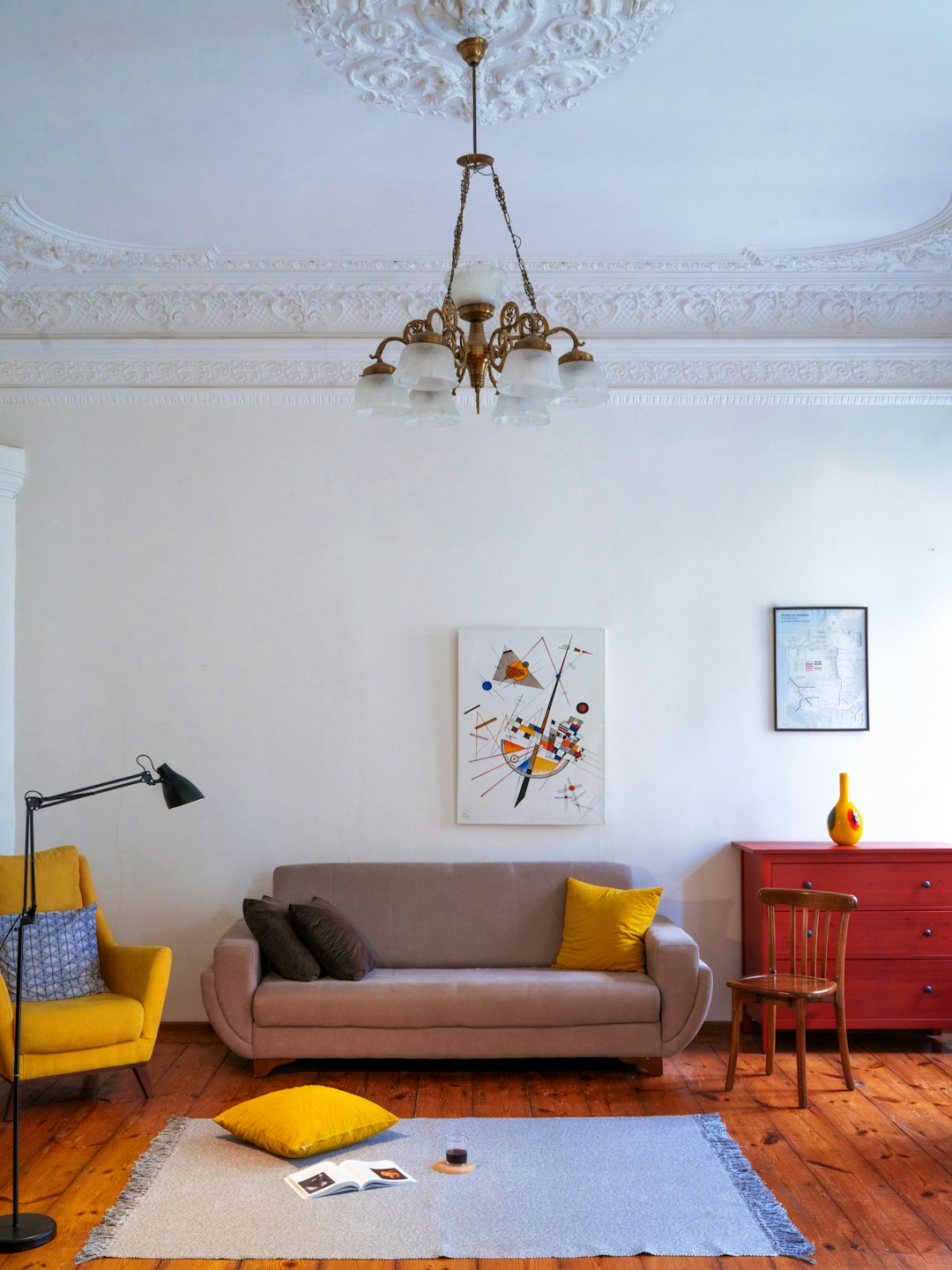
Gen Z and younger millennials are embracing their grandparents’ aesthetic with surprising enthusiasm, creating what designers call the “grandmillennial” movement. Chinoiserie wallpaper, needlepoint pillows, and antique brass fixtures are having a major moment, with searches for “traditional decor” up 120% on Pinterest throughout 2024. This isn’t about living in the past—it’s about finding comfort in established beauty and craftsmanship that feels authentic. The trend represents a rebellion against fast fashion home decor and a return to pieces that tell stories and last for generations. Young homeowners are mixing inherited furniture with modern elements, creating spaces that feel both timeless and fresh, like a conversation between past and present.
Biophilic Design Goes Beyond Houseplants
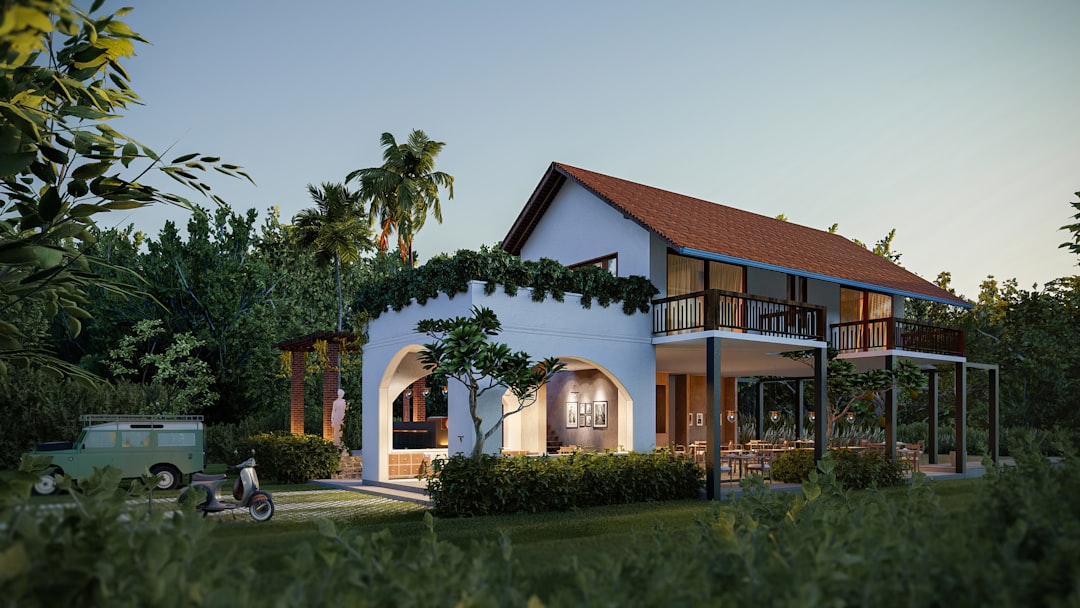
While everyone’s been focused on filling their homes with plants, true biophilic design is about creating deeper connections with nature through architecture and materials. The International Living Future Institute reports that homes incorporating biophilic elements show 20% better air quality and 15% improved resident wellbeing scores. We’re seeing living walls integrated into structural design, natural light optimization that follows circadian rhythms, and water features that provide both visual beauty and acoustic benefits. Materials that change with weather, like copper that develops patina or wood that shifts color over time, help interiors feel alive and connected to natural cycles. This approach transforms houses from static shelters into dynamic, breathing environments that support human health on multiple levels.
Maximalist Wallpaper Makes Bold Statements
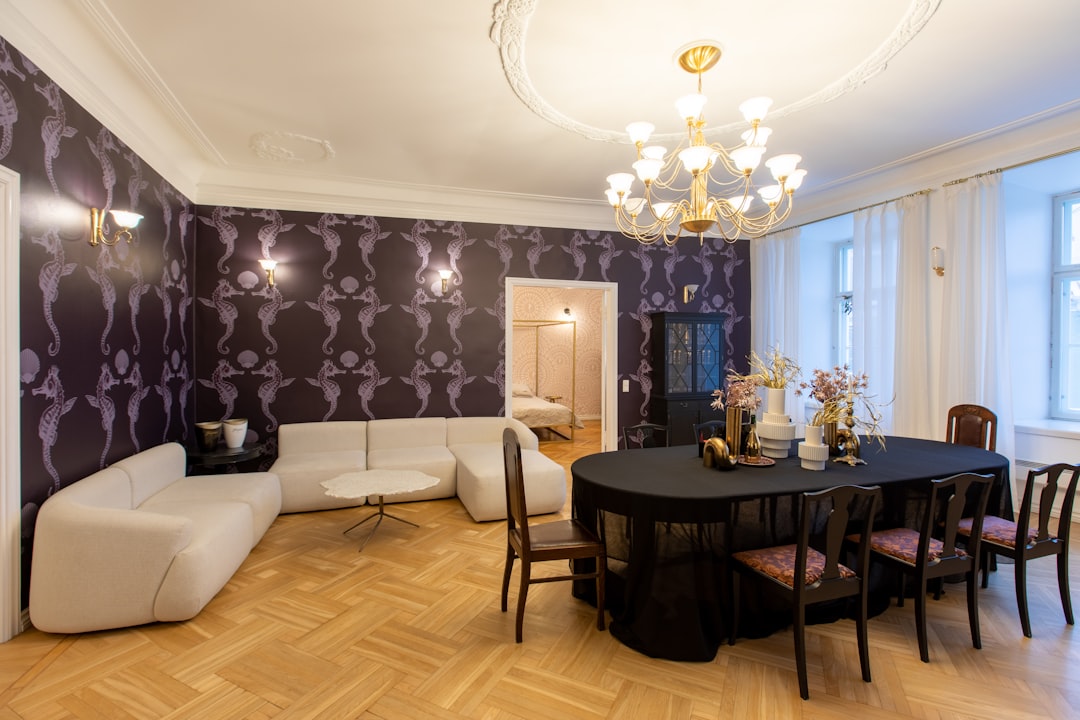
After a decade of white walls, homeowners are ready to make some noise, and maximalist wallpaper is their megaphone of choice. The Wallcovering Association reports a 90% increase in patterned wallpaper sales since 2023, with bold florals, geometric patterns, and even mural-style designs leading the charge. Social media has played a huge role here—dramatic accent walls photograph beautifully and create instant personality in any space. The key difference from past wallpaper trends is strategic application; instead of covering entire rooms, designers are using statement wallpaper on single walls or in unexpected places like ceilings and closet interiors. It’s maximalism with intention, creating focal points that energize a space without overwhelming it.
Smart Home Integration Becomes Invisible
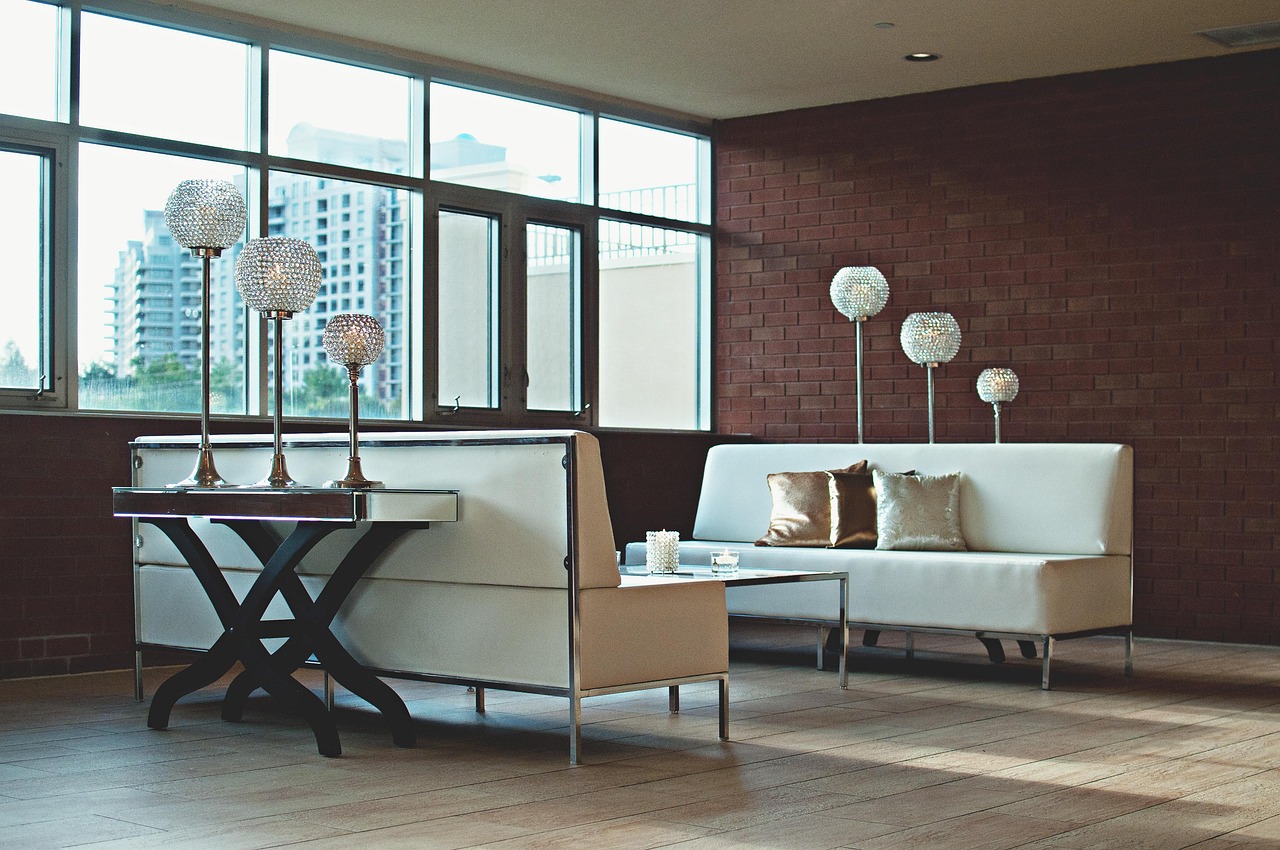
The clunky smart home gadgets of the past are giving way to seamlessly integrated technology that enhances life without announcing itself. According to the Smart Home Technology Report 2025, 89% of consumers now prefer invisible tech integration over obvious gadgets. We’re seeing lighting systems that adjust automatically throughout the day, climate control that learns your preferences, and audio systems built directly into walls and ceilings. The goal isn’t to showcase technology—it’s to make homes more responsive and intuitive while maintaining beautiful design. Companies like Lutron and Nest have refined their products to the point where smart homes feel magical rather than mechanical, responding to your needs before you even realize you have them.
Artisan Craftsmanship Commands Premium Prices
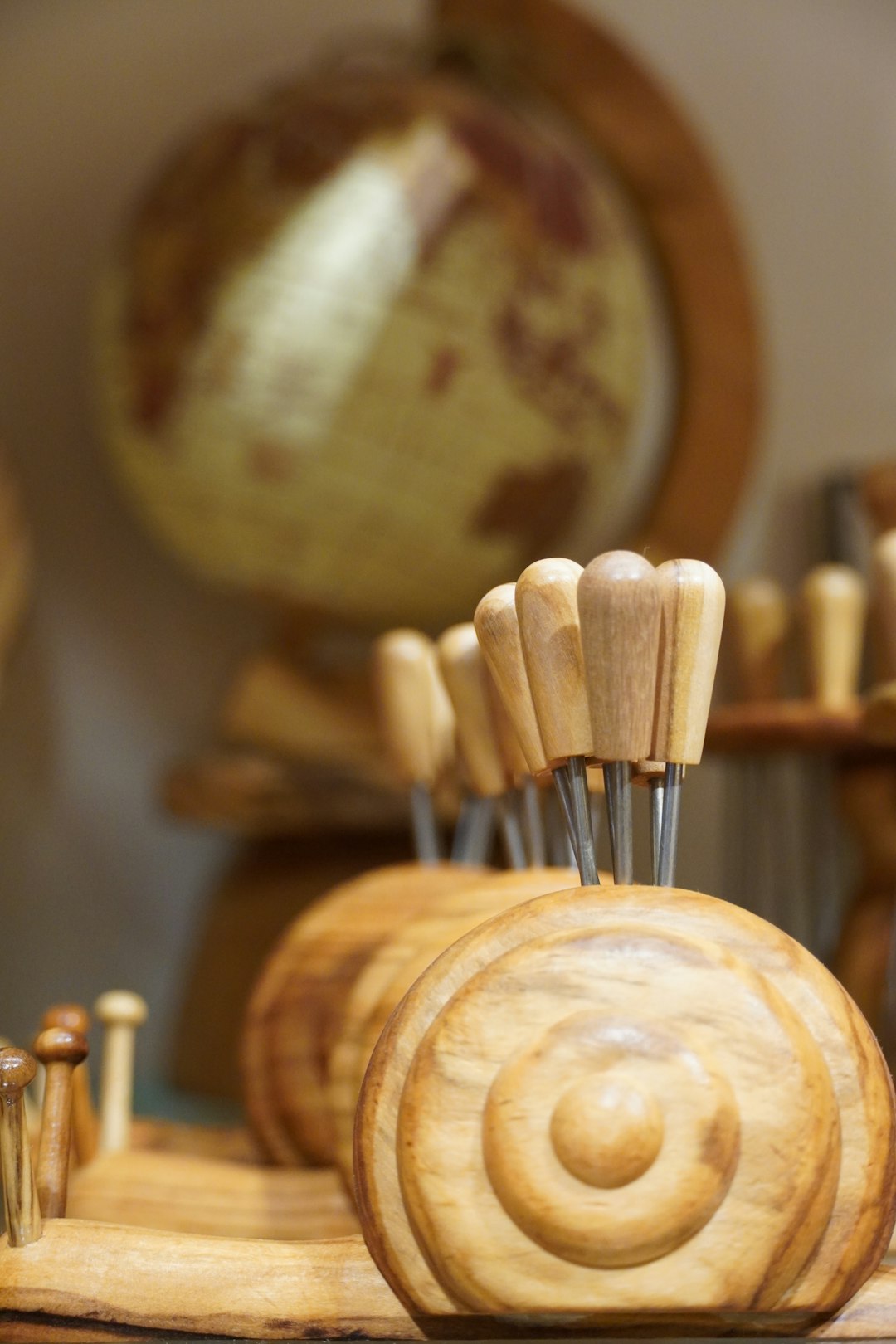
In our increasingly digital world, handmade objects carry special significance and command prices that would have seemed impossible just a few years ago. The American Craft Council reports that sales of handmade home goods increased by 85% in 2024, with consumers willing to pay premium prices for unique, artisan-made pieces. Hand-thrown ceramics, woven textiles, and custom metalwork are becoming the new status symbols, replacing mass-produced luxury items. This trend reflects a deeper desire for authenticity and connection in our homes—when you can see the maker’s hand in every piece, your space feels more personal and meaningful. The imperfections that come with handmade items are now viewed as features rather than flaws, adding character and soul to modern interiors that perfect factory production simply cannot replicate.
What trend surprised you the most, and which one will you be trying first?

Matthias is a skilled author and digital storyteller with a focus on travel journalism, environmental issues, and modern home design. With a background in communications and a passion for global cultures, Matthias crafts engaging narratives that blend real-world exploration with thoughtful analysis and visual flair.
His writing reflects a deep interest in how climate change shapes our lives and lifestyles—from sustainable travel practices to eco-friendly living environments. Known for his clear, approachable voice and sharp editorial instincts, Matthias delivers content that resonates with readers seeking both inspiration and substance.
Whether reporting from remote destinations, breaking down sustainable design trends, or spotlighting innovative green initiatives, Matthias brings a global perspective and an eye for detail to every piece. He regularly contributes to web platforms and editorial projects that aim to foster awareness, creativity, and conscious living.