
Henrieke Otte is an accomplished writer and content editor, specializing in topics that inspire thoughtful living—ranging from global travel and sustainable lifestyles to interior design and architecture. With a keen editorial sense and a background in cultural studies, Henrieke brings depth, elegance, and clarity to every piece she crafts.
Her work is known for its engaging voice, visual sensitivity, and ability to turn complex ideas into accessible, reader-friendly narratives. Whether exploring eco-conscious destinations, dissecting climate-conscious home trends, or curating serene living spaces, Henrieke writes with a balance of creativity and insight that resonates with design-savvy, environmentally aware audiences.
Driven by a love of meaningful storytelling and a refined aesthetic, Henrieke contributes regularly to digital platforms and magazines where quality content meets visual sophistication.
The Silent Epidemic
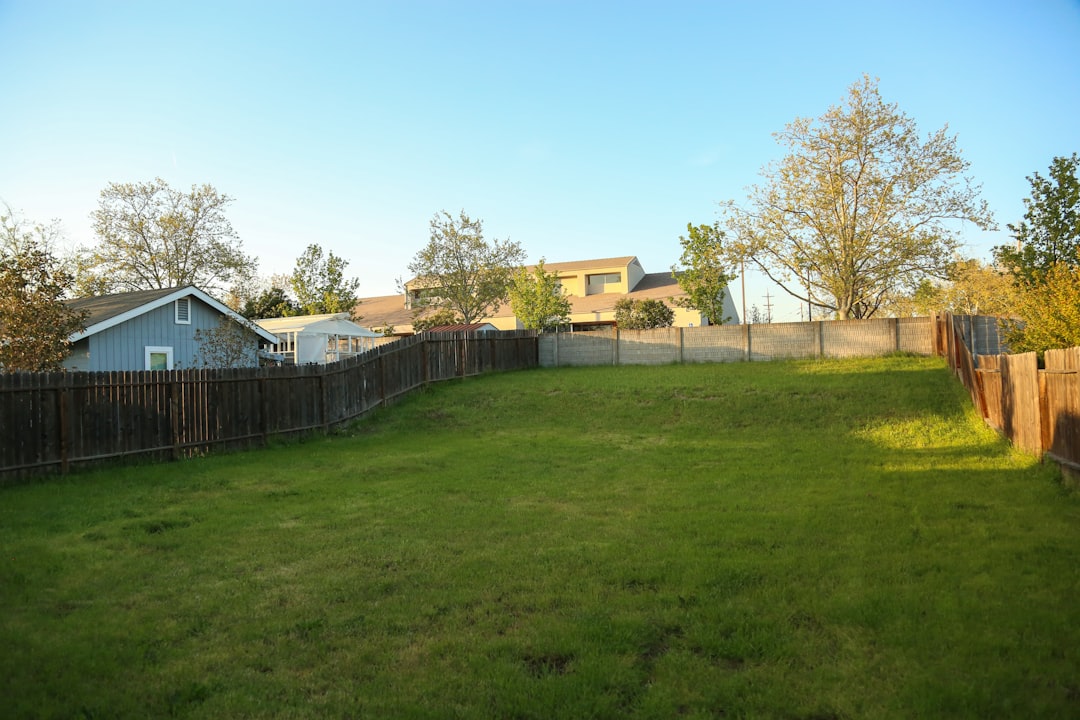
Walk through any American city today, and you’ll find them everywhere—empty patches of land that once held dreams, now collecting debris and disappointment. Across the United States, in cities large and small, urban neighborhoods are pockmarked with tens of thousands of vacant lots – empty, trash-strewn eyesores that are a legacy of job losses, declining populations, and disinvestment. Research shows that vacant lots depress nearby property values, cost city governments millions in lost property taxes, and correlate with higher crime rates. But what happens when neighbors decide they’ve had enough?
When Neighbors Choose Action Over Apathy
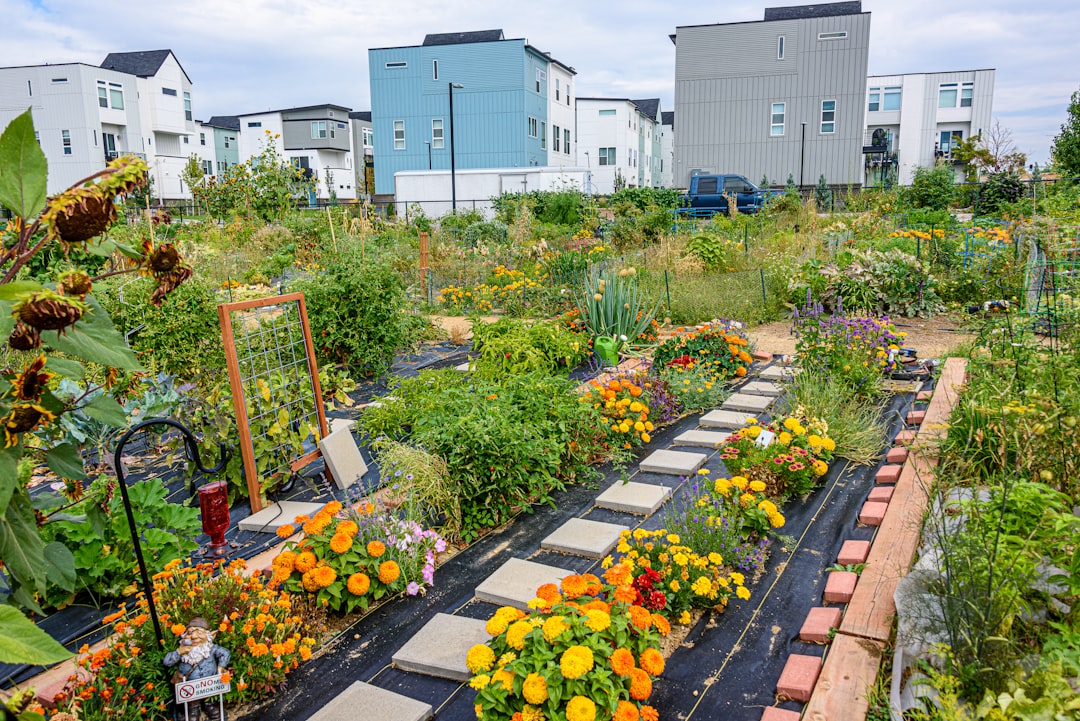
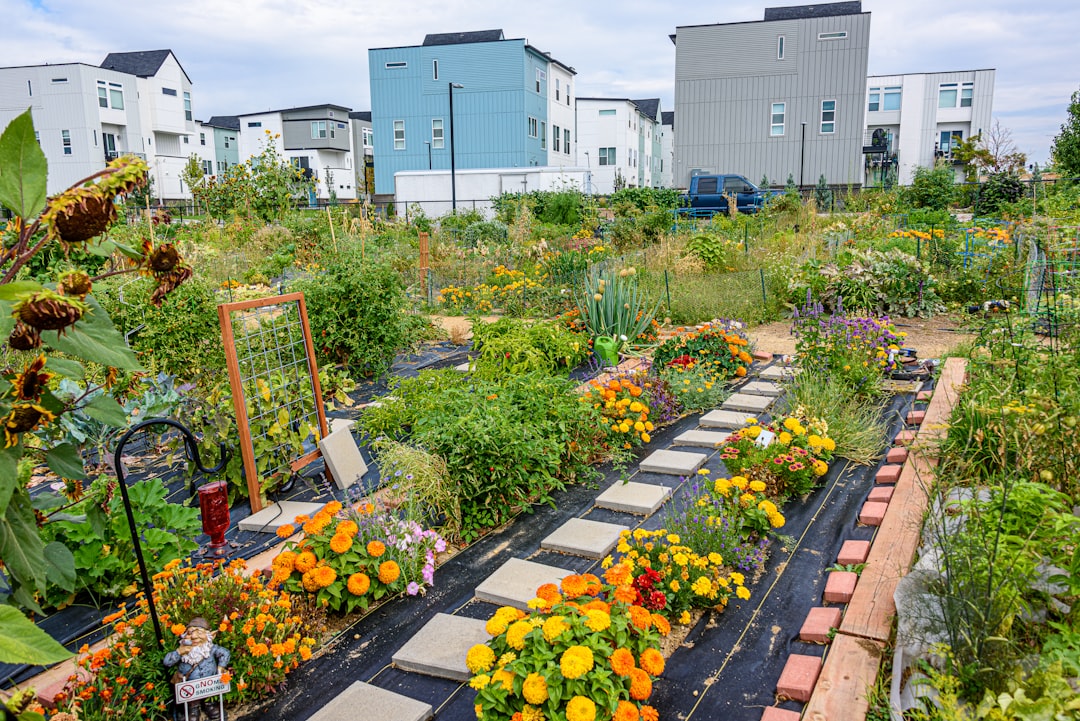
The transformation begins with a single person who refuses to accept the status quo. After years of living next to an abandoned city lot, a Richmond woman took matters into her own hands, and ended up creating a thriving place of community in her neighborhood. “I had two windows in my home, I didn’t look out of the windows because it looked into the vacant parcel that was not desirable at all.” I wanted to see trees, I wanted to see places where people could grow their own food,” she explained. Brooks opened Happy Lot Farm and Garden in 2012.
This pattern repeats itself across the country. A small number of participants already took informal ownership of vacant lots on their street by maintaining them or turning them into community gardens. They described satisfaction about using this work to exert a degree of social control over the neighborhood. Sometimes it starts with one person pulling weeds. Sometimes it’s a group of neighbors sharing frustrations over coffee. But always, it begins with someone saying “enough.”
The Ripple Effect of Green Spaces
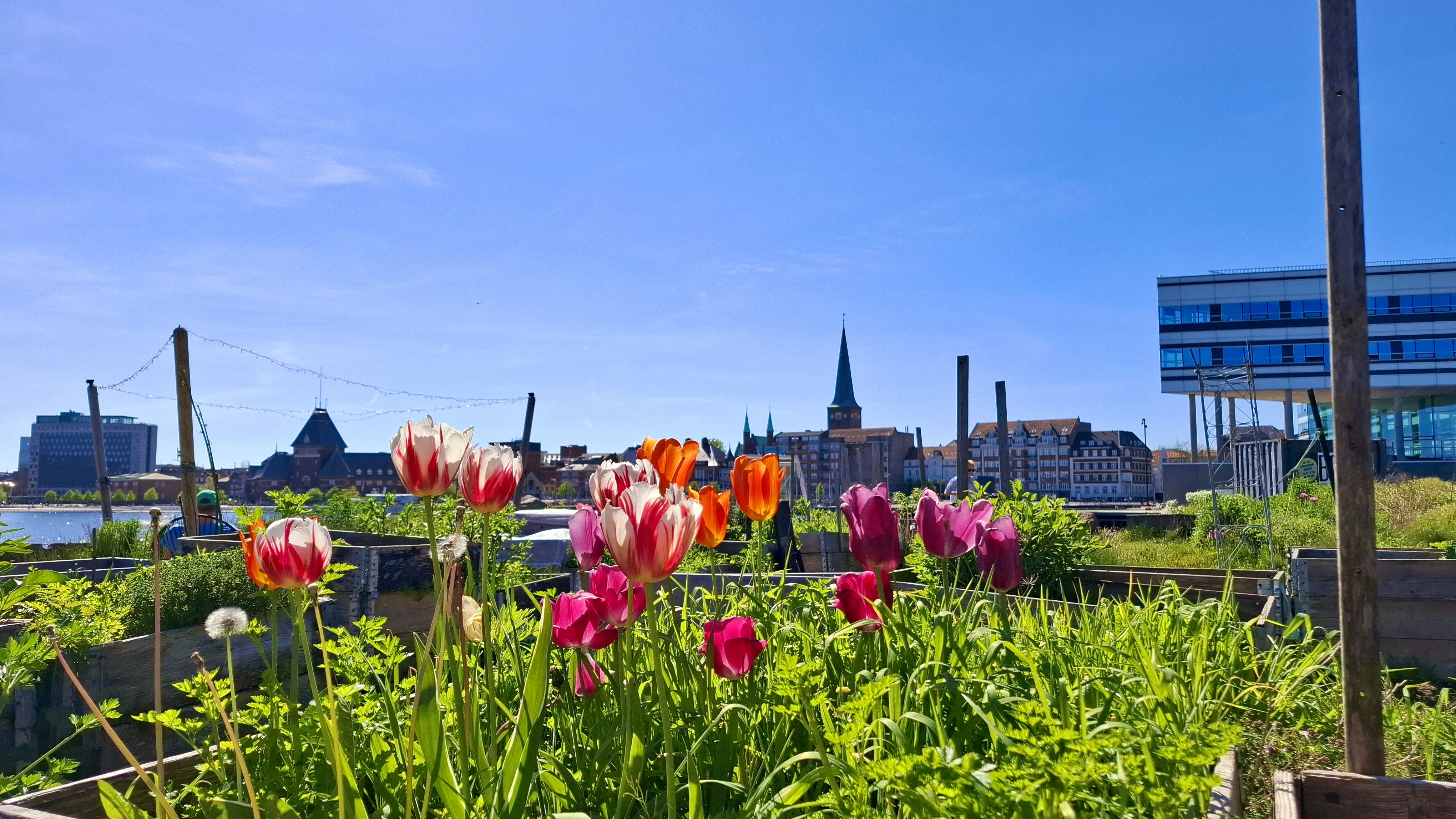
Something magical happens when communities reclaim their forgotten spaces. The value of homes within a 1,000-foot radius of a greened lot rises 4.3 percent, on average, after the first year and increases up to 13 percent (cumulatively) after six years, according to a study by the Penn Institute of Urban Research. But the numbers tell only part of the story.
The regular presence of people in a garden made people feel safe and provided what Jane Jacobs called “eyes on the street,” an informal surveillance that was thought to discourage illegal activity. Neighbors who hadn’t spoken in years suddenly find themselves discussing tomato varieties and sharing gardening tips.
Detroit’s Bold Experiment
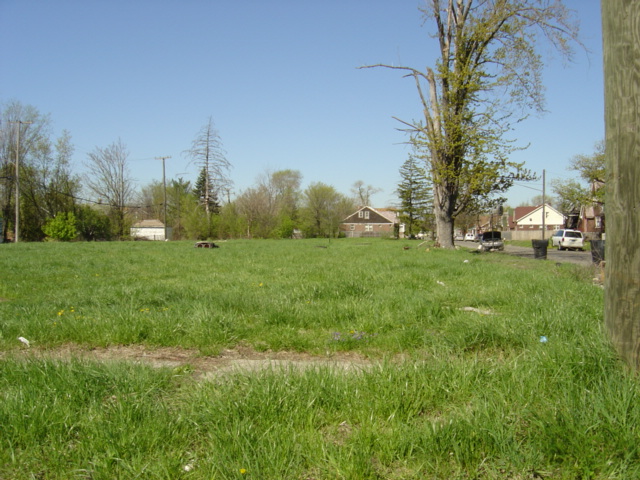
An estimated 19 square miles of vacant land remain scattered throughout Detroit, representing unique opportunities and complex challenges. This public authority has owned and managed around 100,000 parcels of property in Detroit consisting of vacant lots and abandoned houses, in addition to other structures that were forced into tax foreclosure. Rather than seeing this as an insurmountable problem, Detroit has become a laboratory for community-led transformation.
Local organizations like the Detroit Land Bank Authority and groups like The Greening of Detroit have turned many of these vacant spaces into community gardens, urban farms, and native plant habitats. These efforts have not only beautified the city but also provided fresh produce, reduced urban heat, and increased biodiversity. They sell property through multiple programs, such as the “Side Lot Program,” which allows residents living next door to or across the street from publicly owned vacant lots the opportunity to purchase them for $100.
Philadelphia’s Green Revolution
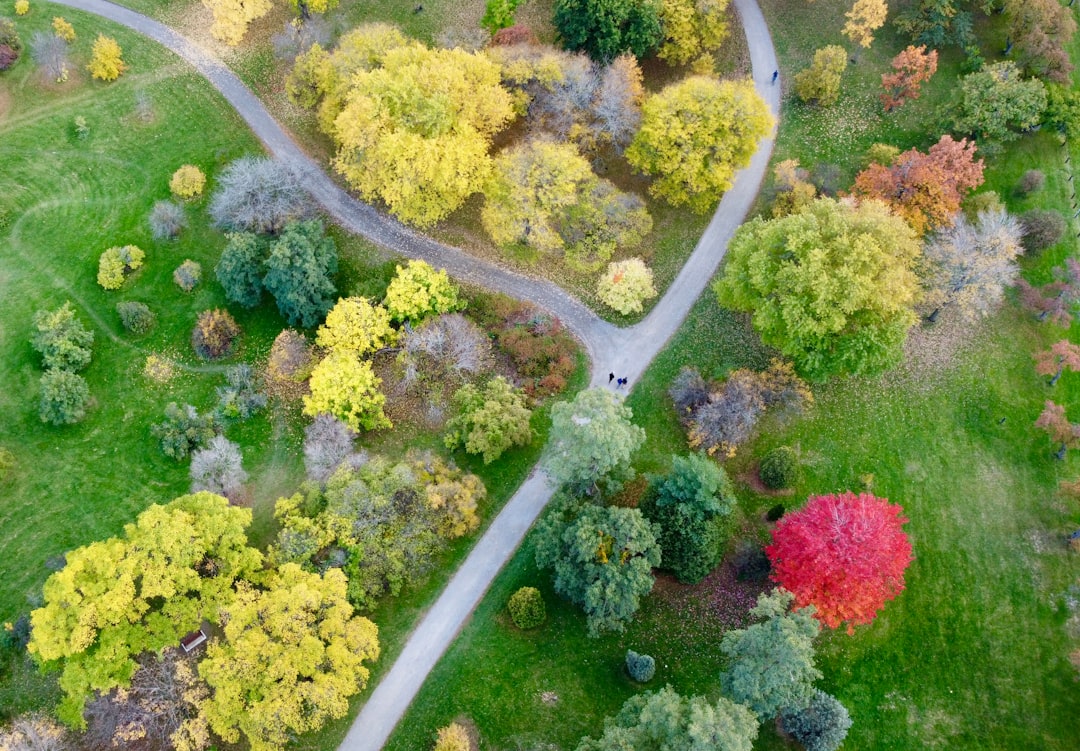
Philadelphia has perfected the art of turning nothing into something beautiful. This space is one of the 12,000 vacant lots across the city that have been stabilized by the PHS Philadelphia LandCare program. The effort benefits the health and well-being of people living near these parcels, engages them in their communities, and generates economic opportunity for local residents. The city doesn’t just clean up lots—it transforms them into community assets.
Through our PHS Philadelphia LandCare program, we partner with local small business contractors to stabilize vacant lots by leveling the soil, clearing weeds and debris, growing grass, installing fencing, and planting trees,” explains Melissa Stutzbach, PHS director of LandCare. “Through our PHS Community LandCare program, we partner with nonprofit community-based organizations that select vacant lots within their own communities and hire from within those communities to maintain them.” Since the launch of the PHS Philadelphia LandCare program in 2012, more than 800 parcels have been rehabilitated for housing, commercial properties, and neighborhood green spaces.
The Power of Sunflowers

In Pittsburgh’s Larimer neighborhood, innovation bloomed from the most unlikely source. In the neighborhood of Larimer in Pittsburgh, a vacant lot was transformed into a sunflower garden. The garden yielded the city’s first-ever crop of biofuel. My organization, Grounded Strategies (then known as GTECH), was contracted for approximately $10,000 to transition the largest lot into a sunflower garden. The idea was to improve soil, create a platform for green jobs, and demonstrate the production of biofuel for cleaner-burning biodiesel.
The project accomplished multiple goals at once. The project employed youth through the city’s summer workforce training program to prep, plant, and maintain the sunflowers. The quick-execution project gave the nascent Green Team a clear sense of purpose and a tangible outcome for the group to organize around as they planned for harvest and for transition of the sunflower patch into a community garden.
The Food Desert Solution
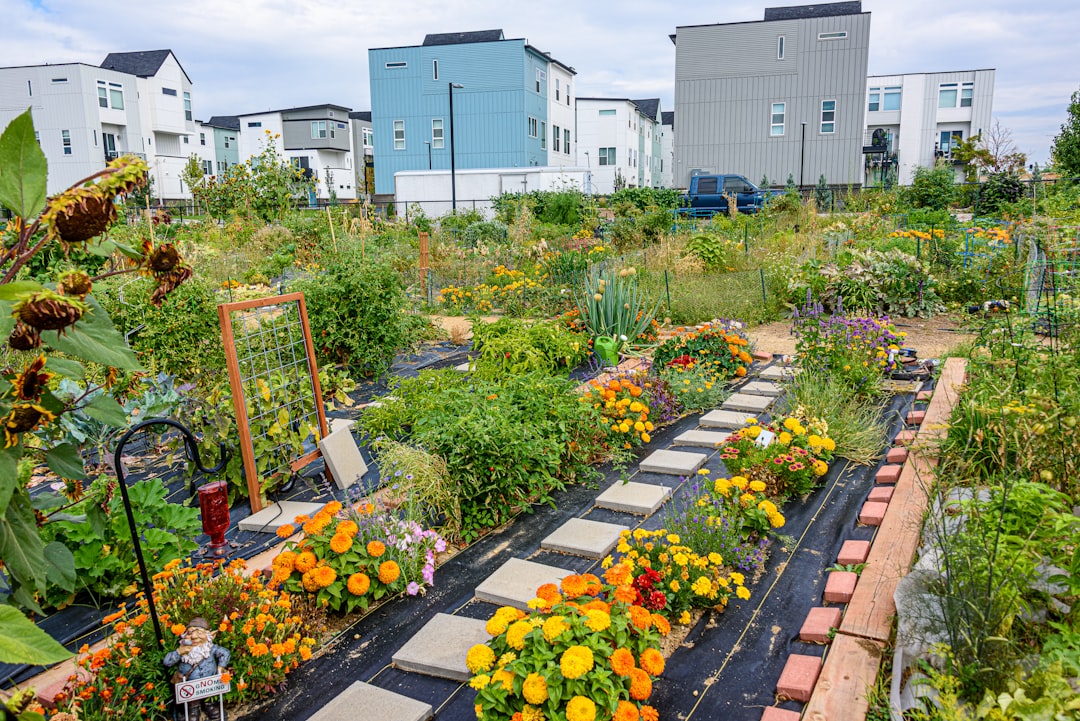
In neighborhoods where fresh produce is scarce, vacant lots become sources of nourishment. According to The Pew Charitable Trusts, almost 25 percent of the Philadelphia population lives below the poverty line. And about 16 percent of households face food insecurity, according to Feeding America. Some lower-income households also live in food deserts— areas that have limited access to affordable and healthy food—leading to a reliance on fast food restaurants and corner stores, which often lack nutritious options.
Community gardens and farms help provide a solution by filling the gap for fresh fruits and vegetables. The Happy Lot Farm and Garden fed as many as 20 families during the pandemic lockdown, and about half as many now. These spaces become lifelines for communities that have been systematically underserved.
Rochester’s Collaborative Approach
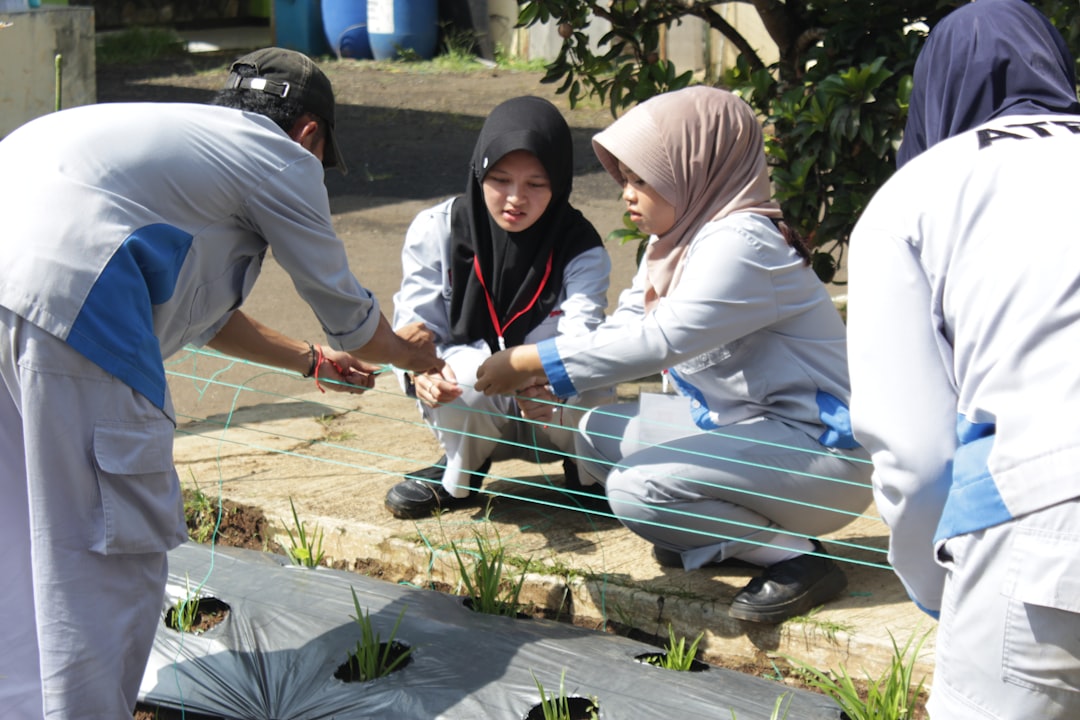
In Rochester, New York, the transformation of vacant lots has become a community-wide effort. It is all part of a project by Cornell Cooperative Extension of Monroe County to turn empty lots into urban gardens. “It can have a huge impact,” said Mike Kincaid, director of workforce development for CCE. “Rochester does not have a ton of grocery stores within the city.
In a northeast Rochester neighborhood where too many vacant lots represent the “nothing,” the “something” begins with the pallets of concrete blocks, which volunteers are using for the foundation for a community garden. “Personally for me, especially living in the city of Rochester, it is really important just if I can to give back in any way,” she said. The project brings together volunteers from different backgrounds, creating connections across professional and social lines.
The Science Behind the Success

Research consistently shows that vacant lot transformations create measurable improvements. Previous research has shown that blight reduction methods such as demolition, rehabilitation, new construction and vacant lot improvement are associated with higher neighborhood property values, increased employment and local tax revenue, and decreased crime rates. But the psychological impact might be even more significant.
When a space appears to be not cared for, it quickly becomes a literal dumping ground,” Brickhouse says. “When neighbors see vacant lots cleaned up and maintained, it shows that someone is investing resources in places that usually get no attention. It tells us someone cares.” This simple act of caring spreads throughout the community like wildfire.
New York’s Grassroots Movement
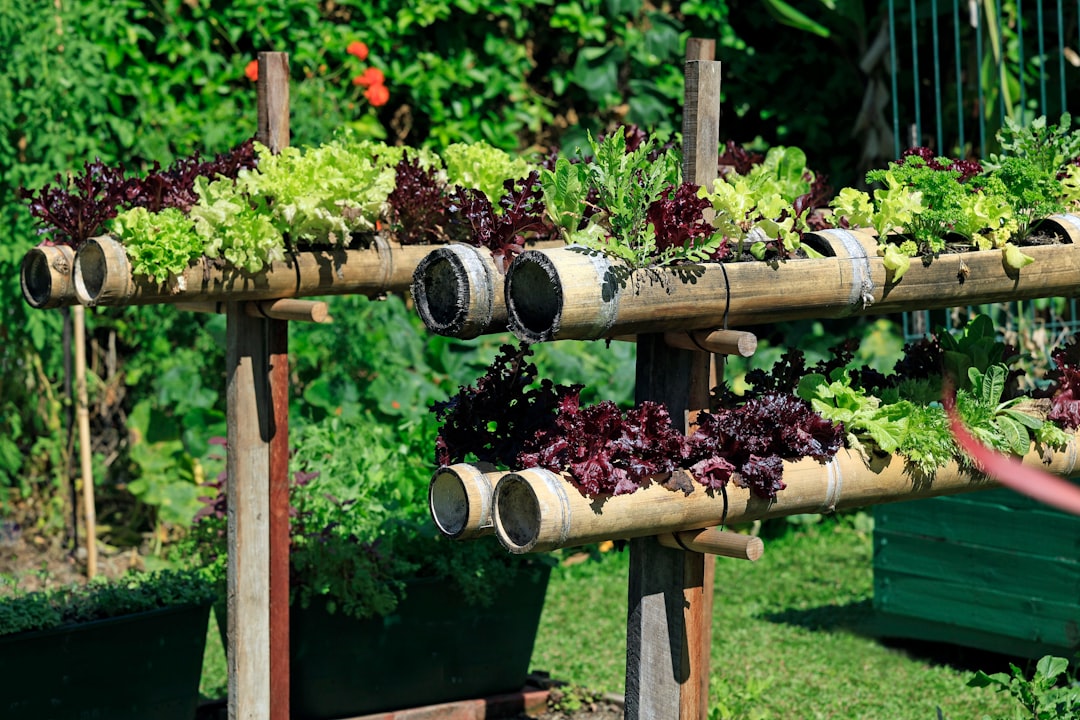
The Big Apple has a long history of neighbors taking control of their neighborhoods. New York City is home to some of the earliest examples of turning vacant lots into community gardens. In the 1970s, during a period of urban decline, residents of the Lower East Side began reclaiming abandoned lots. This grassroots movement eventually led to the creation of hundreds of community gardens across the city.
One standout example is the Green Guerillas, a group that has been instrumental in helping neighborhoods turn empty lots into green spaces that serve as community hubs, urban farms, and wildlife habitats. These pioneers proved that transformation doesn’t require massive government programs—it requires neighbors willing to get their hands dirty.
The Tools for Change
Modern communities have more resources than ever to support their transformation efforts. This is what inspired the Greenprint Detroit project team to work with community members to create a thoughtful, useful and realistic toolkit on how to attain and transform vacant land. The toolkit offers a blueprint of sorts, with plans that take climate adaptation into consideration by “decolonizing lawns,” meaning planting meadows or rain gardens that improve infiltration and aid in stormwater management.
The resulting toolkit offered pre-designed renovation options that came with cost estimates. “Someone could just rip a page out of the book and submit it to DLBA and say, here is my plan. So, the bulk of the work is done,” says DuRussel. These tools make the seemingly impossible feel achievable.
The Broader Movement
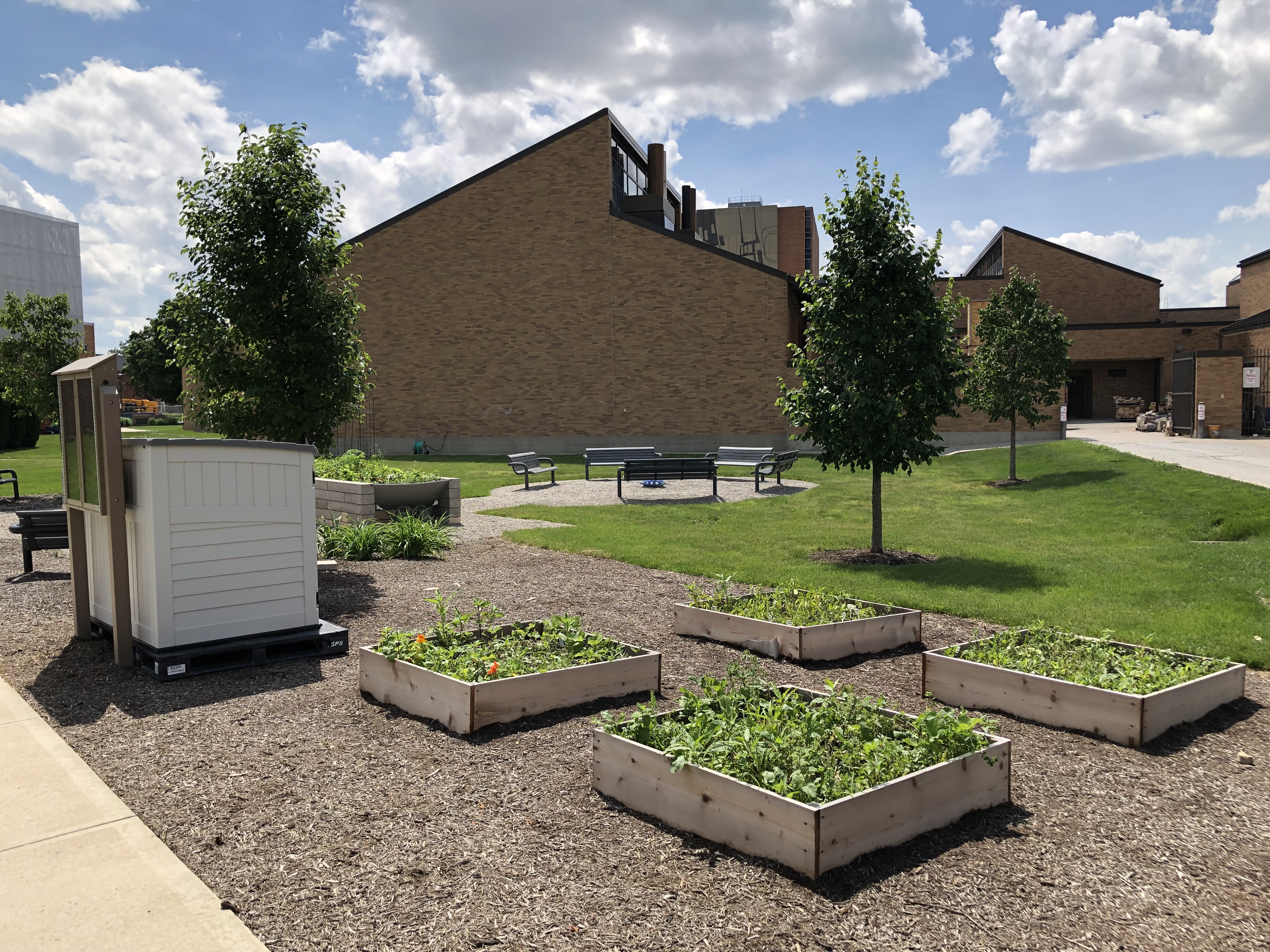
What started as isolated efforts has evolved into a nationwide movement. Vacant lots make up a majority of vacant property inventories—over 75 percent according to our 2019 National Survey on Greening. Most of those hundreds of thousands of lots are purposeless and detracting from residents’ quality of life. It is one of our greatest assets, and most finite resources, to address some of our most pressing challenges—healthy food access, stormwater management, aging infrastructure, natural ecosystems, safe neighborhoods, community wealth, and more.
Over 1,000 community leaders, state and local policymakers, and community development practitioners from across the country will connect to learn and share innovative vacancy solutions. The knowledge shared at these gatherings spreads to communities everywhere, creating a network of transformation that spans the continent.
The Human Connection
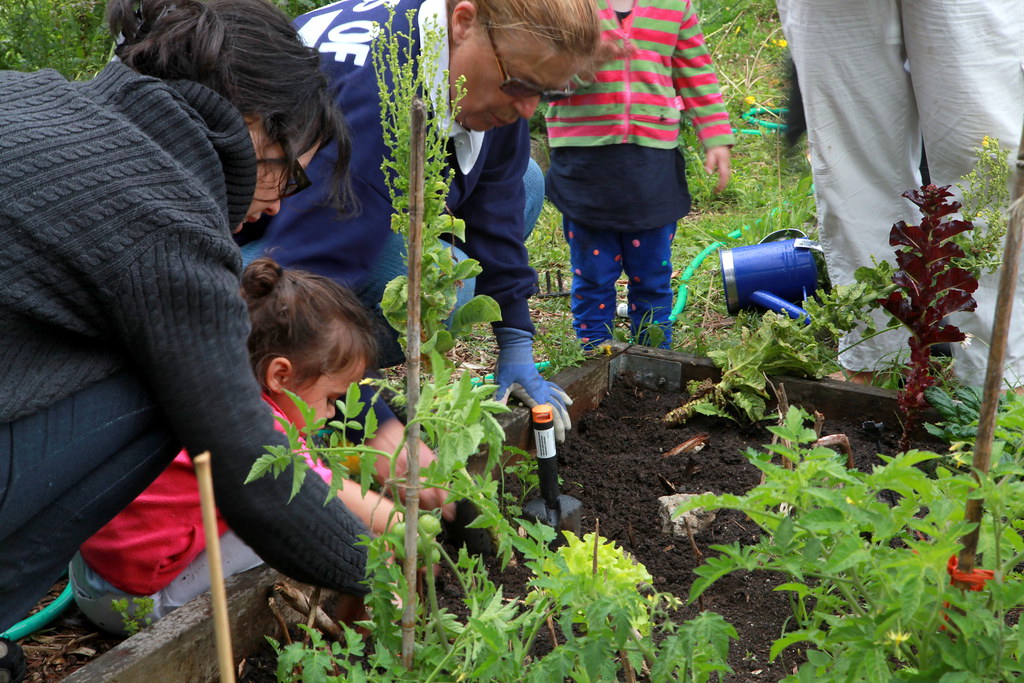
Behind every successful lot transformation is a web of human connections that extends far beyond the fence line. In summary, community gardens provide numerous benefits: they offer access to fresh produce, enhance neighborhood aesthetics, and foster community spirit. However, they do come with challenges such as maintenance responsibilities and the need for community involvement.
Help cities save money through storm water retention and purification · Help keep food and yard waste out of landfills (when they compost) Support neighborhood economic development by increasing property values · Provide educational opportunities for kids, adults, and seniors · Act as a beacon of permanence for traditionally transient communities · Promote individual health by offering physical activity, stress relief, and a connection to nature · Promote public health by giving people a space to congregate and define themselves as a community. These gardens become the beating heart of neighborhoods that had forgotten how to pulse with life.
The Future of Forgotten Spaces
As more communities discover the power of transformation, the movement continues to evolve and adapt. In June, a bill was passed by the Pennsylvania State Senate to offer more vacant lots for gardening and provide an easier pathway for people to own the land under existing gardens. Jenny Greenberg, executive director of Neighborhood Gardens Trust, which supported the bill, welcomed the passing, especially since she said some people are “squatting” and starting gardens on lots without legal permission. The bill still needs to pass the state house, but, if successful, it will allow for adverse possession, granting ownership of a space if gardeners can prove they continuously used the land for at least 10 years.
Community-driven initiatives can breathe new life into these lots, fostering collaboration among residents and cultivating a sense of pride and ownership. The future belongs to communities that refuse to accept decay as permanent, that see possibility where others see problems, and that understand that the most powerful tool for change isn’t money or government programs—it’s neighbors working together.
When you drive through a neighborhood transformed by these efforts, you’ll notice something that statistics can’t capture: the sound of children playing, the sight of neighbors chatting over garden fences, the smell of fresh herbs growing where trash once accumulated. The abandoned lot didn’t just get cleaned up—it became the catalyst for everything that followed. What started as one person’s frustration with an eyesore became a community’s discovery of its own power to create change. Isn’t that exactly what we need more of in our cities today?

Henrieke Otte is an accomplished writer and content editor, specializing in topics that inspire thoughtful living—ranging from global travel and sustainable lifestyles to interior design and architecture. With a keen editorial sense and a background in cultural studies, Henrieke brings depth, elegance, and clarity to every piece she crafts.
Her work is known for its engaging voice, visual sensitivity, and ability to turn complex ideas into accessible, reader-friendly narratives. Whether exploring eco-conscious destinations, dissecting climate-conscious home trends, or curating serene living spaces, Henrieke writes with a balance of creativity and insight that resonates with design-savvy, environmentally aware audiences.
Driven by a love of meaningful storytelling and a refined aesthetic, Henrieke contributes regularly to digital platforms and magazines where quality content meets visual sophistication.