

Lena is a thoughtful and imaginative writer with a passion for storytelling across the themes of travel, environmental sustainability, and contemporary home aesthetics. With a background in cultural media and a strong visual sensibility, Anna Lena creates content that bridges inspiration with practical insight.
Her work explores the interplay between place, lifestyle, and design—guiding readers through meaningful travel experiences, eco-conscious choices, and modern approaches to living well. Known for her elegant writing style and attention to detail, she brings a fresh, human-centered perspective to every topic she covers.
Anna Lena contributes to digital publications and editorial projects where aesthetics meet purpose. Her writing not only informs but also encourages readers to live more intentionally, sustainably, and beautifully—wherever they are in the world.
The Underground Internet That Your Garden Never Told You About
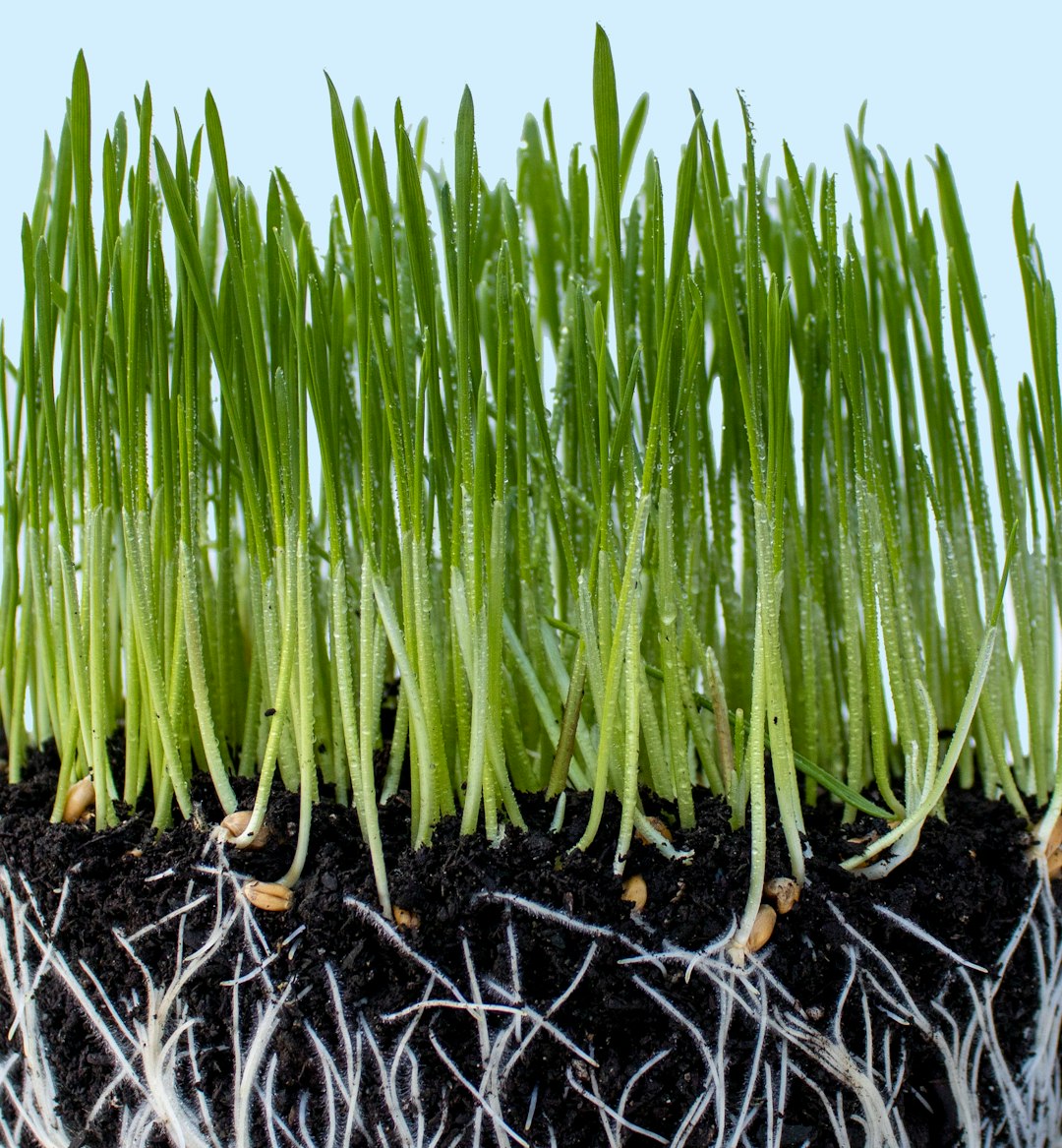
Every time you walk through your garden, you’re stepping over one of nature’s most sophisticated communication networks. Scientists refer to this phenomenon as the Wood Wide Web — a “forest internet” of sorts. While you’re busy checking for pests above ground, your plants are quietly chatting away below your feet through an intricate system that would make even the most advanced tech company jealous.
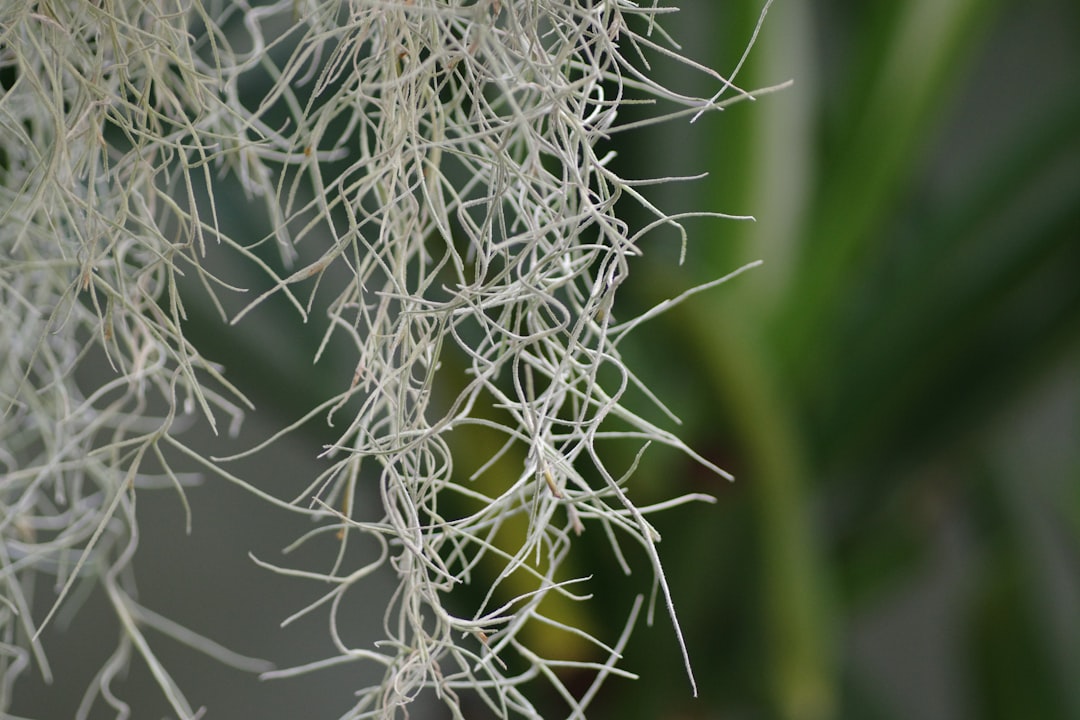
This hidden world operates through tiny fungal threads called hyphae that connect plant roots across vast distances. Studies in Canadian forests have shown that a single mycorrhizal network may span hundreds of trees and shrubs, and the mycelium of the largest fungi (e.g. Armillaria ostoyae) can cover over 9 square kilometres and be more than 2,000 years old. Think of it like a biological version of fiber optic cables, except these have been running for millennia without any human intervention.
When Plants Scream for Help Through Chemical Signals

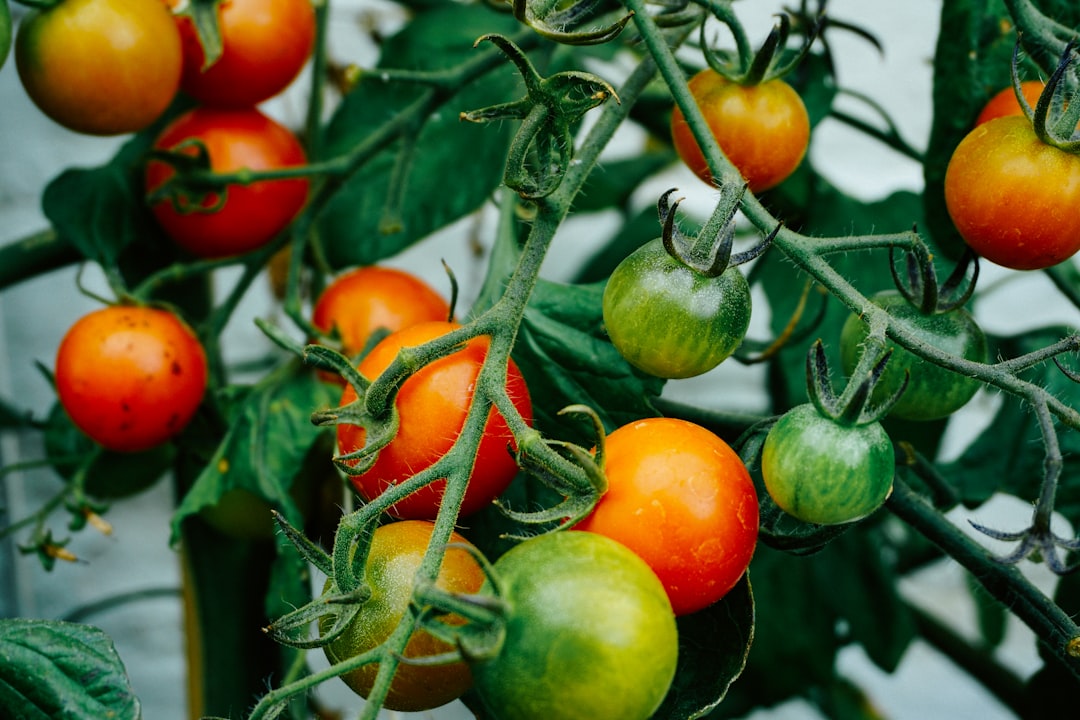
Upon herbivory by Spodoptera littoralis, tomato plants emit VOCs that are released into the atmosphere and induce responses in neighboring tomato plants. This isn’t just random chemical noise – it’s a sophisticated warning system. When the herbivory-induced VOCs bind to receptors on other nearby tomato plants, responses occur within seconds. The neighboring plants experience a rapid depolarization in cell potential and increase in cytosolic calcium.
The most surprising part? Yu et al. found that SOAs, which can persist longer than the original volatiles, also serve as signals for neighboring plants. Volatiles produced by pine seedlings in response to underground feeding by weevils and their resulting SOAs induced responses in neighboring seedlings, including heightened defenses, less herbivore damage, and higher photosynthesis. Your plants are essentially creating a chemical time capsule that continues broadcasting warnings long after the original threat has passed.
The Electrical Symphony Playing in Your Backyard
Plants in nature are constantly exposed to organisms that touch them and wound them. A highly conserved response to these stimuli is a rapid collapse of membrane potential (i.e. a decrease of electrical field strength across membranes). Your garden is literally buzzing with electrical activity every time a bug takes a bite or wind rustles the leaves.
Electrical signals in plants can be divided into several sub-types: local electrical potential (LEP), action potential (AP), systemic potential (SP), and slow wave potential (SWP; also known as variation potential). The most extensively studied herbivore-induced depolarizations are slow wave potentials (SWPs, also called variation potentials), which are composite signals of action potentials and other depolarizations that can travel over long distances and last for several minutes.
How Your Tomatoes Are Basically Living Lie Detectors
Research shows that through these networks, trees can recognize their “relatives” and adjust their communication accordingly. This family recognition system is so sophisticated that plants can tell the difference between their own offspring and strangers. In temperate and boreal forests, older trees have been observed to more frequently transfer resources (e.g. sugars, nitrogen) to their offspring.
But here’s where it gets really weird – Their experiments also showed that the dodder weed seedlings could distinguish between wheat (Triticum aestivum) VOCs and tomato plant volatiles. As when one chamber was filled with each of the two different VOCs, dodder weeds grew towards tomato plants as one of the wheat VOC’s is repellent. Plants aren’t just communicating; they’re actively choosing their conversation partners based on chemical profiles.
The Fungal Middlemen Running Nature’s Social Network
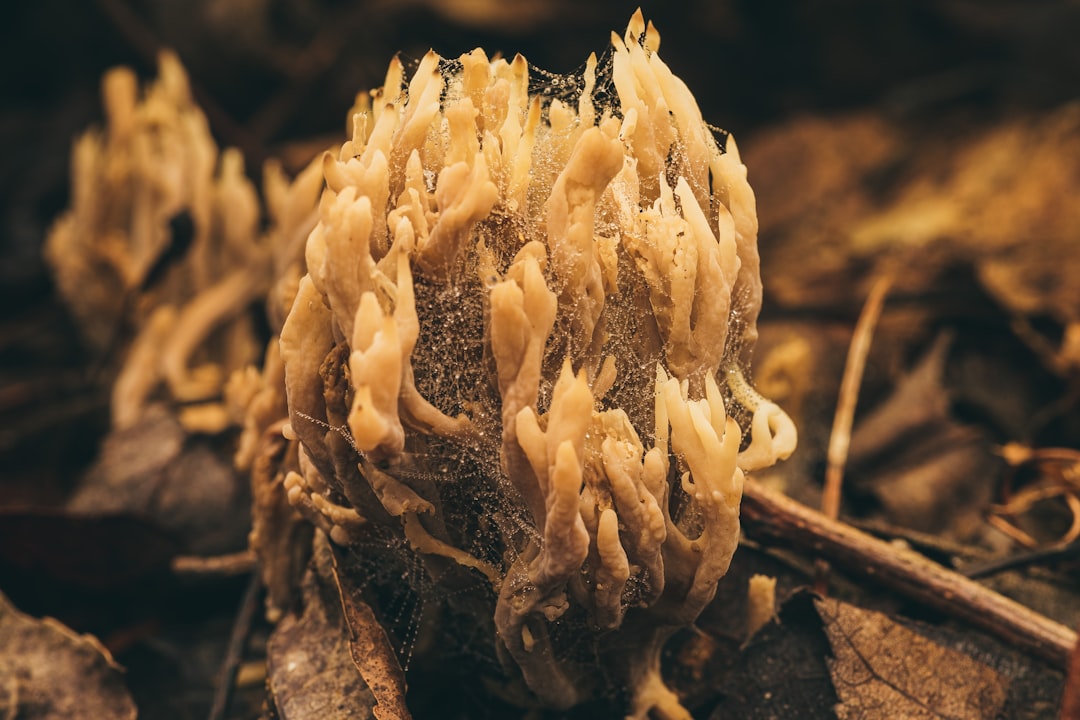
Mycorrhizal symbioses between plants and fungi are vital for the soil structure, nutrient cycling, plant diversity, and ecosystem sustainability. More than 250 000 plant species are associated with mycorrhizal fungi. These fungi aren’t just passive conduits – they’re active participants in plant conversations, often taking a cut of the resources being shared.
This is not pure altruism — the fungus acts as a “mediator” and often regulates the flow, maintaining balance within the ecosystem. In natural soils, numerous intermingled mycorrhizal networks of varying sizes develop as each host plant is colonized by multiple fungal symbionts, up to several dozen per adult tree. It’s like having dozens of different internet service providers all competing to carry your data.
Plants That Share Their Lunch Money

Communication through mycorrhiza is not just about signals — it also includes resource sharing. Trees growing in favourable conditions (e.g. fertile soil, good sunlight) can pass on excess sugars to weaker neighbours, especially if they are their offspring. This generosity extends beyond just family members too.
During drought, the mycorrhizal network may transport water from wetter to drier areas. Among species with different nutrient absorption capacities, the network acts like a system for exchanging microelements. The plant provides to the fungus up to 30% of the carbon it fixes by photosynthesis, while the fungus provides the plant with nutrients that are limiting in terrestrial environments, such as nitrogen and phosphorus.
The Speed of Plant Gossip Will Shock You
Rapid systemic signals travel within the first seconds and minutes after herbivore infestation to mount defense responses in distal tissues. That’s faster than most humans can react to danger. These electrical signals not only differ in their shape and magnitude but also in their propagation speed ranging from 1 to 60 mm s−1 for APs to several minutes per centimeter in VPs.
In particular, plant electrical signaling is the most conserved long-distance signaling system, which travels to plant distal tissues through vascular tissues to systemically induce responses in a whole plant. It is capable of transmitting signals more quickly over long distances, compared with hormone signals. Your plants are essentially operating their own high-speed data network while you’re still struggling with your WiFi.
When Plants Play Telephone, They Don’t Get the Message Wrong
Through this interconnected network, plants transmit signals, which can be chemical compounds like hormones or volatile organic compounds (VOCs), in response to stimuli or environmental changes. These signals travel through the CMNs via the mycorrhizal hyphal threads, spanning the soil and allowing for communication between the plants.
In an experiment published in Ecology Letters (2013), pines receiving signals through a mycorrhizal network “anticipated” pest attacks and activated their defence mechanisms faster than trees disconnected from the fungal web. This predictive ability suggests plants aren’t just reacting to threats – they’re actively preparing for them based on neighborhood intel.
The Truth About Plant Families and Their Favoritism
When we hear that trees “recognise their kin” or “support their offspring”, it’s easy to fall into anthropomorphism. But science is increasingly showing that within mycorrhizal networks, processes occur that resemble social behaviour — although driven not by emotion, but by evolution and chemical communication.
However, the scientific community remains divided on some claims. This paper refers to common mycorrhizal networks (CMNs) that connect the roots of multiple plants of the same or different species below ground and expresses concern that bias towards their positive effects in the scientific literature has stoked the popular idea of trees engaging in sophisticated interactions over the plant/fungal networks. The authors wrote that “The claim that mature trees preferentially send resources and defence signals to offspring through CMNs has no peer‐reviewed, published evidence.”
Your Garden’s Secret Defense Network
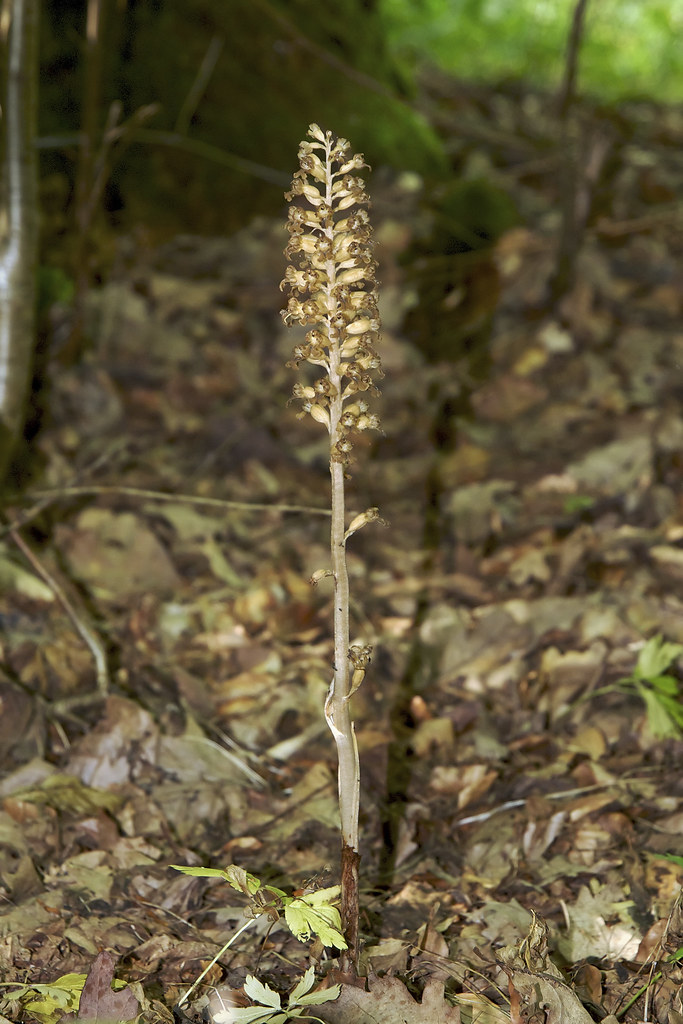
CMNs play a crucial role in plant–plant interactions by generating warning signals and activating defense information. Plants integrated into CMNs can experience enhanced nutrient acquisition and absorption, improving their overall growth and survival. Mycorrhizal colonization plays a vital role in increasing a plant’s resistance to various environmental stresses and toxic substances.
However, there is increasing evidence that VOCs work as blends in plant-plant communication. Thus, we look at the current status of VOCs in studies on within-plant and plant-plant communications to address the question, “Plant communication: mediated by individual or blended VOCs?” It’s like plants are creating complex chemical cocktails rather than sending simple messages.
The Controversial Science Behind Plant Intelligence
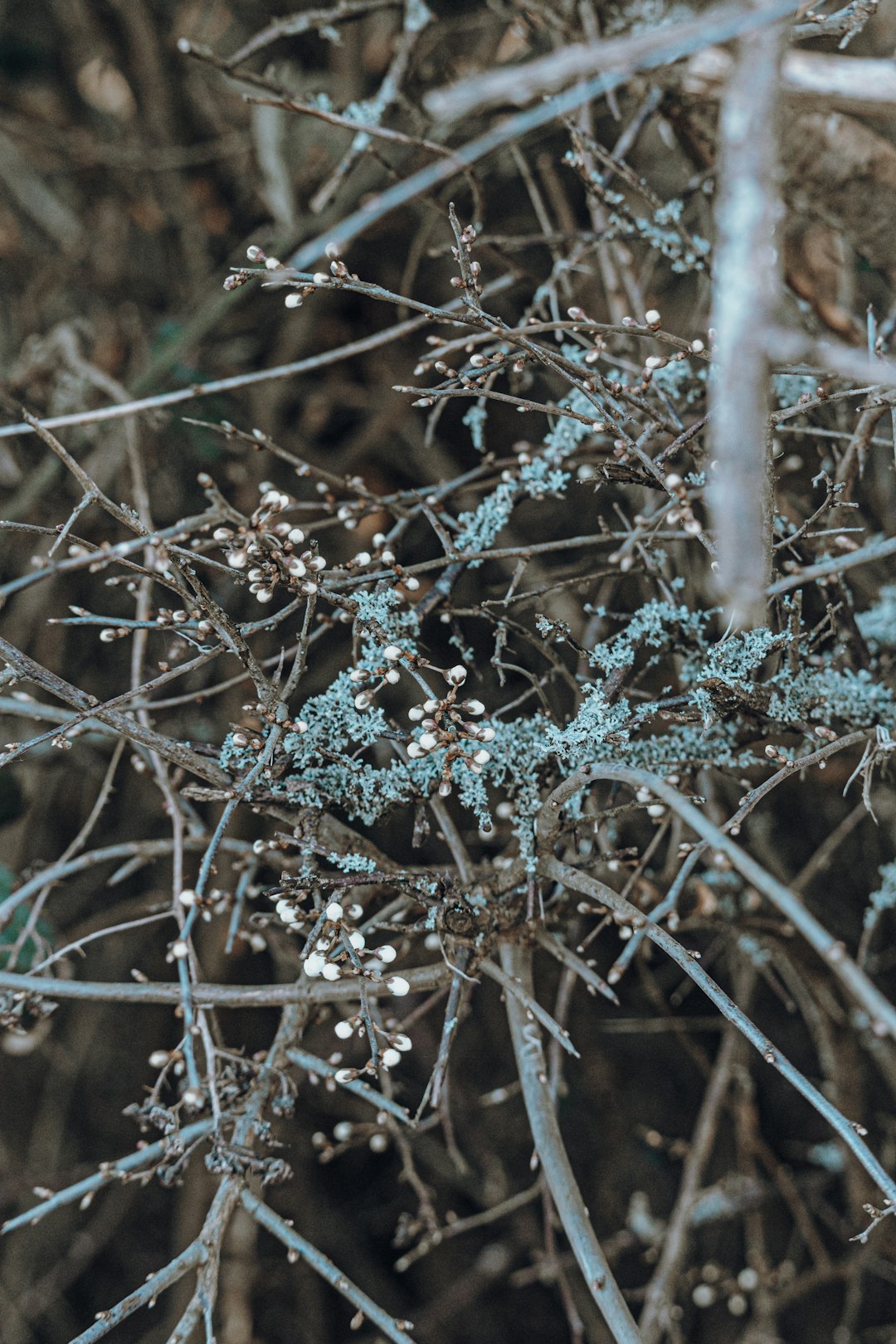
Among the critics is Dan Bebber, Co‐Director of Global Engagement for Biosciences at the University of Exeter, who referred to a recent paper showing that there is no evidence for this idea, only a positive citation bias. The scientific debate surrounding plant communication isn’t just academic – it has real implications for how we understand and manage ecosystems.
Regardless, whether there is any citation bias in the literature, this does not override the fact that studies show all tree species are mycorrhizal dependent and CMN-dependent facilitation and transfer have been demonstrated. Even skeptics acknowledge that the basic mechanisms of plant communication exist, even if some of the more sensational claims remain unproven.
What This Means for Your Garden

CMNs facilitate interplant communication, enabling plants to exchange signals and respond to changes in the environment, leading to improved ecosystem resilience and biodiversity. Understanding these networks could revolutionize how we approach gardening, agriculture, and forest management.
“There is currently a great need for developing plants that are more stress resistant, for us to be able to grow food and have healthy forests also in the future. That’s why it’s important that we understand how plants respond to stress, and I think that this new technology may contribute in this area of research.” The implications extend far beyond academic curiosity – they could help us create more resilient food systems in an era of climate change.
The Future of Plant Communication Research
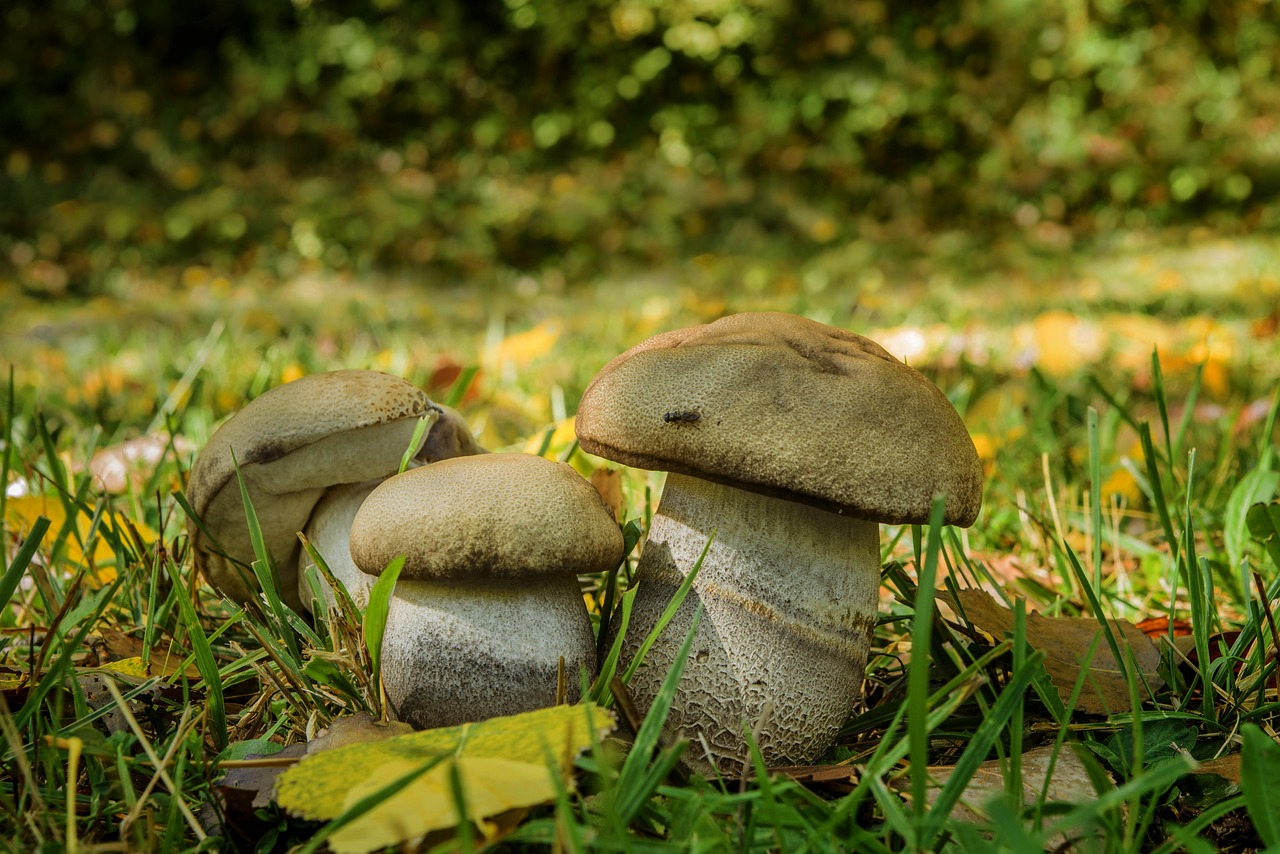
Even if the grand idea of Wood Wide Web with a sophisticated communication network involving plants and fungi remains elusive, further research and related projects such as SPUN can yield more knowledge about the enormous and diverse ecosystems below ground and the relationship between mycorrhizal networks and plants. This knowledge will be valuable for understanding how climate change affects forests worldwide and how we could use and strengthen their carbon storage capabilities to mitigate the effects of increasing CO2 levels in the atmosphere.
Recent studies show that electrochemical impulses — very similar to nerve signals in animals — can also travel through mycorrhizal hyphae. This is still an area of exploration, but one thing is certain: the mycelium is not just a conduit — it is an active element that communicates with the plant. We’re only beginning to scratch the surface of how complex these underground networks really are.
The next time you’re in your garden, remember that beneath your feet lies a communication network more sophisticated than anything humans have built. Your plants are talking, sharing resources, warning each other of danger, and making decisions about their neighbors. Maybe they’re not having philosophical debates, but they’re definitely having conversations you never knew existed. What would you say if you could join their underground chat room?

Lena is a thoughtful and imaginative writer with a passion for storytelling across the themes of travel, environmental sustainability, and contemporary home aesthetics. With a background in cultural media and a strong visual sensibility, Anna Lena creates content that bridges inspiration with practical insight.
Her work explores the interplay between place, lifestyle, and design—guiding readers through meaningful travel experiences, eco-conscious choices, and modern approaches to living well. Known for her elegant writing style and attention to detail, she brings a fresh, human-centered perspective to every topic she covers.
Anna Lena contributes to digital publications and editorial projects where aesthetics meet purpose. Her writing not only informs but also encourages readers to live more intentionally, sustainably, and beautifully—wherever they are in the world.