


Matthias is a skilled author and digital storyteller with a focus on travel journalism, environmental issues, and modern home design. With a background in communications and a passion for global cultures, Matthias crafts engaging narratives that blend real-world exploration with thoughtful analysis and visual flair.
His writing reflects a deep interest in how climate change shapes our lives and lifestyles—from sustainable travel practices to eco-friendly living environments. Known for his clear, approachable voice and sharp editorial instincts, Matthias delivers content that resonates with readers seeking both inspiration and substance.
Whether reporting from remote destinations, breaking down sustainable design trends, or spotlighting innovative green initiatives, Matthias brings a global perspective and an eye for detail to every piece. He regularly contributes to web platforms and editorial projects that aim to foster awareness, creativity, and conscious living.
The Legal Framework Behind HOA Authority

When you buy a home in an HOA-governed community, you’re not just purchasing property—you’re entering into a legally binding contract. An HOA’s power comes from a legal document called the covenants, conditions, and restrictions (CC&Rs). A CC&R functions as a contractual obligation between you and your homeowners association. When you purchase property in an HOA community, you agree to follow these rules.
The CC&Rs are filed with local government offices and remain in effect even when properties change hands. The CC&Rs are filed with your county recorder’s office and remain in effect even if a particular property’s ownership changes. This means your HOA has genuine legal authority to enforce its rules, backed by contract law and state regulations.
What Your HOA Can Actually Control

Property appearance: Regulations on paint colors, architectural styles, landscaping requirements, and decorative elements · Structural modifications: Rules governing additions, renovations, fencing, and exterior alterations · Vehicle restrictions: Limitations on the number, type, and parking locations of vehicles · Pet policies: Rules about the number, size, breed, and containment of animals · Usage restrictions: Regulations on home businesses, short-term rentals, and non-residential activities · Nuisance prevention: Rules regarding noise, odors, visible storage, and other potential disruptions
The scope of HOA control varies significantly between communities. The extent of an HOA’s influence varies between communities. Some associations maintain a light touch, focusing primarily on maintaining common areas and enforcing basic standards. Others control nearly all aspects of your property’s appearance and usage.
When HOA Rules Can’t Be Enforced
Despite their broad authority, HOAs face significant limitations. Any HOA rule that violates either state or federal laws, including Fair Housing laws, would be unenforceable. For example, an HOA rule that restricts homeowners based on their race, religion or national origin would be considered discriminatory and illegal.
Rules must also be reasonable and enforceable. To be enforceable, rules can’t be “arbitrary” or “unrealistic.” Rules must be reasonable. This means they cannot be unrealistic: If a rule prohibits street traffic after 7 p.m., for example, that would be unenforceable.
The Enforcement Process and Your Rights

HOAs must follow specific procedures when enforcing rules. The rule must have been properly adopted according to the procedures set forth in the HOA’s governing documents, including notice and opportunity for homeowner input. Any penalties or enforcement mechanisms must be in adherence with the HOA’s bylaws, too. In order to enforce an HOA rule, the association must have the authority to do so, as outlined in its governing documents.
Fair and consistent enforcement is crucial. Finally, HOA rules need to be enforced across the board – with every homeowner being held to the same standards consistently and fairly. They have to be enforced equally against everybody.
Recent Legislative Changes Expanding Homeowner Rights

State legislatures have been increasingly active in protecting homeowner rights. Florida passed the Florida Homeowners Association Act in October 2023. Often referred to as the “Homeowners Association Bill of Rights,” the statute improves transparency between board members and residents while raising the standard for operation.
Florida House Bill 1203 introduces substantial reforms aimed at increasing transparency and accountability within HOAs. This bill mandates the online posting of governing documents, including covenants, restrictions, and financial records, ensuring that you, as a homeowner, have easy access to critical information.
Financial Obligations and Your Rights

HOA fees are mandatory and can be substantial. The average fee for a single-family home is $300 per month ($3,600 annually). The average monthly HOA fee nationwide is $259. Fees tend to be higher for condos than single-family homes and can vary dramatically across the country.
HOAs have significant collection powers. HOAs have many legal powers, including the ability to impose fines, place liens on properties, and, in some cases, initiate foreclosure proceedings. However, recent state laws have limited these powers in some areas.
Challenging Unreasonable Rules

If you believe your HOA has overstepped its authority, you have options. If you think your HOA may have some unreasonable, inconsistent or otherwise unenforceable rules, you have options. First, go to an HOA board meeting and voice your concerns. According to Zifrony, coming to the table with a replacement rule or another remedy will likely get the best response.
Documentation is key when challenging HOA actions. Determining if an HOA rule is unenforceable requires a careful review of applicable laws, governing documents (such as the HOA’s bylaws and covenants, conditions, and restrictions), and any relevant legal opinions or court rulings. Consulting with an attorney experienced in HOA matters can provide valuable guidance in assessing the enforceability of specific rules.
Special Protections for Specific Activities

Many states have enacted specific protections for certain homeowner activities. Several states, including California, Colorado, Florida, Hawaii, Maryland, New Jersey, New York, Oregon, and Virginia, have enacted laws to protect a homeowner’s right to install an electric vehicle charging station on their property. Installation may, however, be subject to reasonable restriction by the HOA.
Clotheslines are a regular target of HOAs. Some consider them eyesores and try to prevent residents from hanging their laundry outside to dry. Depending on where you live, however, HOA rules regarding clotheslines may be unenforceable. A few states, including Florida, Maryland, and Colorado, have “right to dry” laws that prevent HOAs from enacting rules against drying clothing outside.
The Growing Popularity and Membership Statistics

HOA membership continues to expand rapidly across the United States. 40 million U.S. households (53% of homeowners) live in HOA communities. There were 365,000 communities with HOAs in 2023, according to FCAR. These communities served 75.5 million residents—30% of the U.S. population—living in 28.2 million housing units.
The growth trend shows no signs of slowing. Over the past 10 years, the percentage of newly built homes that are part of a homeowner’s association has increased from 49% in 2011 to 66% in 2022. 82.4% of new homes sold in 2023 were part of HOA communities.
Understanding State-Specific Variations
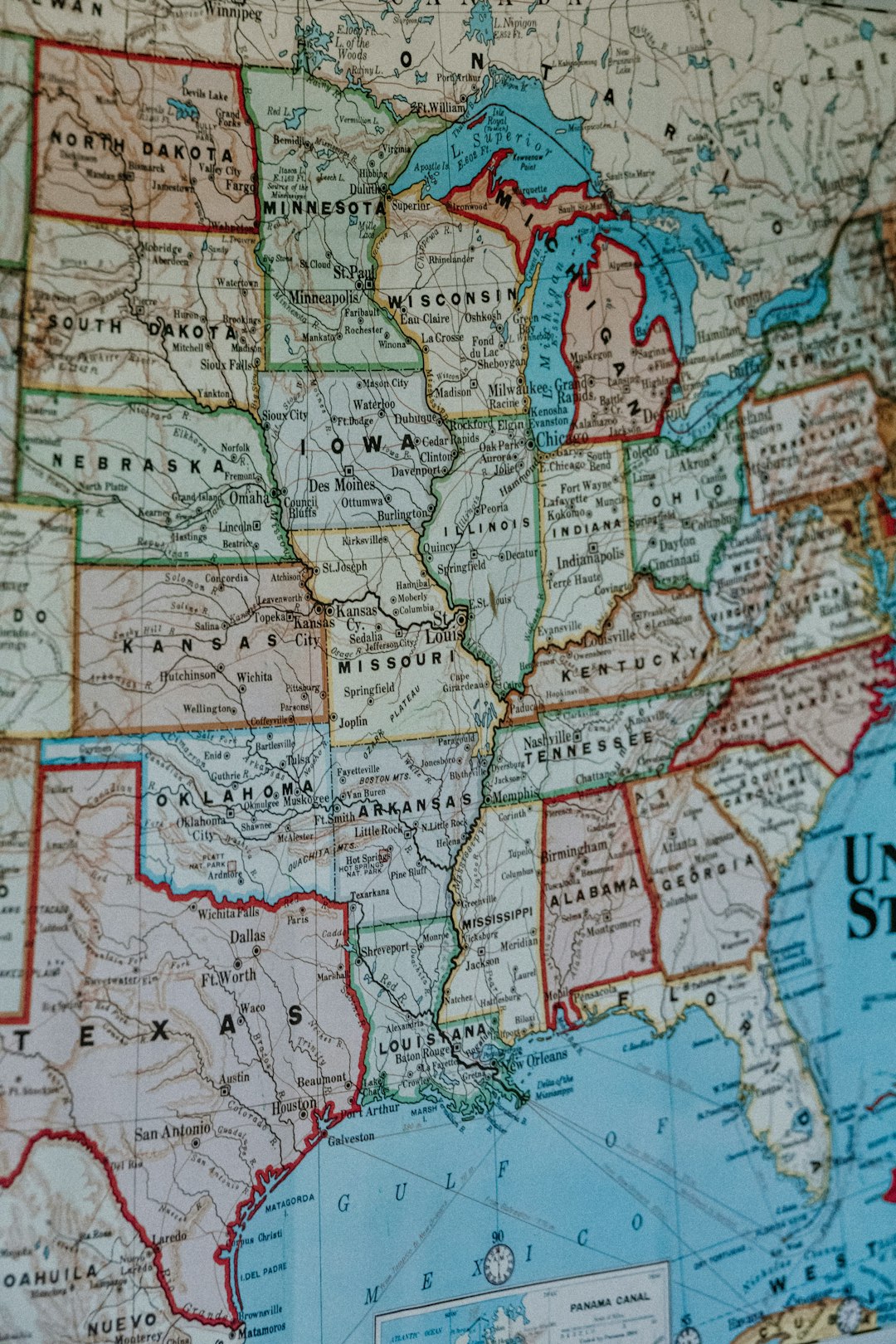
HOA laws vary significantly by state, creating a complex legal landscape. Homeowners association laws vary by state. HOA changes are made at a state level on an annual basis. Texas is the only state to make its HOA changes every other year.
Some states have taken particularly aggressive action to protect homeowners. An HOA (or the assignee of the HOA’s lien, again, like a third-party debt collector) may foreclose only if the total amount secured by the lien is equal to six months or more of common expense assessments based on a periodic budget adopted by the association. No foreclosure for a lien that consists solely of fines or related costs. Again, HOAs can foreclose if the total amount secured due is equal to six months or more of common expense assessments.
The Rising Costs and Fee Increases

One of the most significant issues facing HOA residents is the steady increase in fees. Due to rising material costs, supplies, and other expenses, 71% of community managers and HOA board members plan to increase their fees in 2024. Only 9% reported that they have no plans to increase fees.
These increases reflect real economic pressures. About 91% of community associations noticed an unexpected increase in their expenses; mainly due to rising material costs, supplies, and other expenses. Consequently, around 71% of board members are planning to increase their fees by up to 10%, while 19% are planning to increase their fees by 11-25%.
The Balance Between Rights and Restrictions

While HOAs do have legitimate authority, the balance of power is shifting toward homeowners. HOAs do not have absolute authority in a community if the regulations they enact are against state or federal law. Learn which HOA rules may be unenforceable and worth disputing.
Your rights as a homeowner are protected by both state and federal law, and HOAs must operate within these boundaries. HOA rules are enforceable when they’re established in accordance with the governing documents of the association and applicable laws. Understanding these limits can help you navigate HOA life more effectively while protecting your property rights.
Conclusion

Living in an HOA community means accepting certain restrictions in exchange for shared amenities and maintained property values. However, your rights as a homeowner are protected by law, and HOAs cannot act arbitrarily or unreasonably. With 53% of homeowners now living in HOA communities and new regulations emerging regularly, understanding your rights and limits has never been more important.
The key is knowing when to push back and when to comply. Your HOA has real authority, but it’s not unlimited. Stay informed about new laws in your state, attend meetings, and don’t hesitate to challenge rules that seem unreasonable or discriminatory. What surprises you most about HOA power—their broad authority or their significant limitations?

Matthias is a skilled author and digital storyteller with a focus on travel journalism, environmental issues, and modern home design. With a background in communications and a passion for global cultures, Matthias crafts engaging narratives that blend real-world exploration with thoughtful analysis and visual flair.
His writing reflects a deep interest in how climate change shapes our lives and lifestyles—from sustainable travel practices to eco-friendly living environments. Known for his clear, approachable voice and sharp editorial instincts, Matthias delivers content that resonates with readers seeking both inspiration and substance.
Whether reporting from remote destinations, breaking down sustainable design trends, or spotlighting innovative green initiatives, Matthias brings a global perspective and an eye for detail to every piece. He regularly contributes to web platforms and editorial projects that aim to foster awareness, creativity, and conscious living.