


Lena is a thoughtful and imaginative writer with a passion for storytelling across the themes of travel, environmental sustainability, and contemporary home aesthetics. With a background in cultural media and a strong visual sensibility, Anna Lena creates content that bridges inspiration with practical insight.
Her work explores the interplay between place, lifestyle, and design—guiding readers through meaningful travel experiences, eco-conscious choices, and modern approaches to living well. Known for her elegant writing style and attention to detail, she brings a fresh, human-centered perspective to every topic she covers.
Anna Lena contributes to digital publications and editorial projects where aesthetics meet purpose. Her writing not only informs but also encourages readers to live more intentionally, sustainably, and beautifully—wherever they are in the world.
Property Values Have Skyrocketed Across Arizona
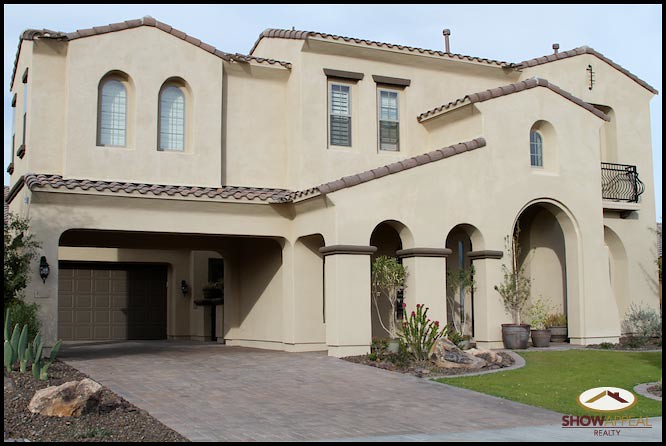
Arizona’s housing market has experienced explosive growth, with property prices in Maricopa County climbing 64.3% since 2019, and property taxes increasing by 15.4% above pre-pandemic levels. The median home price in Arizona reached $442,900 as of August 2024, reflecting a 1.3% increase year-over-year.
According to recent data, the overall median home price in Arizona has grown almost 7% in the past year, with the median sale price at $444,100 as of April 2024. Some areas like Show Low are experiencing significant growth with home prices soaring by 17.9%, followed by Yuma at 16.7% and Fountain Hills at 15.4%.
Homeowners Are Getting Shocked by Their Tax Bills

The dramatic increase in property values has led to equally shocking tax bills for Arizona homeowners. Already, tax bills have climbed an average of 27% from 2019 to 2024 nationally, with Arizona homeowners feeling the squeeze particularly hard. Based on projections for another year of 10-15% home value growth, Phoenix homeowners should brace for property tax hikes of around $500-750 on a typical home in 2024, with areas seeing the hottest price appreciation getting hit with $1,000+ increases.
The shock factor can’t be understated. One Paradise Valley homeowner saw his tax bill spike by $20,000 after his home’s value jumped nearly 50%. Another homeowner found he’ll now have to pay $600 more in property taxes in 2024, an increase of about 28%. As one homeowner put it, “What, did they think people weren’t going to notice?”
Arizona’s Property Tax System Creates Disparities
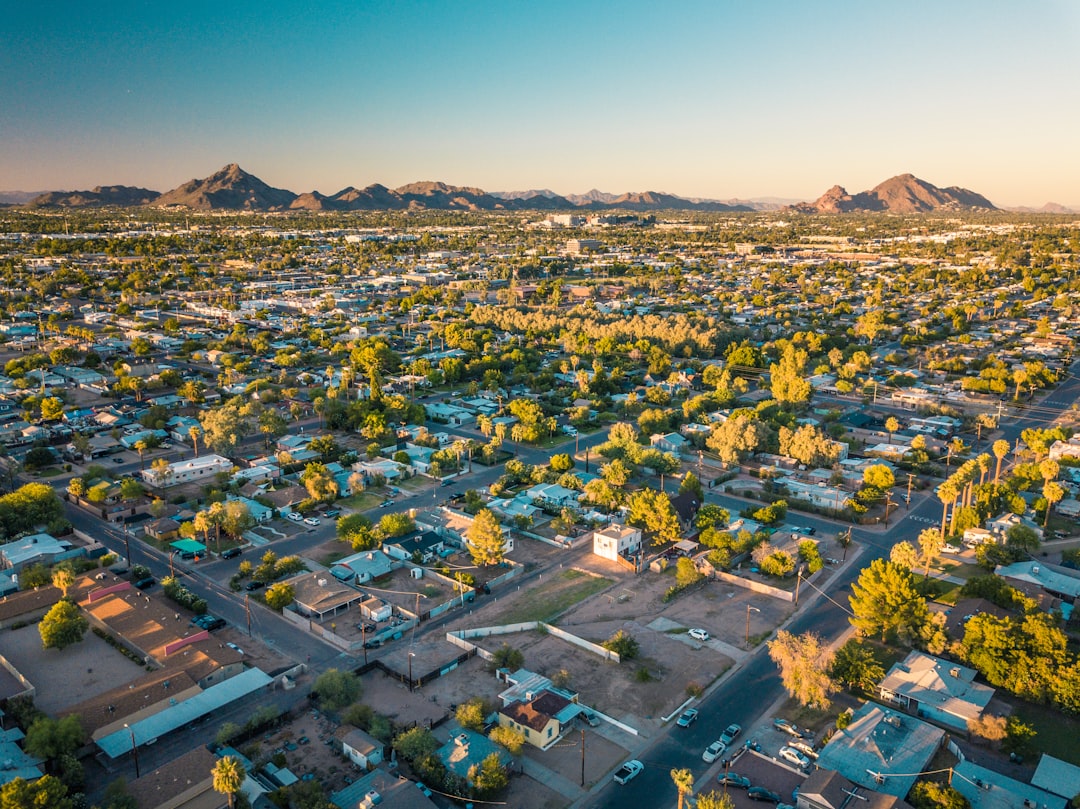
Arizona property tax rates are different from one county to another, meaning someone living in Phoenix might pay a different amount compared to a resident in Tucson. With an average effective rate hovering around 0.51%, Arizona’s property taxes are considerably below the national average, but the amount you actually pay depends heavily on where your property is and its assessed value.
The disparities are significant across counties. Apache County has the highest rate at 1.65%, with an average bill of about $1,108 due to lower home values, while Greenlee County has the lowest rate in the state at 0.39%, with home values typically at $117,300 resulting in an average tax of $457. Maricopa County has an average rate of 0.64%, with home values averaging $278,700, leading to a tax bill of $1,783.
The Assessment Process Catches Many Off Guard

The County Assessor must mail the Notice of Value card to the property owner on record on any day before March 1st, including the property’s Full Cash Value (FCV), Limited Property Value (LPV), and Property Class. The assessor’s opinion of the market value of the property is indicated on the postcard as “Full Cash Value,” and the assessor’s determination of the property use is reflected in the legal classification.
Many homeowners don’t realize how the assessment process works until it’s too late. January 1 is the property valuation date for the following tax year, which means your home’s value on that date determines your tax bill for the entire year. If the market value of the property increases every year – especially when you renovate or due to an increase in property prices, you can expect a higher property tax rate that year.
Appeals Are Possible But Time-Sensitive

Homeowners do have options to challenge their assessments, but the window is narrow. The property owner must file the appeal within 60 days after the card was mailed by the County Assessor. If the property owner believes the “Full Cash Value” is greater than the market value of the property and/or that the property classification is incorrect, they can file a Petition for Review with the County Assessor within 60 days of when the Notice of Valuation was mailed.
However, between 30 percent and 60 percent of taxable property has an inflated assessment, which may lead to higher property tax bills, but typically fewer than 5 percent of taxpayers dispute their assessment. You can appeal your property assessment, and success means your tax bill could be lowered by hundreds to thousands of dollars.
The Process Requires Solid Evidence

Your opinion of the fairness and accuracy of your property assessment is not enough. You will need to gather facts to support your claim. One way to do that is to see how your home compares to similar homes in your neighborhood and check to see if there are any obvious errors.
Before making an appeal, look at local real estate sales for comparable homes to get a sense of whether your assessment is in line with market conditions. If the new assessment values your home higher than what comparable properties have sold for, then you may want to move forward with an appeal. Your appeal will have less credence if the market evaluation is made by a local real estate agent. A comparative appraisal will carry considerably more weight when it is performed by a credible, third-party expert.
Phoenix Metro Area Faces the Biggest Challenges

As of 2024, the Phoenix metro area population is estimated to be over 4.7 million, reflecting a 1.27% increase from 2023, with this surge due to factors such as job opportunities. From 2010 to 2020, the population increased by 11.2% to 1.6 million people, and between 2020 and 2023, it grew another 4%, adding nearly 200,000 residents.
Based on the latest data from ARMLS for February 2025, the median sales price is $455,000, which is a modest increase of 1.11% from the previous month and a 3.41% increase from the same time last year. Phoenix’s real estate market shows no signs of slowing down, and with metro Phoenix projected to add over 70,000 new residents again, home prices are forecast to rise by 10% or more over the next 12 months.
Rental Markets Are Also Affected

It’s not just Phoenix homeowners who will endure the impact of rising property taxes; multifamily landlords will pass along much of their higher tax bills in the form of rent increases for tenants. Developers are slated to complete over 25,000 new apartment units in metro Phoenix in 2023-2025, and as these projects hit the tax rolls, landlords will look to maintain their projected profit margins by raising rents to cover the added expense.
Rents on single family homes are also surging as investors snatch up properties, with leases now averaging over $2,000 a month across Phoenix. The median rent in Arizona is $2,135, which is $35 higher than the national median.
Economic Factors Are Driving the Increases
Home appreciation is happening nationwide, up almost 5% in the last year according to S&P Corelogic’s latest home price index, and in some markets, that increase is much more. As Jacob Channel, a senior economist for LendingTree, explains, “One of the side effects of rising home prices is that you end up with higher property taxes,” with the dramatic surge starting in 2020 during the pandemic.
With home price forecasts predicting that prices will rise another 2%-3% to reach record highs in 2025, millions of homeowners are expected to continue to feel the pinch from soaring property taxes, with the national trend toward more expensive properties and greater property tax liabilities clear.
Looking Forward: What to Expect

Based on current projections, a complete market crash seems unlikely, but we might experience a continuation of the cooling trend observed in the latter part of 2024. This isn’t inherently negative; a cooling market provides more balanced conditions for buyers and sellers and is more of a correction after the rapid growth of the recent past.
Zillow predicted that the median home price for the Phoenix-Mesa area will rise by 3.1% from December 2024 to December 2025, which would mean that buyers who postpone their purchases until later this year could end up paying a higher price. While no one can predict future real estate trends with complete accuracy, it seems likely that home prices in the Phoenix-Mesa-Chandler metro area will rise gradually through the rest of 2025 and into early 2026, though we probably won’t see steep double-digit price growth like during the pandemic years.
The reality is that Arizona homeowners are caught in a perfect storm of soaring property values and rising tax bills. While appeals are possible, the process requires diligence and solid evidence. As the state continues to attract new residents and economic growth, these tax challenges aren’t going away anytime soon. The key for homeowners is understanding their rights and acting quickly when they receive those potentially shocking assessment notices.

Lena is a thoughtful and imaginative writer with a passion for storytelling across the themes of travel, environmental sustainability, and contemporary home aesthetics. With a background in cultural media and a strong visual sensibility, Anna Lena creates content that bridges inspiration with practical insight.
Her work explores the interplay between place, lifestyle, and design—guiding readers through meaningful travel experiences, eco-conscious choices, and modern approaches to living well. Known for her elegant writing style and attention to detail, she brings a fresh, human-centered perspective to every topic she covers.
Anna Lena contributes to digital publications and editorial projects where aesthetics meet purpose. Her writing not only informs but also encourages readers to live more intentionally, sustainably, and beautifully—wherever they are in the world.