


Matthias is a skilled author and digital storyteller with a focus on travel journalism, environmental issues, and modern home design. With a background in communications and a passion for global cultures, Matthias crafts engaging narratives that blend real-world exploration with thoughtful analysis and visual flair.
His writing reflects a deep interest in how climate change shapes our lives and lifestyles—from sustainable travel practices to eco-friendly living environments. Known for his clear, approachable voice and sharp editorial instincts, Matthias delivers content that resonates with readers seeking both inspiration and substance.
Whether reporting from remote destinations, breaking down sustainable design trends, or spotlighting innovative green initiatives, Matthias brings a global perspective and an eye for detail to every piece. He regularly contributes to web platforms and editorial projects that aim to foster awareness, creativity, and conscious living.
The Evolution of Wine Cellars
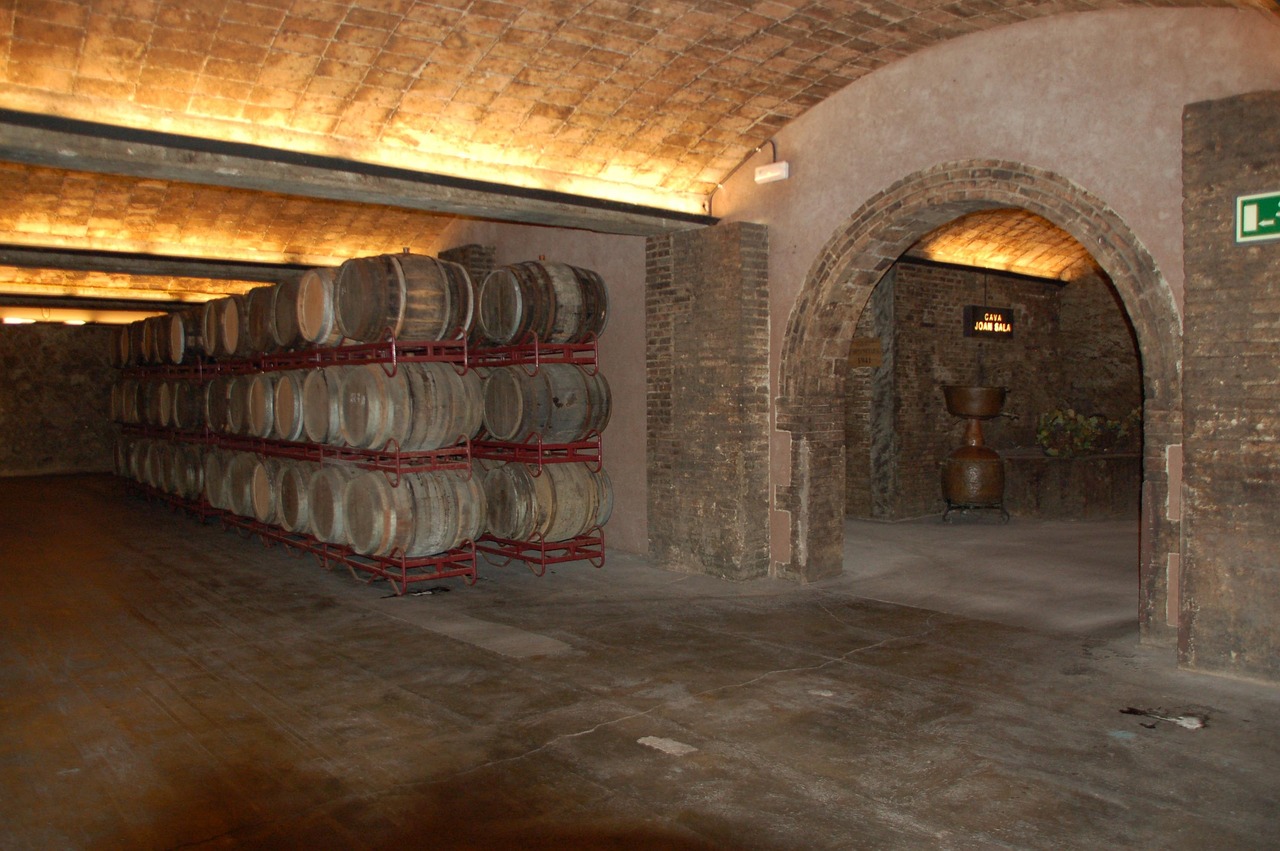
Wine cellars have long been a staple for wine enthusiasts and collectors. Traditionally, these spaces were simple storage areas, designed to maintain the perfect temperature and humidity for aging wine. However, things have changed dramatically. Nowadays, wine cellars are being transformed into luxurious caves, combining functionality with aesthetic appeal. This trend is not just about storing wine anymore; it’s about creating an experience. Imagine walking into a cave-like room, with dim lighting and a rustic ambiance, where each bottle tells a story. This is the evolution of wine cellars.
Why the Shift to Luxurious Caves?
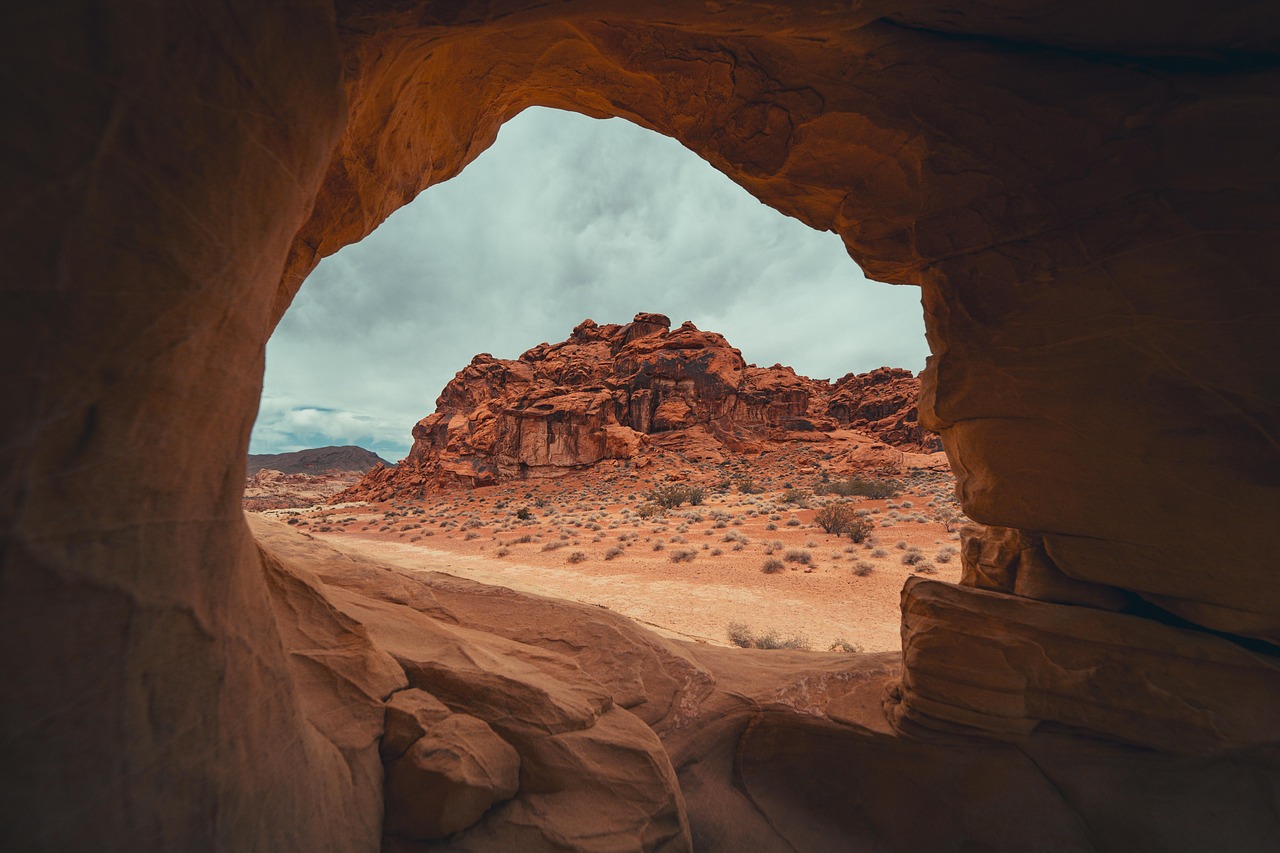
The shift from traditional wine cellars to luxurious caves is driven by a desire for exclusivity and uniqueness. As people look for more personalized spaces in their homes, wine cellars have become a canvas for creativity. The luxurious cave concept allows homeowners to showcase their wine collection in a setting that reflects their personality. This transformation also adds significant value to the property. A well-designed wine cave can become a conversation starter, an entertainment hub, and a tranquil retreat all rolled into one. It’s no longer just about the wine; it’s about the experience.
Designing the Perfect Cave
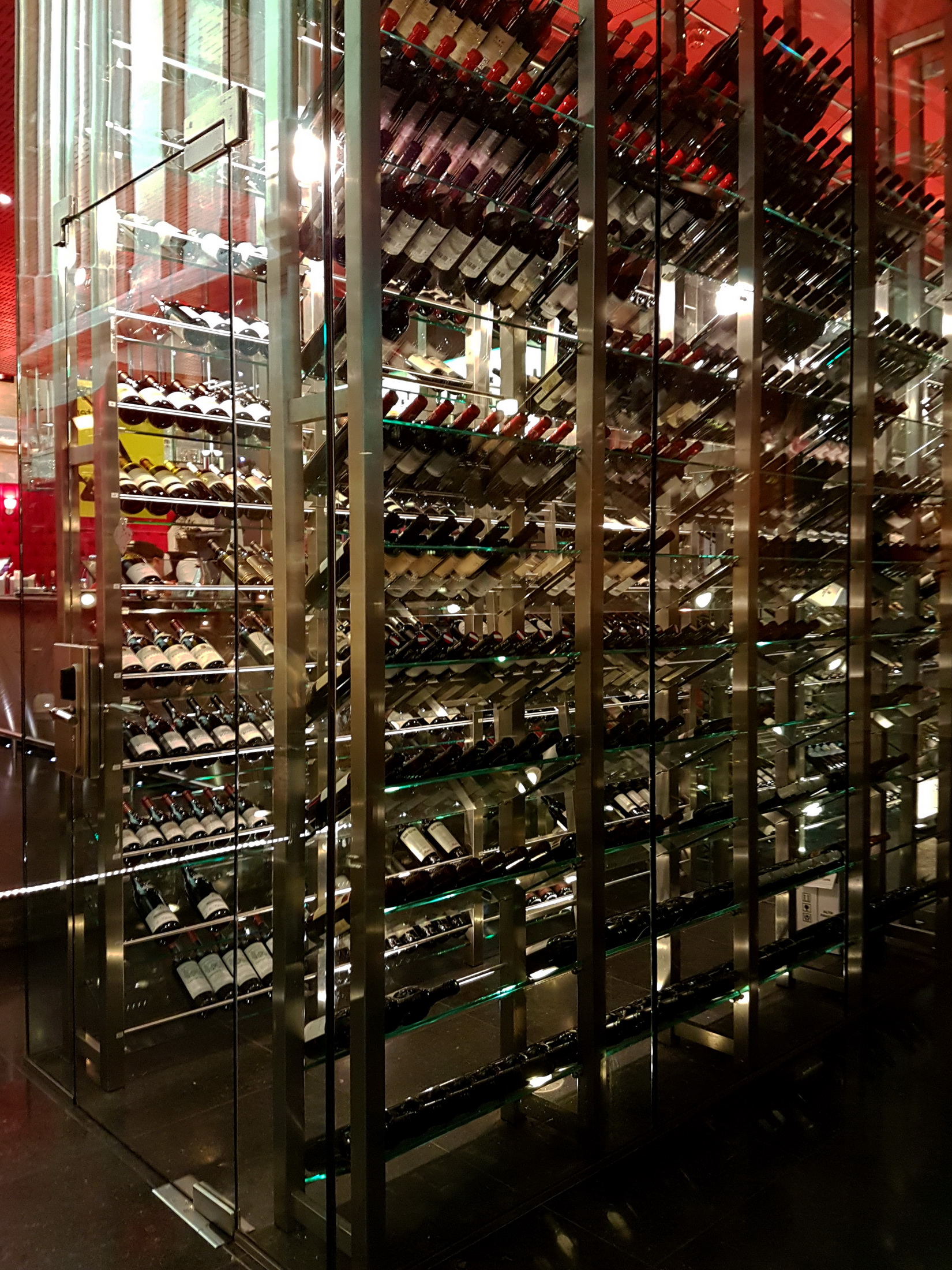
Designing a luxurious wine cave involves careful planning and attention to detail. The first step is choosing the right location. Basements are popular choices due to their naturally cool temperatures. Once the location is decided, the next step is to create a design that complements the existing architecture of the home. Many homeowners opt for natural stone walls and wooden ceilings to create an authentic cave-like feel. Lighting is another crucial aspect. Soft, ambient lighting can highlight the beauty of the wine bottles and create a cozy atmosphere. The key is to blend functionality with aesthetics.
Incorporating Modern Technology
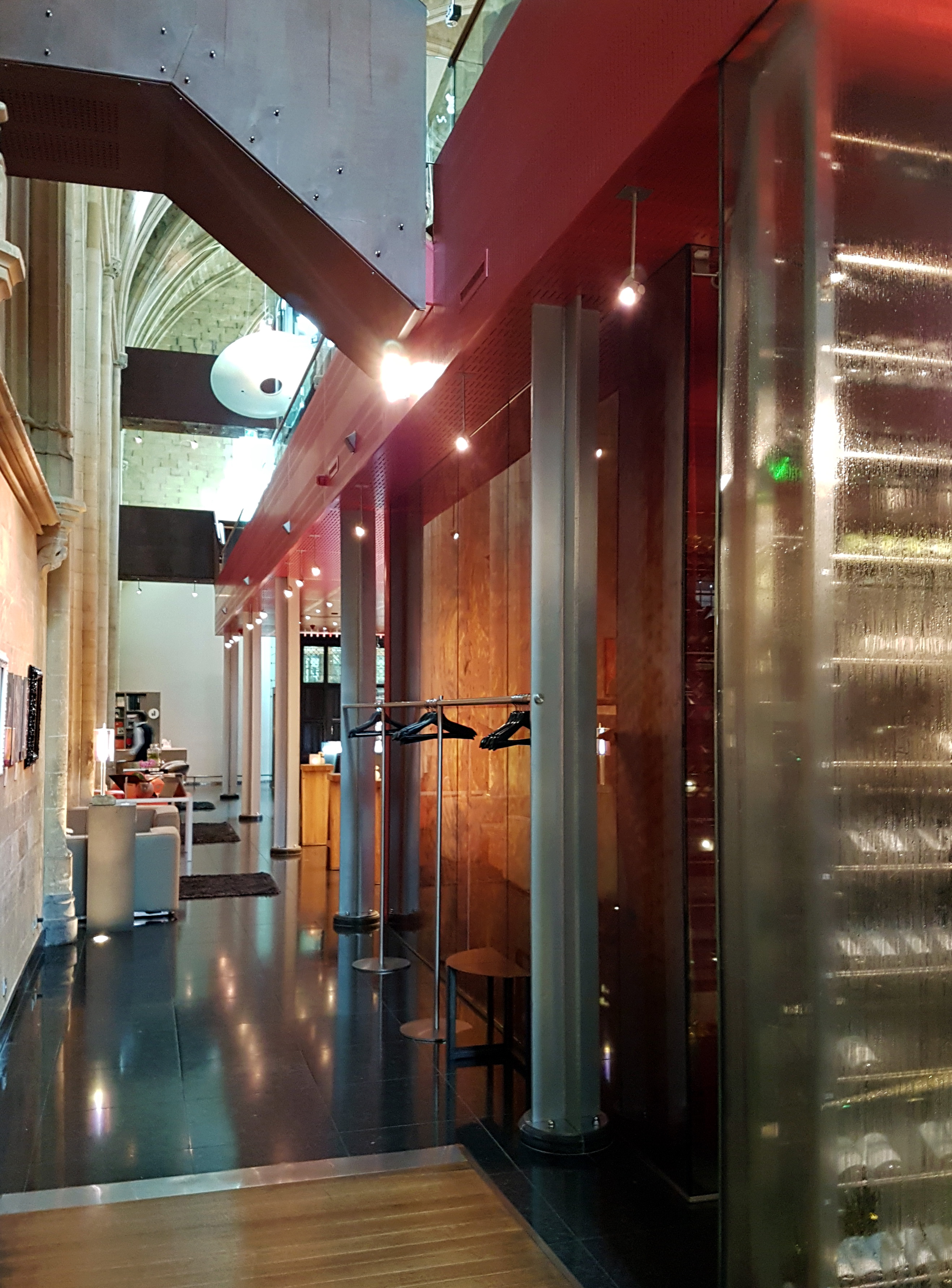
While the design may be inspired by ancient caves, modern technology plays a crucial role in creating a luxurious wine cellar. Climate control systems are essential to maintain the ideal temperature and humidity levels. Advanced security systems ensure that valuable wine collections are protected. Some wine caves even incorporate smart technology, allowing owners to monitor and control conditions remotely via smartphone apps. This blend of old-world charm and modern innovation makes luxurious wine caves a perfect example of how technology can enhance traditional spaces.
Furnishing the Wine Cave

Furnishing a wine cave involves more than just installing wine racks. Comfortable seating, such as plush armchairs or even a small lounge area, can transform the cave into a place for relaxation and socializing. A tasting table or bar area can be added for wine sampling and entertaining guests. Some homeowners choose to display wine-related art or memorabilia to personalize the space further. The goal is to create a space that feels inviting and luxurious, where the wine takes center stage.
Creating an Atmosphere
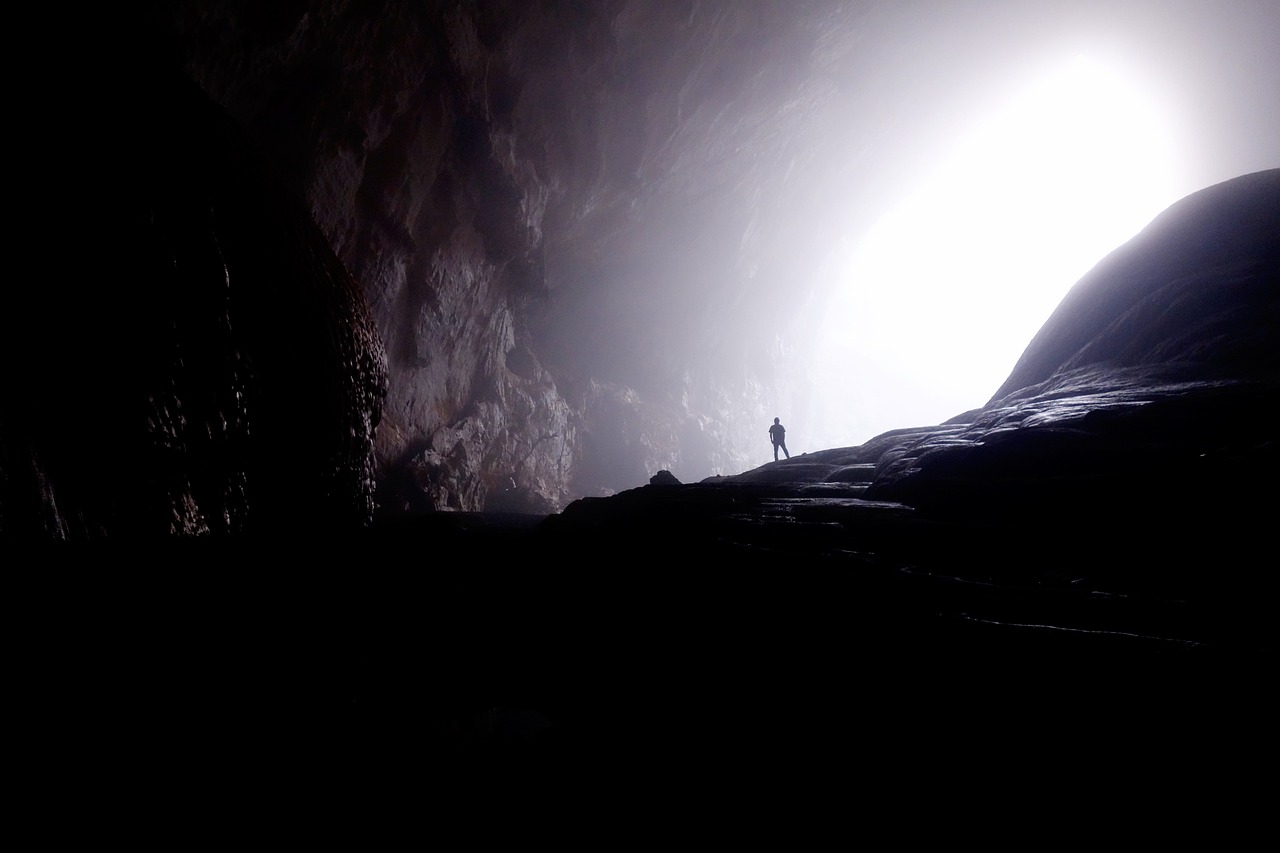
The atmosphere of a wine cave is what sets it apart from a traditional wine cellar. To create the right ambiance, many homeowners incorporate elements like soft music, scented candles, and even water features. The sound of trickling water can add to the cave-like feel, enhancing the sensory experience. The goal is to create a space that feels like a retreat from the outside world, where one can unwind and enjoy a glass of wine in peace. The right atmosphere can turn a simple wine cellar into a luxurious escape.
Popular Styles and Themes

Luxurious wine caves come in various styles and themes, each reflecting the owner’s taste and personality. Some opt for a rustic, medieval look with stone walls and wrought iron accents. Others prefer a sleek, modern design with clean lines and minimalist decor. Some wine caves are designed to mimic famous wine regions, like Tuscany or Bordeaux, complete with murals and themed furniture. The possibilities are endless, and the choice of style can greatly impact the overall feel of the space.
The Role of Professional Designers

Transforming a wine cellar into a luxurious cave is no small feat, and many homeowners turn to professional designers for help. These experts bring a wealth of experience and creativity to the table, ensuring that the final result is both functional and visually stunning. They can advise on everything from layout and materials to lighting and furniture. Professional designers can also help navigate the technical aspects of creating a wine cave, such as climate control and security systems. Their expertise can make the process smoother and more enjoyable.
Cost Considerations

Creating a luxurious wine cave is an investment, and costs can vary widely depending on the size and complexity of the project. Basic conversions can start at around $10,000, but more elaborate designs can run into six figures. Factors that influence cost include the choice of materials, the level of customization, and the integration of technology. While the initial investment may be significant, many homeowners find that the added value to their property and the enjoyment they get from the space make it worthwhile.
The Future of Wine Cellars

As the trend of transforming wine cellars into luxurious caves continues to grow, it’s clear that these spaces are here to stay. They represent a fusion of tradition and modernity, offering a unique way to enjoy and showcase wine. With advances in technology and design, the possibilities for creating personalized, luxurious wine caves are endless. Whether for personal enjoyment or entertaining guests, these spaces offer a unique and luxurious way to enjoy one of life’s simple pleasures.

Matthias is a skilled author and digital storyteller with a focus on travel journalism, environmental issues, and modern home design. With a background in communications and a passion for global cultures, Matthias crafts engaging narratives that blend real-world exploration with thoughtful analysis and visual flair.
His writing reflects a deep interest in how climate change shapes our lives and lifestyles—from sustainable travel practices to eco-friendly living environments. Known for his clear, approachable voice and sharp editorial instincts, Matthias delivers content that resonates with readers seeking both inspiration and substance.
Whether reporting from remote destinations, breaking down sustainable design trends, or spotlighting innovative green initiatives, Matthias brings a global perspective and an eye for detail to every piece. He regularly contributes to web platforms and editorial projects that aim to foster awareness, creativity, and conscious living.