

Henrieke Otte is an accomplished writer and content editor, specializing in topics that inspire thoughtful living—ranging from global travel and sustainable lifestyles to interior design and architecture. With a keen editorial sense and a background in cultural studies, Henrieke brings depth, elegance, and clarity to every piece she crafts.
Her work is known for its engaging voice, visual sensitivity, and ability to turn complex ideas into accessible, reader-friendly narratives. Whether exploring eco-conscious destinations, dissecting climate-conscious home trends, or curating serene living spaces, Henrieke writes with a balance of creativity and insight that resonates with design-savvy, environmentally aware audiences.
Driven by a love of meaningful storytelling and a refined aesthetic, Henrieke contributes regularly to digital platforms and magazines where quality content meets visual sophistication.
Have you ever found yourself staring at the ceiling, wishing for sleep to finally come? You’re not alone—millions struggle to get enough rest every single night. Imagine if the answer to your sleepless nights was not a pill, but something as simple as a soothing cup of tea or the gentle fragrance of a flower beside your pillow. Nature has equipped us with powerful plants that can ease our minds and help us drift peacefully into sleep. From calming herbs to fragrant blooms, these natural wonders could be the missing piece in your quest for better rest.
Lavender (Lavandula angustifolia)
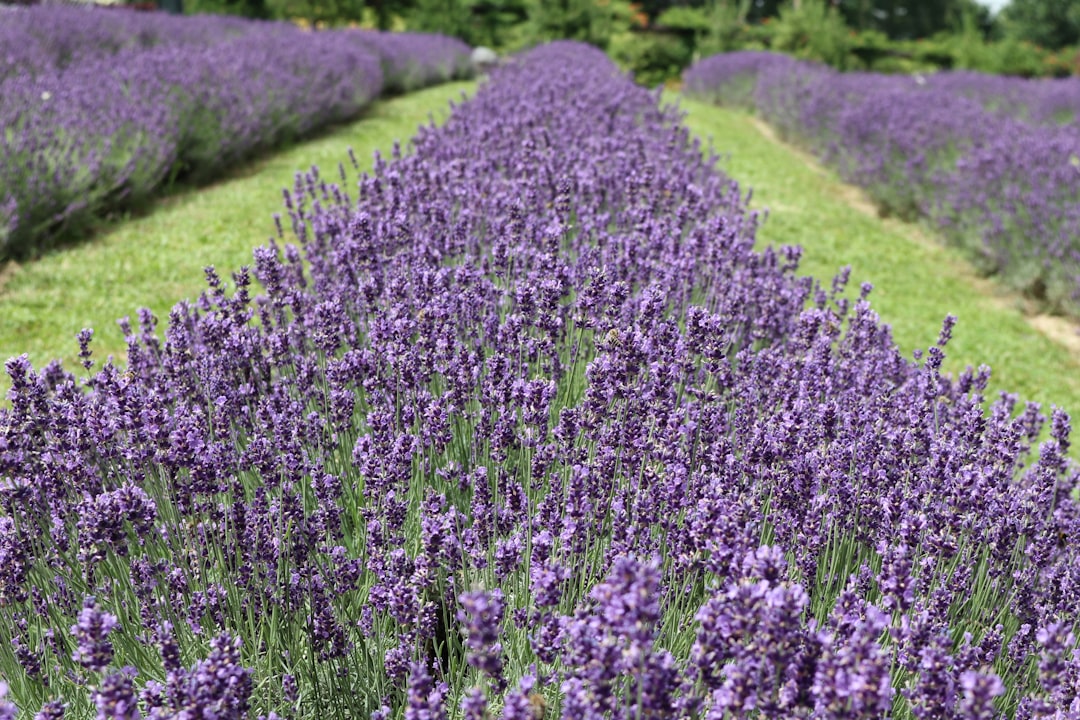
Lavender is the queen of calm when it comes to bedtime. Its sweet, herbal scent is famous for melting away stress and anxiety, making it easier to unwind. Research suggests that inhaling lavender oil before bed can deepen slow-wave sleep, the kind your body needs to truly recharge. Placing a sachet of dried lavender under your pillow, or adding a few drops of essential oil to your diffuser, can quickly transform your bedroom into a tranquil haven. Many people also enjoy a cup of lavender tea as part of their nighttime ritual. This plant’s effect isn’t just in your head—science backs up its relaxing powers, making it a safe, gentle way to smooth the path to dreamland.
Chamomile (Matricaria chamomilla)
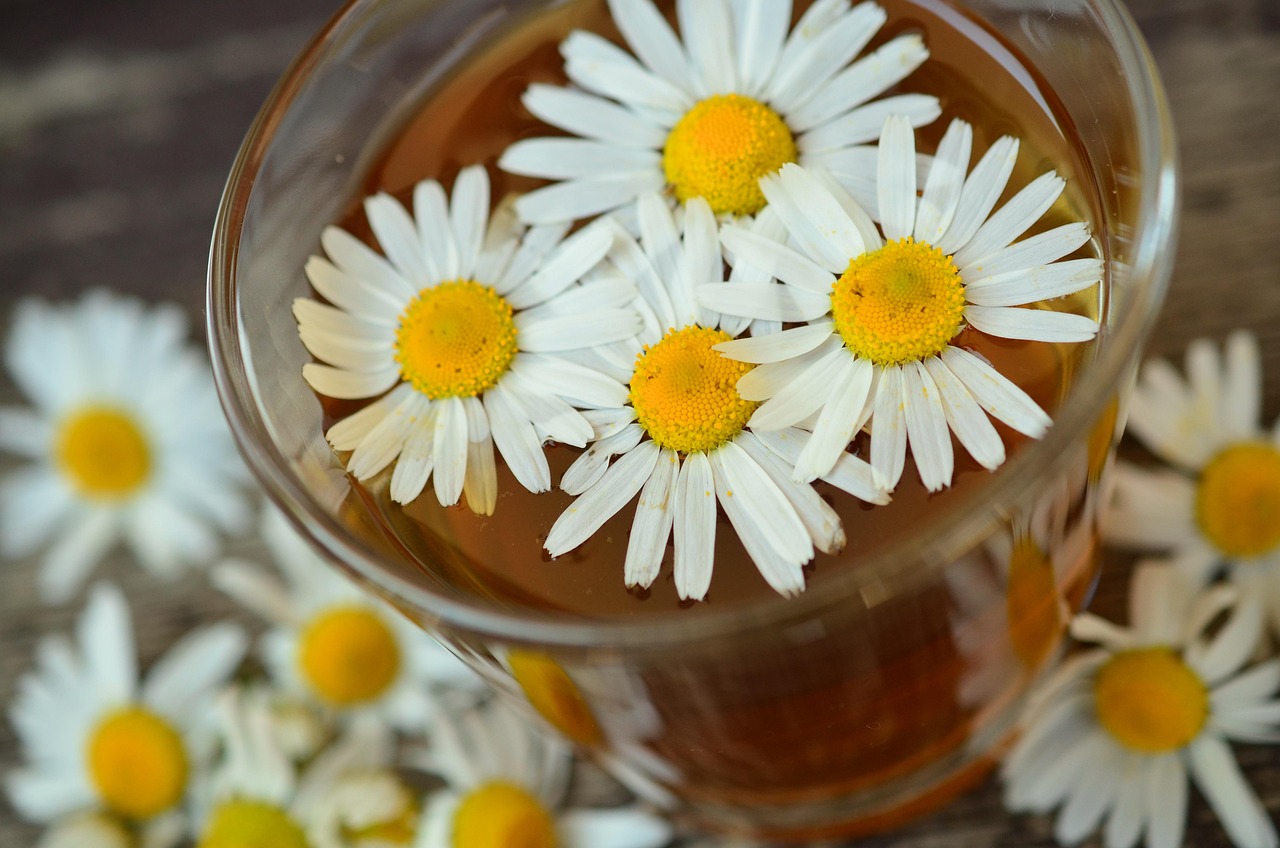
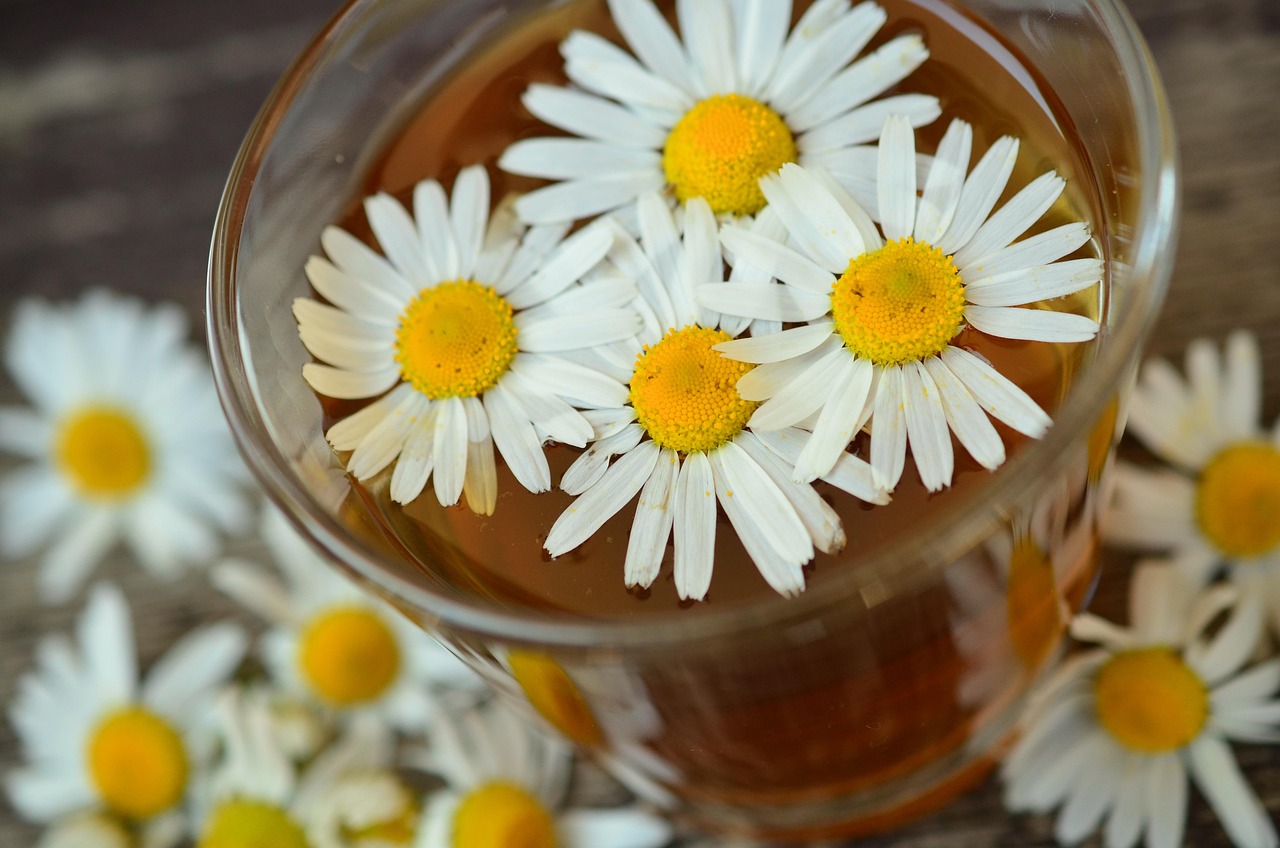
Chamomile has been a bedtime favorite for generations, and it’s easy to see why. The daisy-like flowers are packed with antioxidants, and its key compound, apigenin, gently binds to brain receptors, coaxing your mind into a more relaxed state. A warm mug of chamomile tea feels like a cozy hug at the end of a long day, helping to quiet racing thoughts. It’s so gentle that even children and the elderly can benefit from its soothing effects. Chamomile doesn’t just promote sleep—it can also ease digestion, making it a double win for those who struggle to settle down after dinner. This humble flower turns every sip into a step closer to peaceful slumber.
Valerian Root (Valeriana officinalis)

Valerian root might not win any beauty contests, but its ability to help you fall asleep faster is legendary. Used since ancient times, valerian is believed to boost levels of GABA, a calming neurotransmitter in the brain. Taking valerian as a tea, tincture, or capsule often leads to fewer nighttime awakenings and a deeper sense of rest. Some people describe its earthy flavor as an acquired taste, but many swear by its effects. Valerian is best taken about an hour before bed, and patience is key—its benefits often build up over a couple of weeks. For those looking for a natural alternative to sleep medication, valerian root could be a gentle yet powerful ally.
Passionflower (Passiflora incarnata)
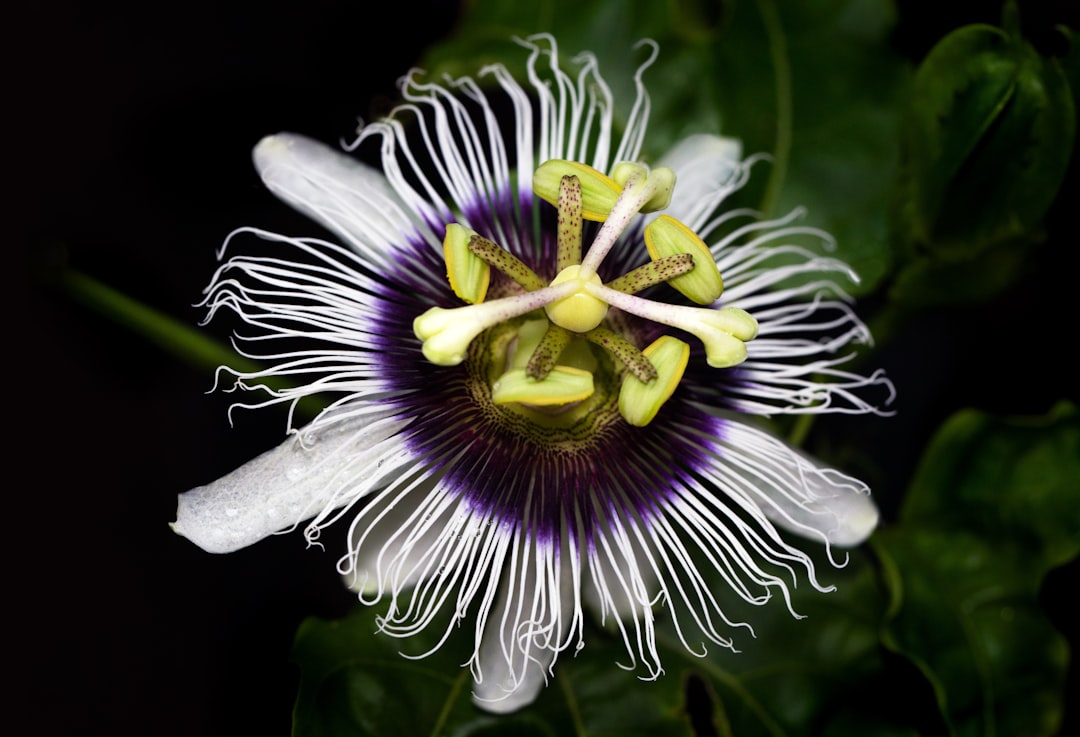
Passionflower’s delicate purple blooms hide a secret weapon for sleeplessness. This plant is especially effective for those whose minds race with worry at night. By increasing GABA in the brain, passionflower helps slow down anxious thoughts and makes it easier to slip into sleep. Whether enjoyed as a tea, tincture, or supplement, passionflower is cherished for its ability to calm nervous energy. Some people find it also eases mild pain, which can be another barrier to restful sleep. With its mild, sweet taste, passionflower tea is a gentle way to ease into your bedtime routine, especially if stress is the main culprit behind your insomnia.
Jasmine (Jasminum officinale)
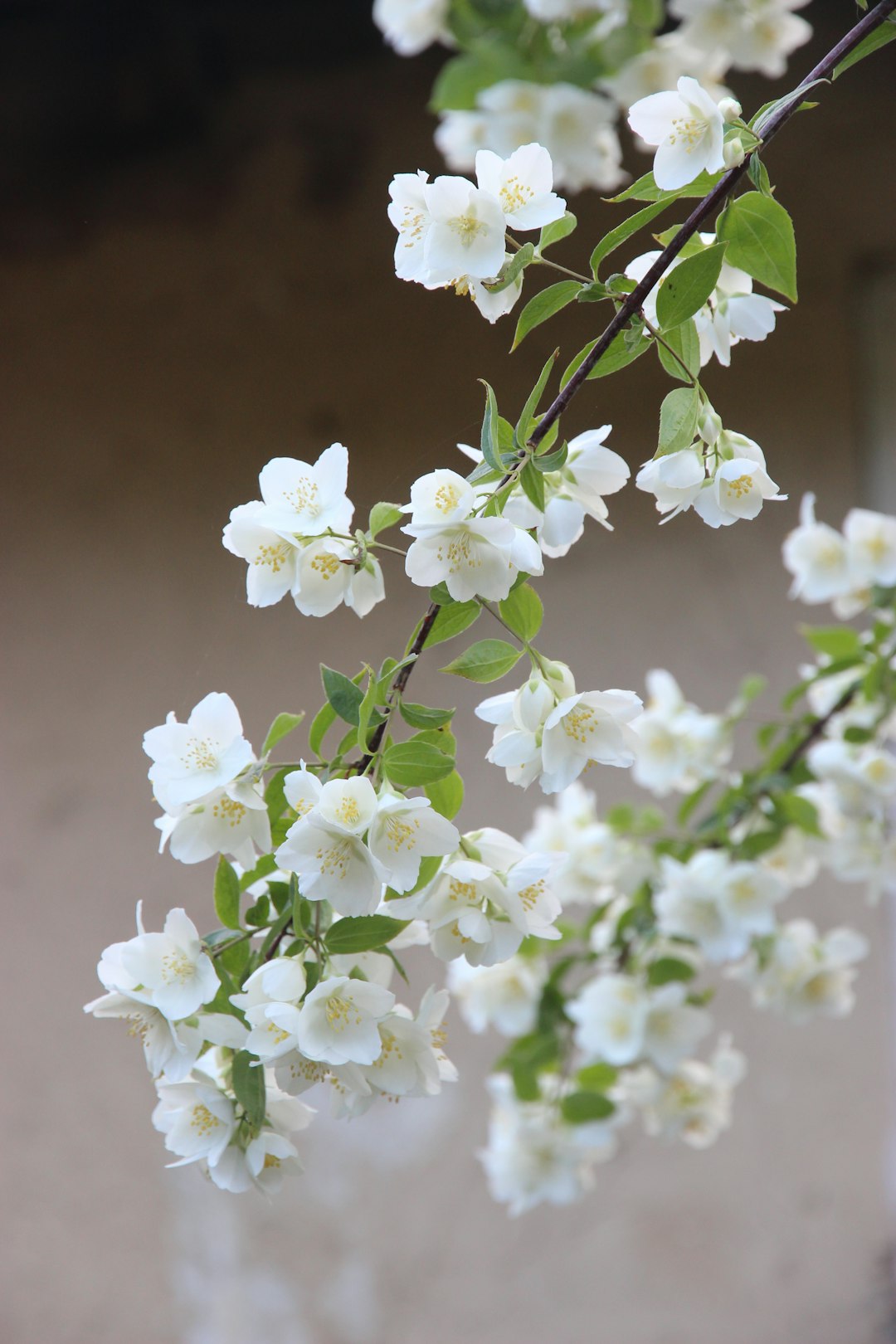
Jasmine’s intoxicating scent has made it a symbol of tranquility in many cultures. Recent studies show that the fragrance of jasmine can actually lower anxiety and help you sleep more soundly. You can bring jasmine into your life through tea, essential oils, or even a potted plant on your nightstand. The gentle floral aroma seems to lull the nervous system, signaling that it’s time to rest. Jasmine tea, with its subtle flavor and calming properties, is a lovely way to end a busy day. Even just breathing in the scent while settling into bed can help your body wind down and prepare for a good night’s sleep.
Lemon Balm (Melissa officinalis)
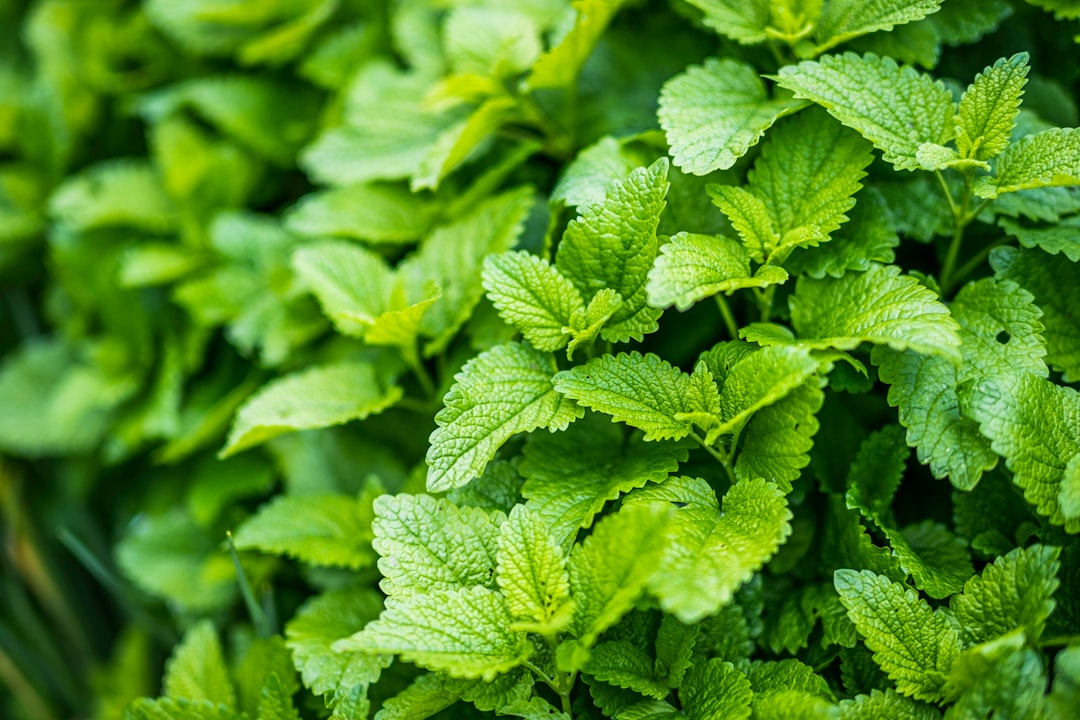
Lemon balm, with its fresh, citrusy scent, is like a breath of calm for an anxious mind. This member of the mint family has been used for centuries to relieve stress, calm nerves, and ease insomnia. Drinking lemon balm tea or taking it in supplement form may help you fall asleep faster and stay asleep longer. It’s especially helpful for those whose sleeplessness is tied to anxiety or nervous energy. Some people blend lemon balm with other herbs like chamomile or valerian for an extra bedtime boost. Gentle yet effective, lemon balm is a natural choice if you’re looking to trade worry for rest.
Magnolia Bark (Magnolia officinalis)
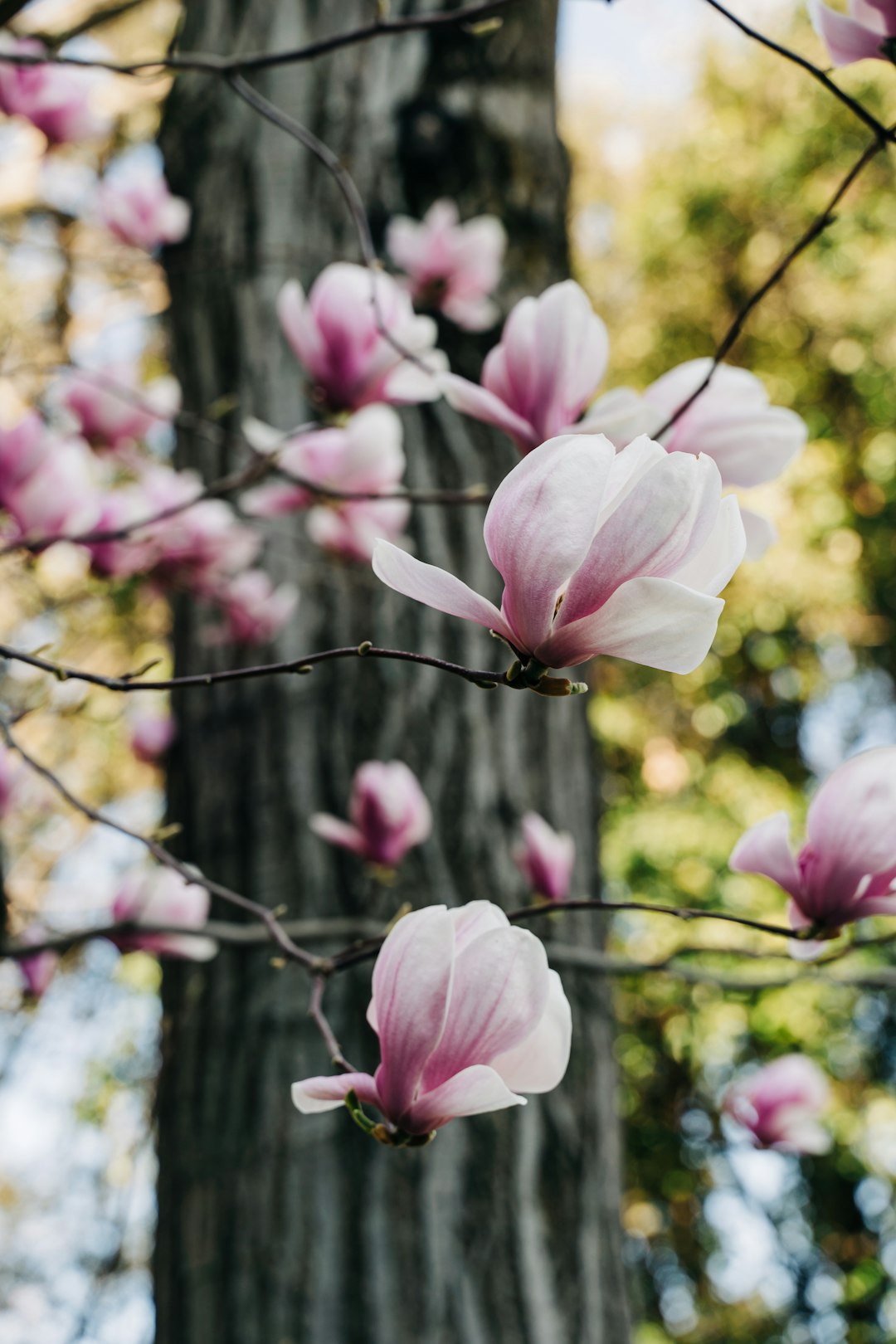
Magnolia bark is a staple in traditional Chinese medicine for calming the mind and promoting deep sleep. The plant contains honokiol and magnolol, compounds believed to reduce anxiety and support healthy sleep cycles. Magnolia bark supplements and teas are becoming more popular as people look for natural ways to fight insomnia. Its gentle sedative effects can make it easier to fall asleep without causing grogginess the next morning. Some people also report it helps with night-time awakenings, keeping them asleep longer. If modern stress is stealing your sleep, magnolia bark might be the ancient secret you’ve been searching for.
California Poppy (Eschscholzia californica)
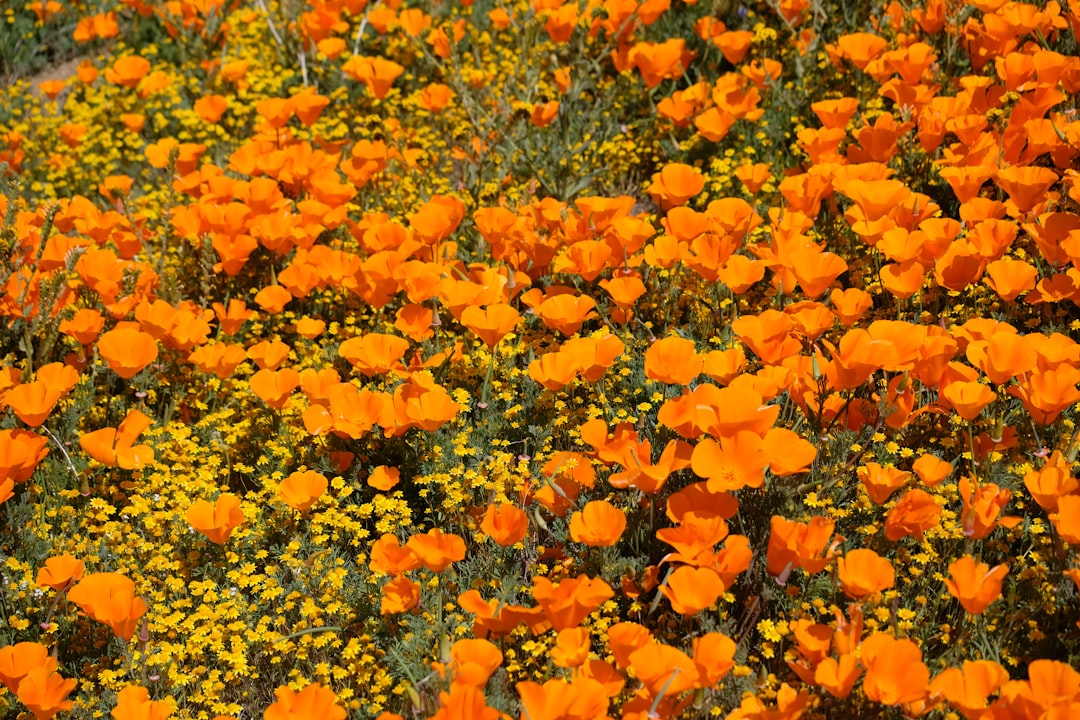
California poppy is a cheerful wildflower with hidden powers for sleepless nights. Unlike some sleep aids that leave you feeling drowsy the next day, this plant promotes relaxation and calm without heavy sedation. Traditionally used to ease anxiety and nervous tension, California poppy comes in tincture, capsule, and tea forms. Its gentle action makes it suitable for those who want to drift off naturally but remain clear-headed in the morning. People who struggle with mild pain or restless sleep often find relief with this sunny little flower. California poppy reminds us that sometimes the simplest solutions are found in nature’s own backyard.

Henrieke Otte is an accomplished writer and content editor, specializing in topics that inspire thoughtful living—ranging from global travel and sustainable lifestyles to interior design and architecture. With a keen editorial sense and a background in cultural studies, Henrieke brings depth, elegance, and clarity to every piece she crafts.
Her work is known for its engaging voice, visual sensitivity, and ability to turn complex ideas into accessible, reader-friendly narratives. Whether exploring eco-conscious destinations, dissecting climate-conscious home trends, or curating serene living spaces, Henrieke writes with a balance of creativity and insight that resonates with design-savvy, environmentally aware audiences.
Driven by a love of meaningful storytelling and a refined aesthetic, Henrieke contributes regularly to digital platforms and magazines where quality content meets visual sophistication.