

Lena is a thoughtful and imaginative writer with a passion for storytelling across the themes of travel, environmental sustainability, and contemporary home aesthetics. With a background in cultural media and a strong visual sensibility, Anna Lena creates content that bridges inspiration with practical insight.
Her work explores the interplay between place, lifestyle, and design—guiding readers through meaningful travel experiences, eco-conscious choices, and modern approaches to living well. Known for her elegant writing style and attention to detail, she brings a fresh, human-centered perspective to every topic she covers.
Anna Lena contributes to digital publications and editorial projects where aesthetics meet purpose. Her writing not only informs but also encourages readers to live more intentionally, sustainably, and beautifully—wherever they are in the world.
Revitalizing Living Spaces
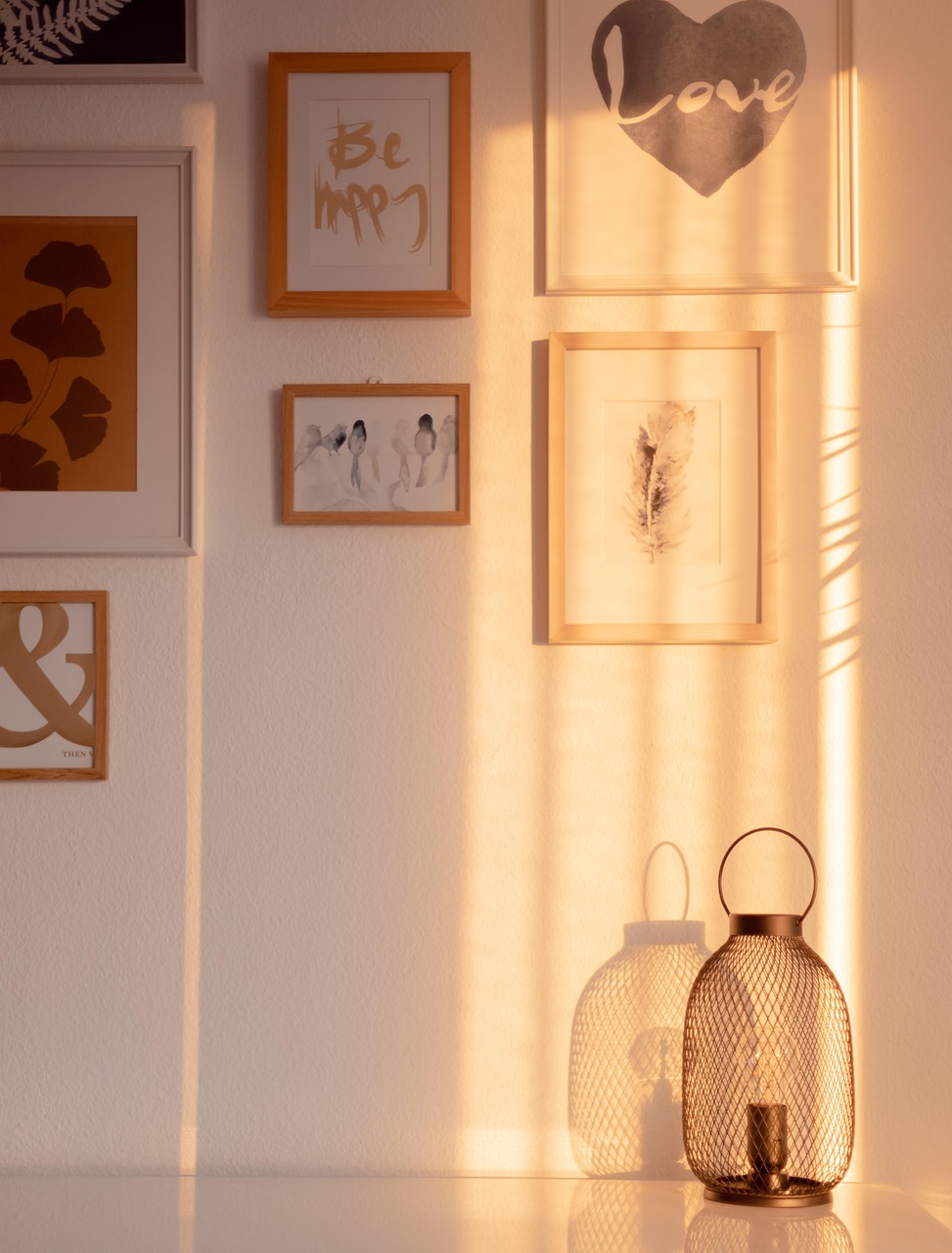
Natural light is not just a source of illumination; it’s a game-changer in interior design. Imagine walking into a room bathed in sunlight—it’s like a breath of fresh air. This revitalizing effect is why designers are increasingly incorporating large windows and skylights in their projects. The presence of natural light can make even the smallest spaces feel expansive and inviting. It’s like opening the curtains to a new world every morning. The play of light and shadow can add depth and interest to a room, creating a dynamic environment that changes throughout the day. This transformation has become a key element in modern interior design, as it not only enhances the aesthetic but also boosts the mood of its occupants.
Improving Mood and Well-being
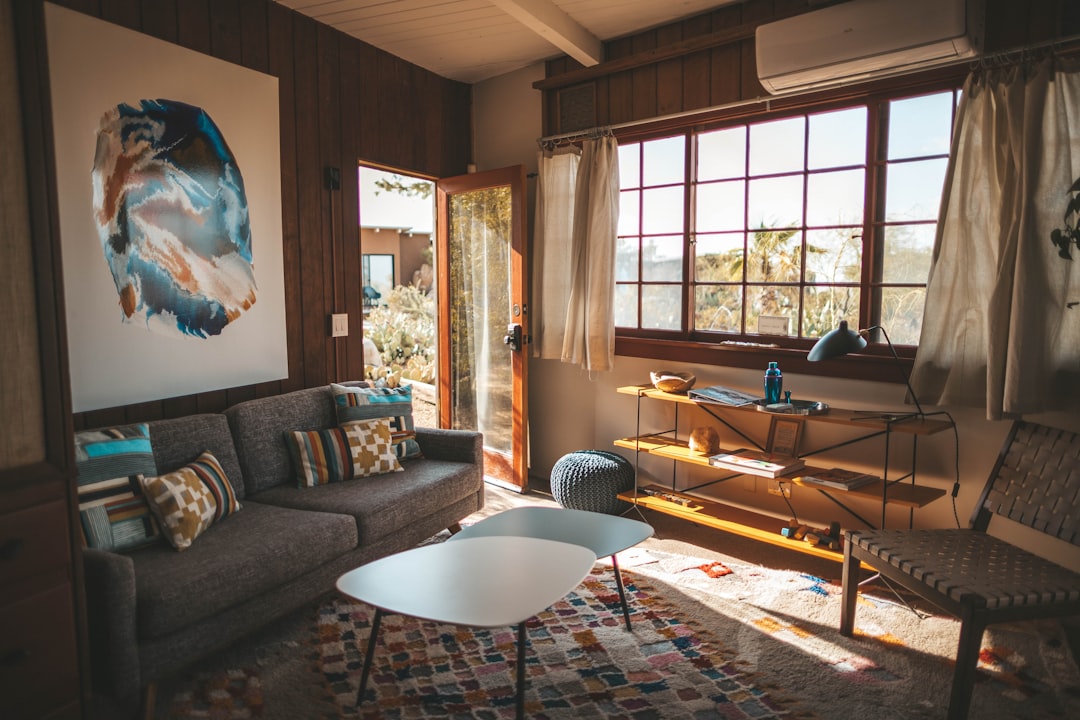
One of the most surprising benefits of natural light is its impact on mood and well-being. Studies have shown that exposure to natural light can increase serotonin levels, which helps to reduce feelings of depression and anxiety. Think of it as nature’s own antidepressant. By flooding interiors with sunlight, designers are creating spaces that not only look good but also feel good. This emphasis on well-being has made natural light a crucial element in spaces like offices and schools, where productivity and concentration are important. It’s fascinating how something as simple as sunlight can have such a profound effect on our mental health.
Enhancing Color and Texture
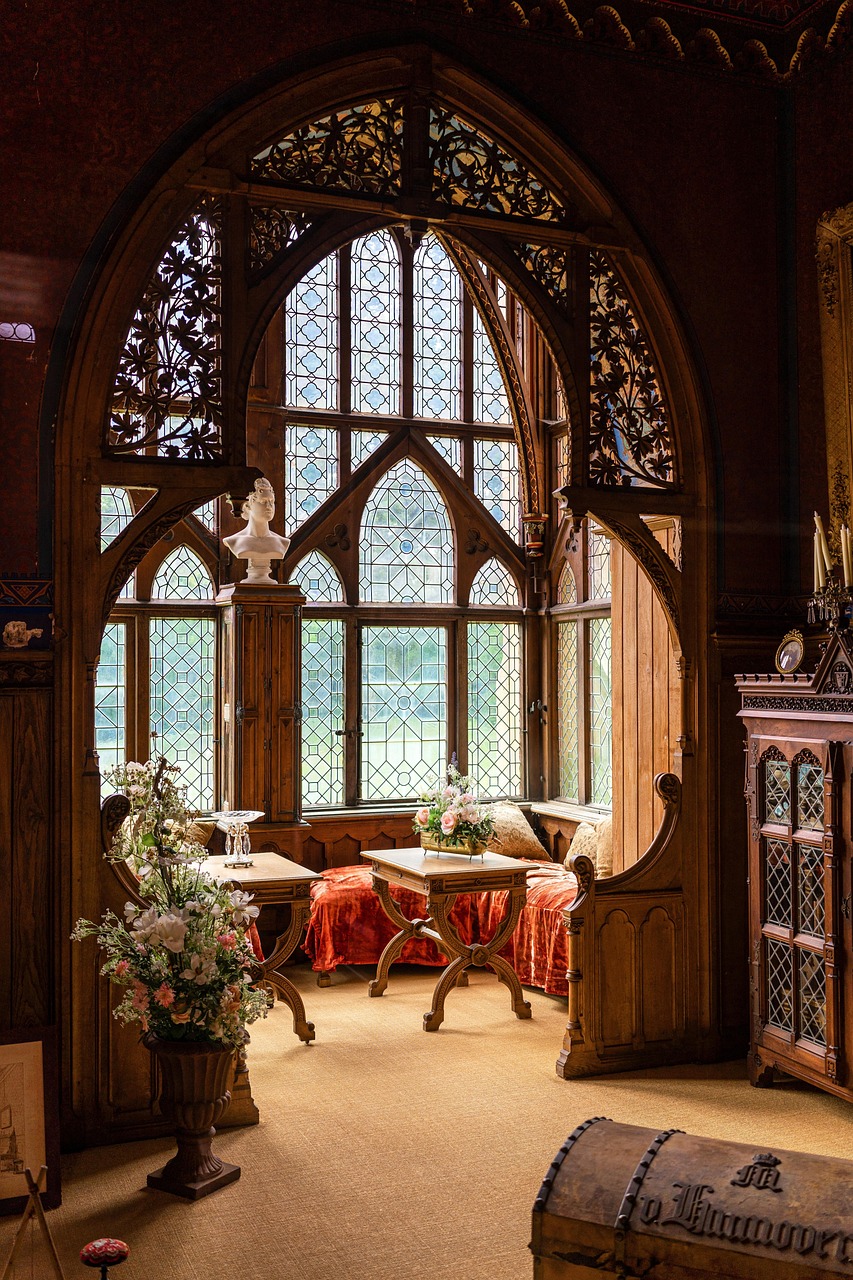
Natural light has a unique ability to enhance colors and textures in a room. Unlike artificial lighting, which can sometimes distort colors, natural light brings out the true hues of interior elements. Imagine a vibrant red sofa or a textured wooden floor; sunlight will make these features pop, adding vibrancy and depth to the space. Designers are leveraging this quality to create interiors that are visually stunning and authentic. The natural interplay of light and materials can transform a room into a living masterpiece, where every element is highlighted in its best light.
Reducing Energy Consumption
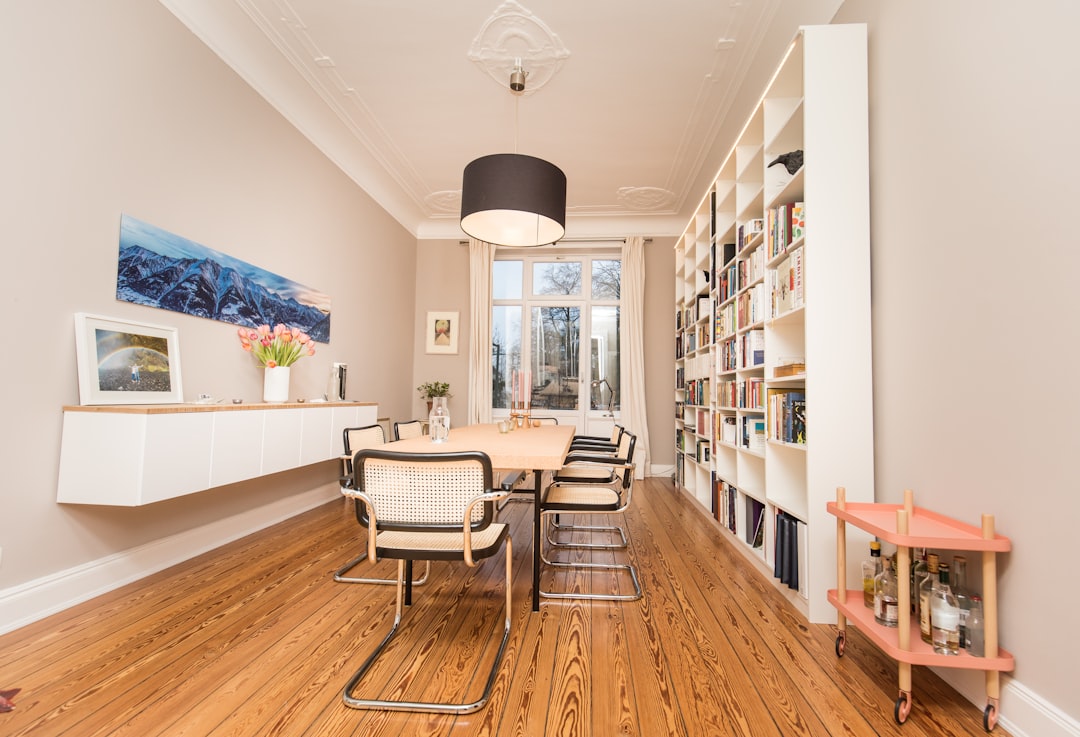
In an age where sustainability is key, natural light is a designer’s best friend. By maximizing the use of sunlight, homes and buildings can significantly reduce their reliance on artificial lighting and heating. This not only cuts down on energy bills but also reduces the carbon footprint of a space. It’s like letting nature do the work for you. Designers are now focusing on strategic window placements and using reflective materials to amplify natural light, making spaces more eco-friendly. This shift towards sustainability is not just a trend but a necessity in today’s world.
Creating Focal Points

Natural light can be used to create stunning focal points within a space. By directing sunlight to specific areas, designers can highlight architectural features or artworks. It’s like having a spotlight that changes with the time of day. This technique can add drama and interest to a room, drawing attention to its most beautiful elements. The ever-changing quality of natural light ensures that these focal points evolve, offering a fresh perspective at different times. It’s a clever way to keep interiors dynamic and engaging.
Boosting Productivity
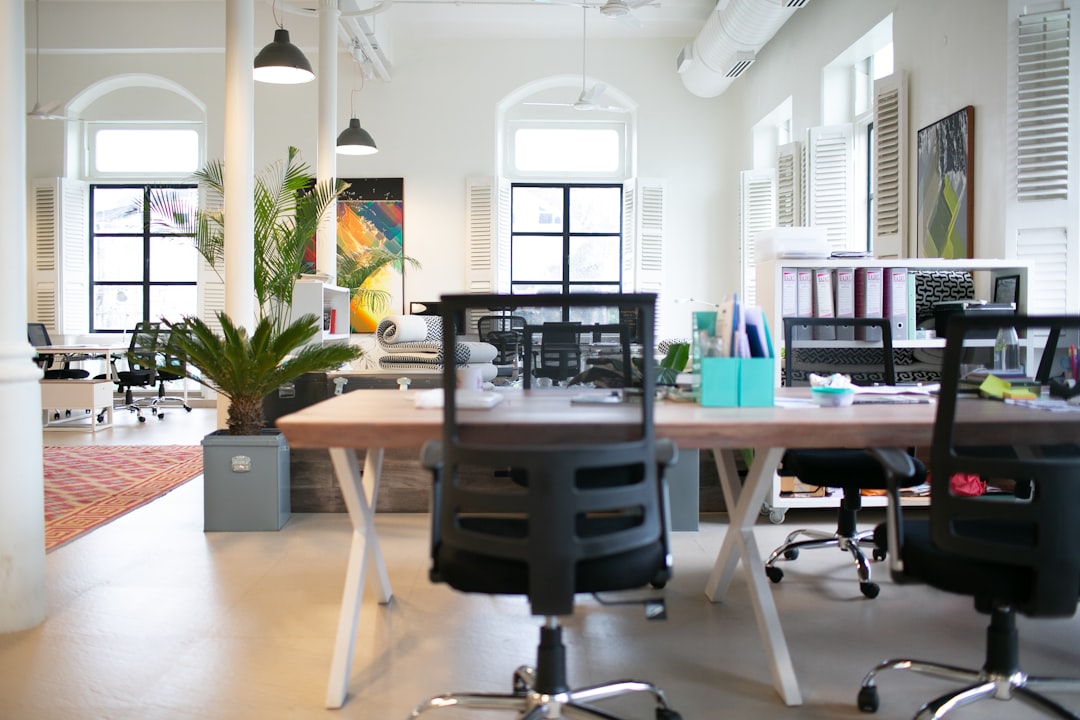
There’s a reason why many modern offices are designed with large windows and open spaces. Natural light has been proven to boost productivity and concentration. It’s like having a natural energy drink that keeps you alert and focused. In workspaces flooded with sunlight, employees tend to feel more energized and motivated. This has led to a shift in office design, where natural light is prioritized to create environments conducive to work. The connection between sunlight and productivity is a testament to the power of nature in enhancing our daily lives.
Blurring Indoor-Outdoor Boundaries
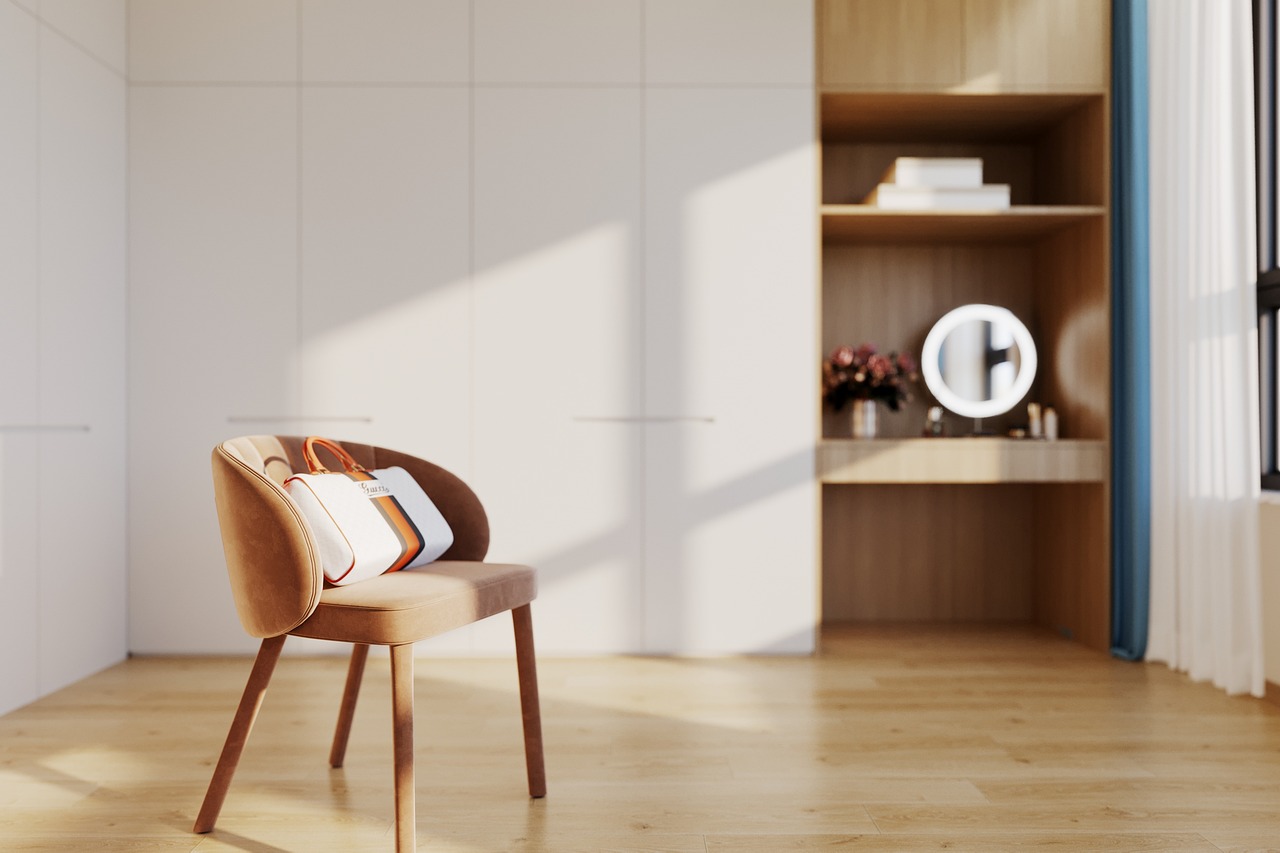
One of the most exciting trends in interior design is the blurring of indoor and outdoor spaces, and natural light plays a crucial role in this transition. By using glass walls and large windows, designers are creating seamless connections with the outside world. It’s like bringing the beauty of nature indoors. This approach not only enhances the aesthetic appeal of a space but also promotes a sense of openness and freedom. The integration of natural light and outdoor views can make interiors feel more expansive and connected to their surroundings.
Enhancing Sleep Quality
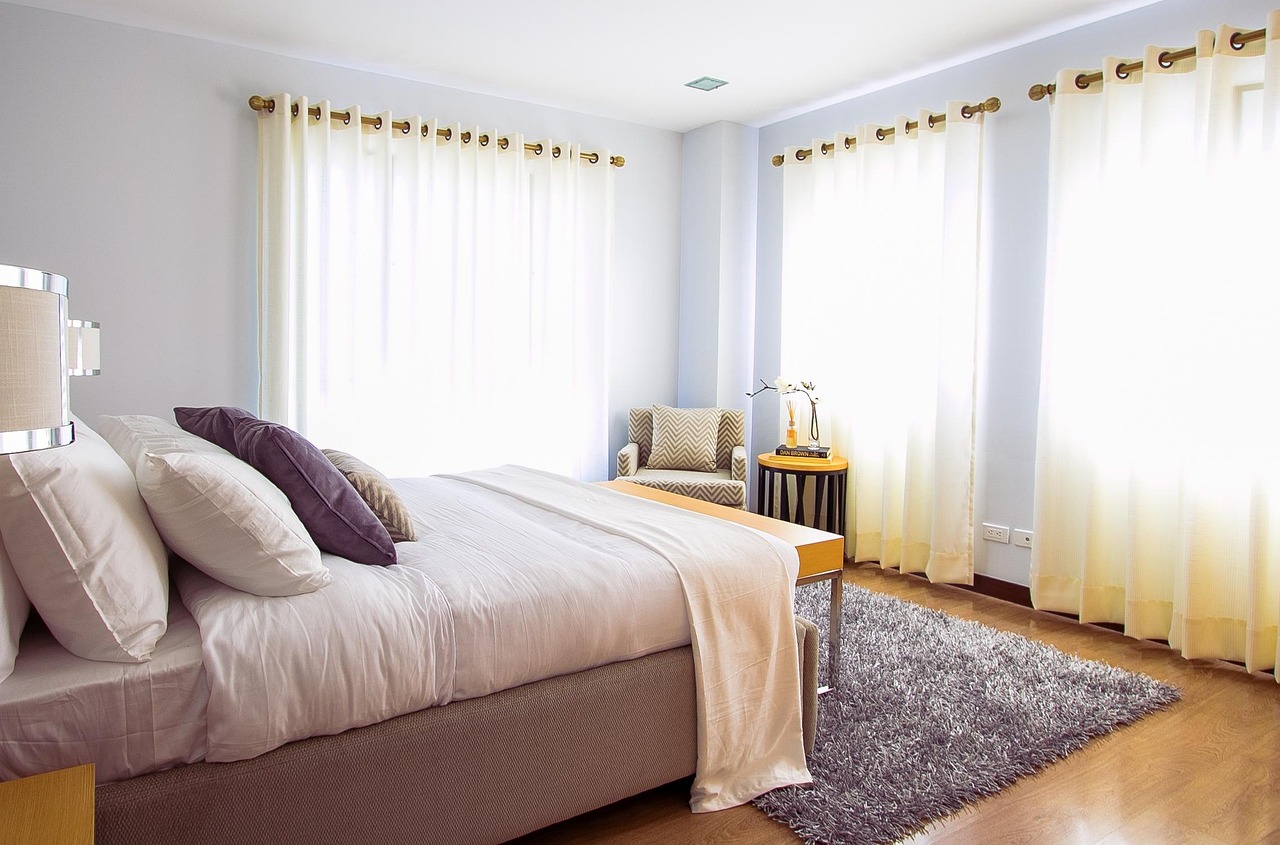
The relationship between natural light and sleep quality is undeniable. Exposure to natural light helps regulate our circadian rhythms, ensuring better sleep patterns. It’s like resetting your internal clock with the rising and setting of the sun. Designers are increasingly incorporating natural light into bedrooms and living areas to promote restful sleep. By allowing sunlight to enter during the day and minimizing artificial light at night, interiors can support healthier sleep cycles. This focus on sleep quality is an essential aspect of creating spaces that prioritize well-being.
Fostering Creativity

Natural light is a powerful catalyst for creativity. Spaces filled with sunlight tend to inspire and invigorate, making them ideal for creative pursuits. It’s like having a muse that’s always present. Designers are harnessing this potential by creating studios and workspaces that maximize natural light. The ever-changing quality of sunlight can spark new ideas and perspectives, fueling innovation and artistic expression. This connection between light and creativity is a testament to the transformative power of nature.
Increasing Property Value
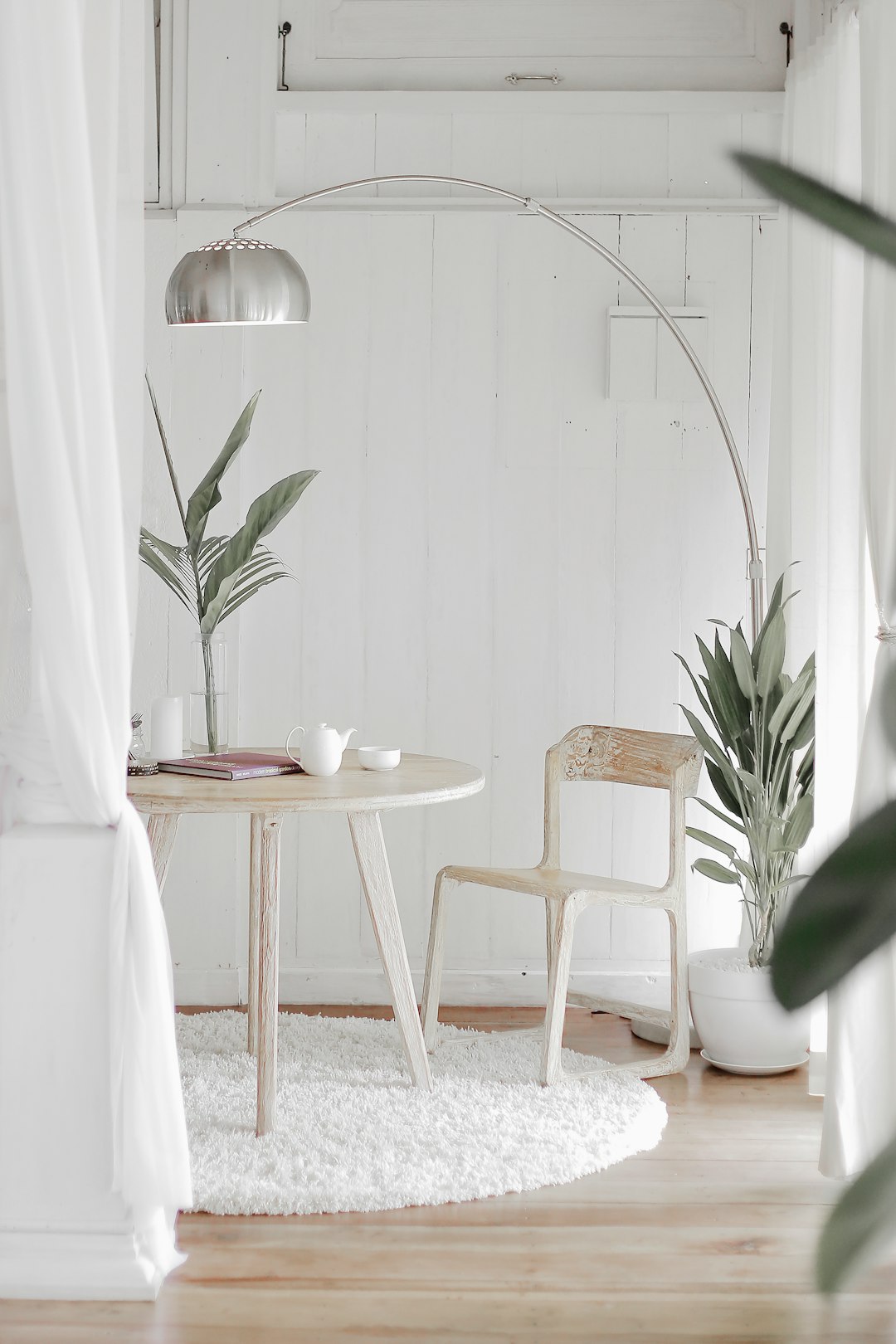
Homes and buildings with abundant natural light are often more desirable and command higher market values. It’s like having a built-in feature that buyers are willing to pay a premium for. The appeal of natural light is universal, making properties brighter, more inviting, and aesthetically pleasing. This has led to an increased emphasis on natural light in real estate, where it’s seen as a valuable asset. The ability of sunlight to enhance a property’s appeal and value is a testament to its importance in modern design.
Supporting Plant Life
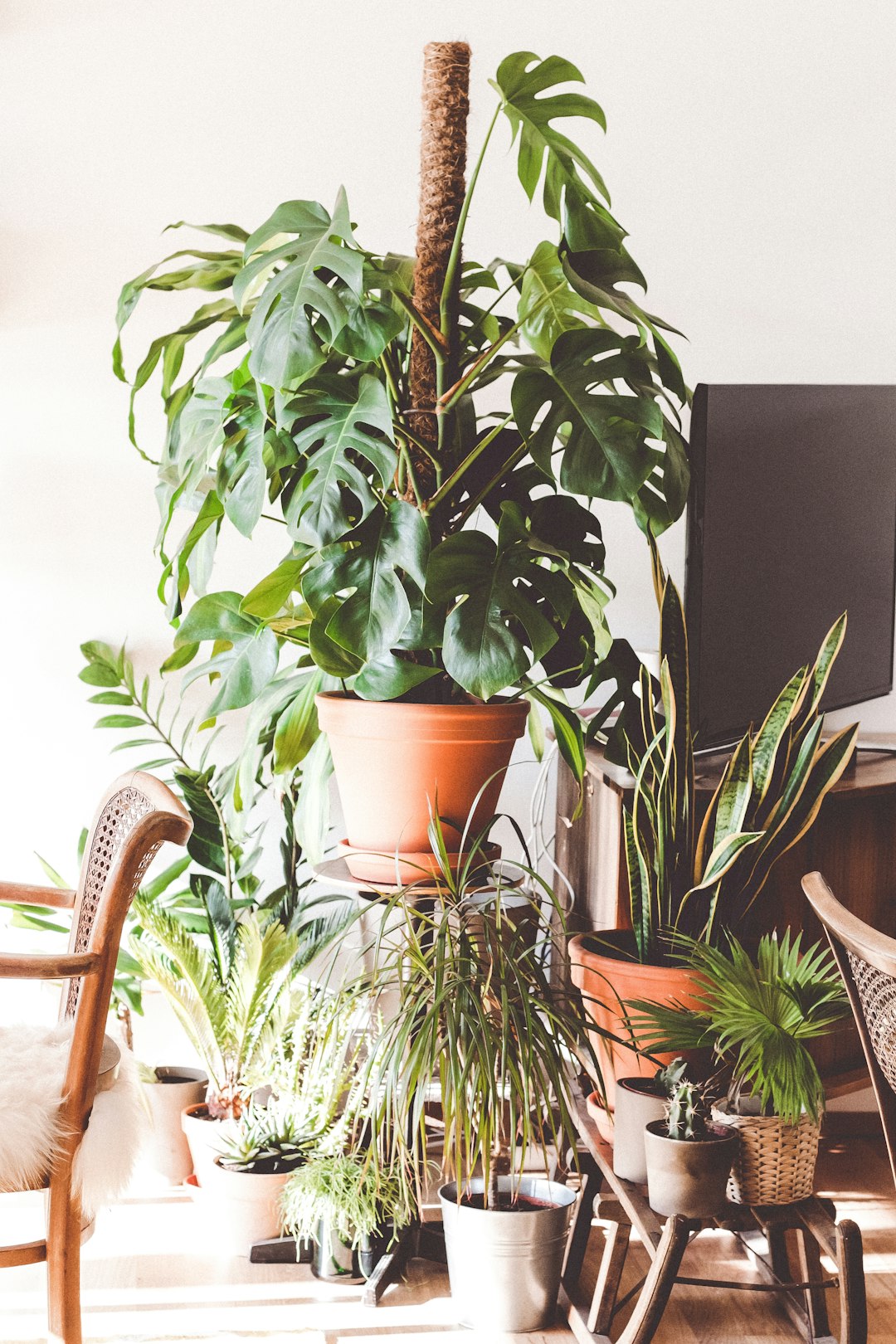
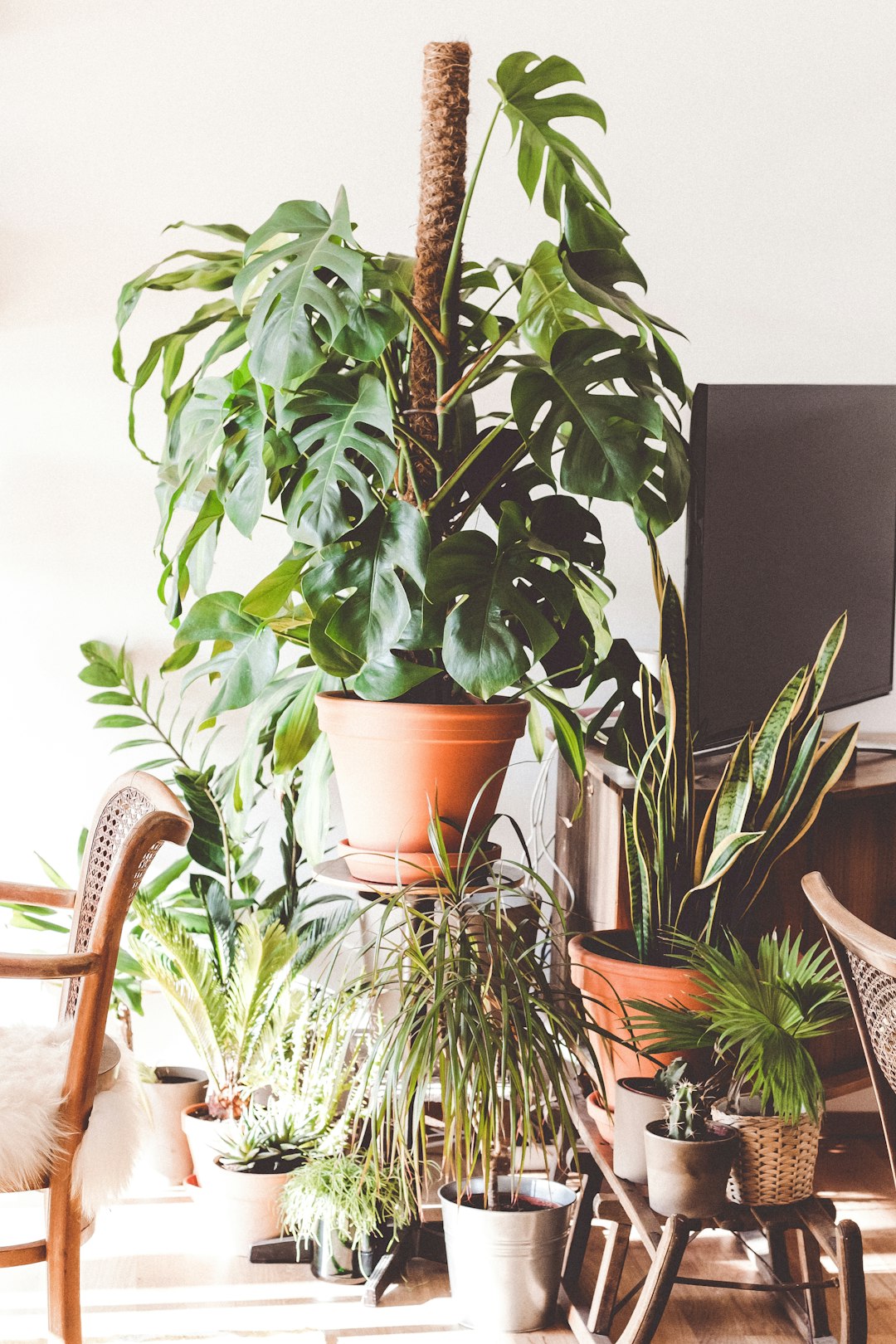
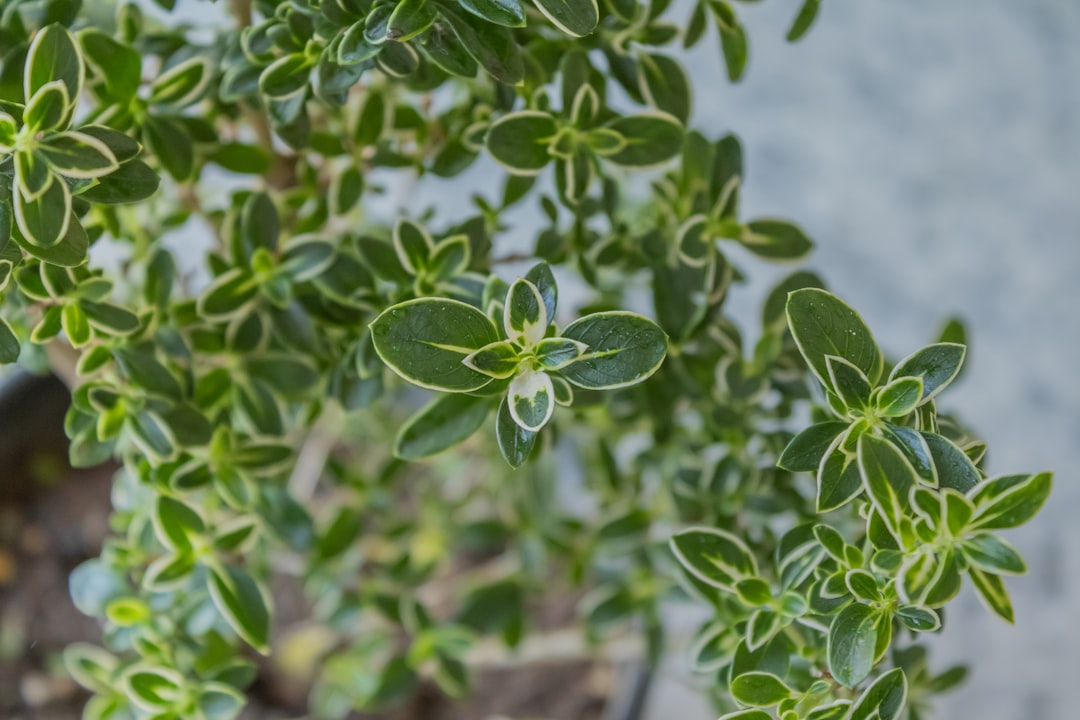
Incorporating natural light into interiors not only benefits humans but also supports plant life. Indoor plants thrive in spaces with ample sunlight, contributing to healthier and more vibrant environments. It’s like creating a mini ecosystem within your home. Designers are increasingly integrating greenery into interiors, using natural light to foster their growth. This connection between sunlight and plant life enhances the beauty and livability of a space, creating a harmonious balance with nature.
Reducing Stress Levels
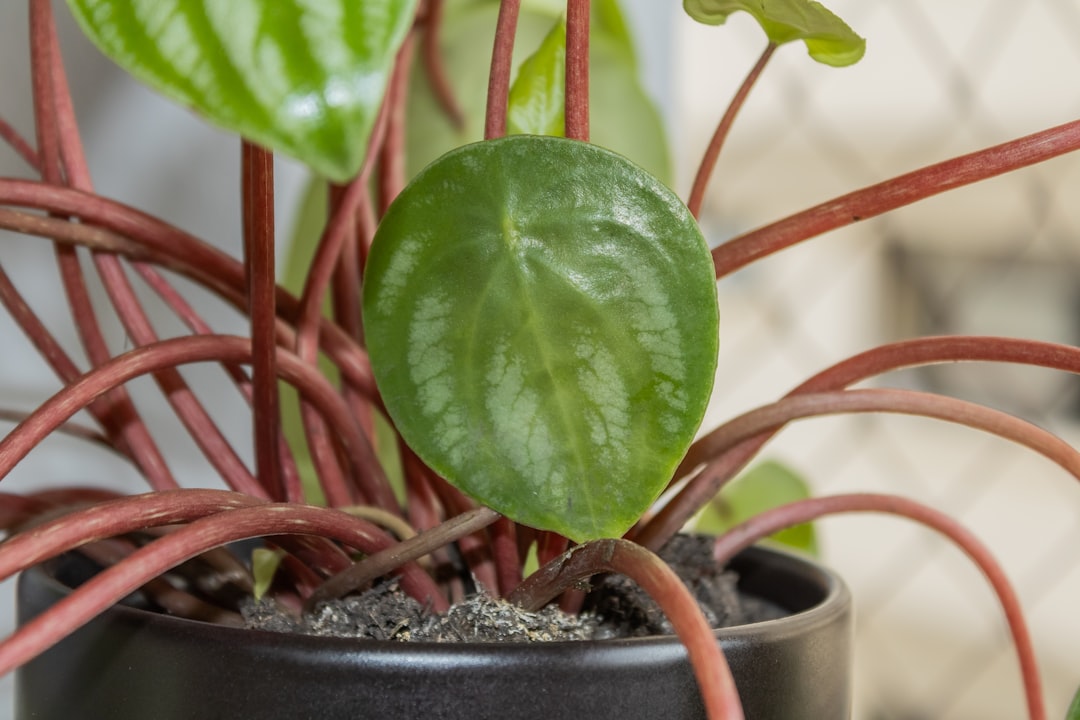
Natural light can be a powerful stress reliever. Spaces filled with sunlight tend to promote relaxation and calmness, reducing stress levels. It’s like having a natural remedy for the pressures of daily life. Designers are focusing on creating serene environments by maximizing natural light, especially in areas like living rooms and bedrooms. The soothing effect of sunlight can transform interiors into peaceful retreats, where occupants can unwind and recharge.
Facilitating Social Interaction
Spaces with abundant natural light tend to be more inviting, encouraging social interaction and connection. It’s like creating a warm and welcoming atmosphere that draws people in. Designers are using natural light to enhance communal areas, making them ideal for gatherings and conversations. The dynamic quality of sunlight can create a lively and engaging environment, fostering a sense of community and togetherness.
Improving Aesthetic Appeal
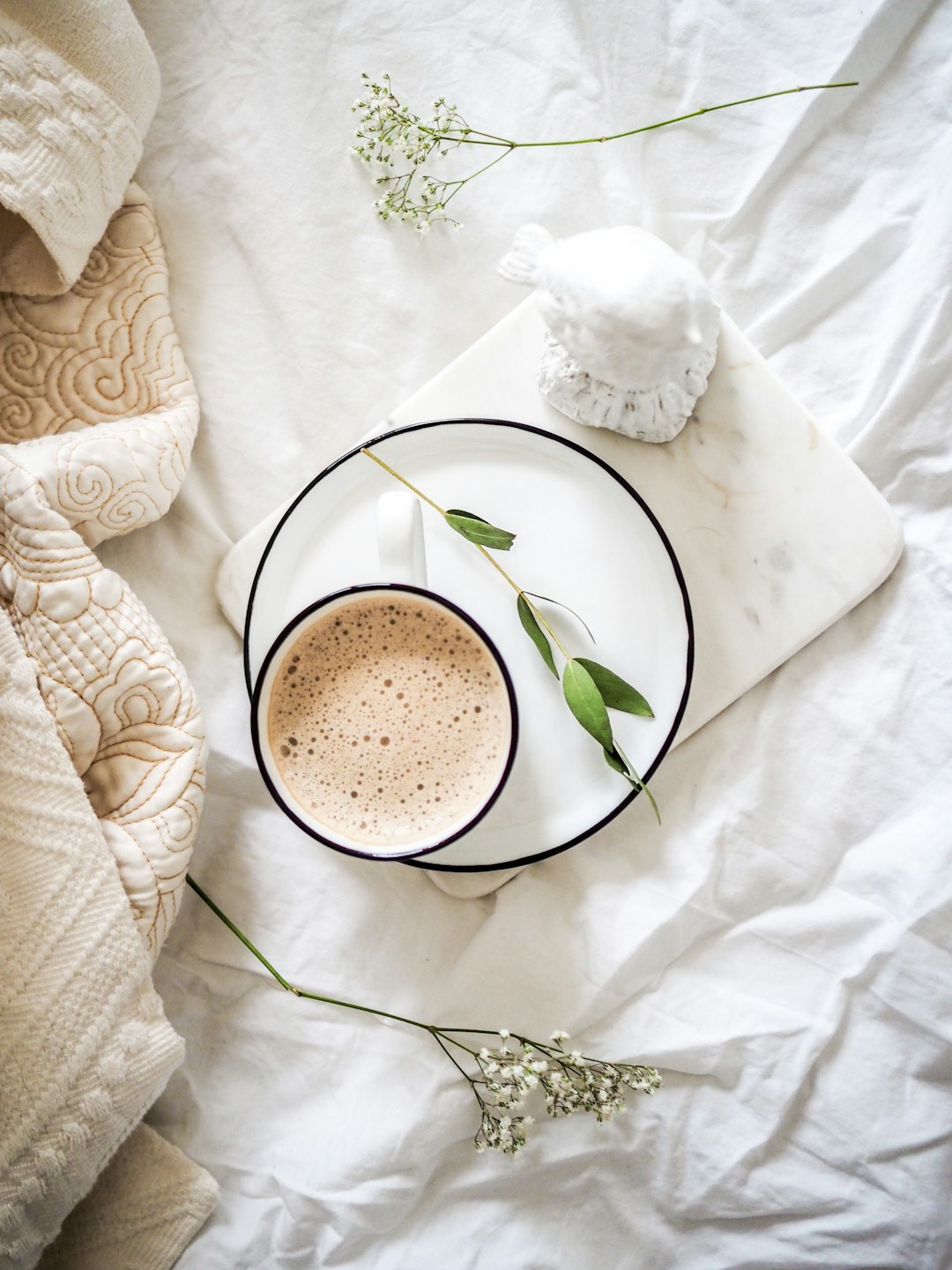
The aesthetic appeal of natural light is undeniable. It adds a sense of elegance and sophistication to interiors, enhancing their overall beauty. It’s like having a natural designer that elevates the space. Designers are leveraging this quality to create timeless and elegant interiors, where natural light is a defining feature. The interplay of light and design elements can transform a room into a captivating visual experience.
Adapting to Changing Needs
Natural light is incredibly adaptable, making it a versatile tool in interior design. It can be used to create different moods and atmospheres, depending on the time of day and the needs of the occupants. It’s like having a customizable feature that evolves with you. Designers are embracing this adaptability to create spaces that are responsive to their users’ needs, ensuring comfort and functionality at all times.

Lena is a thoughtful and imaginative writer with a passion for storytelling across the themes of travel, environmental sustainability, and contemporary home aesthetics. With a background in cultural media and a strong visual sensibility, Anna Lena creates content that bridges inspiration with practical insight.
Her work explores the interplay between place, lifestyle, and design—guiding readers through meaningful travel experiences, eco-conscious choices, and modern approaches to living well. Known for her elegant writing style and attention to detail, she brings a fresh, human-centered perspective to every topic she covers.
Anna Lena contributes to digital publications and editorial projects where aesthetics meet purpose. Her writing not only informs but also encourages readers to live more intentionally, sustainably, and beautifully—wherever they are in the world.