
Lena is a thoughtful and imaginative writer with a passion for storytelling across the themes of travel, environmental sustainability, and contemporary home aesthetics. With a background in cultural media and a strong visual sensibility, Anna Lena creates content that bridges inspiration with practical insight.
Her work explores the interplay between place, lifestyle, and design—guiding readers through meaningful travel experiences, eco-conscious choices, and modern approaches to living well. Known for her elegant writing style and attention to detail, she brings a fresh, human-centered perspective to every topic she covers.
Anna Lena contributes to digital publications and editorial projects where aesthetics meet purpose. Her writing not only informs but also encourages readers to live more intentionally, sustainably, and beautifully—wherever they are in the world.
The Rise of Natural Materials

In recent years, natural materials have surged in popularity for their ability to create serene and welcoming environments. Wood, stone, and clay are making grand appearances in homes, offering both aesthetic appeal and tactile comfort. The beauty of natural materials lies in their imperfections, which add character and warmth to minimalist spaces. Many designers are opting for untreated wood and raw stone finishes that exude simplicity and elegance. This trend not only enhances the visual appeal but also promotes sustainability. Using natural materials can reduce the carbon footprint as they often require less processing than synthetic alternatives. Embracing natural elements in your home can evoke a sense of calm and connection to the earth, making it a cornerstone of minimalist comfort.
Soft, Neutral Color Palettes
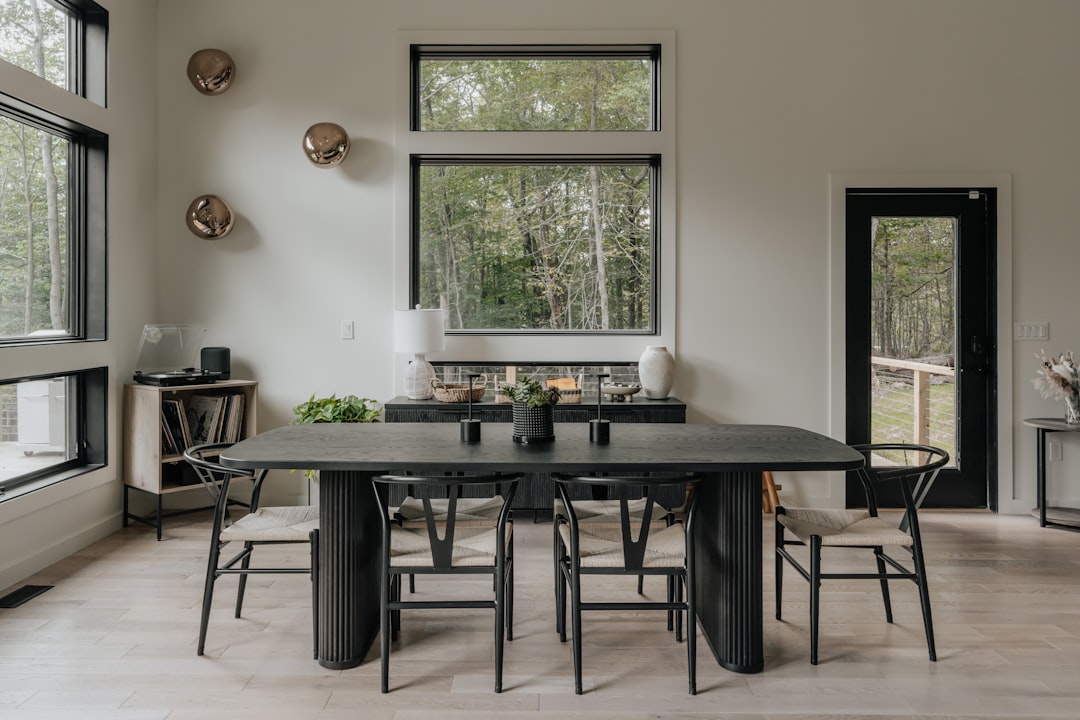
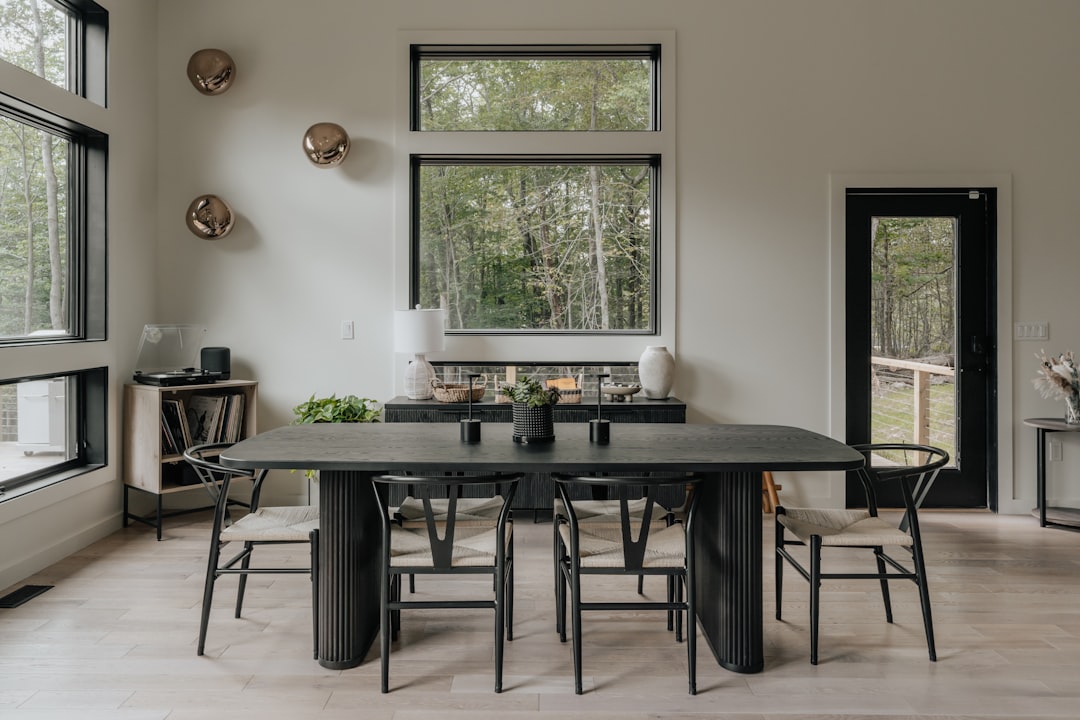
Color plays a crucial role in creating a minimalist yet comfortable interior. Soft neutrals such as beige, taupe, and soft greys are dominating the scene, offering a soothing backdrop for any room. These colors have a timeless quality and can be easily paired with bolder accents if desired. Neutral palettes create a harmonious environment that feels uncluttered and spacious, which is the essence of minimalism. Furthermore, these shades reflect natural light beautifully, enhancing the overall ambiance of the space. By opting for a neutral color scheme, homeowners can ensure their decor remains versatile and adaptable to changing trends. This approach allows for easy updates with minimal effort, keeping the space fresh and inviting.
Functional Furniture with a Twist
Minimalism doesn’t mean sacrificing comfort, and this is evident in the latest furniture trends. Designers are focusing on creating pieces that are both functional and stylish, with an emphasis on ergonomic design. Modular sofas, multi-purpose tables, and innovative storage solutions are becoming staples in modern homes. These pieces not only save space but also offer flexibility in how a room is used. The key is to choose furniture that serves multiple purposes without compromising on comfort. For instance, a sleek, modern sofa with built-in storage can keep a living room tidy while providing a cozy spot to relax. This trend reflects a shift towards more thoughtful design, where every piece has a purpose and contributes to the overall harmony of the space.
Embracing Open Spaces
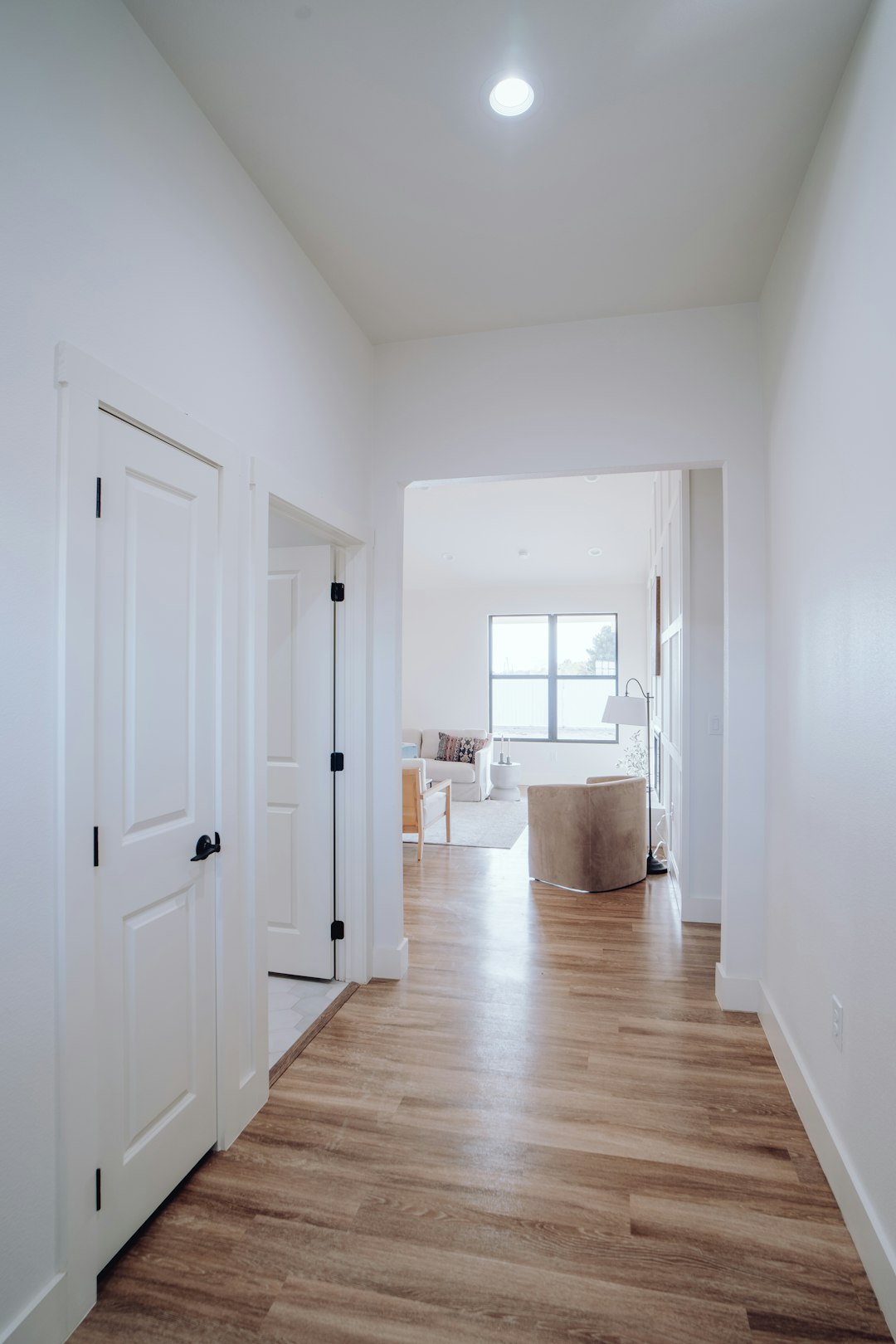
Open floor plans continue to be a popular choice for those seeking a minimalist lifestyle. By removing unnecessary walls and barriers, spaces feel larger and more connected. This openness encourages a flow of energy and light, creating a sense of freedom and relaxation. Open spaces also allow for more flexibility in furniture arrangement, making it easier to adapt to different needs. However, creating an open space requires careful planning to ensure that it remains functional and comfortable. Zone lighting, area rugs, and strategic furniture placement can help define different areas without disrupting the flow. The result is a cohesive environment that feels both expansive and intimate, perfectly blending minimalism with comfort.
Incorporating Greenery
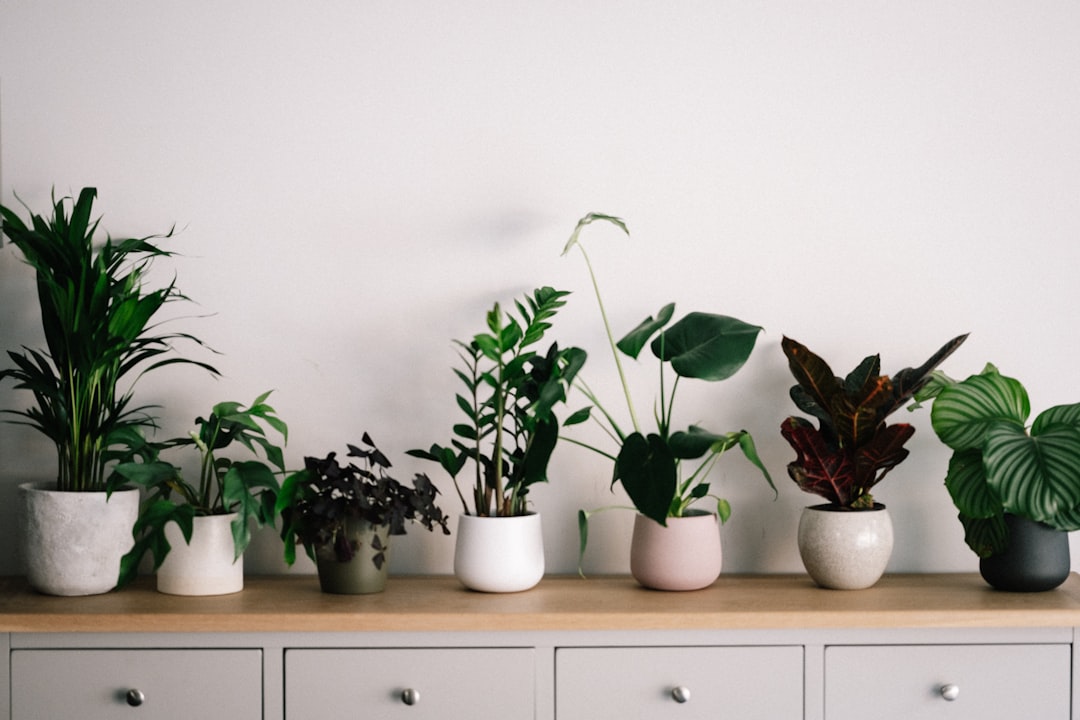
Plants have become an integral part of interior design, offering a simple way to add life and vibrancy to minimalist spaces. Indoor plants not only enhance the aesthetic appeal but also improve air quality and promote well-being. From towering fiddle leaf figs to petite succulents, there’s a plant for every space and style. The key is to choose varieties that complement the overall design and require minimal maintenance. Incorporating greenery can soften the edges of a room, making it feel more inviting and relaxed. Moreover, the presence of plants can create a connection to nature, which is a fundamental aspect of minimalist design. By thoughtfully placing plants throughout your home, you can achieve a balanced and harmonious environment that nurtures both body and mind.
Textural Variety
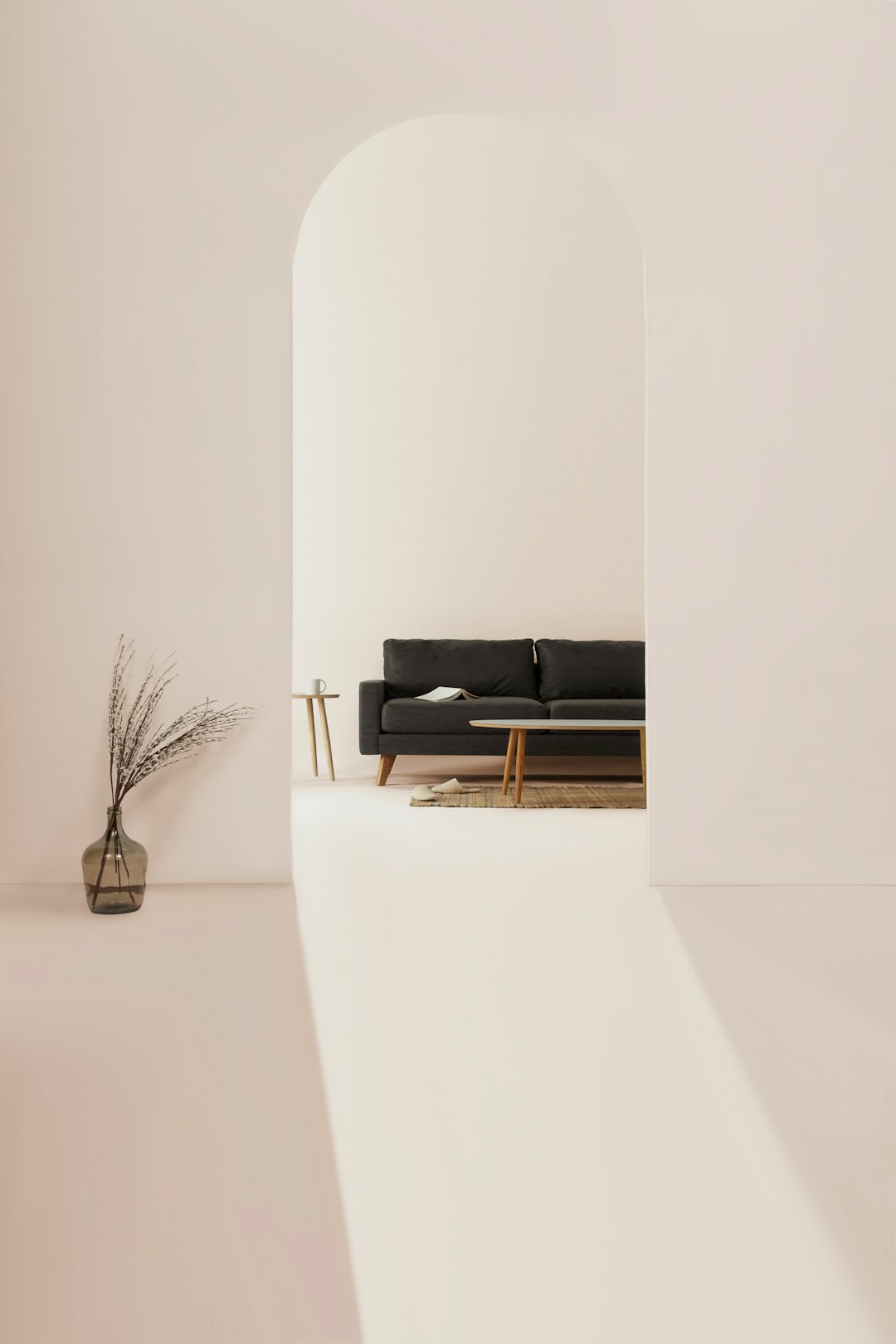
Texture is an often overlooked element in minimalist design, yet it plays a crucial role in creating depth and interest. By layering different textures, such as soft throws, plush rugs, and smooth surfaces, you can add warmth and dimension to a space. This approach allows for a minimalist aesthetic without it feeling stark or cold. Textural variety can be achieved through a mix of materials, such as wool, linen, and leather, each offering its own tactile experience. The interplay of textures invites touch and interaction, making a space feel more lived-in and comfortable. By focusing on texture, you can create a minimalist environment that is both visually appealing and inviting, ensuring that it remains a place of comfort.
Smart Home Integration
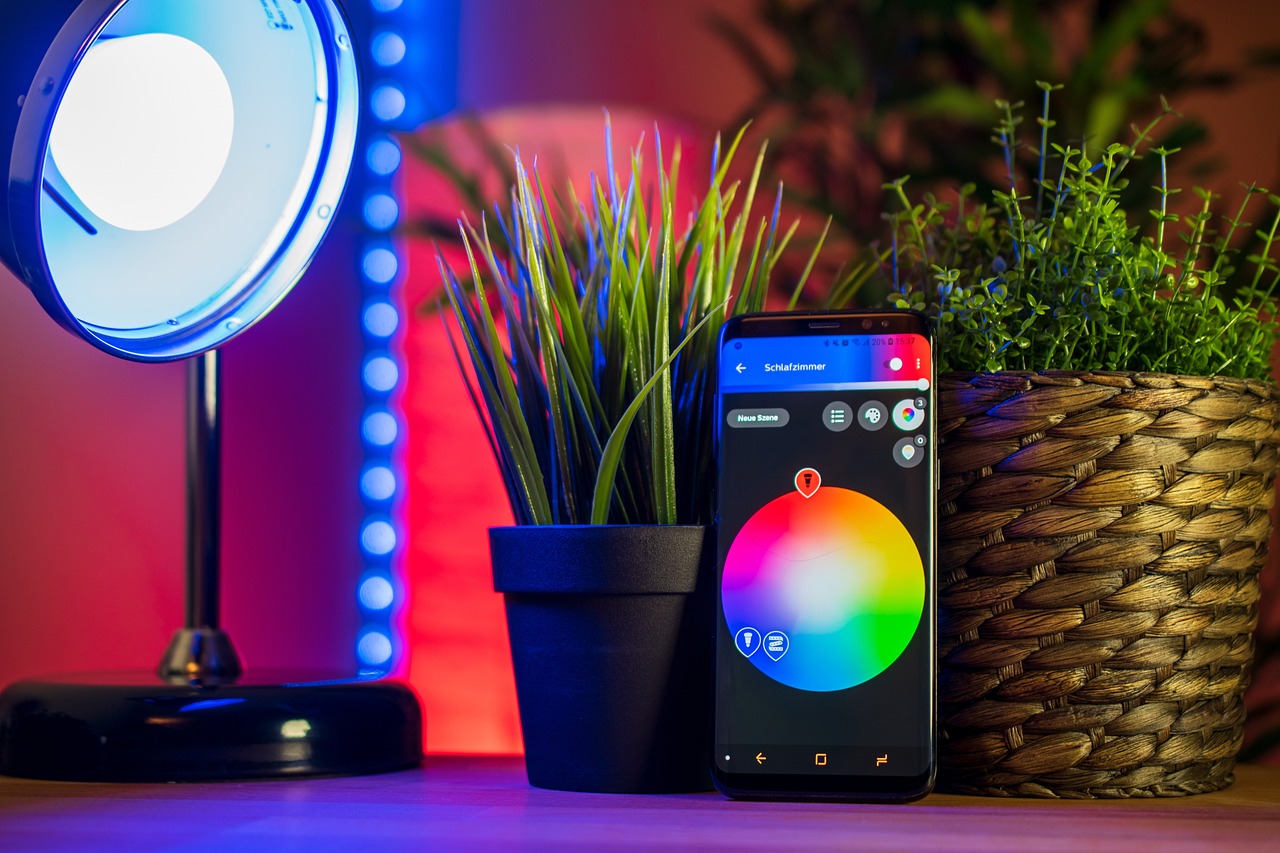
Technology is seamlessly blending into minimalist interiors, enhancing comfort and convenience without overwhelming the space. Smart home devices, such as voice-controlled lighting, automated blinds, and intelligent thermostats, offer a futuristic touch while maintaining a clean and uncluttered look. These technologies allow homeowners to control their environment with ease, adding a layer of luxury to minimalist living. The key is to integrate these devices subtly, ensuring they complement the overall design rather than detract from it. As technology continues to evolve, the possibilities for smart home integration will only expand, offering even more ways to enhance comfort in minimalist spaces.
Artisanal Touches
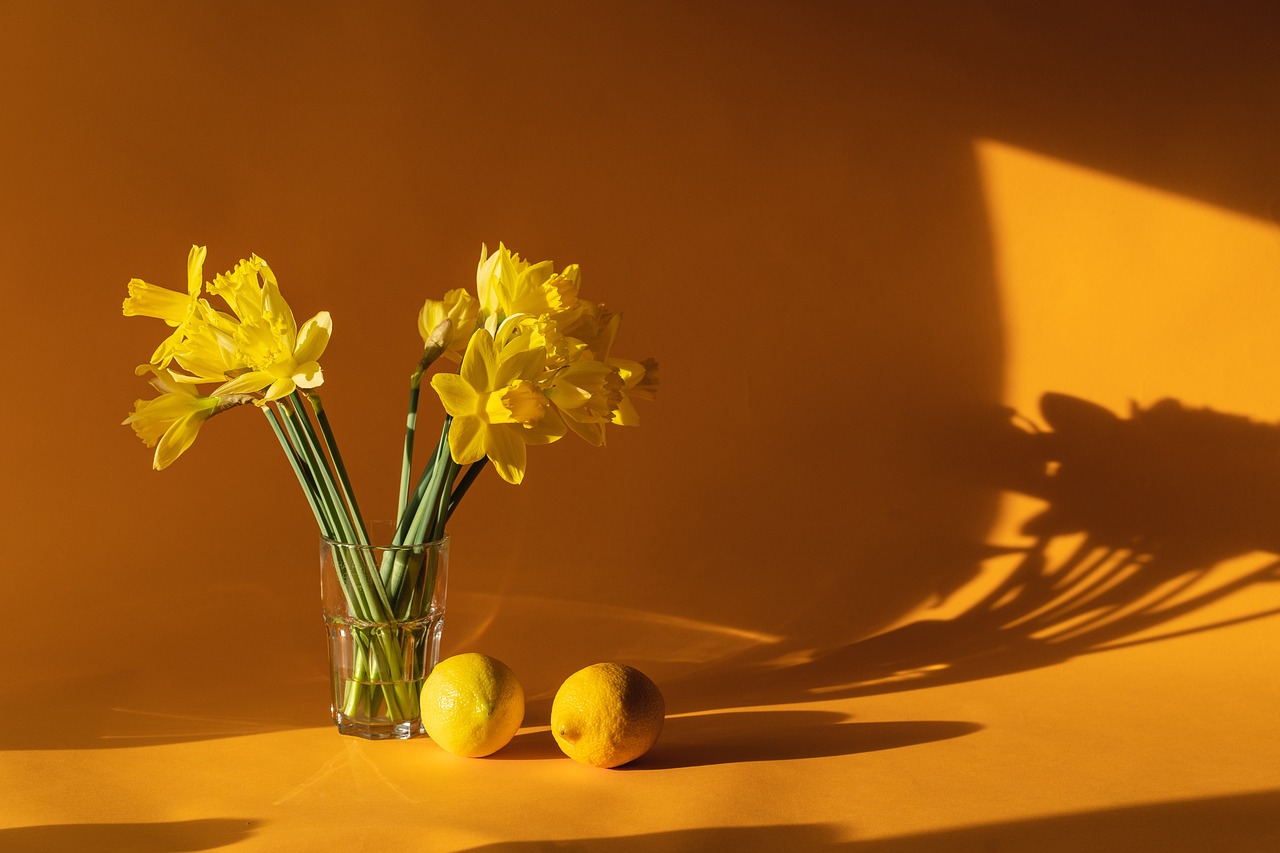
In a world of mass production, there’s a growing appreciation for artisanal craftsmanship and unique, handmade pieces. Incorporating artisanal touches into a minimalist interior adds personality and character, making the space feel more personal and inviting. From hand-thrown pottery to bespoke furniture, these items tell a story and reflect the individuality of the homeowner. Artisanal pieces often feature natural materials and traditional techniques, aligning with the principles of minimalism. By choosing items that resonate with you, you can create a space that is both minimalist and deeply personal, ensuring it remains a place of comfort and inspiration.
Layered Lighting
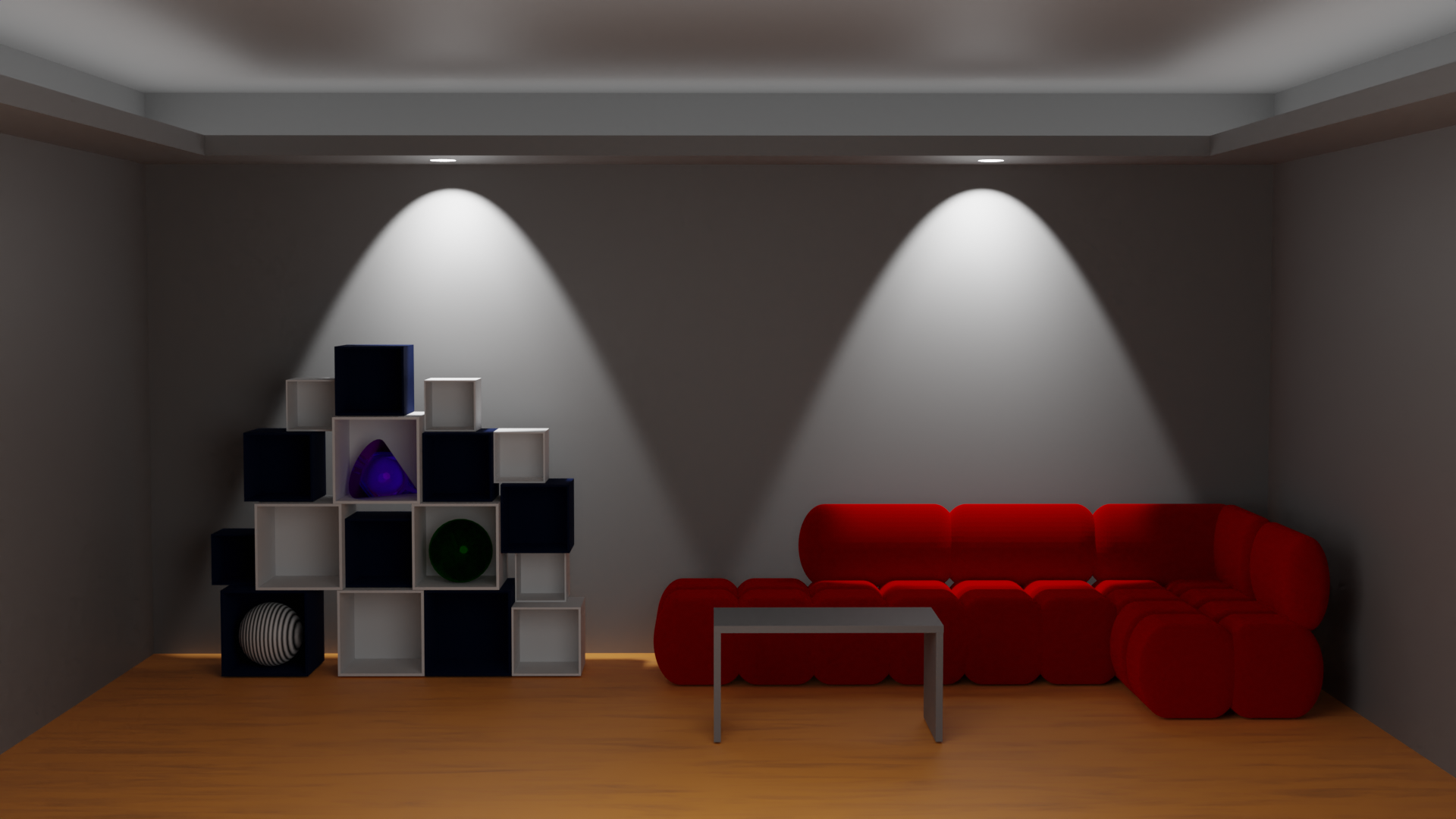
Lighting is a powerful tool in interior design, and when used effectively, it can transform a minimalist space into a warm and inviting haven. Layered lighting involves using a combination of ambient, task, and accent lighting to create a dynamic and adaptable environment. This approach allows for greater control over the mood and functionality of a space, ensuring it meets the needs of different activities. For instance, a well-placed floor lamp can provide focused light for reading, while soft, ambient lighting can create a relaxing atmosphere in the evening. By thoughtfully layering lighting, you can enhance the comfort and versatility of a minimalist interior, ensuring it remains a welcoming retreat.
Personalized Minimalism
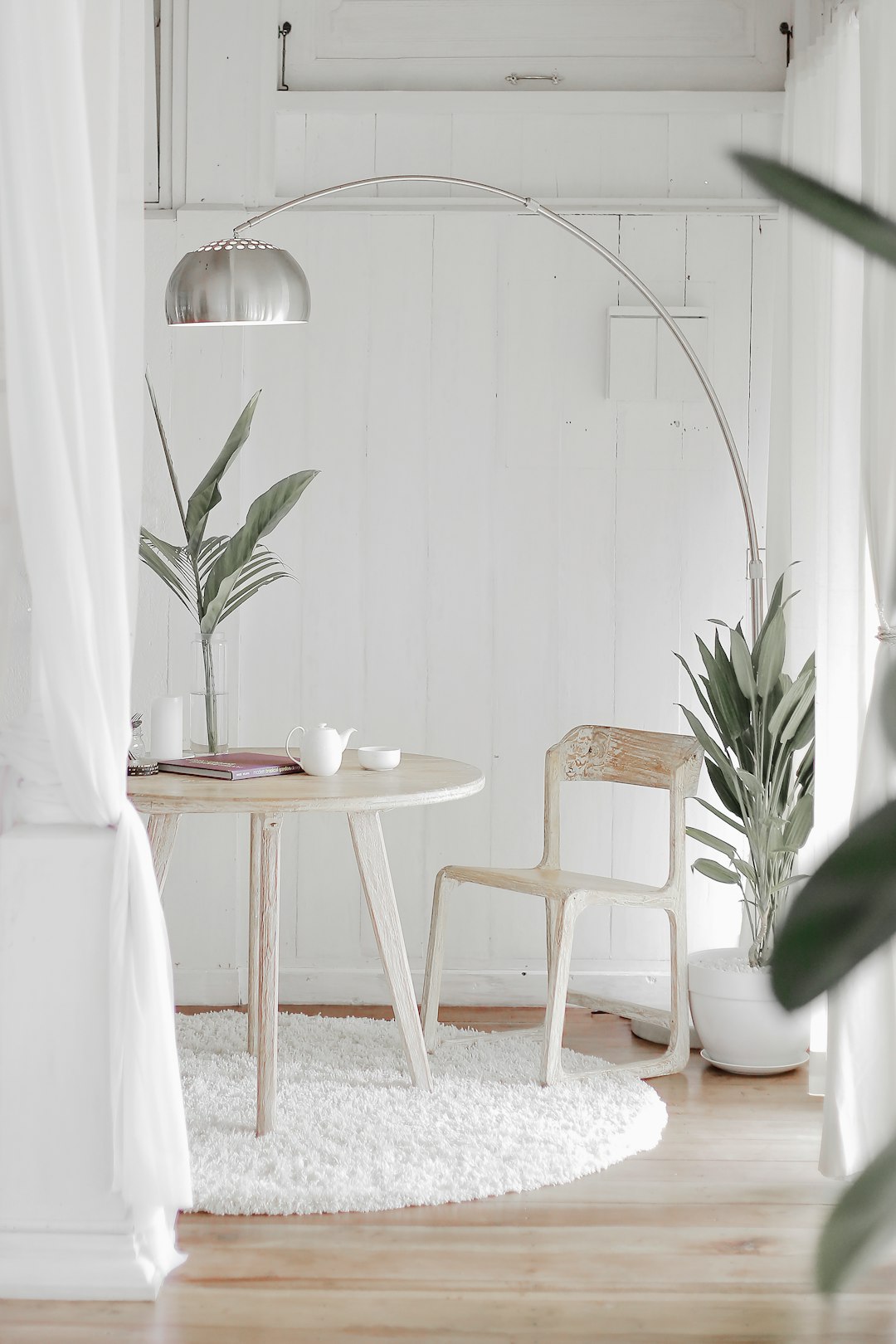
While minimalism is often associated with stark, impersonal spaces, there’s a growing trend towards personalized minimalism. This approach involves curating a minimalist environment that reflects the personality and lifestyle of the homeowner. By carefully selecting items that hold meaning and bring joy, you can create a space that is both minimalist and deeply personal. This trend emphasizes quality over quantity, encouraging individuals to invest in pieces that truly resonate with them. Personalized minimalism allows for a more flexible interpretation of the style, ensuring it remains comfortable and relevant to the individual. By embracing this approach, you can create a home that is both minimalist and uniquely yours.

Lena is a thoughtful and imaginative writer with a passion for storytelling across the themes of travel, environmental sustainability, and contemporary home aesthetics. With a background in cultural media and a strong visual sensibility, Anna Lena creates content that bridges inspiration with practical insight.
Her work explores the interplay between place, lifestyle, and design—guiding readers through meaningful travel experiences, eco-conscious choices, and modern approaches to living well. Known for her elegant writing style and attention to detail, she brings a fresh, human-centered perspective to every topic she covers.
Anna Lena contributes to digital publications and editorial projects where aesthetics meet purpose. Her writing not only informs but also encourages readers to live more intentionally, sustainably, and beautifully—wherever they are in the world.