

Lena is a thoughtful and imaginative writer with a passion for storytelling across the themes of travel, environmental sustainability, and contemporary home aesthetics. With a background in cultural media and a strong visual sensibility, Anna Lena creates content that bridges inspiration with practical insight.
Her work explores the interplay between place, lifestyle, and design—guiding readers through meaningful travel experiences, eco-conscious choices, and modern approaches to living well. Known for her elegant writing style and attention to detail, she brings a fresh, human-centered perspective to every topic she covers.
Anna Lena contributes to digital publications and editorial projects where aesthetics meet purpose. Her writing not only informs but also encourages readers to live more intentionally, sustainably, and beautifully—wherever they are in the world.
1. The Trend of Hidden Wine Rooms
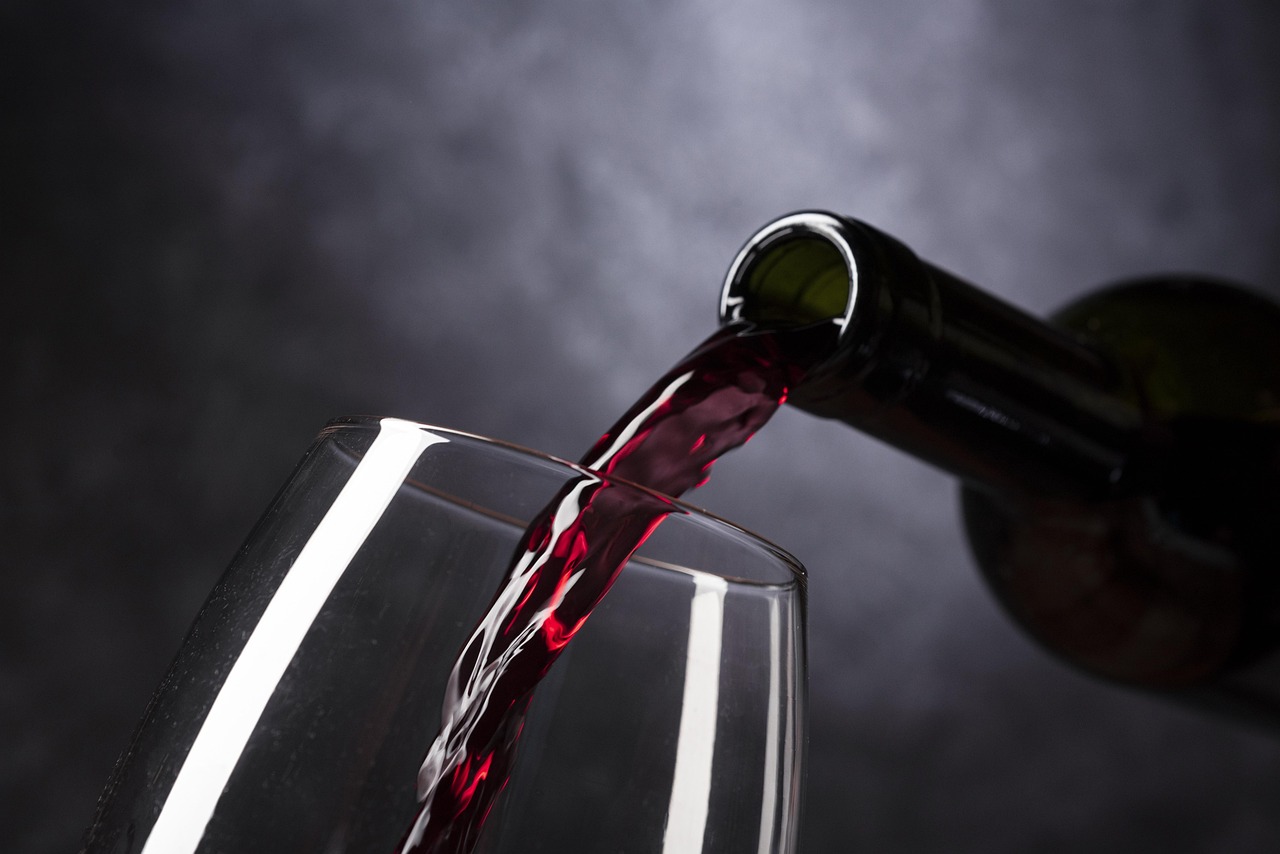
In recent years, a growing trend among affluent homeowners has emerged: the installation of hidden wine rooms behind mirrors. This innovative design not only maximizes space but also adds an element of surprise and luxury to a home. According to a report by the National Association of Realtors, approximately 30% of luxury home buyers are looking for unique features like hidden rooms, which speaks to the popularity of this trend. The concept of a concealed space intrigues many, as it brings a touch of mystery and exclusivity. For some, it’s akin to having a secret door leading to a treasure trove. This trend reflects a broader desire for personalized and unique home features that stand out.
2. The Allure of Wine Collecting

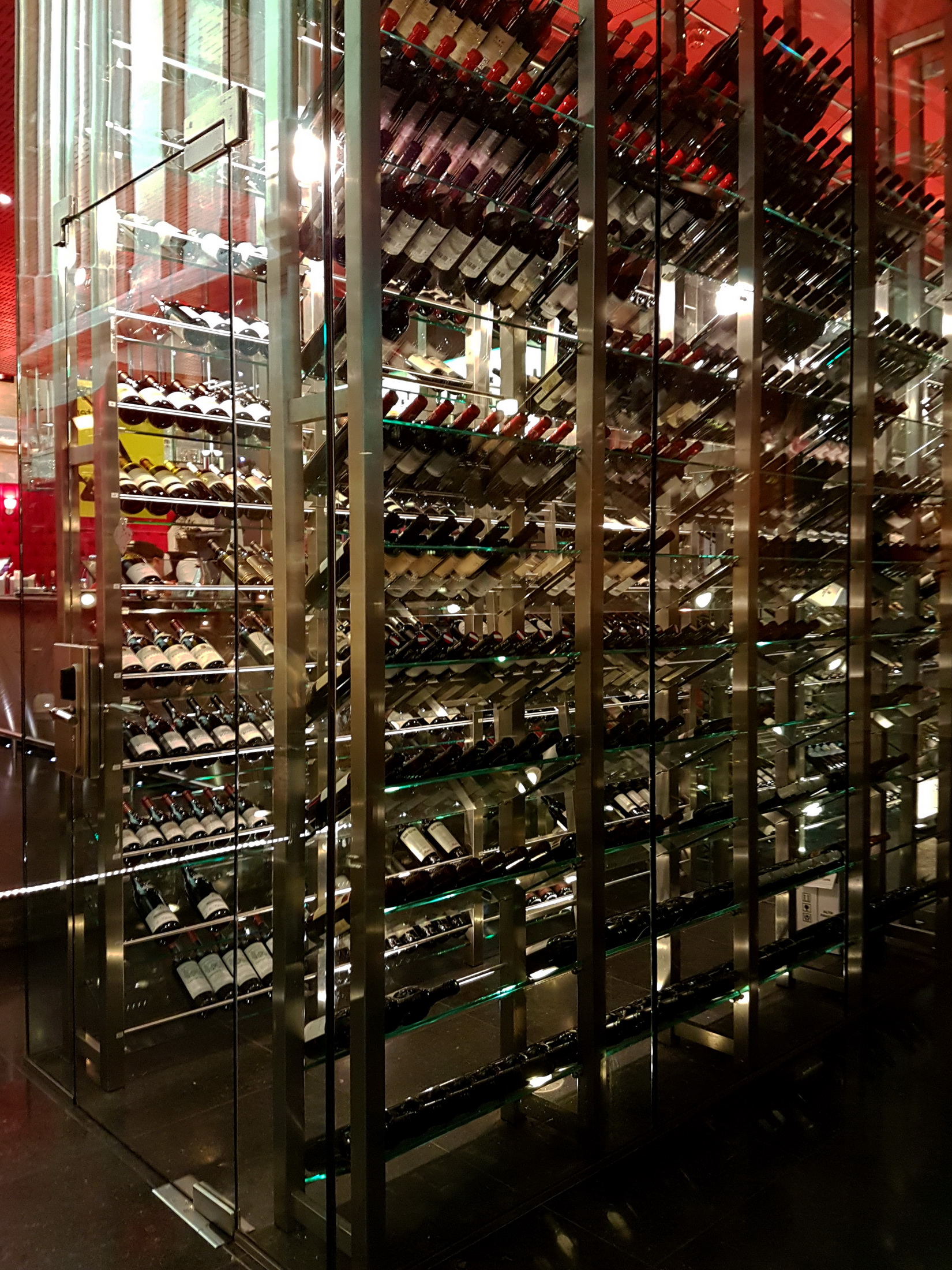
Wine collecting has become a status symbol among the wealthy. Many millionaires view their wine collections as investments, with some bottles appreciating in value over time. The Sotheby’s Wine Auction reported that rare wines can sell for thousands of dollars per bottle, making a well-curated collection not just a hobby but a lucrative venture. This has led to an increase in demand for dedicated wine storage spaces, prompting homeowners to get creative with their designs. A bottle of wine can be much more than a drink; it can be a piece of history or a testament to exquisite craftsmanship. For collectors, each bottle holds a story, making its storage equally significant.
3. Design and Aesthetic Considerations
The design of hidden wine rooms often incorporates high-end materials and finishes. Homeowners typically opt for custom cabinetry, climate control systems, and sophisticated lighting to create an inviting atmosphere. The use of mirrors not only conceals the wine room but also enhances the overall aesthetic of the space, making it feel larger and more luxurious. Designers emphasize the importance of integrating these rooms seamlessly into the home’s existing decor. It’s like crafting a beautiful painting where every brushstroke matters. Each element, from the wood grain to the ambient lighting, plays a crucial role in elevating the room’s allure.
4. The Technology Behind the Magic

Modern technology plays a crucial role in the functionality of hidden wine rooms. Many homeowners are incorporating smart home systems that allow them to monitor temperature and humidity levels remotely. This ensures that wine is stored under optimal conditions, preserving its quality. Additionally, some wine rooms feature automated doors that open with the touch of a button, adding a layer of convenience and sophistication. Imagine a world where your wine cellar communicates with you, telling you when conditions change. This tech-savvy approach ensures every bottle remains in pristine condition, ready for that perfect moment of enjoyment.
5. Cost Implications
Creating a hidden wine room can be a significant investment. Depending on the size and complexity of the design, costs can range from $10,000 to over $100,000. This includes expenses for construction, materials, and technology. However, for many millionaires, the value added to their home and the enjoyment derived from their wine collection justifies the expense. Real estate experts note that unique features like hidden wine rooms can increase a property’s market value. It’s much like buying a masterpiece: the initial cost is high, but the long-term appreciation and enjoyment make it worthwhile.
6. The Role of Interior Designers
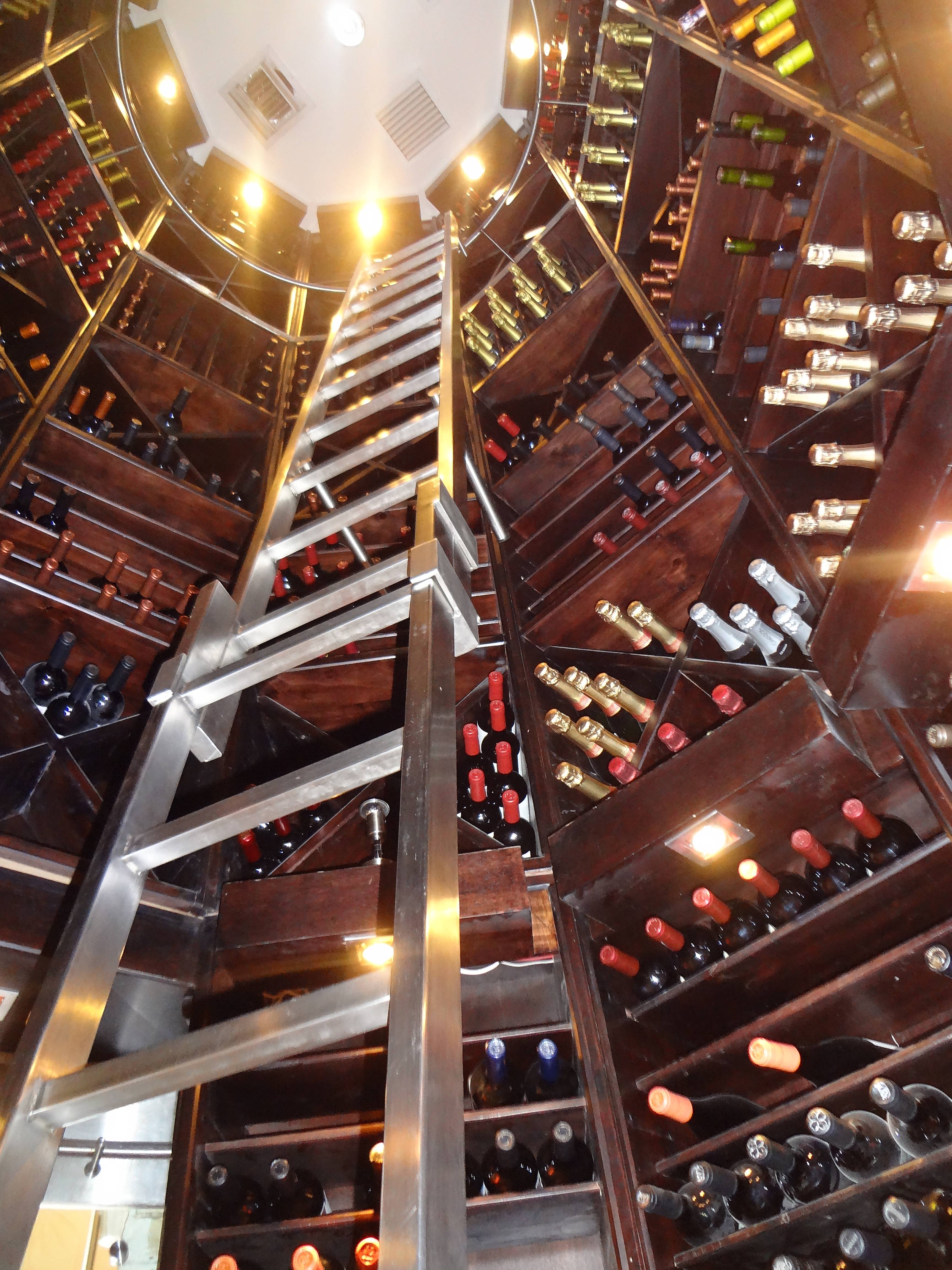
Interior designers are increasingly being called upon to create these luxurious hidden spaces. Their expertise in blending functionality with aesthetics is crucial in ensuring that the wine room complements the overall design of the home. Many designers are now specializing in wine room design, offering tailored solutions that meet the specific needs and tastes of their clients. This has led to a surge in demand for professional design services in this niche market. Much like a tailor crafting a bespoke suit, designers meticulously measure, cut, and stitch every element to perfection, ensuring the wine room fits seamlessly into the home.
7. Privacy and Security Considerations
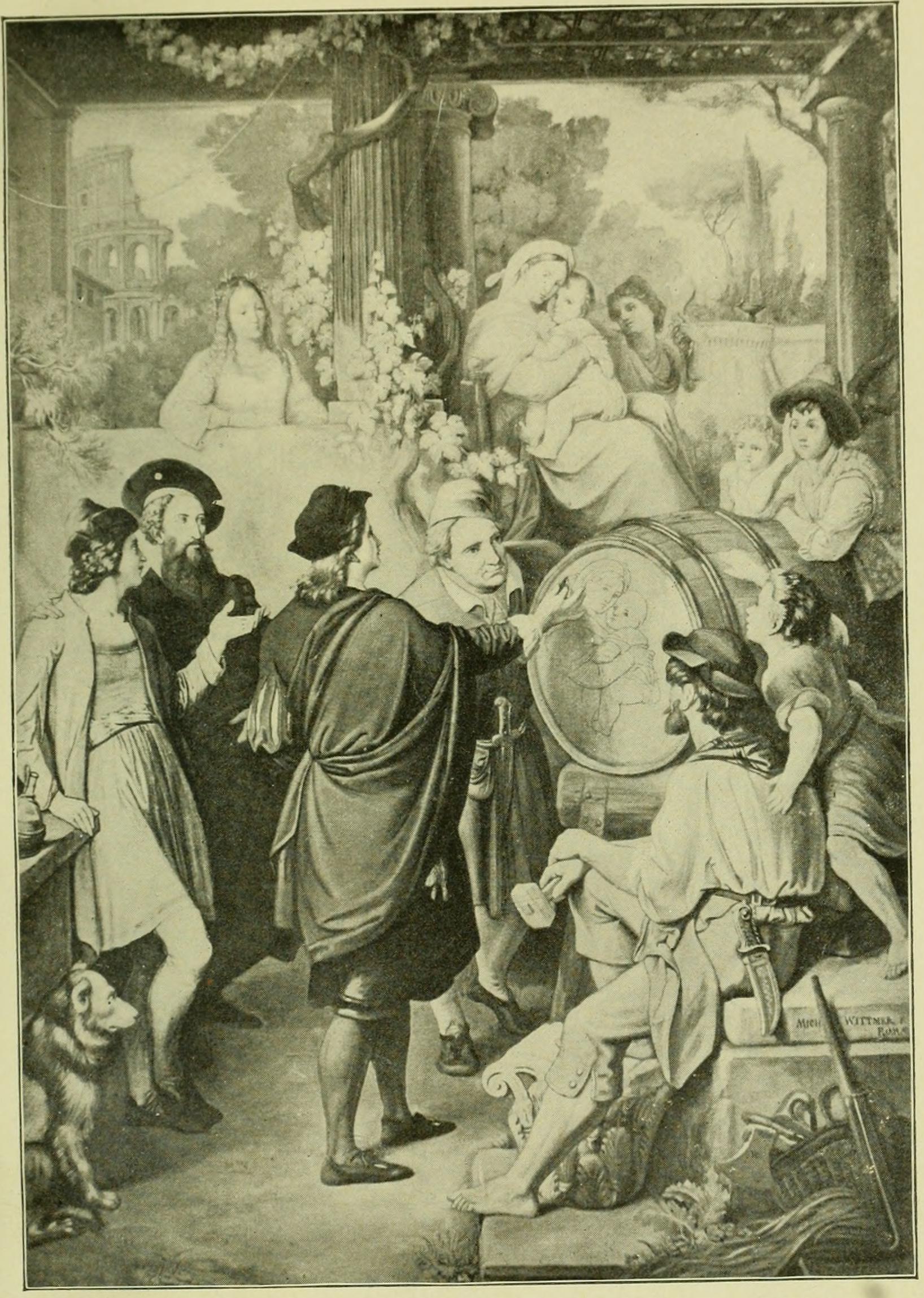
For many millionaires, privacy and security are paramount. Hidden wine rooms provide a discreet way to store valuable collections away from prying eyes. Homeowners often invest in advanced security systems to protect their wine collections, including surveillance cameras and alarm systems. This added layer of security not only safeguards their investments but also provides peace of mind. It’s akin to placing a vault within a vault, ensuring that every sip of wine is protected as though it were liquid gold.
8. The Impact of COVID-19 on Wine Room Trends
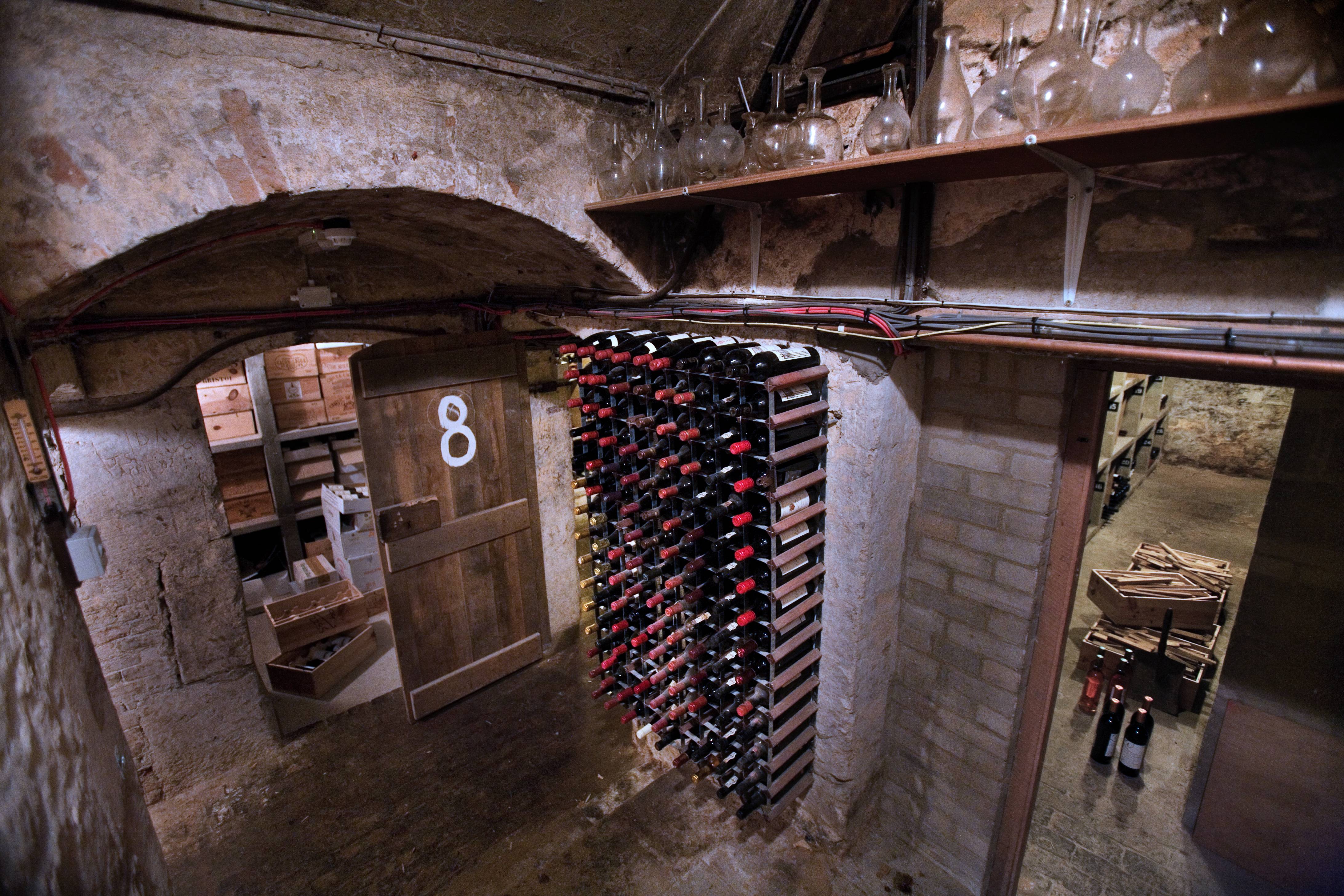
The COVID-19 pandemic has influenced how people view their homes, with many seeking to create more enjoyable and functional spaces. As social gatherings became limited, homeowners began to invest in features that enhance their home experience. Wine rooms have become a popular addition, allowing for private tastings and gatherings with close friends and family. This shift has further fueled the demand for hidden wine rooms as a luxurious home feature. In a world where travel was restricted, these rooms became a passport to distant vineyards, offering a taste of the world from the comfort of home.
9. Future Trends in Wine Room Design
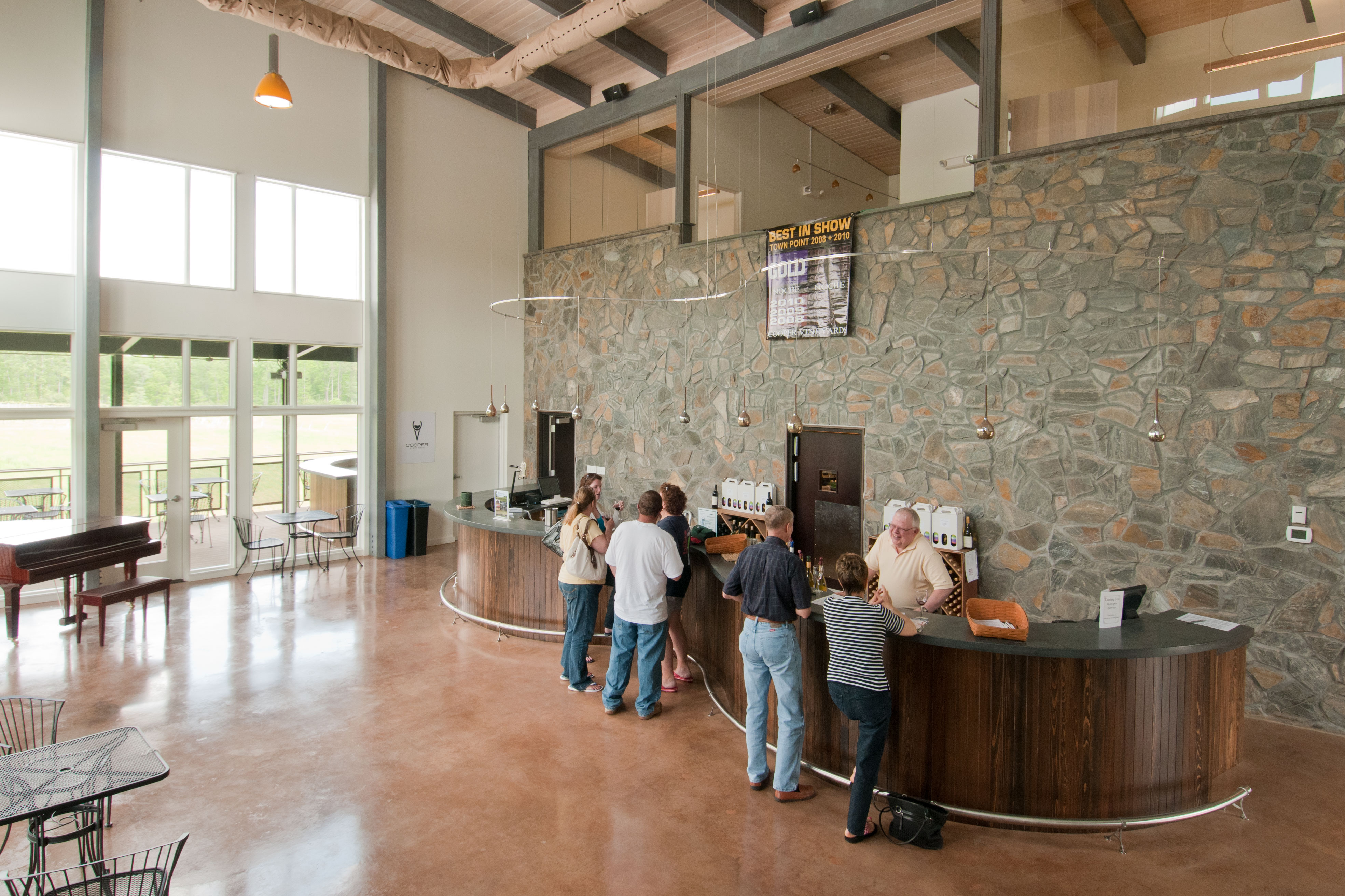
Looking ahead, the trend of hidden wine rooms is expected to evolve. Homeowners are increasingly interested in sustainable practices, leading to the incorporation of eco-friendly materials and energy-efficient technologies in wine room designs. Additionally, as the wine market continues to grow, we can expect to see more innovative storage solutions that cater to the needs of collectors. Think of it as a green revolution, where luxury meets sustainability, ensuring that the legacy of wine collecting is preserved for future generations.
10. Conclusion: A Luxurious Investment

In conclusion, hidden wine rooms behind mirrors are more than just a design trend; they represent a lifestyle choice for many millionaires. The combination of luxury, functionality, and security makes these spaces highly desirable. As the market for unique home features continues to expand, hidden wine rooms are likely to remain a sought-after element in luxury real estate. These rooms are not just about storing wine; they are about crafting an experience, a journey through the world of fine wines, secured and savored in the heart of one’s home.

Lena is a thoughtful and imaginative writer with a passion for storytelling across the themes of travel, environmental sustainability, and contemporary home aesthetics. With a background in cultural media and a strong visual sensibility, Anna Lena creates content that bridges inspiration with practical insight.
Her work explores the interplay between place, lifestyle, and design—guiding readers through meaningful travel experiences, eco-conscious choices, and modern approaches to living well. Known for her elegant writing style and attention to detail, she brings a fresh, human-centered perspective to every topic she covers.
Anna Lena contributes to digital publications and editorial projects where aesthetics meet purpose. Her writing not only informs but also encourages readers to live more intentionally, sustainably, and beautifully—wherever they are in the world.