

Henrieke Otte is an accomplished writer and content editor, specializing in topics that inspire thoughtful living—ranging from global travel and sustainable lifestyles to interior design and architecture. With a keen editorial sense and a background in cultural studies, Henrieke brings depth, elegance, and clarity to every piece she crafts.
Her work is known for its engaging voice, visual sensitivity, and ability to turn complex ideas into accessible, reader-friendly narratives. Whether exploring eco-conscious destinations, dissecting climate-conscious home trends, or curating serene living spaces, Henrieke writes with a balance of creativity and insight that resonates with design-savvy, environmentally aware audiences.
Driven by a love of meaningful storytelling and a refined aesthetic, Henrieke contributes regularly to digital platforms and magazines where quality content meets visual sophistication.
The $500 Daily Fine That Makes Your Coffee Budget Look Like Pocket Change
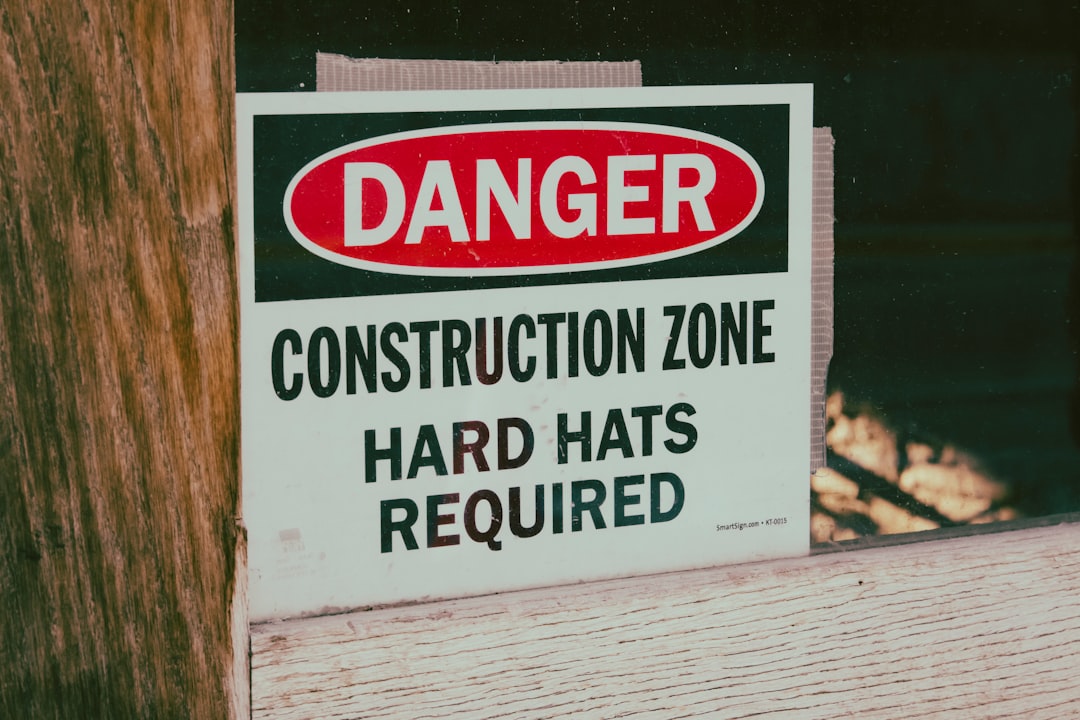
Think you can skip the permit and save a few hundred bucks? Think again. You may be charged $500 or more daily for violating building permit laws, and that’s not just a one-time slap on the wrist. Your county can also put a lien on your home if you don’t pay the fine, which means your DIY savings just became a legal nightmare. Depending on the type of project, your county building department may ask you to demolish any work you’ve done.
Imagine spending your entire summer building that dream deck, only to have the city tell you to tear it down because you didn’t file the right paperwork. Completing a project without a permit could result in major fines or having to tear it down and start over, which makes that permit fee look like the bargain of the century.
Your Safety Net Against Electric Shocks and Structural Collapses
Most importantly, you risk safety issues when you complete work without a permit or hire someone willing to do the job without the proper licenses. We’re talking about real dangers here – not just a crooked wall or mismatched paint. Poorly executed electrical or plumbing work could be dangerous and expensive, so you want to ensure the work is top-notch.
All of this ensures that potential health and safety hazards such as fire hazards, electrical shock, and structural collapse risks are minimized. A permit isn’t just government red tape – it’s your insurance policy against turning your home into a hazard zone. Most importantly, you need a building permit to ensure no one gets hurt before or after the project.
The $5,000 Threshold That Changes Everything
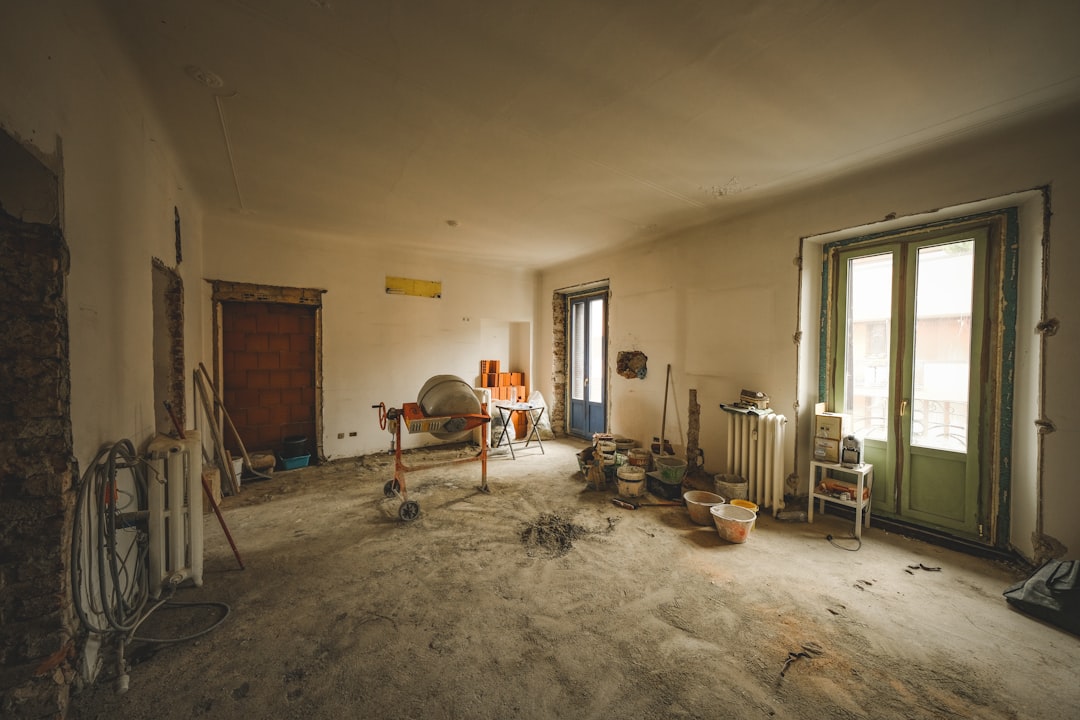
Here’s something most DIYers don’t realize: Some municipalities require a permit if renovations or construction projects cost more than a certain amount—usually $5,000 or more. That kitchen backsplash project might seem minor, but when you add up materials, tools, and your time, you could be crossing into permit territory without realizing it.
Additions, new construction, remodels, repairs, replacements, and upgrades totaling $5,000 or more will require a permit. This threshold exists because at this level, projects start involving structural changes, electrical work, or plumbing modifications that could affect your home’s safety and value.
The Inspection Dance That Actually Protects Your Investment
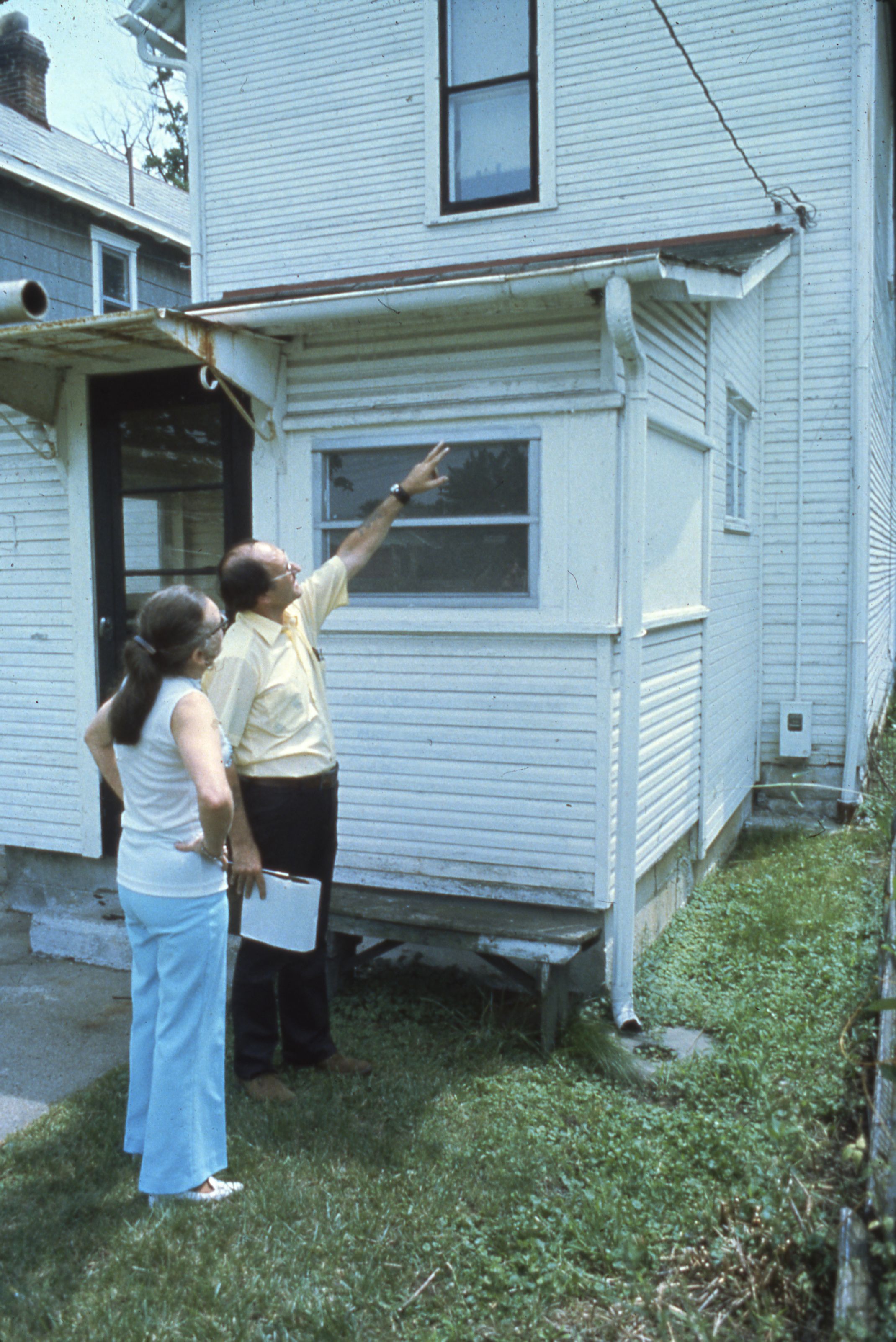
Depending on the project’s complexity, some permits are issued immediately, while others may require inspection of the plans. During the renovation process, inspections will be required. Yes, having someone scrutinize your work sounds annoying, but these inspections catch problems before they become disasters.
Multiple inspections may be required for projects involving home additions. Once the work is complete, a final inspection occurs, and the project can conclude. Think of inspectors as your quality control team – they’re there to make sure your project meets safety standards and won’t cause problems down the road.
Your Property Value’s Best Friend
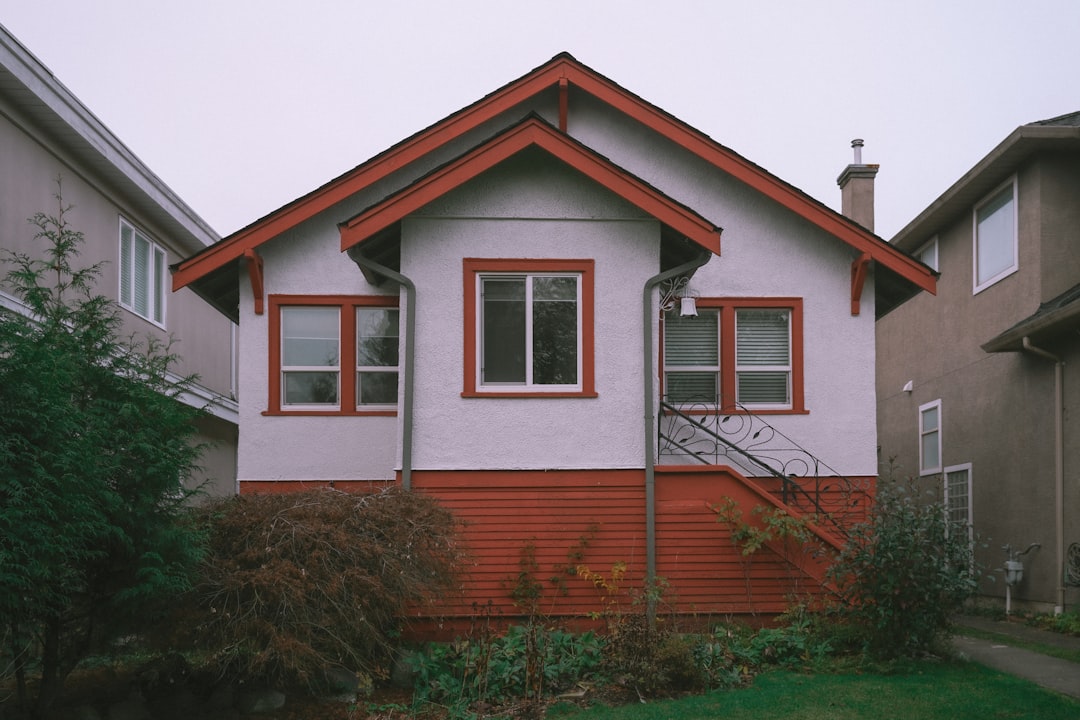
Here’s the kicker: unpermitted work can actually hurt your home’s value. Similarly, unpermitted work can cause problems with the building code, reduce the total number of rooms, and cause a headache when selling. When potential buyers discover unpermitted work, they either walk away or demand significant price reductions.
Clever Real Estate’s survey of recent home buyers found that money for repairs was among the top concessions buyers asked for in 2023 and 2024, while sellers spent an average of $19,773 on repairs after negotiating with buyers. Don’t let your DIY project become someone else’s bargaining chip.
The Electrical Work That Could Literally Kill You
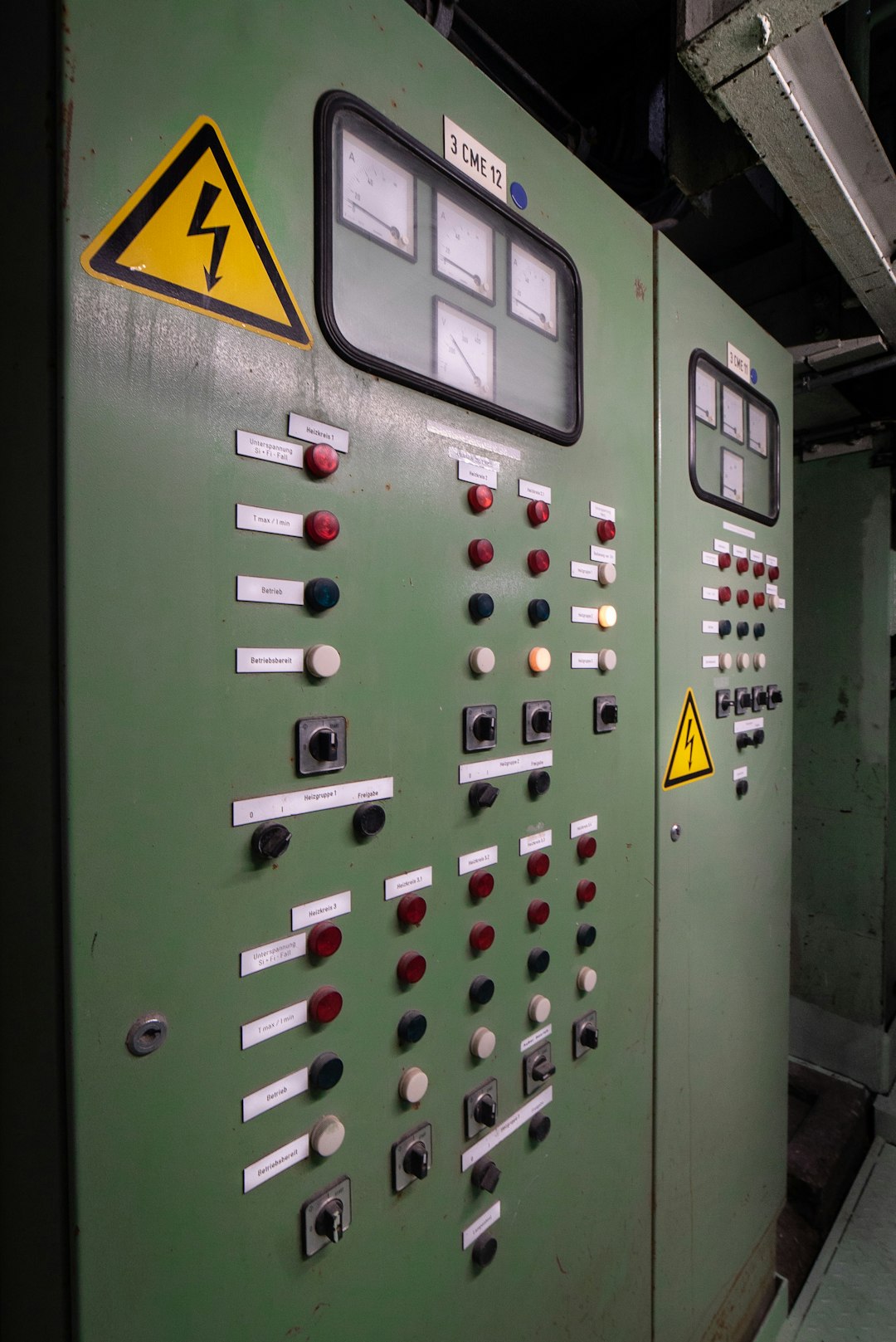
Let’s get real about electrical work. Unsurprisingly, the most common OSHA violation in construction in 2024 was the failure to provide appropriate fall protection. It accounts for more than twice as many citations and over five times the financial penalties of any other violation. While this statistic covers professional construction, it highlights how safety violations have serious consequences.
OSHA’s maximum penalties for serious and other-than-serious violations will increase from $15,625 per violation to $16,131 per violation. The maximum penalty for willful or repeated violations will increase from $156,259 per violation to $161,323 per violation. Even if you’re not a contractor, these numbers show how seriously safety violations are taken.
The Plumbing Nightmare That Floods Your Neighbor’s Basement

Water damage is no joke, and plumbing permits exist for good reason. The inspector often looks for water drainage planning to assure you won’t flood your neighbor’s yard or set yourself up for a collapse down the road. That simple bathroom renovation could turn into a liability lawsuit if your work causes flooding.
Water heater: You need a permit to replace your water heater, and there’s a good reason for this. Improper installation can lead to gas leaks, carbon monoxide poisoning, or scalding water temperatures that could injure your family.
The Deck Project That Seemed So Simple
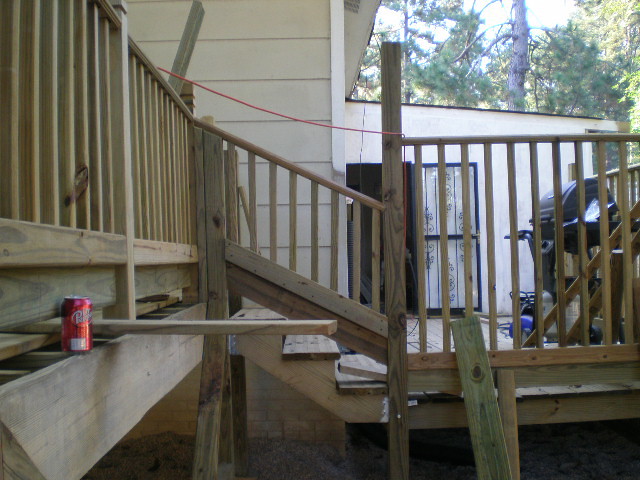
A simple ground-level deck is within the skill level of most DIYers, but you’ll probably still need a permit for the work. Even something as straightforward as a deck involves structural considerations that affect safety. The only crucial step before proceeding lies in any required footer inspections.
Deck collapses make headlines because they’re often catastrophic. A permit ensures your deck can handle the weight of people, furniture, and weather conditions. Of course, easy accessibility for the inspector helps speed the process, so it’s not as complicated as you might think.
The Fence Fight With Your Neighbors
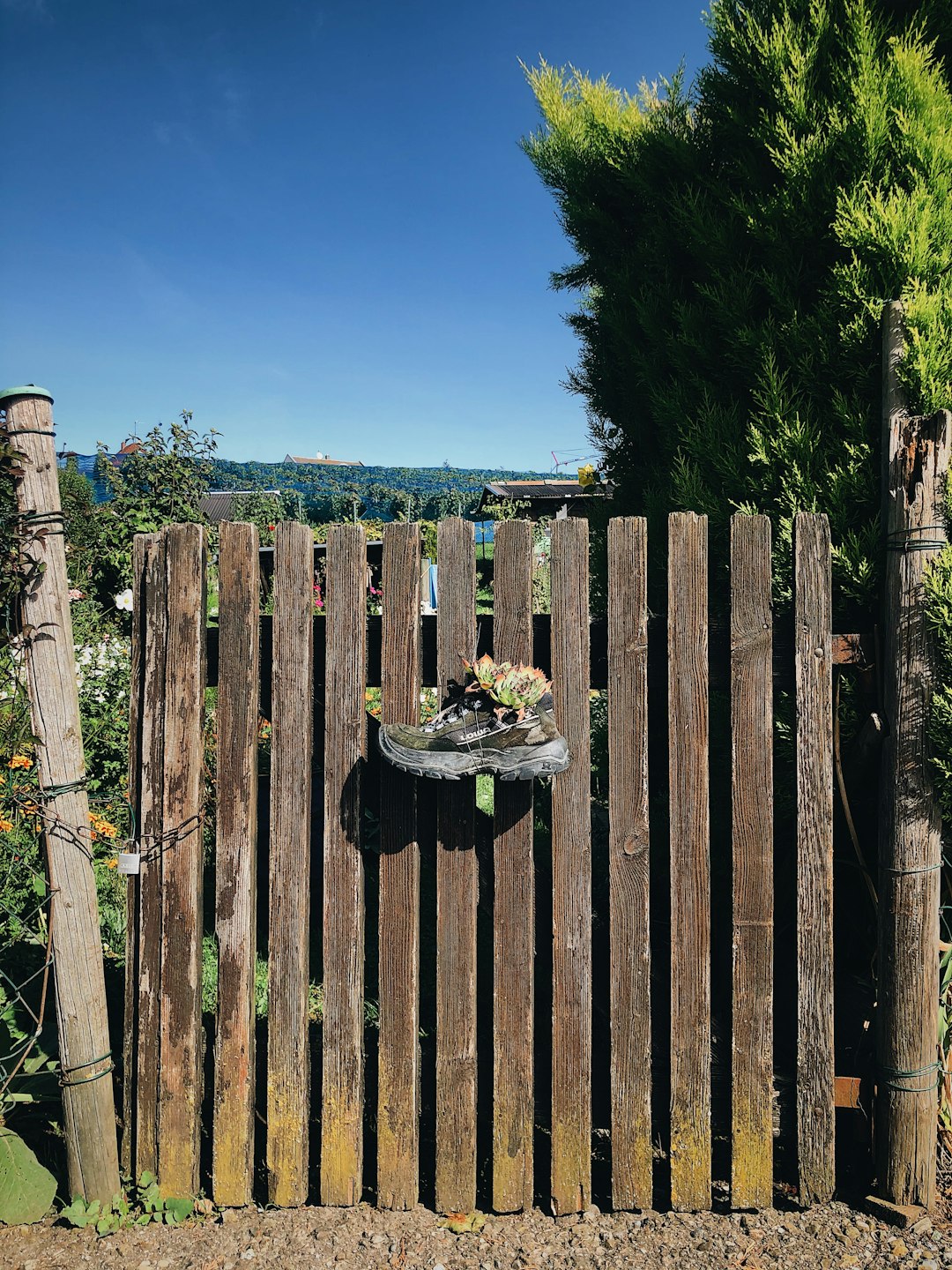
Many people assume they can add something as straightforward as a new fence without a permit. In some cities, that’s true. However, municipalities require permitting and pre-build evaluations before starting work. Fence disputes between neighbors are legendary, and permits help prevent these conflicts.
Some specify requirements about height, material or aesthetics of the fence. Others simply want to make sure that the fence posts are seated properly. A permit ensures you’re not accidentally building on your neighbor’s property or violating local ordinances.
The Shed That’s Actually a Building
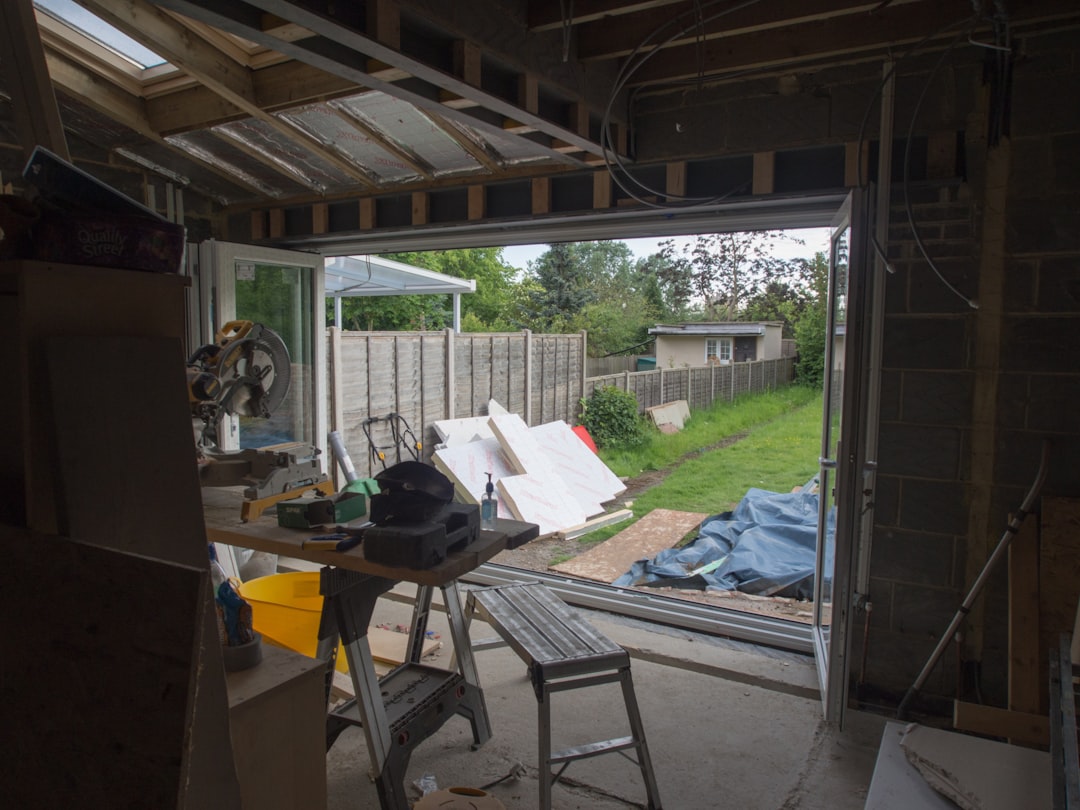
Many municipalities allow construction without a permit if they within certain guidelines for height, footprint and distance from property lines. If you decide to run utilities like water and electricity to your shed, a permit becomes more likely. What starts as a simple storage shed can quickly become a complex building project.
Depending on the climate where you live and the amount of frost-driven ground heave, requirements for footers or other foundation aspects may exist. That weekend shed project could turn into a foundation nightmare if you don’t understand local building requirements.
The Basement Remodel That’s Actually Complicated
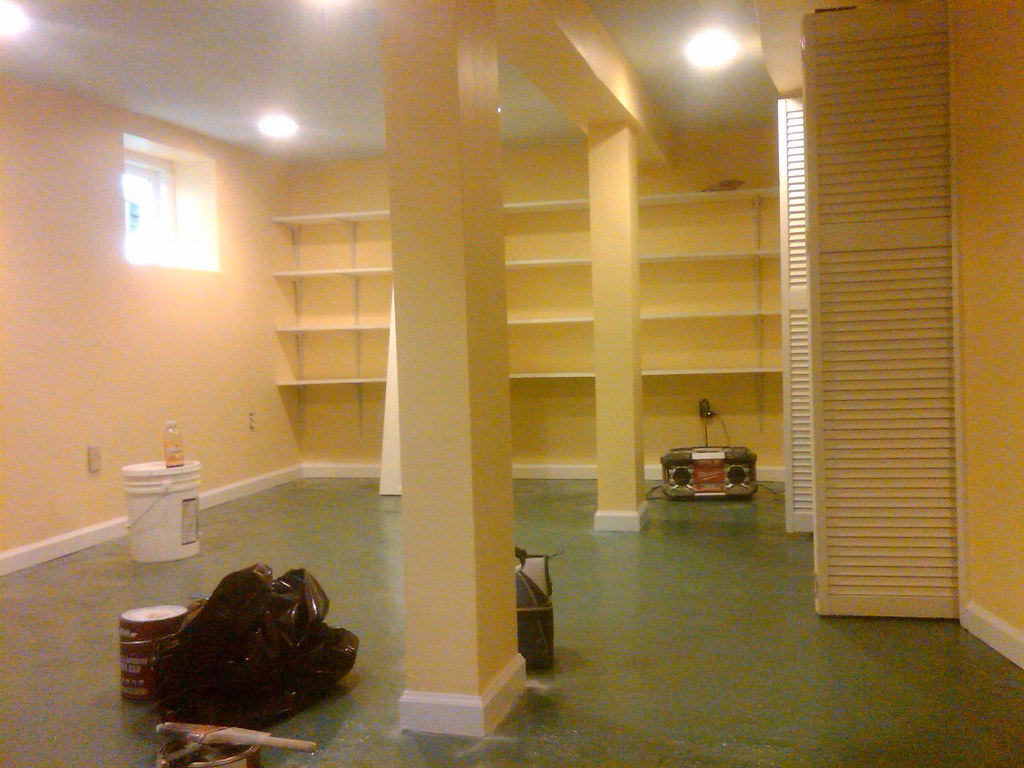
While a basement remodel is a great DIY project, particularly if it was originally unfinished, it still requires a permit. It’s especially important to adhere to code requirements about clearance around the electrical breaker box, furnace or other mechanicals. Basements involve multiple safety considerations that aren’t obvious to DIYers.
Going through the permit process may cause some pain. But the city’s guidelines can save you a lot of headaches, like avoiding water penetration. Basement moisture problems can destroy your entire investment and create health hazards.
The Grading Project That Floods the Neighborhood
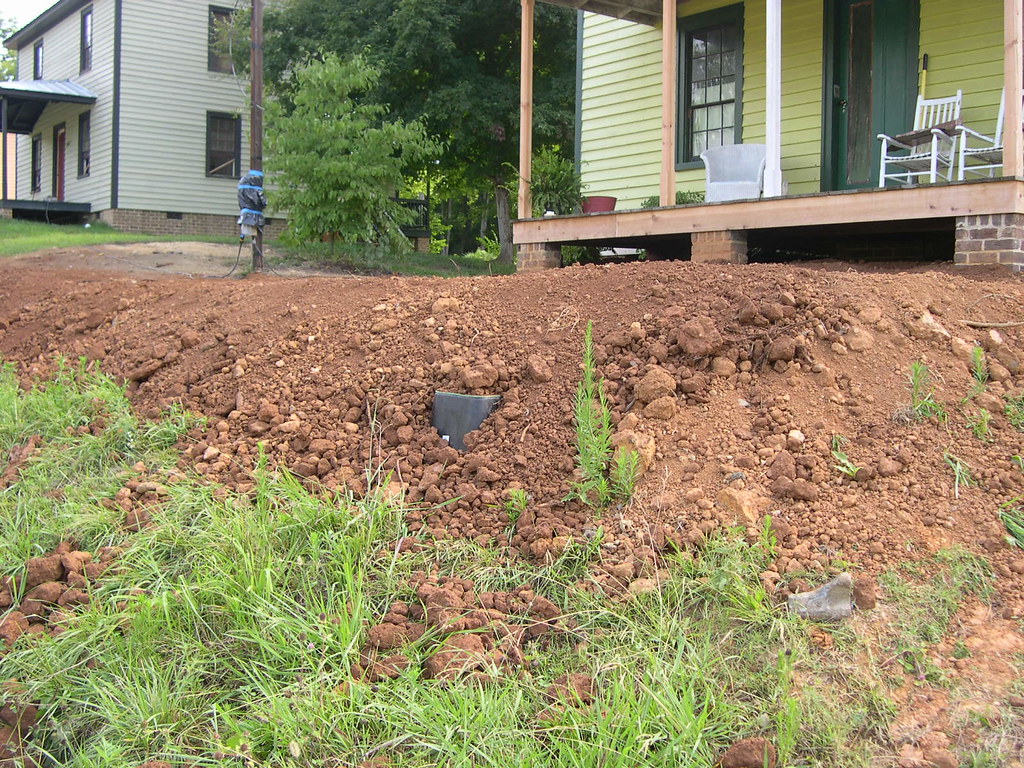
If you spread soil along the side of your home to prevent a damp basement, you’re probably fine. However, if you bring in a truckload of soil to elevate a section of your yard, you’re more likely to run into permit issues. This is particularly true if all that diverted rainwater runs toward your neighbor’s basement.
Permits for projects like grading are usually easy to obtain. At most, they require a sketch so that city engineers can make sure your plan doesn’t create a bigger problem than the one you’re solving. Water drainage affects entire neighborhoods, not just your property.
The Liability Shield You Never Knew You Needed

If you pull the permit yourself as a way to try to save money or DIY the project, you will be considered the contractor in the eyes of the government (and therefore liable for the project). This is a case where a few hours and maybe a few hundred dollars can save you scores of hours and thousands of dollars in damages or losses later on.
However, working on your home on a large enough project without approval can result in a violation of city codes, which can lead to numerous possible outcomes: Fines and penalties from code enforcement authorities. The permit process creates a legal framework that protects you from liability issues.
The Permit Process Is Easier Than You Think
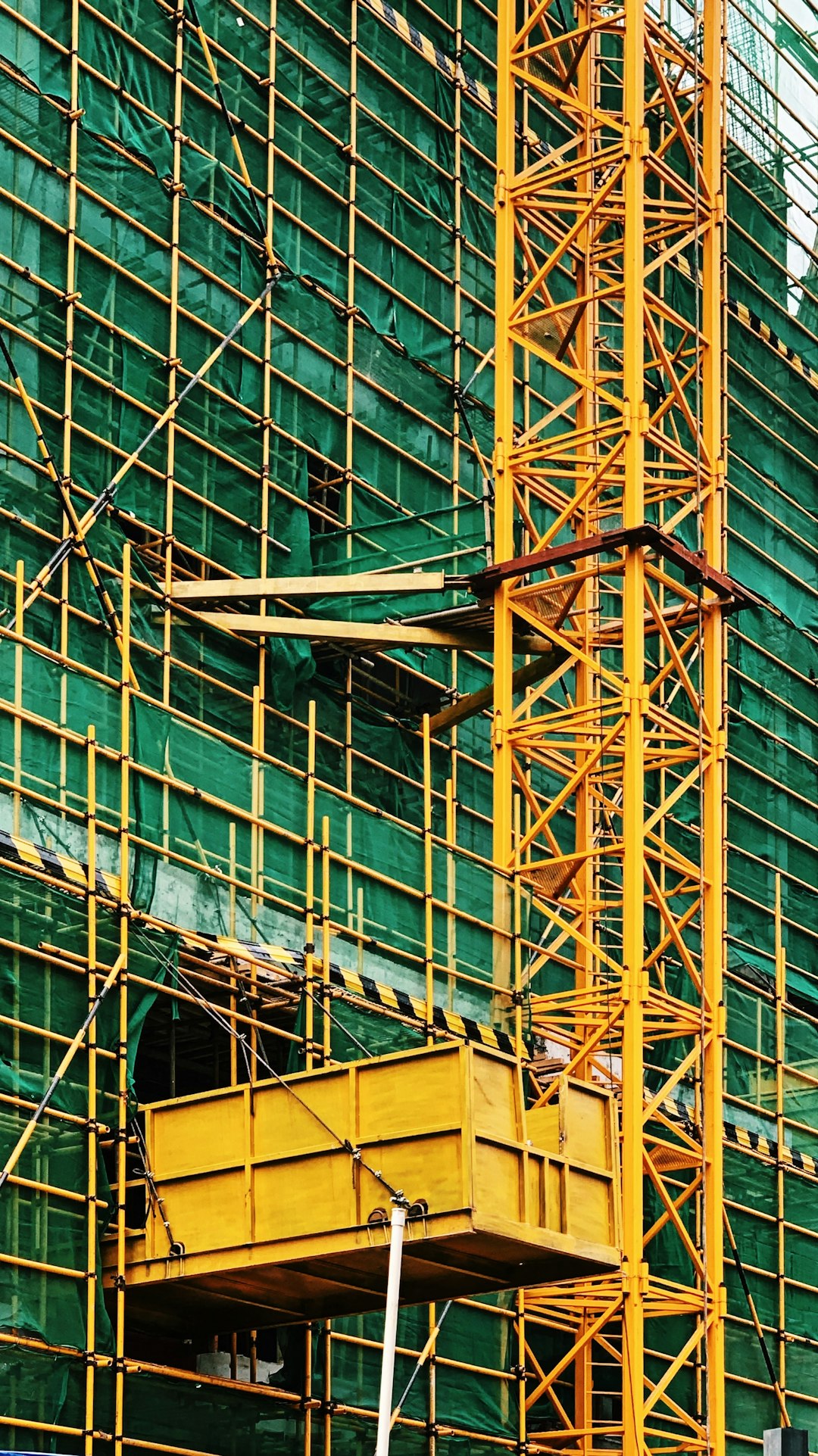
Permits are usually issued through your municipality’s permitting office, and the process is more streamlined than most people realize. Permit approvals from local government offices move more quickly since they tend to not be as busy with requests. Many permits can be obtained online or with a simple visit to city hall.
The average cost of a building permit sits around $1,647, but you could pay as little as $150 for simple plumbing or rewiring permits or as much as $7,500 for large, complex projects that require multiple permits, like new construction. When you consider the potential costs of doing it wrong, permits are incredibly affordable insurance.
Getting a permit might feel like bureaucratic hassle, but it’s actually your best investment in any DIY project. It protects your safety, your property value, and your legal standing. Next time you’re tempted to skip the permit process, remember that $500 daily fine and ask yourself: is saving a few hundred dollars really worth risking everything?

Henrieke Otte is an accomplished writer and content editor, specializing in topics that inspire thoughtful living—ranging from global travel and sustainable lifestyles to interior design and architecture. With a keen editorial sense and a background in cultural studies, Henrieke brings depth, elegance, and clarity to every piece she crafts.
Her work is known for its engaging voice, visual sensitivity, and ability to turn complex ideas into accessible, reader-friendly narratives. Whether exploring eco-conscious destinations, dissecting climate-conscious home trends, or curating serene living spaces, Henrieke writes with a balance of creativity and insight that resonates with design-savvy, environmentally aware audiences.
Driven by a love of meaningful storytelling and a refined aesthetic, Henrieke contributes regularly to digital platforms and magazines where quality content meets visual sophistication.