

Lena is a thoughtful and imaginative writer with a passion for storytelling across the themes of travel, environmental sustainability, and contemporary home aesthetics. With a background in cultural media and a strong visual sensibility, Anna Lena creates content that bridges inspiration with practical insight.
Her work explores the interplay between place, lifestyle, and design—guiding readers through meaningful travel experiences, eco-conscious choices, and modern approaches to living well. Known for her elegant writing style and attention to detail, she brings a fresh, human-centered perspective to every topic she covers.
Anna Lena contributes to digital publications and editorial projects where aesthetics meet purpose. Her writing not only informs but also encourages readers to live more intentionally, sustainably, and beautifully—wherever they are in the world.
Imagine planning your dream renovation, only to find out that trade restrictions are putting your project in jeopardy. It’s a surprising and frustrating reality for many homeowners today. As trade policies become more unpredictable, certain renovation projects face higher risks than others. Let’s explore the top ten renovation projects most vulnerable to a trade crackdown.
Kitchen Remodels
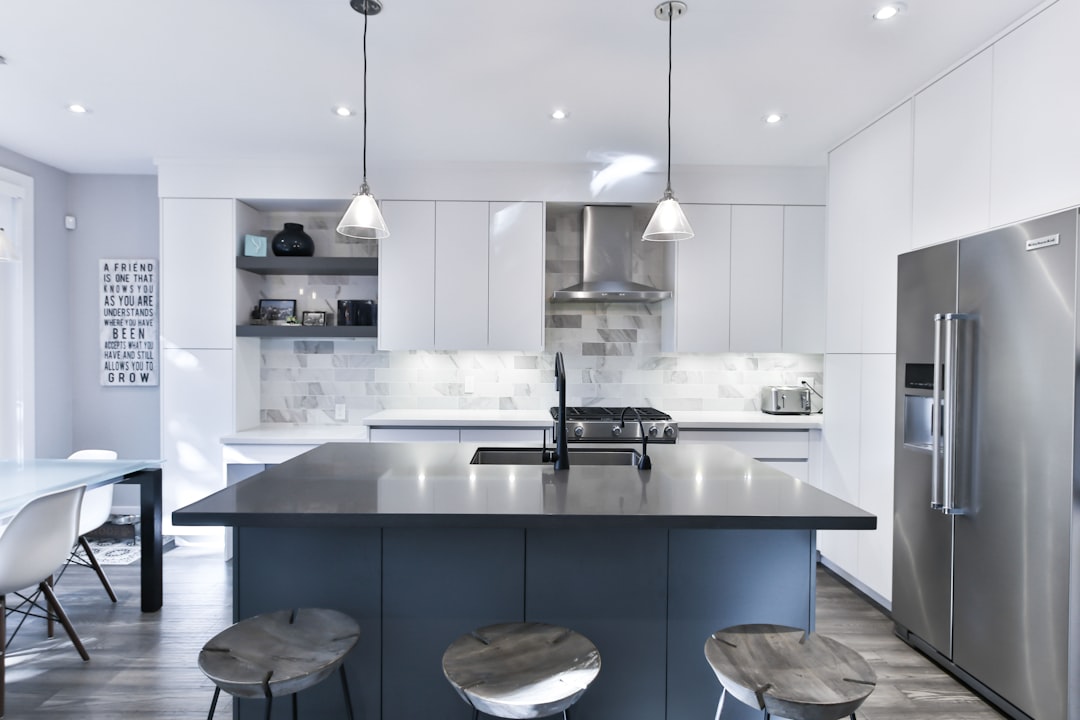
The kitchen is often the heart of the home, and remodeling it can be both exciting and daunting. However, with a trade crackdown, the dream of a modern kitchen can quickly turn into a nightmare. Import tariffs on materials like granite countertops, imported tiles, and high-end kitchen appliances can significantly increase costs. Many homeowners find themselves stuck with half-finished kitchens or, worse, having to settle for lower-quality materials. It’s a frustrating predicament when the vision of a culinary oasis is thwarted by politics.
Bathroom Upgrades
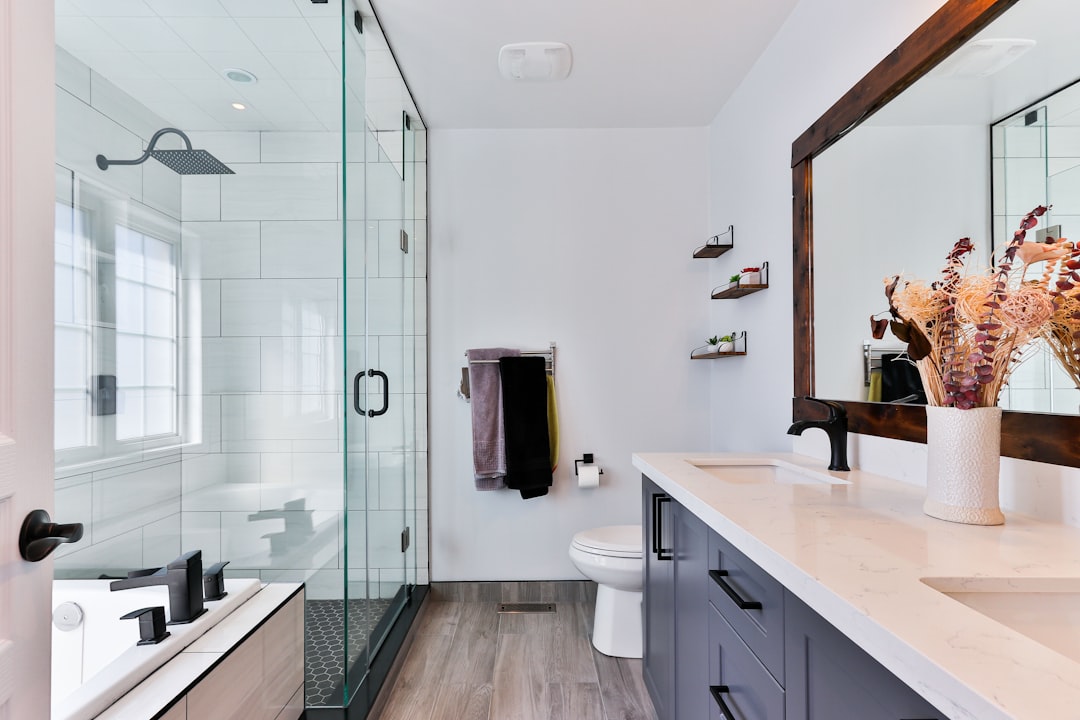
Bathrooms are another popular renovation target, but they too are at risk during a trade crackdown. The import of luxury fixtures, such as Italian marble tiles or German-engineered water systems, can become prohibitively expensive. Homeowners often have to compromise on quality or design due to inflated prices. The ripple effect of trade restrictions can lead to delays and increased costs, leaving many with outdated bathrooms that fail to deliver the spa-like experience they envisioned.
Solar Panel Installations
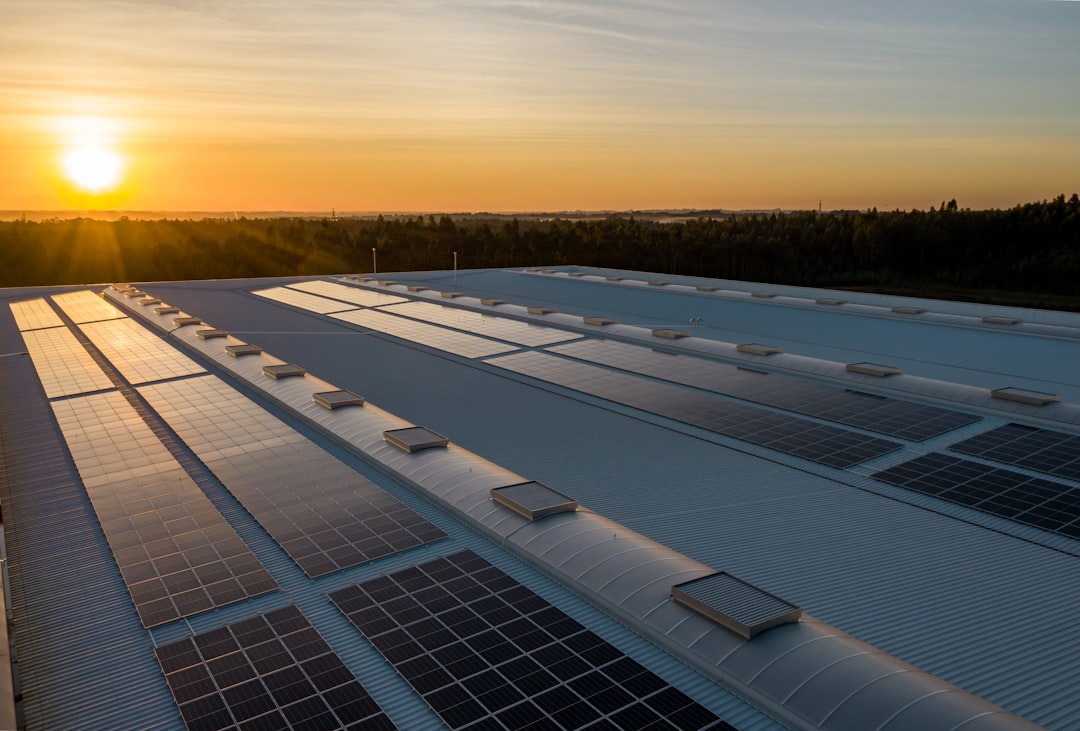
With the growing emphasis on sustainability, solar panel installations have become a sought-after renovation project. However, trade crackdowns can severely impact this trend. The majority of solar panels are imported, and tariffs can drive up prices, making them less accessible to the average homeowner. This not only affects individual households but also hampers broader environmental goals. The irony is palpable when efforts to go green are stymied by political decisions.
Home Offices

In the age of remote work, home office renovations have surged in popularity. Yet, these projects are not immune to the effects of trade restrictions. Imported office furniture, high-tech equipment, and ergonomic accessories can see price hikes, making it challenging to create a productive workspace. The dream of a perfect home office can be dashed by unforeseen costs, leaving many to work in less-than-ideal conditions.
Basement Conversions
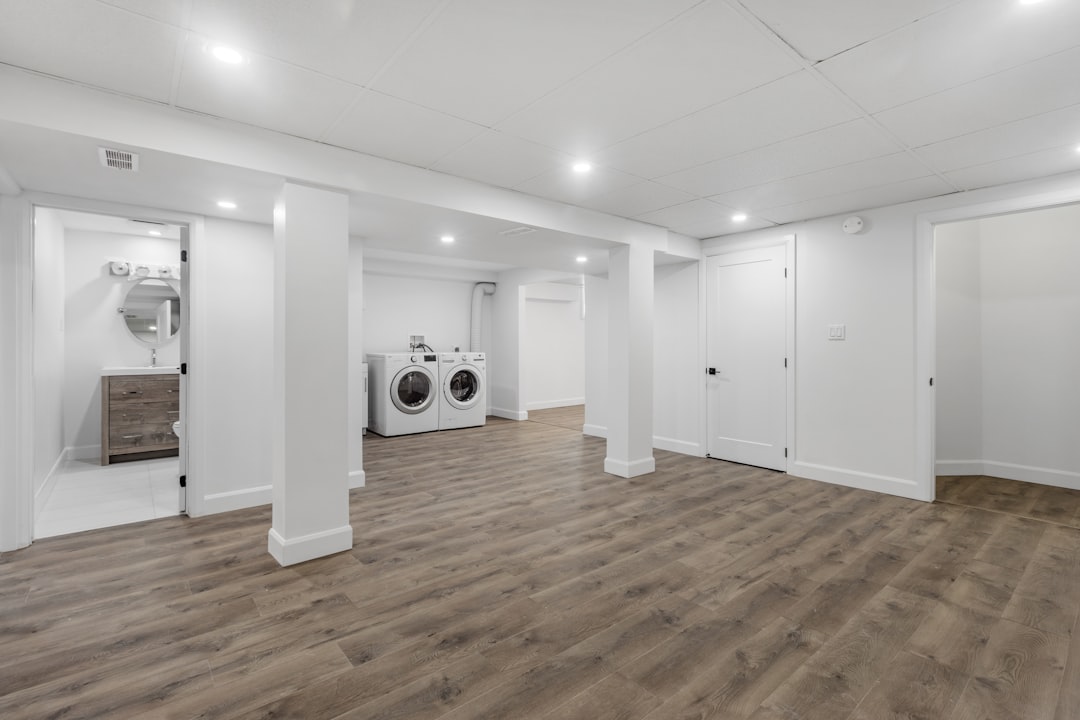
Transforming a basement into a livable space is a common renovation project, but it too faces challenges during a trade crackdown. Imported insulation materials, flooring options, and even lighting fixtures can become costly. Homeowners may find themselves cutting corners or delaying projects altogether. The vision of a cozy family room or home theater can quickly become a distant dream.
Roof Replacements
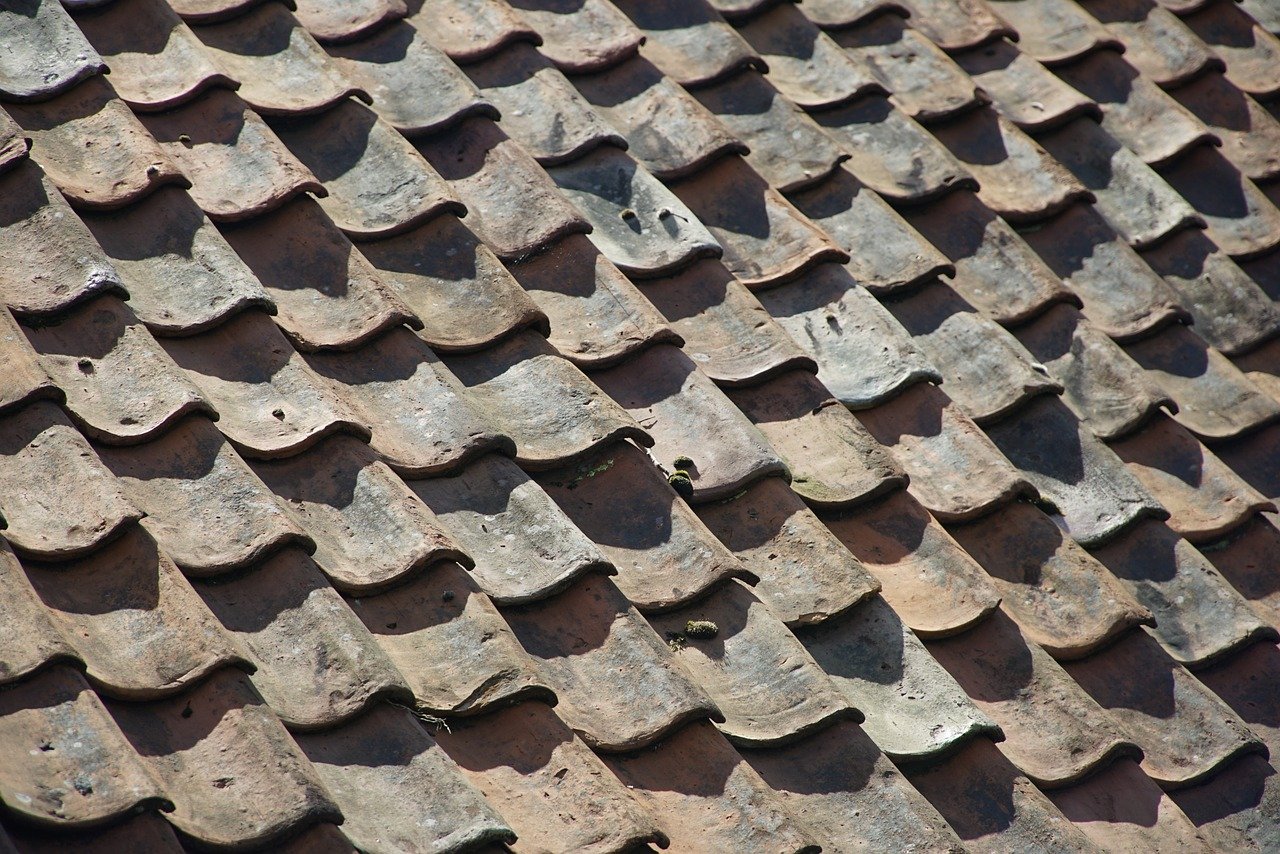
Replacing a roof is a significant investment, and trade crackdowns can complicate matters further. The cost of roofing materials, especially those imported from abroad, can skyrocket. This can lead to homeowners opting for cheaper, less durable materials, ultimately affecting the longevity and safety of their homes. It’s a tough choice between quality and affordability when trade policies are in flux.
Window Upgrades
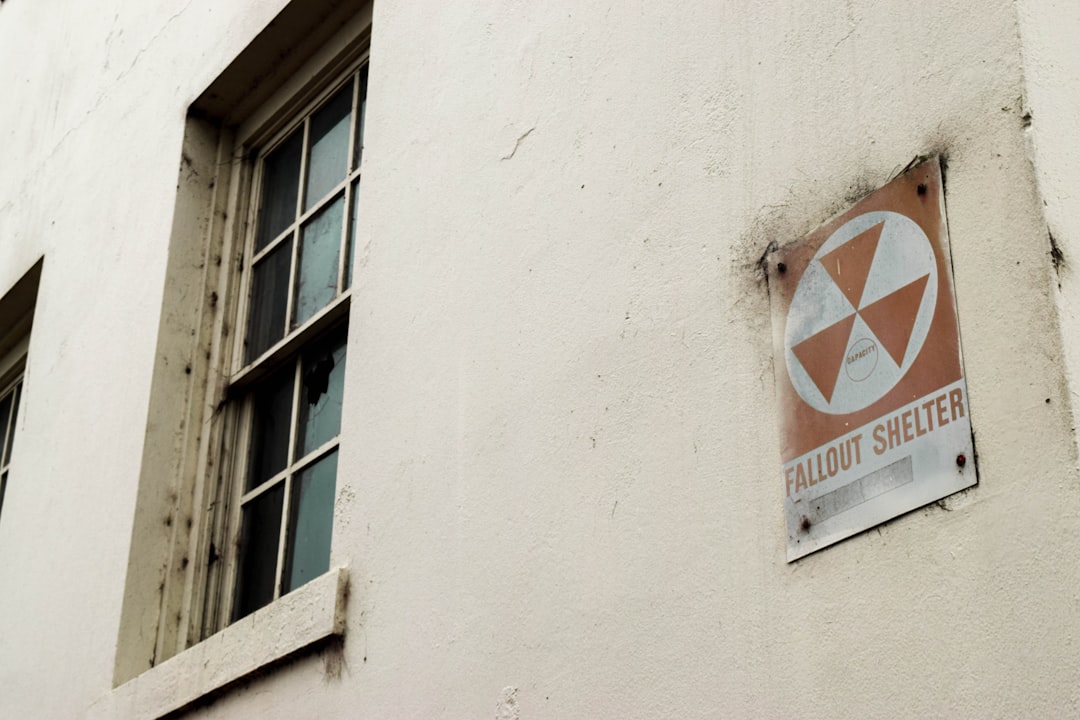
Windows are essential for energy efficiency and aesthetic appeal, but upgrading them can be a risky endeavor during a trade crackdown. Imported glass and specialty window treatments can become expensive, forcing homeowners to reconsider their options. The benefits of energy-efficient windows may be overshadowed by the financial burden, leaving many to stick with outdated, inefficient models.
Flooring Renovations
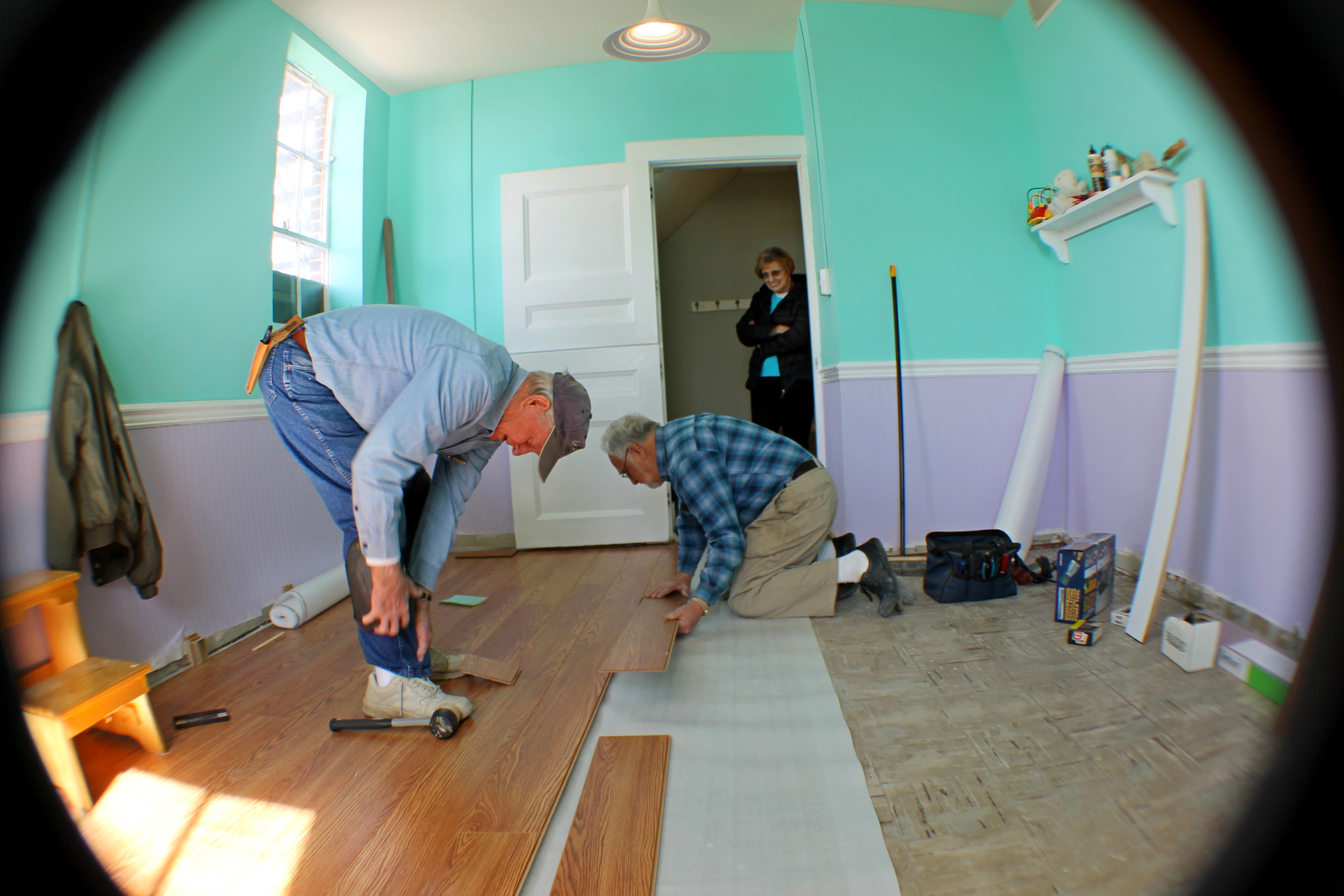
Flooring is a fundamental aspect of any home, but trade restrictions can make renovations challenging. Imported hardwood, luxury vinyl, and specialty tiles can see price increases, limiting choices for homeowners. The dream of a beautiful, cohesive flooring design may be compromised by budget constraints. It’s a frustrating reality when the foundation of a home is affected by external factors beyond one’s control.
Exterior Facelifts

Curb appeal is crucial for any home, and exterior renovations are a popular choice. However, trade crackdowns can impact the availability and cost of imported siding, stone veneers, and decorative elements. Homeowners may find themselves with incomplete projects or having to settle for less visually appealing options. The desire to create a welcoming facade can be thwarted by the complexities of international trade.
Smart Home Integration
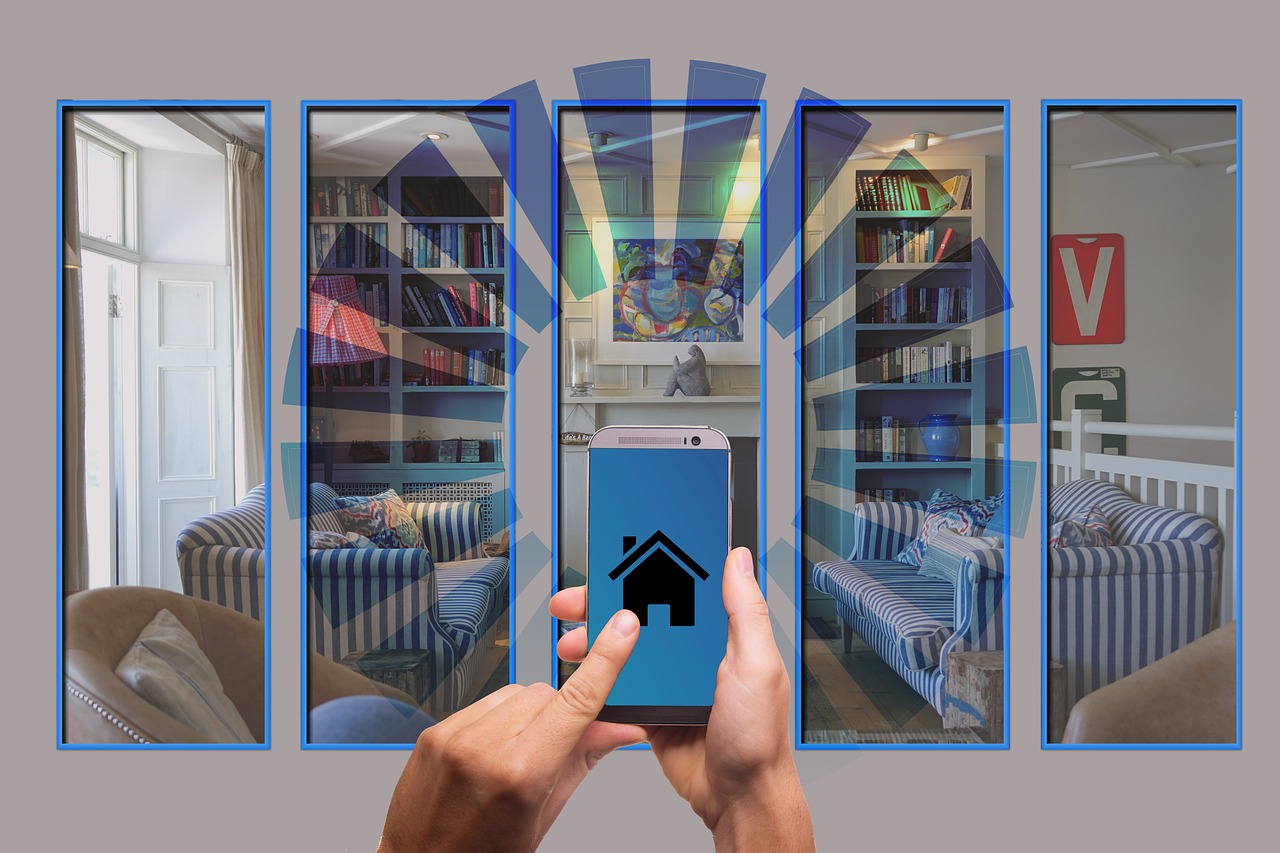
The integration of smart home technology is an exciting trend in renovations, but it can be hindered by trade restrictions. Many smart devices and systems are imported, and tariffs can increase costs, making them less attainable for the average homeowner. The promise of a connected, efficient home may be overshadowed by financial constraints, leaving many to rely on outdated technology.
Each of these renovation projects represents a unique challenge in the face of a trade crackdown. Homeowners are left navigating a complex landscape of increased costs, limited options, and delayed timelines. The impact of trade policies extends beyond economics, affecting the very spaces we call home.

Lena is a thoughtful and imaginative writer with a passion for storytelling across the themes of travel, environmental sustainability, and contemporary home aesthetics. With a background in cultural media and a strong visual sensibility, Anna Lena creates content that bridges inspiration with practical insight.
Her work explores the interplay between place, lifestyle, and design—guiding readers through meaningful travel experiences, eco-conscious choices, and modern approaches to living well. Known for her elegant writing style and attention to detail, she brings a fresh, human-centered perspective to every topic she covers.
Anna Lena contributes to digital publications and editorial projects where aesthetics meet purpose. Her writing not only informs but also encourages readers to live more intentionally, sustainably, and beautifully—wherever they are in the world.