
Henrieke Otte is an accomplished writer and content editor, specializing in topics that inspire thoughtful living—ranging from global travel and sustainable lifestyles to interior design and architecture. With a keen editorial sense and a background in cultural studies, Henrieke brings depth, elegance, and clarity to every piece she crafts.
Her work is known for its engaging voice, visual sensitivity, and ability to turn complex ideas into accessible, reader-friendly narratives. Whether exploring eco-conscious destinations, dissecting climate-conscious home trends, or curating serene living spaces, Henrieke writes with a balance of creativity and insight that resonates with design-savvy, environmentally aware audiences.
Driven by a love of meaningful storytelling and a refined aesthetic, Henrieke contributes regularly to digital platforms and magazines where quality content meets visual sophistication.
The Great Gray Exodus
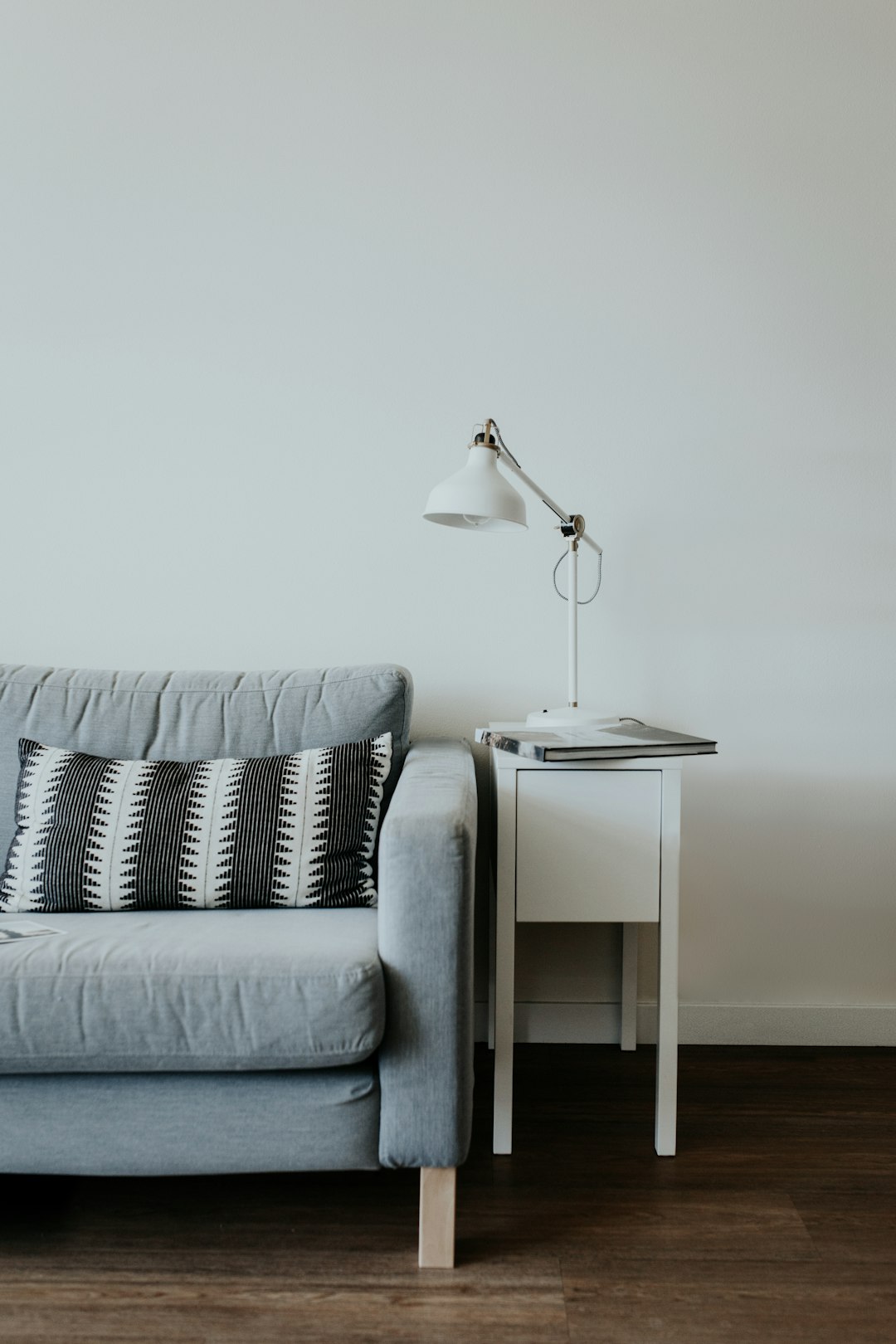
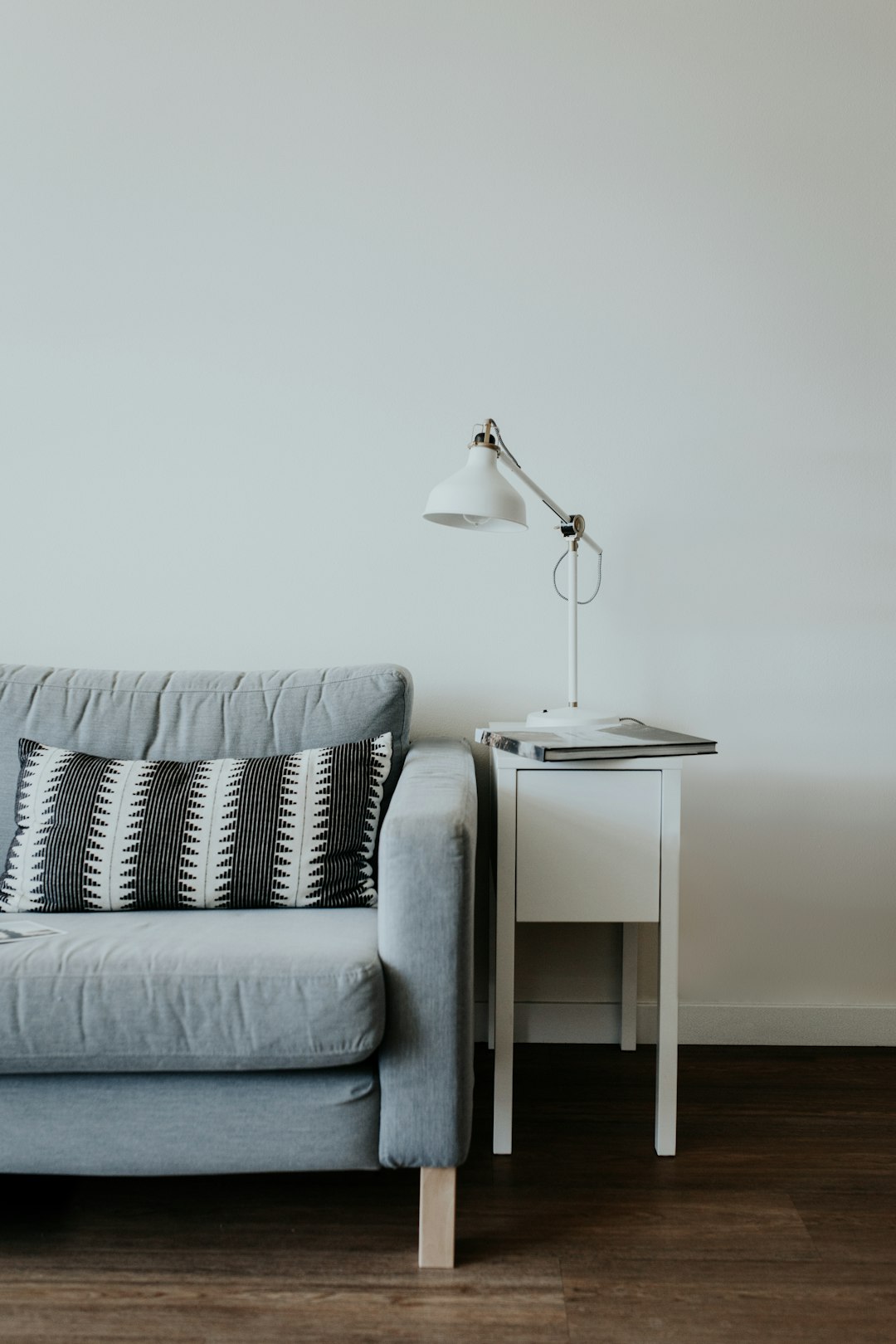
After dominating homes for over a decade, those endless gray walls and flooring that made every house look like a Pinterest clone are finally getting the boot in 2025. Designers argue that gray floors look unnatural — as the color doesn’t exist in nature — and lack the welcoming warmth of a home. Think about it: when was the last time you saw a gray tree or gray soil? The trend that felt so modern and clean just five years ago now feels cold and impersonal. We’re seeing a resurgence of kitchens leaning towards warmer colors, often very earth-rooted hues. Instead of those sterile gray tones, homeowners are embracing warm earth colors like terracotta, sage green, and rich browns that actually exist in nature. Gray vinyl flooring was a much more permanent decision, so it’s a lot more costly to rip out and replace, and that’s the truly horrible part of this outdated trend.
The Shiplap Overload
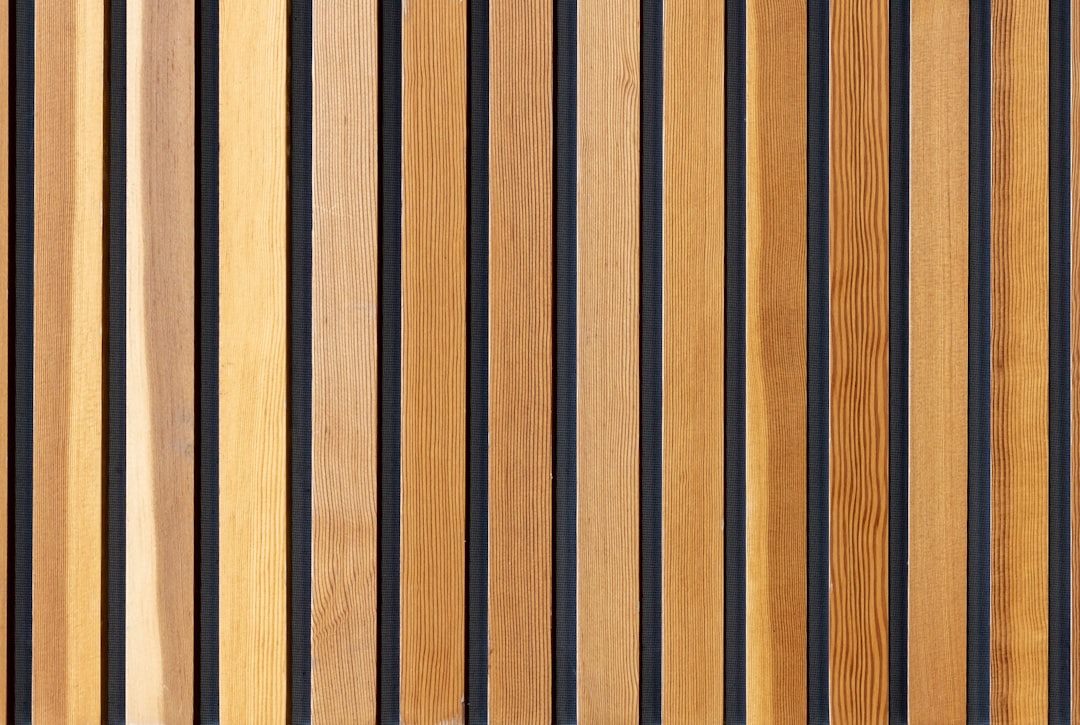
The material was popularized by Joanna Gaines on her hit show “Fixer Upper,” but experts think shiplap is now well past its prime, with designers avoiding this overused element so a space doesn’t feel too rustic or predictable. The problem with this trend wasn’t about the shiplap itself, just that everyone started putting up shiplap, whether the style of their home suited it or not, resulting in it feeling out of place and needlessly rustic. It’s like wearing a cowboy hat to a business meeting—technically fine, but completely out of context. In the past, everyone chose white shiplap, but in 2025 and beyond, designers are more likely to choose stained wood or wood painted in bolder colors for a more exciting, unexpected vibe. While this was a popular design feature for a while, shiplap is a trend designers aren’t loving in 2025. It seems to be so often used by everyone in the neighborhood that people are now choosing different wood and stacking it for the walls.
Open Shelving’s Reality Check
Open shelving has been a favorite for showcasing beautiful dishware, but its impracticality is causing a decline in popularity as dust and clutter easily accumulate, prompting many to return to closed cabinets for a sleeker appearance. Anyone who’s actually lived with open shelving knows the truth—it looks gorgeous in magazines but becomes a nightmare of constant cleaning and organizing in real life. Open shelves are a controversial design choice, but there is no disagreement between our experts: For farmhouse design, it’s time to move on from them because of the high maintenance. When everything is out in the open, it can easily overwhelm the eye, so instead, opt for charming closed cabinetry by retrofitting the open shelves with upper cabinets or replacing them with an antique hutch. Your Instagram feed might not look as curated, but your sanity will thank you.
The Minimalism Burnout
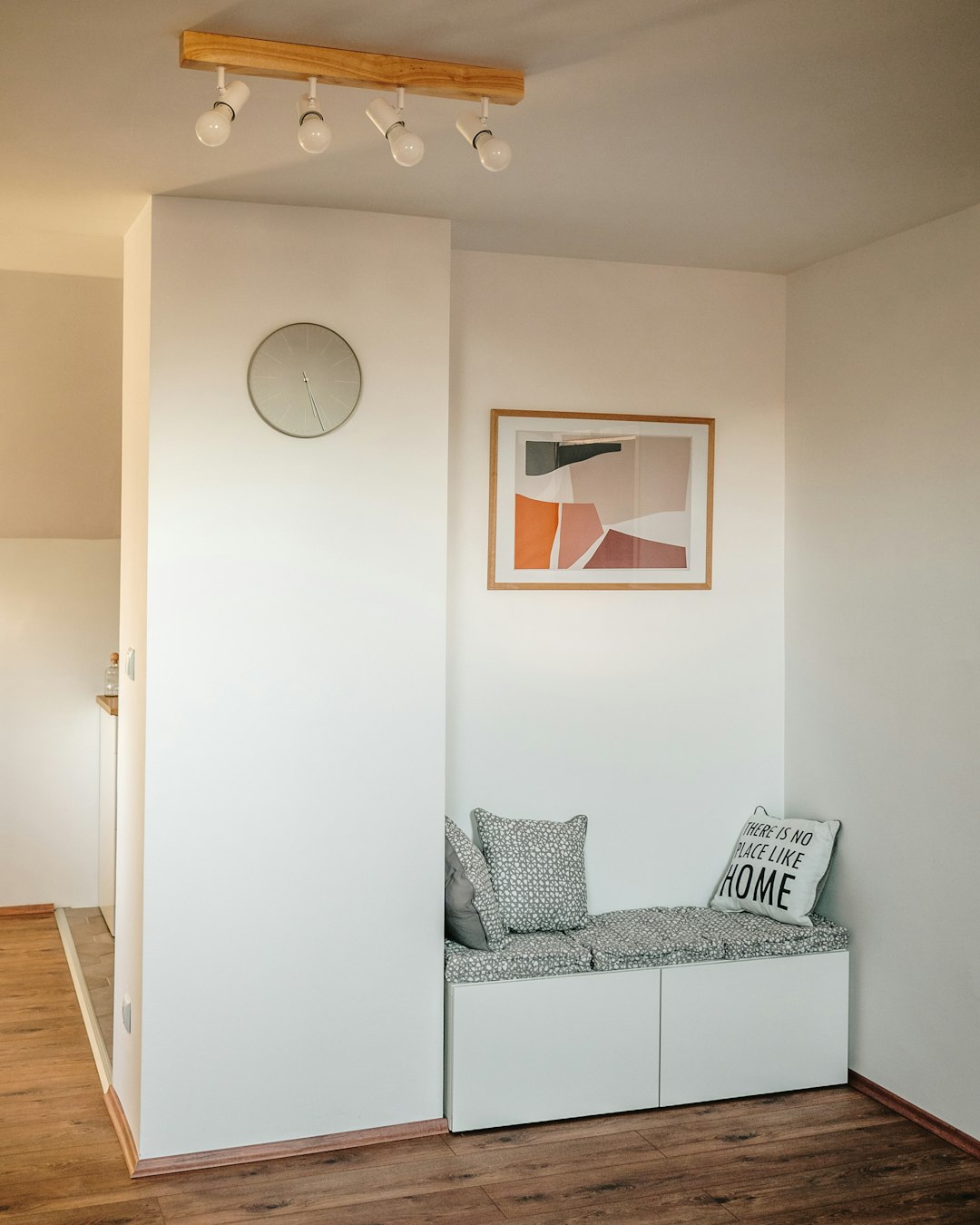
One trend that’s time to retire in 2025 is ultra-minimalist interiors that lean overly stark and feel impersonal, as while clean lines and simplicity have their place, these spaces can often lack warmth and livability. The majority of design pros noticed a shift in minimalism decor ahead of 2025, mostly down to a move from cooler tones, but many assumed it would evolve into a warmer iteration full of layered neutrals and rich textures. However, that warm minimalism never quite took off as expected. Warm minimalism didn’t really take off the way expected, as maximalism kept its grip, and we have been specifying richly large and small-scale patterned wallpapers and avant-garde decorative accessories. Interior designer Kathy Kuo is seeing a ‘trend’ in the demand for less trendy interiors for 2025, with an emphasis on ‘timeless style’ rather than ‘trendy’ and a focus on sustainability and craftsmanship. People are craving homes that feel lived-in and loved, not sterile showrooms.
Dedicated Home Offices Disappearing
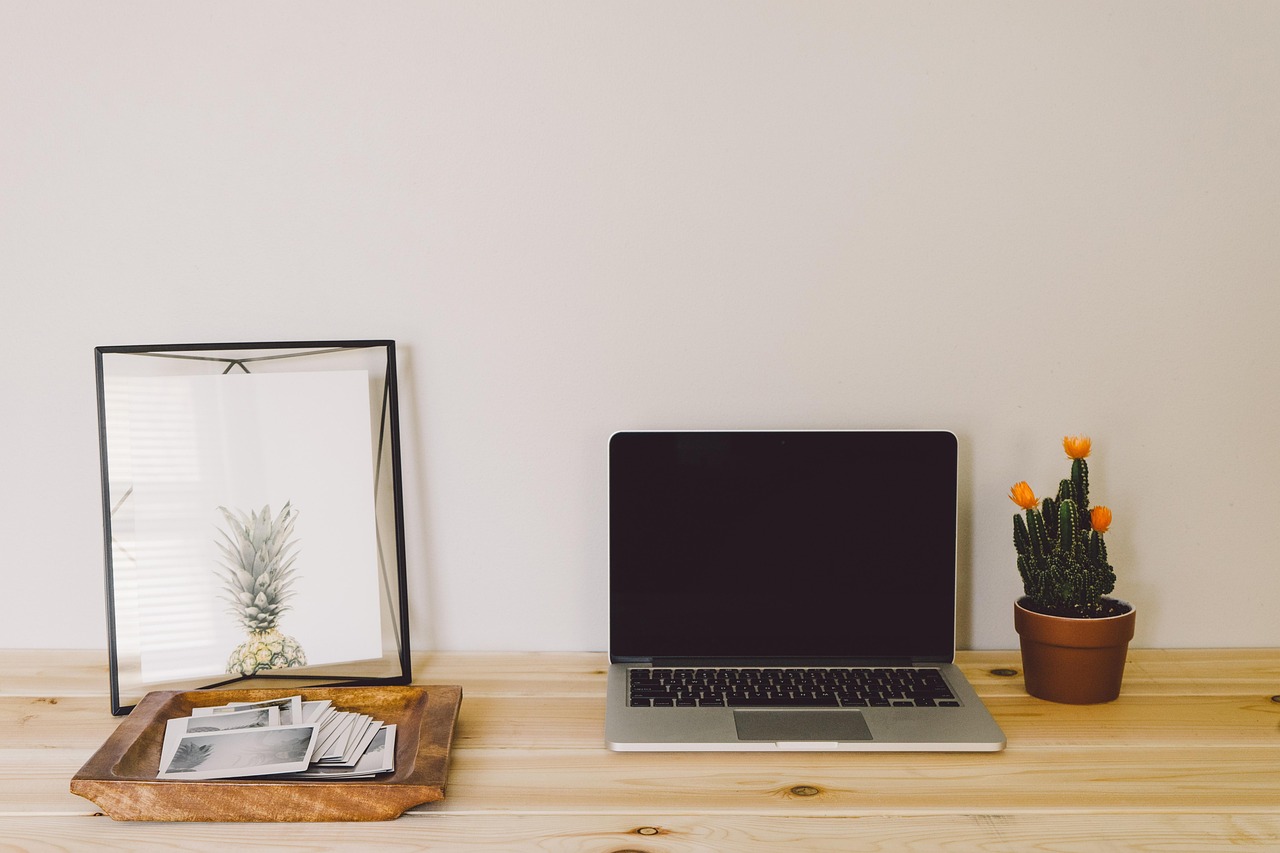
The year 2025 will mark five whole years since Covid usurped our normal ways of being, and people are all too eager to part with its relics, with companies rolling back lenient WFH schedules and demanding in-person presence, so the era of home offices is over. 1stDibs’s report highlights that only 13 percent of designers expect home office renovations to be their most requested projects in 2025, down from 32 percent for 2023, and Zillow’s data shows “Zoom rooms” are appearing in 34 percent fewer listings. This shift represents a massive change in how we use our homes. After analyzing millions of their real estate listings, Zillow found that mentions of the word “cozy” have increased by 35 percent compared to last year, while “nostalgia” appeared 14 percent more often. Instead of formal work spaces, people want flexible rooms that can serve multiple purposes—a reading nook that doubles as a video call spot, or a dining room that transforms into a workspace when needed.
Why This Shift Is Actually Good News
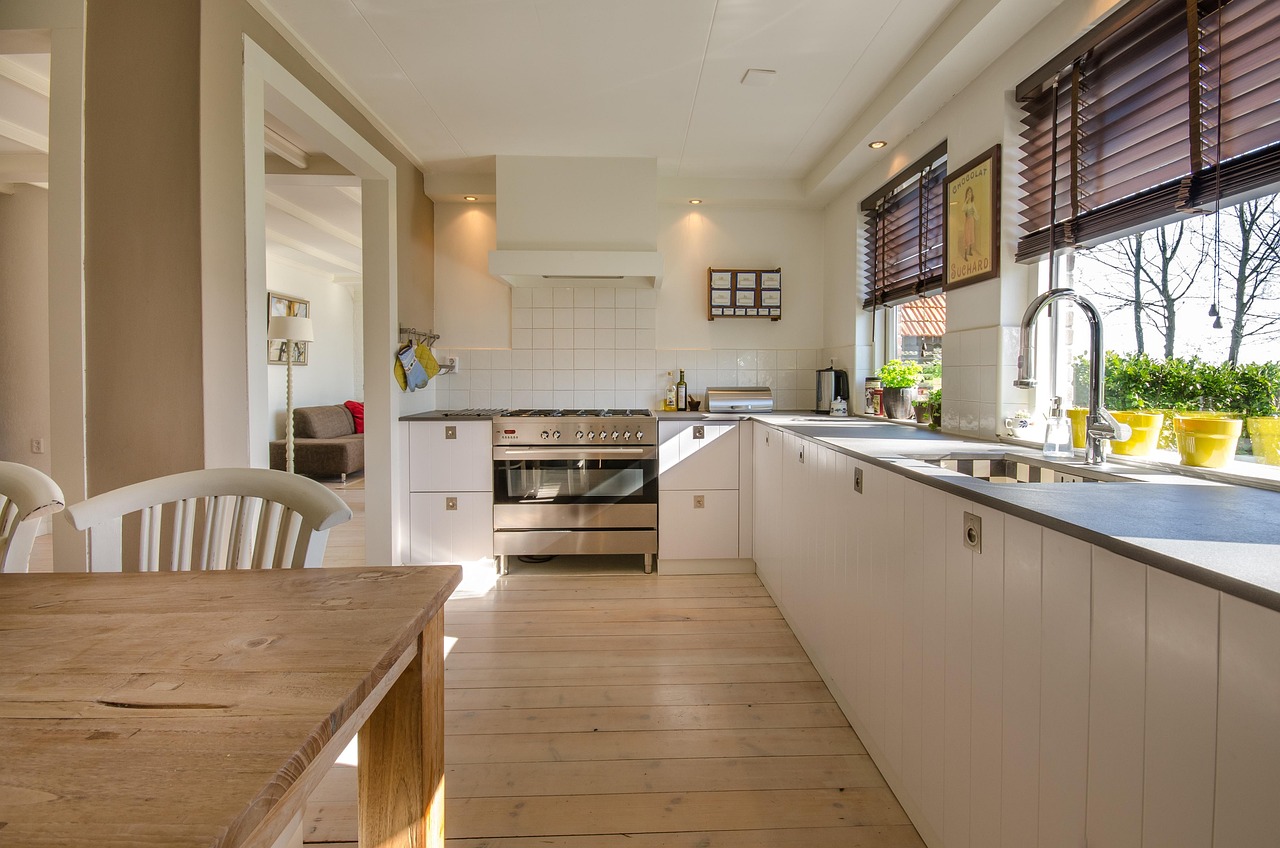
When asked to predict the top interior design trends for 2025, many ELLE DECOR A-List designers cited similar themes, including wellness, relaxation, and comfort, with people seeking spaces within their homes that let them recharge because we all just want to live in spaces that help us feel good again. According to 1stdibs’ annual trend survey, which reached 643 interior designers this year, 43 percent say their projects are expected to have some sustainability requirement in 2025, as consumers are becoming more discerning about how long products will last and how they’re made. This isn’t just about following trends—it’s about creating homes that genuinely serve our lives better. Micro-trends can be a lot of fun, but ultimately, it’s not practical or sustainable to buy up fast furniture and decor to suit the latest aesthetic, so people seem to be prioritizing timeless over trendy in 2025, focusing more on displaying cherished heirlooms and buying decor items with premium materials. Homeowners and buyers today are looking to the past to create a sense of warmth, character, and comfort in even the most high-tech environments, with clients leaning into individualistic interiors—a style that fits their lifestyle over trends. Think of it like switching from fast fashion to a well-curated wardrobe—fewer pieces, but each one chosen with intention and built to last.

Henrieke Otte is an accomplished writer and content editor, specializing in topics that inspire thoughtful living—ranging from global travel and sustainable lifestyles to interior design and architecture. With a keen editorial sense and a background in cultural studies, Henrieke brings depth, elegance, and clarity to every piece she crafts.
Her work is known for its engaging voice, visual sensitivity, and ability to turn complex ideas into accessible, reader-friendly narratives. Whether exploring eco-conscious destinations, dissecting climate-conscious home trends, or curating serene living spaces, Henrieke writes with a balance of creativity and insight that resonates with design-savvy, environmentally aware audiences.
Driven by a love of meaningful storytelling and a refined aesthetic, Henrieke contributes regularly to digital platforms and magazines where quality content meets visual sophistication.