

Lena is a thoughtful and imaginative writer with a passion for storytelling across the themes of travel, environmental sustainability, and contemporary home aesthetics. With a background in cultural media and a strong visual sensibility, Anna Lena creates content that bridges inspiration with practical insight.
Her work explores the interplay between place, lifestyle, and design—guiding readers through meaningful travel experiences, eco-conscious choices, and modern approaches to living well. Known for her elegant writing style and attention to detail, she brings a fresh, human-centered perspective to every topic she covers.
Anna Lena contributes to digital publications and editorial projects where aesthetics meet purpose. Her writing not only informs but also encourages readers to live more intentionally, sustainably, and beautifully—wherever they are in the world.
The Dream: Downsizing for Freedom
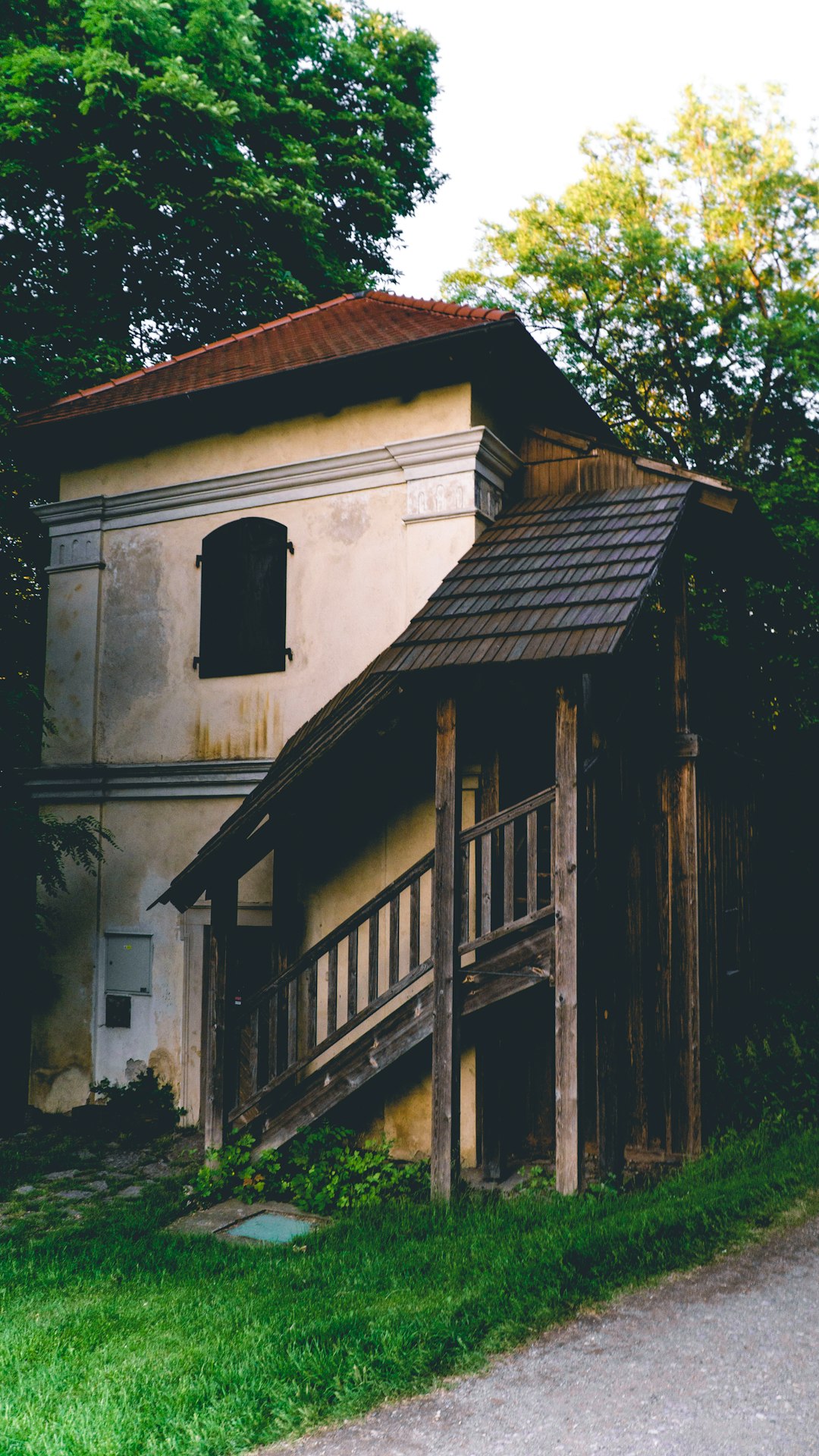
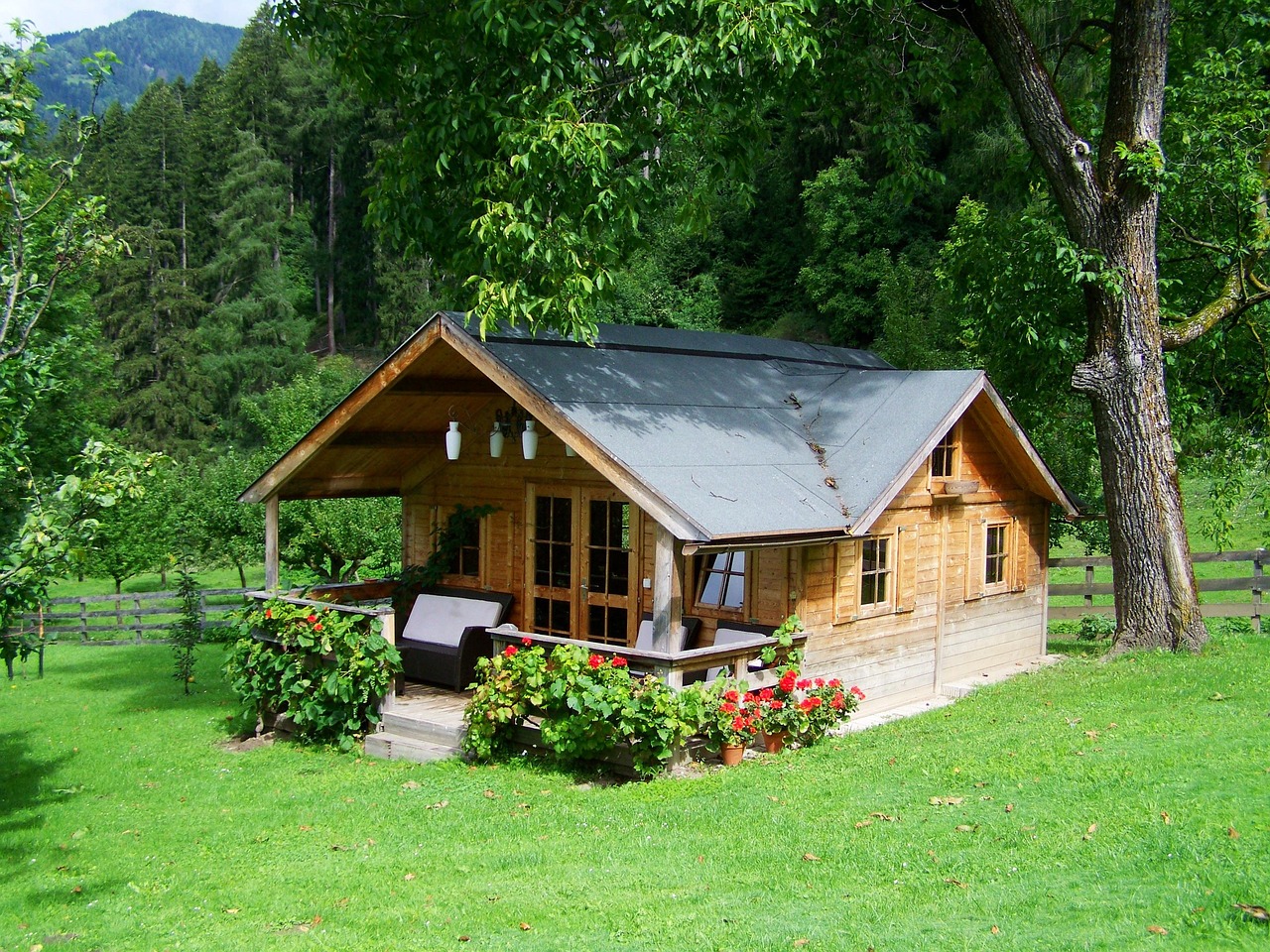
Tiny houses look like the answer to modern stress—cute, affordable, and promising freedom from debt. People imagine sipping coffee on a tiny porch, spending weekends hiking instead of cleaning. According to a 2024 survey from The Tiny Life, 68% of tiny house owners say they were drawn by the promise of less clutter and more time for what really matters. The media often showcases young couples or retirees living their best lives in these cozy spaces. It sounds like paradise. But there’s a side to the story most don’t see at first. For every Instagram-perfect tiny home, there’s a hidden pile of regrets and abandoned dreams.
The Numbers: Most People Don’t Last
Statistics reveal a harsh reality behind the movement’s glossy image. A recent 2024 study by the National Tiny House Association found that 6 out of 10 tiny house dwellers move out within five years. That’s more than half! Many cite reasons like lack of space, legal headaches, or simple burnout. The turnover rate is much higher than for traditional homes, where the median homeowner stays for about 13 years, according to US Census data. For many, the tiny house dream becomes a revolving door.
Space Constraints: It’s Smaller Than You Think
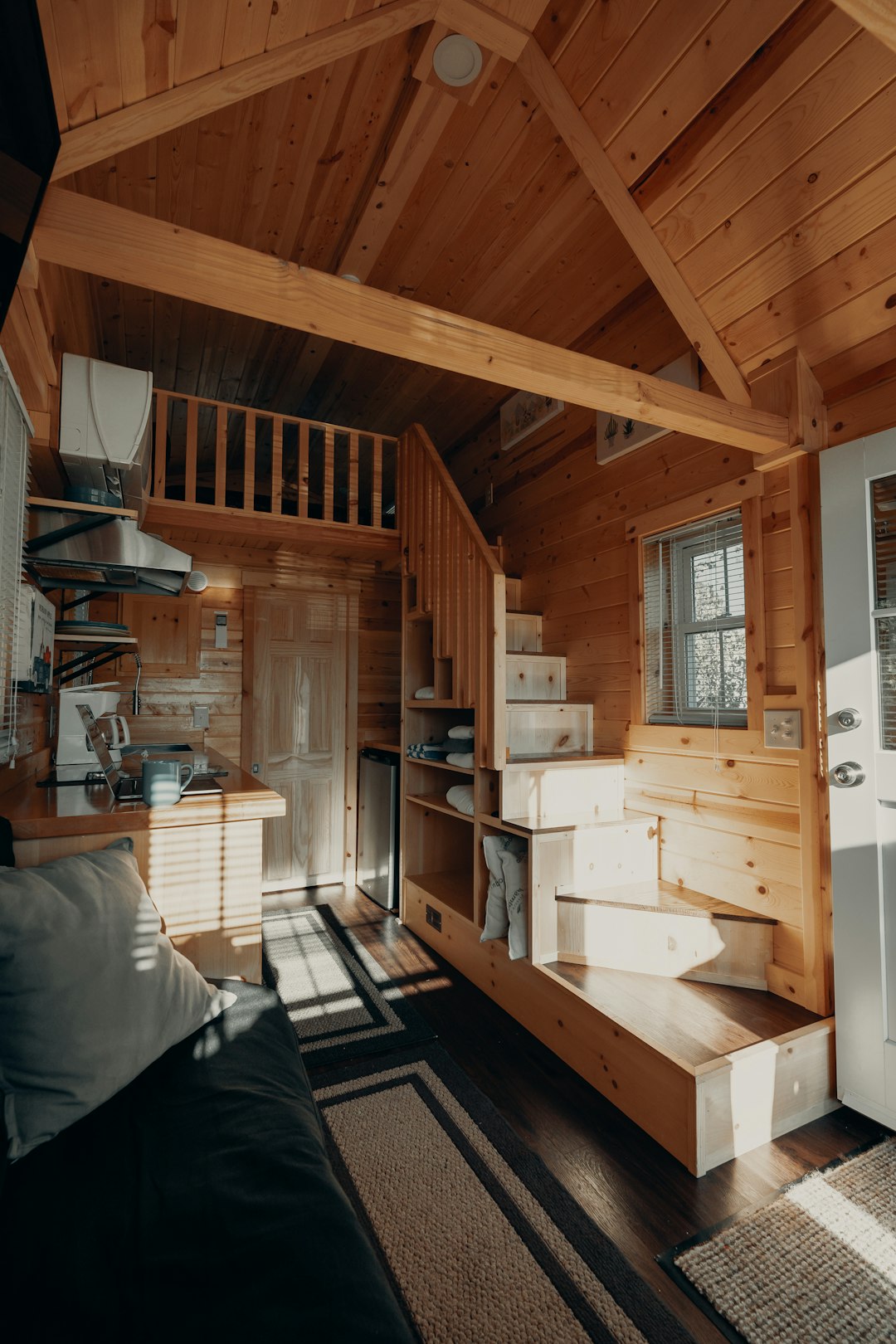
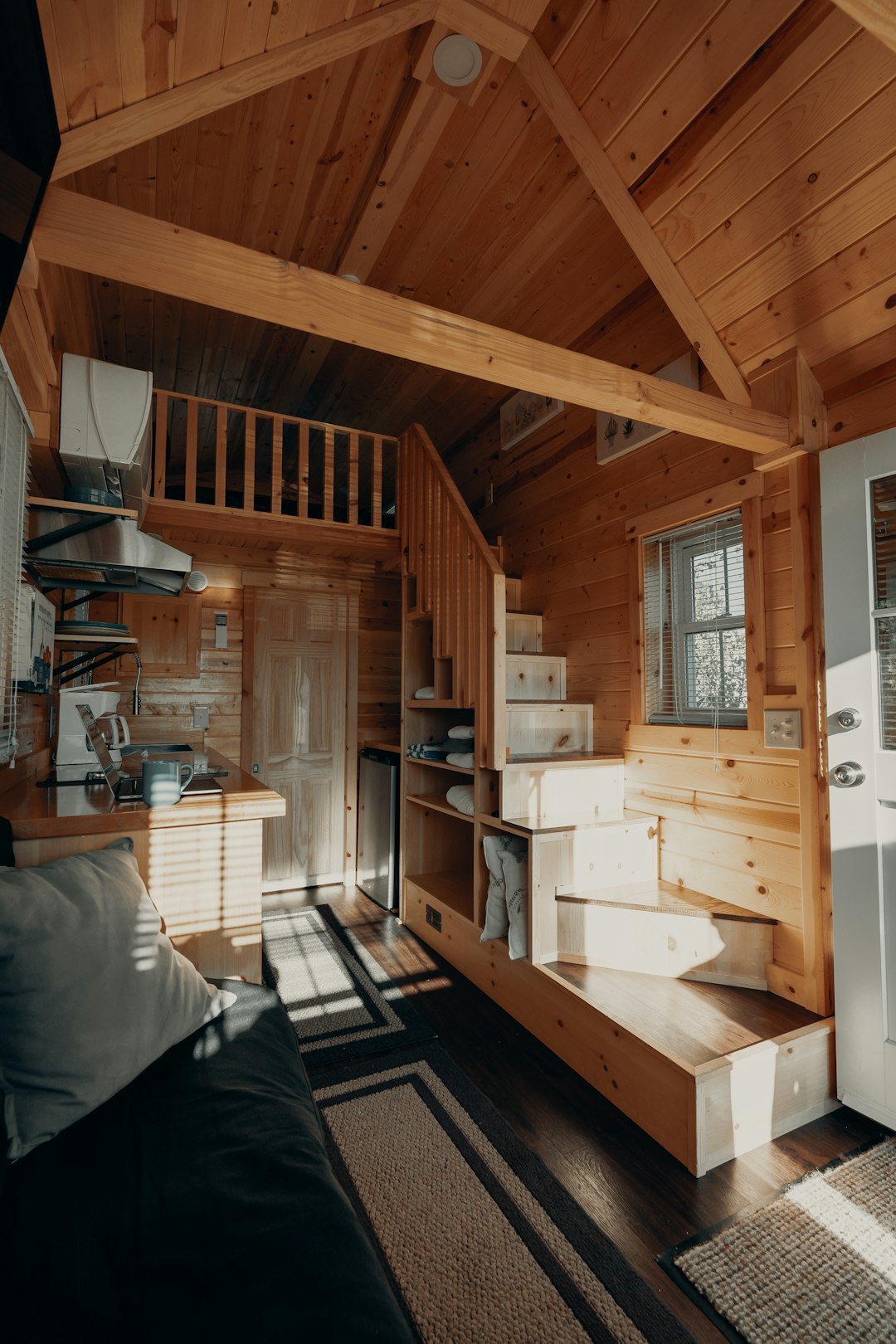
At first glance, the idea of living with less stuff sounds liberating. But reality bites when you realize that “less” means no closet for winter coats or space for your favorite chair. An average tiny house clocks in at just 225 square feet, according to The Tiny Life’s 2023 report. That’s about the size of a one-car garage. For families, or even couples, every inch counts—and disagreements over storage and personal space are common. In a 2022 survey by Tiny House Society, 43% of former owners said cramped quarters were their main reason for quitting.
Legal Hurdles: Zoning and Permits Nightmare
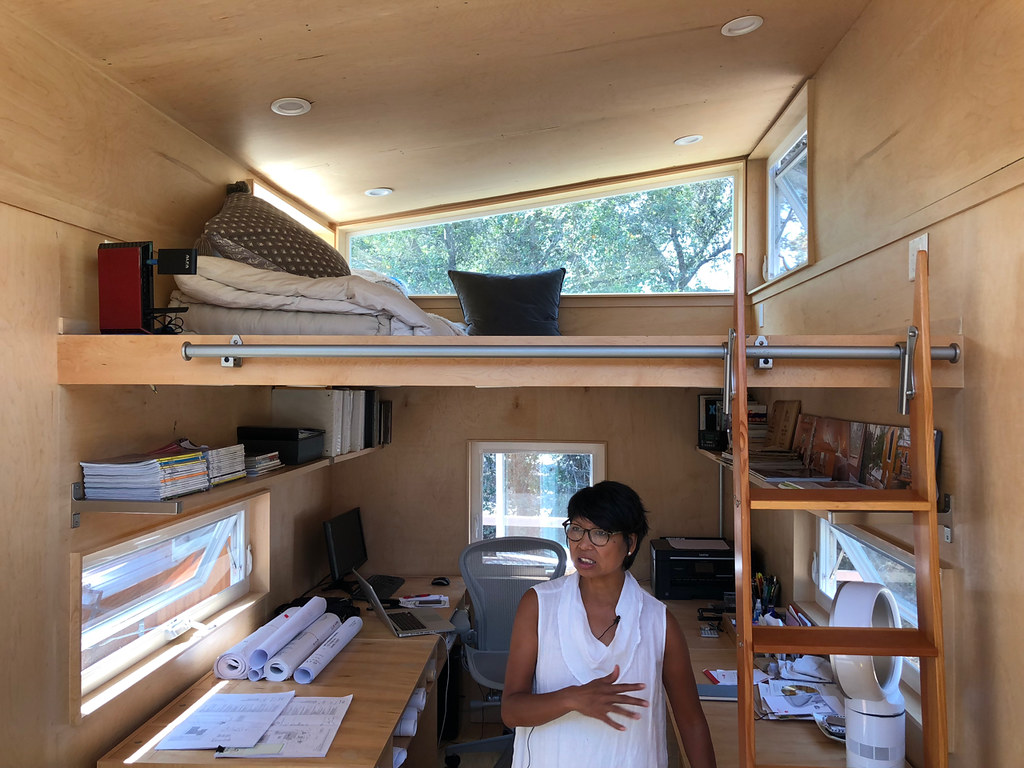
Tiny house enthusiasts often discover that finding a legal place to park their home is a nightmare. Zoning laws in many US cities make it nearly impossible to live full-time in a tiny house, especially if it’s on wheels. The American Planning Association reported in 2024 that only about 15% of US municipalities have clear guidelines for tiny houses. Many owners spend months battling local governments or face eviction. Legal uncertainty is a top reason cited for leaving, as noted in a 2024 Tiny Home Industry Association report.
Hidden Costs: Not So Cheap After All
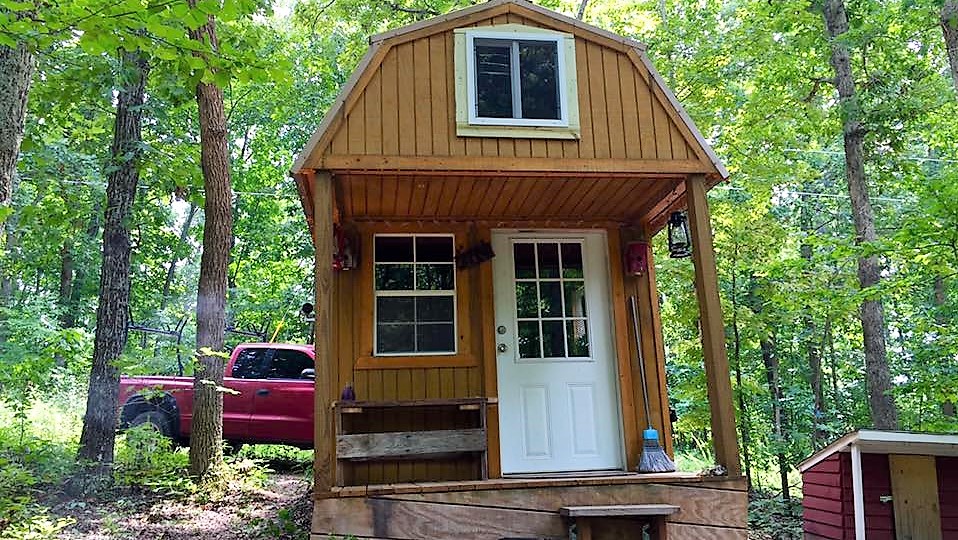
The promise of tiny house living is financial freedom, but the bills often tell a different story. Building a quality tiny house in 2024 costs an average of $80,000, according to Tiny Home Builders. That doesn’t include land, hookups for water and electricity, or ongoing maintenance. For comparison, the national median price for a traditional home is about $390,000, but with a tiny house, hidden costs can quickly add up—like septic systems, towing fees, and insurance, which is often more expensive due to the home’s unconventional status. Many are shocked when the math doesn’t add up.
Relationship Strain: Too Close for Comfort
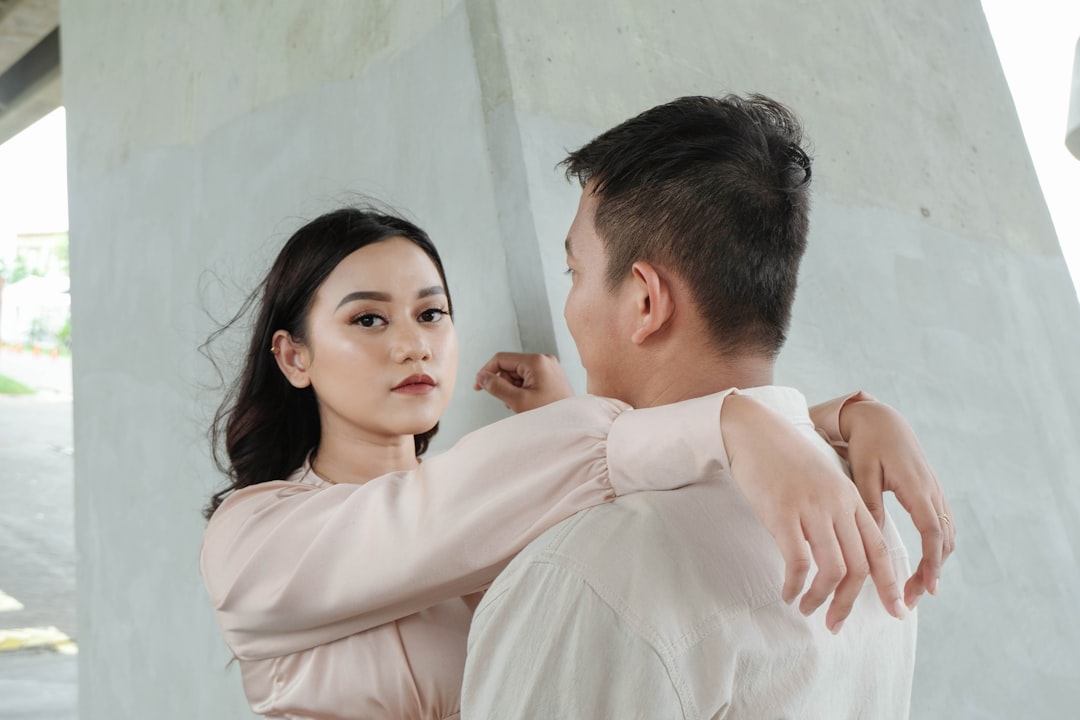
Sharing a small space can amplify tensions and expose cracks in relationships. In a 2023 survey by Tiny House Community, 38% of respondents said living tiny put significant stress on their marriage or partnership. There’s nowhere to escape after a fight, and privacy becomes a luxury. Even the most loving couples struggle when every argument happens in arm’s reach. It’s not just romantic partners—kids, pets, and roommates all add to the pressure cooker.
Storage Nightmares: Where Does It All Go?
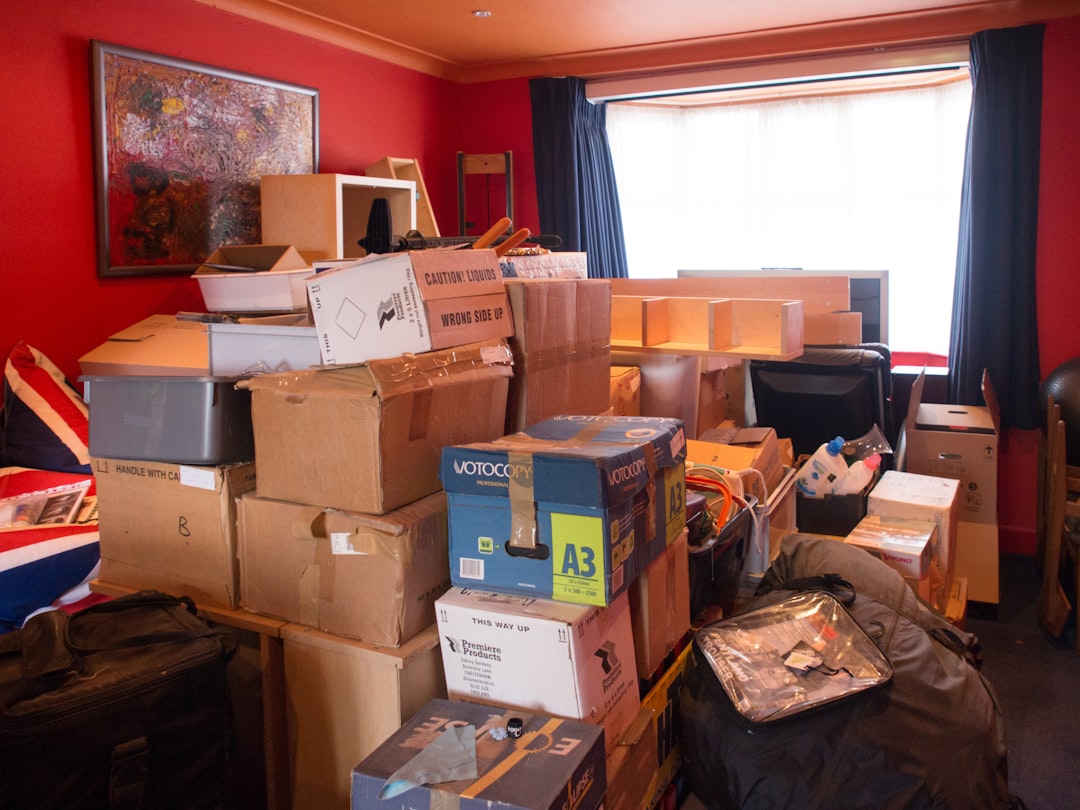
Minimalism sounds trendy, but when you have to give up your bike, book collection, or family heirlooms, reality gets tough. Many tiny homes have creative storage—hidden drawers, lofts, and built-in shelves—but it’s never quite enough. In a 2024 poll by The Minimalists Podcast, 31% of former tiny house owners said they regretted selling or donating belongings they later missed. Storage units become a costly Band-Aid, and the frustration of constantly shuffling things around wears people down.
Weather Woes: Extreme Living Conditions
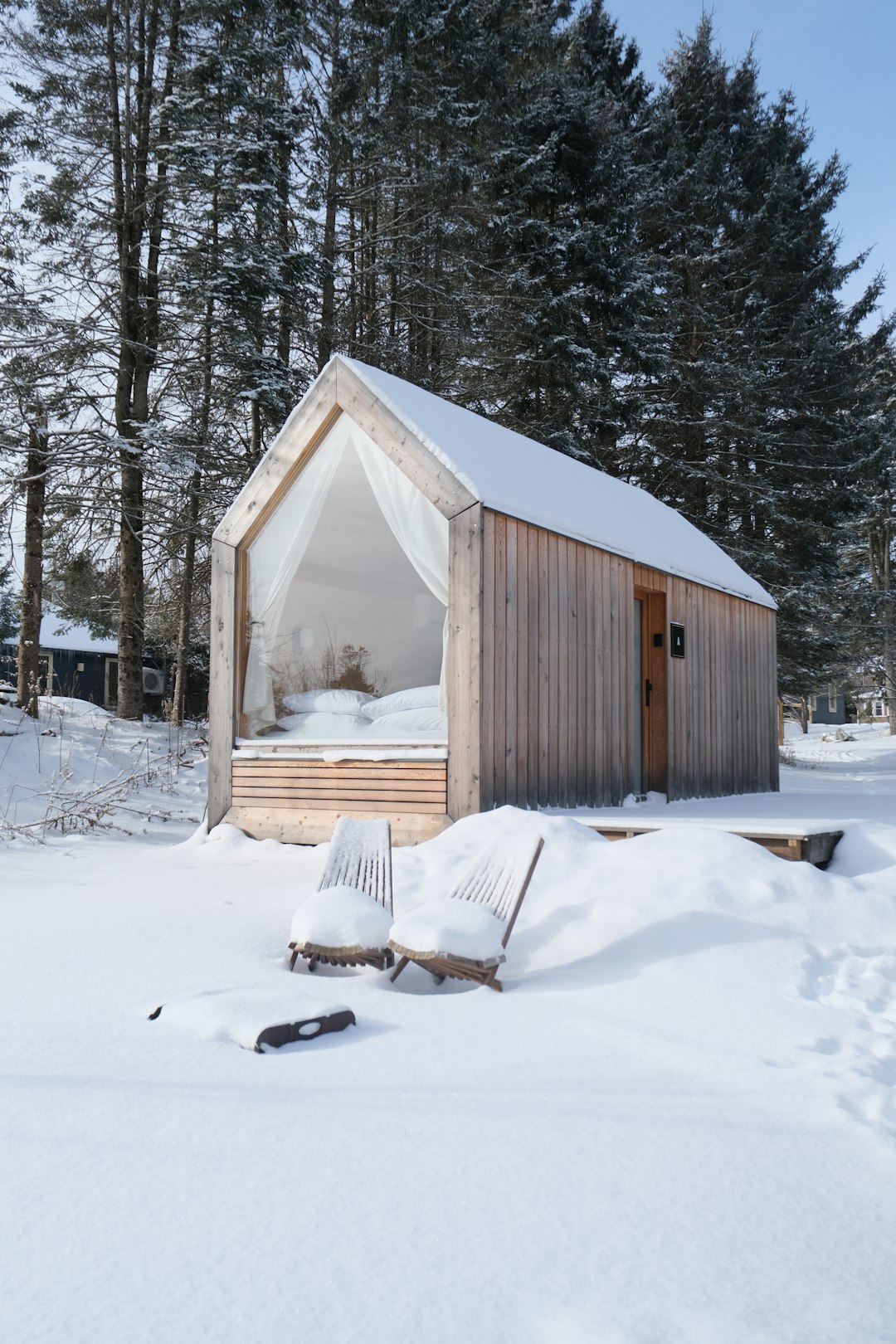
Tiny houses don’t always stand up well to the elements. Poor insulation or leaky roofs can make winters brutal and summers unbearable. The International Association of Certified Home Inspectors found that 27% of tiny homes inspected in 2023 had issues with moisture or temperature control. Many tiny houses rely on space heaters, portable AC units, or composting toilets that freeze in winter. Owners in northern states report high energy bills and condensation problems that cause mold and health concerns.
Isolation: Far from Community
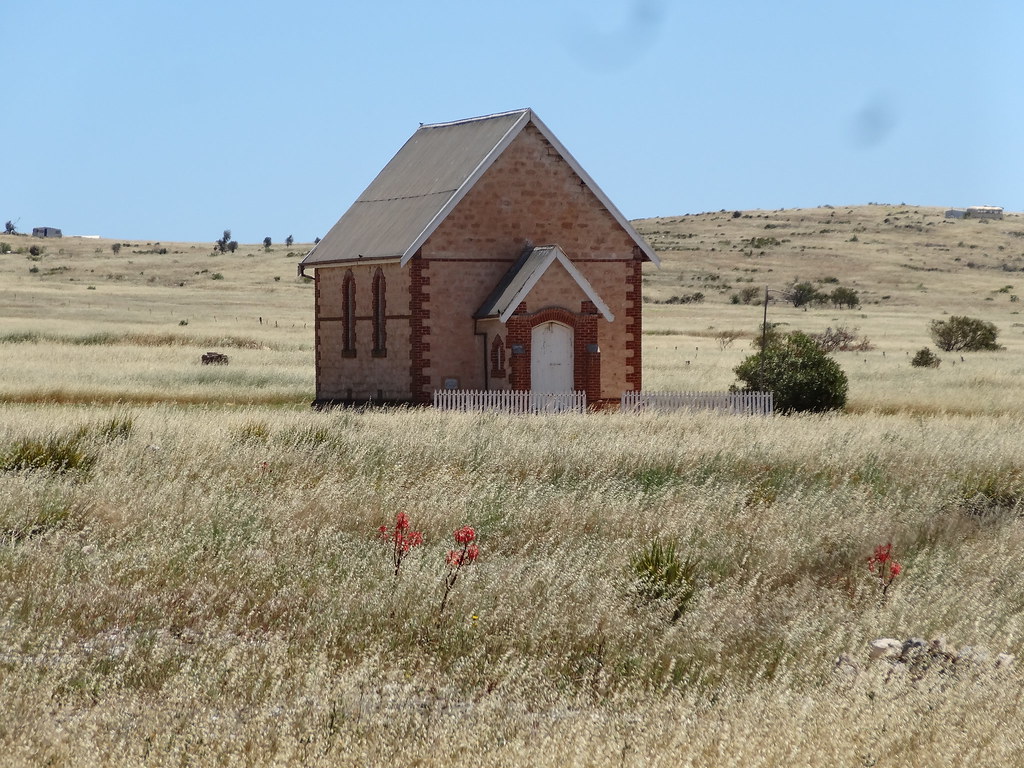
Many tiny house dwellers end up in rural areas or on the outskirts of town due to zoning restrictions. This often means long drives to work, groceries, or social events. A 2023 study by the American Psychological Association found that 22% of tiny house residents reported increased feelings of loneliness or isolation compared to their previous homes. Living “off the grid” can be peaceful, but it can also feel cut off from friends and support networks.
Resale Problems: Hard to Move On
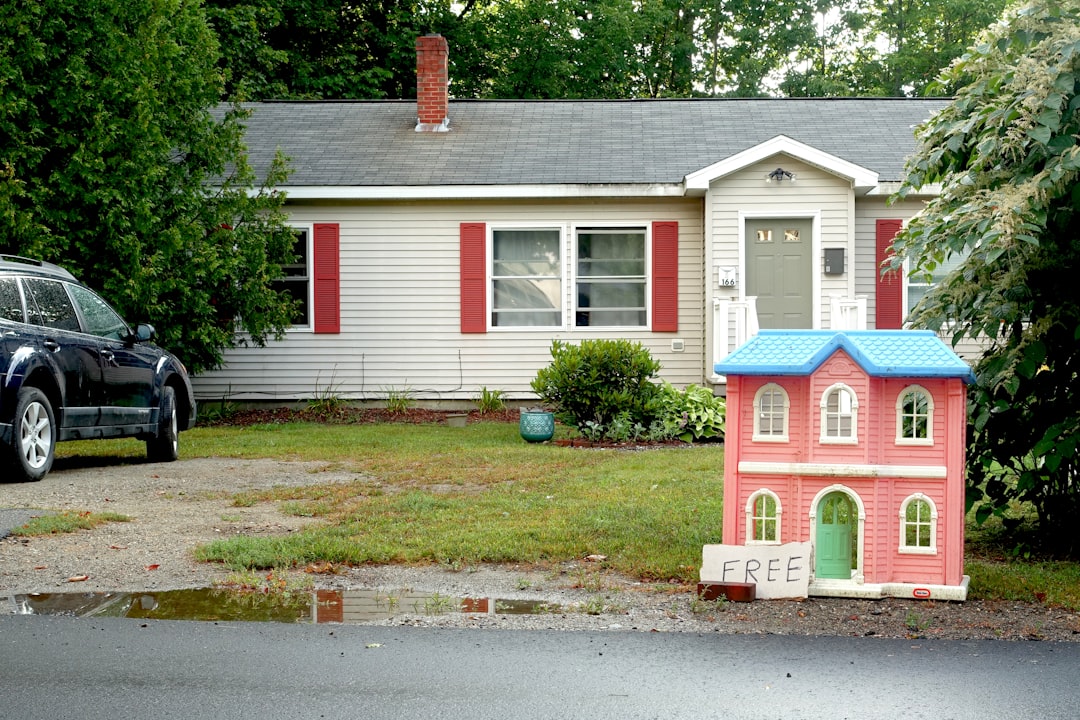
Selling a tiny house isn’t as simple as listing a regular home. The market is small, and buyers are picky about design, condition, and location. According to Tiny House Listings, only 42% of tiny homes listed in 2024 sold within six months, compared to nearly 80% for traditional homes. Many owners are forced to take a loss or leave their home behind. Financing is another challenge—few banks offer loans for tiny houses, which makes selling even harder.
Health and Safety: Overlooked Risks
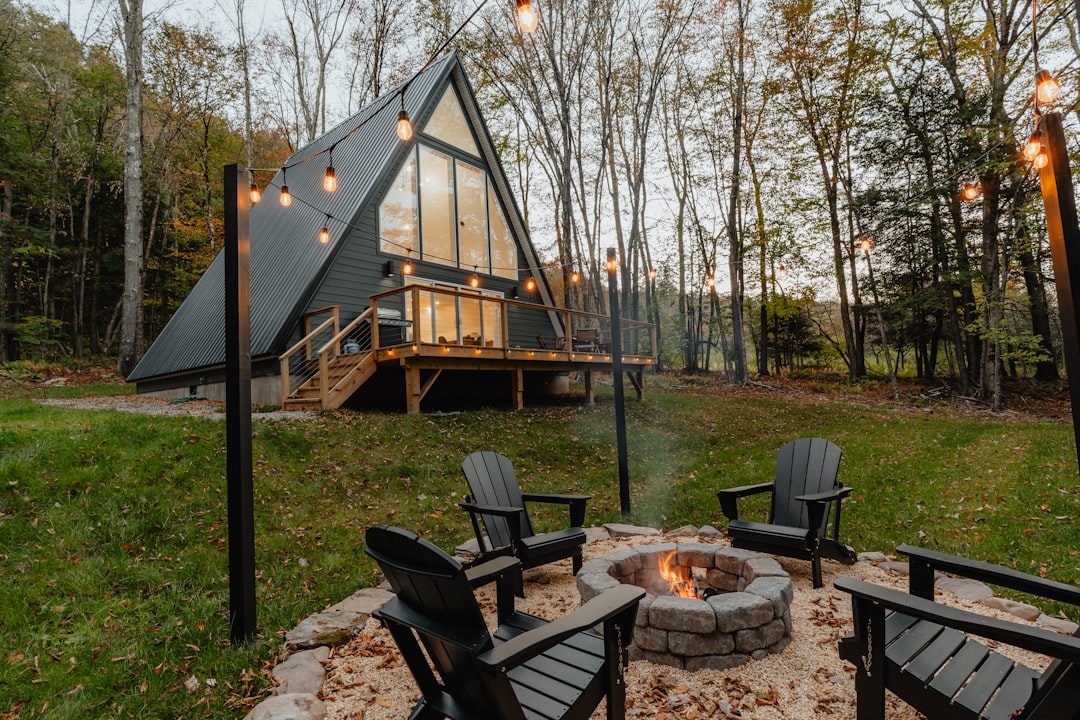
Tiny homes often bypass traditional building codes, leading to safety risks. Fire hazards from cramped kitchens, lack of proper ventilation, and limited emergency exits are real concerns. The National Fire Protection Association reported in 2023 that tiny house fires, while rare, are more likely to result in injury due to small escape routes. Mold and carbon monoxide buildup are also common issues, especially in DIY builds. Health risks are often the final straw for owners who decide they’ve had enough.
Changing Needs: Life Outgrows the House
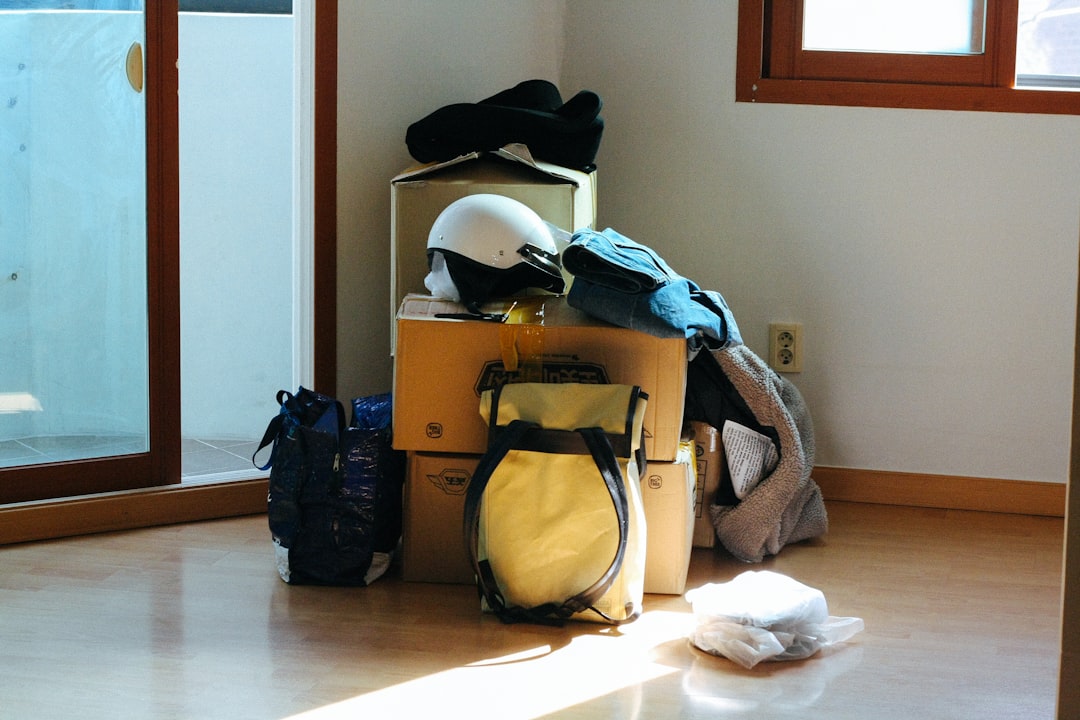
What works for a single person or a young couple might not fit forever. Life changes—babies arrive, jobs shift, health needs evolve. In a 2024 survey by the Tiny House Research Center, 36% of former owners said changing family or career situations forced them to move. Some outgrow the space, while others crave the stability and amenities of a traditional home as they age. The tiny house that once felt like freedom can quickly become a cage when circumstances change.
The End of the Dream

The tiny house movement promises a simpler, happier life, but the reality is often more complicated. For many, the challenges—legal, financial, personal—become too much to bear. Most quietly move on, leaving behind a tiny shell of their former hopes.

Lena is a thoughtful and imaginative writer with a passion for storytelling across the themes of travel, environmental sustainability, and contemporary home aesthetics. With a background in cultural media and a strong visual sensibility, Anna Lena creates content that bridges inspiration with practical insight.
Her work explores the interplay between place, lifestyle, and design—guiding readers through meaningful travel experiences, eco-conscious choices, and modern approaches to living well. Known for her elegant writing style and attention to detail, she brings a fresh, human-centered perspective to every topic she covers.
Anna Lena contributes to digital publications and editorial projects where aesthetics meet purpose. Her writing not only informs but also encourages readers to live more intentionally, sustainably, and beautifully—wherever they are in the world.