


Henrieke Otte is an accomplished writer and content editor, specializing in topics that inspire thoughtful living—ranging from global travel and sustainable lifestyles to interior design and architecture. With a keen editorial sense and a background in cultural studies, Henrieke brings depth, elegance, and clarity to every piece she crafts.
Her work is known for its engaging voice, visual sensitivity, and ability to turn complex ideas into accessible, reader-friendly narratives. Whether exploring eco-conscious destinations, dissecting climate-conscious home trends, or curating serene living spaces, Henrieke writes with a balance of creativity and insight that resonates with design-savvy, environmentally aware audiences.
Driven by a love of meaningful storytelling and a refined aesthetic, Henrieke contributes regularly to digital platforms and magazines where quality content meets visual sophistication.
Transform Your Balcony Into a Wildlife Haven
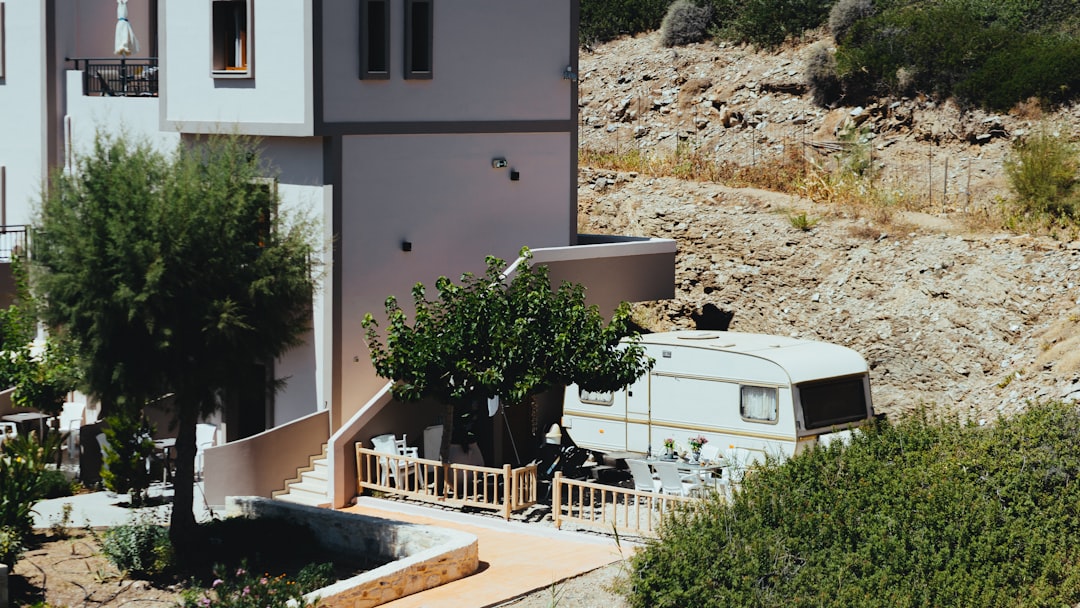
Even in a cramped urban apartment, you can create meaningful wildlife habitat with just a few containers and some creativity. Even a balcony garden, school yard, urban lot, or workplace can become a Certified Wildlife Habitat. A little 100 square foot garden might be capable of providing all the things needed to sustain and nurture wildlife.
Small spaces often work better than you’d think because they force you to be strategic. Plant native flowers in containers on your front steps, on a balcony or in a window box. Your tiny sanctuary might not attract deer, but it can definitely support butterflies, bees, and small birds that desperately need urban refuges.
Start With Water – Nature’s Universal Magnet
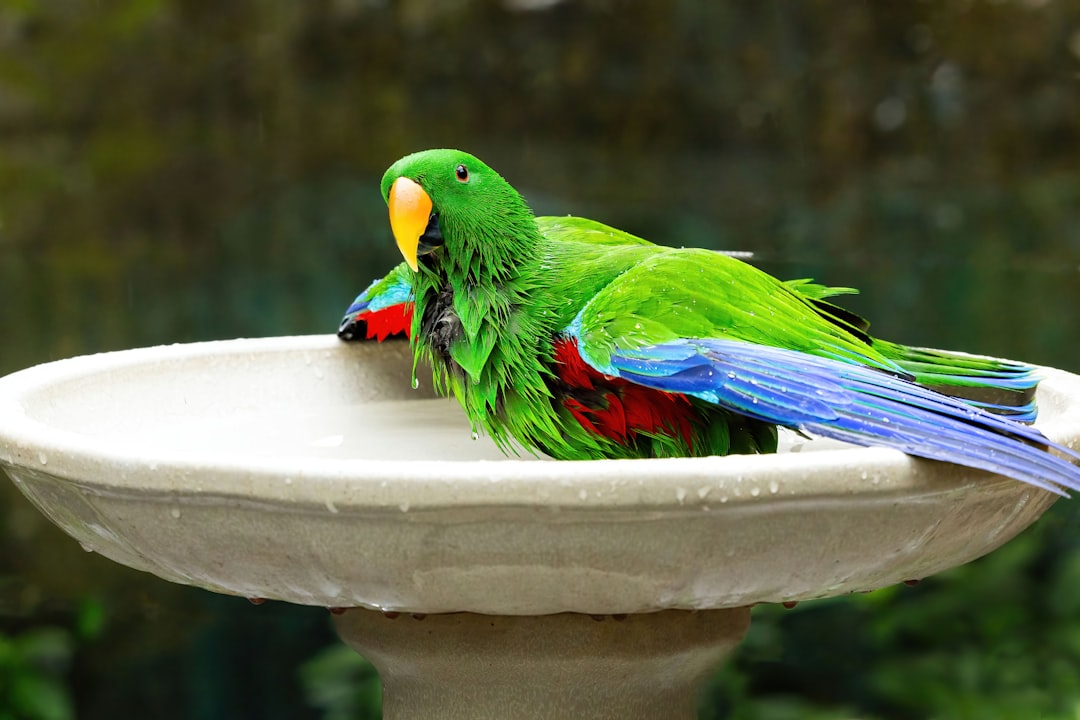
Water is probably the most powerful wildlife attractant you can add to any space, regardless of size. Chisel out the top one to three inches of an old stump for a birdbath – this costs nothing but creates an instant gathering spot for birds and insects. Bird baths are a simple way to attract wildlife, especially feathered friends who appreciate a place to safely drink and bathe. Birds prefer shallow basins no more than 2 inches deep with a rough surface for good gripping.
Even more budget-friendly options exist for water features. Use water from downspouts, rainwater, rain barrels, and air-conditioning drips to refill birdbaths – essentially creating a free water source that recycles what nature already provides.
Native Plants Are Your Secret Weapon

Here’s where many people get sticker shock, but there are smart ways around it. At local native plant nurseries, a 4-inch perennial might sell for as much as $18 – meanwhile, a 4-inch petunia at Home Depot sells for $2.50. Yes, native plants can be expensive upfront, but they’re actually the most cost-effective long-term choice.
Installation costs of $2,000 to $4,000 per acre for seeding native prairie grasses and forbs compare favorably to conventional landscaping costs. Native habitat gardens can support two times the amount of wildlife when compared to properties with primarily turf lawn. The Northern Virginia Soil and Water Conservation District’s annual spring seedling sale makes low-cost bare-root native shrub and tree seedlings available – similar programs exist nationwide.
Budget-Friendly Plant Shopping Strategies
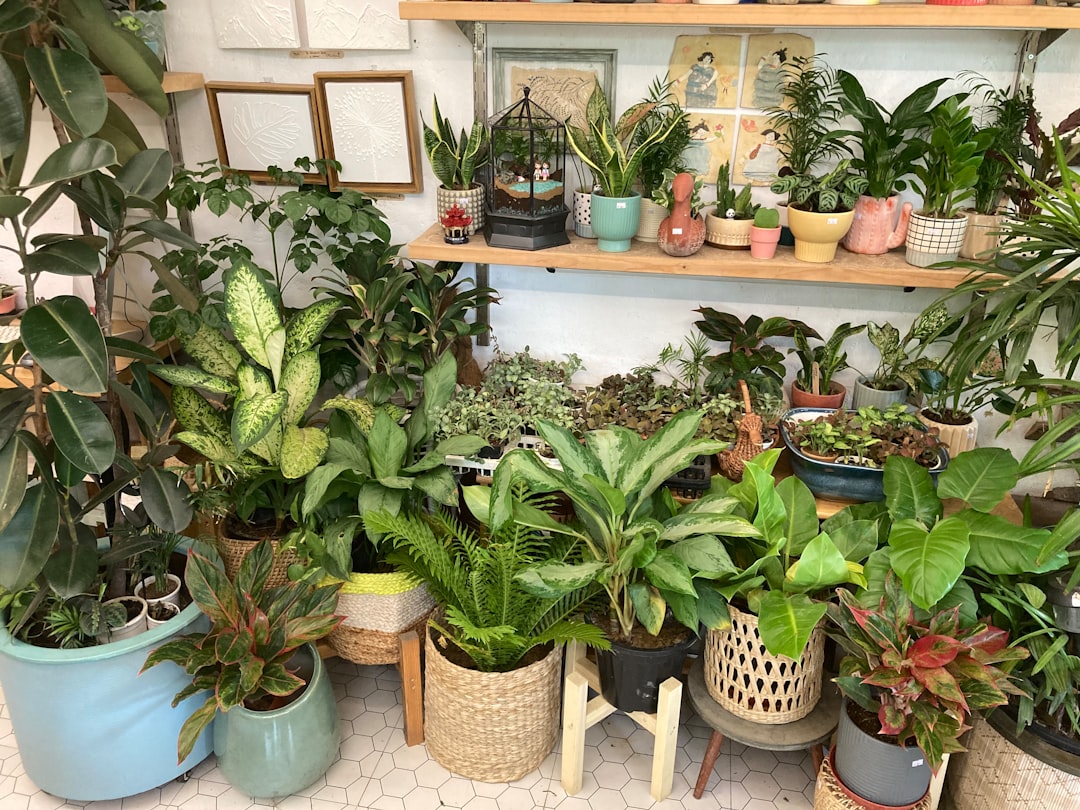
Timing is everything when hunting for affordable native plants. Many county conservation districts offer native plant sales in early spring or fall and can help you decide what to look for based on your needs. Our special 25 Native Plants for 2025 collection is on sale from January 1, 2025 through January 31, 2025. All featured plant sets in the collection are marked down 10%.
Don’t overlook seed starting as a budget strategy. I have found many successful ways to plant food plots that are much more cost effective and require less equipment and not a lot of labor. However, these strategies do require more patience, planning, and proper technique to produce the best outcome. Starting from seed takes longer but can save you hundreds of dollars.
DIY Shelter Solutions That Cost Almost Nothing
Creating shelter for wildlife doesn’t require expensive structures – often the best solutions are free. Turn leaves, tree limbs and other yard debris into a simple brush pile to provide extra shelter for wild animals. Leave trimmings from trees and shrubs in an out-of-the-way corner of your yard.
Landscape with tree limbs and leave dead trees to provide food and shelter – what many people see as yard waste, wildlife sees as prime real estate. Use natural mulch by leaving the leaves in yards and only removing them from walkways. Place swept leaves at the base of trees to provide nutrients in the winter.
The Magic of Layers – Maximum Wildlife in Minimal Space
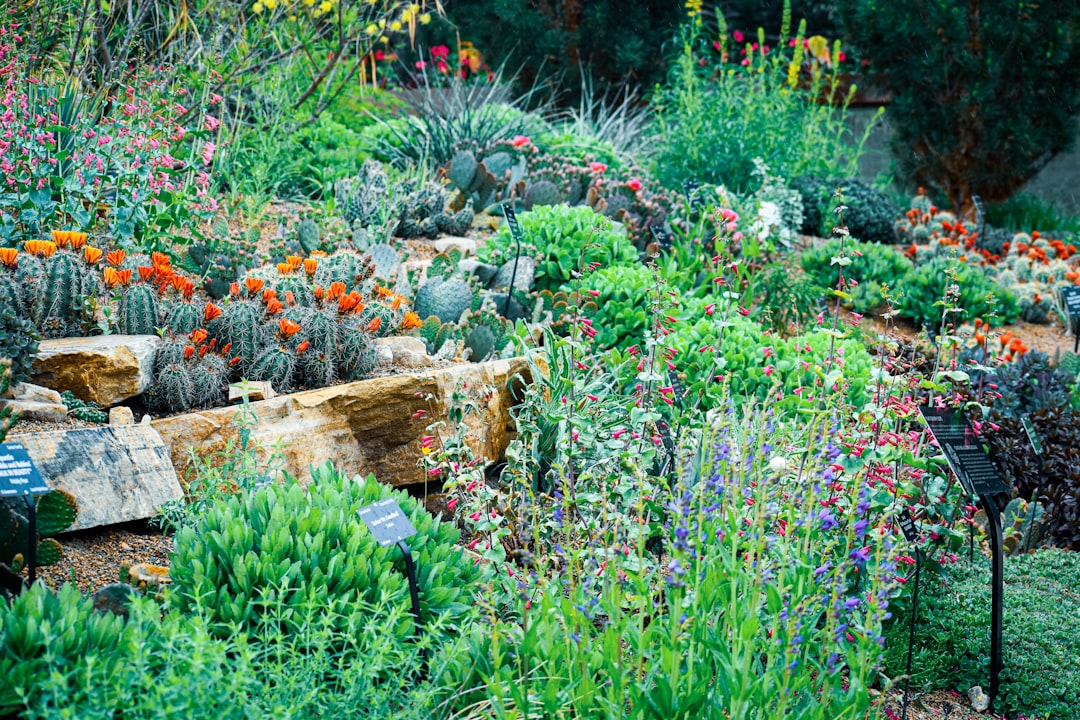
Think of your wildlife sanctuary like a tiny apartment building – you need multiple floors to house different tenants. Mimic natural ecosystems by incorporating various plant layers in your garden. Include ground covers, herbaceous plants, shrubs, and trees to create a multi-layered habitat that supports diverse wildlife species.
Planting native plants at varying heights benefits wildlife. Even in a small space, you can create vertical habitat by choosing plants of different heights and growth habits. A single container garden can include ground-hugging sedums, mid-height wildflowers, and a small shrub – instantly tripling your wildlife support capacity.
Free Food Sources That Keep Wildlife Coming Back
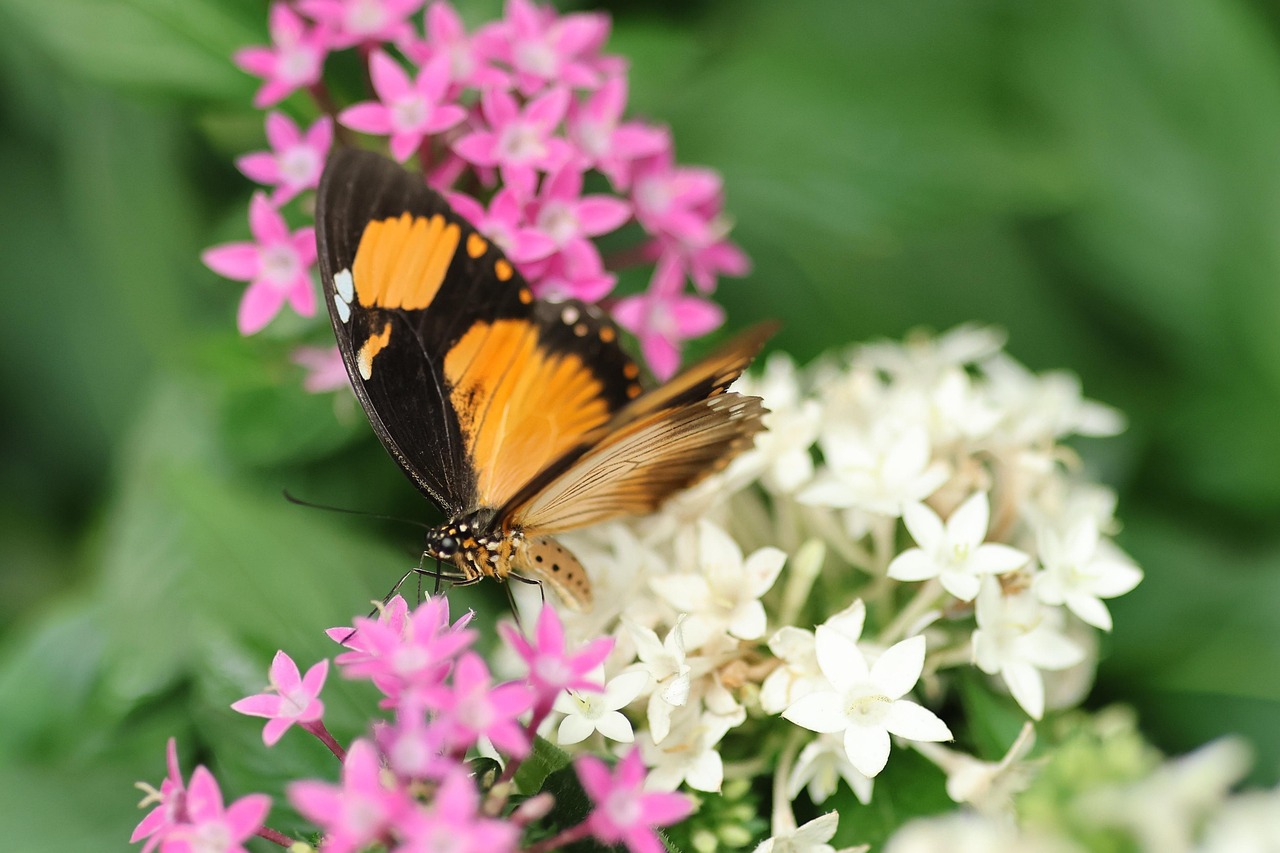
The cheapest wildlife feeding program is one that feeds itself. Plants are the best food source for many wildlife species. In addition to directly providing food, plants can also attract insects who benefit wildlife. Naturally-occurring insects and native plants with nectar flowers, edible fruits, nuts and seeds provide nourishment for most butterflies, birds and small animals.
Let some areas of your sanctuary go “wild” by reducing maintenance. If you can, stop mowing part of your lawn; it’s less work for you (and a better habitat for wildlife). Prune flower heads but leave the stems for insect habitat over the winter. In the spring avoid cutting your lawn for a couple months to help provide pollinator food.
Creating Certified Wildlife Habitat on Any Budget
Getting official recognition for your wildlife sanctuary is surprisingly affordable and provides great motivation. With a tax-deductible one-time gift of at least $30, you will receive a Humane Backyard sign and gardening gloves. The National Wildlife Federation’s certification program has similarly low costs while providing valuable resources and recognition.
The National Wildlife Federation (the organization that provides certifications) lists 5 key elements that are essential to a healthy wildlife habitat – and none of them require expensive equipment or large spaces. While any small space with native plants and a water source can qualify for certification, the process helps you think systematically about wildlife needs.
Apartment and Condo Wildlife Solutions
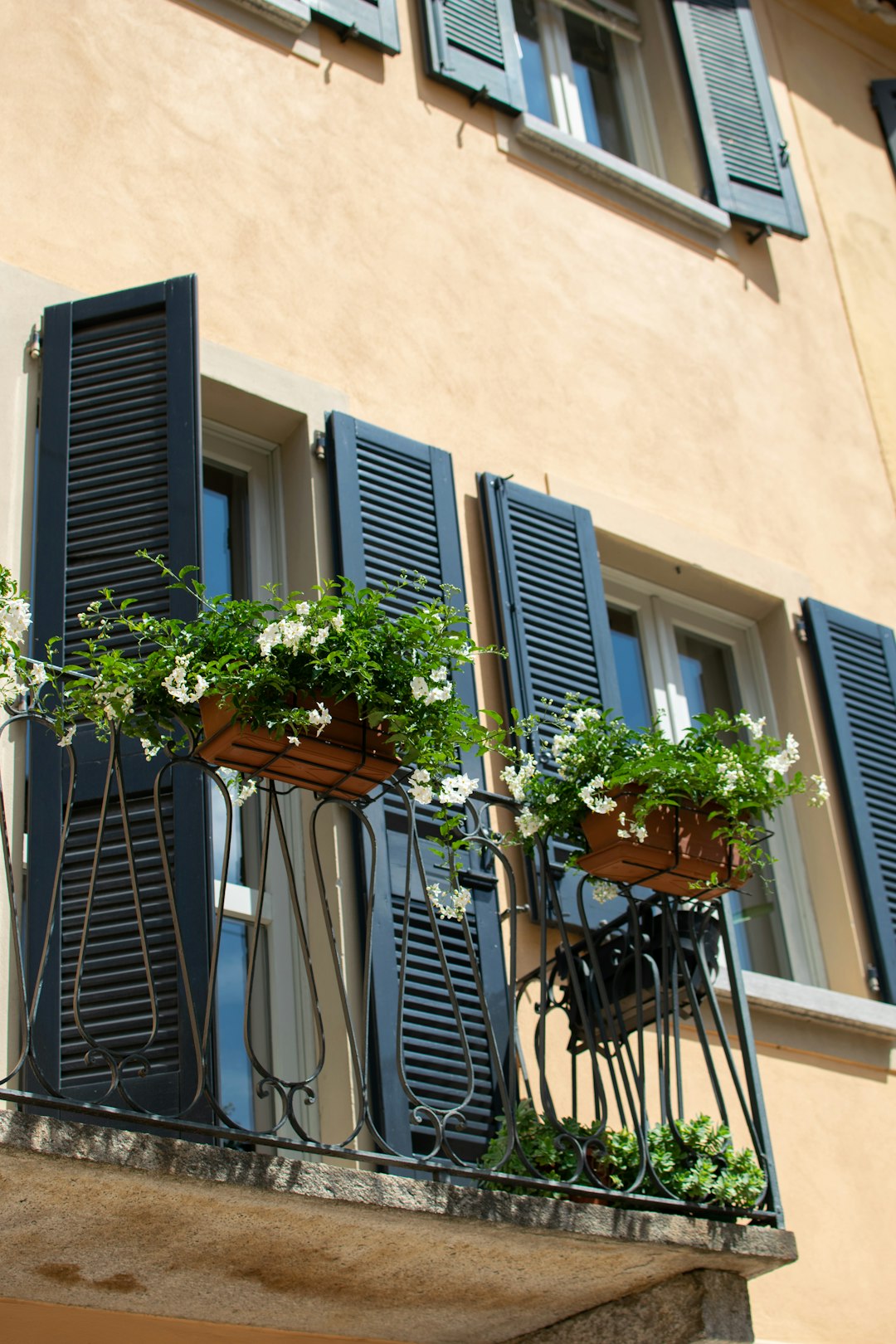
Limited space doesn’t mean limited impact – urban wildlife desperately needs every small refuge. Work with neighbors to add native plant life to shared spaces like playgrounds, parks and other open areas in your development or community. Get children involved by bringing Backyards and Beyond to groups such as the Boy Scouts, Girl Scouts or a school, church or community youth group or homeowners association.
Even window boxes can make a difference in urban environments where natural habitat is scarce. Every year in Washington, 35,000 acres of wildlife habitat is converted into housing or other developed land. Your small contribution helps offset this massive loss while creating stepping stones for urban wildlife movement.
The Power of Patience and Observation
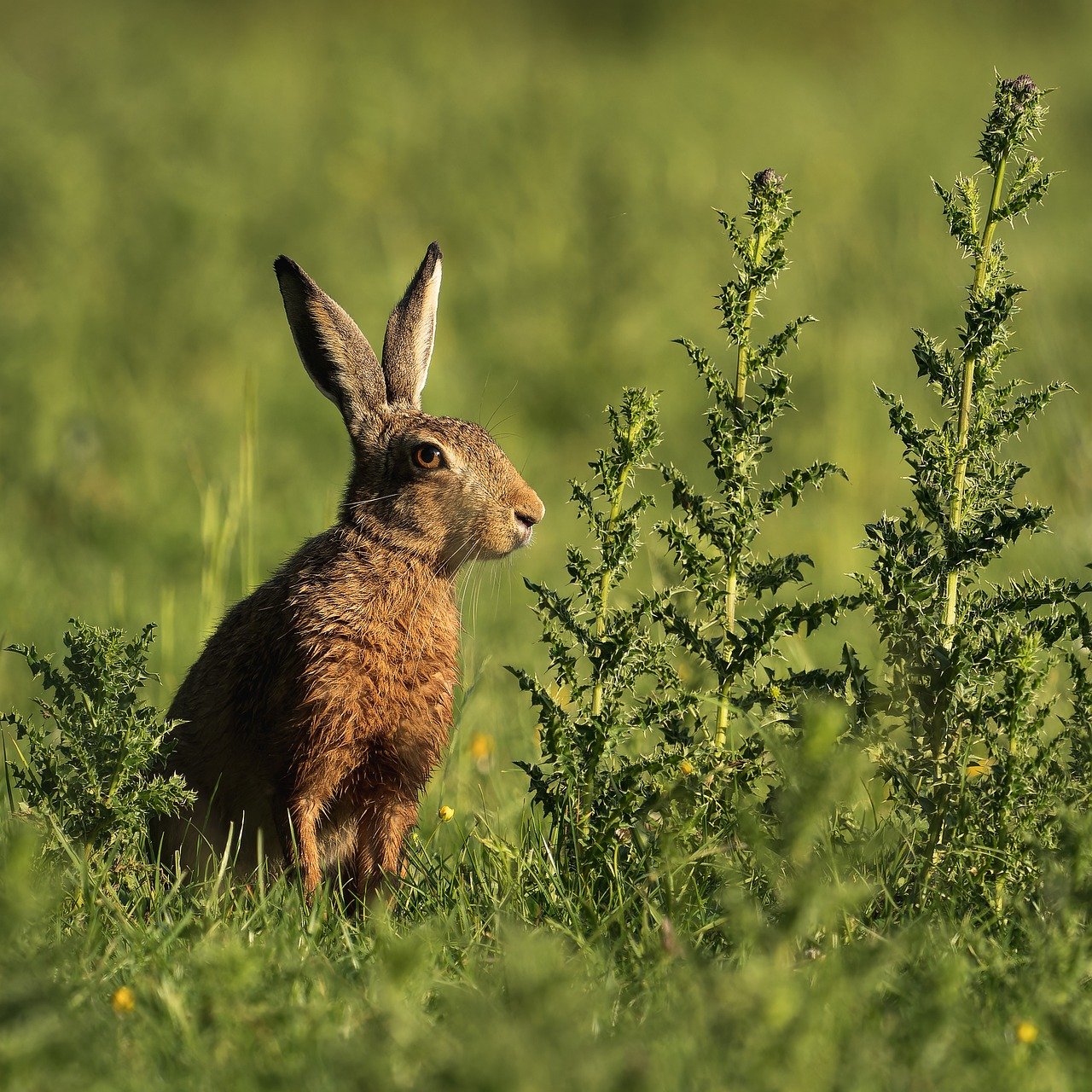
Building a wildlife sanctuary is more about understanding than spending. Steven Saffier, the coordinator of the Audubon Society’s Audubon at Home program, advises, “You have to ask yourself, ‘What is my ecological address? What plants were here before this house was built?’ Then try to replicate that.”
Start by documenting what already visits your space. Document wildlife activity in your backyard. Submit photos via iNaturalist to Florida Nature Trackers projects, and even create a species list for your own backyard. This costs nothing but helps you understand what’s working and what wildlife needs you’re not yet meeting.
Budget-Friendly Seasonal Strategies
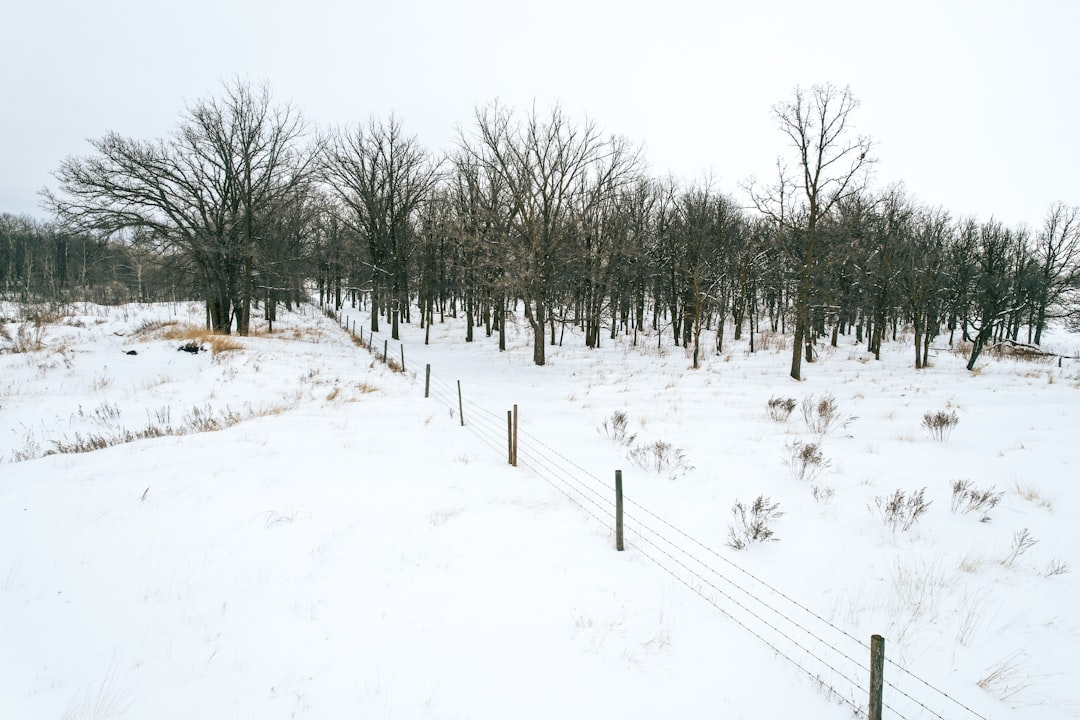
Different seasons offer different opportunities for budget wildlife habitat creation. Wildlife developed adaptations that allow them to survive harsh winter conditions without human intervention. The best way to help wild animals survive a severe winter is to promote year-round quality habitat.
Winter is actually an ideal time for planning and preparing budget-friendly improvements. Hopefully you can use these last few weeks of cold weather to plan and prepare for the busy times to come. Working in the outdoors is a blessing and something we should never take advantage of. Use cold months to research native plant sales, plan your layout, and gather free materials like fallen branches and leaves.
The Multiplier Effect of Small Actions
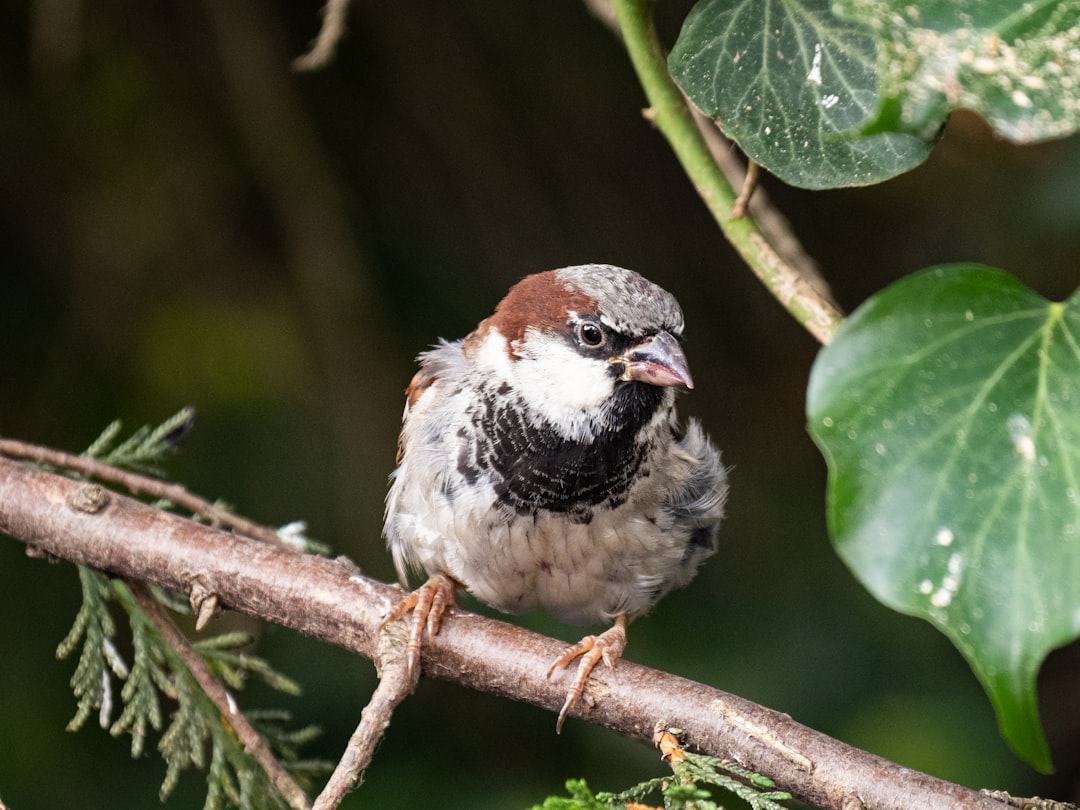
Your tiny wildlife sanctuary contributes to something much larger than itself. Over 2 million habitat acres are lost annually to development and agriculture. Your garden can be part of the solution to rebuild this habitat! By creating habitat for wildlife at home, you are helping to offset the acres of habitat that are lost to housing and urban development each year.
Even the smallest sanctuary can have outsized impact when part of a larger network. In New Jersey, where over 85% of land is privately owned, each restored yard or natural area provides vital resources for wildlife. With over 1,400 Native Plant Society members leading the way, the transformative power of native plants reaches its full potential when these spaces connect across property lines, neighborhoods, and towns.
Beyond Your Backyard – Building Community
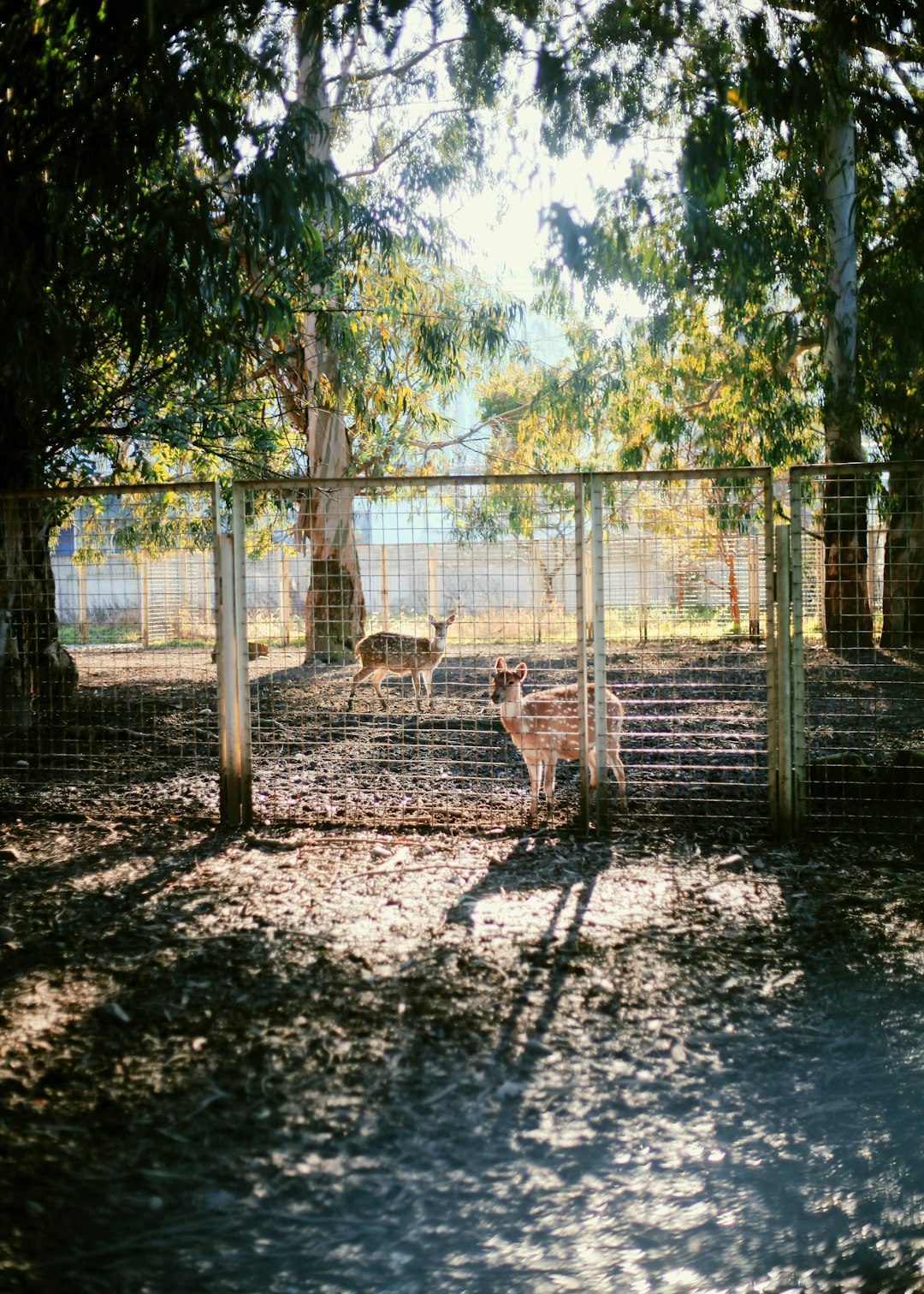
The most cost-effective wildlife sanctuary is one that inspires others to create their own. People who create a wildlife refuge in their backyards will contribute to conserving Florida’s wildlife and habitats. By documenting animals observed in their backyards, they also generate valuable information.
Your budget-friendly sanctuary becomes a teaching tool and inspiration for neighbors. These high-quality garden signs are a great way to signal to neighbors the intention of your landscape. Sometimes the most valuable aspect of your wildlife sanctuary isn’t what it does for animals, but how it changes human perspectives about what’s possible in small spaces.
Creating a wildlife sanctuary doesn’t require acres of land or thousands of dollars – it requires understanding that every small action matters in a world where many common bird species have lost at least half of their populations in just four decades due to residential and industrial development. Your tiny sanctuary might be small, but it’s also exactly what urban wildlife desperately needs. What species will you welcome home first?

Henrieke Otte is an accomplished writer and content editor, specializing in topics that inspire thoughtful living—ranging from global travel and sustainable lifestyles to interior design and architecture. With a keen editorial sense and a background in cultural studies, Henrieke brings depth, elegance, and clarity to every piece she crafts.
Her work is known for its engaging voice, visual sensitivity, and ability to turn complex ideas into accessible, reader-friendly narratives. Whether exploring eco-conscious destinations, dissecting climate-conscious home trends, or curating serene living spaces, Henrieke writes with a balance of creativity and insight that resonates with design-savvy, environmentally aware audiences.
Driven by a love of meaningful storytelling and a refined aesthetic, Henrieke contributes regularly to digital platforms and magazines where quality content meets visual sophistication.