

Lena is a thoughtful and imaginative writer with a passion for storytelling across the themes of travel, environmental sustainability, and contemporary home aesthetics. With a background in cultural media and a strong visual sensibility, Anna Lena creates content that bridges inspiration with practical insight.
Her work explores the interplay between place, lifestyle, and design—guiding readers through meaningful travel experiences, eco-conscious choices, and modern approaches to living well. Known for her elegant writing style and attention to detail, she brings a fresh, human-centered perspective to every topic she covers.
Anna Lena contributes to digital publications and editorial projects where aesthetics meet purpose. Her writing not only informs but also encourages readers to live more intentionally, sustainably, and beautifully—wherever they are in the world.
The Rise of Floating Homes
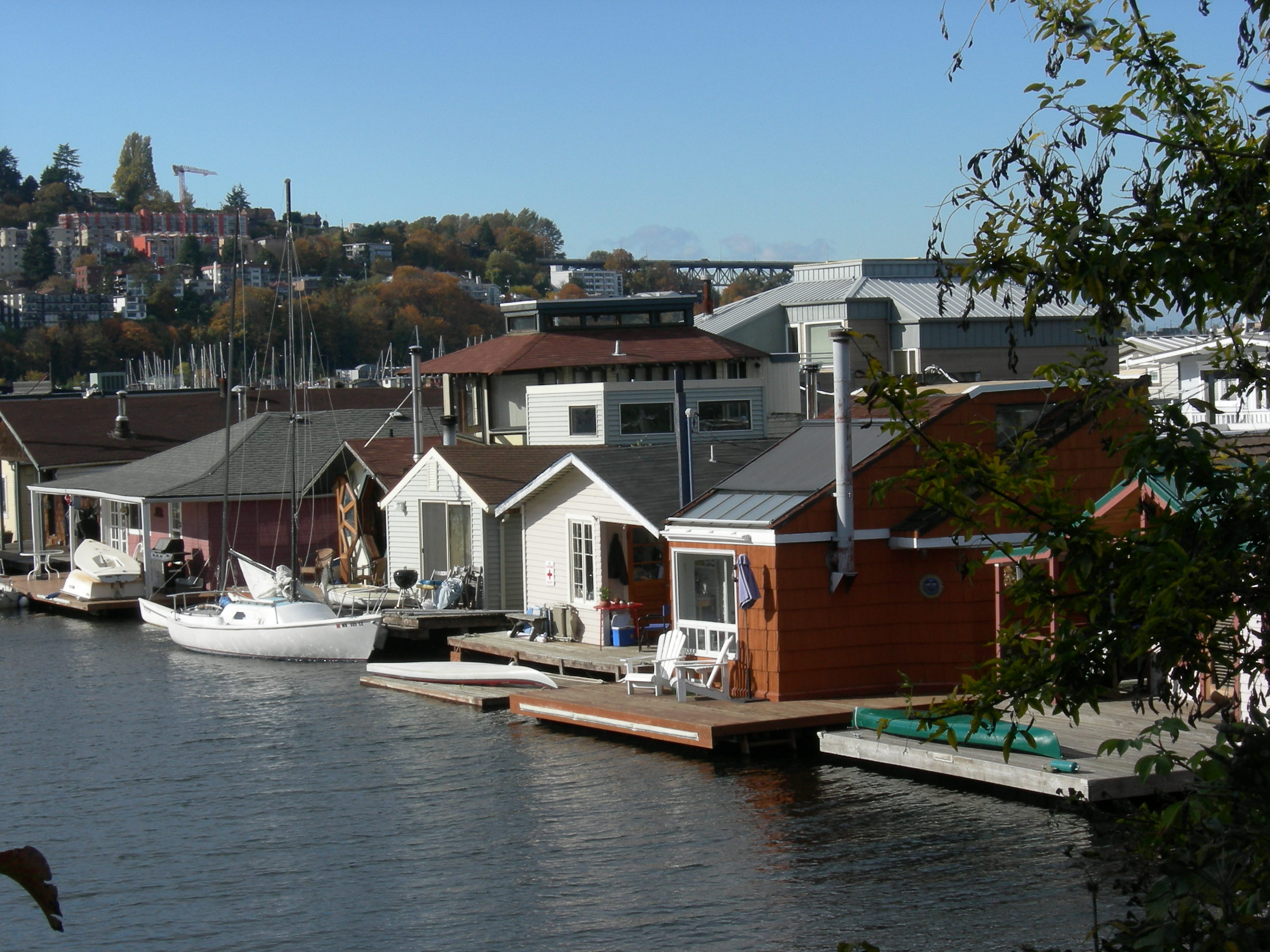
Floating homes have captured the imagination of many, offering a unique blend of novelty and sustainability. These homes are constructed to float on water bodies, defying gravity in the most literal sense. The concept is not entirely new, with historical precedents such as houseboats in places like Amsterdam and Kerala. However, the modern iteration is more permanent and often more luxurious. Floating homes provide a sustainable solution to the rising sea levels and increasing land scarcity in urban areas. They are an innovative answer to the challenges posed by climate change, offering a way to live harmoniously with nature.
Engineering Marvels

Building homes on water requires a blend of traditional architecture and cutting-edge engineering. The primary challenge is to ensure stability and safety while floating. Engineers use advanced materials like reinforced concrete and buoyant structures to keep these homes afloat. The design often incorporates flood-proofing measures to withstand harsh weather conditions. These homes are anchored securely to the seabed or riverbed, ensuring they remain stable even during storms. The engineering behind these homes is a testament to human ingenuity, pushing the boundaries of what is possible in construction.
Sustainability at Its Core
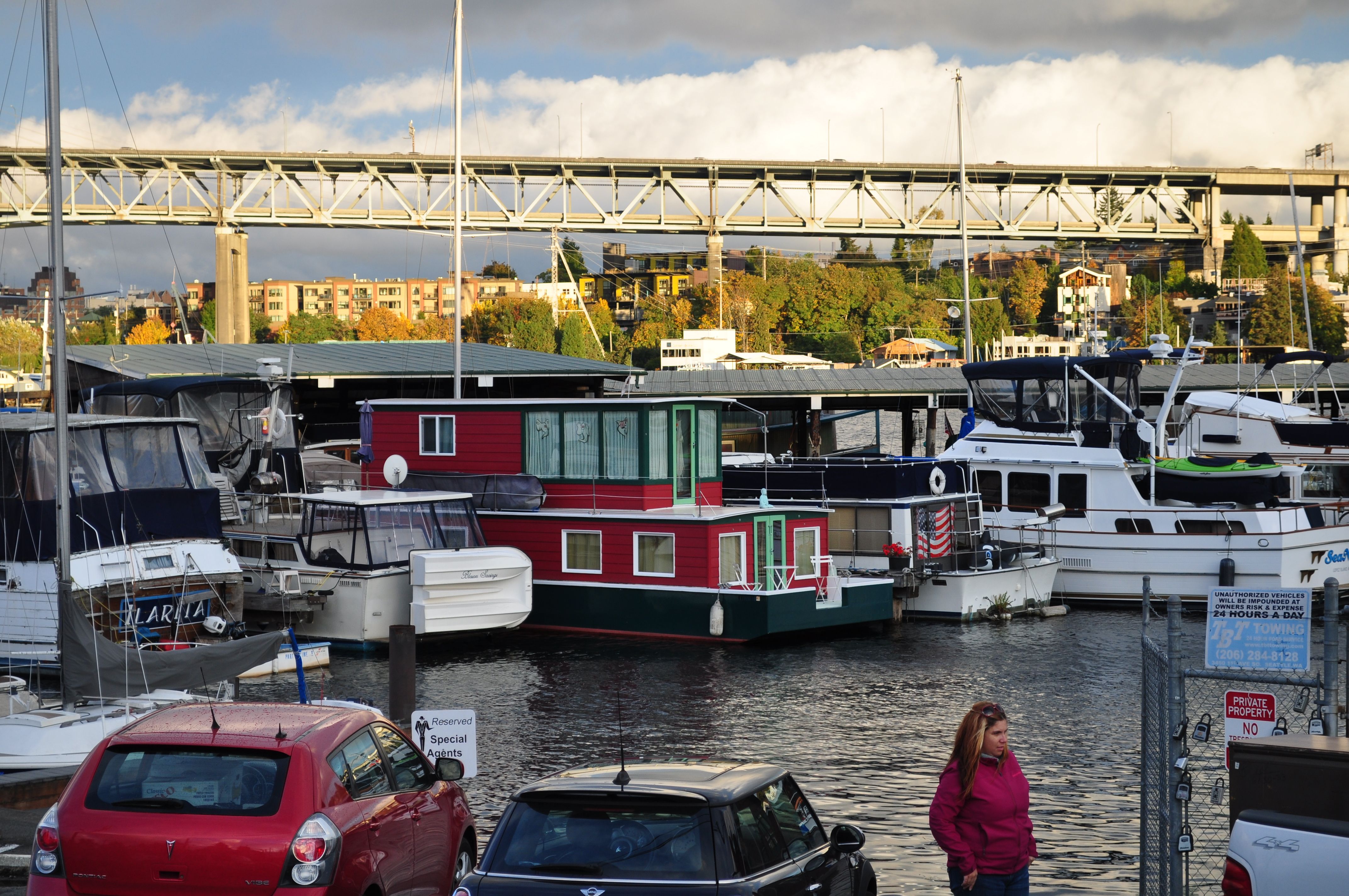
Floating homes are often heralded as a beacon of sustainability. Many of these homes incorporate eco-friendly technologies such as solar panels and rainwater harvesting systems. The materials used are often recycled or sustainably sourced, minimizing environmental impact. By living on water, residents have a direct relationship with their environment, often leading to more sustainable living practices. The homes are designed to be energy-efficient, reducing reliance on fossil fuels. This sustainable approach not only benefits the environment but also enhances the quality of life for those who inhabit these homes.
Designing for Comfort and Style

While the engineering is crucial, the design of floating homes does not compromise on comfort or style. These homes often boast open floor plans, large windows, and modern amenities. The design takes advantage of the natural surroundings, with panoramic views of the water and sky. Interior spaces are crafted to maximize light and space, creating a serene living environment. The aesthetic often blends contemporary design with nautical themes, offering a unique living experience. Despite being on water, these homes are as comfortable and stylish as any land-based dwelling.
Challenges and Considerations
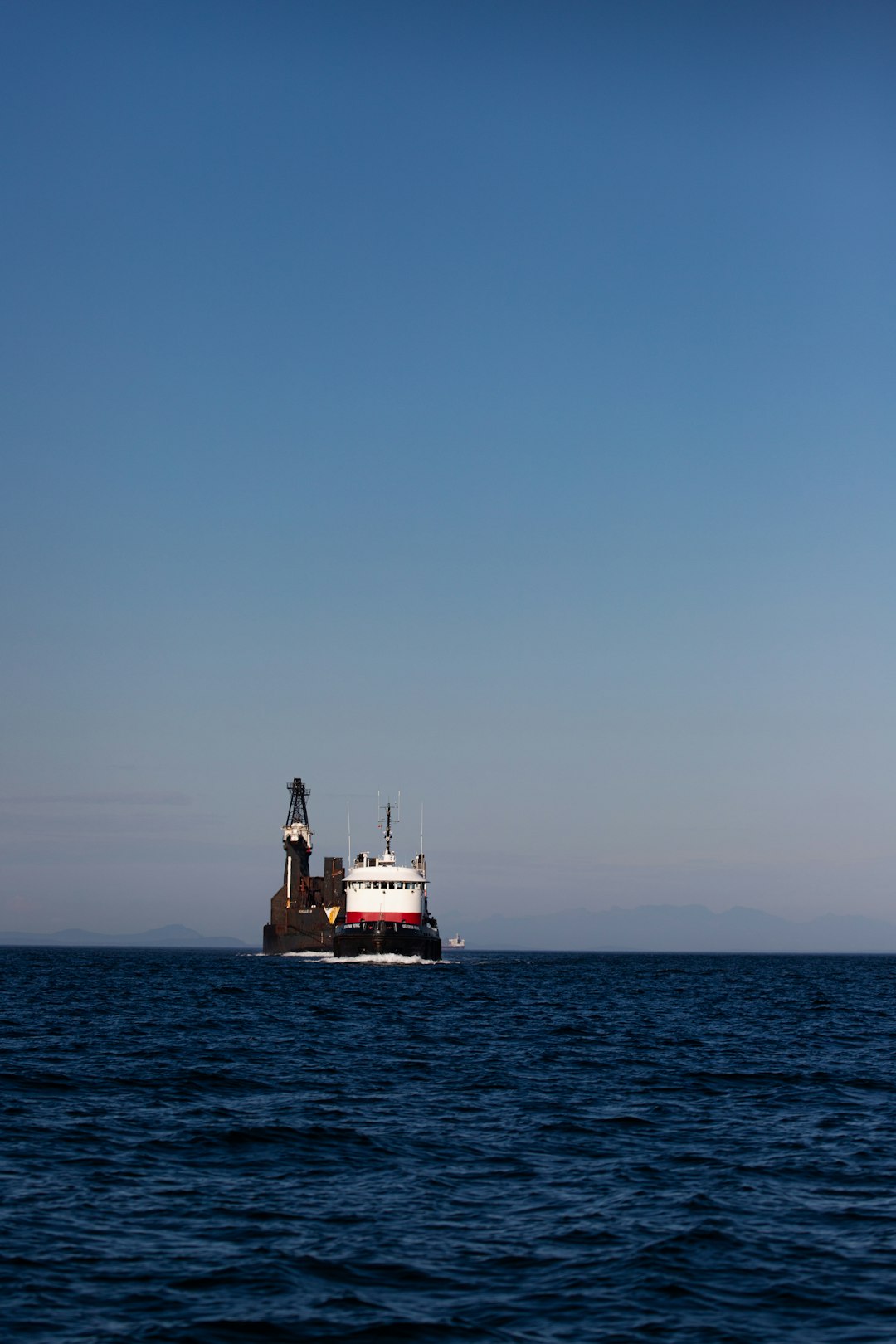
Living on water comes with its own set of challenges. Maintenance can be more demanding due to the corrosive nature of water and the potential for dampness. Insurance can also be more complicated and costly for floating homes. Additionally, the initial cost of building such homes can be higher than traditional homes. There are also regulatory hurdles, as many areas have zoning laws that may not accommodate floating structures. Despite these challenges, the benefits often outweigh the drawbacks for those seeking an unconventional lifestyle.
Global Trends and Popularity

Floating homes are gaining popularity around the world. In cities like Seattle and Vancouver, they are becoming a sought-after real estate option. In Europe, places like Amsterdam have embraced floating homes as a solution to housing shortages and flood risks. Asia is also seeing a rise in floating homes, particularly in countries like the Maldives, where rising sea levels are a significant concern. This global trend reflects a growing awareness of climate change and the need for innovative housing solutions. The popularity of floating homes is a testament to their appeal and practicality in a changing world.
Innovative Projects and Developments
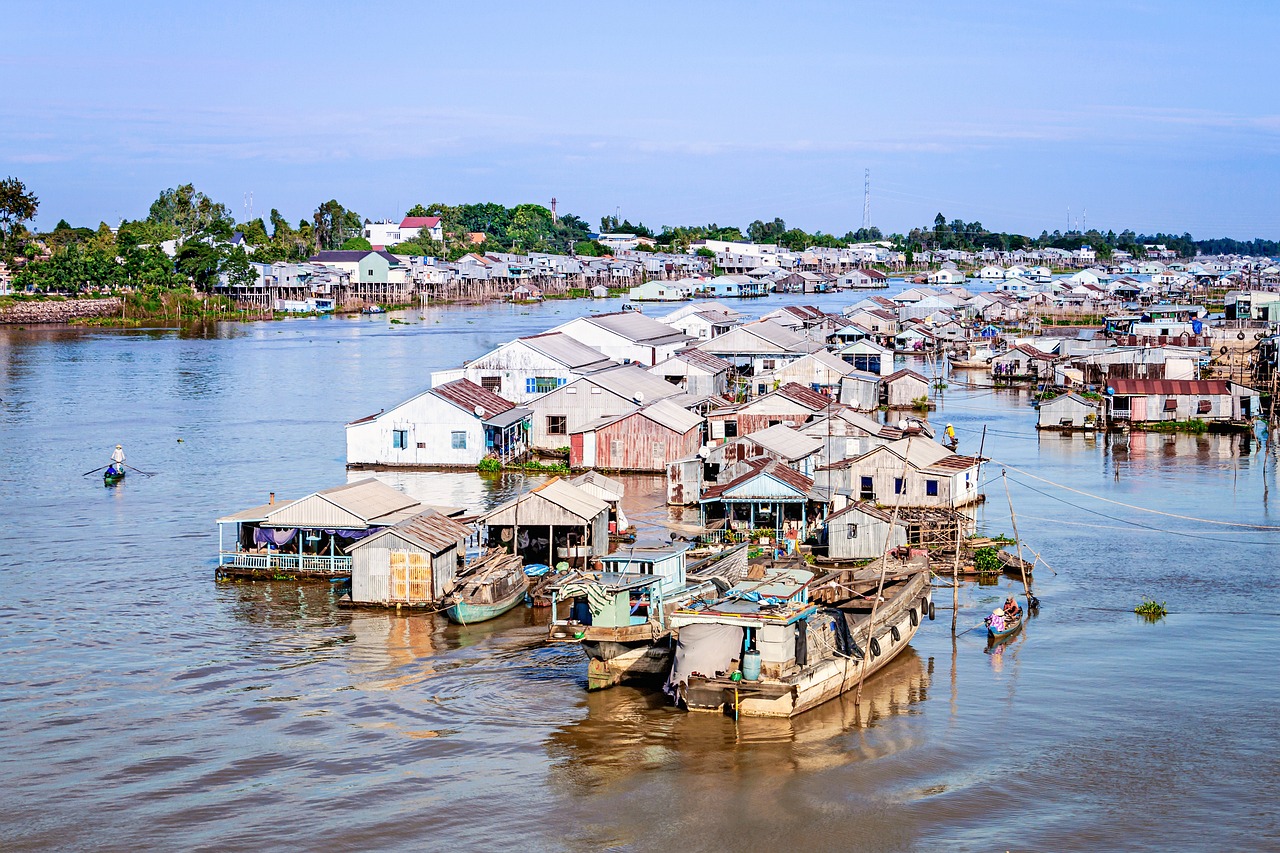
Several innovative projects around the world showcase the potential of floating homes. The Floating Seahorse Villas in Dubai offer luxury living with underwater rooms and panoramic views. In the Netherlands, the Schoonschip project is creating a sustainable floating village with energy-efficient homes. These projects highlight the versatility and adaptability of floating homes. They demonstrate how these homes can range from affordable housing solutions to high-end luxury dwellings. The innovation in these projects is paving the way for future developments in water-based living.
Community and Connectivity

Floating homes often foster a strong sense of community among residents. The close proximity and shared environment encourage social interaction and collaboration. Many floating home communities have shared amenities like gardens, docks, and communal spaces. This sense of community is often a draw for those seeking a more connected and cooperative lifestyle. The unique setting also encourages residents to engage with their surroundings, creating a deeper connection to nature and the water. This community aspect is a significant benefit of living in a floating home.
The Future of Water-Based Living

As climate change continues to impact our world, water-based living is likely to become more prevalent. Floating homes offer a resilient housing solution that can adapt to rising sea levels and changing weather patterns. Advances in technology and materials will continue to enhance the feasibility and sustainability of these homes. The future may see entire floating cities, offering a new way to live and thrive on water. This vision of the future is both exciting and necessary, as we seek solutions to the challenges posed by our changing planet.
Conclusion: A New Horizon

Floating homes represent a new horizon in housing, challenging conventional notions of where and how we live. They offer a unique blend of innovation, sustainability, and style, reflecting our adaptability and resilience. As we navigate the challenges of the 21st century, floating homes provide a glimpse into a future where living with water is not only possible but desirable. This new horizon is not just about surviving but thriving in harmony with our environment. The journey of floating homes is just beginning, promising a future of endless possibilities on the water.

Lena is a thoughtful and imaginative writer with a passion for storytelling across the themes of travel, environmental sustainability, and contemporary home aesthetics. With a background in cultural media and a strong visual sensibility, Anna Lena creates content that bridges inspiration with practical insight.
Her work explores the interplay between place, lifestyle, and design—guiding readers through meaningful travel experiences, eco-conscious choices, and modern approaches to living well. Known for her elegant writing style and attention to detail, she brings a fresh, human-centered perspective to every topic she covers.
Anna Lena contributes to digital publications and editorial projects where aesthetics meet purpose. Her writing not only informs but also encourages readers to live more intentionally, sustainably, and beautifully—wherever they are in the world.