


Matthias is a skilled author and digital storyteller with a focus on travel journalism, environmental issues, and modern home design. With a background in communications and a passion for global cultures, Matthias crafts engaging narratives that blend real-world exploration with thoughtful analysis and visual flair.
His writing reflects a deep interest in how climate change shapes our lives and lifestyles—from sustainable travel practices to eco-friendly living environments. Known for his clear, approachable voice and sharp editorial instincts, Matthias delivers content that resonates with readers seeking both inspiration and substance.
Whether reporting from remote destinations, breaking down sustainable design trends, or spotlighting innovative green initiatives, Matthias brings a global perspective and an eye for detail to every piece. He regularly contributes to web platforms and editorial projects that aim to foster awareness, creativity, and conscious living.
Understanding Property Lines Beyond the Fence

Your property lines aren’t just invisible boundaries – they’re the foundation of peaceful neighborhood relationships. The confusion over property boundaries and the borders of real estate is the basis of many disputes between neighbors. These disagreements over boundaries often include encroachments — real or perceived — on a person’s property. Think of your property as a puzzle piece that needs to fit perfectly with your neighbor’s piece.
When boundaries get murky, relationships get messy. Property line fences frequently trigger disputes between neighbors, particularly in California, where dense housing and high real estate values increase the potential for disagreements over property boundaries, shared maintenance responsibilities, and fence ownership. The reality is that most homeowners don’t truly know where their property ends until there’s a problem.
The Hidden Costs of Fence Disputes
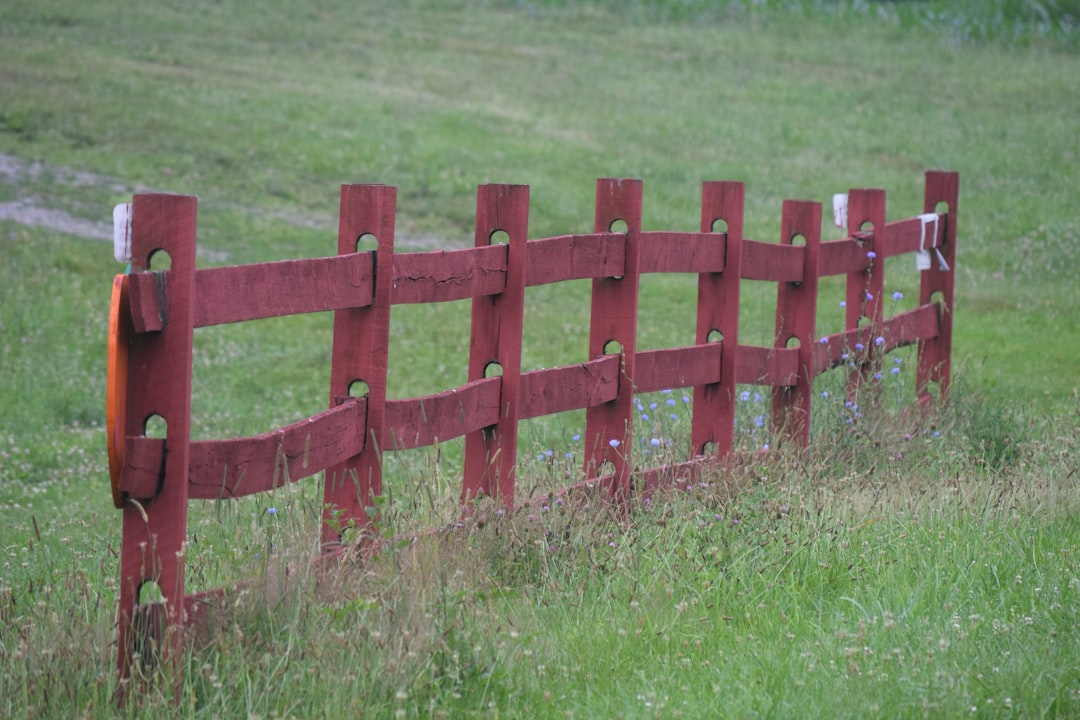
Nobody expects a simple fence disagreement to destroy their savings, but boundary disputes can quickly spiral into financial nightmares. Property line legal disputes can have a negative impact on both your time and your finances, especially if the dispute ends up in court. One case in the UK saw legal costs exceed £145,000 for a wall dispute between neighbors, which could have been avoided entirely through early resolution.
The cost of a survey typically starts at $500 and can end up costing thousands of dollars. If your land has not been surveyed for a long time, or if there are multiple existing survey maps that conflict, you can expect to pay more. While that might seem expensive, it’s nothing compared to the tens of thousands you’ll spend if the dispute goes to court.
The 50/50 Rule That Changes Everything
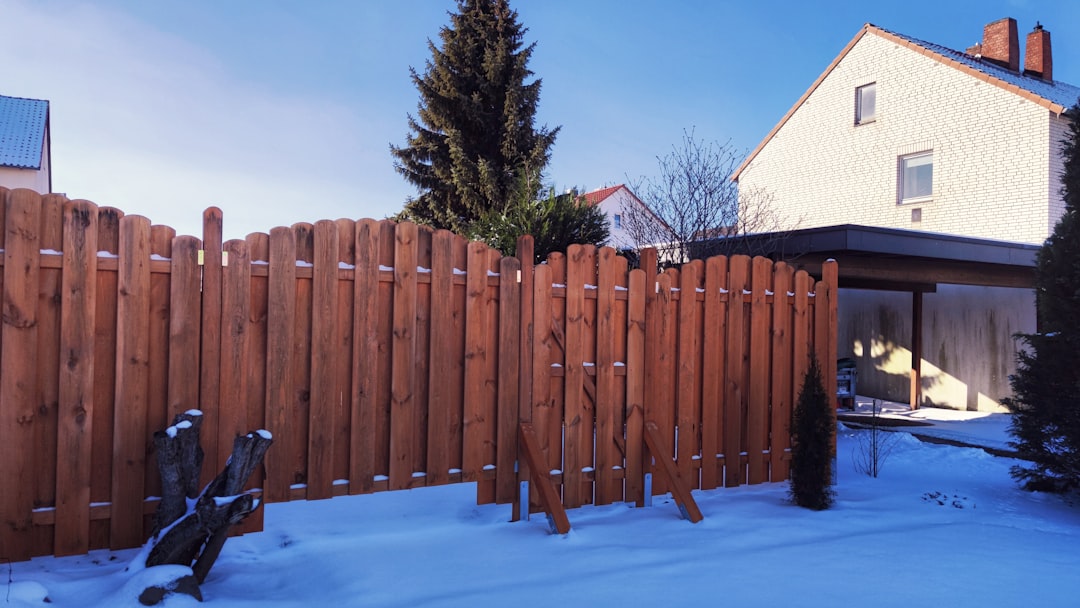
Here’s something that surprises most homeowners: in many states, you’re automatically responsible for splitting fence costs with your neighbor. Under the Good Neighbor Fence Law California, adjoining property owners are presumed to equally share the cost of constructing and maintaining a boundary fence. This isn’t just California – similar laws exist across the country.
When dealing with a damaged shared fence, the general consensus is that repair costs should be divided evenly, typically at a 50/50 split between neighboring property owners. In many situations, the 50/50 split might seem fair, as both parties benefit from the fence. However, this shared responsibility only applies to fences built directly on the property line.
The 30-Day Notice That Protects Your Wallet
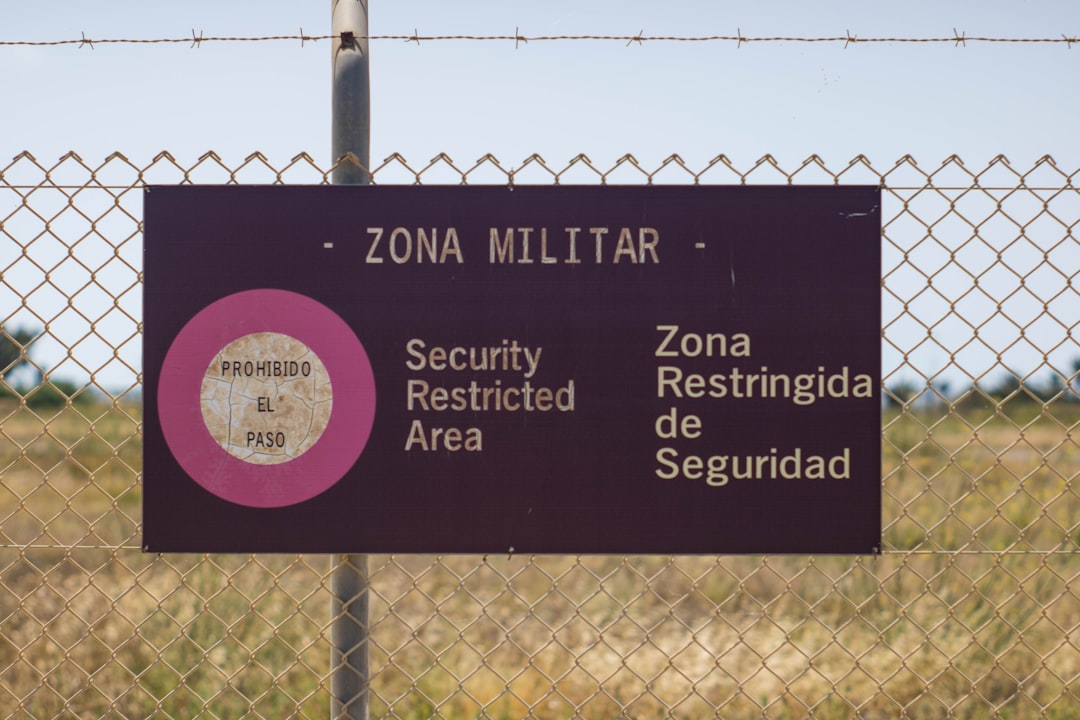
Before your neighbor can legally demand you pay half for a new fence, they must follow specific procedures. The California Good Neighbor Fence Law requires a 30-day written notice before building or repairing a good neighbor fence, outlining project details and expenses. This notice period gives you time to negotiate or object if necessary.
The notice must include a clear description of the proposed fence, cost estimates, and timeline. If a neighbor can prove the fence does not benefit their property, they may contest their share under California fence law provisions. Don’t ignore these notices – your silence could be interpreted as agreement to pay.
Survey First, Build Later

The biggest mistake homeowners make is assuming they know where their property line is located. Hiring an experienced land surveyor will often be your best option for completely clarifying property boundaries. Professional surveys use precise measurements and legal descriptions to mark exact boundaries.
They are typically metal pins or stakes buried 6″-10″ below the surface at each corner. But remember that very old markers may no longer be accurate. Many homeowners attempt to find these markers with metal detectors, but without professional interpretation, you might still be confused about the actual boundaries.
The Mediation Success Story

Before lawyers get involved, there’s a better way to resolve fence disputes. According to recent statistics, mediation has been successful in resolving over 80% of fence-related disputes, highlighting its effectiveness in finding mutually agreeable solutions. Mediation involves a neutral third party who helps both neighbors reach an agreement.
Mediation can be a cost-effective and less adversarial approach to resolving property disputes and often leads to solutions that court rulings cannot provide. Simple, direct communication can sometimes head off litigation. The key is approaching mediation with willingness to compromise rather than a determination to “win.”
When Spite Fences Cross the Line

Not all fences are created equal, and some are built purely to annoy neighbors. A spite fence—over 10 feet high and intended to annoy—is prohibited and considered a violation of California fence law. These intentionally malicious structures can result in legal action and forced removal.
Courts can distinguish between legitimate privacy fences and those built with malicious intent. If you’re considering a tall fence, make sure it serves a genuine purpose like privacy or security, not just to block your neighbor’s view or sunlight. Document your legitimate reasons for the fence’s design and height.
The Communication Formula That Works
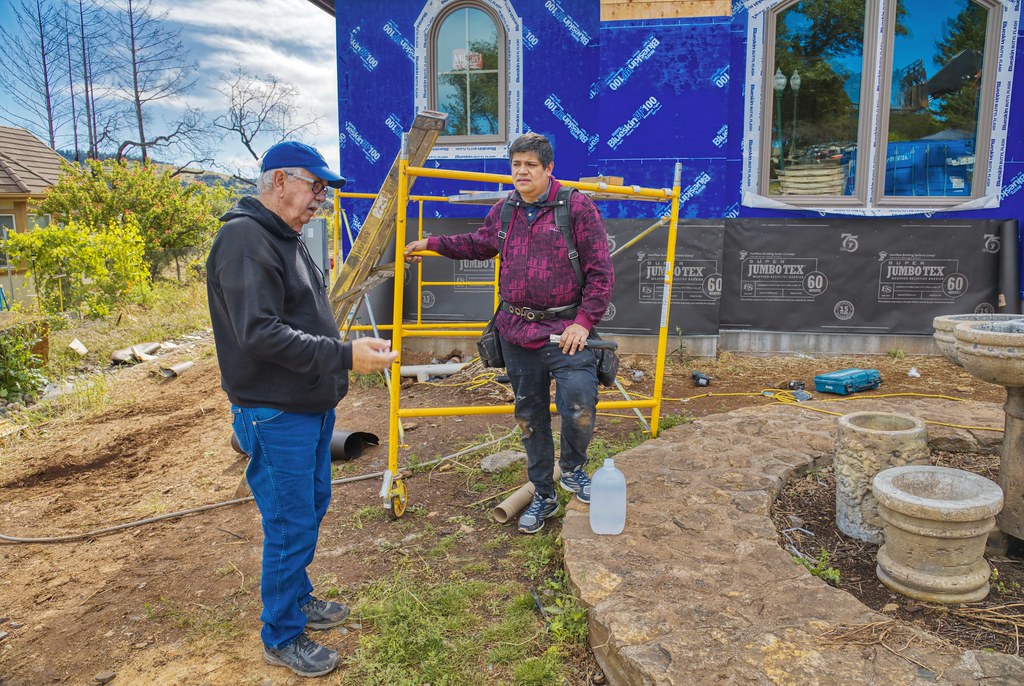
The most effective fence disputes are resolved through simple conversation before they become legal battles. There are several ways that you can begin to solve your property line dispute, and keeping things civil will be your best bet in getting things taken care of. Having a talk with your neighbors about a property line might be an awkward thing to bring up, no matter your relationship.
Start by sharing your concerns openly and listening to their perspective. Open dialogue allows both parties to express their concerns and work toward a mutually beneficial solution, such as readjusting landscaping plans, agreeing to a property line adjustment, or establishing an easement agreement. Sometimes what seems like a major dispute is actually a simple misunderstanding.
The Paper Trail That Saves Money

Documentation is your best friend in fence disputes. In preparing against a neighbor’s potential refusal, the fence builder should keep a paper trail as the fence project is contemplated and planned. Records should include photographs and a video of the problem with the fence (or the lack of a fence) that justify the proposed solution.
Keep copies of all communications, cost estimates, and agreements. The fence-building neighbor should keep copies of all cost estimates from contractors to prove they chose the contractor offering the best value. If you end up in court, these records will be crucial evidence of your reasonable behavior.
State Laws That Vary Dramatically
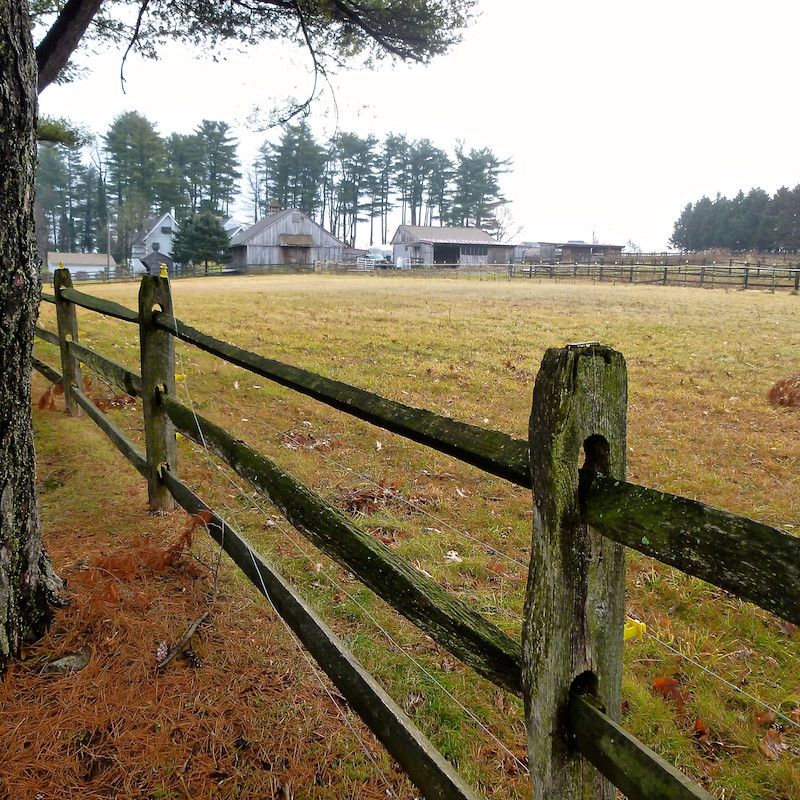
Fence laws aren’t uniform across the country, and what’s legal in one state might be prohibited in another. The National Agricultural Law Center reports that all 50 states have enacted statutes that address issues of farm fences that act as partition fences and the responsibility of adjoining landowners. These “fence law” statutes vary widely from state to state.
Some states use the “right-hand rule” where you stand facing your neighbor and maintain the fence to your right. In Indiana, the law requires adjacent landowners to share in the cost of building and/or maintaining a partition fence via the “right hand rule.” Other states have completely different approaches to cost-sharing and responsibility.
The Technology Revolution in Boundary Disputes
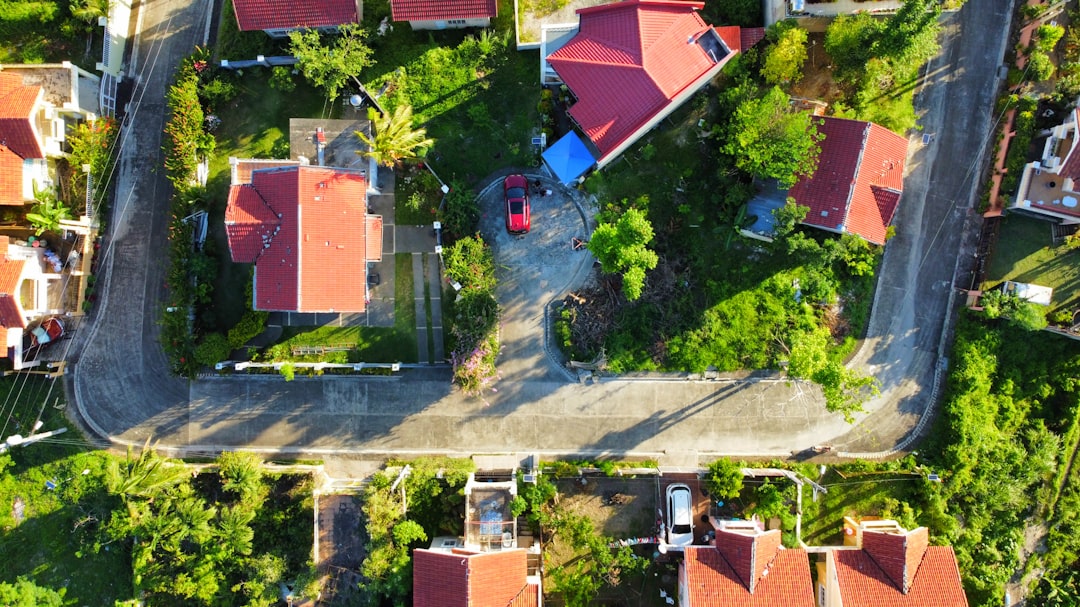
Modern technology has transformed how we locate and dispute property boundaries. These professionals are experienced in interpreting complex legal property descriptions and using cutting-edge technology to demarcate property lines accurately. GPS technology, laser measurements, and digital mapping have made surveys more precise than ever before.
Online resources like county property records and mapping services can provide preliminary information about your boundaries. In addition to your county’s website, you might find assistance from other online platforms like LandGlide or Regrid. However, these digital tools should supplement, not replace, professional surveys when disputes arise.
The Relationship Recovery Plan

Even after resolving a fence dispute, you still have to live next to each other. However, it seems the most common disputes are those to do with fencing. And that’s because fencing is a tricky issue because most boundary fence disputes are “30% law and 70% emotion”. The emotional component often outlasts the legal resolution.
Focus on rebuilding the relationship through small gestures and respectful communication. When it comes to our shared fence, positive communication, cooperation, and mutual agreement can often prevent disputes from arising between neighbors. Open Communication: It’s easier for both parties to discuss any maintenance or repair needs when everyone knows early on. Remember that good neighbors are more valuable than perfect fences.
When Legal Action Becomes Necessary

Sometimes, despite your best efforts, legal action becomes unavoidable. Should mediation fail to lead to a satisfactory outcome, litigation may become the only way forward. Engaging in litigation means presenting the case before a court, where a judge will make a binding decision based on the evidence and legal arguments presented.
A lawyer can check property records and local laws to explain the steps you should take to protect your property rights · You may need a lawyer if your neighbor threatens legal action or encroaches on your land · Legal expertise can help you assert your claim to your property line. An attorney offers tailored advice to prevent common mistakes. Choose an attorney with specific experience in property boundary disputes, not just general real estate law.
The Long-Term Fence Maintenance Strategy
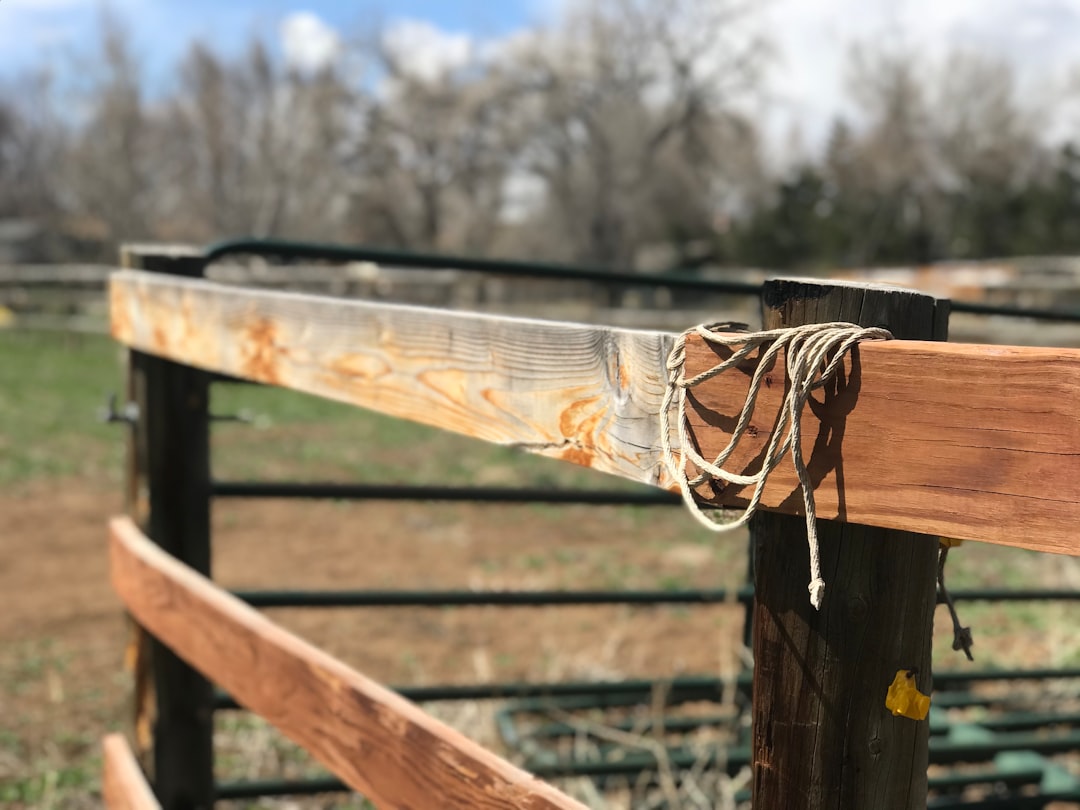
Once you’ve resolved the initial dispute, maintaining your fence becomes a shared responsibility that requires ongoing cooperation. In some states, the laws dictate that adjoining landowners have equal rights and obligations when it comes to the common boundary fence, sharing costs for construction, repair, or replacement. This division of responsibility often extends to repairs, modifications, and liabilities related to the fence.
Establish a maintenance schedule and communication system with your neighbor. While the main fences we install at Freedom Fence & Railing are low maintenance options like aluminum and vinyl fencing, some fences need annual maintenance to keep going strong. If you and your neighbor split the cost of a pressure-treated wood or cedar fence, you can team up to handle the yearly re-staining which will keep the fence looking great. Regular maintenance prevents small problems from becoming major disputes.
Creating a Fence Agreement That Lasts
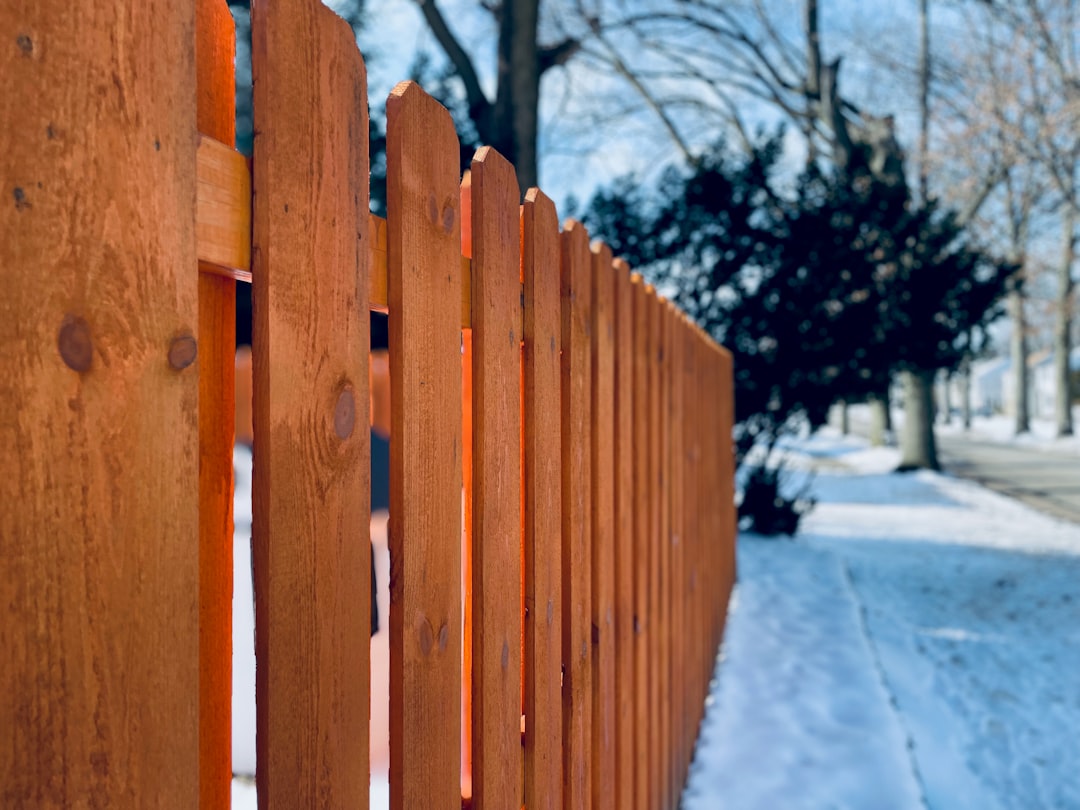
The smartest neighbors create written agreements that address future scenarios before they become problems. While establishing a shared ownership agreement with clear documentation is not mandatory in all states, it is highly advisable. Having a written agreement detailing maintenance responsibilities, repair procedures, and understanding who holds what interest in the common boundary fence can help avoid conflicts.
Your written agreement should cover cost-sharing, maintenance schedules, modification procedures, and dispute resolution methods. Include provisions for what happens if one neighbor sells their property or wants to upgrade the fence. If you reach an agreement with your neighbor, consider formalizing it with a written agreement. This agreement should be comprehensive and detail the resolution terms, and both parties should sign it. A well-written agreement protects both parties and their successors.
The reality is that most fence disputes stem from misunderstandings rather than malicious intent. By knowing your rights, communicating openly, and approaching conflicts with a problem-solving mindset, you can maintain both your property boundaries and your neighborhood relationships. Remember that good fences truly do make good neighbors – but only when both sides understand the rules of the game.

Matthias is a skilled author and digital storyteller with a focus on travel journalism, environmental issues, and modern home design. With a background in communications and a passion for global cultures, Matthias crafts engaging narratives that blend real-world exploration with thoughtful analysis and visual flair.
His writing reflects a deep interest in how climate change shapes our lives and lifestyles—from sustainable travel practices to eco-friendly living environments. Known for his clear, approachable voice and sharp editorial instincts, Matthias delivers content that resonates with readers seeking both inspiration and substance.
Whether reporting from remote destinations, breaking down sustainable design trends, or spotlighting innovative green initiatives, Matthias brings a global perspective and an eye for detail to every piece. He regularly contributes to web platforms and editorial projects that aim to foster awareness, creativity, and conscious living.