


Henrieke Otte is an accomplished writer and content editor, specializing in topics that inspire thoughtful living—ranging from global travel and sustainable lifestyles to interior design and architecture. With a keen editorial sense and a background in cultural studies, Henrieke brings depth, elegance, and clarity to every piece she crafts.
Her work is known for its engaging voice, visual sensitivity, and ability to turn complex ideas into accessible, reader-friendly narratives. Whether exploring eco-conscious destinations, dissecting climate-conscious home trends, or curating serene living spaces, Henrieke writes with a balance of creativity and insight that resonates with design-savvy, environmentally aware audiences.
Driven by a love of meaningful storytelling and a refined aesthetic, Henrieke contributes regularly to digital platforms and magazines where quality content meets visual sophistication.
Have you ever wondered why some places seem to bounce back from devastating earthquakes while others are left in ruins? The answer often lies in the invisible shield of seismic housing codes—rules and standards that can mean the difference between safety and tragedy. The urgency of this issue is impossible to ignore, especially as earthquakes strike with little warning, turning normal days into chaos in seconds. Today, we’ll uncover three places where seismic codes are a fortress for communities—and seven where the cracks in safety are painfully evident. The differences are not just technical; they’re a matter of life and death.
California: Leading the Charge in Earthquake Safety
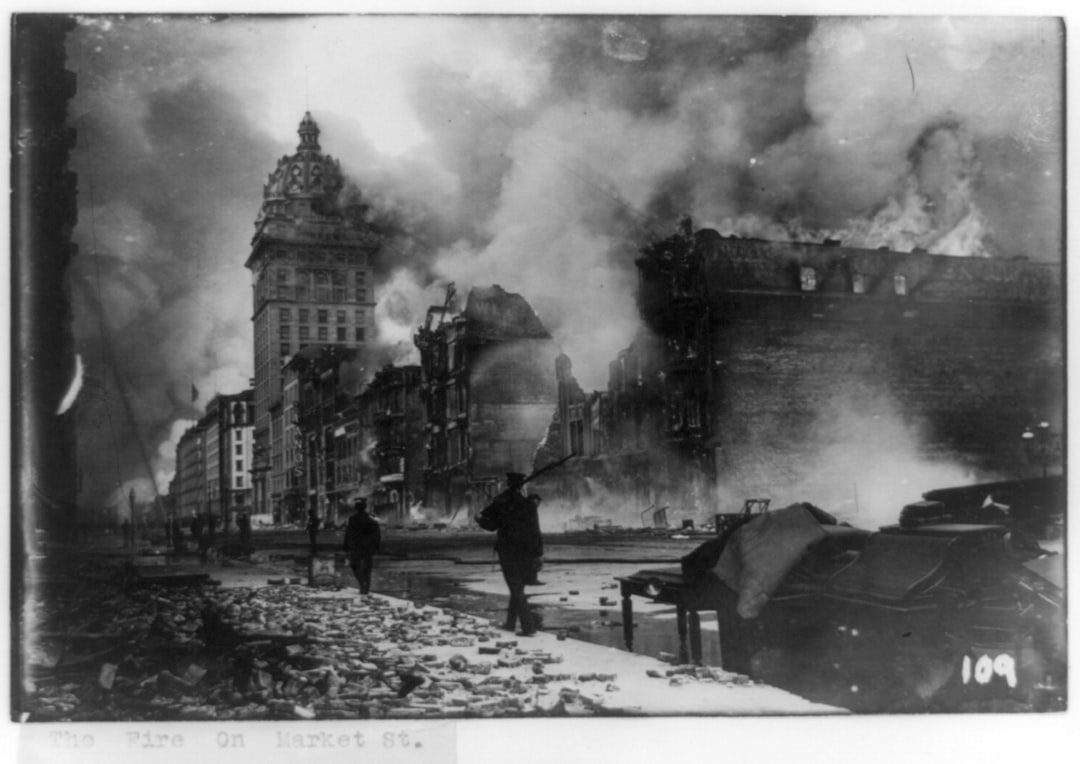
California stands as a global beacon for earthquake preparedness, not by chance but by necessity. Sitting on the infamous Pacific Ring of Fire, this state has faced some of the most powerful quakes in history. As a result, California’s building codes are among the strictest in the world. The California Building Code (CBC) is updated regularly to incorporate the latest scientific findings and engineering breakthroughs, setting high standards for both new and existing buildings. Structures here must be designed to flex, sway, and absorb the violent forces of an earthquake—think of them like shock absorbers for homes. But California’s commitment goes beyond blueprints; public campaigns like “ShakeOut” rally millions to rehearse earthquake drills, making preparedness a part of everyday life. This relentless focus on readiness has saved countless lives and has made California a model for seismic safety worldwide.
Japan: Turning Tragedy Into Technology and Tenacity
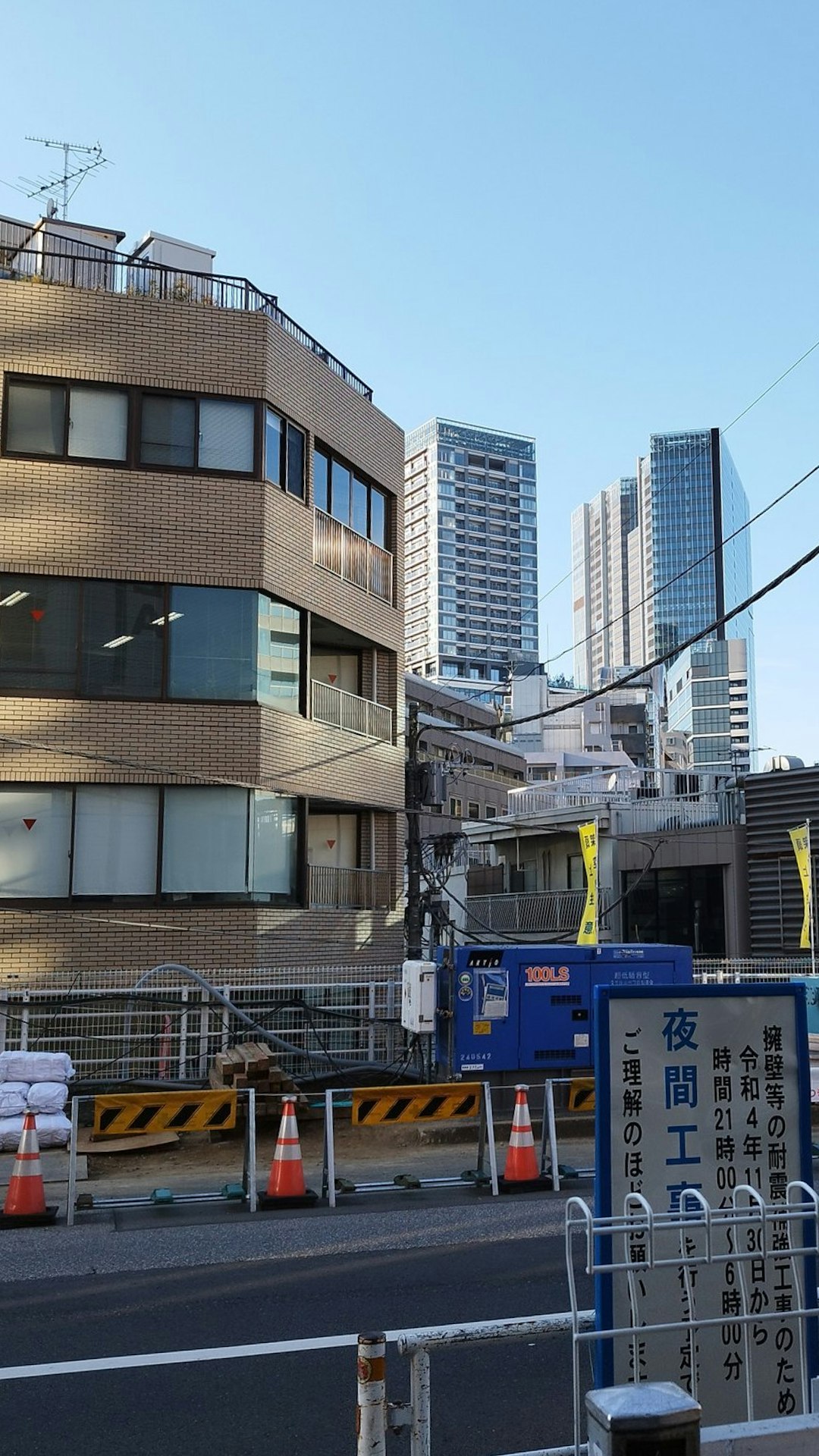
Japan’s relationship with earthquakes is long and painful, but its response is nothing short of inspiring. After the devastating Kobe earthquake in 1995, Japan overhauled its Building Standard Law, demanding that every new structure meet advanced seismic requirements. This means using flexible steel frames, deep foundations, and shock-absorbing materials—imagine buildings that can “dance” safely with the earth’s tremors. The government also runs aggressive retrofitting programs, often subsidizing upgrades to older buildings so they don’t become death traps. Earthquake readiness is woven into the fabric of Japanese society; children practice drills in school, families keep emergency kits, and neighborhoods plan for disaster together. Japan’s blend of cutting-edge engineering and relentless public awareness sets the gold standard for seismic safety.
New Zealand: Learning and Adapting From Disaster

Few countries have learned from disaster quite like New Zealand. The 2011 Christchurch earthquake was a wake-up call, spurring the nation to strengthen building codes and rethink urban planning. The New Zealand Building Code now insists on rigorous seismic design, especially for schools, hospitals, and apartment blocks. There’s a systematic approach to identifying and addressing vulnerable buildings, with councils working hand-in-hand with the government to ensure compliance. Regular risk assessments pinpoint which structures need urgent retrofitting, and public education campaigns demystify earthquake safety for everyday people. The result is a community that understands both the risks and the solutions, making New Zealand a global leader in seismic resilience.
Haiti: Repeated Tragedy, Unheeded Warnings
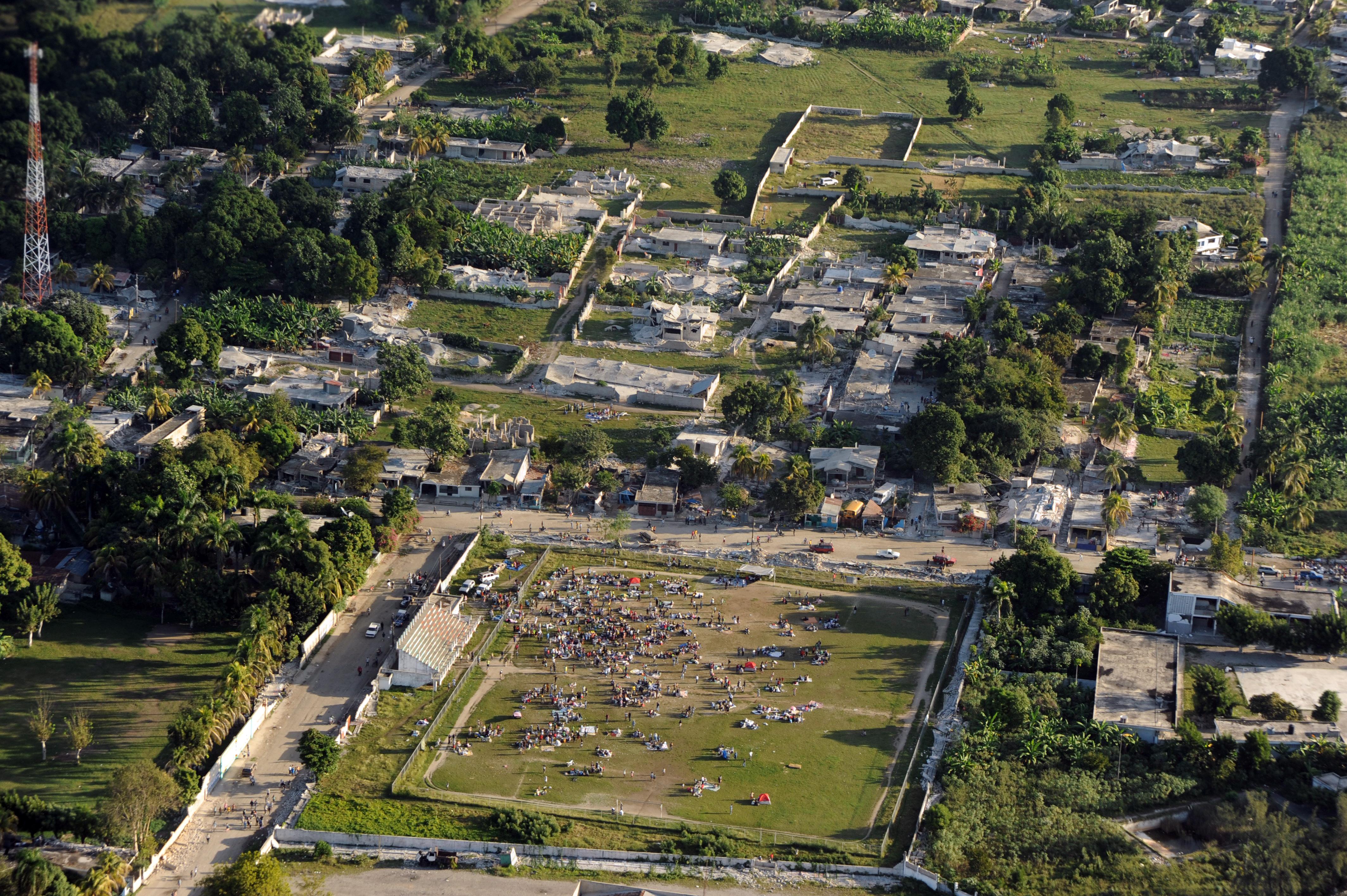
Haiti’s story is heartbreaking—a country battered by earthquakes but still lacking the basic protections found elsewhere. The 2010 quake killed more than 200,000 people, exposing the deadly consequences of weak or nonexistent building codes. Many homes and public buildings are self-built, using poor materials and outdated methods. The government has struggled to implement and enforce new regulations, hampered by limited resources and political instability. Even when new guidelines are introduced, the lack of trained inspectors and skilled builders means unsafe construction continues. For many Haitians, the fear is not just the earthquake itself, but the fragility of the buildings they live and work in every day.
Turkey: Codes on Paper, Not Always in Practice

Turkey’s landscape is crisscrossed with active fault lines, yet the reality of seismic safety here is a tale of missed opportunities. While building codes have been updated, especially after the deadly 1999 İzmit earthquake, enforcement remains inconsistent. Corruption, cost-cutting, and a lack of oversight have resulted in thousands of buildings that do not meet even the most basic seismic standards. In rapidly growing cities, new apartment blocks rise quickly but often lack the reinforcements needed to withstand strong quakes. The government faces enormous challenges in both retrofitting older structures and ensuring that new ones follow the rules. For many Turkish families, the safety promised by the law doesn’t match the reality of their homes.
Indonesia: Uneven Protection Across a Fragile Archipelago
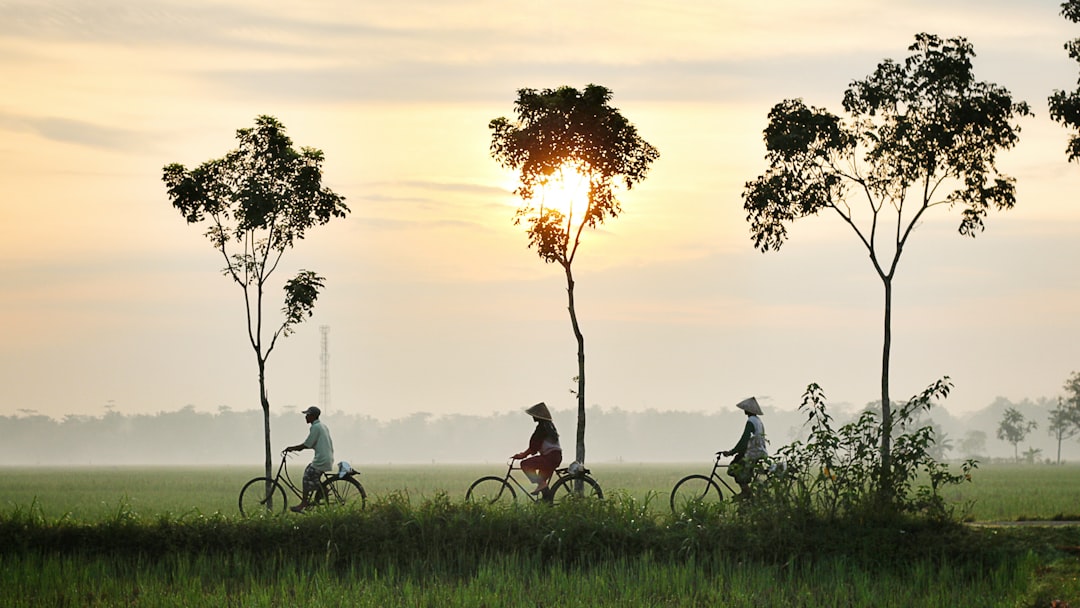
Indonesia’s vulnerability to earthquakes is as vast as its thousands of islands. The country has adopted seismic codes, but enforcement is patchy, especially in remote or rural regions. Big cities may have modern, quake-resistant towers, but in villages and smaller towns, many homes are built with little regard for safety standards. Limited resources, lack of trained engineers, and the sheer scale of the nation make it difficult to ensure compliance everywhere. When earthquakes strike, the differences in building quality become tragically clear: modern offices may stand firm, while nearby homes crumble. The challenge for Indonesia is not just writing good codes, but bringing them to life in every corner of the country.
Mexico: Progress in the Shadows of Old Mistakes
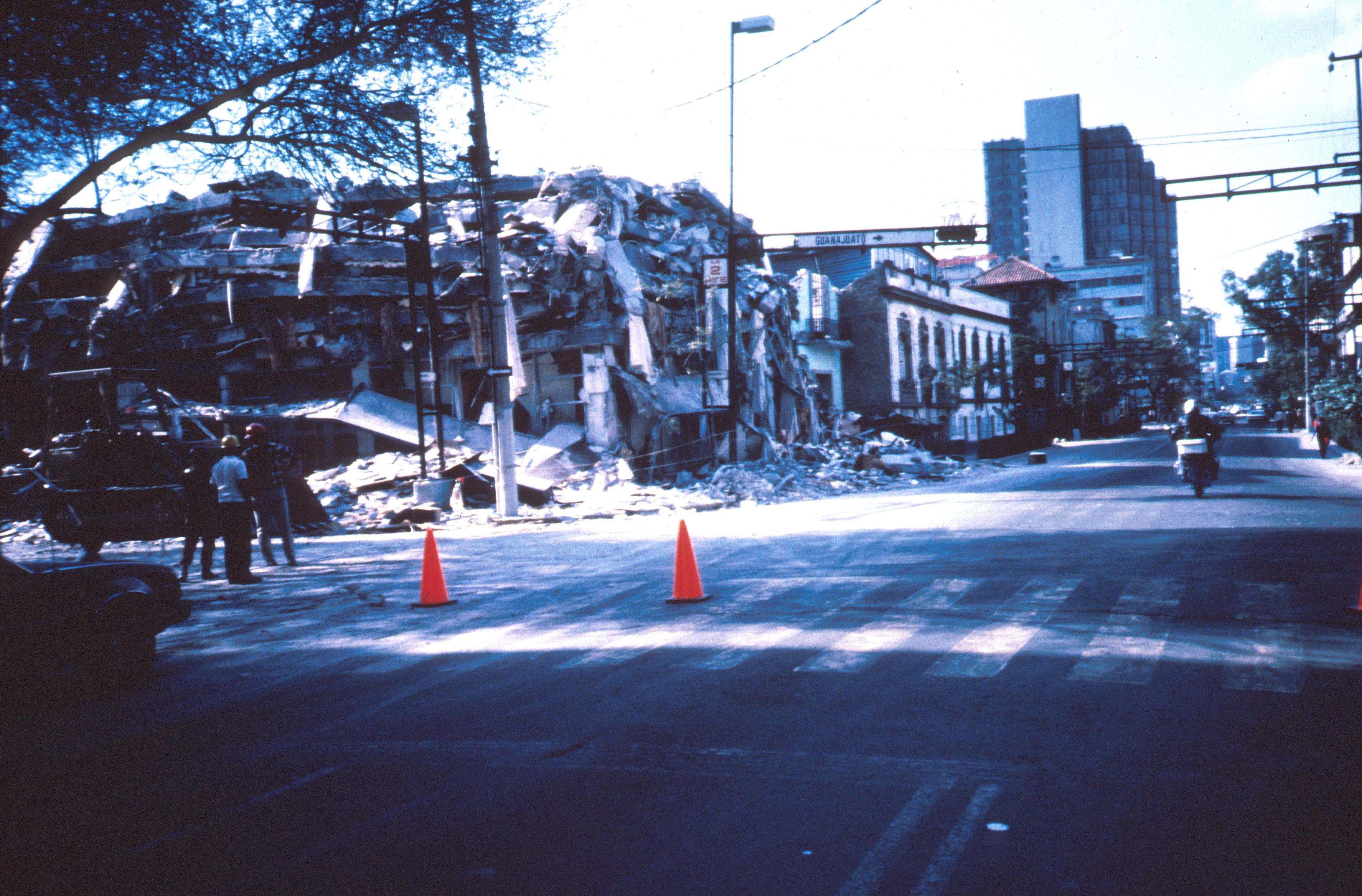
Mexico knows the pain of earthquakes all too well, with the 1985 Mexico City disaster still fresh in public memory. That tragedy did spur reforms, and the capital now boasts some of Latin America’s toughest building rules. But enforcement is inconsistent, especially outside major cities and in informal settlements where millions live. Many people build homes themselves with limited knowledge or resources, often ignoring or unaware of seismic requirements. Corruption and bureaucracy can also undermine safety efforts, leaving dangerous loopholes. When a powerful quake hits, the patchwork of protections reveals itself, as modern skyscrapers sway safely while older or informal buildings collapse.
Philippines: Caught Between Nature and Neglect
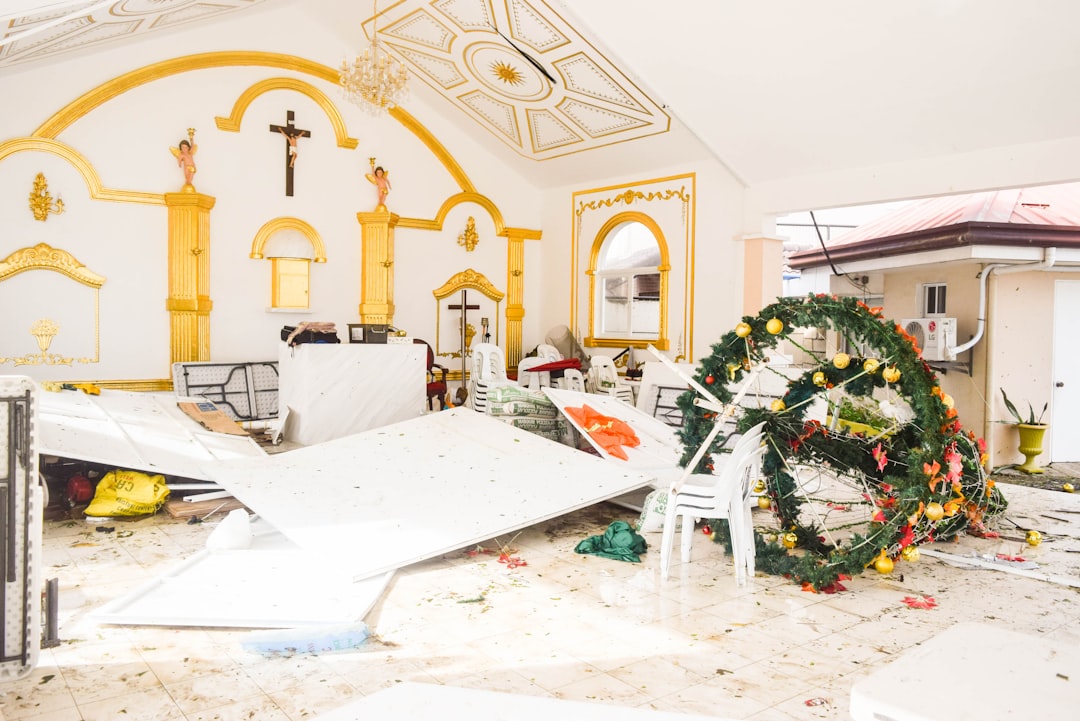
The Philippines faces a relentless barrage of both earthquakes and typhoons, yet its housing codes often fall short of the challenges. The National Building Code includes seismic provisions, but in practice, enforcement is weak—especially in rapidly expanding urban areas and informal settlements. Many people simply cannot afford to build to code, and inspections are rare or superficial. After each disaster, the same issues resurface: collapsed homes, lost lives, and urgent calls for reform. For millions of Filipinos, the gap between the codebook and reality means every tremor carries the threat of tragedy.
Iran: Outdated Codes and Slow Reform
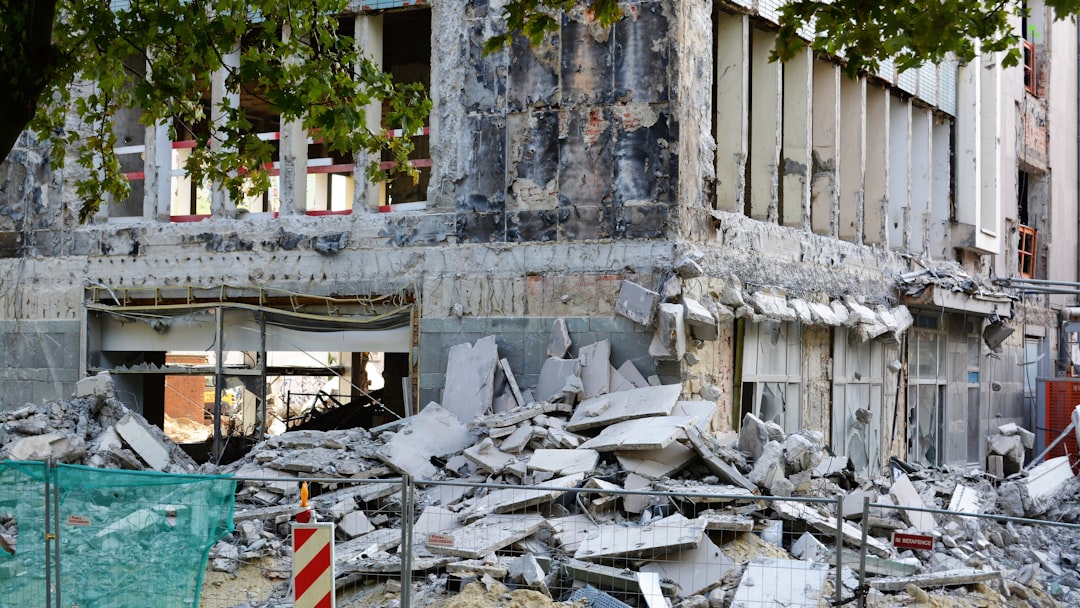
Iran’s rich history is scarred by frequent and devastating earthquakes. While building codes exist, many are outdated or poorly implemented. New construction in major cities may adhere to modern standards, but older buildings, especially in rural areas, remain dangerously vulnerable. Bureaucratic hurdles and economic pressures slow down efforts to retrofit or rebuild to safer standards. When earthquakes strike, the consequences are often dire, with buildings collapsing and entire communities left in ruins. Despite government recognition of the problem, progress toward safer housing is slow and uneven.
Nepal: High Risk, Low Preparedness
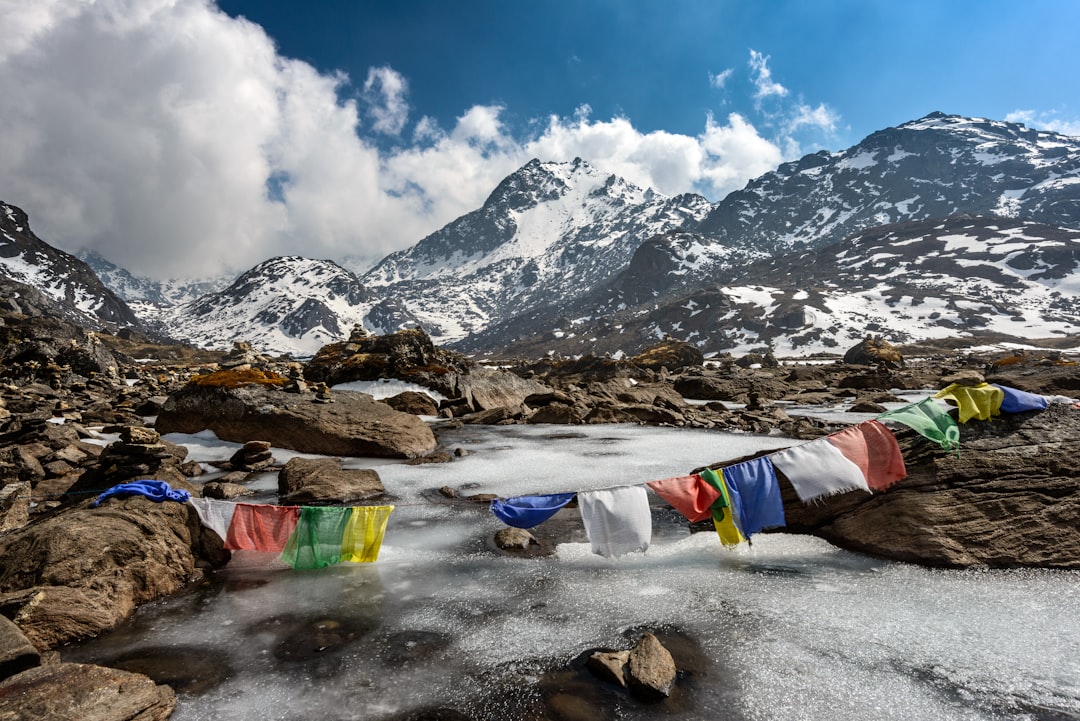
Nepal’s mountainous terrain and active faults make it a hotspot for seismic activity, but its housing codes seldom reflect the danger. While codes exist on paper, enforcement is minimal, especially in rural villages where most people live. After the devastating 2015 earthquake, the need for stronger regulations and better construction practices was clear. Yet many homes are still built with traditional methods using mud and stone, offering little resistance to shaking. Training for engineers and builders is scarce, and public awareness remains low. The risk is not just in the earth beneath, but in the walls that surround Nepali families every day.

Henrieke Otte is an accomplished writer and content editor, specializing in topics that inspire thoughtful living—ranging from global travel and sustainable lifestyles to interior design and architecture. With a keen editorial sense and a background in cultural studies, Henrieke brings depth, elegance, and clarity to every piece she crafts.
Her work is known for its engaging voice, visual sensitivity, and ability to turn complex ideas into accessible, reader-friendly narratives. Whether exploring eco-conscious destinations, dissecting climate-conscious home trends, or curating serene living spaces, Henrieke writes with a balance of creativity and insight that resonates with design-savvy, environmentally aware audiences.
Driven by a love of meaningful storytelling and a refined aesthetic, Henrieke contributes regularly to digital platforms and magazines where quality content meets visual sophistication.