


Matthias is a skilled author and digital storyteller with a focus on travel journalism, environmental issues, and modern home design. With a background in communications and a passion for global cultures, Matthias crafts engaging narratives that blend real-world exploration with thoughtful analysis and visual flair.
His writing reflects a deep interest in how climate change shapes our lives and lifestyles—from sustainable travel practices to eco-friendly living environments. Known for his clear, approachable voice and sharp editorial instincts, Matthias delivers content that resonates with readers seeking both inspiration and substance.
Whether reporting from remote destinations, breaking down sustainable design trends, or spotlighting innovative green initiatives, Matthias brings a global perspective and an eye for detail to every piece. He regularly contributes to web platforms and editorial projects that aim to foster awareness, creativity, and conscious living.
Have you ever wondered why some countries seem almost unbreakable in the face of nature’s fury, while others crumble at a single tremor? Earthquakes don’t discriminate, but the way nations prepare for them can mean the difference between life and death. The world has watched, heartbroken, as entire cities have been lost in seconds—yet in other places, people walk away from the same shaking ground, shaken but safe. The contrast is not just shocking; it’s a call to action. Here’s an eye-opening look at three countries leading the charge in earthquake safety, and seven that are dangerously behind, risking millions of lives with every passing day.
Japan: A Model of Resilience
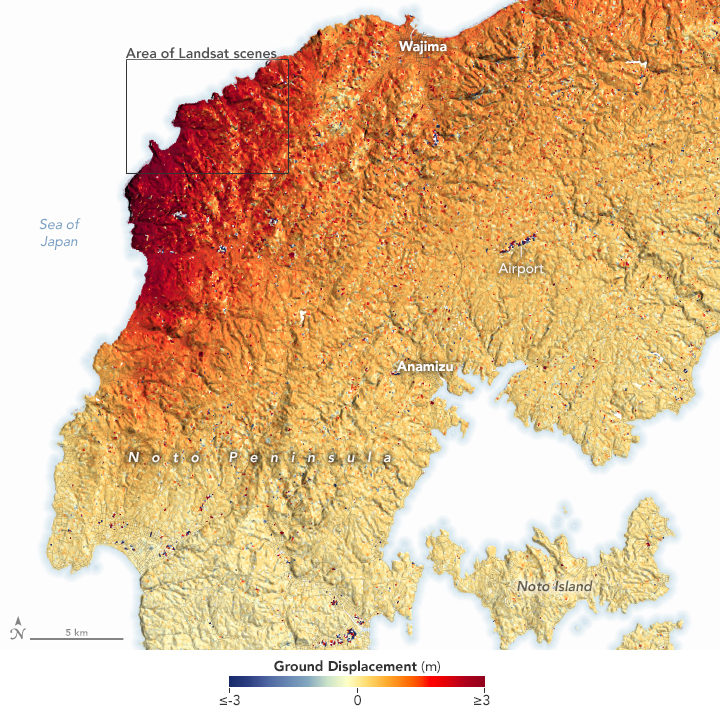
Japan stands as a beacon of hope and innovation when it comes to building for earthquakes. With its location atop multiple seismic fault lines, this nation has faced more than its share of disasters. But instead of bowing to nature’s threats, Japan has spent decades perfecting earthquake-resistant technology. Buildings sway gracefully instead of shattering, thanks to features like base isolation pads and shock absorbers. The government invests heavily in research, ensuring that new structures are safer than ever. Schools and offices regularly conduct earthquake drills, turning preparedness into second nature. Early warning systems alert citizens to incoming quakes, offering precious seconds to seek shelter. The collective memory of past tragedies motivates the entire country to remain vigilant and united in their fight against seismic danger.
Chile: Learning from the Past
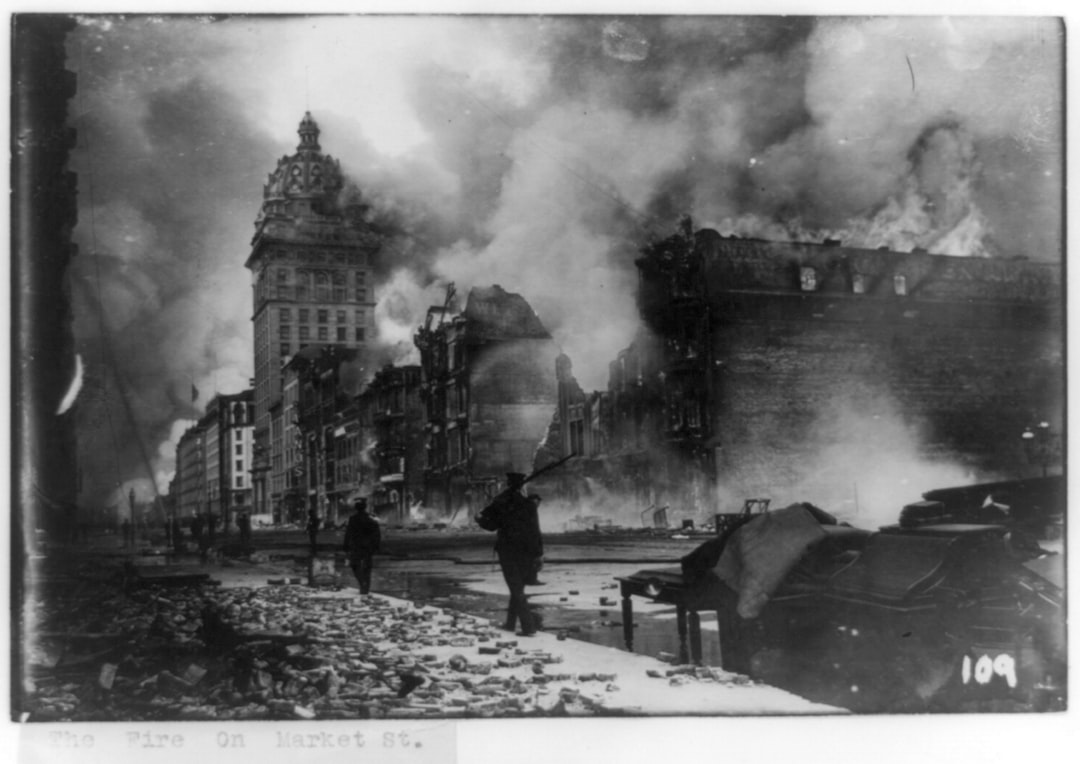
Chile’s history is marked by some of the world’s strongest recorded earthquakes, but these harrowing experiences have forged a culture of resilience. After the catastrophic 2010 Maule earthquake, Chile took drastic steps to strengthen its infrastructure. Strict building codes now demand earthquake-proof designs for all new constructions, and enforcement is tough. Public education campaigns emphasize the importance of preparedness, teaching children and adults alike how to respond when the ground shakes. Engineers continuously refine their methods, learning from each event to build back safer. Even in remote towns, the emphasis on sturdy construction is clear, as communities rebuild with future disasters in mind. Chile’s approach is a powerful reminder that tragedy can be a catalyst for lasting change.
Turkey: A Focus on Modernization

Turkey, straddling several fault lines, has suffered devastating losses from earthquakes throughout its history. Recent years have seen a determined effort to break the cycle of destruction. The government has overhauled building codes, requiring new developments to meet stringent safety standards. Retrofits for older, vulnerable buildings are underway, aiming to protect people where they live, work, and study. A national disaster management agency coordinates preparedness exercises and public information campaigns. Earthquake drills are now routine, fostering a culture of readiness. This renewed focus on modernization is slowly transforming urban landscapes, offering hope that future quakes will not bring the same level of heartbreak as those in the past.
Haiti: A Vulnerable Nation
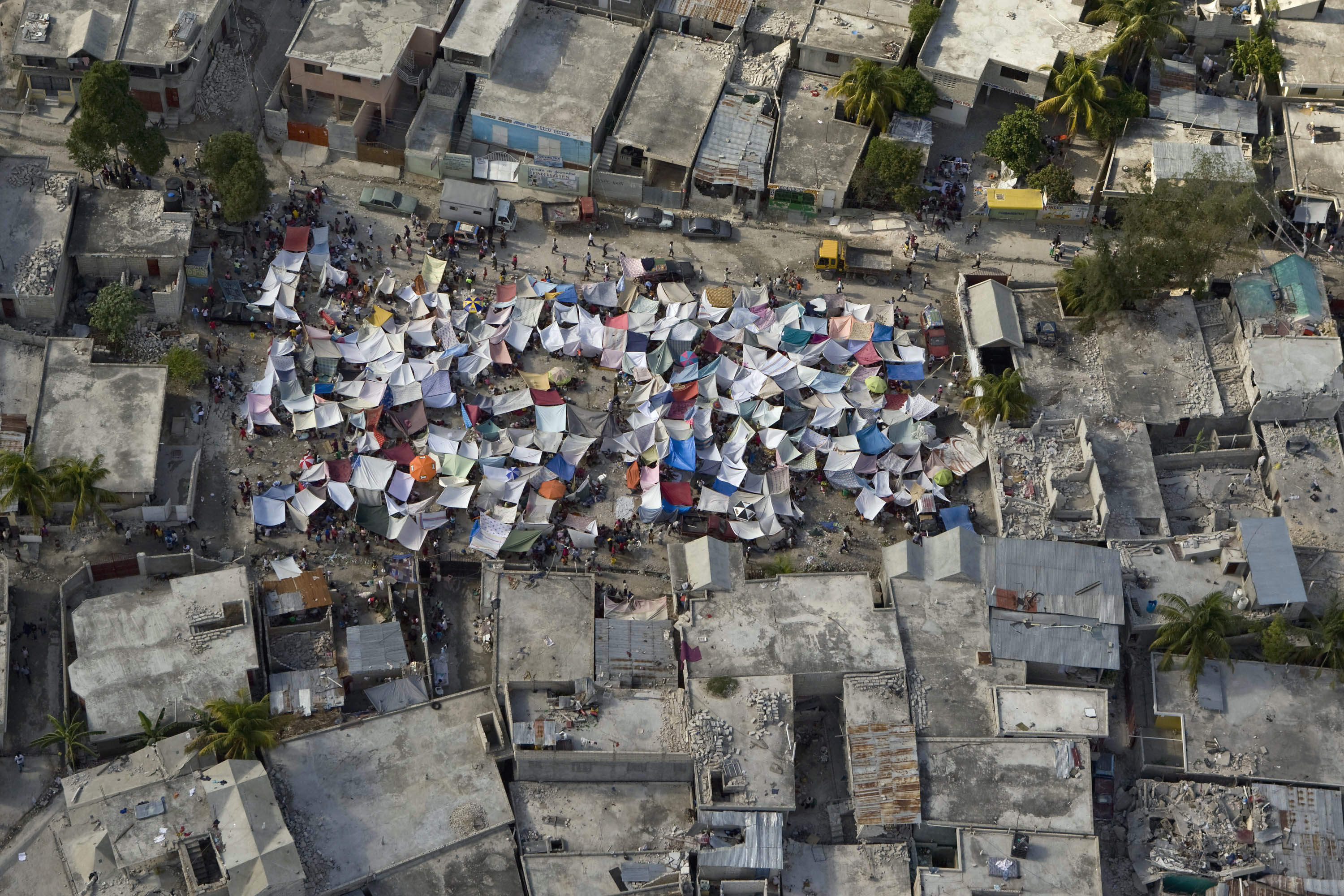
Haiti’s tragic 2010 earthquake shocked the world, exposing just how unprepared the country was for such devastation. With weak building codes and rampant poverty, most structures stood no chance against the violent shaking. Years later, the scars remain, and progress has been painfully slow. Political instability and a lack of resources hinder the implementation of safer construction practices. Many people continue to live in makeshift homes that could collapse at any moment. Efforts to educate the public about earthquake risks are sporadic at best. The absence of a coordinated disaster response plan leaves communities dangerously exposed. Haiti’s ongoing vulnerability is a sobering reminder of the deadly cost of inaction.
Indonesia: A Growing Concern
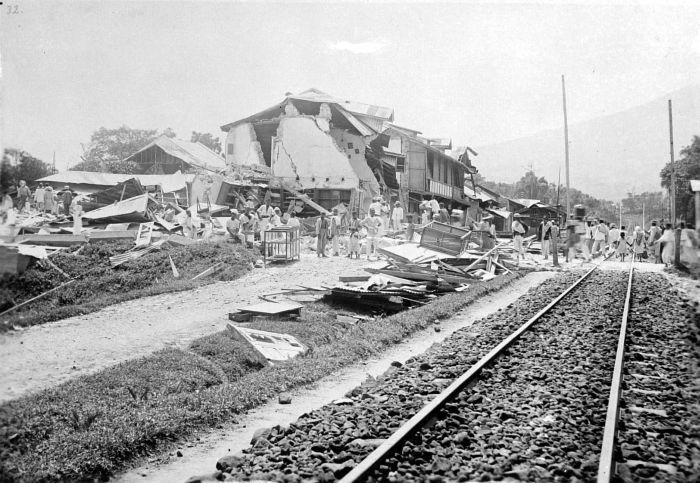
Indonesia sits squarely on the Pacific Ring of Fire, making it a hotbed of seismic activity. Despite experiencing deadly earthquakes and tsunamis, many Indonesian cities are growing rapidly without adequate attention to safety. Buildings often go up quickly, with little regard for seismic standards. Public awareness campaigns exist, but they struggle to reach everyone in this vast archipelago. When disaster strikes, the lack of preparedness is painfully evident, as rescue efforts are hampered by collapsed infrastructure. The government has taken steps to improve response efforts, but the scale of the challenge is enormous. Without a comprehensive strategy to build resilience, Indonesia’s fast-growing cities remain at grave risk.
Philippines: A Nation at Risk
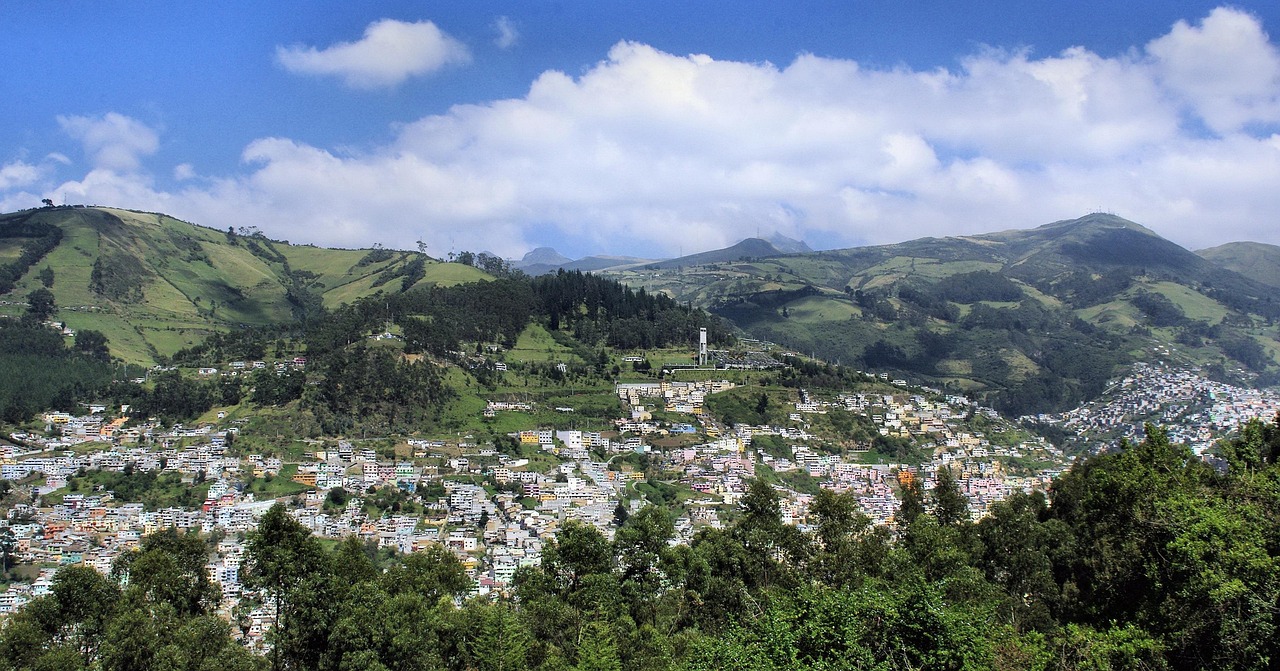
The Philippines, another country on the Pacific Ring of Fire, lives under the constant threat of earthquakes. Yet, across much of the country, buildings are not designed to withstand serious shaking. While some regulations exist, enforcement is inconsistent, and corruption can lead to shortcuts in construction. Many schools and hospitals are particularly vulnerable, raising fears for the most at-risk populations. Public information campaigns about earthquake preparedness are limited, leaving millions unsure of what to do when disaster strikes. The government has started to address these problems, but much more needs to be done to turn the tide. For now, the risk remains heartbreakingly high.
Nepal: A Lack of Preparedness
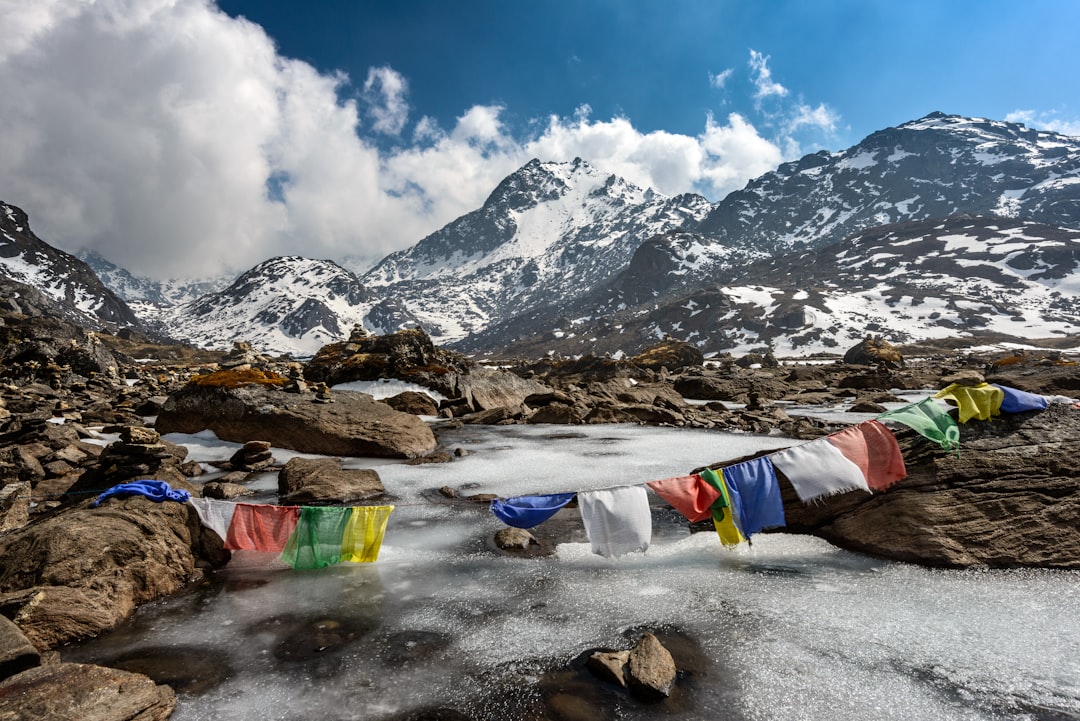
Nepal’s experience with the catastrophic 2015 earthquake should have been a wake-up call. Yet, years later, the nation struggles to make meaningful progress. Many buildings still use outdated construction methods, unable to withstand even moderate quakes. Public education about disaster response is minimal, especially in rural areas where help is slow to arrive. Government initiatives to retrofit vulnerable structures have been slow and underfunded. As memories of the disaster fade, so does the urgency to act. The cycle of vulnerability continues, with millions living under a constant shadow of risk.
Mexico: A Mixed Approach

Mexico knows the power of earthquakes all too well. In cities like Mexico City, stricter building codes and early warning systems have saved countless lives. However, this preparedness is not consistent across the country. In many regions, especially poor or rural areas, buildings remain dangerously fragile. Enforcement of regulations is spotty, and corruption can undermine safety efforts. Public knowledge about earthquake risks varies widely, with some communities much better prepared than others. This uneven approach means that while some Mexicans are well-protected, many others are left vulnerable.
Iran: A Historical Oversight
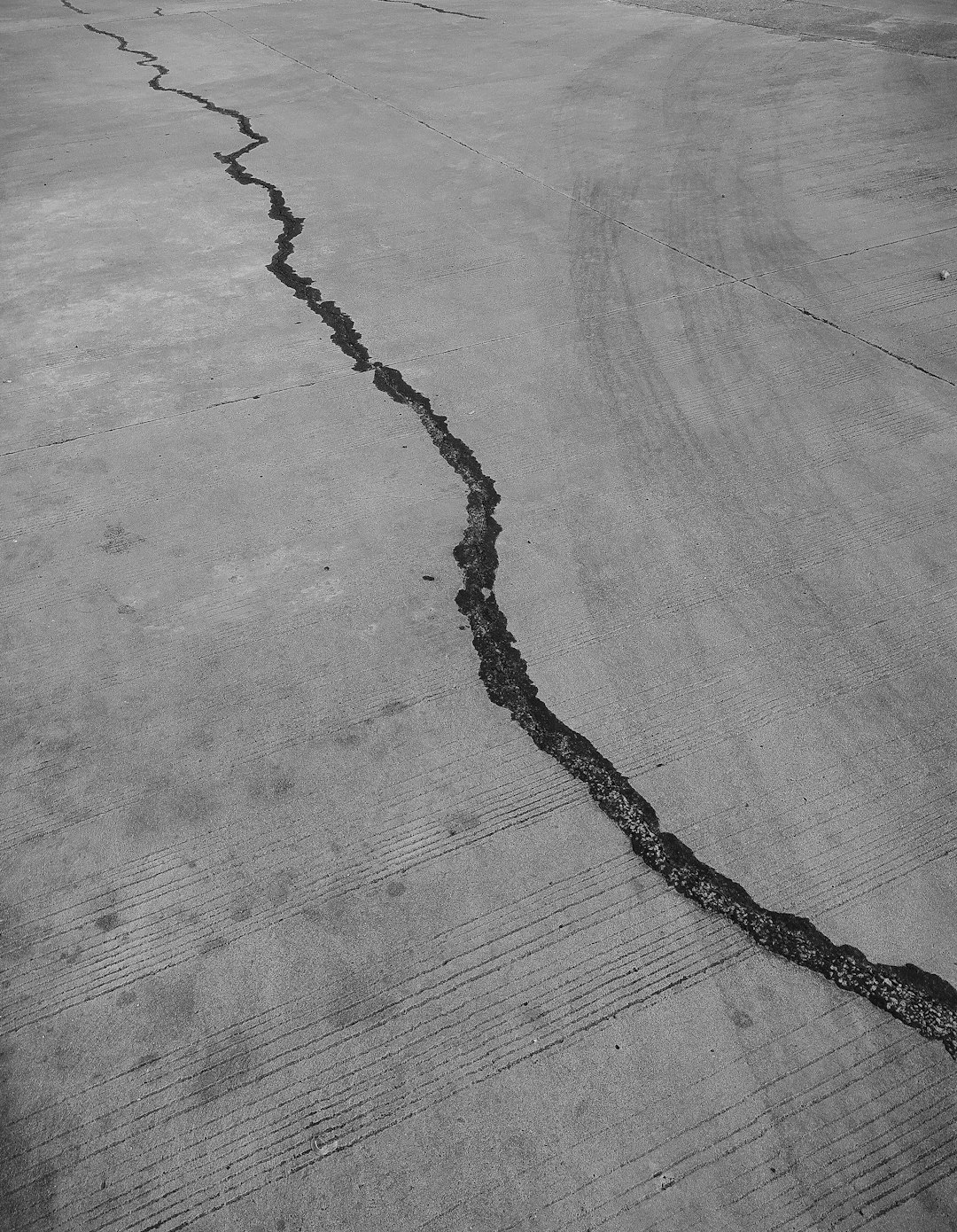
Situated on several seismic fault lines, Iran has endured a tragic history of deadly earthquakes. Despite this, earthquake safety often takes a back seat to other national concerns. Many buildings, especially in older cities and villages, are simply not built to withstand major shaking. There is little public education about what to do in an earthquake, and preparedness drills are rare. Government efforts to update building codes and improve enforcement are slow and inconsistent. The result is a population living with a constant, silent threat—one that could turn deadly without warning.
Bangladesh: A Growing Threat
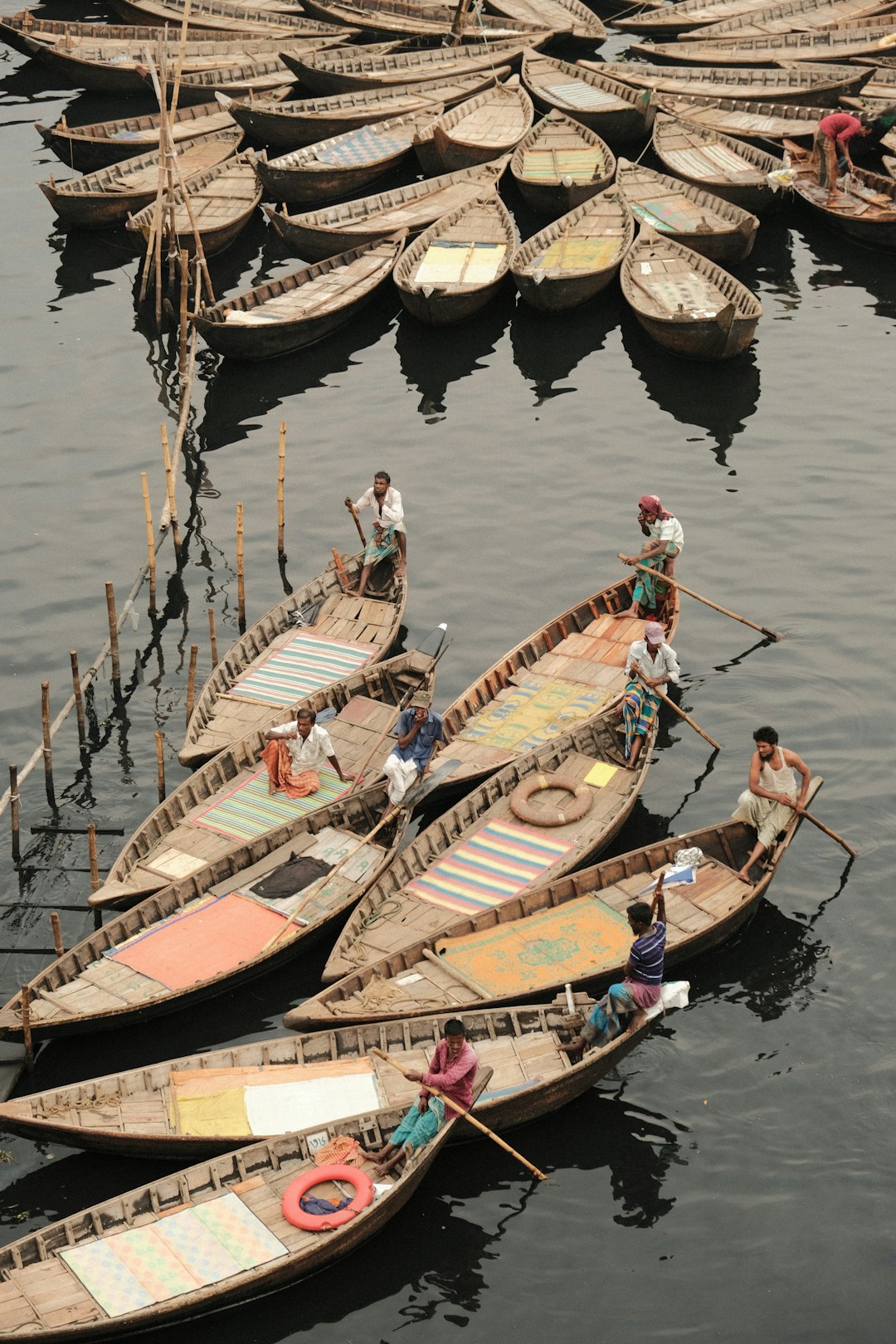
Bangladesh faces an increasing threat from earthquakes as urbanization accelerates. Despite clear scientific warnings, the country has not prioritized earthquake resistance in its construction boom. Buildings often go up quickly and cheaply, without consideration for seismic safety. Public awareness of earthquake risks is low, especially outside major cities. Efforts to train emergency responders are limited and underfunded. As more people crowd into vulnerable structures, the potential for disaster grows. Without urgent action, Bangladesh could face catastrophic losses in the event of a major quake.
What do you think—are these risks being taken seriously enough, or is the world still playing with fire?

Matthias is a skilled author and digital storyteller with a focus on travel journalism, environmental issues, and modern home design. With a background in communications and a passion for global cultures, Matthias crafts engaging narratives that blend real-world exploration with thoughtful analysis and visual flair.
His writing reflects a deep interest in how climate change shapes our lives and lifestyles—from sustainable travel practices to eco-friendly living environments. Known for his clear, approachable voice and sharp editorial instincts, Matthias delivers content that resonates with readers seeking both inspiration and substance.
Whether reporting from remote destinations, breaking down sustainable design trends, or spotlighting innovative green initiatives, Matthias brings a global perspective and an eye for detail to every piece. He regularly contributes to web platforms and editorial projects that aim to foster awareness, creativity, and conscious living.