

Lena is a thoughtful and imaginative writer with a passion for storytelling across the themes of travel, environmental sustainability, and contemporary home aesthetics. With a background in cultural media and a strong visual sensibility, Anna Lena creates content that bridges inspiration with practical insight.
Her work explores the interplay between place, lifestyle, and design—guiding readers through meaningful travel experiences, eco-conscious choices, and modern approaches to living well. Known for her elegant writing style and attention to detail, she brings a fresh, human-centered perspective to every topic she covers.
Anna Lena contributes to digital publications and editorial projects where aesthetics meet purpose. Her writing not only informs but also encourages readers to live more intentionally, sustainably, and beautifully—wherever they are in the world.
The Tax Haven Strategy
The most compelling reason behind Trump’s Florida residence isn’t political theater – it’s cold, hard financial mathematics. Florida would likely provide tax benefits to the president, as it does for other wealthy New Yorkers who have made the move to the Sunshine State. The state has no income or inheritance taxes, while New York state’s top income tax rate is 8.82% and New York City’s top rate is 3.876%. For someone with Trump’s wealth, this difference translates into millions of dollars saved annually. Think of it like choosing between two nearly identical luxury hotels, except one charges you an extra 12.7% service fee for absolutely nothing. The math isn’t complicated – it’s just massive at Trump’s income level. The tax implications will be huge for President Trump. He lives in Manhattan and is therefore subject to New York city tax and New York state tax. Florida does not have an income tax so he’ll probably save about 12 percent a year in taxes. Florida also does not have an estate tax which is huge because the estate tax in New York is about 16 percent for any amount over $5,750,000.
Estate Planning Gold Mine

Beyond annual income tax savings, Florida offers Trump’s heirs an incredible gift – no estate taxes. But in changing his residence to Florida, he would most likely be avoiding New York state’s top tax rate of nearly 9 percent and New York City’s top rate of nearly 4 percent. Leaving New York could also save money for Mr. Trump’s heirs at the time of his death. New York imposes a top estate tax rate of 16 percent for estates larger than $10.1 million. This isn’t pocket change we’re talking about – for an estate potentially worth hundreds of millions or more, avoiding New York’s 16% estate tax could save Trump’s children tens of millions of dollars. It’s essentially a multigenerational wealth preservation strategy disguised as a simple address change. While the exact amount of the President’s net worth is unknown, we are certain that his estate well exceeds the current estate tax exclusion credit of $11.4 million. This amount would double as he is married, so he and the first lady have some $22.8 million dollars that they can pass estate tax free to his family. This amount raises according to inflation annually. Importantly, Florida does not have an estate tax of any sort.
The Ultimate Asset Protection Fortress
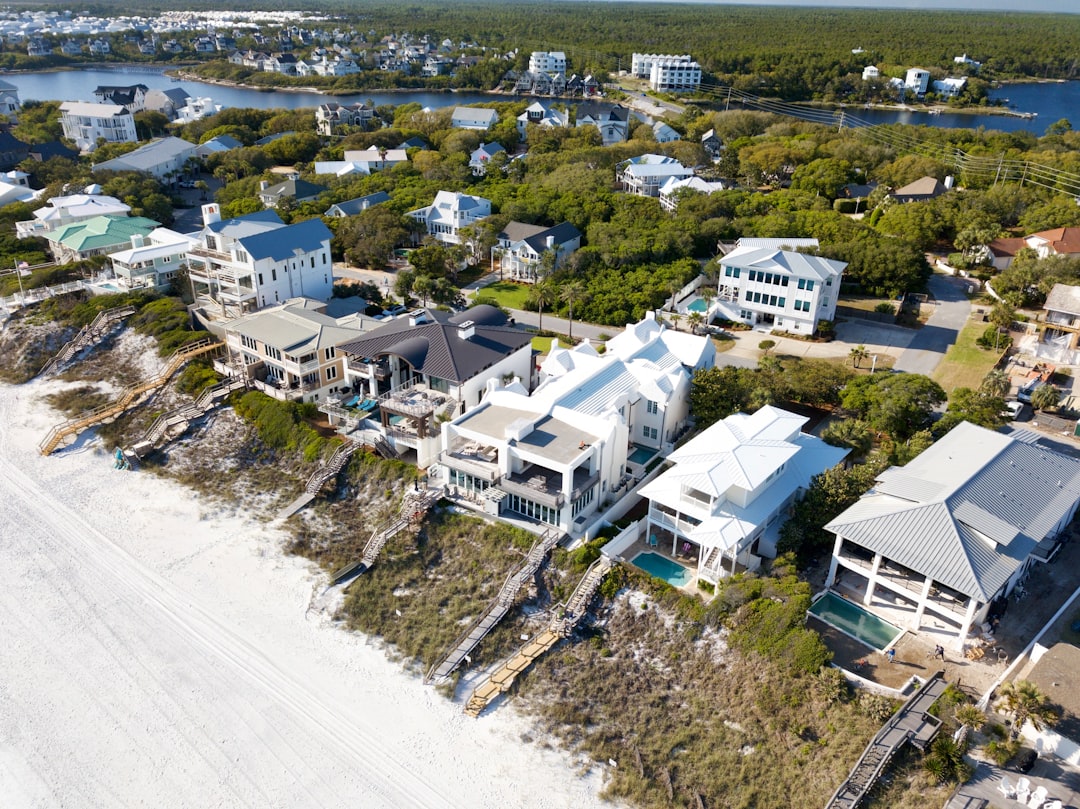
Florida’s homestead exemption laws read like something designed specifically for wealthy people trying to protect their assets from creditors. Florida’s homestead exemption that provides an exemption from forced sale before and at death are among the most protective in the United States as it provides no limit to the value of certain real property that can be protected from creditors. Because of the scope of the protection afforded, persons from other states with heavy debts or large court judgments against them have been known to purchase expensive estates in Florida, some examples being O. J. Simpson and Donald Trump. This means Trump could theoretically funnel unlimited amounts of money into his Florida property, and creditors couldn’t touch it. If Trump moves to claim homestead exemption — a legal strategy used by Roger Ailes, OJ Simpson and Burt Reynolds to protect themselves from financial threat — on Mar-a-Lago or any other property in Florida, the portion of the waterfront resort that he chooses to protect would be insulated from any legal claims, including bankruptcy. It’s “one-hundred percent exempt from creditors,” Pollingue said. “That in and of itself is tremendous. The laws are very strong in support of this homestead exemption. The Florida Supreme Court has actually said if you take your assets and it put it in your homestead … creditors can’t attack that even if you’re doing it to defraud your creditors.”
Escaping New York’s Legal Pursuit
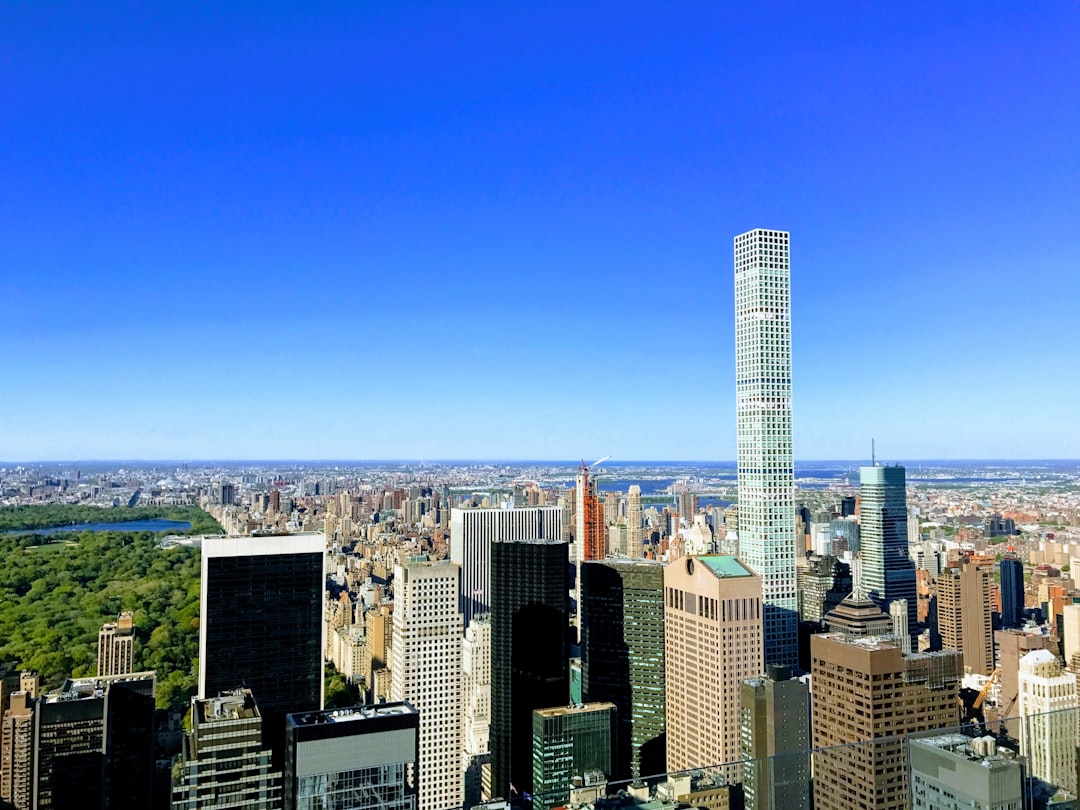
Trump’s move to Florida also coincided with escalating legal pressures in New York. The change was primarily for tax purposes, a person close to the President told the Times. The person close to the President also told the Times that Trump was enraged by the Manhattan district attorney’s lawsuit in pursuit of his tax returns. While changing states doesn’t eliminate federal criminal charges, it does create practical complications for state-level prosecutions and investigations. While state prosecutors in New York have been locked in a legal battle to obtain the president’s tax returns, in Florida, the first couple has found a generally warmer reception from state and local officials. Florida’s governor is Republican, as are both of its U.S. senators. Think of it as moving from a neighborhood where everyone knows your business and dislikes you, to one where people either don’t care or actively support you.
Living Where You’re Actually Welcome
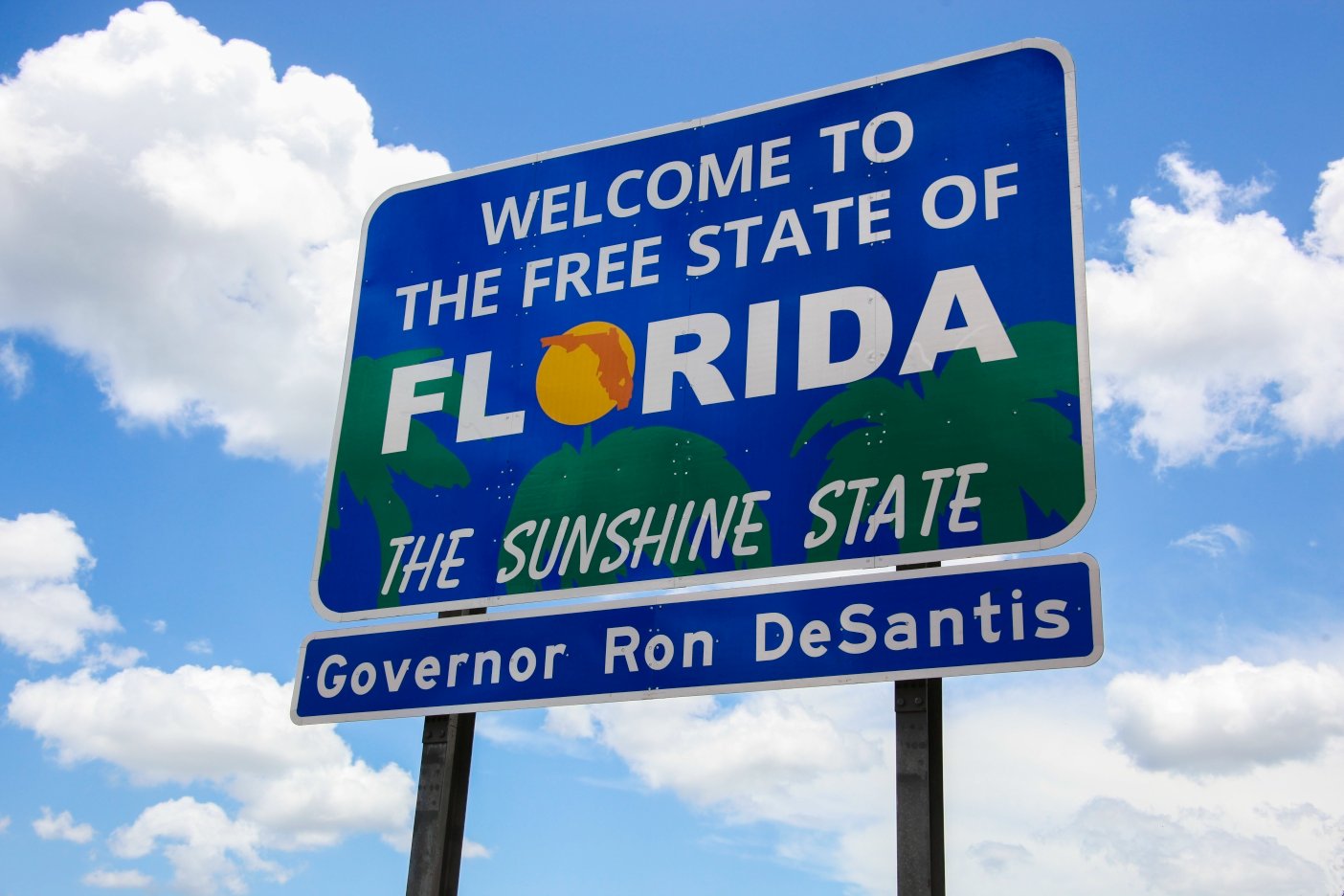
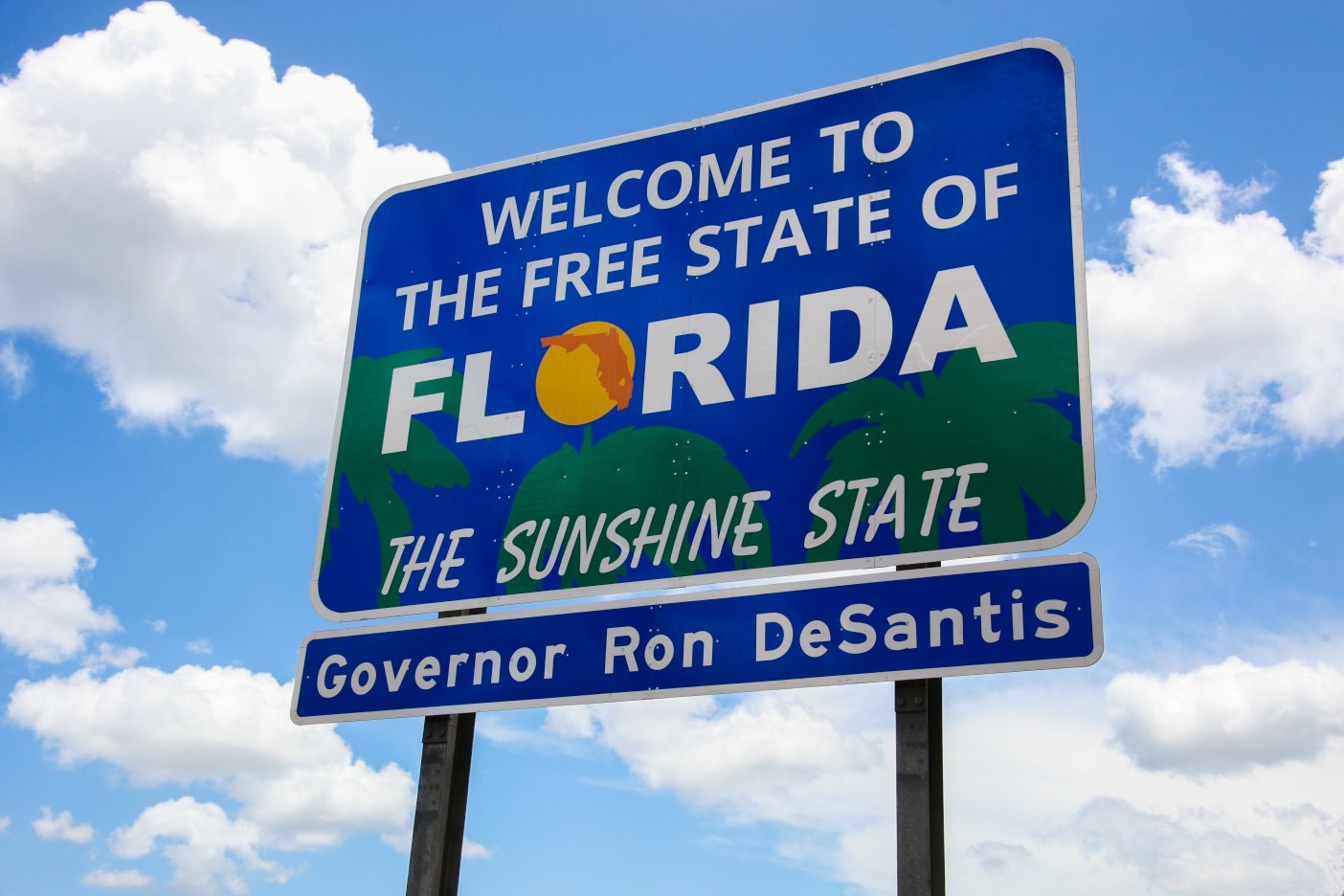
The contrast between New York and Florida’s political climate couldn’t be starker for Trump. He also has more friends down there, as opposed to, say, in Manhattan, where Trump—a lifelong New Yorker—is extremely unpopular. In fact, in September 2019, he and the First Lady changed their primary residence from Manhattan to Palm Beach, where, presumably, he could pay lower taxes—and feel more welcome. He explained his decision on Twitter, saying, “I cherish New York, and the people of New York, and always will, but unfortunately, despite the fact that I pay millions of dollars in city, state and local taxes each year, I have been treated very badly by the political leaders of both the city and state.” Trump defeated Harris in Florida by 13.1 percentage points, the biggest margin of victory for a candidate in the state since 1988. Trump also received the most votes for a political candidate ever in the state, breaking his previous record from 2020, and marking the first time since 1984 that a Republican won the state with a margin of over one million votes. It’s easier to conduct business when you’re not constantly fighting local officials and public opinion.
The Business Advantage Hidden in Plain Sight

Operating Mar-a-Lago as both a residence and business club creates additional tax advantages that most people never consider. Operating the mansion as a club in this way, while continuing to live on the premises, allows Trump to significantly reduce his tax bill, by identifying a range of items used to maintain the mansion and his lifestyle as being legitimate business expenses. This means everything from landscaping to security to maintenance can potentially be written off as business expenses. It is, by most accounts, a profitable business. Trump made $15.6 million from the club in 2014. His first year in office, he made $25.1 million. The property essentially pays for itself while providing Trump with luxury accommodations and significant tax deductions.
Skirting Residency Restrictions Through Legal Loopholes

There’s a fascinating legal controversy surrounding Trump’s ability to live permanently at Mar-a-Lago. The legality of this was disputed because, in 1993, Trump signed a “use agreement” with the town of Palm Beach, Florida, that changed Mar-a-Lago’s designation from a single-family residence to a private club and specified that guests, including Trump, could not stay there more than three non-consecutive weeks per year. However, Randolph said the issue “hinges primarily on whether former President Trump is a bona fide employee of the Club.” In a memo produced by the town’s attorney and posted on the town’s website, lawyer John “Skip” Randolph advised the town to look instead to its zoning ordinance, which permits only bona fide employees to reside in private clubs. Thus, if Trump is a “bona fide employee of the club,” town zoning would allow him to live on the premises, Randolph concluded. It’s like finding a technicality that lets you live in your own hotel permanently because you’re technically the manager.
Political Strategic Positioning for Elections
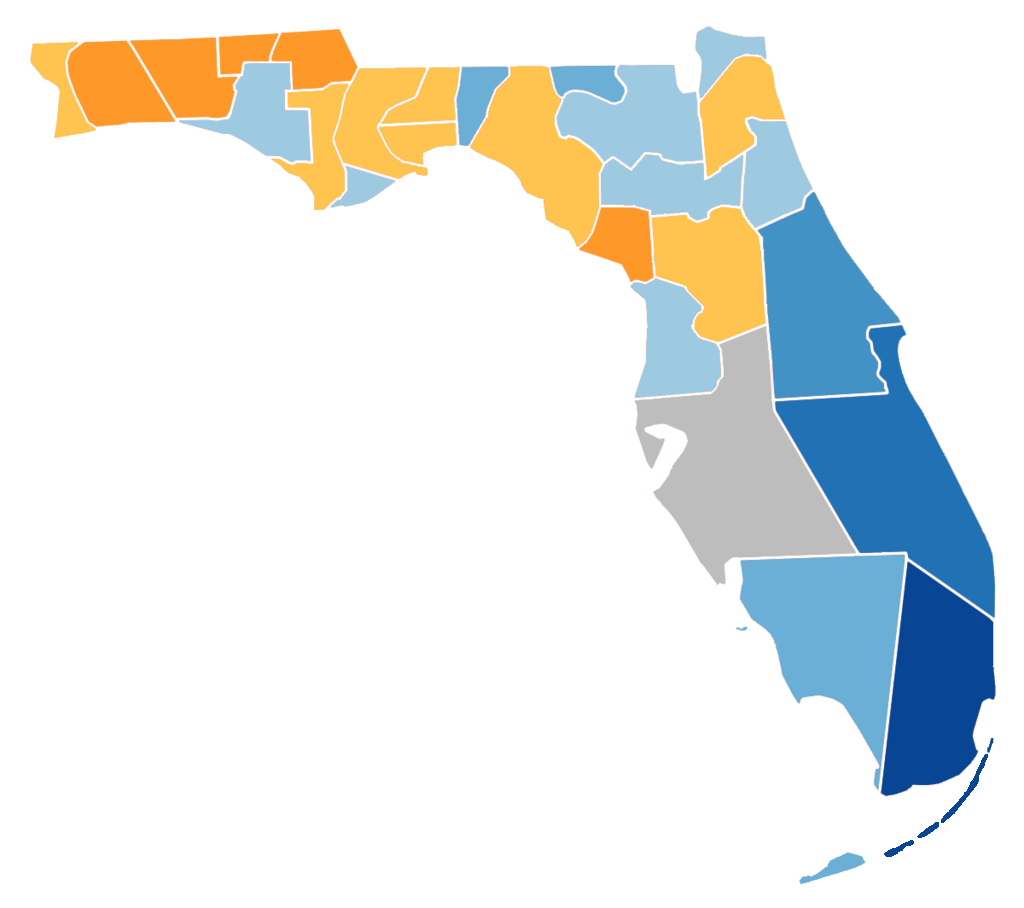
Florida isn’t just Trump’s home – it’s become his political stronghold and a strategic base for national campaigns. It is also possible that declaring Florida residence may be part of a plan to shore up support in the swing state, which Trump won in 2016 by less than 1% of the state’s total votes. Trump kicked off his re-election campaign with a rally in Orlando earlier this year and has frequently promoted his Florida-based Mar-a-Lago during his presidency, including hosting visitors like Japanese Prime Minister Shinzo Abe. A heavily populated South Atlantic state, Florida had formerly been considered a crucial swing state and a bellwether in previous election cycles, but has shifted significantly to the political right and is now considered a safe red state with Trump’s double-digit margin of victory solidifying it as such. Following the 2022 midterms, this election has cemented Florida’s transition from a swing state to a reliable red state. By making Florida his official home, Trump helped solidify his influence in what was once a purple state but has become solidly red.
Mar-a-Lago as the Unofficial Winter White House

Trump has effectively turned Mar-a-Lago into a shadow government headquarters, hosting international leaders and conducting official business. During his first presidency, Trump frequently visited Mar-a-Lago and held meetings there with international leaders, including Japanese prime minister Shinzo Abe and Chinese president Xi Jinping. Fast-forward to 2017, former President Trump started referring to Mar-a-Lago as his own “Winter White House.” Post’s influence lived on through the glitzy interior of Mar-a-Lago that was featured as a backdrop for White House events and press conferences. During his Presidency, Trump hosted world leaders at the estate, including Japan’s former Prime Minister Shinzo Abe and China’s President Xi Jinping. This setup allows him to maintain presidential-level influence and access while enjoying the personal benefits of his Florida lifestyle. More than four decades after her death, Post ultimately got her wish, that her pink Palm Beach paradise would become the de facto “Winter White House.” In fact, during his first administration, Trump made an estimated 134 trips to Mar-a-Lago, according to the watchdog group Citizens for Responsibility and Ethics in Washington. In 2019, Trump declared the club his full-time residence.
Freedom From New York’s Hostile Environment
New York’s political leaders made it clear they weren’t rolling out any red carpets for Trump. New York lawmakers were not exactly sad about the president’s announcement. “Good riddance,” tweeted New York Gov. Andrew Cuomo. “It’s not like Donald Trump paid taxes here anyway… He’s all yours, Florida.” The message was unmistakable – New York didn’t want him there. Good riddance,” tweeted Governor Andrew M. Cuomo. “It’s not like Mr. Trump paid taxes here anyway. He’s all yours, Florida.” New York City Mayor Bill de Blasio responded similarly, tweeting, “Our deepest condolences to the good people of Florida as Trump attempts to outrun his past (and near future).” This level of public hostility from elected officials creates practical problems for running businesses, maintaining relationships, and simply living day-to-day life.
The Personal Comfort Factor
Beyond all the financial and legal advantages, there’s something to be said for simply feeling at home where you live. In any case, it’s apparent that Trump feels more comfortable at Mar-a-Lago than almost anywhere else. He most certainly prefers it over the White House. At Mar-a-Lago, he can let loose and be himself, unbound by strict D.C. protocols and unbothered by scores of aides and handlers. The property spans 20 acres of oceanfront paradise, featuring Mar-a-Lago sits on about 20 acres of land and is more than 37,000 square feet, with 58 bedrooms and 33 bathrooms. It’s essentially Trump’s personal castle where he can golf, host events, and conduct business without the constraints of traditional office environments. ‘I have 24 acres in Palm Beach, and nobody has anything like that,’ Trump formerly shared in the discussion of the estate at a Mar-a-Lago-based jumping event in 2014. ‘A big house is on one acre. Sometimes the simplest explanations are the most accurate – he genuinely enjoys living there more than anywhere else.
Did you expect that Florida’s tax code would be this generous to the ultra-wealthy, or that a simple address change could save someone tens of millions of dollars?

Lena is a thoughtful and imaginative writer with a passion for storytelling across the themes of travel, environmental sustainability, and contemporary home aesthetics. With a background in cultural media and a strong visual sensibility, Anna Lena creates content that bridges inspiration with practical insight.
Her work explores the interplay between place, lifestyle, and design—guiding readers through meaningful travel experiences, eco-conscious choices, and modern approaches to living well. Known for her elegant writing style and attention to detail, she brings a fresh, human-centered perspective to every topic she covers.
Anna Lena contributes to digital publications and editorial projects where aesthetics meet purpose. Her writing not only informs but also encourages readers to live more intentionally, sustainably, and beautifully—wherever they are in the world.