
Lena is a thoughtful and imaginative writer with a passion for storytelling across the themes of travel, environmental sustainability, and contemporary home aesthetics. With a background in cultural media and a strong visual sensibility, Anna Lena creates content that bridges inspiration with practical insight.
Her work explores the interplay between place, lifestyle, and design—guiding readers through meaningful travel experiences, eco-conscious choices, and modern approaches to living well. Known for her elegant writing style and attention to detail, she brings a fresh, human-centered perspective to every topic she covers.
Anna Lena contributes to digital publications and editorial projects where aesthetics meet purpose. Her writing not only informs but also encourages readers to live more intentionally, sustainably, and beautifully—wherever they are in the world.
The Myth of Easy Composting
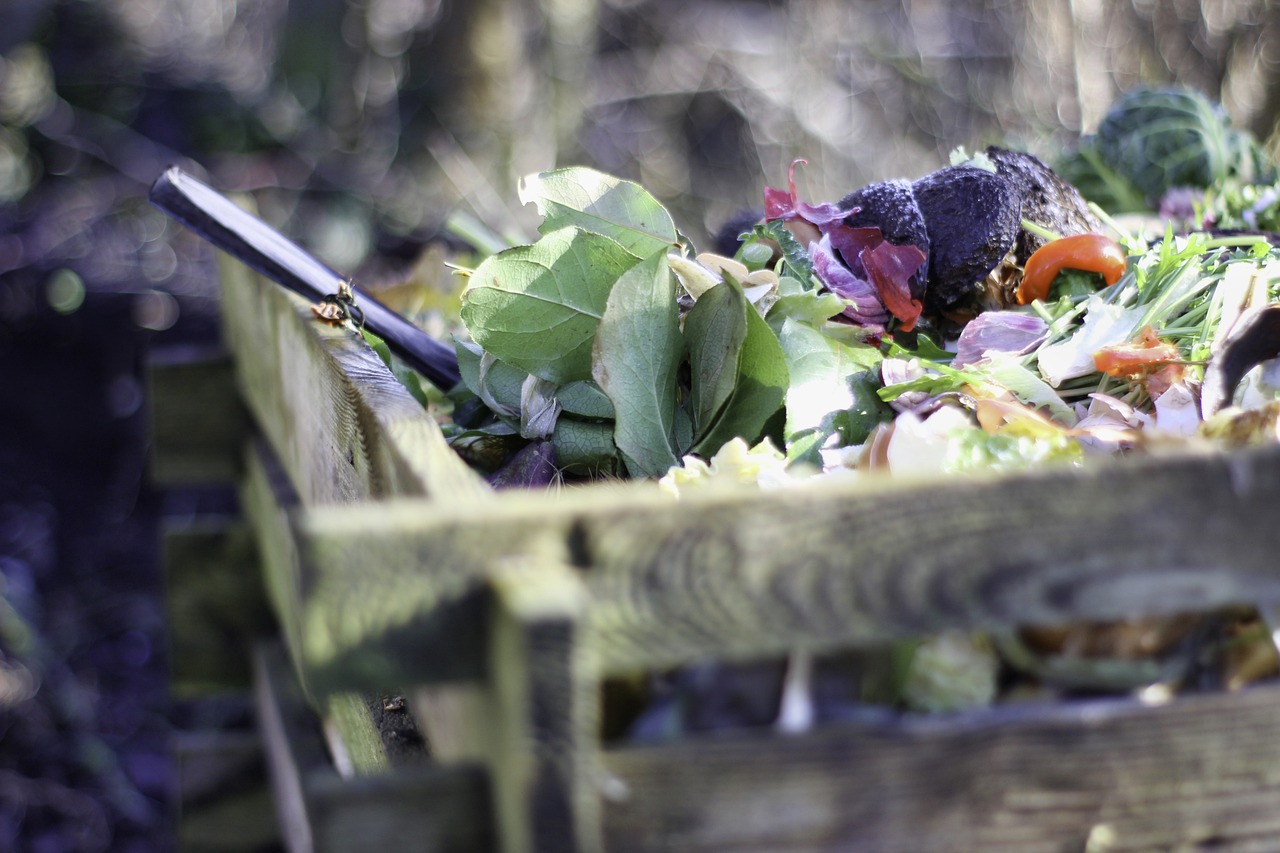
It’s easy to imagine composting as a simple, earth-friendly act—just toss your food scraps in a bin and watch them turn into rich soil. But that’s a fantasy for many urban dwellers and busy families. According to a 2024 EPA report, more than 42% of household compost piles in cities go unmanaged, leading to pest problems and unpleasant odors. What’s more, at least half of home composters admit to throwing away contaminated batches due to mold or improper balance. The reality is, composting well takes time, precision, and a lot of patience. If you’re not careful, you can end up doing more harm than good, both for your yard and your neighbors. It’s not as effortless as those Instagram posts suggest.
Pests and Unwanted Guests
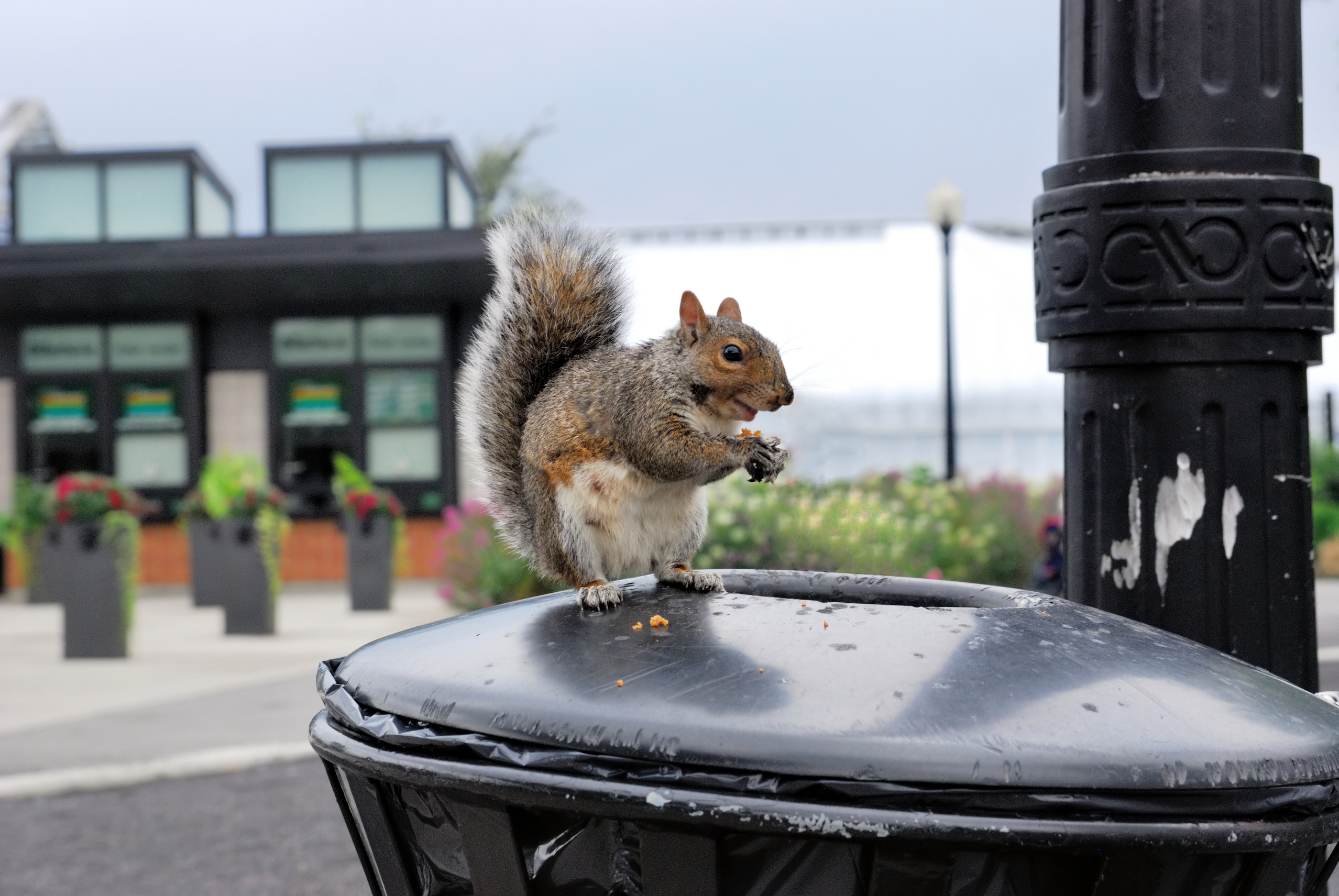
If you’ve ever opened your compost bin to a swarm of fruit flies or, worse, a family of rats, you know the struggle. Recent research from the University of California (2023) shows that improperly managed compost bins attract rodents, raccoons, and even coyotes in some suburbs. These pests aren’t just a nuisance—they can carry disease and cause property damage. The CDC has warned that urban composting is a leading cause of increased rodent activity in cities like New York and Chicago. I personally had to deal with a raccoon tearing apart my compost pile, spreading trash across my backyard. It’s a real headache that can outweigh the benefits.
Contamination and Health Risks

Composting isn’t just about tossing in banana peels and coffee grounds. If you add the wrong things—even by accident—you risk introducing harmful bacteria or toxins. A 2023 study in Environmental Science & Technology highlighted that over 30% of home compost samples contained dangerous levels of pathogens, often due to meat or dairy contamination. Mold growth is also common, which can trigger allergies or asthma, especially in children. The risk increases in warm, humid climates where bacteria thrive. Compost piles can become a breeding ground for E. coli and Salmonella if not maintained at the correct temperature, which most backyard setups simply can’t guarantee. That’s a scary reality for families with small kids or pets.
Time and Effort: More Than You Bargained For
Composting isn’t a “set it and forget it” project. The National Waste & Recycling Association notes that successful composting requires regular turning, moisture checks, and careful balancing of green and brown materials. In a 2024 survey, 60% of beginner composters said they underestimated the time needed to maintain their pile. If you work long hours or have a packed family schedule, it’s easy for things to get out of hand. When compost piles go untended, they often turn anaerobic, producing foul odors and greenhouse gases like methane. This defeats the whole purpose and can make your yard a place to avoid rather than enjoy.
Odors and Neighborhood Complaints
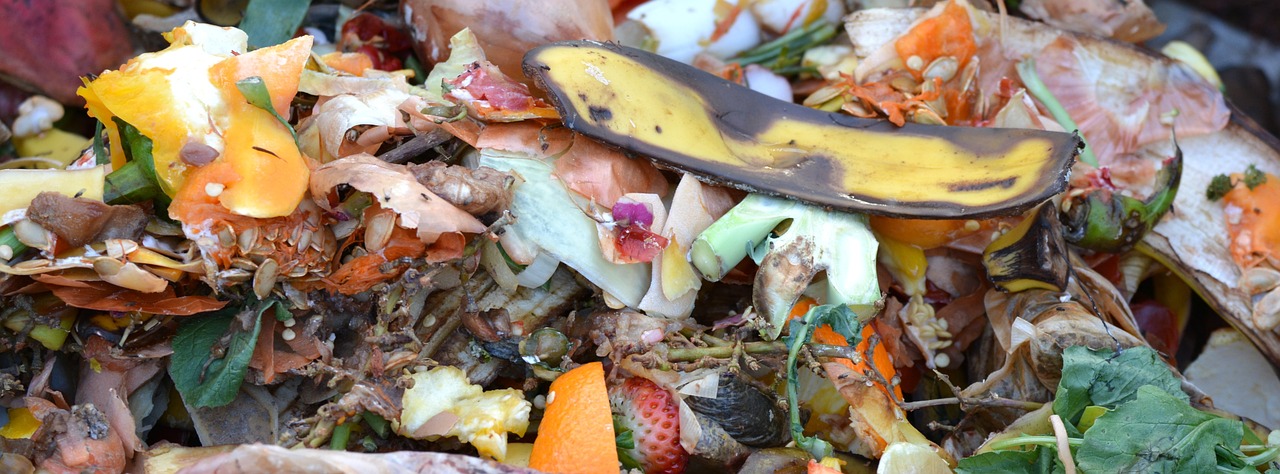
I’ll never forget the awkward conversation with my next-door neighbor about the “funky smell” wafting over the fence. Compost piles, especially when overloaded or neglected, can stink up an entire block. According to a 2023 city sanitation report in Portland, compost odor complaints rose by 27% over the last year. The smell isn’t just unpleasant; it can affect property values and even attract city fines in some municipalities. Bad odors are usually a sign that something’s gone wrong, like too many food scraps or not enough airflow. For many, the hassle of managing odors just isn’t worth the trouble.
Not All Food Scraps Should Be Composted
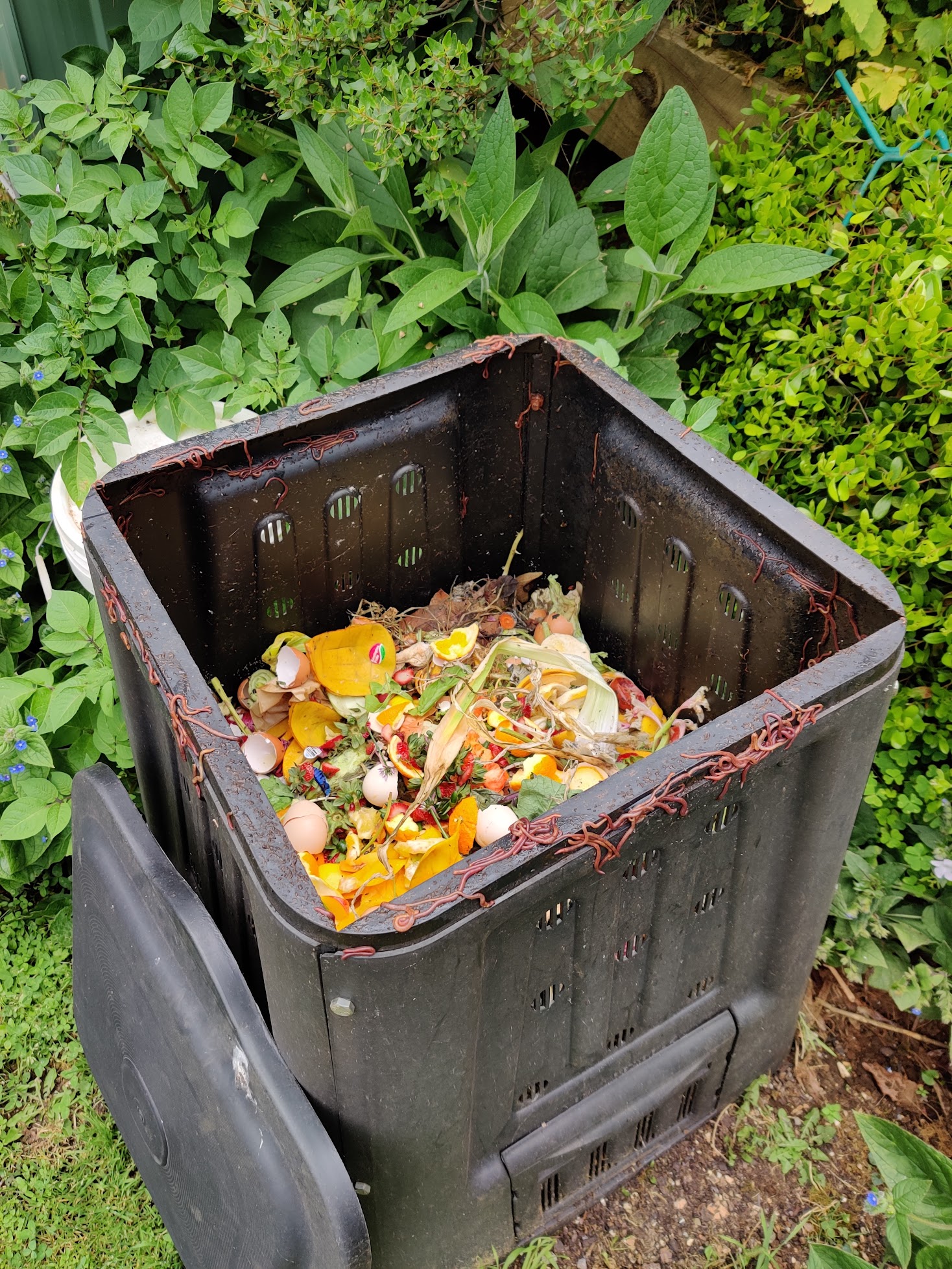
It’s a common misconception that every bit of kitchen waste belongs in the compost bin. The USDA’s 2024 food waste guidelines stress that meat, dairy, oils, and baked goods should stay out of backyard compost piles. These items break down slowly, attract pests, and increase the risk of dangerous bacteria. Yet, a 2023 survey found that 45% of home composters routinely toss in these forbidden items, often out of confusion or convenience. Composting the wrong waste can ruin an entire batch, sending all your hard work straight to the landfill. This kind of contamination is more common than you’d think, especially for beginners.
Hidden Environmental Costs
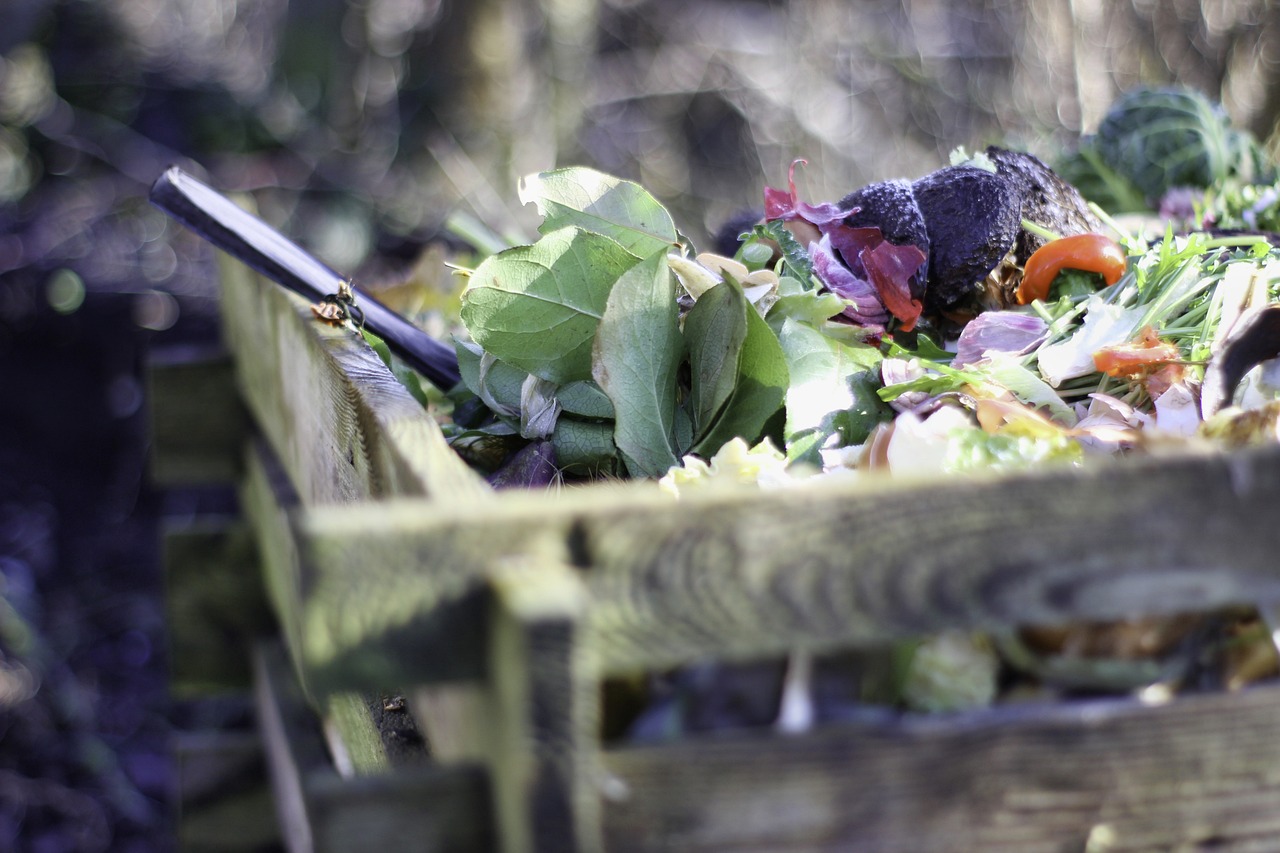
Composting is often championed as a climate solution, but the reality is more complicated. Improperly managed compost piles can emit methane—a greenhouse gas 28 times more potent than CO2—according to the Intergovernmental Panel on Climate Change (2023). The EPA warns that more than 25% of backyard composters inadvertently create anaerobic conditions, contributing to emissions instead of reducing them. Transporting compost bins, maintaining equipment, and dealing with failed batches all add up in terms of energy and resources. In some cases, the environmental cost of poor composting may outweigh the benefits, especially in dense urban areas or places with limited yard space.
Municipal Composting May Be Better
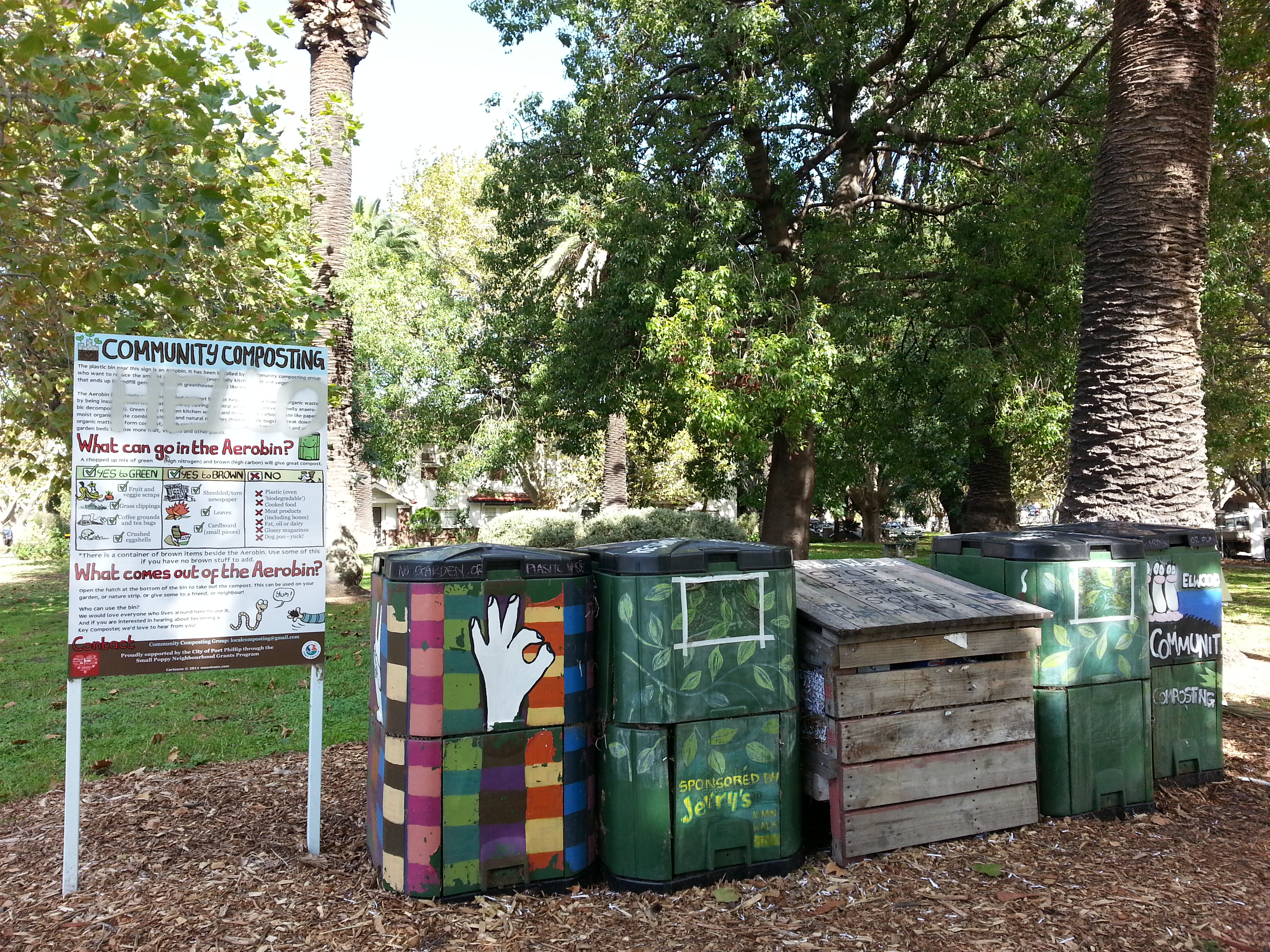
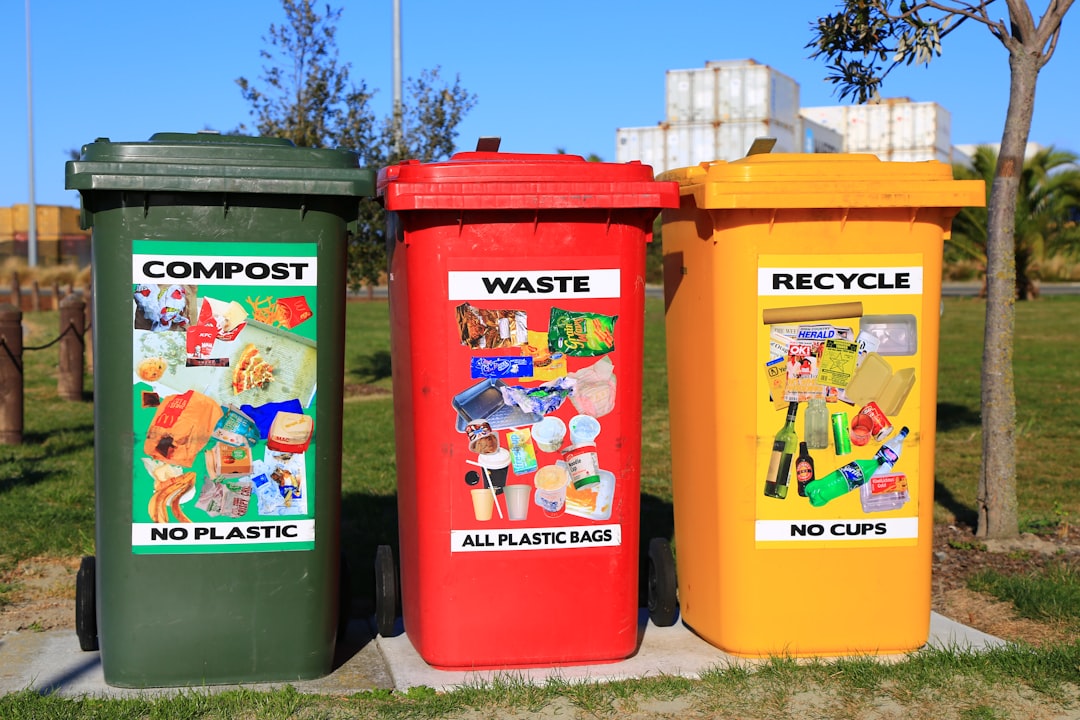
In many cities, curbside composting programs do the dirty work for you. These systems are designed to process a wider variety of materials—including meat and dairy—at higher temperatures, killing off pathogens and speeding decomposition. A 2024 report from the National Resources Defense Council found that municipal composting diverted 18 million tons of food waste from landfills last year, a 16% increase from 2022. These programs are more efficient and less prone to contamination, making them a safer option for most households. Many cities now provide free bins and weekly pickup, making it easier than ever to participate without the mess or hassle at home.
Alternative Ways to Reduce Waste
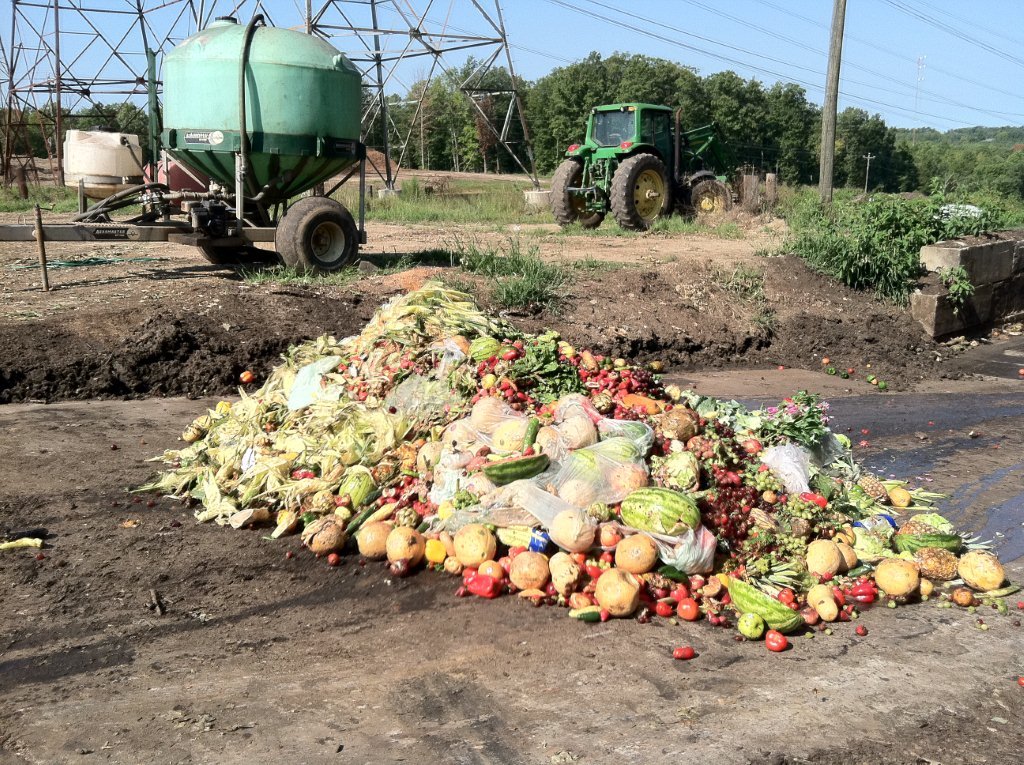
If composting at home isn’t for you, there are still plenty of ways to keep food waste out of the landfill. Donation programs for edible leftovers, backyard worm bins (vermicomposting), and even simple meal planning can make a big difference. According to ReFED’s 2024 Waste Reduction Report, meal planning alone can cut household food waste by up to 30%. Local farms and community gardens often accept plant scraps for their own large-scale composting systems. Some grocery stores now offer drop-off spots for compostable items, eliminating the need to manage a pile yourself. These options might fit better with a busy lifestyle while still making a positive impact.
Changing My Mindset About Sustainability
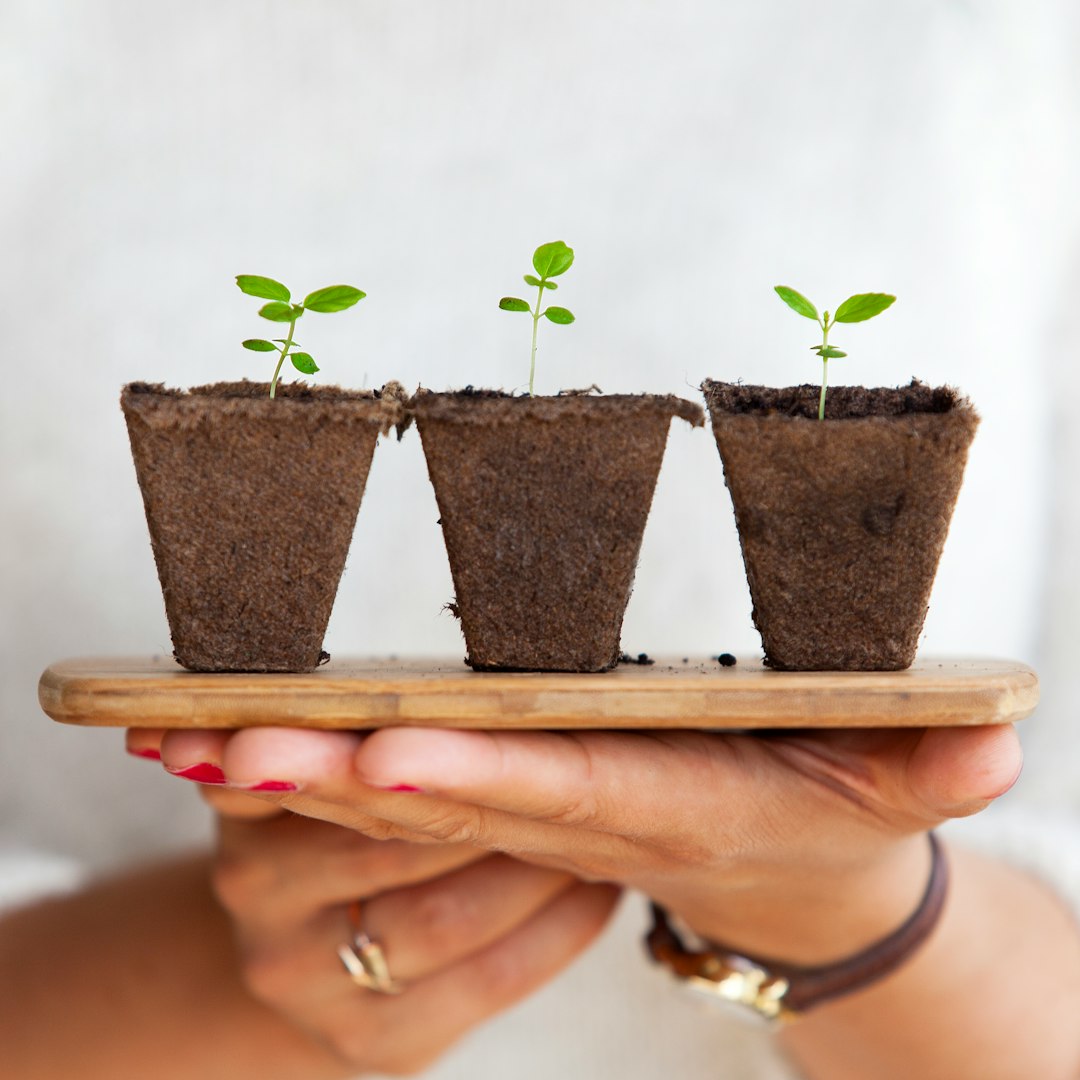
After years of feeling guilty every time I tossed a banana peel in the trash, I realized sustainability isn’t one-size-fits-all. New research from Stanford’s Center for Sustainability (2025) suggests that personal environmental impact varies more by lifestyle choices than any single habit. For me, switching to municipal composting and focusing on reducing food waste at the source felt more realistic. I started supporting local growers and buying only what I needed, which made an immediate difference. Letting go of home composting wasn’t a failure—it was just a shift toward what actually works for my family and the world around us.

Lena is a thoughtful and imaginative writer with a passion for storytelling across the themes of travel, environmental sustainability, and contemporary home aesthetics. With a background in cultural media and a strong visual sensibility, Anna Lena creates content that bridges inspiration with practical insight.
Her work explores the interplay between place, lifestyle, and design—guiding readers through meaningful travel experiences, eco-conscious choices, and modern approaches to living well. Known for her elegant writing style and attention to detail, she brings a fresh, human-centered perspective to every topic she covers.
Anna Lena contributes to digital publications and editorial projects where aesthetics meet purpose. Her writing not only informs but also encourages readers to live more intentionally, sustainably, and beautifully—wherever they are in the world.