

Matthias is a skilled author and digital storyteller with a focus on travel journalism, environmental issues, and modern home design. With a background in communications and a passion for global cultures, Matthias crafts engaging narratives that blend real-world exploration with thoughtful analysis and visual flair.
His writing reflects a deep interest in how climate change shapes our lives and lifestyles—from sustainable travel practices to eco-friendly living environments. Known for his clear, approachable voice and sharp editorial instincts, Matthias delivers content that resonates with readers seeking both inspiration and substance.
Whether reporting from remote destinations, breaking down sustainable design trends, or spotlighting innovative green initiatives, Matthias brings a global perspective and an eye for detail to every piece. He regularly contributes to web platforms and editorial projects that aim to foster awareness, creativity, and conscious living.
The Last Cup of Sugar

Have you ever wondered when neighbors stopped borrowing sugar from each other? Only half of homeowners 25 and older who have neighbors are likely to ask their neighbors for a “cup of sugar,” whether literally borrowing something or asking for help from those that live near them. This simple act that once defined neighborly relationships has quietly disappeared from most communities. Borrowing from neighbors was once a commonplace practice, part of the web of relations we once had with those who lived within close range. Yet today, the thought of knocking on someone’s door to ask for a household staple feels almost foreign to many people.
When Neighbors Shared Everything
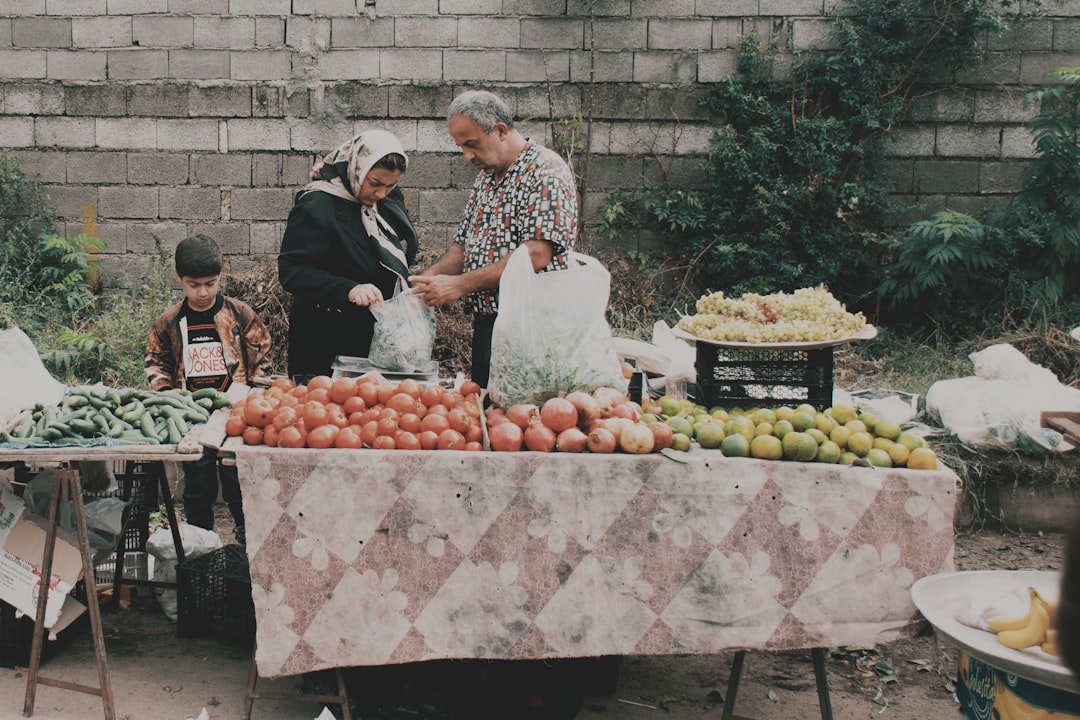
Until the industrial revolution brought affordable modern technology—with it quick transportation and eventually the gleaming grocery store—acquiring kitchen supplies was a less frequent affair. In ancient times, hunting, gathering, and foraging were communal practices. And it wasn’t long ago that many cultures, especially rural ones, still relied on weekly markets, traveling salesmen, and the growing of their own goods. But living in relative isolation also meant more contact with your neighbors because one of them probably provided your weekly dairy needs and another milled wheat for flour or grew pears you exchanged for apples. This wasn’t just about convenience—it was about survival and community bonds.
The Communal Kitchen Era
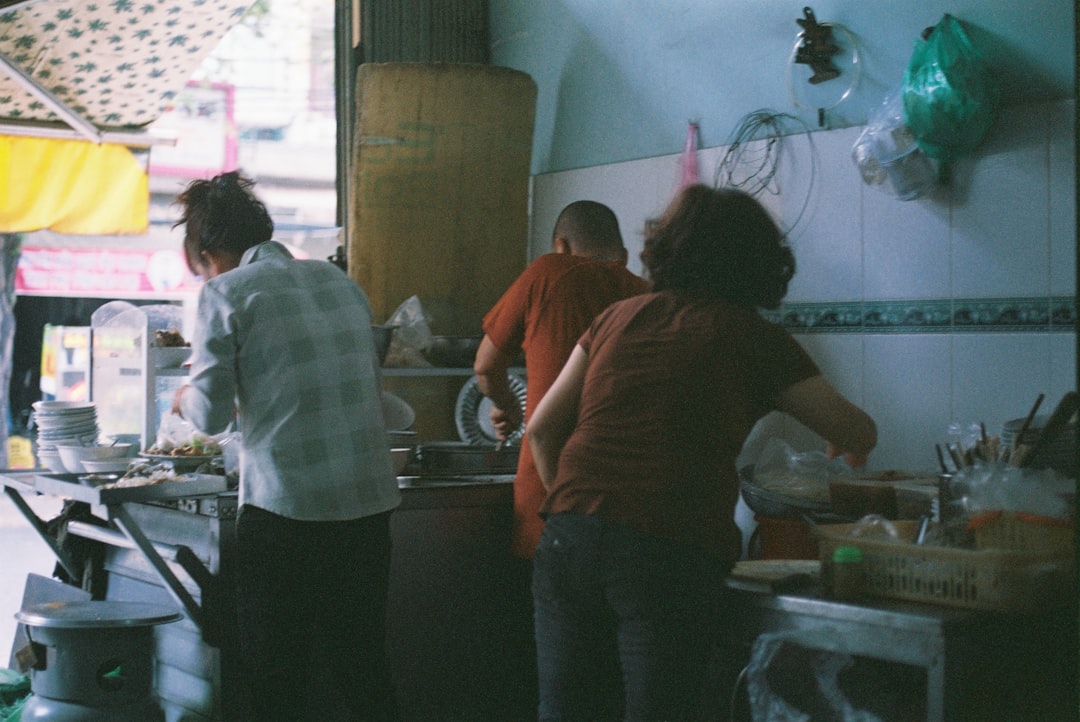
In fact, in pre-modern Europe, food and cooking brought neighbors together quite intimately by necessity; many homes had no ovens or only small hearths that were not big enough for bread baking and simultaneous cooking. Many communities relied on communal ovens and neighbors regularly left their breads or stews to cook over several hours or even overnight. Imagine the conversations that happened around those shared cooking spaces! Traces of this practice still exist in North Africa, Latin America, Europe, and elsewhere. These communal kitchens were the original social networks, where recipes, gossip, and life wisdom passed from one generation to the next.
The Urban Sharing Revolution
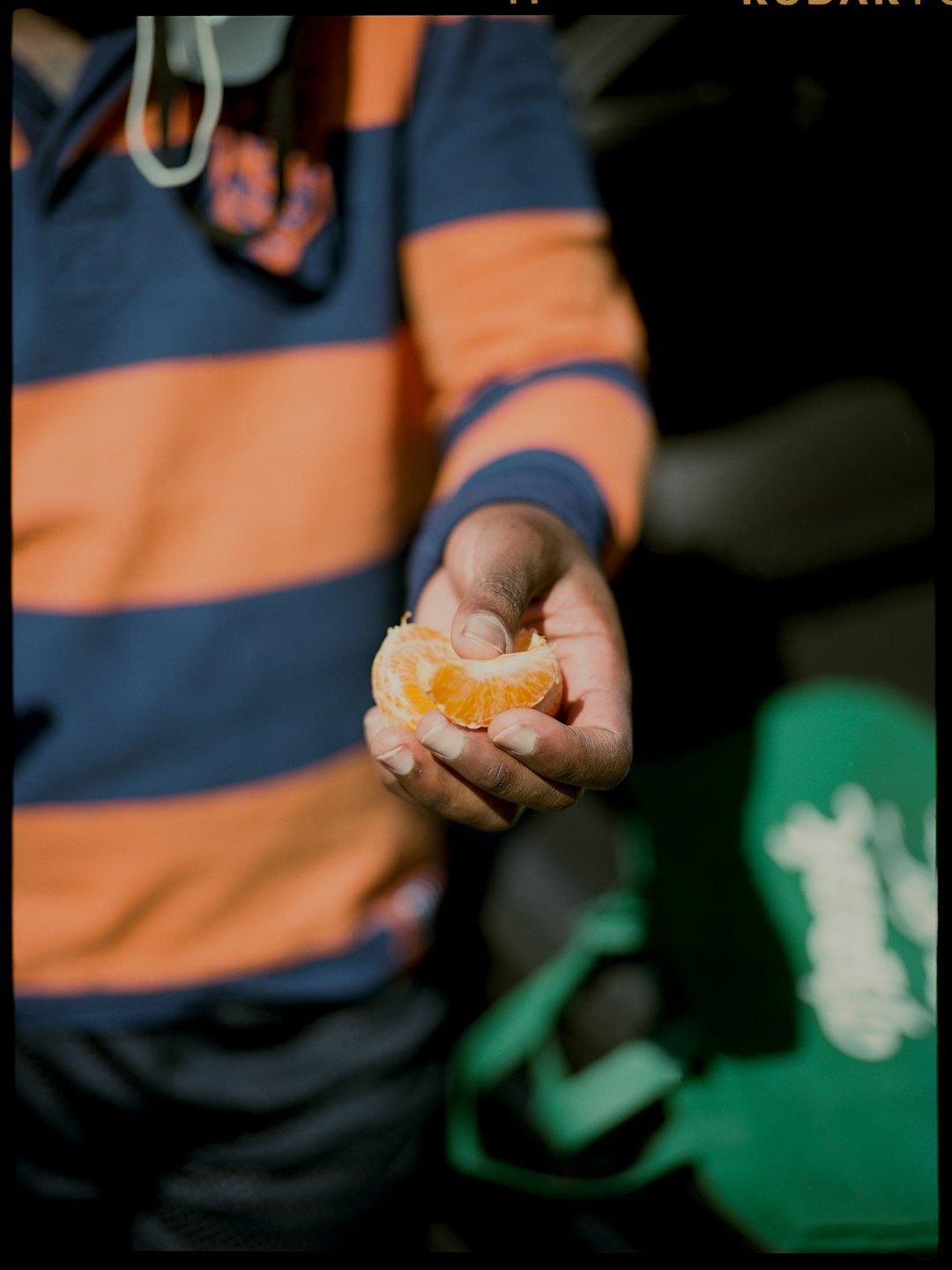
The early rise of cities meant easier access to supplies, but neighbors lived in such close quarters—think tenement buildings or row houses—that there was a constant exchange of goods and services across the yard or through criss-crossing streets. Urban life in the early 20th century was a masterclass in resourcefulness and cooperation. Families would share ice for their iceboxes, trade tools between apartments, and pool resources for bigger purchases. This wasn’t poverty—it was smart living. The physical closeness of city dwellings naturally fostered these exchanges, creating tight-knit communities where everyone knew their neighbors’ needs and capabilities.
Why We Stopped Sharing

With the design of our sprawling cities and our reliance on modern technology and industry in so many parts of the world today, most of us no longer need to interact with our neighbors to source ingredients or cook our food, but this social distance is only a recent phenomenon in human history. Advances in technology, while convenient, have erased many food-based reasons for interaction with our neighbors. The modern grocery store, with its endless aisles and 24-hour availability, eliminated the need to borrow that cup of sugar. Suburban design prioritized privacy over community, creating physical barriers that discouraged casual interaction. We gained convenience but lost something precious in the process.
The Science Behind Neighborly Connections

Research reveals the profound psychological benefits of these simple exchanges. Even people who think that they don’t want to borrow the sugar report being much happier after doing so. Behavioral science professor Nicholas Epley conducted a study of Chicago commuters, assigning some to make small talk with their neighbors and others to not. Even those who say they don’t want to interact with others report being much happier when they do. Research shows that small talk and casual connections create happy communities and less-lonely individuals. These micro-interactions create what sociologists call “weak ties”—relationships that aren’t deep but are surprisingly important for our wellbeing and sense of belonging.
The Modern Loneliness Crisis

The latest data show that in 2024, 33% of older adults felt lonely some of the time or often in the past year, about the same as the rate in 2018. During the years in between, as many as 42% of older adults had this level of loneliness. Currently, an estimated 24% of community-dwelling American older adults aged 65+ years, or approximately 7.7 million, are experiencing some level of social isolation. Using the 2003–2020 American Time Use Survey, this study finds that, nationally, social isolation increased, social engagement with family, friends, and ‘others’ decreased, and companionship decreased. Joinpoint analysis showed that the pandemic exacerbated upward trends in social isolation. These statistics paint a stark picture of how far we’ve drifted from the days when borrowing sugar was a natural part of daily life.
Tool Sharing: The New Sugar Borrowing
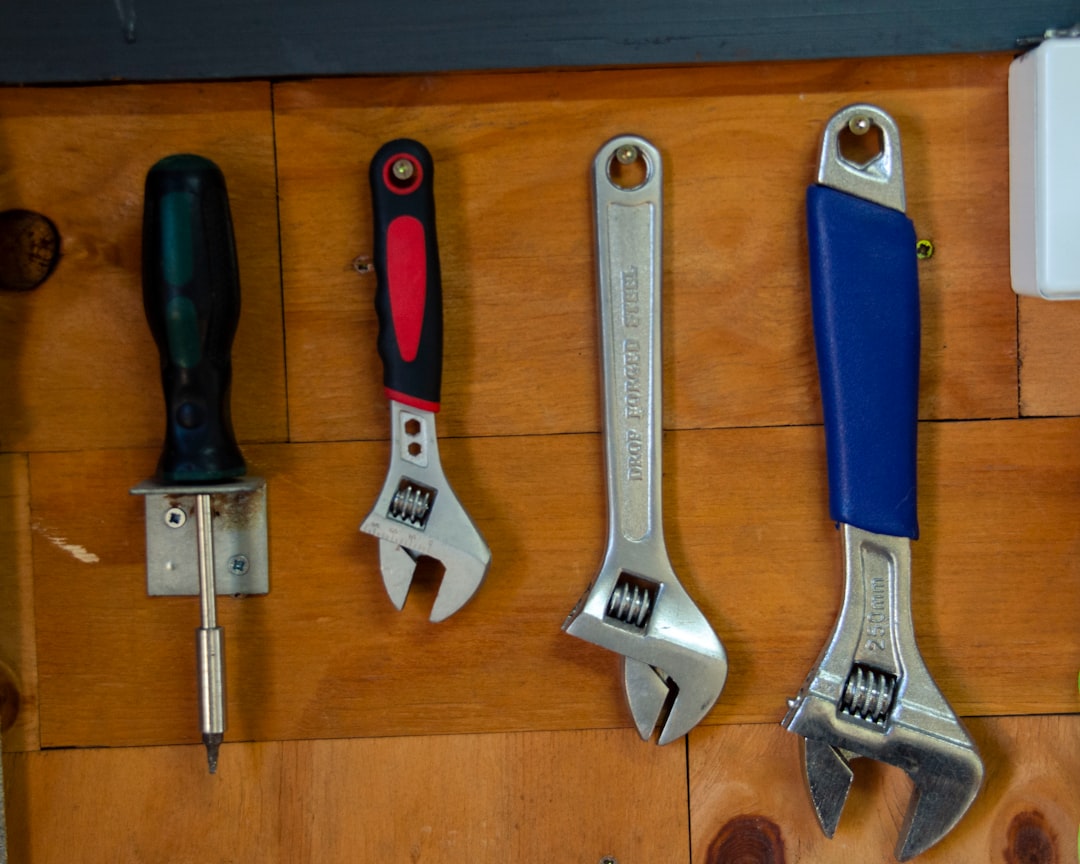
According to a 2022 survey by the Sharing Economy Association, 68% of Americans have borrowed or lent tools and equipment to neighbors within the past year—a 24% increase from 2018. The average household owns over $2,000 worth of rarely-used tools and equipment that sit idle 95% of the time. Platforms like NeighborGoods and ShareShed have capitalized on this inefficiency, growing their user bases by over 300% since 2020. People once borrowed cups of sugar from neighbors as a normal part of community life, and tool-sharing recaptures that collaborative spirit with a modern, practical twist. This revival suggests that the human need for neighborly cooperation hasn’t disappeared—it’s just evolved with the times.
What Makes a Good Neighbor Today

When asked what describes a good neighbor, American homeowners aged 25+ cited being “friendly to other neighbors” as the top quality. Other qualities of a good neighbor include someone who “maintains a clean yard,” “maintains a nice house,” “is quiet,” “is friendly to pets,” and “does things for other neighbors”. Homeowners aged 65+ are more likely to say “doing things for other neighbors” describes a good neighbor than those aged 25-54. Interestingly, these preferences reveal how neighborly values have shifted from active sharing to passive coexistence. The emphasis on maintaining property and being quiet suggests we’ve become more focused on not bothering each other rather than actively helping one another.
The Digital Age of Neighborly Sharing

Digital calendars transform how neighbors coordinate shared equipment access. Platforms like Google Calendar and specialized sharing apps allow you to book items in advance, preventing double-booking disasters. These systems send automatic reminders when it’s time to return items and notify the next borrower when equipment becomes available. hOurworld is an international network of Timebanks where members earn time credits sharing their talents and services, then later spend those credits on services others provide, strengthening the fabric of local communities. Technology has created new possibilities for neighborly cooperation, but it also adds layers of complexity that didn’t exist when you could simply knock on a door.
Building Community Through Sharing

The Charlottesville, Virginia-based Center for a New American Dream recently surveyed its members and found that there’s a pent up demand for more social interaction with neighbors. More than 70 percent of folks who took part in the survey are also looking for more opportunities to volunteer and make their communities better places to live and thrive. The initial focus has been on fostering systems of sharing—from creating lending libraries (toys, tools, seeds) and forming cooperatives (solar energy, babysitting, food), to hosting community swaps (books, food, clothing) and facilitating barter systems (time banks and skillshares). Sharing resources with your neighbor can help bring a community closer. These modern initiatives prove that the desire for neighborly connection remains strong, even if it needs new frameworks to flourish.
The Architecture of Isolation

If you live in a walkable neighborhood, there are a lot more people around from which you can borrow a cup of sugar, an egg, a specific tool, or whatever you may be lacking at the moment. If you have to get in your car to go to the neighbor’s house, chances are that you will just go to the store and buy it—and in the case of the tool it may only be used a handful of times. Our built environment shapes our social interactions more than we realize. Suburban sprawl, with its emphasis on car-dependent living and isolated single-family homes, physically discourages the kind of casual encounters that led to sugar borrowing. When neighbors are hundreds of feet apart rather than a few steps away, spontaneous sharing becomes logistically challenging.
The Economics of Neighborly Cooperation
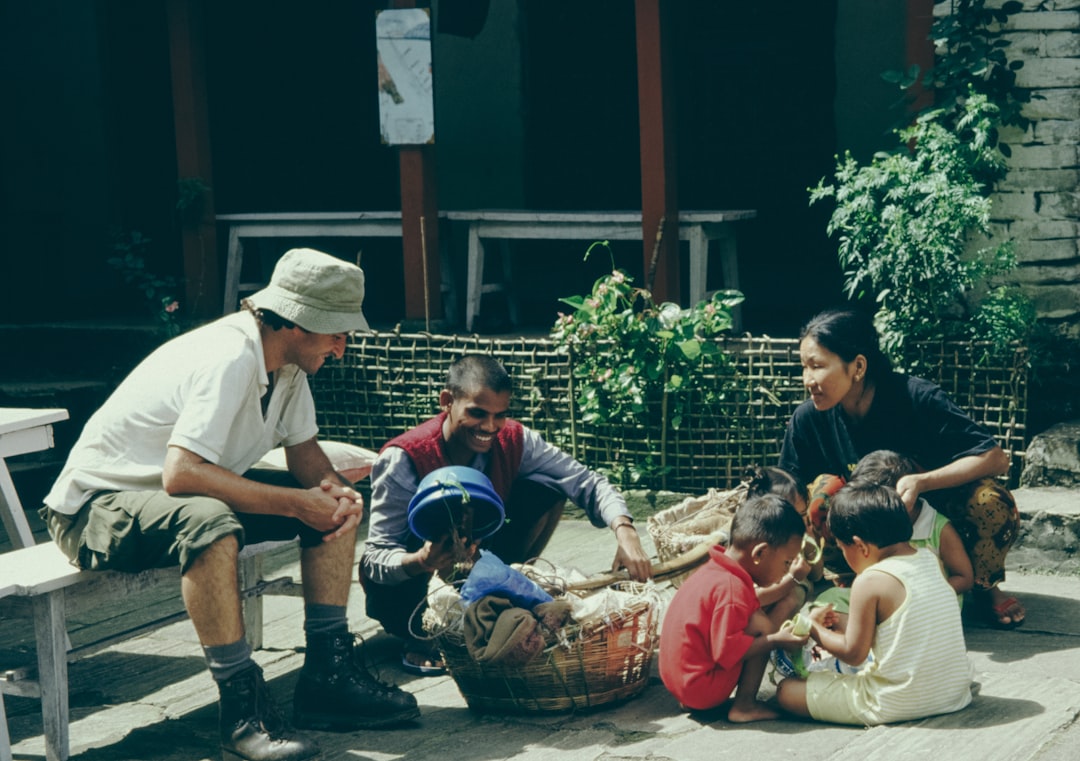
Additionally, environmental awareness has prompted many consumers to reconsider consumption habits, with 72% of millennials expressing preference for access over ownership when it comes to occasional-use items. We not only share our time and expertise and tools with each other, we also often combine forces to bargain for more buying power. One note: this probably works best in more rural areas, and for communities like ours that are out of the way and not as quick or easy for service people to reach. Economic pressures and environmental concerns are driving a renaissance in sharing, but it requires intentional effort to recreate what once happened naturally. The financial benefits of sharing are clear, but the social rewards often prove even more valuable.
Reviving the Lost Art

Start easy with things like sharing extras from the garden. Give your neighbors a plate of your homemade cookies that came from your grandmother’s recipe. Start just like you did with your neighbors: give away free surplus like plants, craft projects and garden produce. If you give it away, they will come! Gifting is the quickest way to find your people/tribe/niche. Social psychology research tells us that social support and social norms can help lead to long-term behavior change, and that the more you engage in your community, build social ties, and find purpose in life, the happier you’ll be. The path back to neighborly sharing starts with small gestures that break down the barriers we’ve built around ourselves.
The Future of Neighborly Traditions

While we may never return to the days when borrowing sugar was a daily occurrence, we can create new traditions that serve the same purpose. Neighborly equipment sharing offers tremendous potential for building stronger communities and reducing consumption but requires thoughtful implementation to overcome its inherent challenges. The key to success lies in balancing formality with flexibility through clear agreements digital coordination tools and fair policies. In many ways, this sharing of resources and skills, and this pursuit of economies of scale, can be traced back not only to American pioneer communities, but has echoes to the beginning of civilization. Sharing—that was the reason human beings began gathering in the first place. You could do this for me, and I could do that for you. Together, we could do things more efficiently and effectively. The fundamentals of human cooperation haven’t changed, even if the methods have evolved.

Matthias is a skilled author and digital storyteller with a focus on travel journalism, environmental issues, and modern home design. With a background in communications and a passion for global cultures, Matthias crafts engaging narratives that blend real-world exploration with thoughtful analysis and visual flair.
His writing reflects a deep interest in how climate change shapes our lives and lifestyles—from sustainable travel practices to eco-friendly living environments. Known for his clear, approachable voice and sharp editorial instincts, Matthias delivers content that resonates with readers seeking both inspiration and substance.
Whether reporting from remote destinations, breaking down sustainable design trends, or spotlighting innovative green initiatives, Matthias brings a global perspective and an eye for detail to every piece. He regularly contributes to web platforms and editorial projects that aim to foster awareness, creativity, and conscious living.