
Lena is a thoughtful and imaginative writer with a passion for storytelling across the themes of travel, environmental sustainability, and contemporary home aesthetics. With a background in cultural media and a strong visual sensibility, Anna Lena creates content that bridges inspiration with practical insight.
Her work explores the interplay between place, lifestyle, and design—guiding readers through meaningful travel experiences, eco-conscious choices, and modern approaches to living well. Known for her elegant writing style and attention to detail, she brings a fresh, human-centered perspective to every topic she covers.
Anna Lena contributes to digital publications and editorial projects where aesthetics meet purpose. Her writing not only informs but also encourages readers to live more intentionally, sustainably, and beautifully—wherever they are in the world.
Monthly Cost Comparison
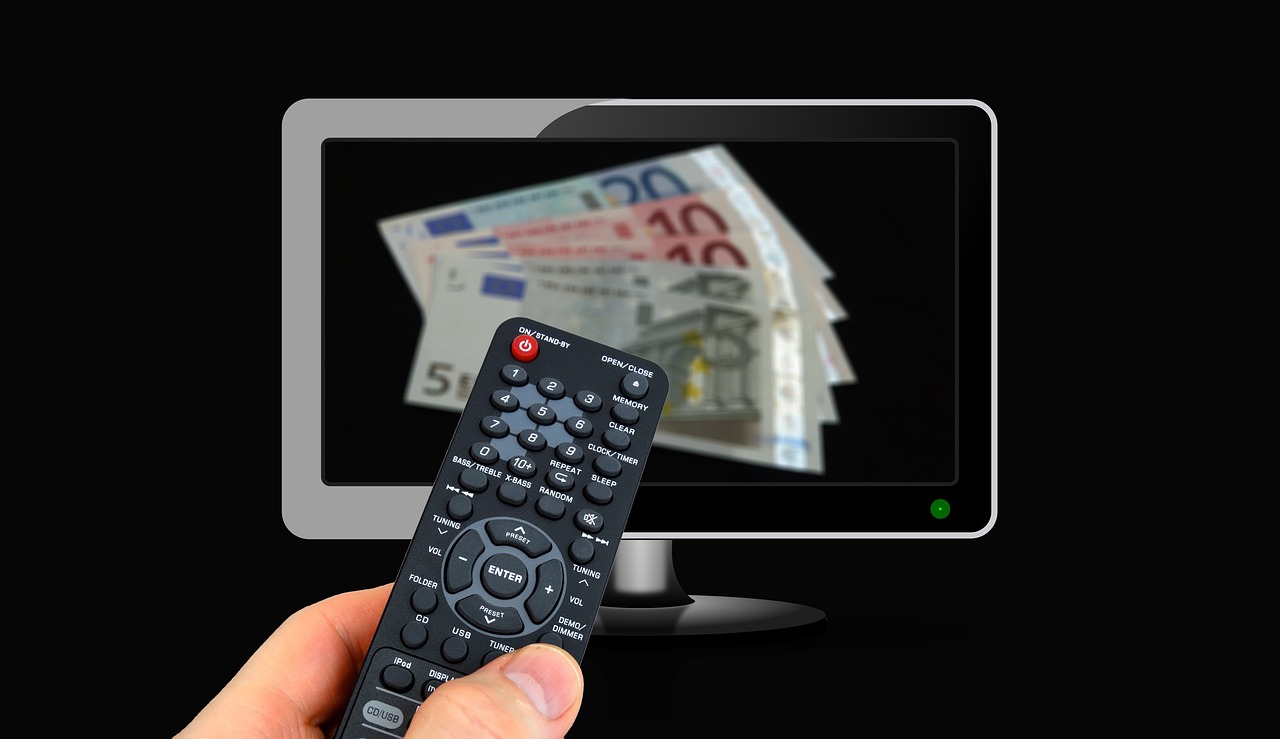
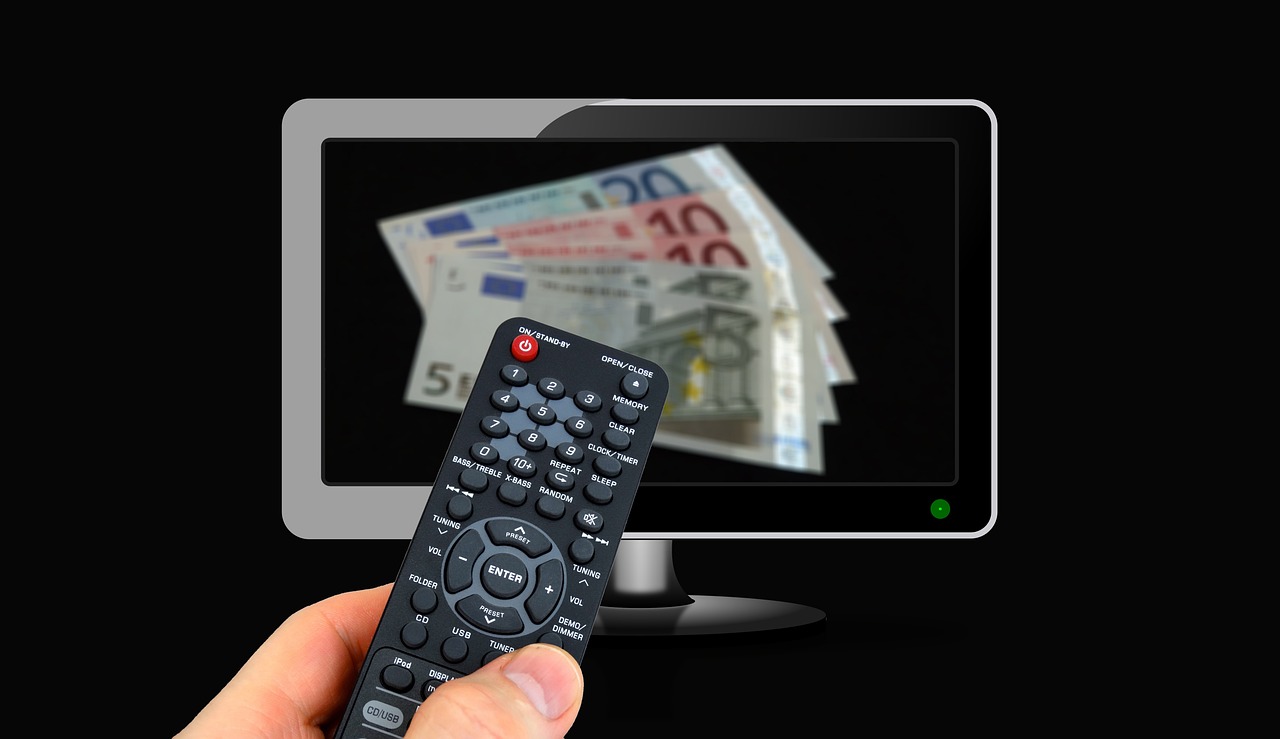
In 2025, U.S. cable TV packages range from $75 to $150 per month, depending on the provider and package. Streaming services, on the other hand, offer more flexibility. For instance, a combination of Disney+, Hulu, and ESPN+ is available for $16.99 per month. However, subscribing to multiple streaming platforms can add up, potentially matching or exceeding cable costs.
Bundling Advantages
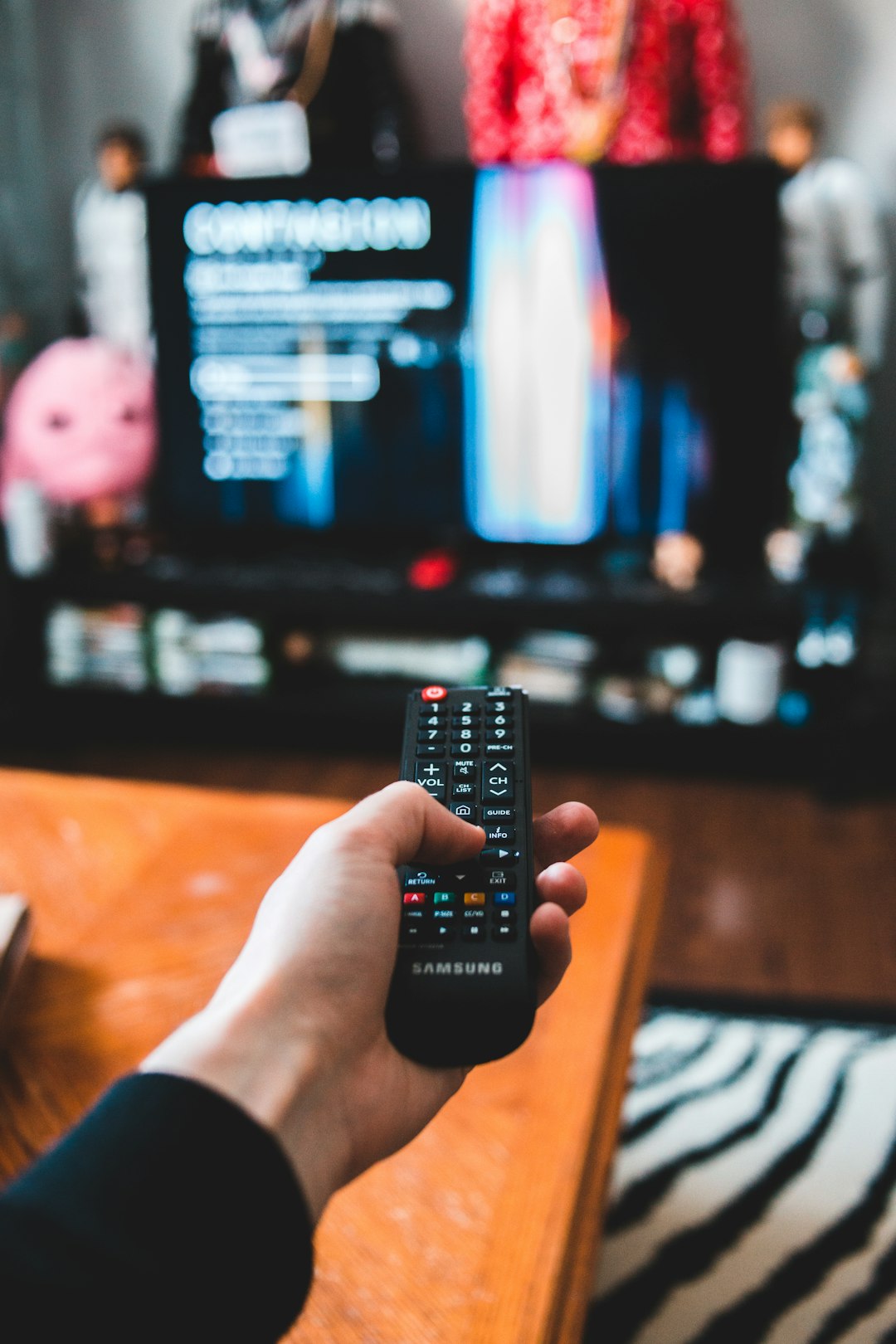
Cable providers often offer bundled packages, combining TV, internet, and phone services, which can lead to overall savings. Streaming services are adopting similar bundling strategies. For example, T-Mobile offers a streaming bundle that grants free access to Netflix, Hulu, and Apple TV Plus for customers on its Go5G Next and Go5G Plus plans, saving subscribers over $35 per month.
Hidden Fees and Equipment Costs
Cable subscriptions often come with additional costs, such as equipment rentals, installation fees, and taxes, which can increase the monthly bill significantly. Streaming services typically do not have these extra charges, as they rely on existing internet connections and devices. This difference can make streaming a more cost-effective option for many consumers.
Content Availability and Exclusivity

Cable TV offers a wide range of channels, including live sports and news, which may not be available on all streaming platforms. However, streaming services are investing heavily in exclusive content and live programming. For example, Apple TV+ has secured exclusive rights to certain MLB games, making streaming a more competitive option for sports enthusiasts.
houstonchronicle.com
Flexibility and Contract Terms

Cable services often require long-term contracts, with early termination fees if you decide to cancel. Streaming services typically offer month-to-month subscriptions, allowing users to cancel or switch services without penalties. This flexibility can be advantageous for consumers who prefer not to be tied down by contracts.
Internet Requirements

Streaming services require a reliable internet connection, which can be an additional cost if not already in place. Cable packages often include internet services, potentially offering a more integrated solution. However, with the increasing availability of high-speed internet, the barrier to streaming is decreasing.
User Experience and Interface
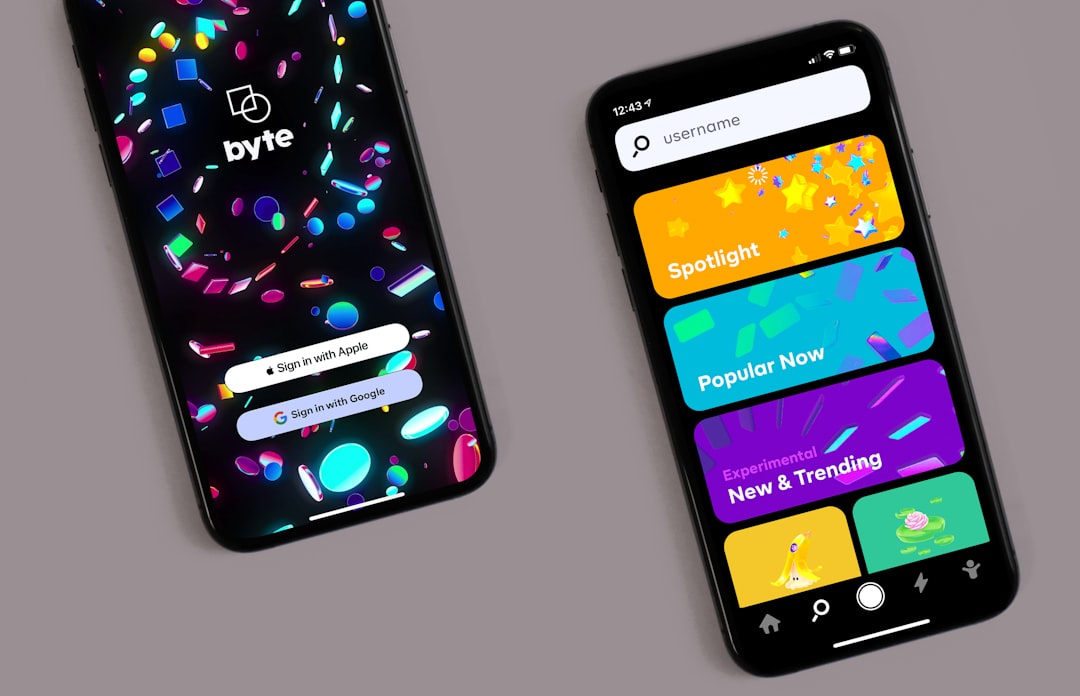
Streaming platforms often provide user-friendly interfaces with personalized recommendations, on-demand content, and the ability to watch on multiple devices. Cable TV interfaces can be less intuitive, with scheduled programming and limited on-demand options. For tech-savvy users, streaming may offer a more satisfying viewing experience.
Overall Value Proposition
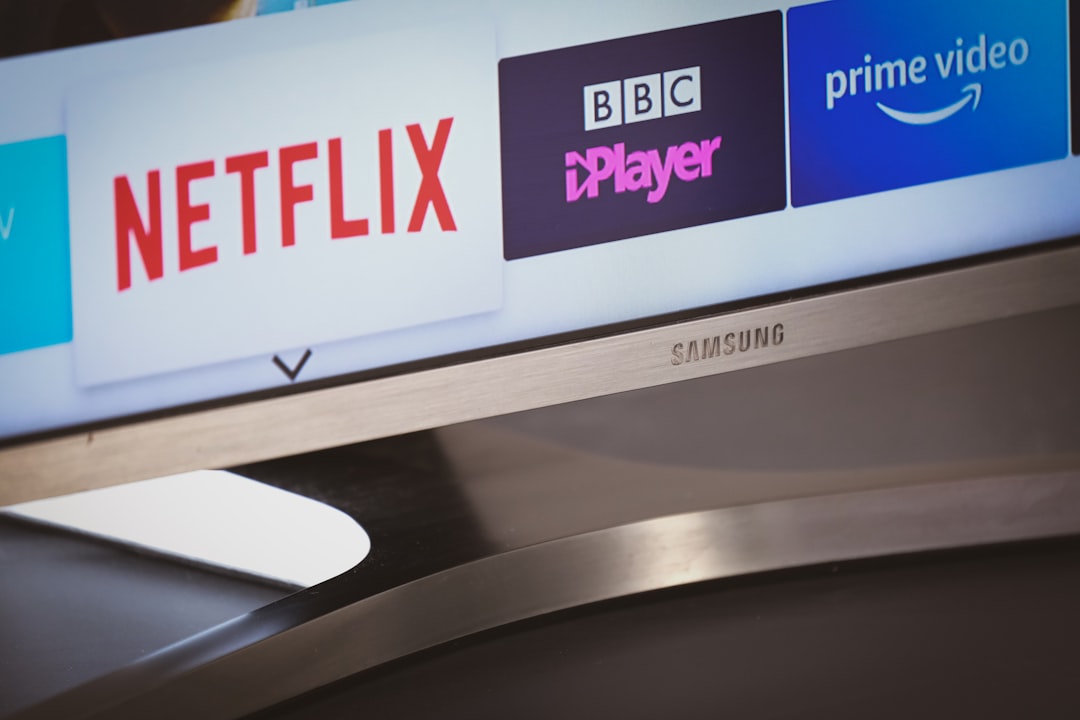
While both cable and streaming have their pros and cons, streaming services often provide greater flexibility, fewer hidden fees, and a more personalized viewing experience. However, for those who prioritize live sports, news, and bundled services, cable may still hold value. Ultimately, the best choice depends on individual preferences, viewing habits, and budget considerations.

Lena is a thoughtful and imaginative writer with a passion for storytelling across the themes of travel, environmental sustainability, and contemporary home aesthetics. With a background in cultural media and a strong visual sensibility, Anna Lena creates content that bridges inspiration with practical insight.
Her work explores the interplay between place, lifestyle, and design—guiding readers through meaningful travel experiences, eco-conscious choices, and modern approaches to living well. Known for her elegant writing style and attention to detail, she brings a fresh, human-centered perspective to every topic she covers.
Anna Lena contributes to digital publications and editorial projects where aesthetics meet purpose. Her writing not only informs but also encourages readers to live more intentionally, sustainably, and beautifully—wherever they are in the world.