

Matthias is a skilled author and digital storyteller with a focus on travel journalism, environmental issues, and modern home design. With a background in communications and a passion for global cultures, Matthias crafts engaging narratives that blend real-world exploration with thoughtful analysis and visual flair.
His writing reflects a deep interest in how climate change shapes our lives and lifestyles—from sustainable travel practices to eco-friendly living environments. Known for his clear, approachable voice and sharp editorial instincts, Matthias delivers content that resonates with readers seeking both inspiration and substance.
Whether reporting from remote destinations, breaking down sustainable design trends, or spotlighting innovative green initiatives, Matthias brings a global perspective and an eye for detail to every piece. He regularly contributes to web platforms and editorial projects that aim to foster awareness, creativity, and conscious living.
The Great Greeting Dilemma

We’ve all been there—walking to our mailbox when we spot our neighbor heading our way. Do we wave? Make eye contact? Pretend we’re suddenly fascinated by our phone? It’s like a social dance nobody taught us the steps to.
The pressure is real. As many as half of Canadians do not know their neighbors, and American data shows similar patterns. Yet somehow, we still feel this weird obligation to acknowledge the person living 20 feet away from us.
The truth is, there’s no universal rule book for neighbor interactions. What works in a tight-knit suburban community might feel completely wrong in a bustling city apartment complex. Context matters more than we realize.
The “Hiding Behind Your Phone” Epidemic

Let’s be honest about something most of us have done—strategically timing our exits to avoid neighbor encounters. Nearly a third rarely interact with their neighbors, and many of us have perfected the art of looking busy when we’re not.
The pandemic made this worse. We didn’t have to consciously think about what to say to co-workers, how to order a drink, how to initiate or dodge conversation with a neighbor before 2020. Now those social scripts feel rusty.
We’ve created a culture where avoiding neighbors has become almost acceptable. But experts say this avoidance might be hurting us more than helping. The brief interactions we dodge could actually boost our daily mood and sense of community.
Why That Simple Wave Matters More Than You Think

Here’s something that might surprise you: frequent social interaction and trust among neighbors are associated with higher levels of happiness, well-being, and life satisfaction. That’s not just feel-good research—it’s backed by real data.
Even the smallest gestures pack a punch. “A smile, a wave, a brief exchange of pleasantries, can inspire a lot of goodwill with your neighbors” according to etiquette experts. It’s like social lubrication for your entire neighborhood.
The benefits extend beyond just feeling good. People who have an emotional investment in their neighborhood and neighbors are more likely to look out for each other. It also changes the energy of a neighborhood, making it seem more warm and inviting, which boosts home valuation. Your friendly wave might literally increase your property value.
The Awkward Timing Problem

You know that moment when you both step outside at exactly the same time? Suddenly you’re trapped in this weird synchronized dance where neither of you knows who should speak first.
Research shows one in four Americans say they’re much or somewhat more awkward than other people, and neighbor interactions are a prime breeding ground for these feelings. The key is remembering that your neighbor probably feels just as awkward as you do.
The solution isn’t to avoid these moments—it’s to embrace them. A simple “Great minds think alike!” or “Looks like we’re on the same schedule” can turn an awkward encounter into a genuinely pleasant one.
The Name Game Nightmare

Few things are more mortifying than realizing you’ve been living next to someone for months and still don’t know their name. Three-fifths of Americans know either some or none of their neighbors by name. You’re definitely not alone in this struggle.
Etiquette experts have a clever workaround: “What I like to do is say, ‘I got a new phone recently, and all my contacts were wiped out. Can you put in your number again?'” This lets them input their name without you having to admit you forgot it.
Another approach is the introduction redirect. If you’re chatting with someone else when your nameless neighbor approaches, introduce them to your friend. They’ll naturally introduce themselves, solving your problem gracefully.
The Fence Paradox
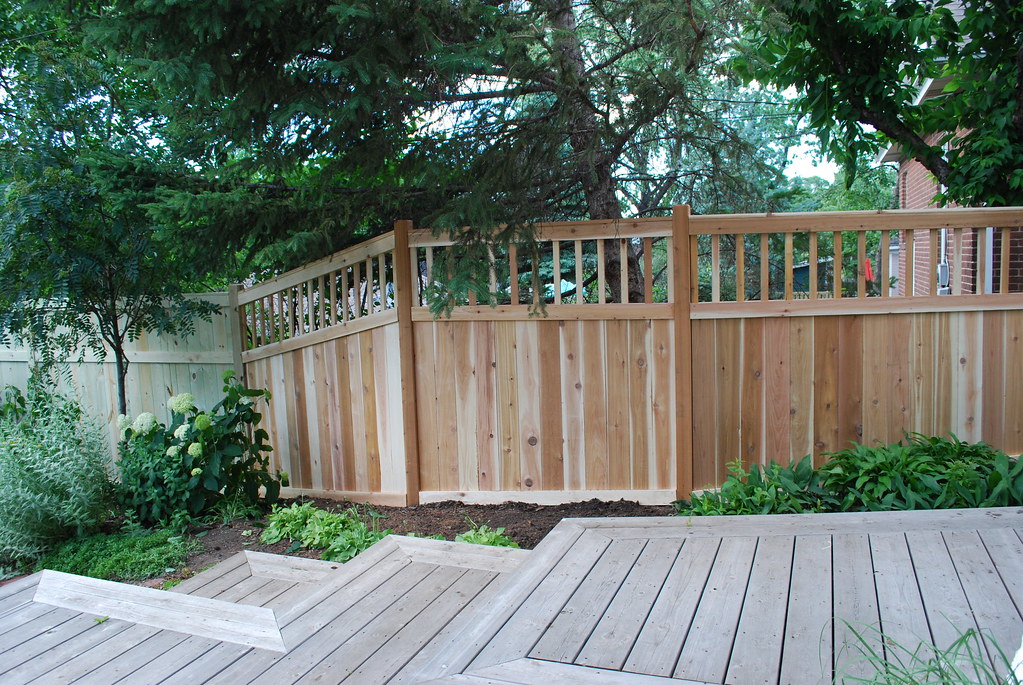
Nothing says “I don’t want to talk to you” quite like a 6-foot privacy fence. Yet Americans value their privacy and may not socialize with their neighbors often. We want community, but we also want to eat dinner without being watched.
The fence isn’t necessarily anti-social—it’s a boundary. Most people are looking for ways to keep connecting with the people around them while still establishing a sense of privacy. Think of it as creating a space where interactions become more intentional rather than accidental.
Some neighbors actually prefer this setup. It eliminates the pressure of constant visibility while still allowing for meaningful conversations when they happen naturally.
The Age Gap Reality
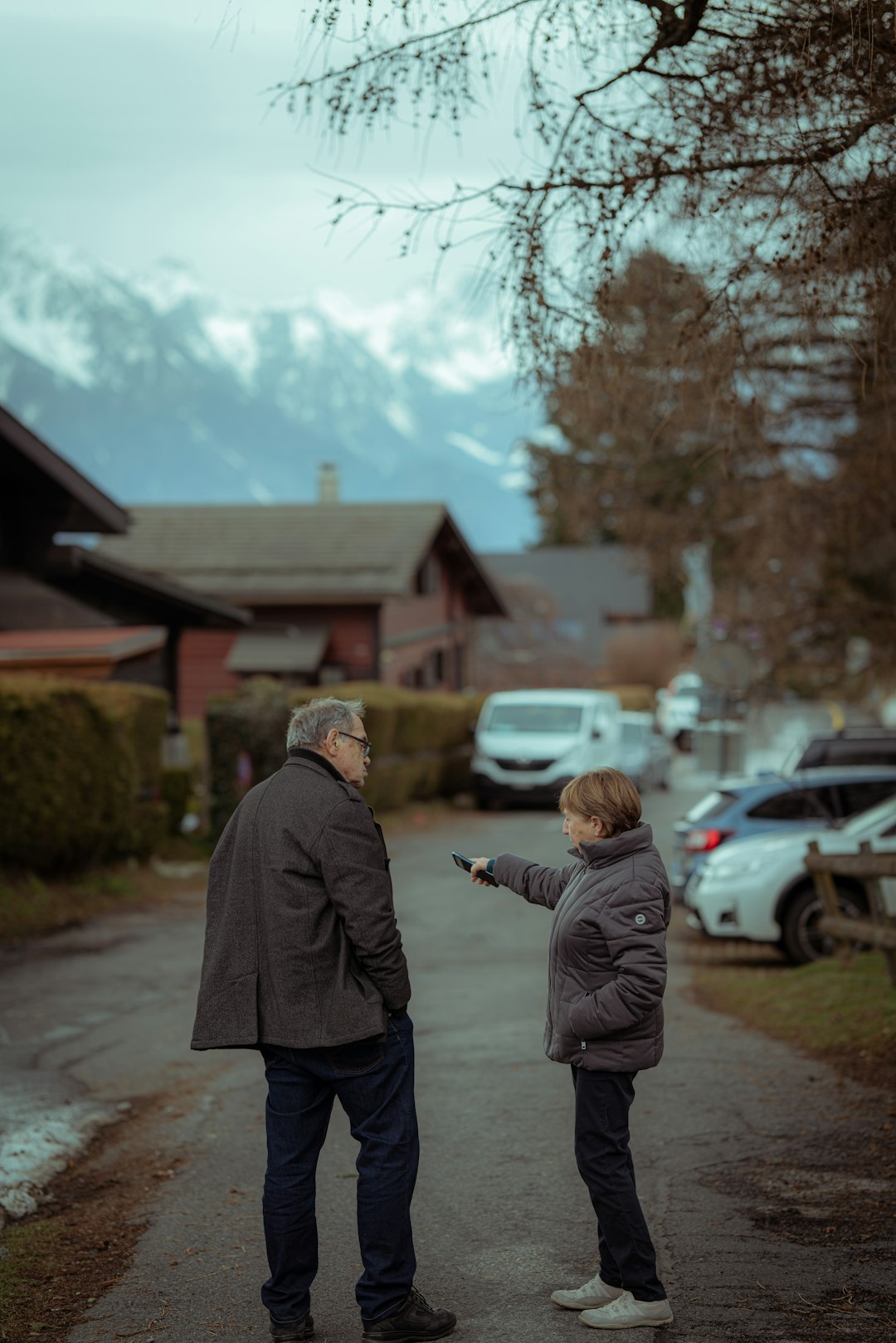
Your elderly neighbor who knows everyone’s business and your 25-year-old neighbor who nods politely but keeps walking represent a genuine generational divide. 60% of people over 60 interact with their neighbors at least a few times a week. Nearly 40% of people aged 18-29 rarely or never interact with their neighbors.
This isn’t necessarily good or bad—it’s just different social norms. Younger adults grew up with digital connections and might feel less need for geographical community. Older adults often remember when neighbors were your primary social network.
The sweet spot might be somewhere in the middle. You don’t need to become best friends, but a basic level of recognition and courtesy benefits everyone in the neighborhood.
The Trust Factor

Here’s a striking statistic: only 17% of Americans trust their neighbor with a house key, although most trust their neighbors at least enough to ask them for a small favor. We’re caught in this weird middle ground of cautious friendliness.
This reflects our broader social climate. We want to be neighborly, but we’re also protective of our privacy and security. It’s okay to be friendly without being vulnerable. You can wave at your neighbor without giving them access to your home.
The key is finding your comfort level. Some people thrive on close neighbor relationships, while others prefer polite distance. Both approaches are valid as long as you’re respectful.
The “Are You Okay?” Response

Sometimes neighbor interactions go beyond awkward into uncomfortable territory. Maybe they’re consistently rude, or they corner you for 20-minute conversations when you’re clearly in a hurry. What then?
Etiquette experts suggest a simple three-word response for rude behavior: “Are you okay?” This acknowledges the inappropriate behavior without being confrontational. It often catches people off guard and can reset the conversation.
For the overly chatty neighbor, you can politely set boundaries: You don’t need to feel any pressure to make conversation with me, and I’d like to feel relieved of that subtle social pressure too. It’s direct but not mean.
The Small Talk Survival Guide

Weather, local events, and shared observations are your best friends in neighbor small talk. Americans are divided when it comes to how much they enjoy small talk with people they don’t know well: 29% say they like it a lot or somewhat, while 33% say they dislike it.
The trick is keeping it light and easy to exit. “Looks like rain” is perfect because it requires no personal information and can end naturally. Avoid controversial topics, personal problems, or anything that might require a long explanation.
Remember, neighbor small talk isn’t about becoming best friends—it’s about maintaining a pleasant social environment. Think of it as neighborhood maintenance, just like mowing your lawn.
When Things Get Weird

Every neighborhood has that one person who makes interactions uncomfortable. Maybe they stand too close, share too much personal information, or seem to lurk around waiting for conversations. Half of Americans say they occasionally experience flashes of embarrassment remembering something awkward they said or did.
The reality is that some people struggle with social cues. Research shows that people who are socially awkward have difficulty reading social cues. This doesn’t mean you have to tolerate inappropriate behavior, but understanding the root cause can help you respond with more patience.
Set clear boundaries politely but firmly. You’re not responsible for managing other people’s social skills, but you can control how you respond to them.
The Post-Pandemic Shift

COVID reshaped how we interact with neighbors—changes that still resonate today. “The word ‘neighbor’ has taken on a new meaning. We now greet each other with more than a polite hello; we’ve crossed a line with each other,” shared one New York City resident. While the lockdowns are long behind us and daily life has returned to normal, the relationships built during that time remain. The experience revealed that geographical proximity matters more than we once realized. Those neighbors weren’t just familiar faces—they became the people we could rely on during a crisis.
The Daily Benefits
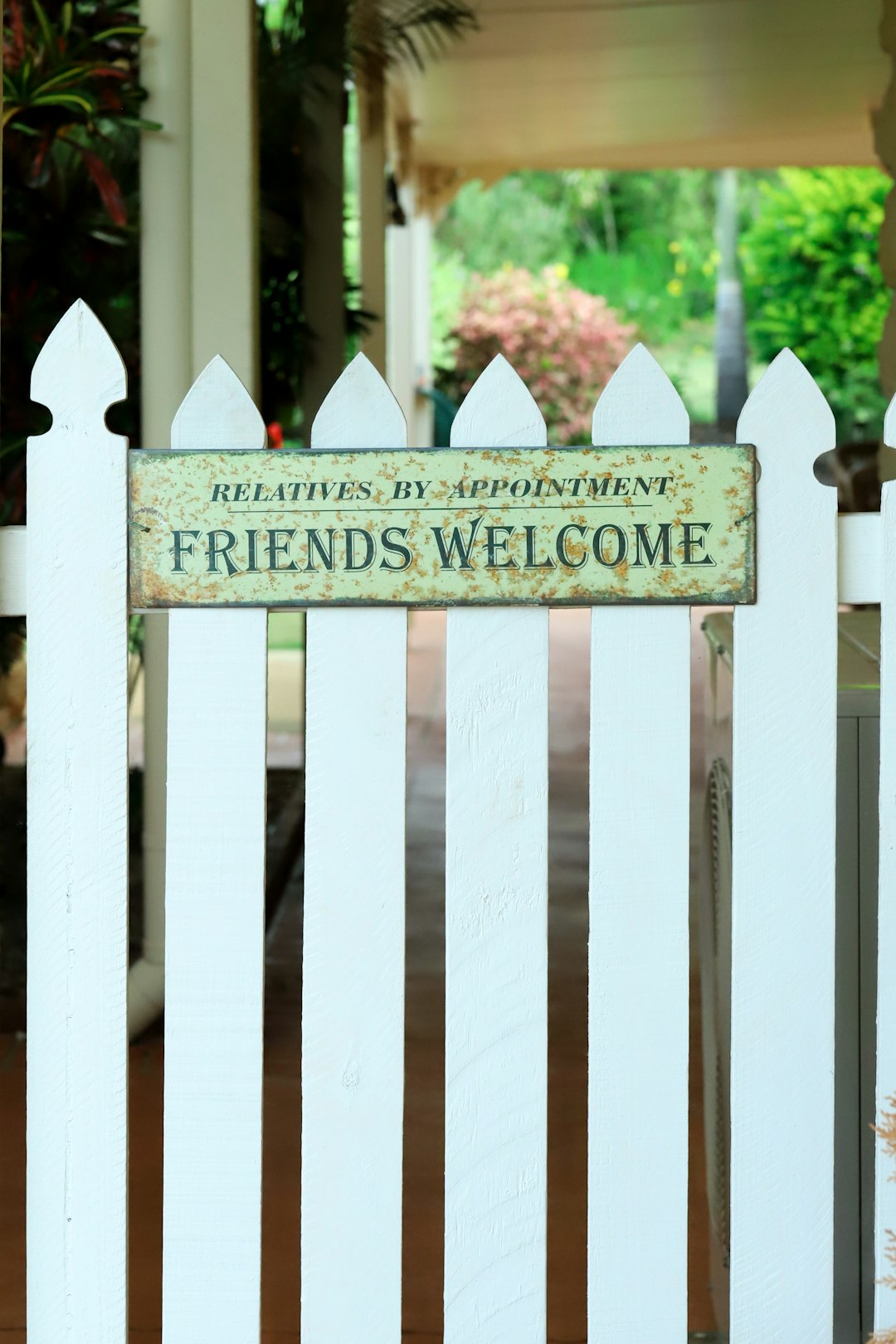
Here’s what researchers found about daily neighbor interactions: Social contact with neighbors was positively related to daily feelings of not being alone and daily attachment to one’s neighborhood. These aren’t just long-term benefits—they happen every single day.
Even brief encounters can improve your mood. Exchanging favors with neighbors and greetings among neighbors were associated with higher levels of well-being. Your mental health might actually improve from that simple morning wave.
The cumulative effect is surprising. Regular positive interactions create a sense of belonging and community that extends far beyond individual conversations.
Finding Your Neighbor Style
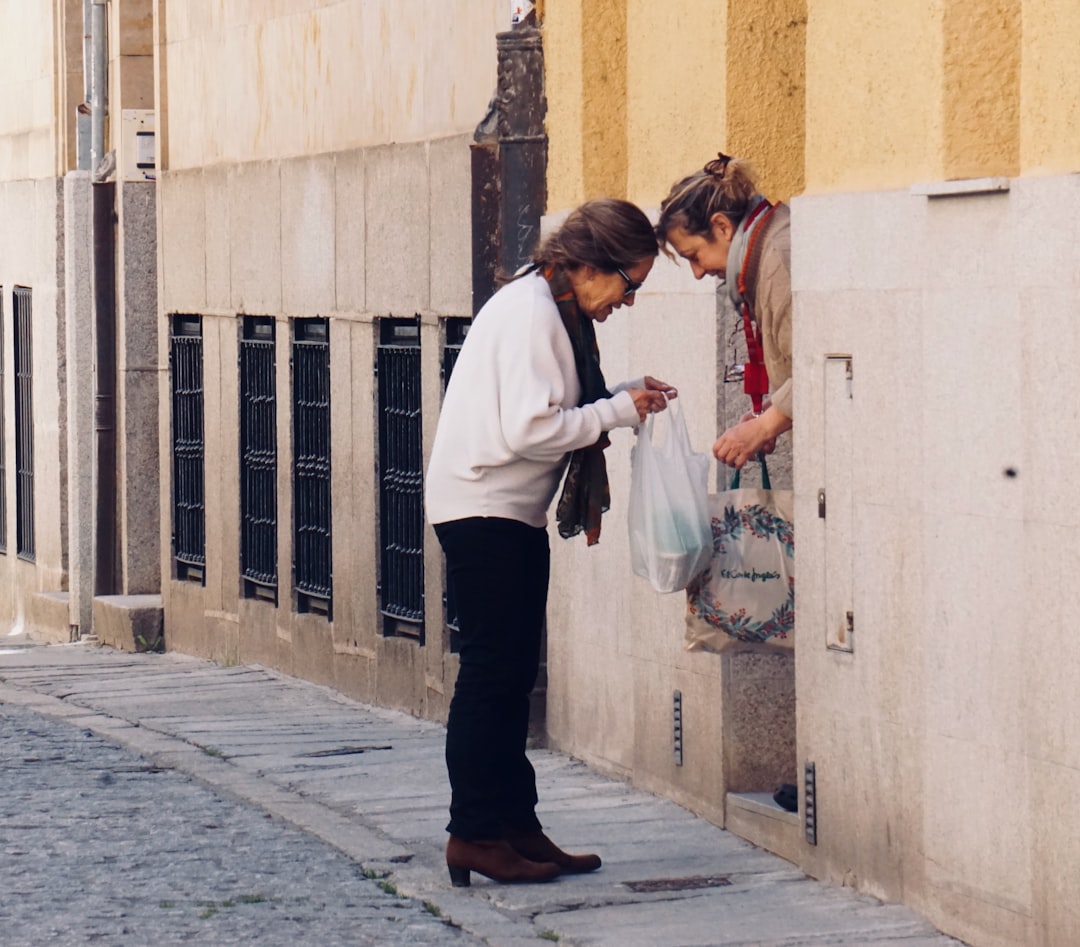
The truth is, there’s no single “right” way to be a neighbor. It shouldn’t be rude to not want to talk to or get to know a neighbor. I’m extremely introverted and get drained, and I just wanna get home and talk to NO ONE. I also am extremely private and enjoy my home life that way.
This perspective is completely valid. Good neighbor etiquette isn’t about forced friendliness—it’s about mutual respect. You can be a good neighbor while maintaining your privacy and boundaries.
The key is consistency and courtesy. Whether you’re the friendly neighbor who knows everyone or the polite neighbor who prefers privacy, what matters is that you’re predictable and respectful in your interactions.
The Simple Solution

After all this analysis, the answer to “Should you say hi?” is surprisingly simple: Yes, but only if you can do it genuinely. At the end of the day, remember the golden rule: Think about how you’d like others to treat you, and give them the same courtesy. This will always result in all-around more understanding, neighborly relationships.
A genuine smile and wave beats a forced conversation every time. Your neighbors can sense authenticity, and most people appreciate straightforward, honest interactions over elaborate social performances.
The neighborhood works best when everyone feels comfortable being themselves. That might mean different things for different people, but the foundation should always be basic human courtesy.
The unwritten rules of neighbor etiquette aren’t really rules at all—they’re guidelines for creating a community where everyone feels respected and comfortable. Whether you’re the person who knows everyone’s dog’s name or the one who prefers a simple nod, what matters is that you’re contributing to an environment where people feel safe and welcome. The awkward moments will happen regardless, but they’re often the stories we laugh about later. Does daily contact with neighbors positively influence the well-being of older adults? Research says yes—and it probably helps the rest of us too.

Matthias is a skilled author and digital storyteller with a focus on travel journalism, environmental issues, and modern home design. With a background in communications and a passion for global cultures, Matthias crafts engaging narratives that blend real-world exploration with thoughtful analysis and visual flair.
His writing reflects a deep interest in how climate change shapes our lives and lifestyles—from sustainable travel practices to eco-friendly living environments. Known for his clear, approachable voice and sharp editorial instincts, Matthias delivers content that resonates with readers seeking both inspiration and substance.
Whether reporting from remote destinations, breaking down sustainable design trends, or spotlighting innovative green initiatives, Matthias brings a global perspective and an eye for detail to every piece. He regularly contributes to web platforms and editorial projects that aim to foster awareness, creativity, and conscious living.