

Henrieke Otte is an accomplished writer and content editor, specializing in topics that inspire thoughtful living—ranging from global travel and sustainable lifestyles to interior design and architecture. With a keen editorial sense and a background in cultural studies, Henrieke brings depth, elegance, and clarity to every piece she crafts.
Her work is known for its engaging voice, visual sensitivity, and ability to turn complex ideas into accessible, reader-friendly narratives. Whether exploring eco-conscious destinations, dissecting climate-conscious home trends, or curating serene living spaces, Henrieke writes with a balance of creativity and insight that resonates with design-savvy, environmentally aware audiences.
Driven by a love of meaningful storytelling and a refined aesthetic, Henrieke contributes regularly to digital platforms and magazines where quality content meets visual sophistication.
That Moment Everything Changed
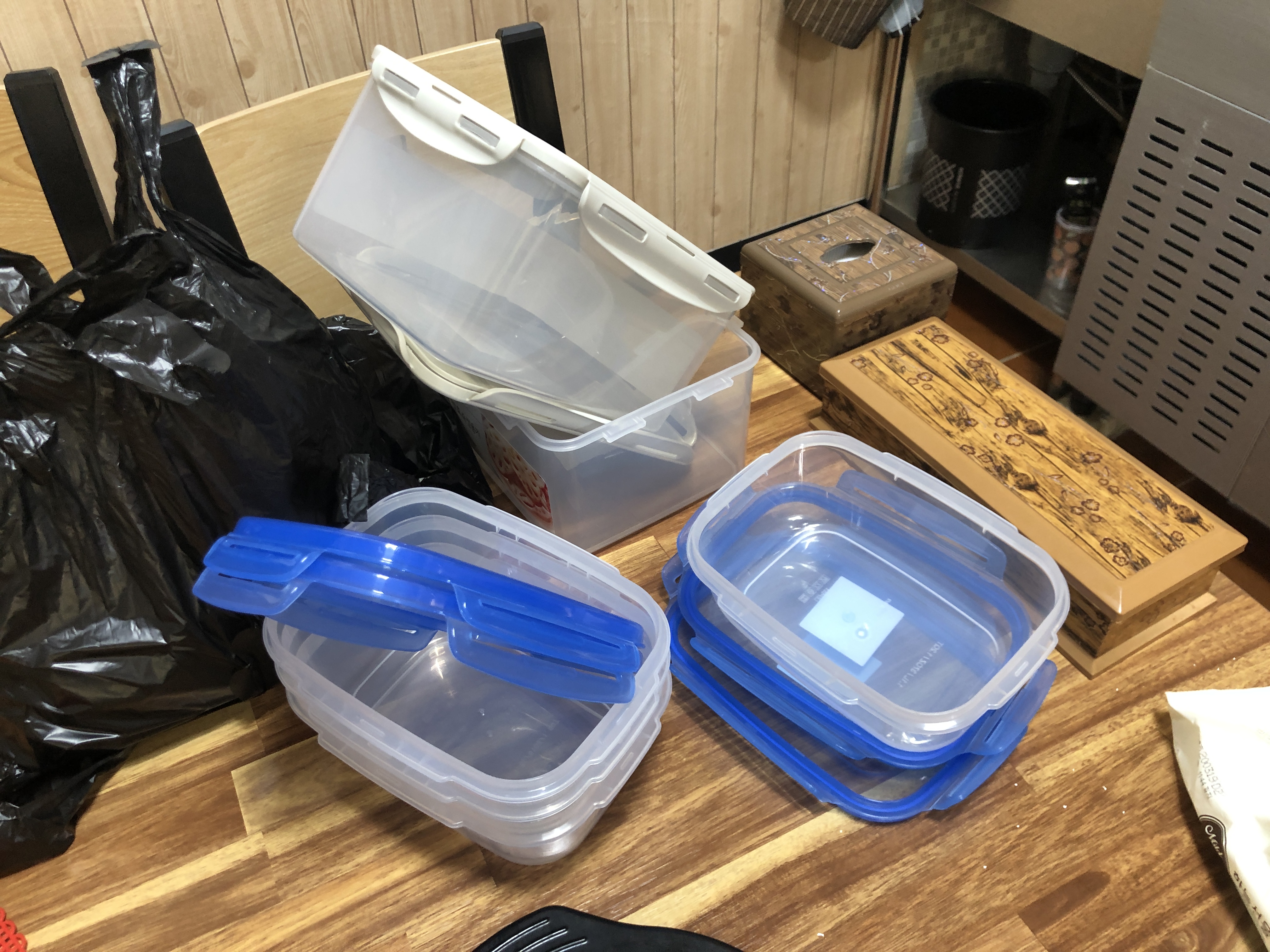
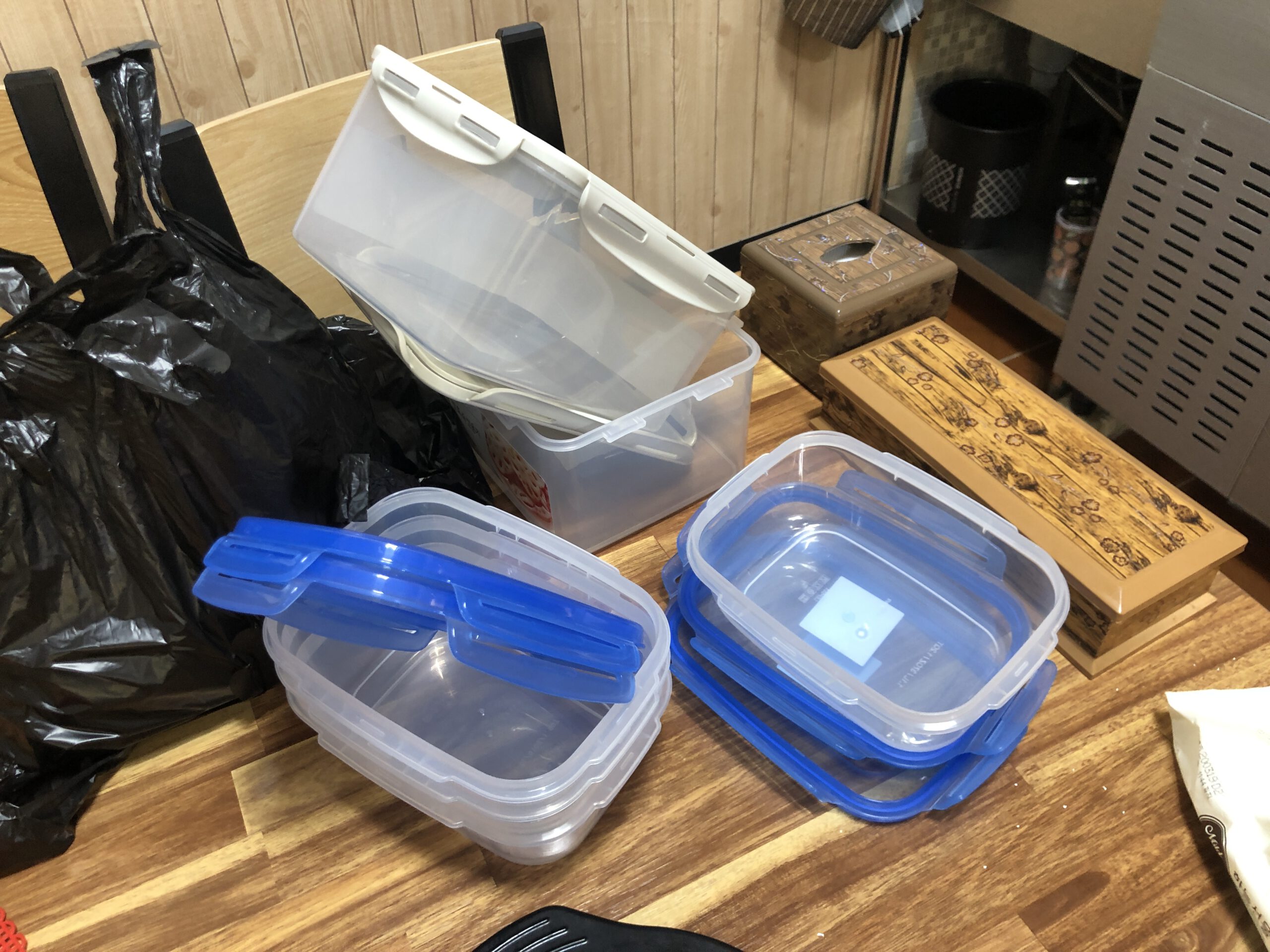
When I first heard about microplastics being found in human blood, I honestly thought it was another health scare blown out of proportion. Then I read that some containers could release as many as 4.22 million microplastic and 2.11 billion nanoplastic particles from only one square centimeter of plastic area within 3 min of microwave heating. That number hit me like a truck. Here I was, heating my lunch in plastic containers daily, storing my kids’ leftovers in colorful plastic bins, and basically surrounding my family with what researchers call “tiny particle factories.” The kicker came when my pediatrician mentioned that plastic baby food containers and pouches may release particles into food via refrigeration and room-temperature storage, as well as microwave heating, which has potential risks to infants and toddlers. That was my wake-up call.
The Shocking Truth About What’s Really Happening in Your Kitchen
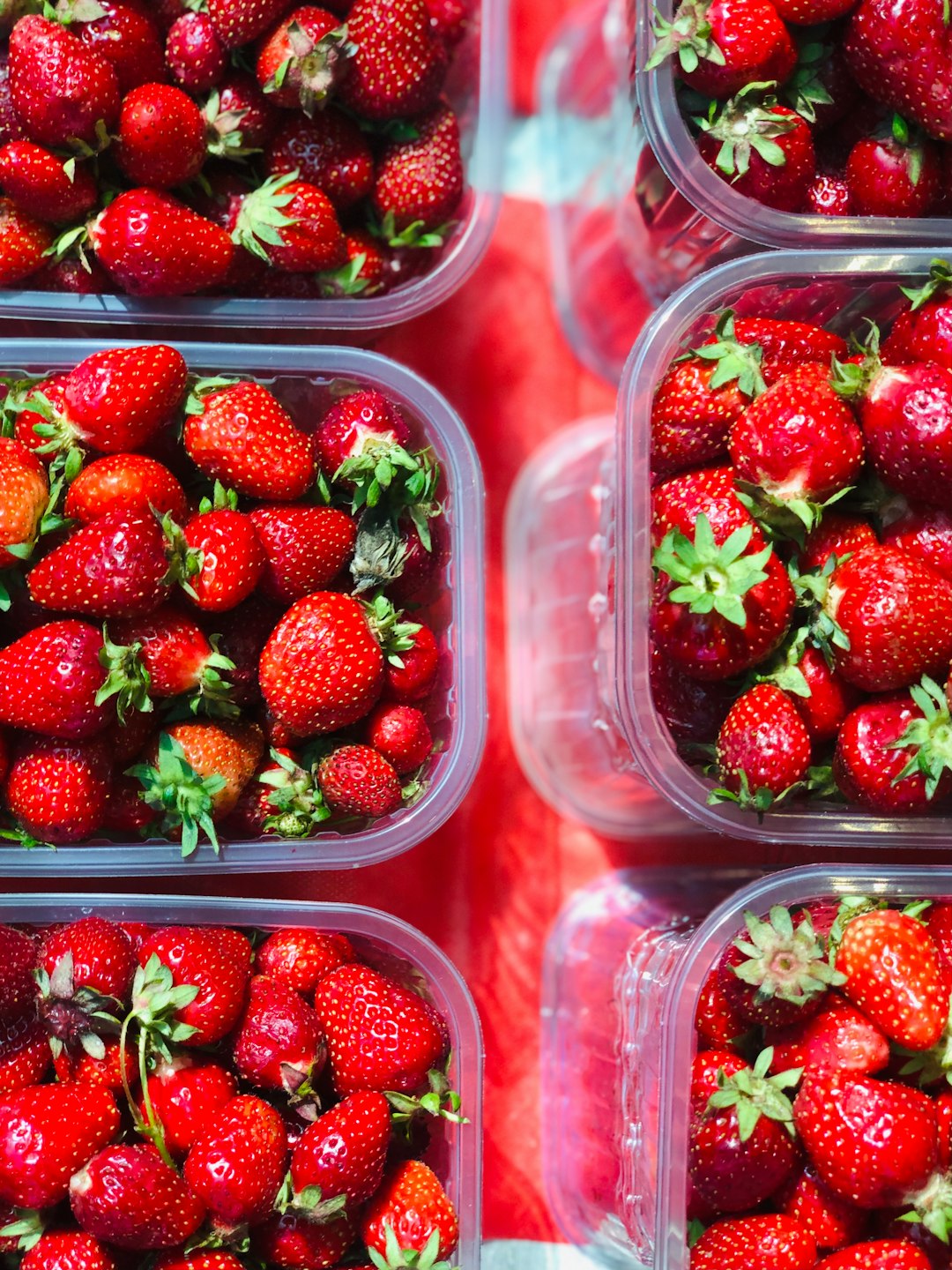
You know those “microwave-safe” labels on plastic containers? They might not mean what you think they do. Microwave heating caused the highest release of microplastics and nanoplastics into food compared to other usage scenarios, such as refrigeration or room-temperature storage. But here’s the part that really got to me: one study found microplastics in all reusable plastic takeout containers from restaurants. Every single one. Even worse, refrigeration and room-temperature storage for over six months can also release millions to billions of microplastics and nanoplastics. So basically, whether you heat your food or just store it, those plastic containers are quietly shedding particles into what you eat. Think about how many plastic containers you’ve used over the years – it’s like we’ve been unknowingly conducting a chemistry experiment on ourselves.
The Health Bomb Nobody Talks About
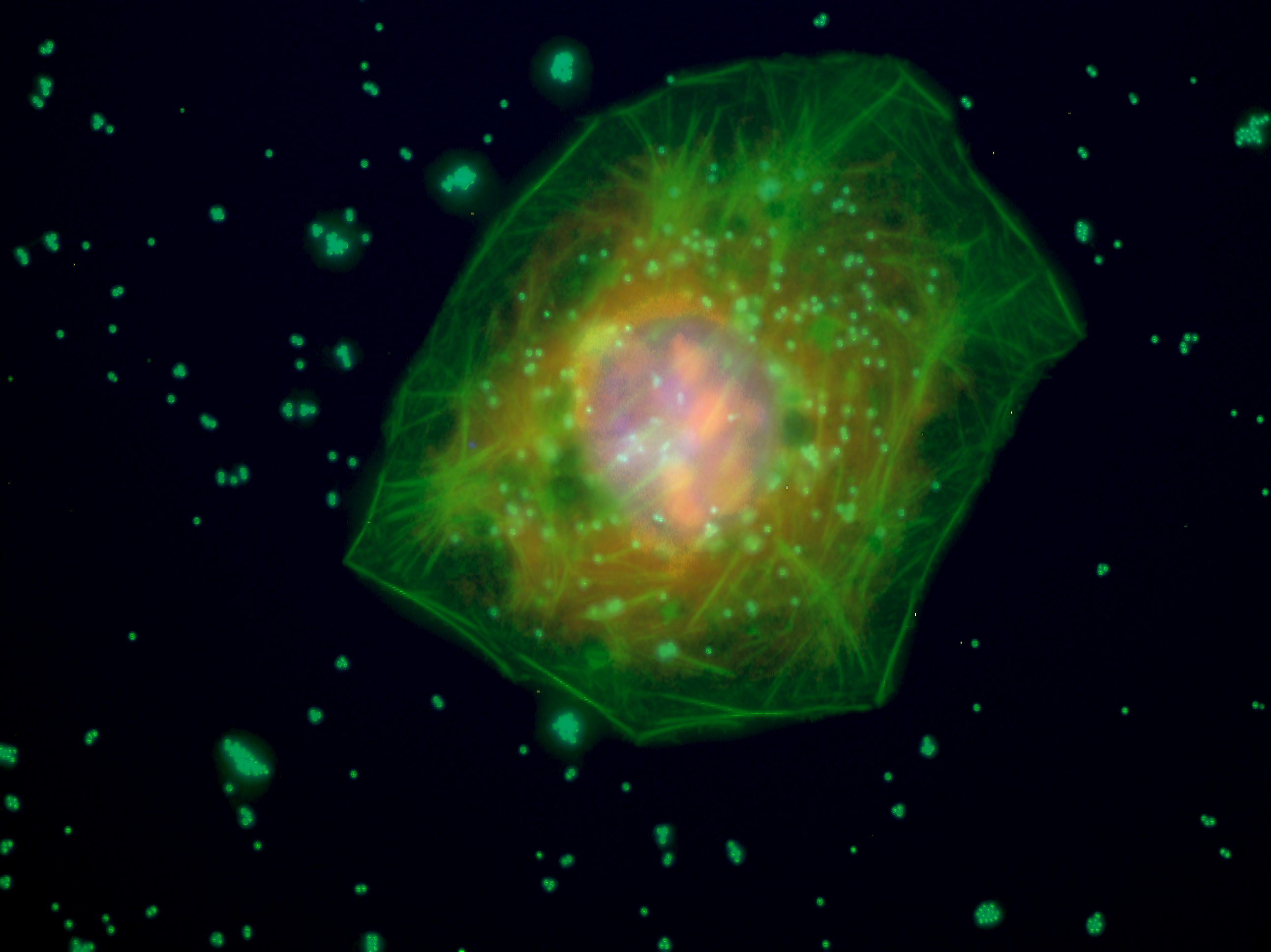
We know that certain chemicals in plastics can have adverse effects on health. Many, including bisphenols (such as BPA) and phthalates, act as endocrine disruptors, which can affect how hormones behave throughout your body. But it gets worse than just hormone disruption. Recent research shows that microplastics in human organ, like the heart, placenta, testes, as well as various body fluids. The researchers emphasized the urgent need to understand the interaction of microplastics with cellular processes, especially their ability to adsorb and release toxic chemicals. I realized we’re essentially turning our bodies into microplastic storage units. The scary part? Microplastic particles from food containers have been found to be associated with altered gut and oral microbiota, as well as other health issues. People who consume takeout food over a long period of time face a greater risk of these health hazards. Your gut bacteria – the foundation of your immune system – is literally being altered by plastic particles.
Why “BPA-Free” Is Just Marketing Smoke and Mirrors
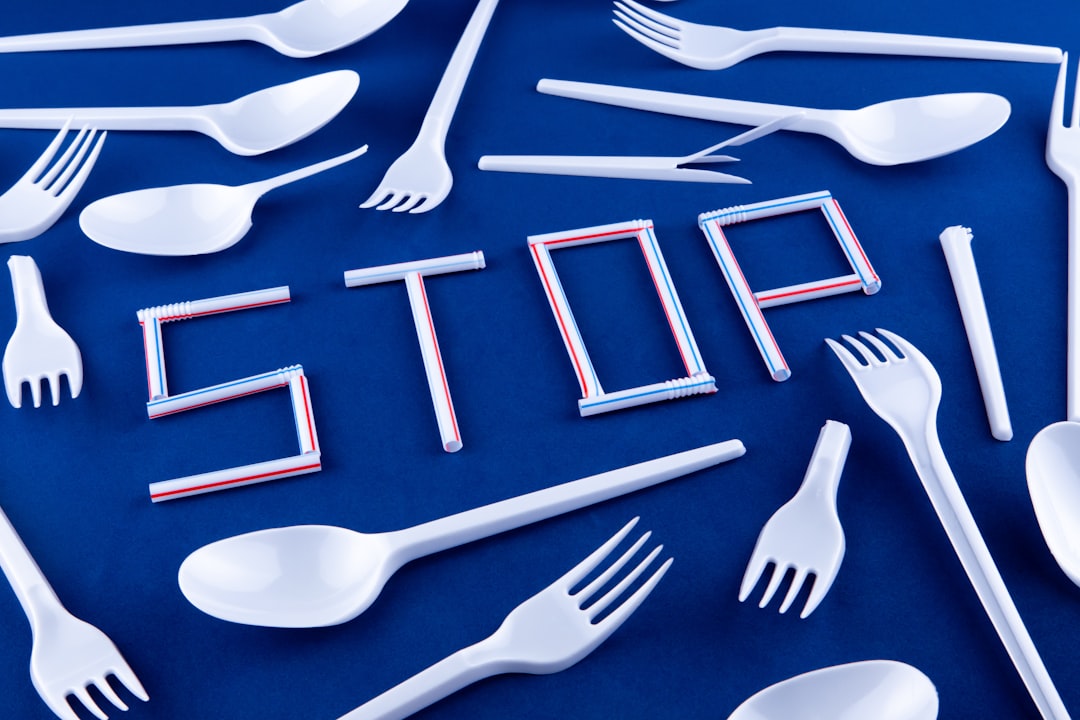
Remember when everyone got excited about “BPA-free” products? I fell for it too. Turns out, companies often replaced it with similar compounds like BPS or BPF. However, emerging research suggests that these alternatives may be equally harmful, if not worse, than BPA itself. A growing body of evidence indicates that BPS, in particular, may have similar endocrine-disrupting effects as BPA, potentially leading to hormonal imbalances, reproductive issues, and developmental problems. It’s like they swapped one poison for another and slapped a “safer” label on it. Even more concerning, one of the most concerning aspects of storing your food in plastic containers is the presence of “indirect additives.” Indirect additives are chemicals used in the manufacturing process of plastic containers that can transfer into your food without you ever knowing. Companies aren’t even required to tell you what chemicals they’re using, so you’re playing Russian roulette with your family’s health every time you use a plastic container.
The Glass Revolution That Saved My Sanity
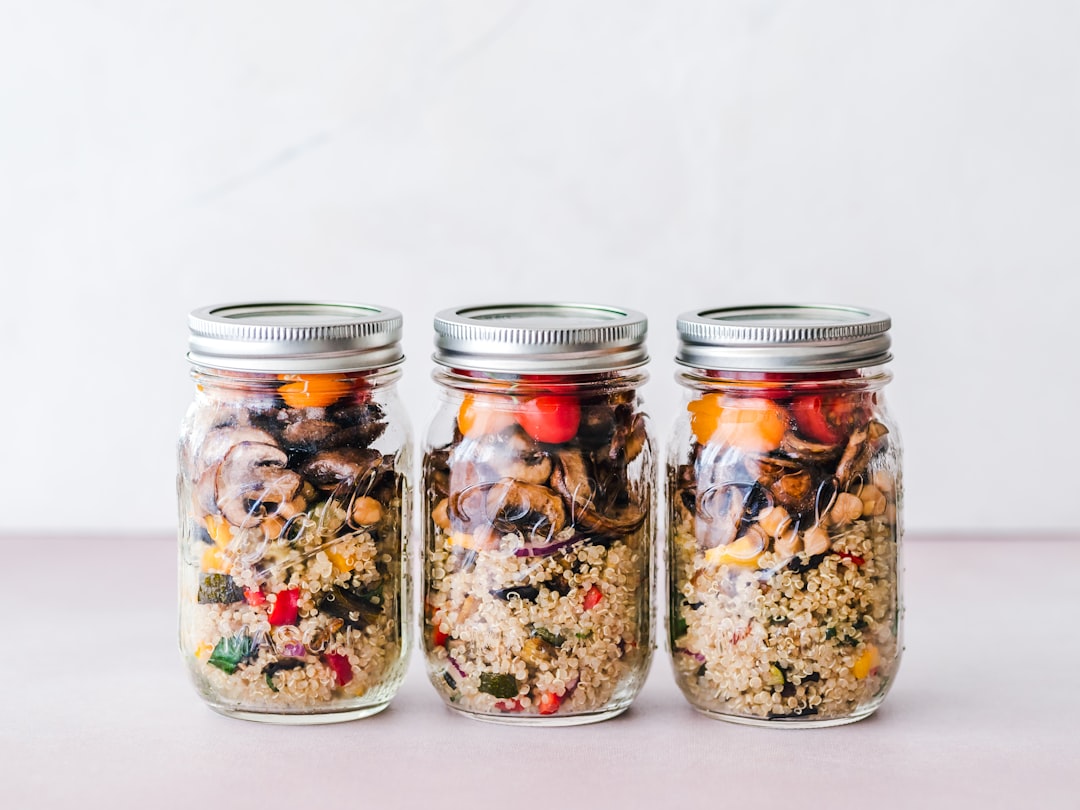
Switching to glass was like discovering fire all over again. When you choose glass as your non-toxic food storage system, you have an item that is not only BPA-free and free of phthlates, but it is also microwave-safe, freezer-safe, dishwasher-safe, and oven-safe. But here’s what really sold me: glass can outlast plastic alternatives in the kitchen, offering a safe and recyclable solution for leftovers. Because of its non-porous surface, glass doesn’t absorb odors the way plastic does, making it ideal for storing a variety of foods without compromising flavors. I can finally store curry without my containers smelling like turmeric for months! Plus, borosilicate glass can be recycled an infinite amount of times. Plus, it’s non-toxic and won’t leach any funky chemicals into your food. My Pyrex containers from 2005 still look brand new, while I was replacing plastic containers every few months because they’d crack, stain, or develop that weird filmy texture.
Stainless Steel: The Unbreakable Champion
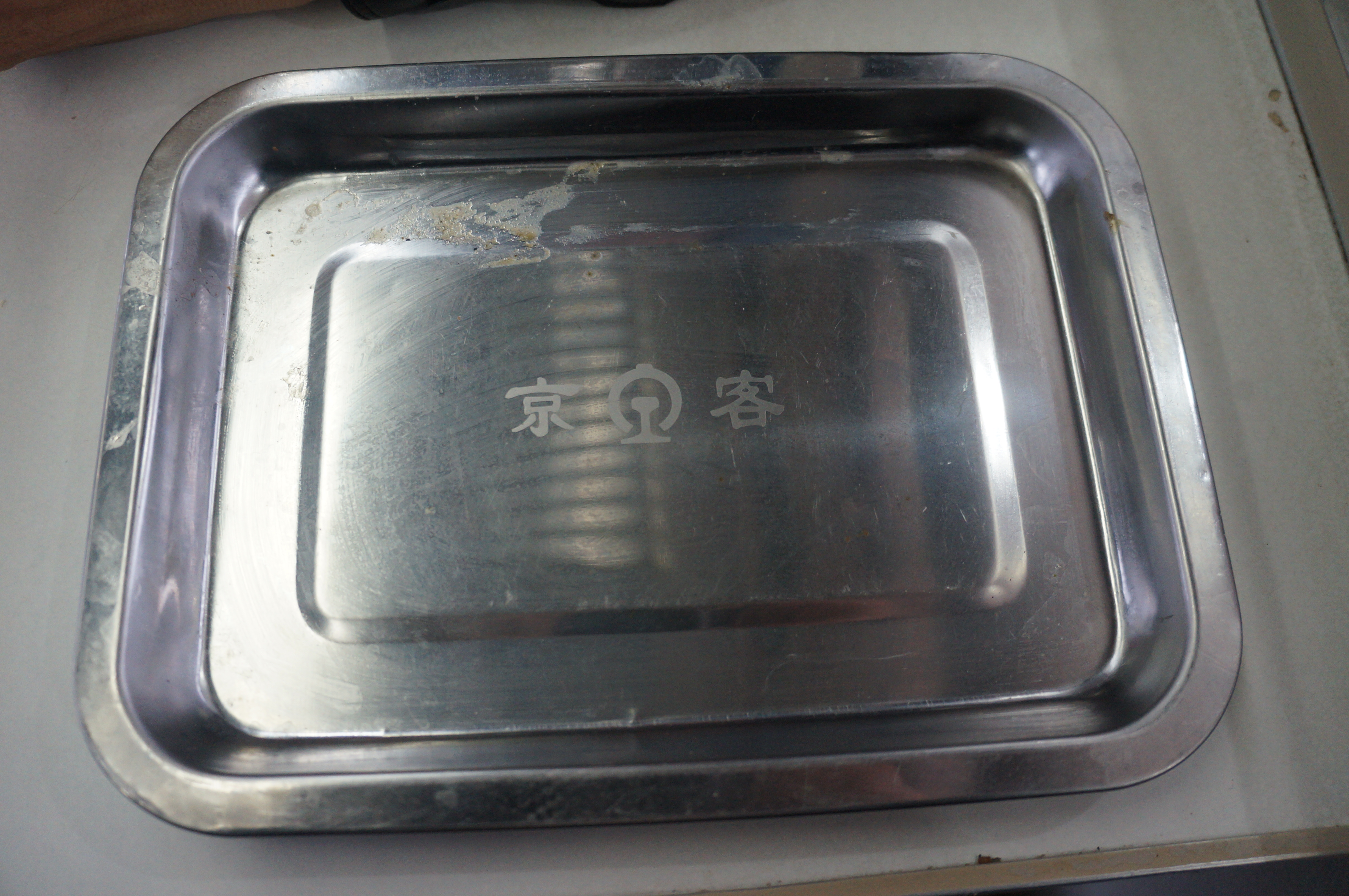
For anyone with kids who treat containers like frisbees, stainless steel is a game-changer. When it comes to durability, stainless steel reigns supreme. These containers are exceptionally sturdy, impact-resistant, and are unlikely to dent or break even when subjected to rough handling. This durability ensures that the containers can withstand the test of time, making them a long-lasting investment. What amazed me most was how stainless steel is a safe material for food storage. It does not leach any harmful chemicals into your food, ensuring that your meals remain uncontaminated. Stainless steel is also non-porous, leaving no room for bacteria or germs to accumulate. Unlike plastic, which becomes a bacterial playground after a few months, stainless steel actually gets cleaner with use. The best part? Stainless steel tiffin box is an excellent heat conductor, and it is PUF insulated which means it’ll keep your food fresh and warm up to 2 hours. No more hot spots or cold centres!
The Ceramic Secret Nobody Expected
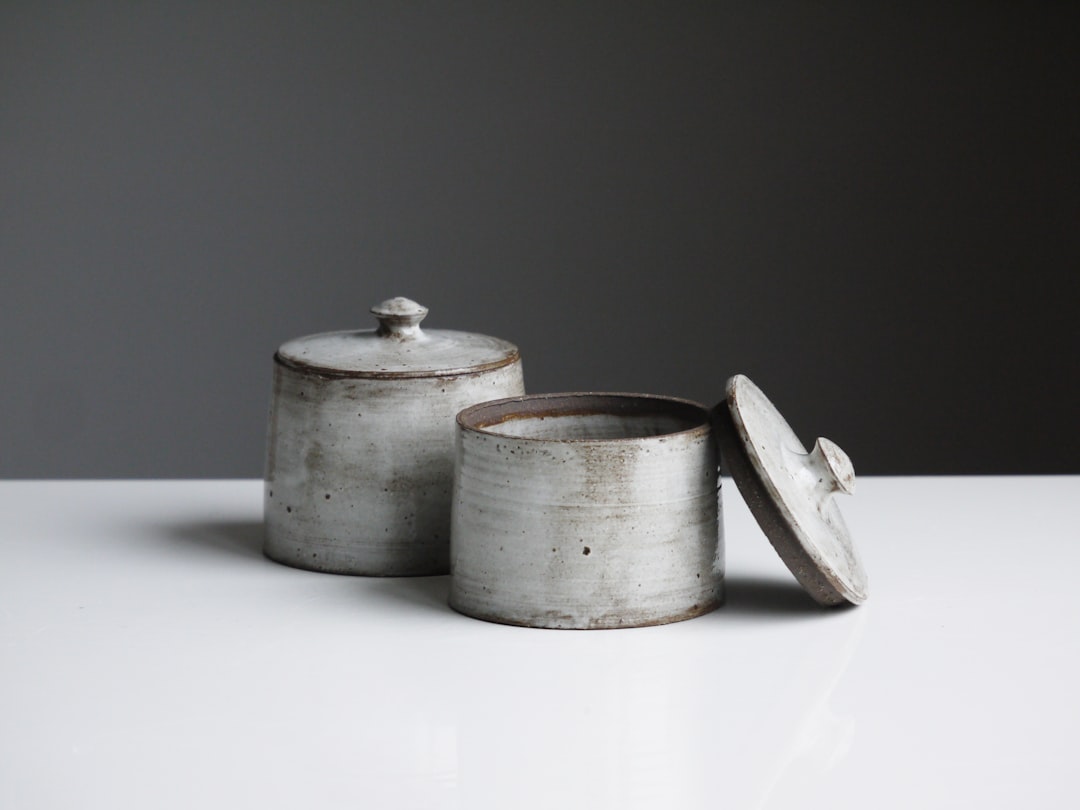
Ceramic containers turned out to be the dark horse of food storage. Ceramic stands out for its heat resistance and surpasses plastic in durability. These containers can withstand high temperatures while resisting scratches and chipping. Beyond their durability, ceramic food containers boast a wide variety of designs and colors, enhancing the aesthetic appeal of any kitchen. Their versatility shines through, since they are safe for use in the oven, microwave and freezer, making them good for reheating and storing leftovers. However, I learned something important: you need to be careful about quality. The US Food and Drug Administration has issued guidelines to limit lead in food, foodwares, and dietary supplements. The FDA has put these limits in place to assure the products are lead-safe. Notice, this is different than saying these products are “lead-free” as there is always the remote possibility that a trace amount of lead and/or cadmium could be present in any ceramic produce. The key is buying from reputable manufacturers and looking for “lead-free” certifications.

Henrieke Otte is an accomplished writer and content editor, specializing in topics that inspire thoughtful living—ranging from global travel and sustainable lifestyles to interior design and architecture. With a keen editorial sense and a background in cultural studies, Henrieke brings depth, elegance, and clarity to every piece she crafts.
Her work is known for its engaging voice, visual sensitivity, and ability to turn complex ideas into accessible, reader-friendly narratives. Whether exploring eco-conscious destinations, dissecting climate-conscious home trends, or curating serene living spaces, Henrieke writes with a balance of creativity and insight that resonates with design-savvy, environmentally aware audiences.
Driven by a love of meaningful storytelling and a refined aesthetic, Henrieke contributes regularly to digital platforms and magazines where quality content meets visual sophistication.