

Lena is a thoughtful and imaginative writer with a passion for storytelling across the themes of travel, environmental sustainability, and contemporary home aesthetics. With a background in cultural media and a strong visual sensibility, Anna Lena creates content that bridges inspiration with practical insight.
Her work explores the interplay between place, lifestyle, and design—guiding readers through meaningful travel experiences, eco-conscious choices, and modern approaches to living well. Known for her elegant writing style and attention to detail, she brings a fresh, human-centered perspective to every topic she covers.
Anna Lena contributes to digital publications and editorial projects where aesthetics meet purpose. Her writing not only informs but also encourages readers to live more intentionally, sustainably, and beautifully—wherever they are in the world.
Notice the Moving Day, But Don’t Hover
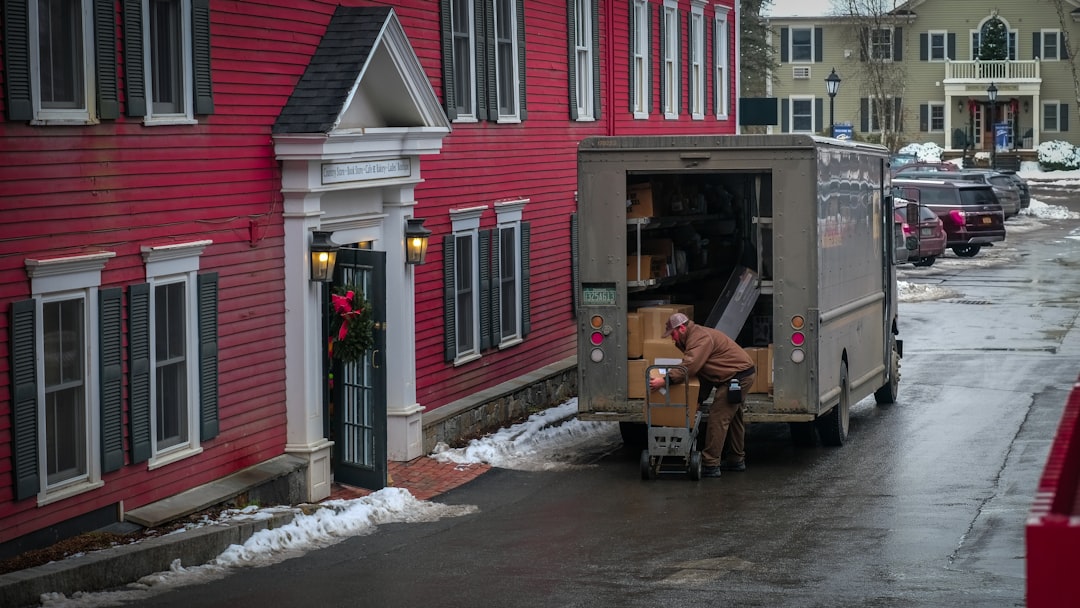
It’s tempting to rush over as soon as you spot the moving truck, but experts recommend giving new neighbors some breathing room. According to a 2024 survey by Porch.com, 68% of people prefer to be greeted after they have unpacked at least some essentials. Instead of hovering, simply offer a friendly wave and a smile as you pass by, making it clear you’re approachable but not intrusive.
Choose the Right Time to Say Hello
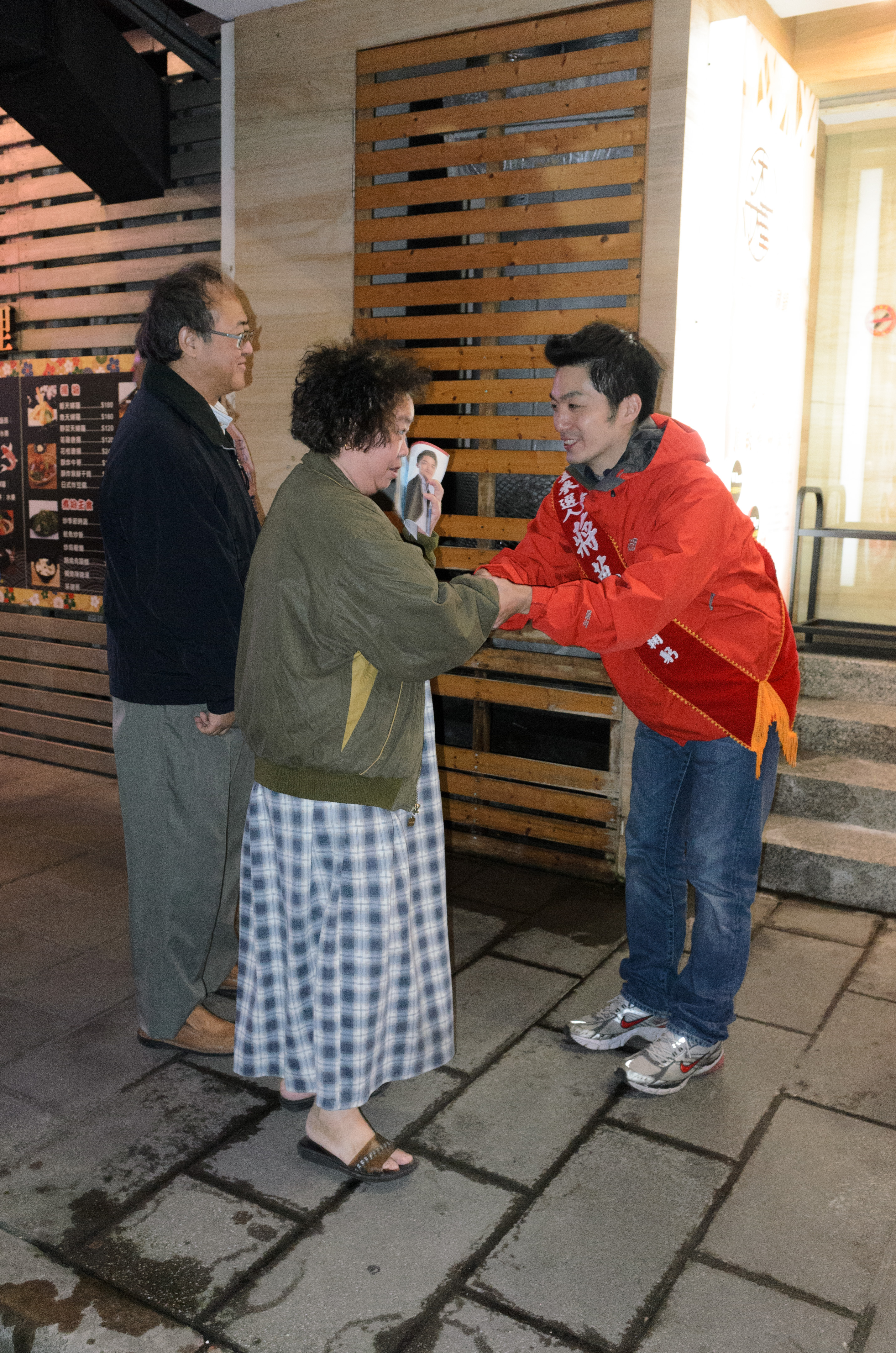
First impressions matter, but timing is everything. A 2023 study from the American Psychological Association found that people feel more comfortable with introductions in the late afternoon or early evening, once the rush of moving has settled. Dropping by too early in the morning or late at night can feel disruptive, so aim for a time when the new neighbor is likely to be receptive.
Keep the First Visit Short and Sweet
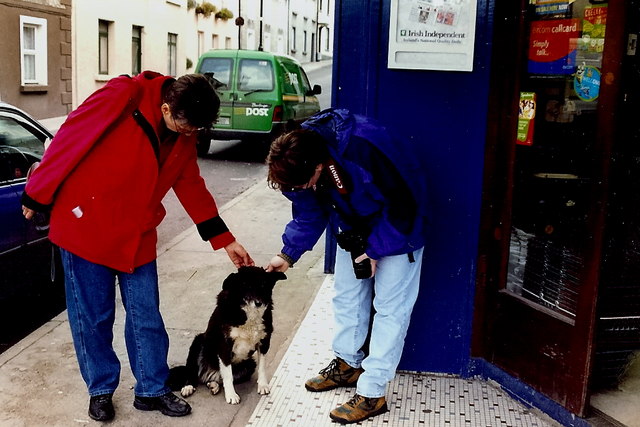
Less is often more when it comes to first meetings. Data from YouGov in 2025 shows that 72% of Americans appreciate brief, casual greetings over lengthy conversations with strangers. A quick hello, a smile, and a simple introduction of yourself and your household can break the ice without creating pressure for a long interaction.
Bring a Thoughtful, Neutral Gift

Offering a small gift can be a kind gesture, but it’s best to keep it neutral and practical. Food gifts are traditional, but allergies and dietary restrictions are common—more than 50 million Americans have food allergies, according to the CDC’s 2024 report. Consider something like a potted plant, a local guide, or even a roll of trash bags, which studies show are appreciated for their usefulness.
Share Useful Neighborhood Information

Newcomers often feel lost, and sharing basic info can be invaluable. According to a 2023 Zillow survey, 69% of recent movers felt anxious about not knowing local trash collection days or where the nearest grocery store was. Jot down a quick list of essentials—like recycling days or the best takeout spots—and offer it with your greeting.
Respect Privacy and Personal Space

Not everyone is eager to make friends right away. Pew Research in 2025 found that 43% of people described themselves as introverted, preferring to settle in before socializing. Pay attention to body language and tone—if your new neighbor seems reserved, let them know you’re around if they have questions, but don’t push for more interaction than they’re comfortable with.
Introduce Others in the Community

Building a network can help new neighbors feel at home faster. Introducing them to other neighbors during a casual group walk or a wave across the yard can ease social pressure. According to a 2024 National Neighborhood Survey, people who know at least one other neighbor are 58% more likely to feel “at home” within their first month.
Offer Help, But Don’t Insist
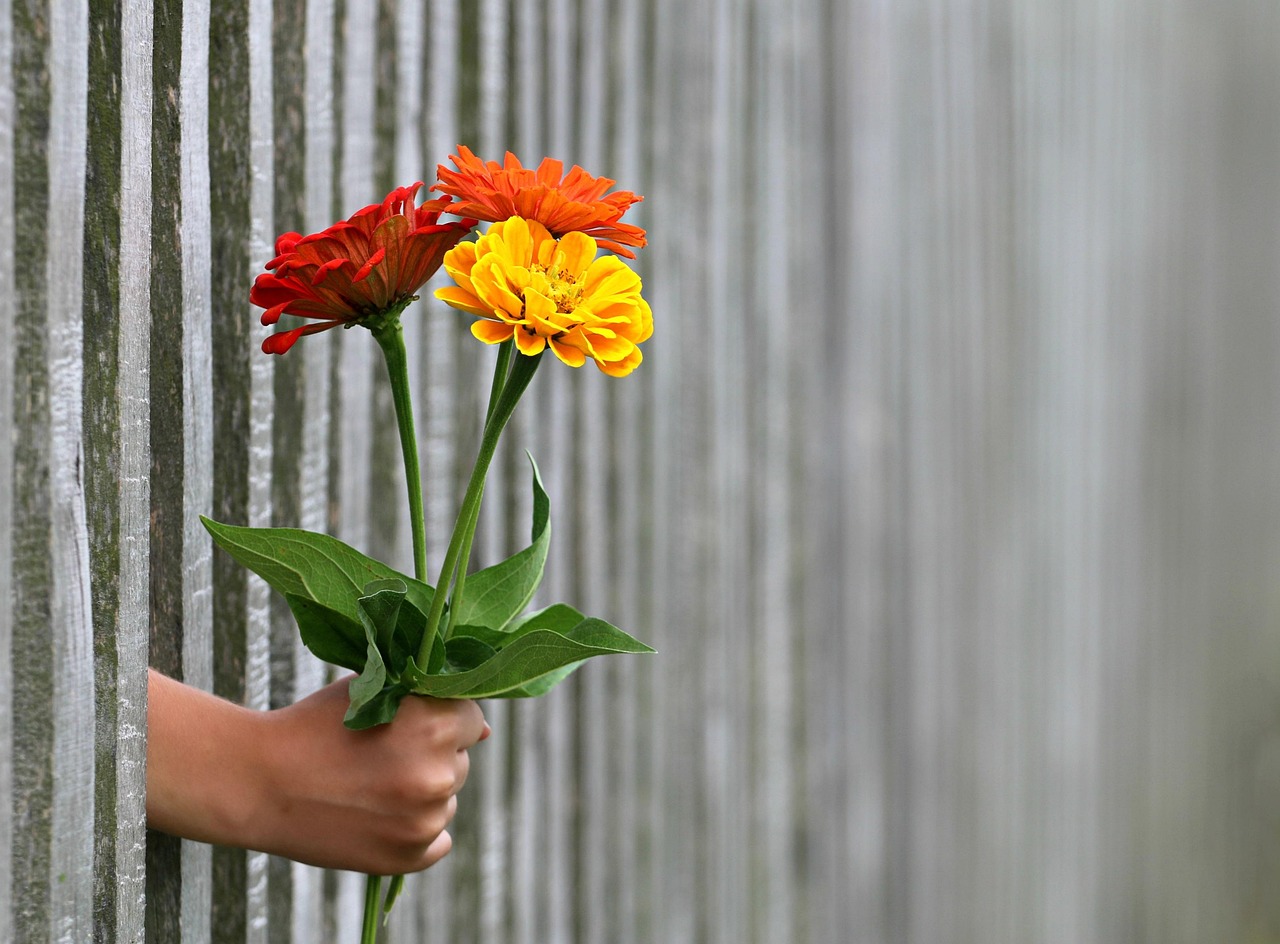
It’s natural to want to help, but offering too much can feel overwhelming. A 2023 Harvard study found that 65% of new movers appreciate offers of help, but only 18% actually take up the offer. Say something like, “If you need anything, just let me know”—and then step back, so they don’t feel pressured to accept.
Don’t Expect Immediate Friendship
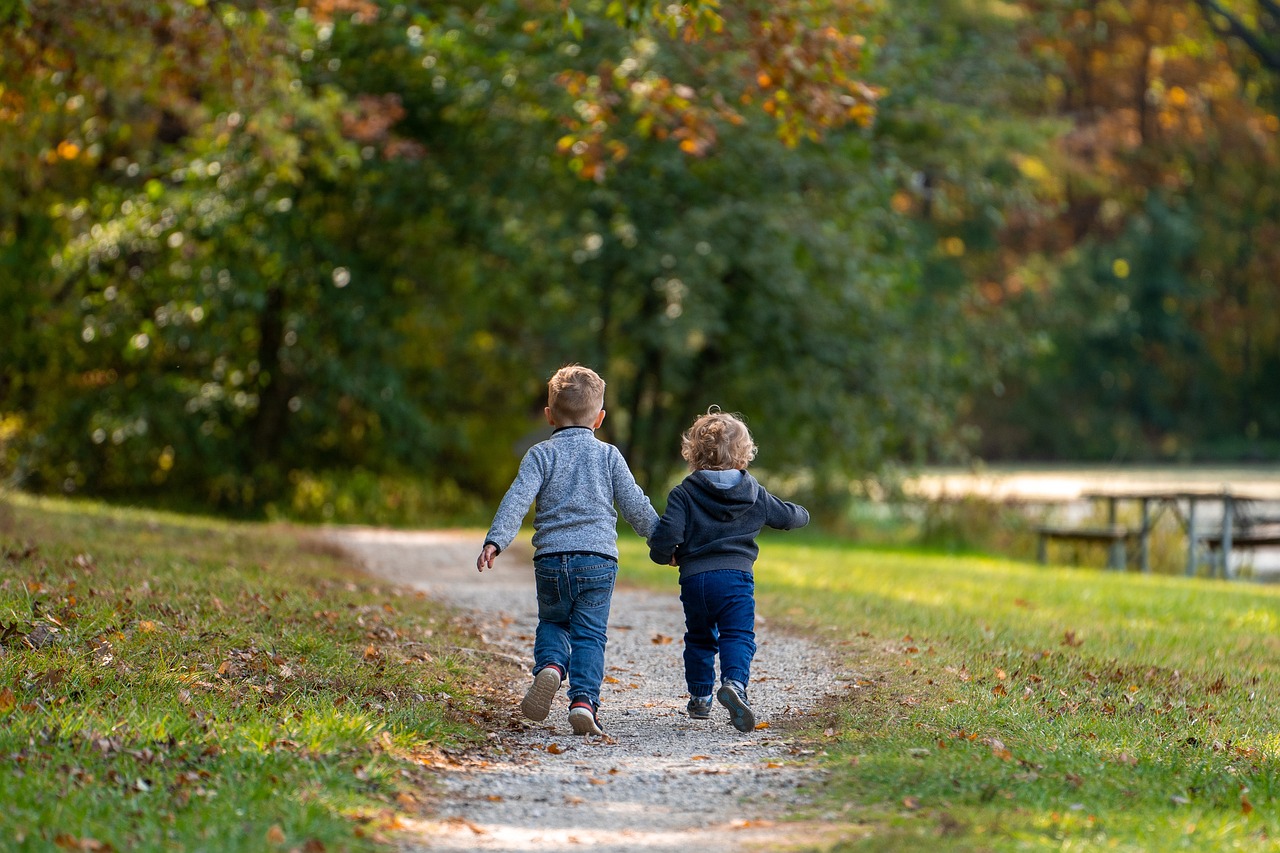
Friendship takes time to grow. The Journal of Social and Personal Relationships published findings in 2024 showing that it takes an average of 50 hours of interaction to move from acquaintance to casual friend. Keep your expectations realistic and let the relationship develop naturally, without forcing repeated contact or invitations.
Follow Up Casually

A simple follow-up wave or a quick hello during a walk can reinforce your initial greeting. According to Gallup’s 2025 social connection index, repeated small interactions are more effective at building trust than a single grand gesture. Stay friendly and open, and over time, you’ll likely become a familiar, welcome face in the neighborhood.

Lena is a thoughtful and imaginative writer with a passion for storytelling across the themes of travel, environmental sustainability, and contemporary home aesthetics. With a background in cultural media and a strong visual sensibility, Anna Lena creates content that bridges inspiration with practical insight.
Her work explores the interplay between place, lifestyle, and design—guiding readers through meaningful travel experiences, eco-conscious choices, and modern approaches to living well. Known for her elegant writing style and attention to detail, she brings a fresh, human-centered perspective to every topic she covers.
Anna Lena contributes to digital publications and editorial projects where aesthetics meet purpose. Her writing not only informs but also encourages readers to live more intentionally, sustainably, and beautifully—wherever they are in the world.