
Matthias is a skilled author and digital storyteller with a focus on travel journalism, environmental issues, and modern home design. With a background in communications and a passion for global cultures, Matthias crafts engaging narratives that blend real-world exploration with thoughtful analysis and visual flair.
His writing reflects a deep interest in how climate change shapes our lives and lifestyles—from sustainable travel practices to eco-friendly living environments. Known for his clear, approachable voice and sharp editorial instincts, Matthias delivers content that resonates with readers seeking both inspiration and substance.
Whether reporting from remote destinations, breaking down sustainable design trends, or spotlighting innovative green initiatives, Matthias brings a global perspective and an eye for detail to every piece. He regularly contributes to web platforms and editorial projects that aim to foster awareness, creativity, and conscious living.
Have you ever rearranged your furniture because someone said your luck depended on it? The world of Feng Shui is full of promises of harmony, health, and happiness—but it’s also crowded with myths that can fill your home with anxiety instead of peace. Let’s lift the curtain on eight of the most popular Feng Shui “rules” that simply don’t stand up to scrutiny. If you’re tired of feeling like you have to follow a checklist to create good vibes, this is for you.
Your Bed Must Face the Door
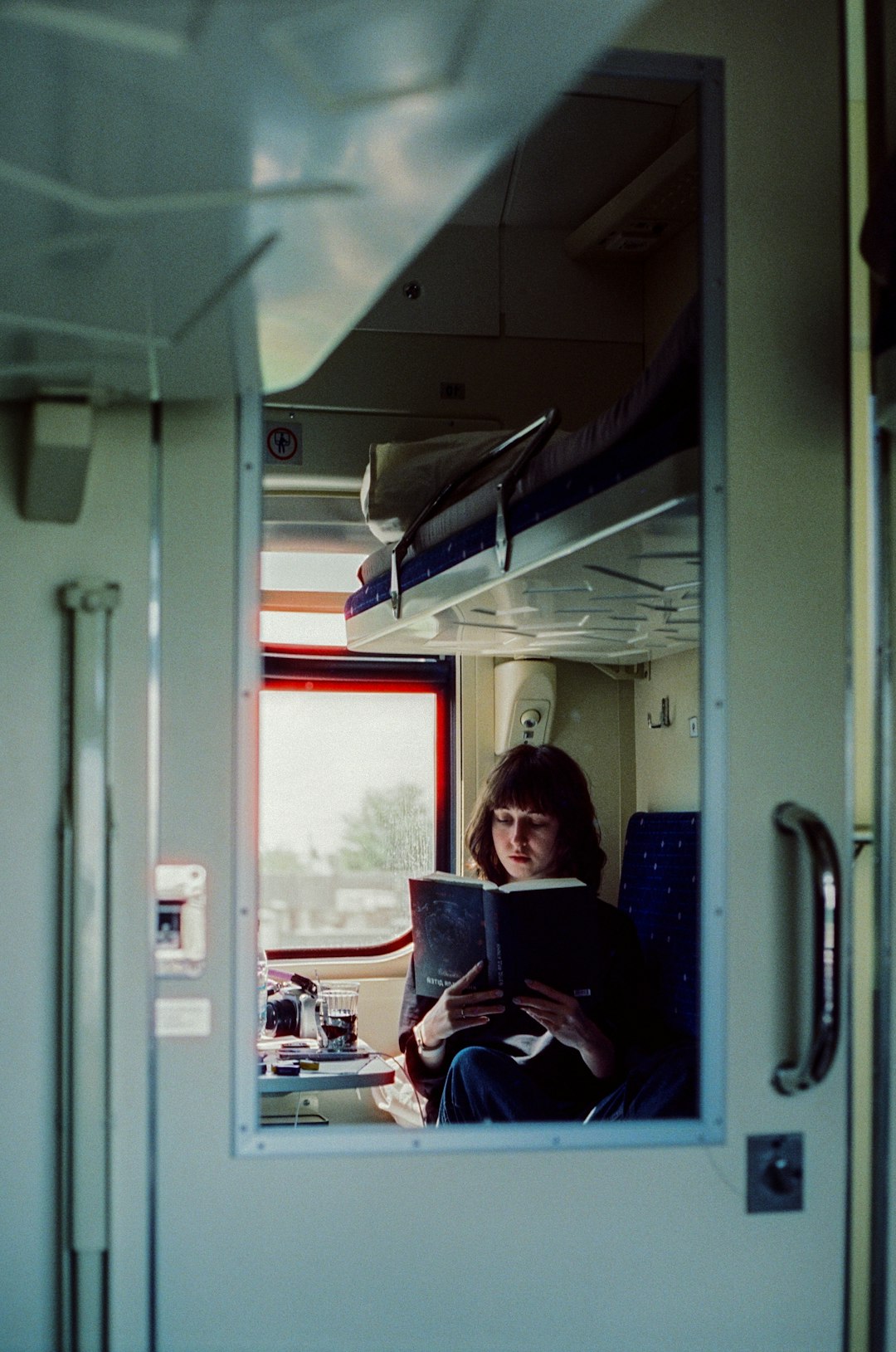
The idea that your bed must directly face the door is one of the most repeated Feng Shui “laws.” People are often told that if they can’t see the door while lying in bed, bad energy or even bad luck will sneak up on them. But the truth is, it’s not about the exact angle or direction your bed faces. What matters most is whether you feel comfortable and secure in your space. Sometimes, placing your bed so you can see the door without being directly in line with it can provide a sense of safety and relaxation. But don’t panic if your room layout doesn’t allow for this—your comfort matters far more than rigid rules.
Mirrors in the Bedroom Ruin Relationships
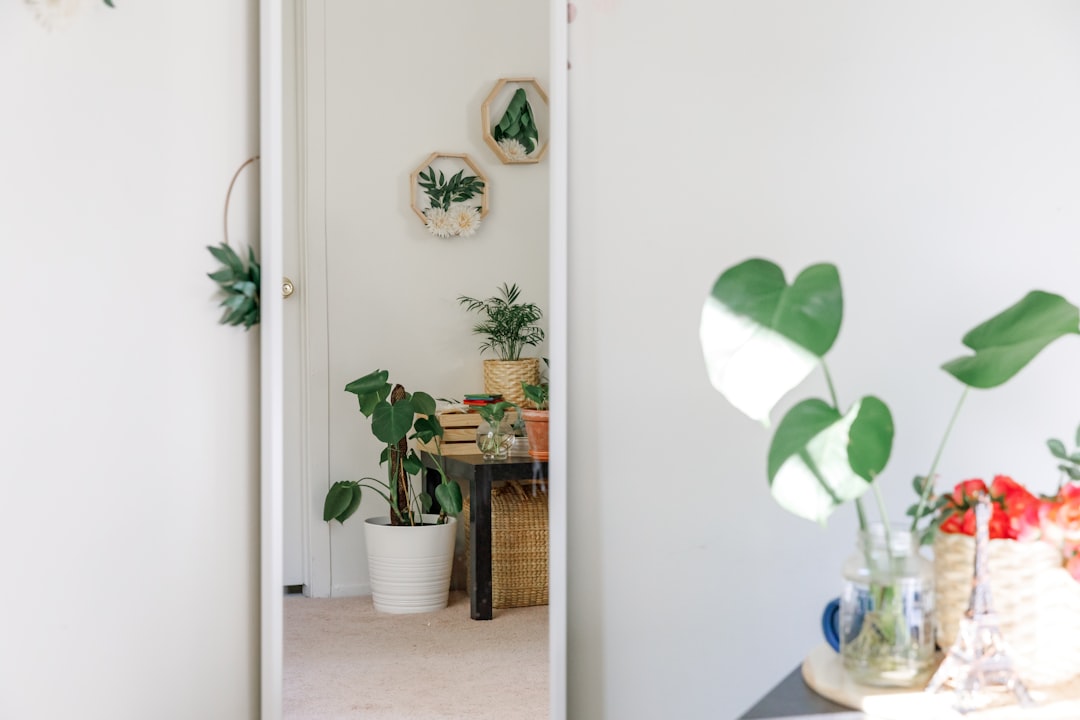
It sounds dramatic: “Keep mirrors out of your bedroom or your relationship will suffer!” This myth has made many people nervous about their décor choices. In reality, mirrors don’t possess the magical power to break up couples. While it’s true that mirrors reflect light and energy, making you more alert, they do not doom your love life. It’s more important to consider how a mirror makes you feel. If it feels unsettling to see your reflection at night, simply reposition it or cover it while you sleep. Otherwise, don’t stress—mirrors can actually add light and beauty to your sanctuary.
Never Have a Toilet in the Wealth Area
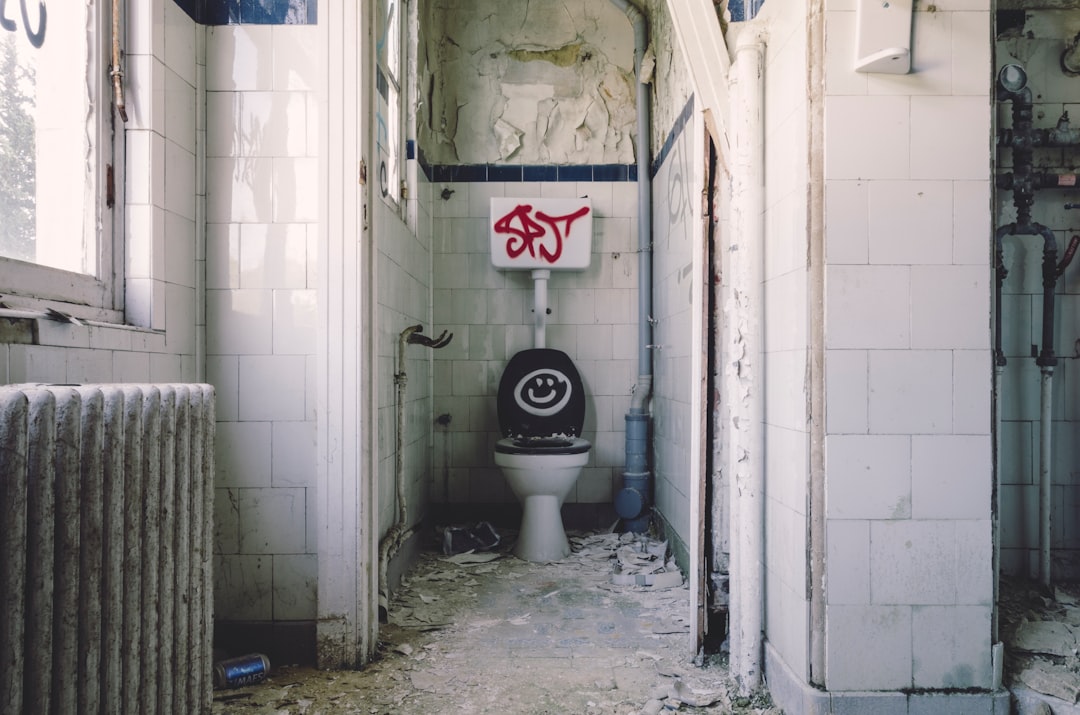
Some will tell you that a toilet in your home’s “wealth corner” flushes your financial fortune down the drain. This belief can create unnecessary worry, especially for those with bathrooms in awkward spots. But the so-called “wealth area” is just one part of your home, and one room won’t dictate your abundance. Instead of feeling doomed, try adding symbols of prosperity—like healthy plants, artwork, or crystals—to uplift the area. Remember, prosperity comes from your mindset and actions, not from the plumbing layout.
You Must Use Red for Good Luck

Red is a striking color and often associated with luck in Chinese culture, but the claim that every home must be splashed with red for good fortune is misleading. Not everyone enjoys bold colors, and forcing red accents can make a space feel uncomfortable or overwhelming. Other colors like green, blue, or gold also hold positive meanings in Feng Shui, such as growth, calm, and abundance. The best choice is a color that uplifts you personally. Your home should reflect your preferences, not a rigid palette.
All Clutter Is Bad Energy
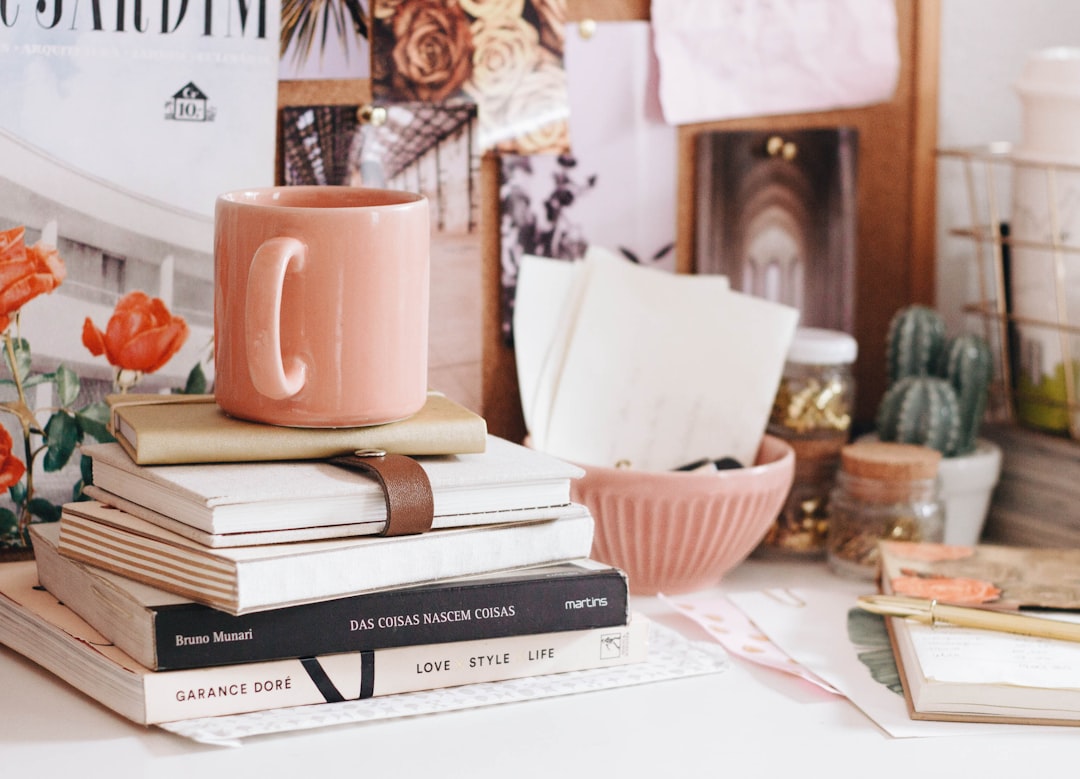
If you’ve ever felt guilty about a messy desk or a stack of books, you’re not alone. The message that “all clutter is bad” has led many to believe that any sign of disorder blocks positive energy. However, there’s a big difference between functional, sentimental items and chaotic messes. For example, a beloved collection or a pile of work-in-progress can spark creativity and joy. Only clutter that causes stress or feels stagnant truly disrupts a space. It’s about balance—cherish what’s meaningful, and let go of what’s not.
Water Features = Automatic Wealth

Fountains and aquariums have become Feng Shui staples, with the promise that flowing water equals flowing money. But just adding a water feature won’t magically fill your bank account. The placement, cleanliness, and condition of the water feature matter much more. For example, a broken or dirty fountain can actually create negative feelings or become an eyesore. Water is a symbol of abundance, but the energy it brings depends on how well it fits your space and lifestyle. Think of it as a bonus, not a guarantee.
TVs in Bedrooms Are Forbidden
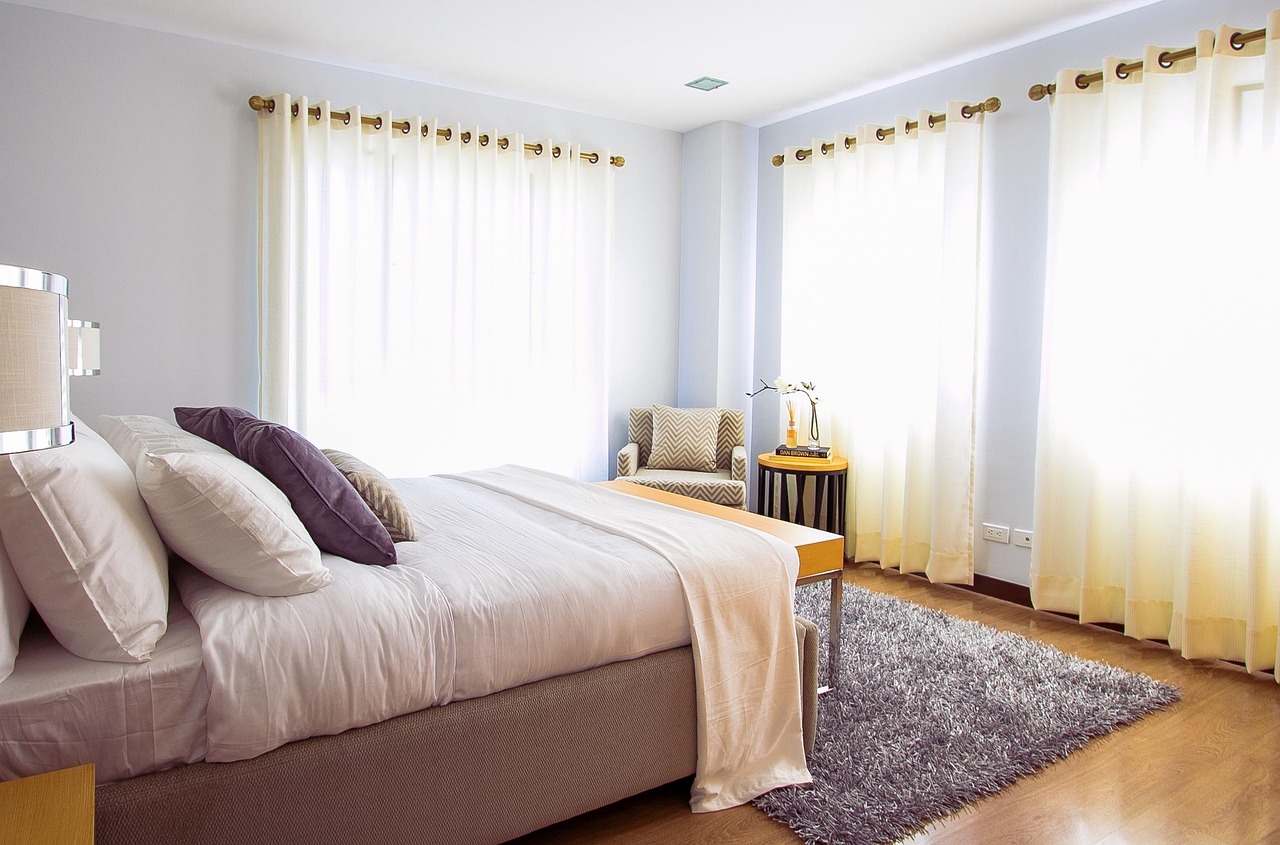
Many believe that having a television in the bedroom invites bad energy or disrupts sleep, and while it’s true that screens can make it harder to unwind, banning them completely isn’t necessary. For some, watching a show before bed is a way to relax. The key is moderation—avoid making the TV the center of attention, and try to limit late-night viewing. If you find that the TV is affecting your rest, experiment by moving it or covering it at night. Your routines make the difference, not the object itself.
Follow the Bagua Map Exactly
The Bagua map is a tool that divides your space into areas representing different life aspects. Many people are told to follow it to the letter, placing specific items in exact spots. However, homes come in all shapes and sizes, and strict adherence can feel forced or impractical. The Bagua map is meant to guide, not dominate. Use it to inspire thoughtful arrangements, but allow yourself flexibility to adapt it to your real needs and the quirks of your home. Personal comfort and happiness always outweigh perfection.

Matthias is a skilled author and digital storyteller with a focus on travel journalism, environmental issues, and modern home design. With a background in communications and a passion for global cultures, Matthias crafts engaging narratives that blend real-world exploration with thoughtful analysis and visual flair.
His writing reflects a deep interest in how climate change shapes our lives and lifestyles—from sustainable travel practices to eco-friendly living environments. Known for his clear, approachable voice and sharp editorial instincts, Matthias delivers content that resonates with readers seeking both inspiration and substance.
Whether reporting from remote destinations, breaking down sustainable design trends, or spotlighting innovative green initiatives, Matthias brings a global perspective and an eye for detail to every piece. He regularly contributes to web platforms and editorial projects that aim to foster awareness, creativity, and conscious living.