

Matthias is a skilled author and digital storyteller with a focus on travel journalism, environmental issues, and modern home design. With a background in communications and a passion for global cultures, Matthias crafts engaging narratives that blend real-world exploration with thoughtful analysis and visual flair.
His writing reflects a deep interest in how climate change shapes our lives and lifestyles—from sustainable travel practices to eco-friendly living environments. Known for his clear, approachable voice and sharp editorial instincts, Matthias delivers content that resonates with readers seeking both inspiration and substance.
Whether reporting from remote destinations, breaking down sustainable design trends, or spotlighting innovative green initiatives, Matthias brings a global perspective and an eye for detail to every piece. He regularly contributes to web platforms and editorial projects that aim to foster awareness, creativity, and conscious living.
The Shocking Truth About Property Boundaries

Picture this: you’re sipping your morning coffee, admiring your beautifully manicured lawn, when your neighbor storms over with a property survey in hand. The news hits you like a freight train – your prized rose garden has been growing three feet into their property for the past five years. Over a fifth of UK homeowners have been involved in a boundary dispute with a neighbour, and in 2022, over 6 million Britons were involved in boundary disputes. This isn’t just a minor inconvenience – it’s a financial and emotional nightmare that thousands of homeowners face every year.
What makes this even more staggering is that the average space people argue over is just two per cent of the average garden. We’re talking about neighbors going to war over strips of land no bigger than a parking space. Whilst parties can sometimes incur tens (or even hundreds) of thousands of pounds of legal costs arguing over the legal boundary line, even after the parties have their day in Court, you can all but guarantee that the ‘neighbourly’ relations are never restored.
Why Most Homeowners Are Living in Boundary Blindness
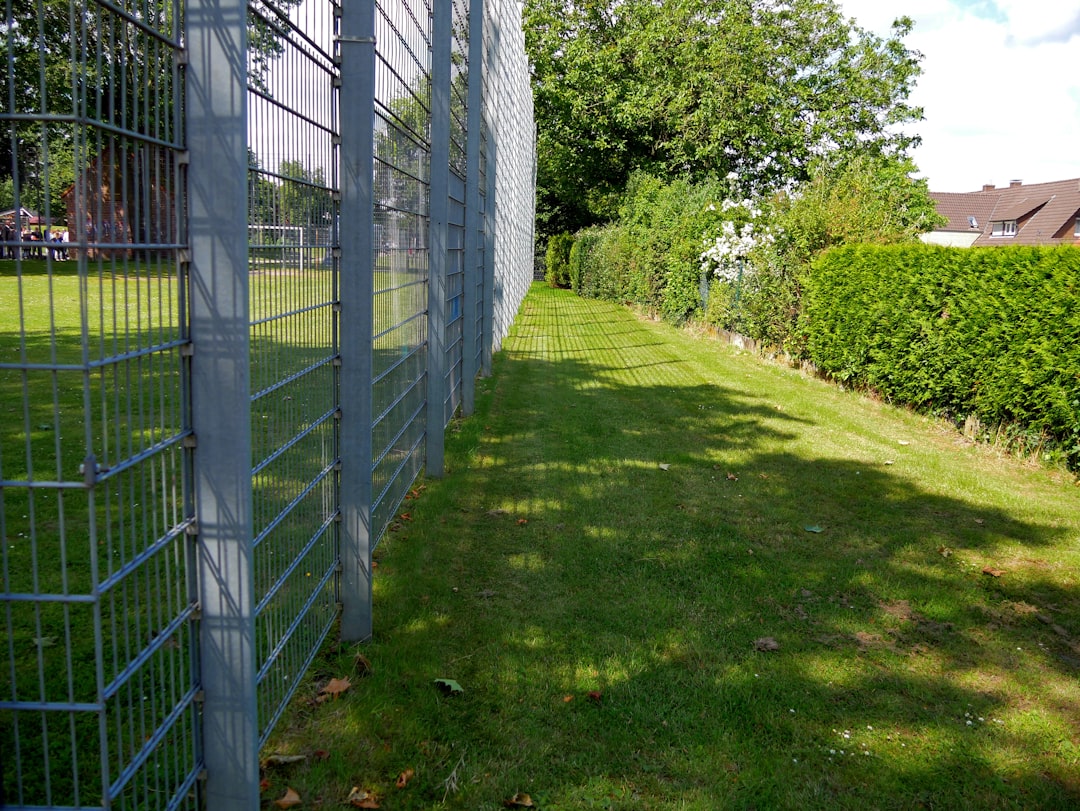
The most dangerous assumption homeowners make is believing that their fence marks their actual property line. The Land Registry (‘HMLR’) title plans do not (save in the situation of a “determined boundary”) establish the legal boundaries of the properties with any precision. The plans used by the Land Registry are based on ordnance survey maps and are deemed to show only what are described as “general boundaries”. Therefore, reliance upon Land Registry title plans will, in most cases, be virtually worthless. This means that boundary you’ve been trusting for years might be completely wrong.
Another common misconception involves the mysterious “T-Mark” on property documents. There are also many misunderstandings around the T-Mark on documentation – this does not provide the clarity that is perceived by many about fence ownership. Homeowners often assume these marks definitively show who owns what, but they’re frequently misinterpreted.
Many property owners also fall victim to the “fence equals boundary” myth. Fences are often built right on top of property boundary lines. When this is the case, homeowners on both sides of the boundary are responsible for upkeep. But sometimes fences are built for convenience, privacy, or aesthetic reasons – not to mark the legal boundary.
The Hidden Costs of Property Surveys
A land survey costs between $800 and $5,500 for most homeowners. Your land survey pro will consider factors like property size and terrain when determining your total cost. But here’s what most people don’t realize – the type of survey you choose can dramatically affect the price. A boundary survey to determine your precise property lines may cost you $150 to $700, while comprehensive surveys can run much higher.
The terrain of your property plays a massive role in costs too. Challenging terrain adds roughly $1,000 to $2,000 to your survey bill compared to flat land. If you’ve got hills, dense woods, or water features, you’ll pay significantly more. Rough terrain forces surveyors to bring extra equipment and crew, sometimes even cutting paths through vegetation to measure accurately. I helped a friend clear brush along his property line before the surveyor came, and it knocked about $600 off the price.
Location matters tremendously as well. In metropolitan areas where the opposite is true, average prices jump to between $550 and $1,100. Rural properties often cost more due to travel time and accessibility challenges.
The Most Common Boundary Mistakes That Cost Thousands
The biggest boundary blunder homeowners make is assuming their property documents are crystal clear. One of the main causes of boundary disputes is unclear or outdated property documentation. Inaccurate land surveys, vague property descriptions and conflicting deeds can lead to confusion about a property’s exact boundaries. These documents might be decades old, and surveying technology has evolved dramatically since they were created.
Another costly mistake involves building without proper surveys. Encroachments occur when property owners build structures or plant trees that extend beyond their property line and onto neighboring land. This can happen unintentionally or deliberately, leading to land use and ownership disputes. That new deck, shed, or fence you’re planning could become a legal nightmare if it crosses into your neighbor’s territory.
Poor communication between neighbors often escalates minor issues into major disputes. Poor communication between neighboring property owners or errors in interpreting property documents can contribute to boundary disputes. Misunderstandings regarding verbal agreements, historical use of land or shared boundaries can escalate into legal conflicts. What starts as a friendly conversation can quickly turn into a courtroom battle.
When Nature Becomes Your Enemy
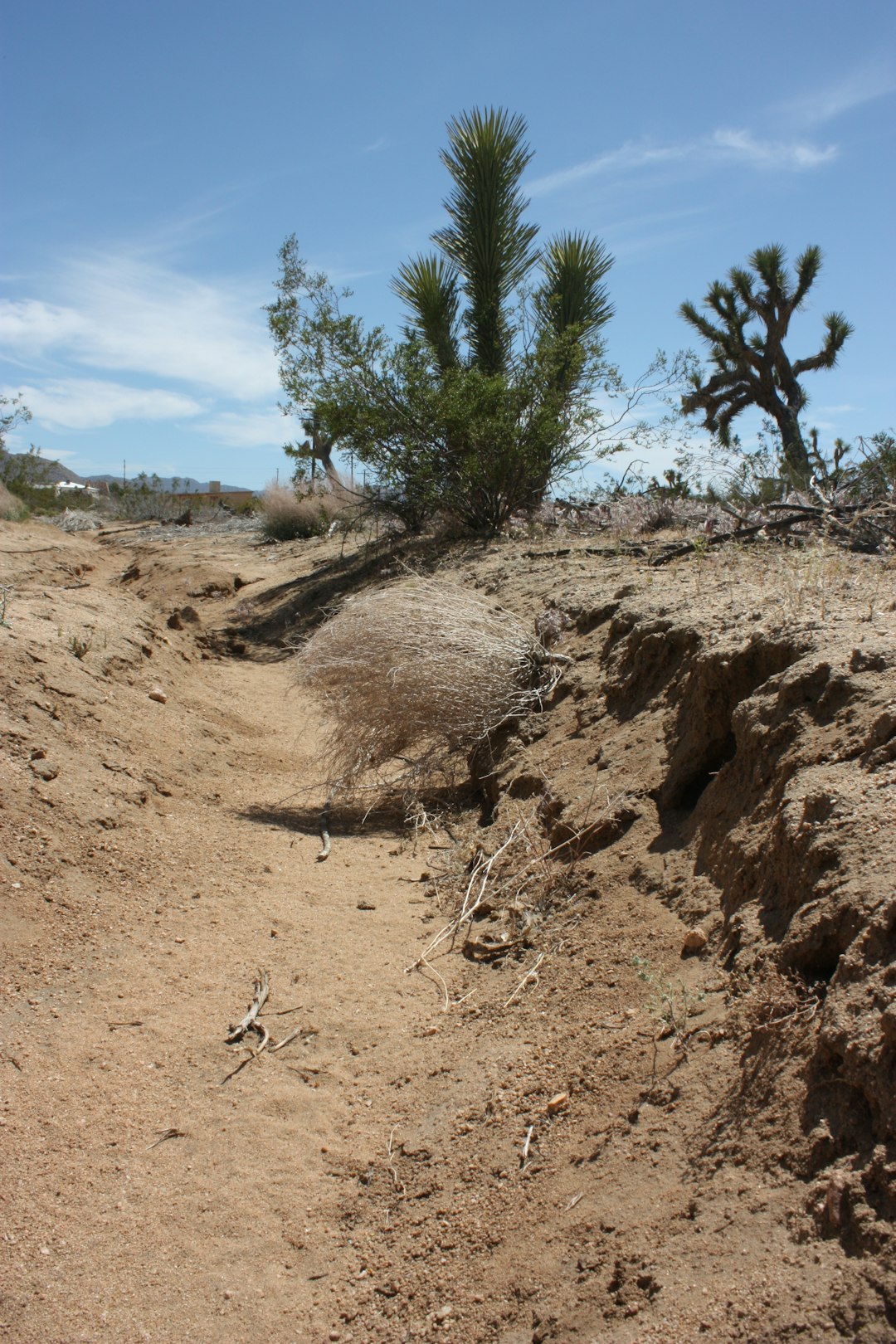
Many homeowners don’t realize that Mother Nature can literally move their property lines. Natural changes to the landscape can alter property boundaries over time. These changes may not be reflected in existing property documents, leading to disputes over ownership and land use rights. Rivers change course, erosion shifts land, and storms can dramatically alter the physical landscape.
This is particularly problematic in areas prone to flooding or coastal erosion. Your property boundary might have been clearly marked twenty years ago, but if a stream has changed course or a hillside has eroded, your legal boundaries might no longer match the physical reality. These natural changes aren’t automatically updated in property records, creating a perfect storm for boundary disputes.
Vegetation can also create boundary confusion. Trees and shrubs grow over time, potentially obscuring or shifting the apparent boundary lines. What seemed like a clear property line when you bought your home might become completely unclear as landscaping matures and changes.
The Encroachment Trap That Snares Unsuspecting Homeowners
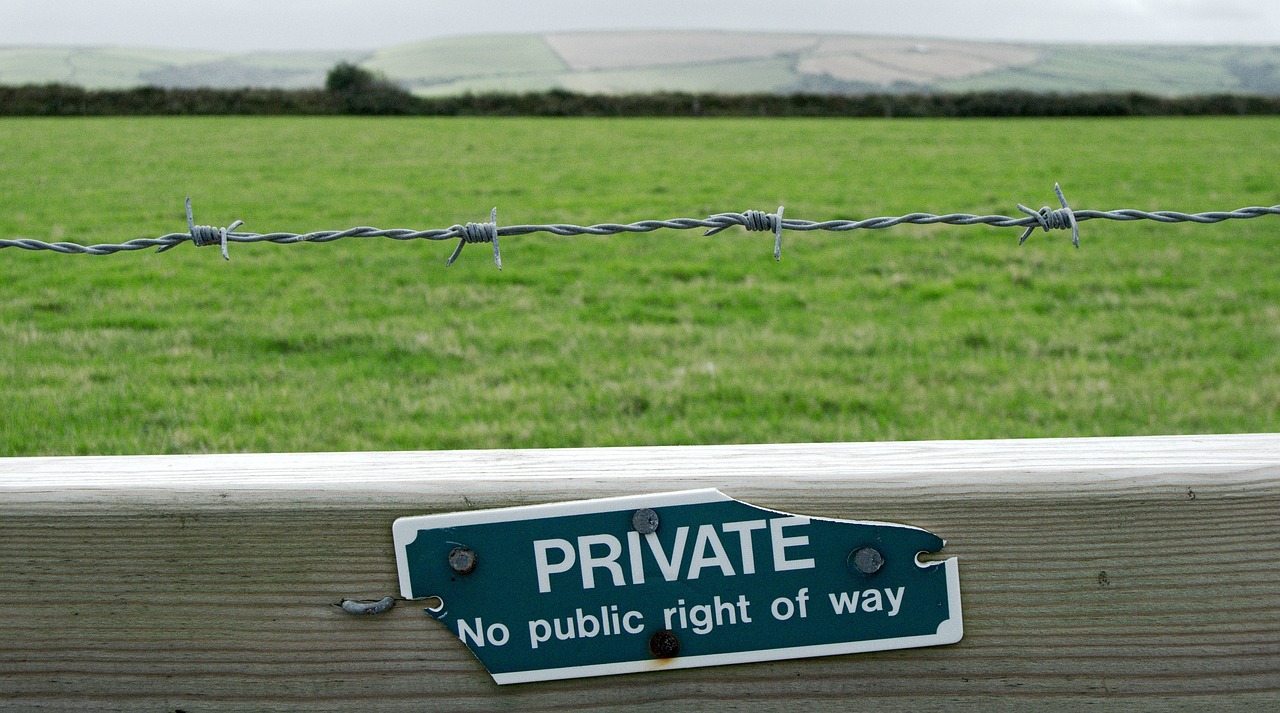
Even tiny encroachments can create massive problems. For instance, let’s say your neighbor builds a fence or a new driveway that comes onto your property by a few inches. This may be enough for a title company to refuse to issue insurance when you sell your house. What seems like a minor issue today could prevent you from selling your home tomorrow.
The most common encroachment issues involve everyday structures that homeowners don’t think twice about. The most common property boundary issues involve a fence, wall or hedge (31%), a plant or tree (14%), access issues (13%). That garden wall you built last summer or the tree you planted five years ago might be sitting on your neighbor’s property.
Timing is crucial when dealing with encroachments. An encroachment that seems small may have unforeseen consequences. The longer you wait to address the issue, the more complicated and expensive it becomes to resolve. Some states have adverse possession laws that could actually give your neighbor legal claim to the land after a certain period of use.
The Legal Quicksand of Adverse Possession

Adverse possession is one of the most misunderstood aspects of property law, and it can turn neighbors into legal adversaries overnight. Adverse possession occurs when a person openly occupies and uses land without the owner’s permission for a certain period, typically many years. This ancient legal doctrine can actually transfer ownership of land without any money changing hands.
In the UK, the rules vary depending on whether land is registered or unregistered. A claim for adverse possession (where a person claims ownership of land that they have possessed for a certain period) must generally be made within 12 years if the land is unregistered. For registered land, the time limit can be somewhat different, with the Land Registration Act 2002 introducing a 10-year period for adverse possession claims in certain circumstances.
This means that neighbor who’s been using a strip of your land for their garden could potentially claim legal ownership of it. The key factors are that the use must be open, continuous, and without permission. It’s a legal principle that can turn friendly neighborly arrangements into property ownership battles.
How Technology is Changing the Boundary Game

Modern surveying technology has revolutionized how property boundaries are determined, but it’s also created new challenges. In the past, surveyors used sextants and other specialized tools to determine property boundaries. Today, lasers and other instruments make surveys more accurate than ever before. GPS technology and laser measurement tools can pinpoint boundaries with incredible precision.
However, this precision can also create problems. It could be that a survey performed 100 years ago was inaccurate and is now calling your property lines into question. Even modern surveying equipment is subject to operator error, so the owners of newer homes can also run afoul of a boundary dispute. When old surveys are compared with modern technology, discrepancies often emerge.
The good news is that technology is also making surveys more affordable and accessible. Digital mapping, drone surveys, and satellite imagery are helping surveyors work more efficiently, potentially reducing costs for homeowners. But the challenge remains: reconciling historical property records with modern surveying capabilities.
The Financial Nightmare of Boundary Disputes
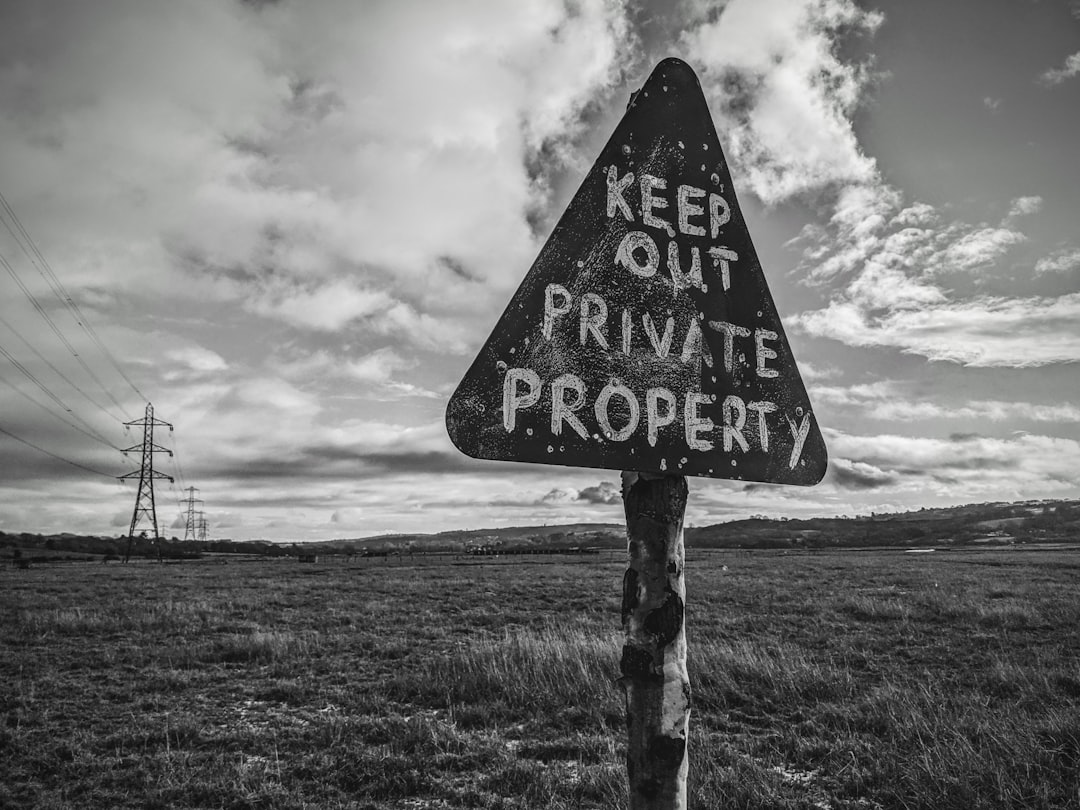
The true cost of boundary disputes goes far beyond the initial surveying fees. They can be stressful, time-consuming, and costly to resolve. In the worst cases, the only viable option is to take legal action. Legal fees can quickly escalate into tens of thousands of dollars, often far exceeding the value of the land being disputed.
Professional surveying costs are just the beginning. Many surveyors charge $50-$220 or more an hour, depending on the type of work performed and the qualifications of the person doing the work. When disputes arise, both parties often hire their own surveyors, doubling the costs. Then come the legal fees, which can dwarf the surveying expenses.
The emotional toll is equally devastating. Whilst parties can sometimes incur tens (or even hundreds) of thousands of pounds of legal costs arguing over the legal boundary line, even after the parties have their day in Court, you can all but guarantee that the ‘neighbourly’ relations are never restored. Families find themselves living next to people they’ve spent months or years fighting in court.
Your Action Plan for Boundary Protection

The best time to address boundary issues is before they become problems. As with most situations, the best option is to start talking with your neighbor as soon as you notice the encroachment. The neighbor may have made a simple mistake and will correct it. Open communication can prevent small misunderstandings from becoming major legal battles.
Documentation is absolutely crucial. Document this conversation in writing and have it signed by both parties. Keep records of all boundary-related discussions, agreements, and changes. Take photos of your property lines and any structures near boundaries. This documentation could be invaluable if disputes arise later.
Consider getting a professional survey before making any major property improvements. It’s a good idea to have a survey completed before building any type of addition, driveway, pool, or patio. Even a second-story porch could encroach onto a neighbor’s property. The cost of a preventive survey is minimal compared to the potential cost of fixing boundary problems later.
The reality is that property boundaries are far more complex and problematic than most homeowners realize. With millions of people involved in boundary disputes annually and costs that can reach hundreds of thousands of dollars, this isn’t just a minor inconvenience – it’s a significant financial and emotional risk. The key is proactive protection: getting proper surveys, maintaining good neighbor relations, and addressing issues before they escalate into legal nightmares. Your property lines might seem like simple invisible lines, but they’re actually complex legal boundaries that require careful attention and professional guidance to navigate safely.

Matthias is a skilled author and digital storyteller with a focus on travel journalism, environmental issues, and modern home design. With a background in communications and a passion for global cultures, Matthias crafts engaging narratives that blend real-world exploration with thoughtful analysis and visual flair.
His writing reflects a deep interest in how climate change shapes our lives and lifestyles—from sustainable travel practices to eco-friendly living environments. Known for his clear, approachable voice and sharp editorial instincts, Matthias delivers content that resonates with readers seeking both inspiration and substance.
Whether reporting from remote destinations, breaking down sustainable design trends, or spotlighting innovative green initiatives, Matthias brings a global perspective and an eye for detail to every piece. He regularly contributes to web platforms and editorial projects that aim to foster awareness, creativity, and conscious living.