
Henrieke Otte is an accomplished writer and content editor, specializing in topics that inspire thoughtful living—ranging from global travel and sustainable lifestyles to interior design and architecture. With a keen editorial sense and a background in cultural studies, Henrieke brings depth, elegance, and clarity to every piece she crafts.
Her work is known for its engaging voice, visual sensitivity, and ability to turn complex ideas into accessible, reader-friendly narratives. Whether exploring eco-conscious destinations, dissecting climate-conscious home trends, or curating serene living spaces, Henrieke writes with a balance of creativity and insight that resonates with design-savvy, environmentally aware audiences.
Driven by a love of meaningful storytelling and a refined aesthetic, Henrieke contributes regularly to digital platforms and magazines where quality content meets visual sophistication.
Open Floor Plans Leave Nowhere to Hide
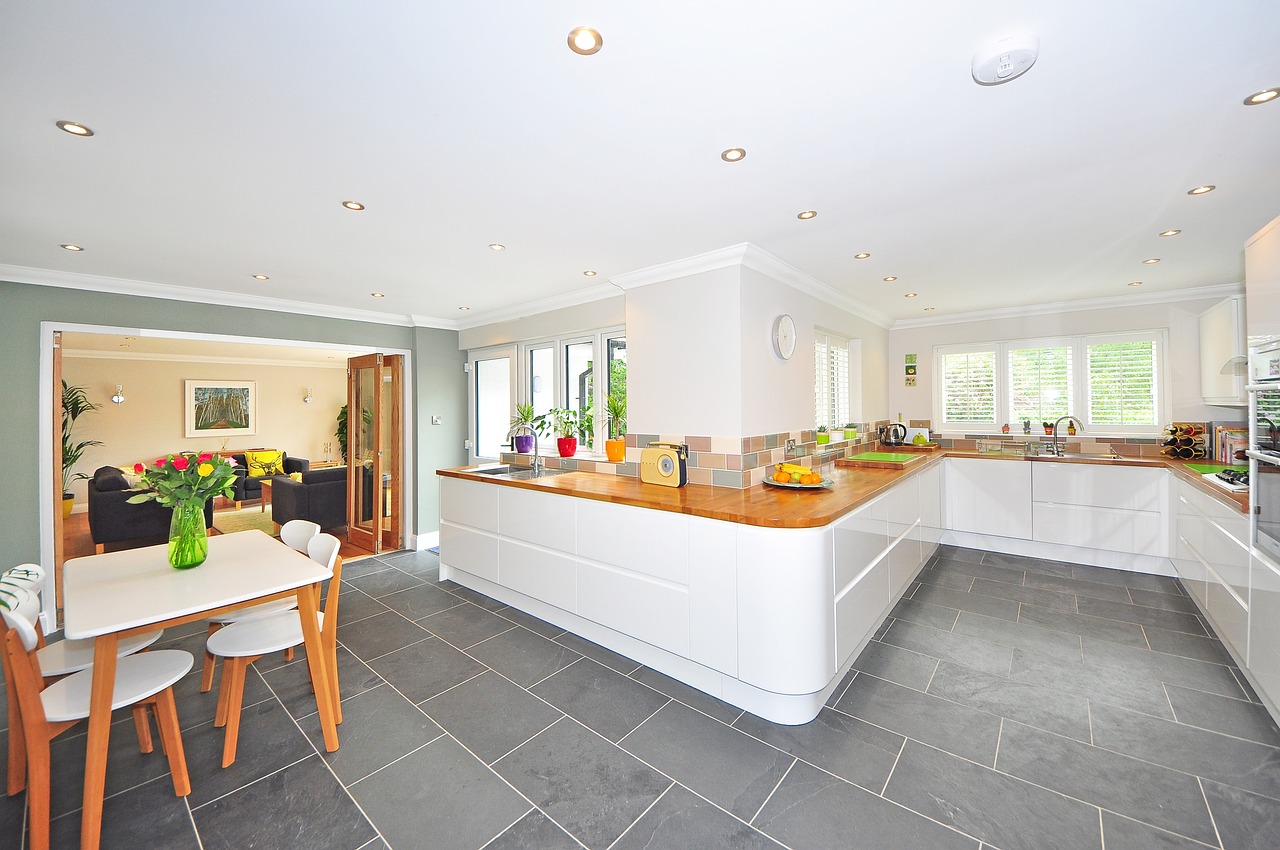
Picture this: it’s Thanksgiving morning and your great-aunt decides to launch into her political opinions while you’re frantically whisking gravy. There’s literally nowhere to escape. Open floor plans have become the golden child of modern home design, but they’re creating a hidden crisis during family gatherings. Experts note that “triggers for holiday angst come from many sources” and understanding how different spaces affect you can help reduce stress. When your kitchen, dining room, and living room blend into one giant fishbowl, introverts and highly sensitive people find themselves trapped in perpetual social mode. Personal space helps give people a sense of self and safety, while private spaces allow individuals to decompress and reduce stress levels. Your family loves the togetherness, but your nervous system is screaming for a corner to breathe in.
The Dreaded Guest Room Setup Spiral
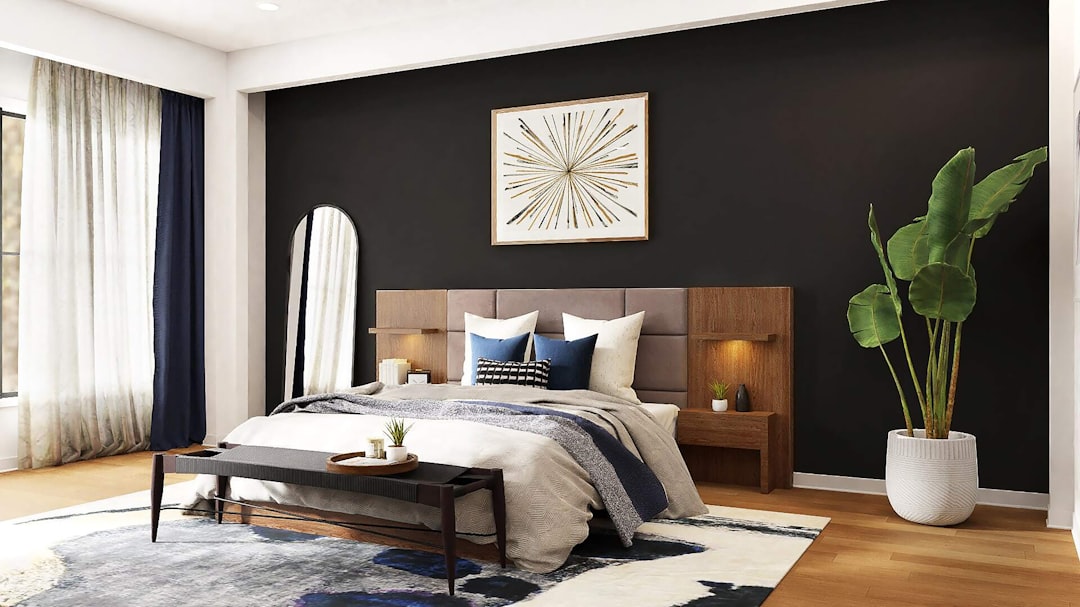
Nothing triggers hosting anxiety quite like the guest room panic dance. You know the drill: scrubbing baseboards no one will see, buying new towels that match perfectly, and lying awake wondering if the mattress is too firm. Guest Stress Syndrome typically involves “the wave of anxiety, overwhelm, and pressure that crashes over you the moment you hear someone’s coming over”. The irony? Your relatives just want a clean place to sleep, not a five-star hotel experience. The people coming to your place probably aren’t expecting a luxury experience. Yet we torture ourselves creating Pinterest-perfect spaces that drain our bank accounts and sanity. You don’t need to deep clean your place before having people over – a quick tidy up that leaves your place feeling comfy is just fine.
Formal Dining Rooms Nobody Actually Uses
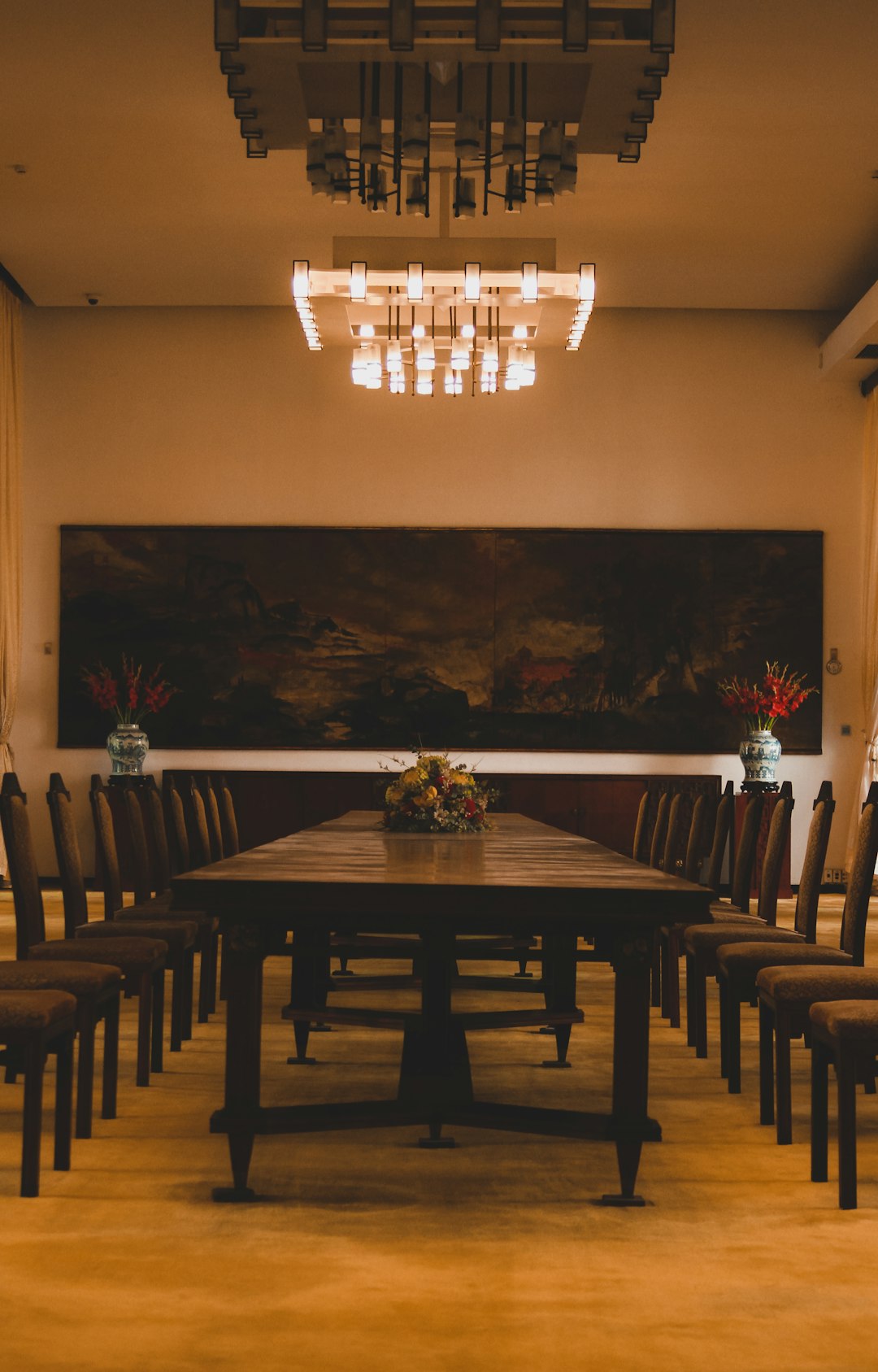
Let’s be honest about that formal dining room that sits empty 360 days a year, only to become the source of major stress during holidays. Suddenly you’re expected to set the table like you’re hosting the Queen, with chargers and cloth napkins and the “good” china that takes forever to wash. Filling up your home with excessive items creates a cluttered environment, which leads to increased levels of cortisol (a stress hormone). The pressure to make everything perfect in a room you never use creates an artificial standard that nobody actually needs. Creating a tranquil space goes beyond design aesthetic – it starts with simple, mindful practices that allow you to feel stress-free. Meanwhile, everyone would probably prefer eating off paper plates in the kitchen where they can actually relax and help with dishes.
The Holiday Decoration Arms Race
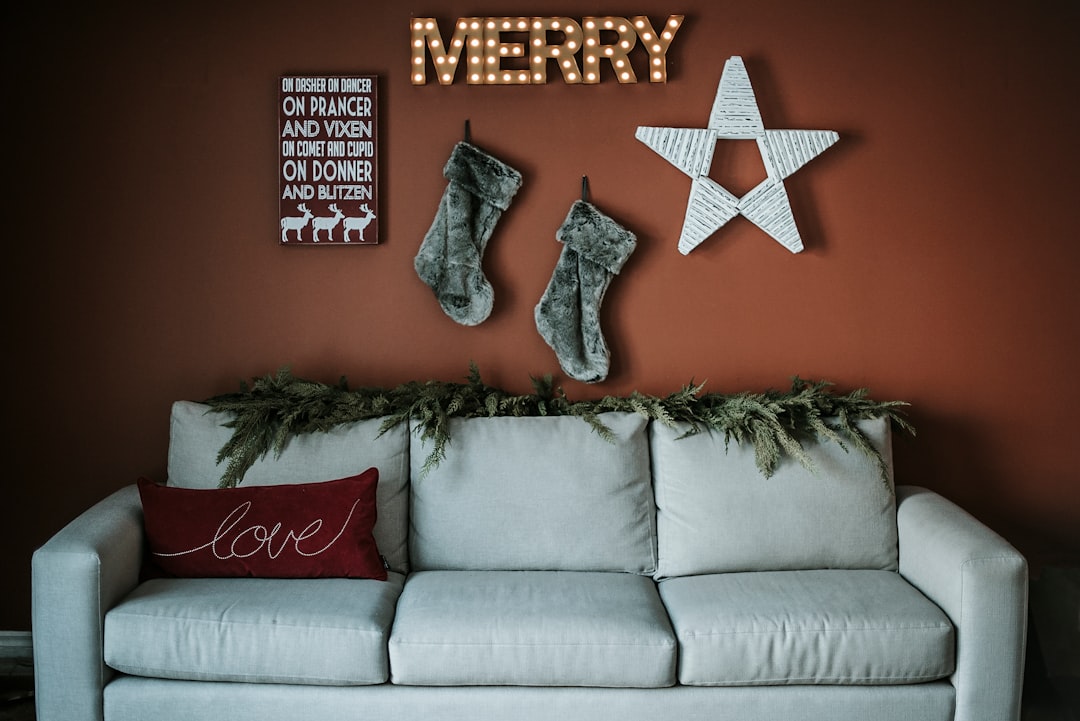
December rolls around and suddenly your home transforms into a battlefield of twinkle lights and themed centerpieces. What started as simple holiday cheer has evolved into an exhausting competition that would make department store window dressers weep. Family photos and mementos are great, but cram too many everywhere and you can quickly find yourself haunted by visual chaos. You’re climbing ladders, untangling lights, and spending small fortunes on decorations that will live in storage boxes 11 months out of the year. Most people can attest that a cluttered space exacerbates stress and anxiety, with research backing up that acquiring more material goods isn’t necessarily a path to happiness. Your family gushes over the magical winter wonderland, but you’re secretly counting the days until you can pack it all away and reclaim your surfaces.
Entertainment Centers That Demand Constant Attention
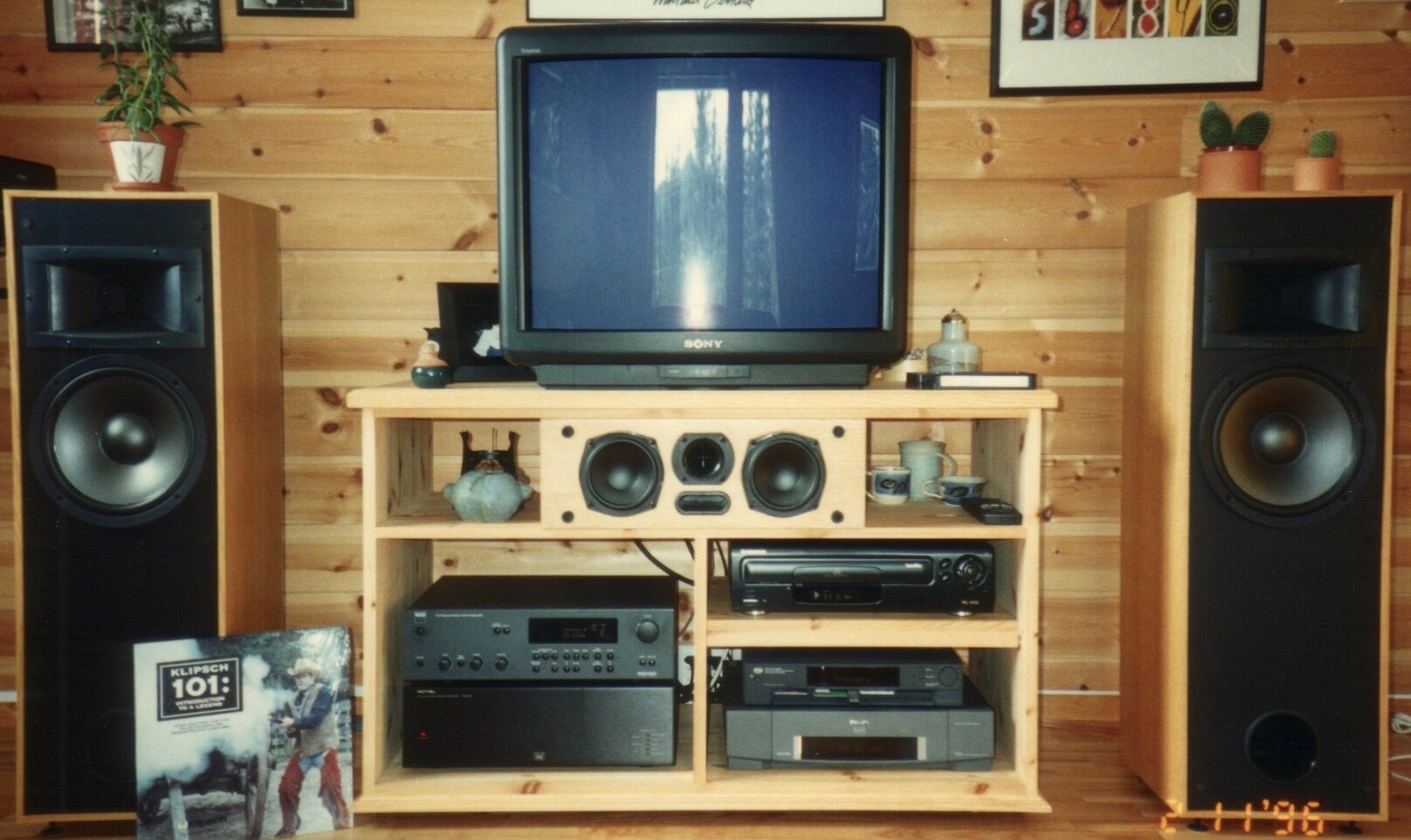
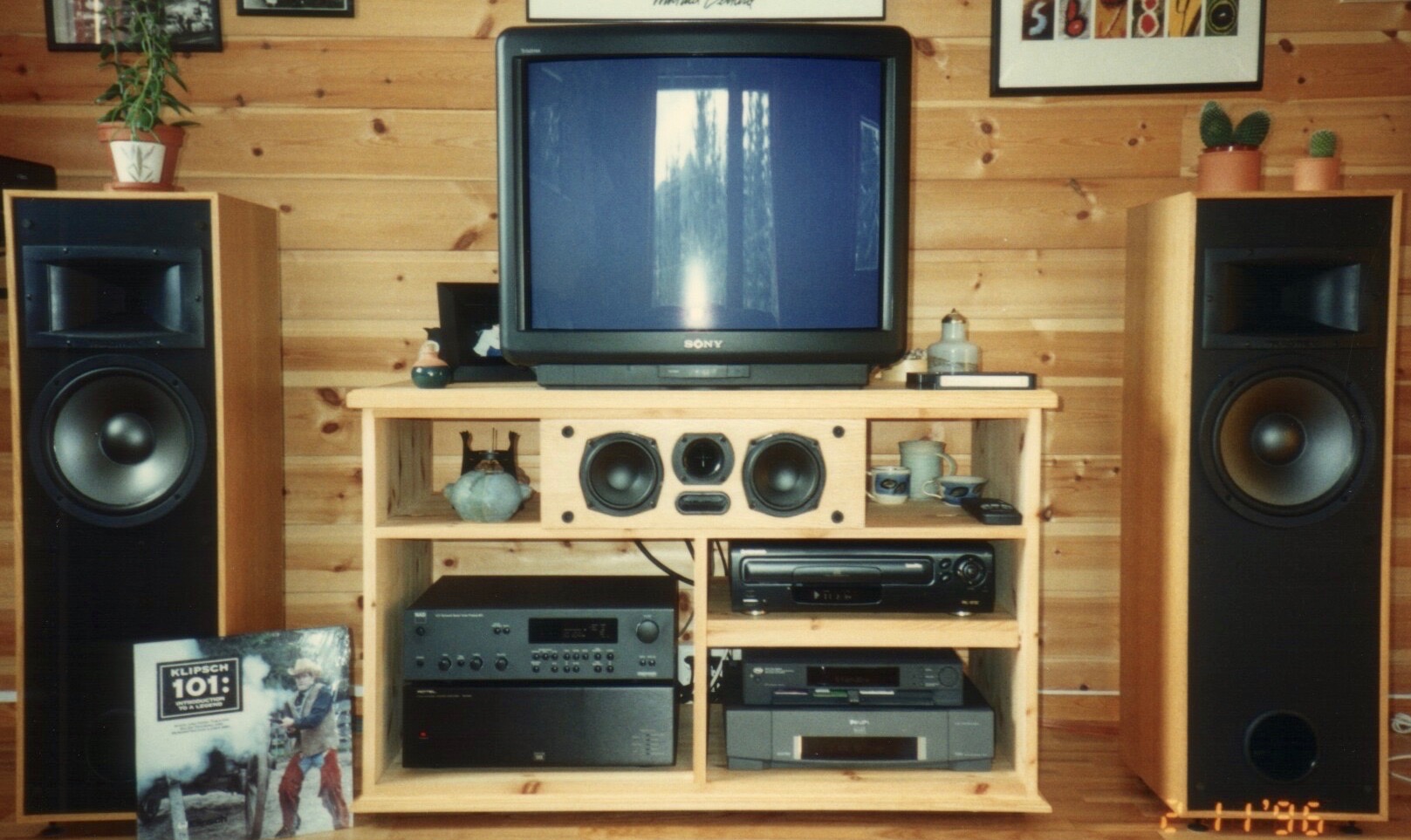
Remember when watching TV was simple? Now every family gathering involves a technological nightmare of streaming services, multiple remotes, and someone’s inability to find the right input. Electronics in bedrooms and common areas affect anxiety levels, and the pressure to provide endless entertainment options creates its own stress category. You become the unpaid tech support for three generations trying to cast YouTube videos from their phones while the Wi-Fi mysteriously slows down. Excess noise causes excess stress, which isn’t good for someone who already struggles with anxiety, so consider keeping electronics stashed away in media cabinets. The expectation that every moment needs digital stimulation prevents the natural flow of conversation and connection that actually brings families closer together.
Perfect Lighting That Nobody Can Actually See By
Designers love to talk about “mood lighting,” but let’s discuss the anxiety of trying to read a recipe or play a card game under three strategically placed table lamps that barely illuminate anything. Proper lighting can have a significant impact on mood and energy levels – adequate lighting improves productivity and reduces eye strain, while natural lighting promotes well-being and reduces stress. You’ve spent thousands creating atmospheric ambiance that looks gorgeous in Instagram photos but leaves your elderly relatives squinting and stumbling. Research found that hospital patients exposed to natural light experienced less pain and stress, so why not eliminate heavy window treatments altogether. The beautiful pendant lights and dimmers create a restaurant vibe, but when grandma can’t see her dinner, the mood gets tense fast. Everyone compliments your sophisticated lighting choices while secretly holding their phones up as flashlights.
The Kitchen Island That Became Command Central
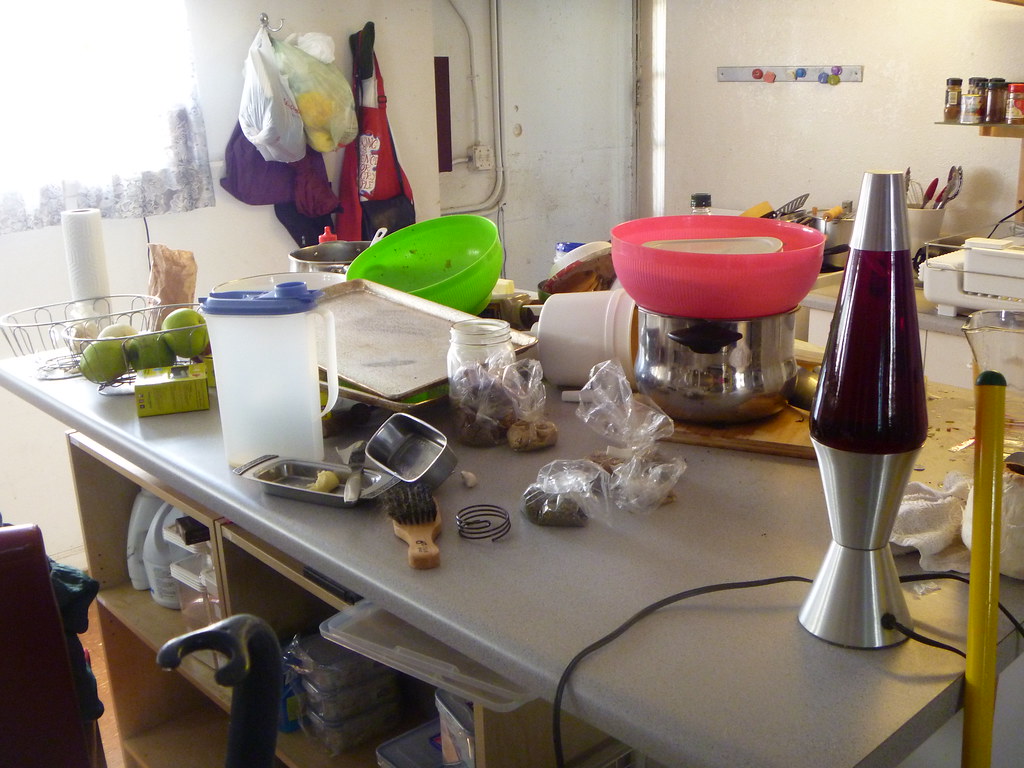
Kitchen islands were supposed to create more workspace and social interaction, but they’ve morphed into anxiety-inducing command centers where you’re expected to cook, serve, clean, and entertain simultaneously. The anxiety about having people over often stems from perfectionism, but keep in mind that people are coming for the company, not perfect place settings or Martha Stewart meals. You’re trapped behind this massive island, frantically trying to keep up with conversations while preventing the potatoes from burning and the sink from overflowing. Think of the flow of how you move through a room like a meandering river – if you get stopped by furniture, it can make you depressed and stressed. Your family loves gathering around the island because it feels social and inclusive, but you feel like a short-order cook putting on a performance when you’d rather just sit down and enjoy their company.
Storage Solutions That Hide Everything (Including Your Sanity)
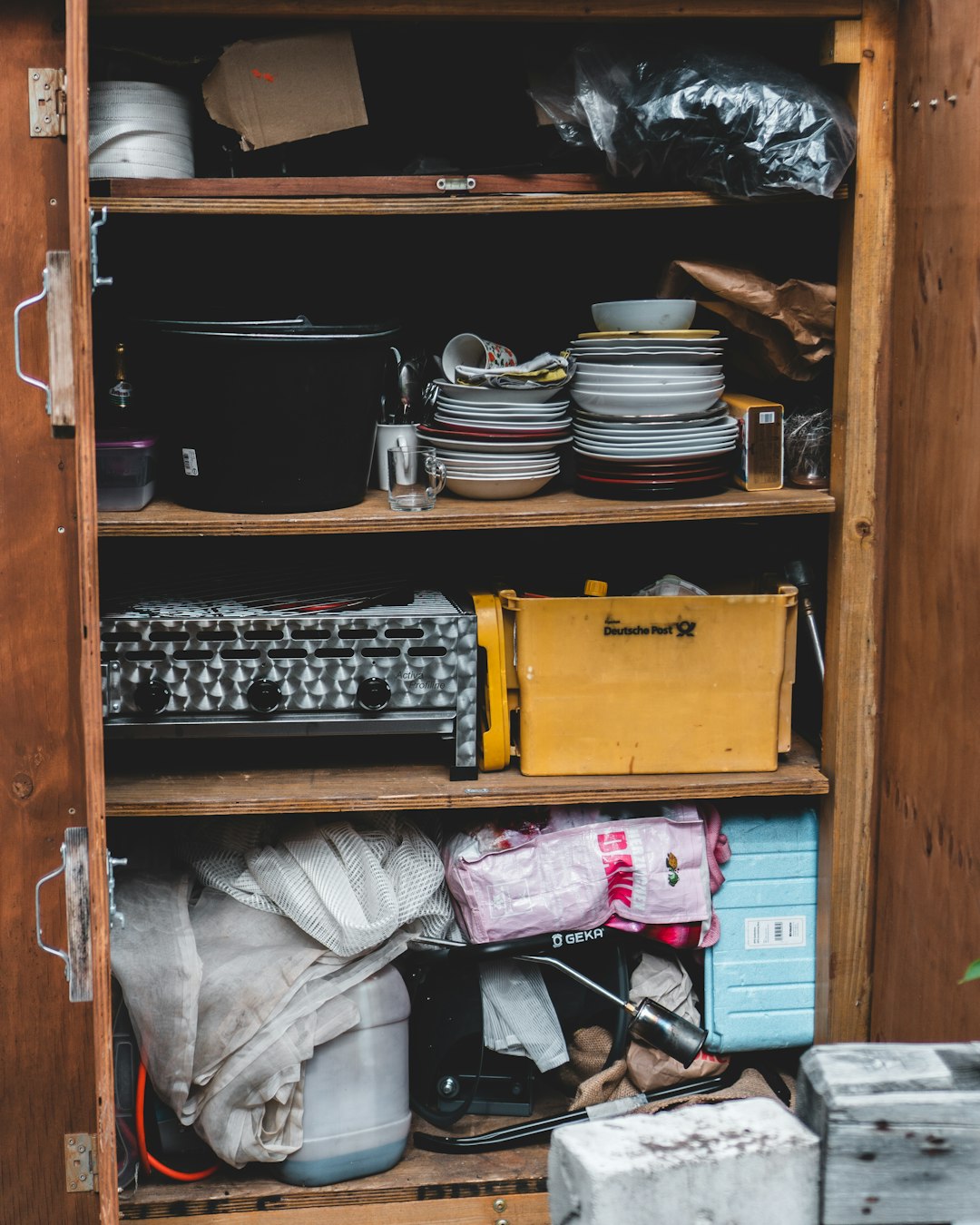
Modern homes worship at the altar of hidden storage – every surface must be clear, every item must have its designated invisible home. But when relatives visit, this system becomes a nightmare of forgotten locations and frantic searching. Anxiety is ultimately about loss of control, so setting up systems with designated spots helps you get control over your stuff – a little order goes a long way. You spend precious pre-visit hours hiding evidence of normal human life, shoving everything into labeled bins and behind cabinet doors. Room organization is a major component of a peaceful home – spaces that are easy to navigate and foster social interaction reduce anxiety and feelings of being overwhelmed. When someone asks for a simple item like scissors or a phone charger, you’re opening seventeen different drawers trying to remember which “organized” location you chose. The clean aesthetic looks magazine-ready, but the mental load of maintaining this invisible organization system during stressful family times can push anyone over the edge.
Here’s the truth nobody talks about: your relatives don’t need perfection, they need connection. Your guests will appreciate the effort and you may find it gives you a sense of connection and meaning – so what are you waiting for? The most memorable family gatherings happen in homes that feel lived-in and comfortable, not in spaces that feel like museum exhibits. Maybe it’s time to let that formal dining room become a puzzle table, admit that mood lighting doesn’t work for everyone, and embrace the beautiful chaos of real family life. Did you expect that the very design elements meant to impress your family might be the ones causing you the most stress?

Henrieke Otte is an accomplished writer and content editor, specializing in topics that inspire thoughtful living—ranging from global travel and sustainable lifestyles to interior design and architecture. With a keen editorial sense and a background in cultural studies, Henrieke brings depth, elegance, and clarity to every piece she crafts.
Her work is known for its engaging voice, visual sensitivity, and ability to turn complex ideas into accessible, reader-friendly narratives. Whether exploring eco-conscious destinations, dissecting climate-conscious home trends, or curating serene living spaces, Henrieke writes with a balance of creativity and insight that resonates with design-savvy, environmentally aware audiences.
Driven by a love of meaningful storytelling and a refined aesthetic, Henrieke contributes regularly to digital platforms and magazines where quality content meets visual sophistication.