
Matthias is a skilled author and digital storyteller with a focus on travel journalism, environmental issues, and modern home design. With a background in communications and a passion for global cultures, Matthias crafts engaging narratives that blend real-world exploration with thoughtful analysis and visual flair.
His writing reflects a deep interest in how climate change shapes our lives and lifestyles—from sustainable travel practices to eco-friendly living environments. Known for his clear, approachable voice and sharp editorial instincts, Matthias delivers content that resonates with readers seeking both inspiration and substance.
Whether reporting from remote destinations, breaking down sustainable design trends, or spotlighting innovative green initiatives, Matthias brings a global perspective and an eye for detail to every piece. He regularly contributes to web platforms and editorial projects that aim to foster awareness, creativity, and conscious living.
Minimalism Losing Its Grip on Real Life
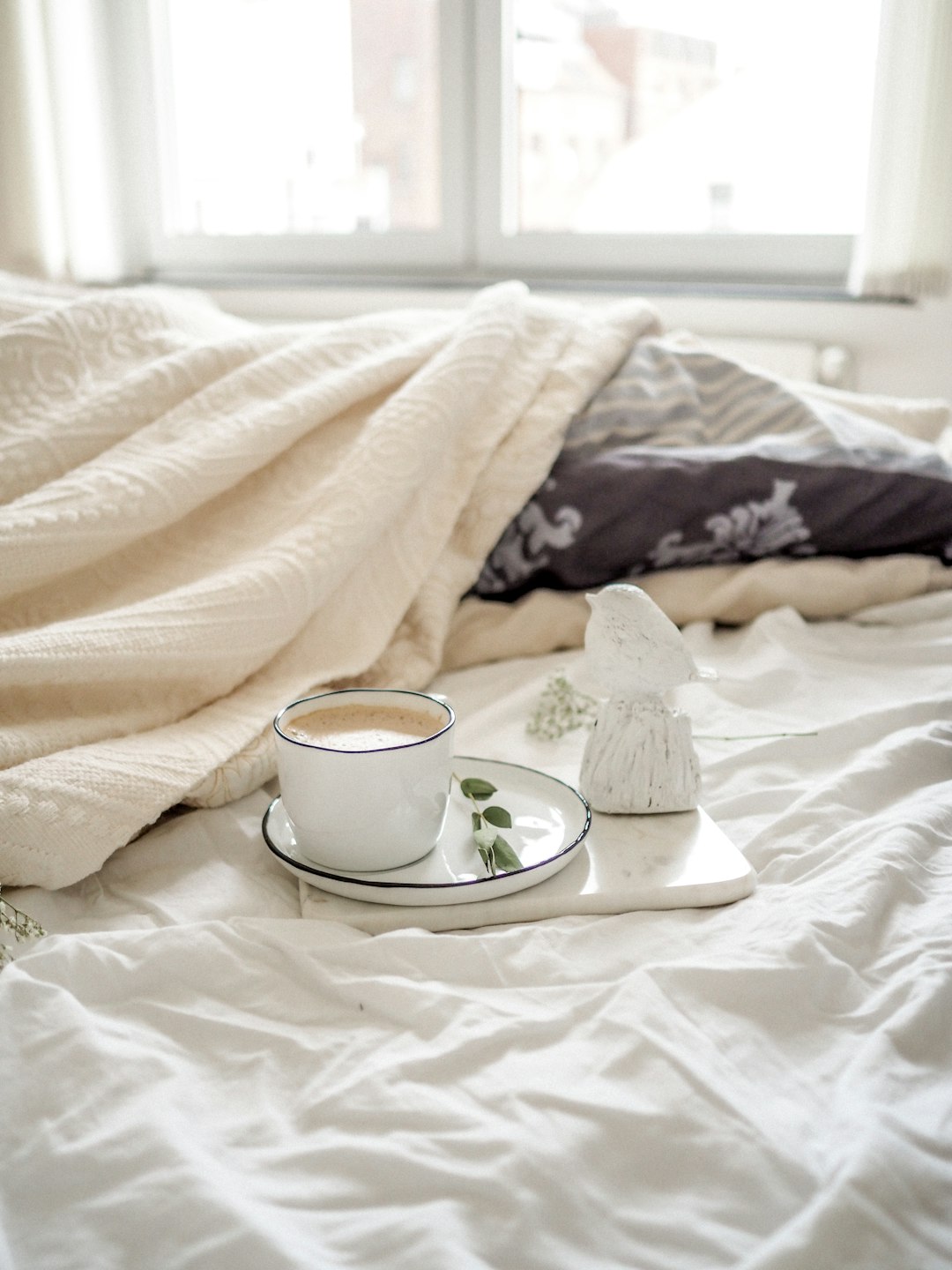
Walk into a home stripped bare of keepsakes and warmth, and you might feel more like you’re in a showroom than a sanctuary. The cold, empty minimalism that dominated Instagram feeds for years is suddenly losing steam. Now, people want rooms that tell stories — filled with books, art, and quirky finds that spark memories. Design psychology experts say that objects with personal meaning can boost happiness and even lower stress. Instead of blank walls and sparse shelves, today’s stylish homes are embracing “curated clutter,” with gallery walls and open shelving that invite curiosity. This doesn’t mean chaos, but a thoughtful layering of life’s treasures. A single ceramic vase from a trip to Morocco, a stack of well-loved novels, or a vintage lamp can add far more soul than a perfectly staged, empty tabletop. Home feels richer when it’s a reflection of your journey, not a catalog page.
Open Floor Plans Fading Into the Background
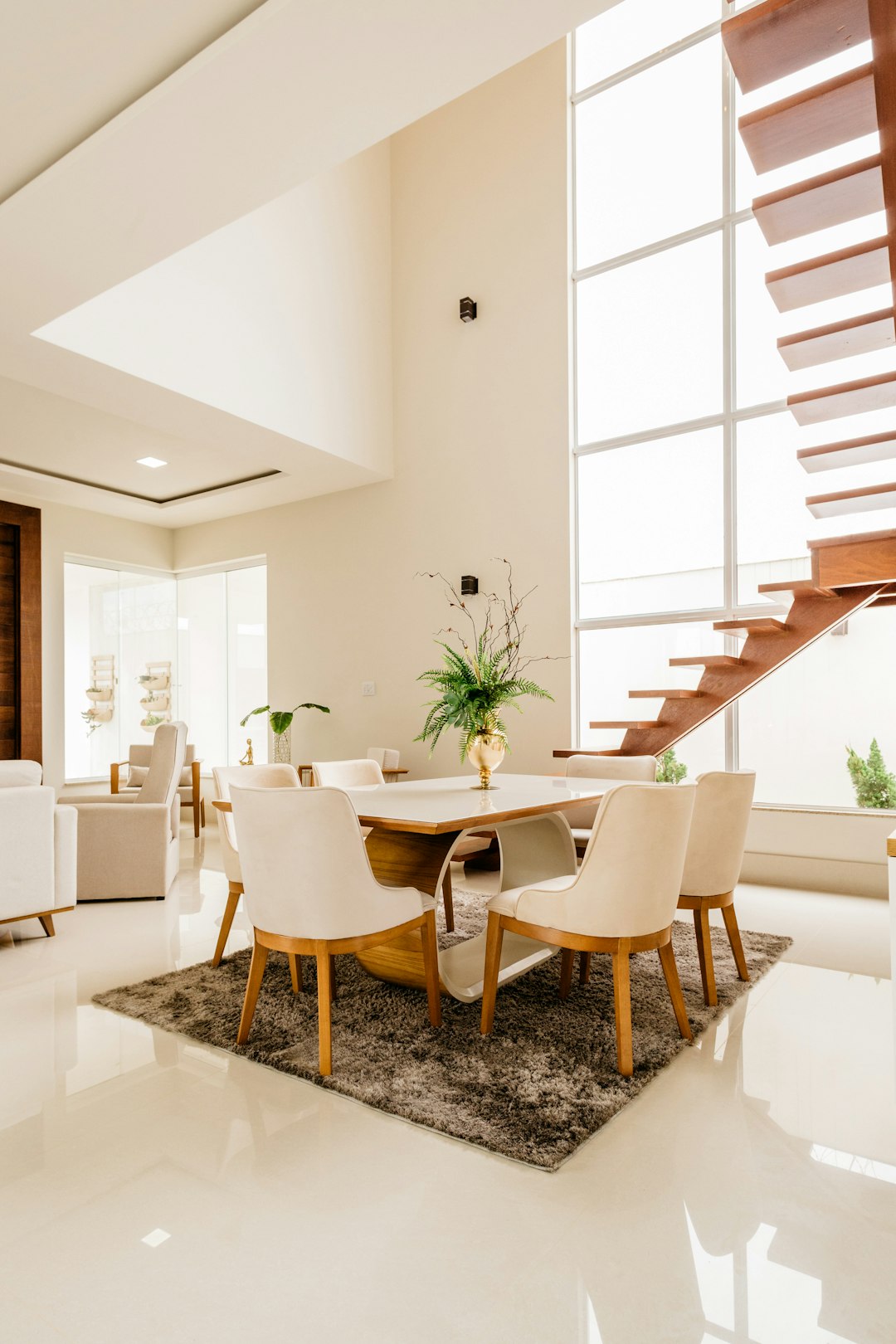
Remember when everyone wanted to knock down every wall? That era is fading fast. The pandemic rewrote the rules, making privacy and function essential again. People crave spaces to work, relax, and recharge — all at once. Designers are seeing a surge in requests for semi-closed layouts: think glass partitions, sliding doors, or even cozy reading nooks. Zillow reports that homes with defined spaces often sell faster now, as buyers want the flexibility to close a door and focus. A 1-inch mistake in a hallway layout can shrink perceived space by 20%, proving just how important thoughtful boundaries are. Instead of echoing, cavernous rooms, today’s homes are about balance — open when you want it, private when you need it. The new luxury is choice and comfort, not endless sightlines.
All-White Interiors Quickly Losing Their Shine
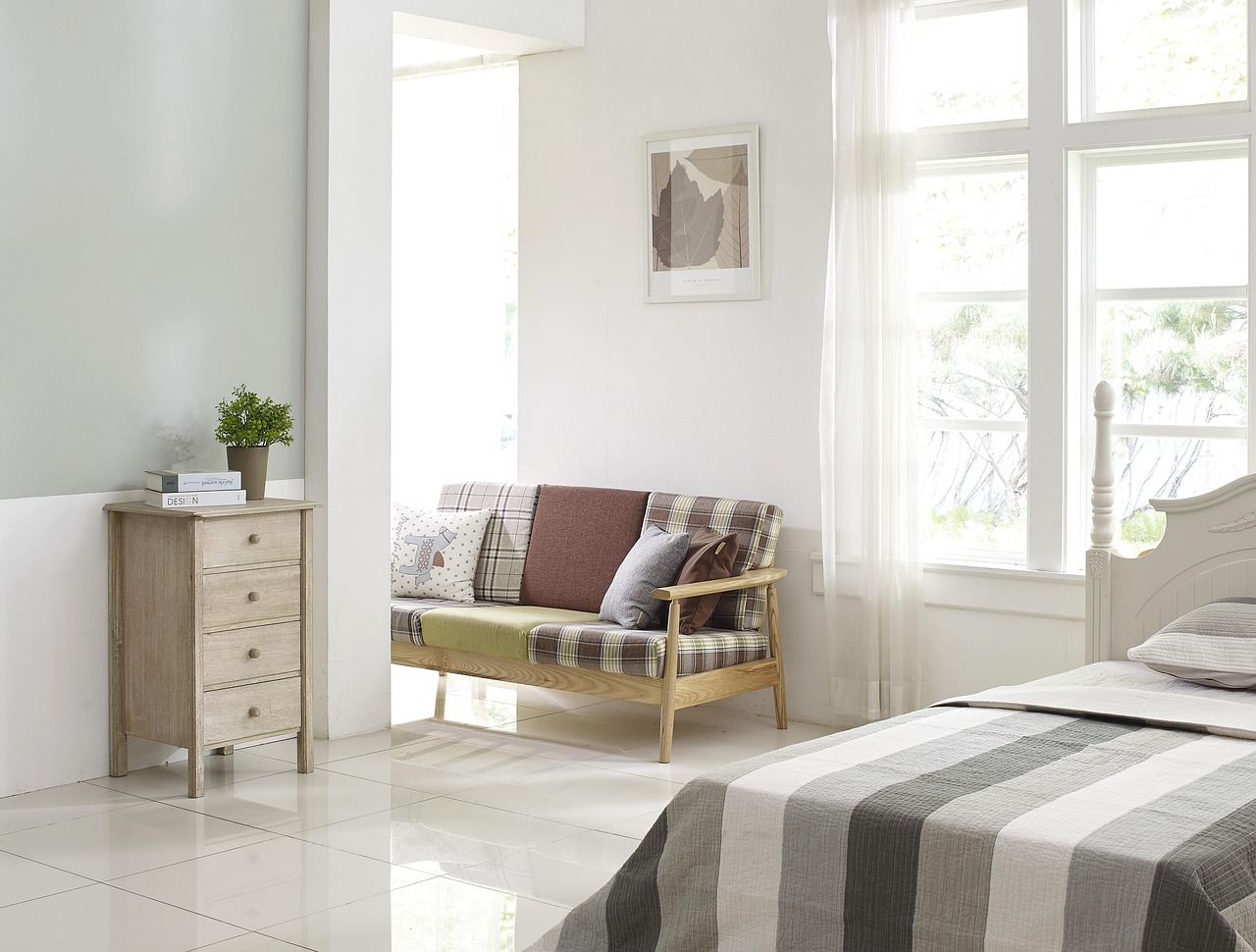
For years, white walls and pale sofas reigned supreme, promising a clean slate. But let’s be honest: all-white rooms can feel sterile, even intimidating. Designers and homeowners alike are saying yes to color — moody greens, warm ochres, even rich navy blues. Paint companies are reporting huge spikes in bold color sales. Texture is also making a comeback, with velvet cushions, woven throws, and layered rugs adding depth and coziness. Real estate stagers say pops of color not only photograph better, but also make a home feel memorable during showings. A living room with a deep emerald accent wall or a patterned tile backsplash stands out — and according to Houzz, buyers are responding. The new rule: make it personal, make it pop, and don’t be afraid of a little drama.
Matching Furniture Sets Stepping Out of the Spotlight
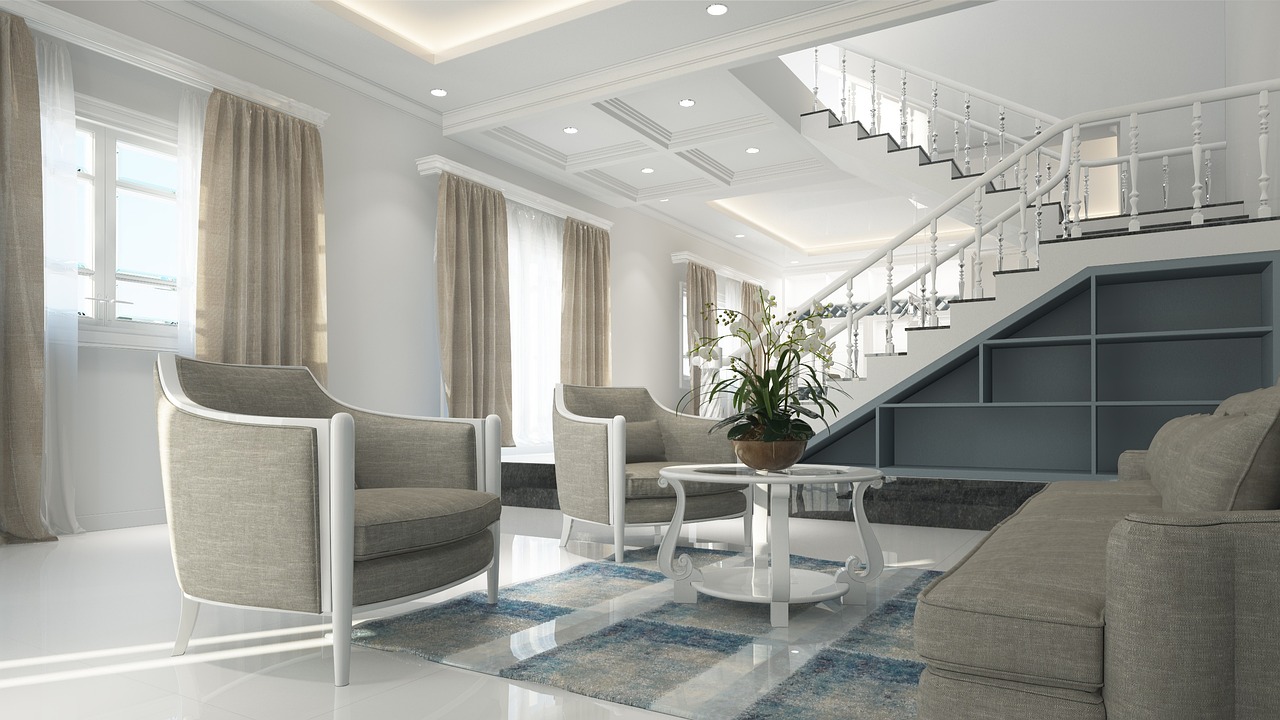
If you’ve ever walked into a room where every piece of furniture matches perfectly, you know it can feel a bit… flat. The days of buying a six-piece set and calling it done are over. Today, it’s all about mixing eras, textures, and shapes for an eclectic, collected look. A mid-century sofa might pair with a rattan coffee table and a modern light fixture. Designers say this “mix-and-match” approach creates a sense of authenticity and warmth, making rooms feel lived-in rather than staged. It also lets you update your space gradually — swap out a chair or lamp, and the whole vibe changes. Real estate agents say buyers are drawn to homes with personality, and a thoughtfully layered living room can fetch higher offers. The secret isn’t perfection; it’s individuality.
Granite Countertops Making Way for New Materials
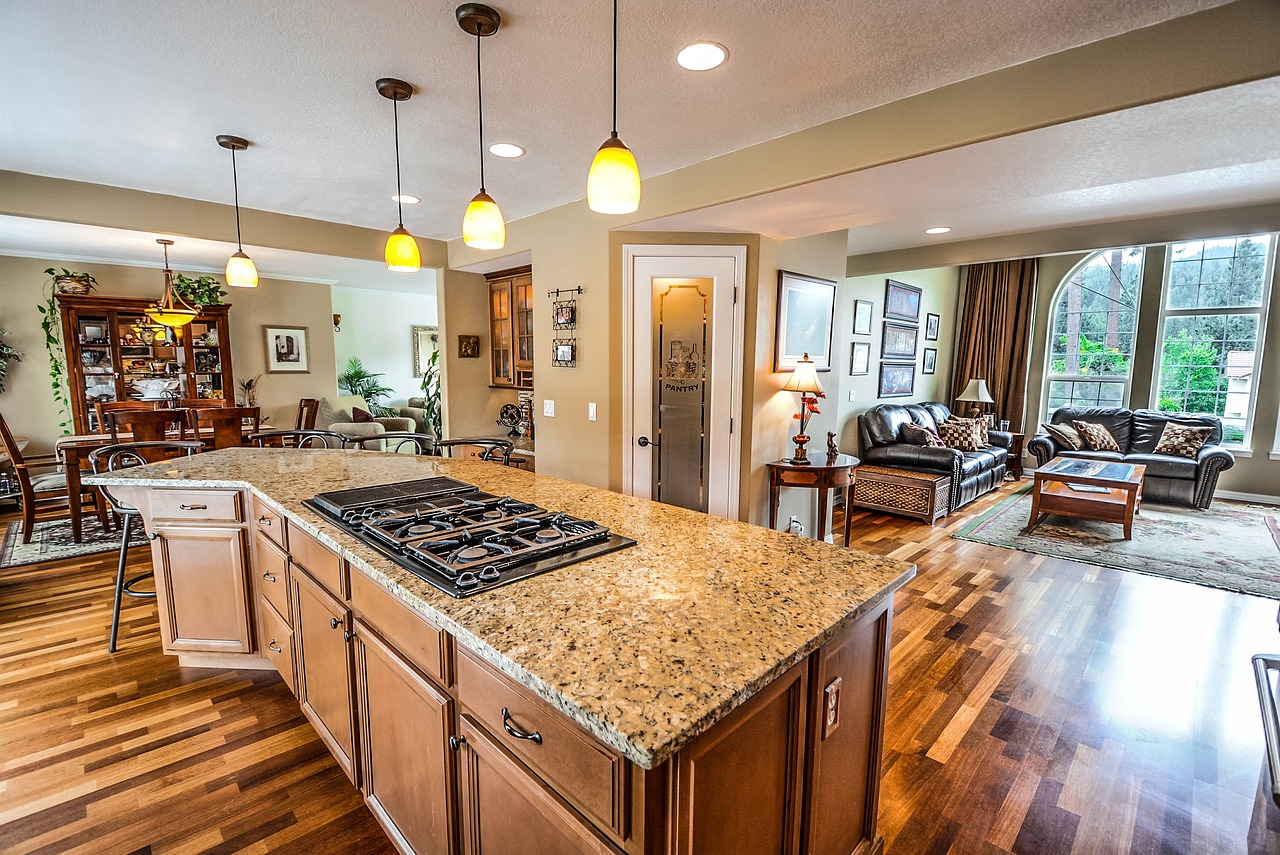
Granite once ruled the kitchen, but its reign is ending. Homeowners and designers are turning to quartz, recycled glass, butcher block, and even concrete for their durability, sustainability, and fresh appearance. Quartz, especially, is stain-resistant and available in endless colors. Concrete offers a custom, modern edge, while recycled materials signal eco-consciousness — a huge selling point for today’s buyers. Kitchen designers point out that these surfaces are often easier to maintain and seamlessly fit a range of styles, from farmhouse to ultra-modern. The trend isn’t just about looks; it’s about smarter, more thoughtful choices that add value and longevity to your home. Upgrading countertops isn’t just a style move — it’s a savvy investment.
Themed Rooms Quietly Disappearing From View
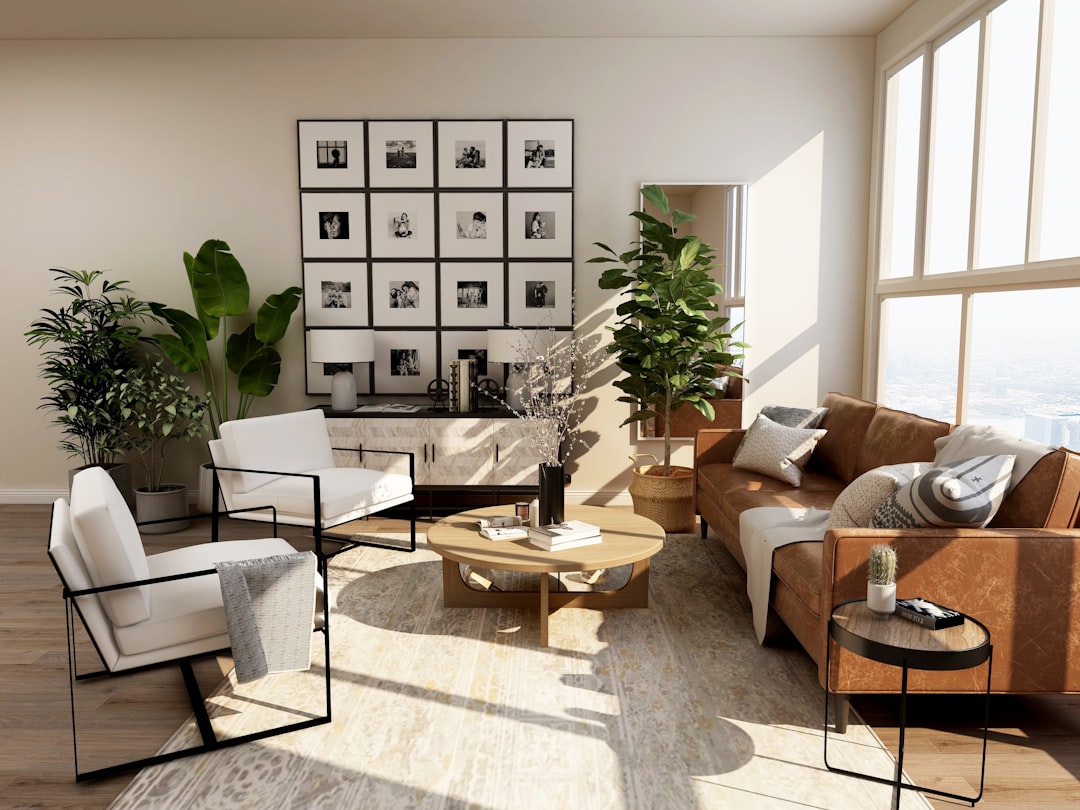
Once upon a time, you might’ve found a pirate bedroom, a Parisian kitchen, or a farmhouse bathroom — all decked out to the last detail. Now, themed rooms feel more like a Pinterest past than a present-day must-have. Today’s homeowners are opting for subtle sophistication: a hint of coastal blue, a vintage French chair, or a botanical print, all woven together without screaming “theme.” Designers call this “layered storytelling” — a way to nod to your passions without overwhelming the senses. Too much theme can make a space feel dated and limit its resale appeal. Stagers note that buyers want to see themselves in a space, not someone else’s Disney dream. The new rule: let your interests shine, but never steal the spotlight.
Heavy Drapery No Longer Dominating Windows
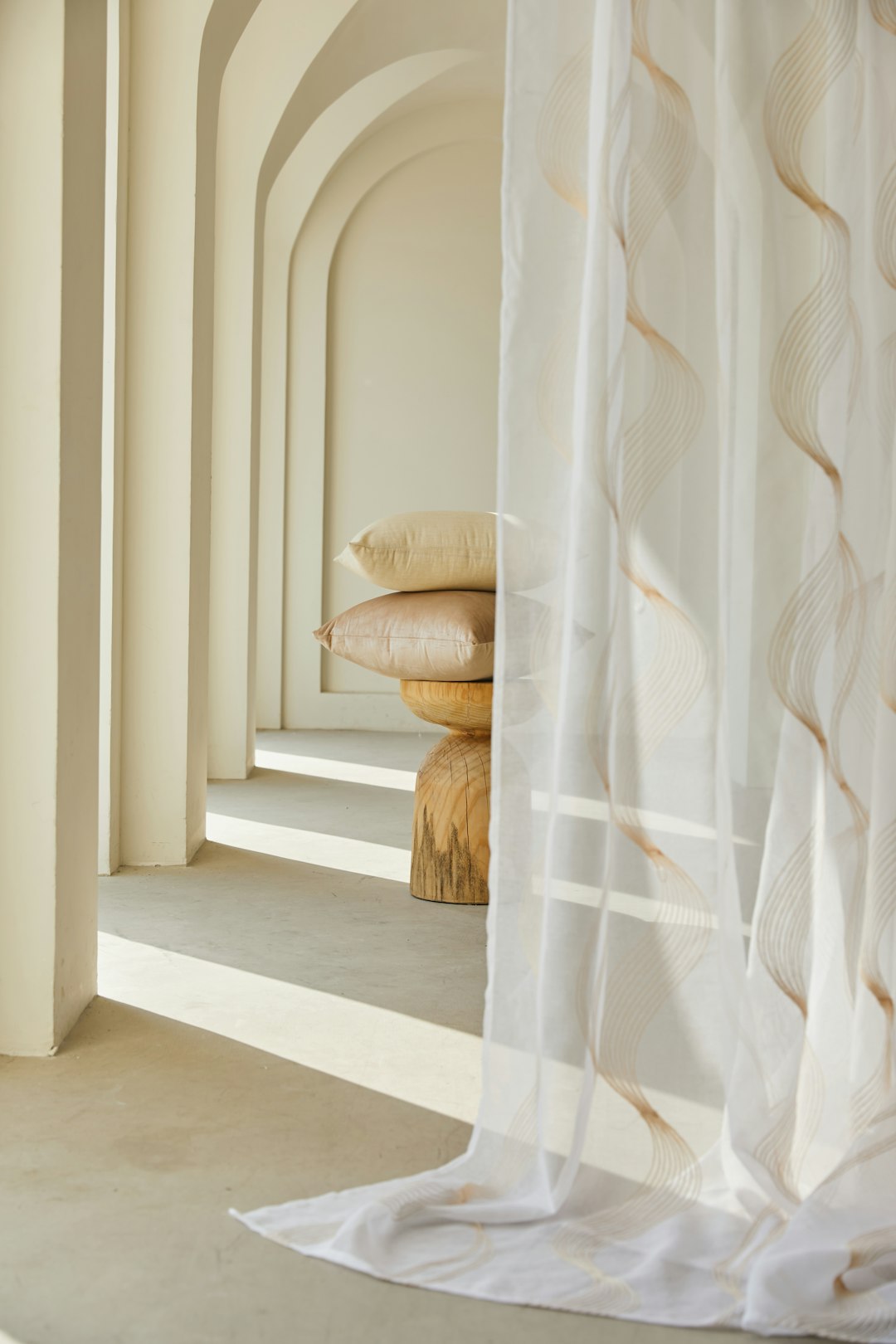
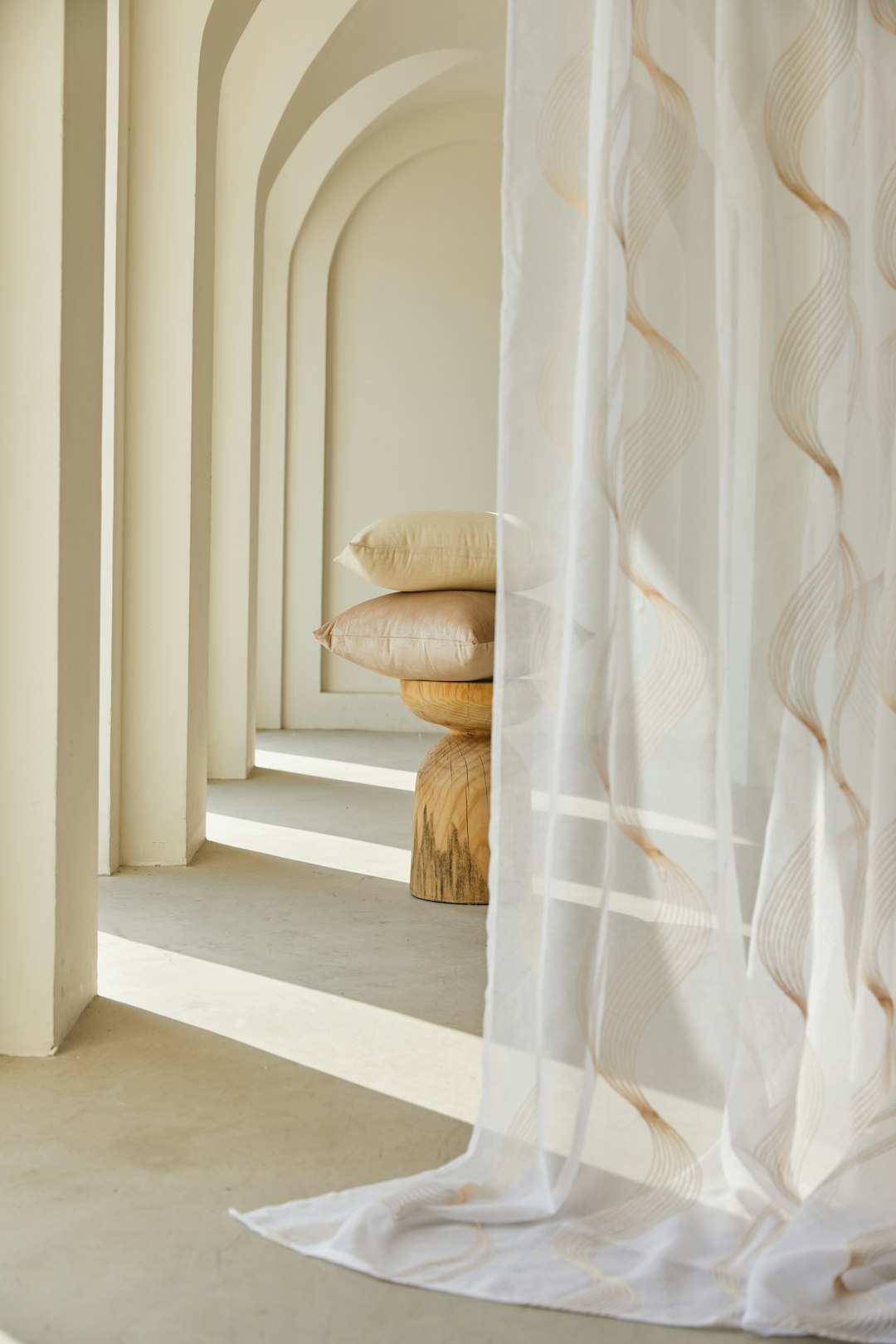
Thick, ornate drapes once signaled luxury, but now they often just block light and collect dust. The new trend is all about lightness and airiness. Sheer curtains, linen panels, and minimalist roller blinds are letting sunshine in while still providing privacy. Natural materials — like bamboo shades or cotton voiles — add texture and warmth without feeling heavy. Designers say that letting more daylight in can boost mood and make rooms feel bigger. Light, flowy window treatments are also easier to clean and maintain, perfect for busy households. In staging, open windows and simple curtains can make a home feel instantly more inviting and fresh. Goodbye, velvet drapes; hello, easy-breezy living.
Faux Finishes Losing Their Appeal for Authenticity
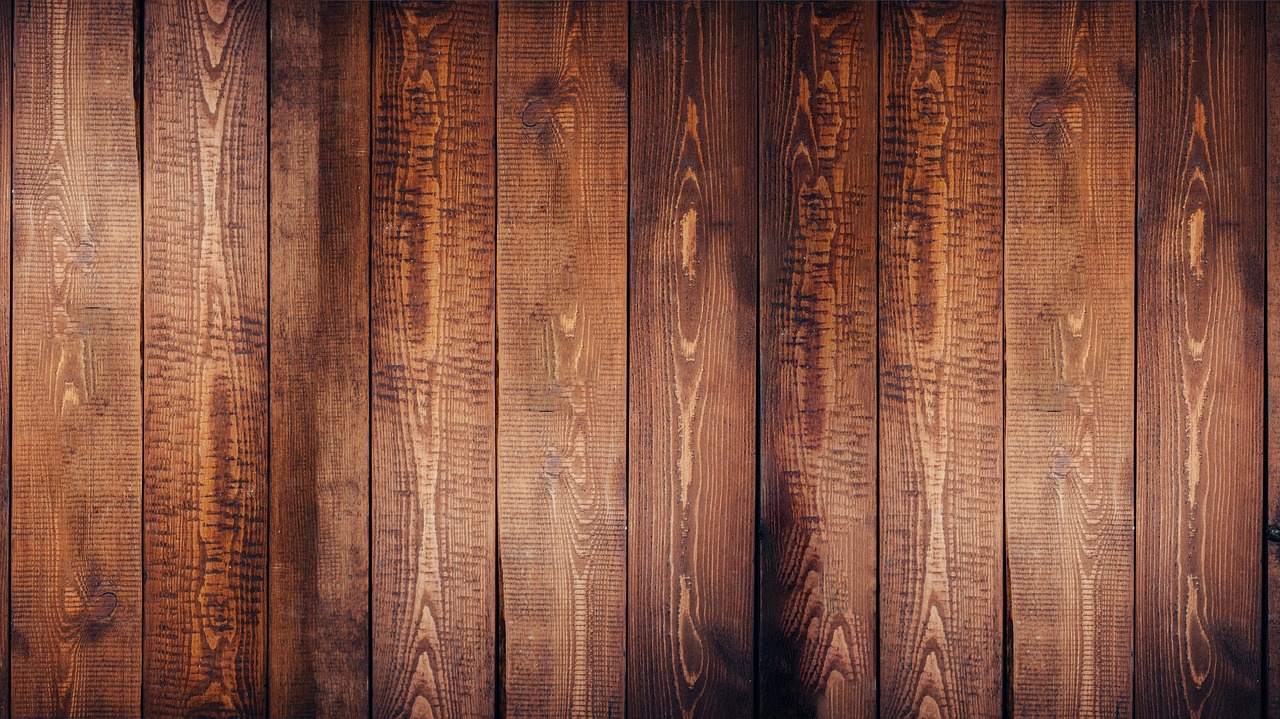
For years, faux finishes like fake wood beams, painted stone, or plastic paneling offered a shortcut to “luxury.” But today, authenticity wins. Homeowners are investing in real wood, natural stone, or handcrafted tile, even in small doses. Genuine materials age beautifully, gaining character over time instead of looking tired. Designers say the tactile quality of real materials invites touch and admiration, and can actually increase a home’s perceived value. Even budget-conscious renovators are choosing to highlight what’s real — sanding and sealing original floors, or exposing brick walls. The message is clear: honest materials feel better, last longer, and create a sense of groundedness that’s impossible to fake.
Layering and Personality Now Take Center Stage
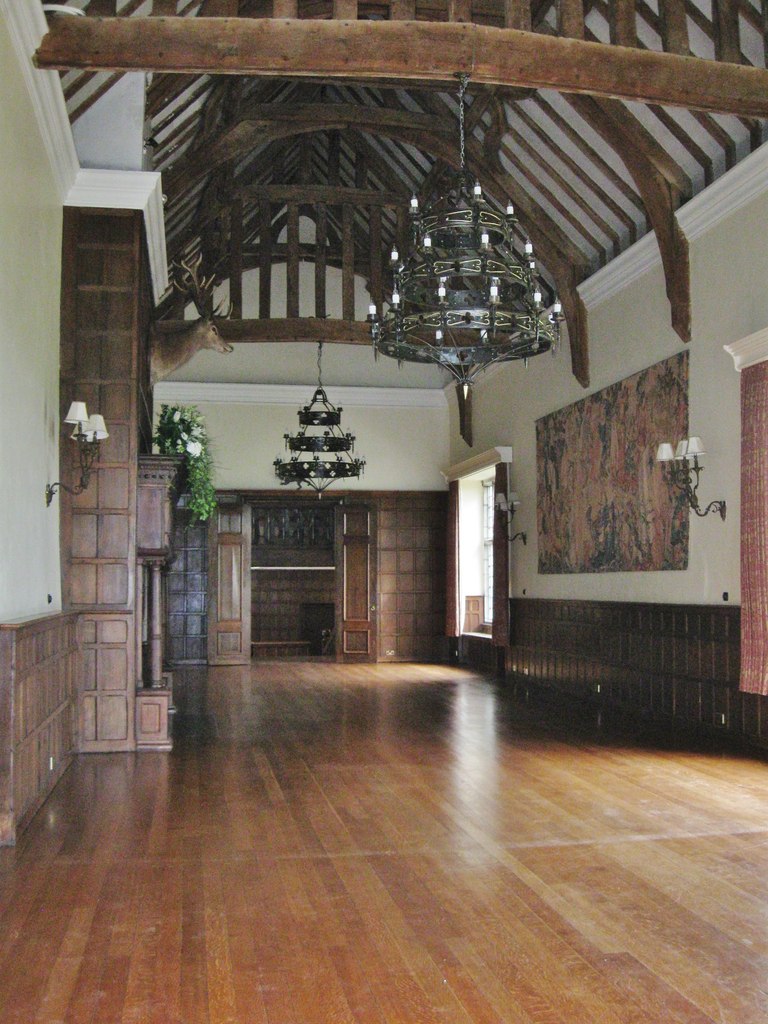
Homes today are moving away from rigid formulas and toward spaces that celebrate individuality. Layering — with color, texture, art, and collections — is the new hallmark of stylish interiors. Designers recommend starting with a neutral base, then adding pieces that matter to you: a sculptural vase, a family heirloom, a gallery of travel photos. The effect is a home that unfolds in chapters, each room offering its own unique vibe. Buyers and guests alike remember homes that feel lived-in and loved, not just styled for a magazine shoot. As one top designer puts it, “A room should feel like a warm conversation, not a cold statement.” The takeaway: it’s your story, so let your home tell it.

Matthias is a skilled author and digital storyteller with a focus on travel journalism, environmental issues, and modern home design. With a background in communications and a passion for global cultures, Matthias crafts engaging narratives that blend real-world exploration with thoughtful analysis and visual flair.
His writing reflects a deep interest in how climate change shapes our lives and lifestyles—from sustainable travel practices to eco-friendly living environments. Known for his clear, approachable voice and sharp editorial instincts, Matthias delivers content that resonates with readers seeking both inspiration and substance.
Whether reporting from remote destinations, breaking down sustainable design trends, or spotlighting innovative green initiatives, Matthias brings a global perspective and an eye for detail to every piece. He regularly contributes to web platforms and editorial projects that aim to foster awareness, creativity, and conscious living.