

Henrieke Otte is an accomplished writer and content editor, specializing in topics that inspire thoughtful living—ranging from global travel and sustainable lifestyles to interior design and architecture. With a keen editorial sense and a background in cultural studies, Henrieke brings depth, elegance, and clarity to every piece she crafts.
Her work is known for its engaging voice, visual sensitivity, and ability to turn complex ideas into accessible, reader-friendly narratives. Whether exploring eco-conscious destinations, dissecting climate-conscious home trends, or curating serene living spaces, Henrieke writes with a balance of creativity and insight that resonates with design-savvy, environmentally aware audiences.
Driven by a love of meaningful storytelling and a refined aesthetic, Henrieke contributes regularly to digital platforms and magazines where quality content meets visual sophistication.
Single-Use Kitchen Gadgets Crowd Your Drawers
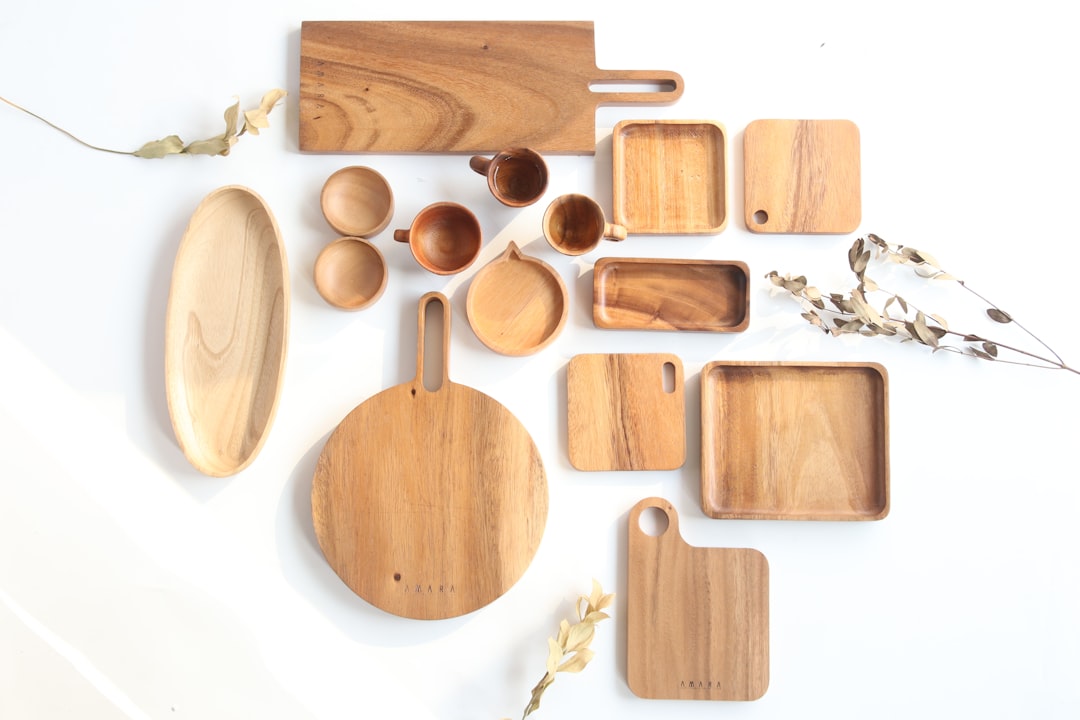
Open your kitchen drawers and you’ll probably find a graveyard of gadgets: avocado slicers, cherry pitters, egg separators. They seemed genius in the store, but now they just take up precious space. Professional chefs say even complex recipes rarely need more than a sharp knife and a trusty spatula. When counters are clear, your kitchen looks bigger and more inviting—something realtors say adds instant appeal for buyers. Letting go of these unitaskers makes cooking more joyful and your home more market-ready. Remember, less clutter means more calm. If it’s not something you reach for every week, it’s time to say goodbye.
Duplicate Appliances Eat Up Storage
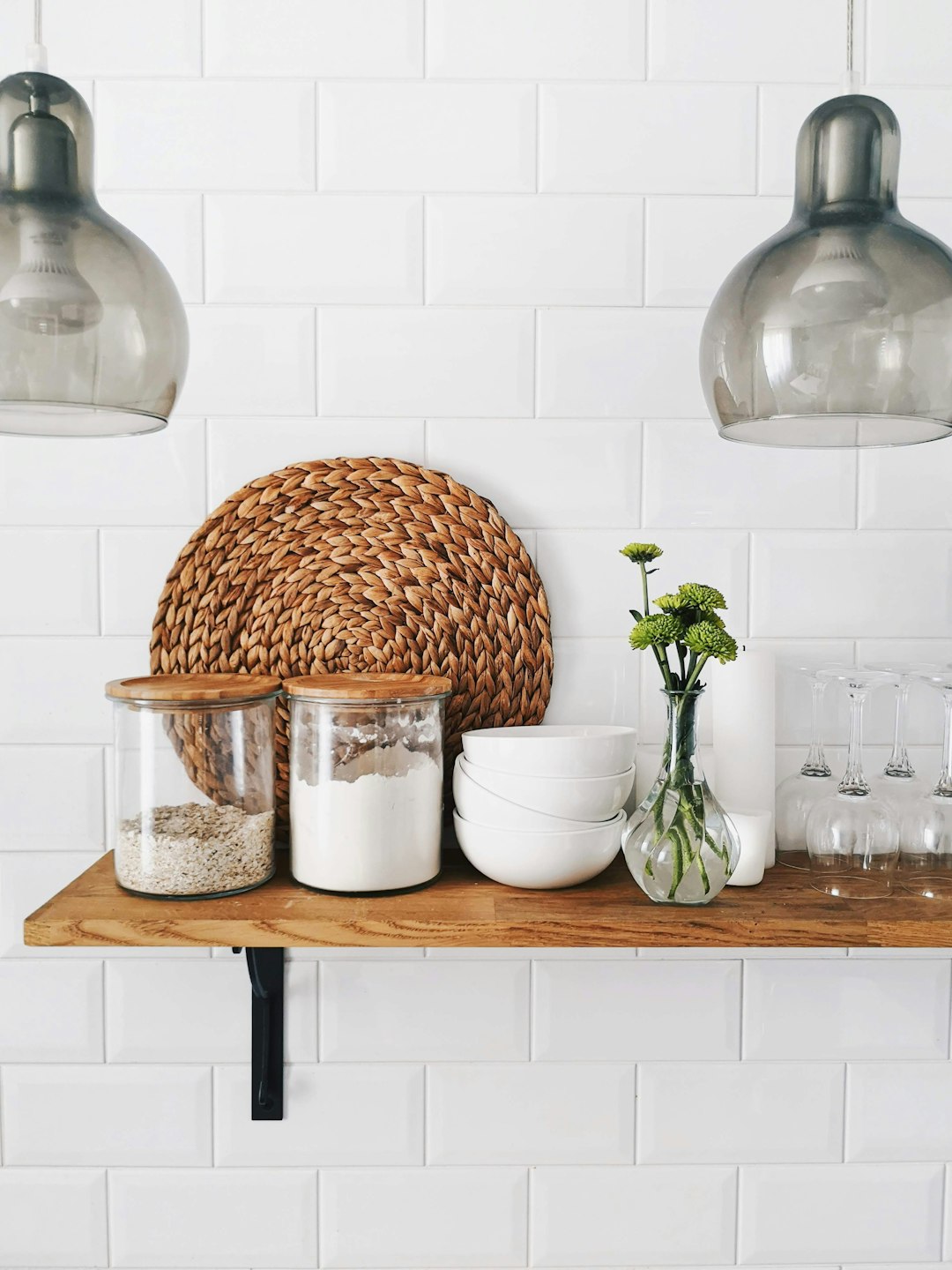
How many coffee makers does one home need? Or how about blenders and toasters? Duplicates pile up, especially after birthdays and holidays. According to design psychologists, seeing less cluttered counters can reduce household stress by up to 20%. Choosing the best version and donating the rest opens up space for things you actually use. It’s a small change that transforms how your kitchen feels and functions. A streamlined kitchen also photographs better for resale listings, making your home more attractive from the very first impression.
Old Plastic Food Containers Never Match

Almost everyone has a stash of mismatched plastic containers and lids—some stained, some missing their partners. The chaos costs you time every day and silently chips away at your sense of order. Professional organizers recommend keeping only a small set of stackable, clear containers. Not only does this simplify your cabinets, but it also makes meal prep and storage a breeze. Visual calm in your kitchen equals mental calm in your life. Ditching the rest is a quick win for both style and sanity.
Unused Exercise Equipment Becomes a Clothes Rack
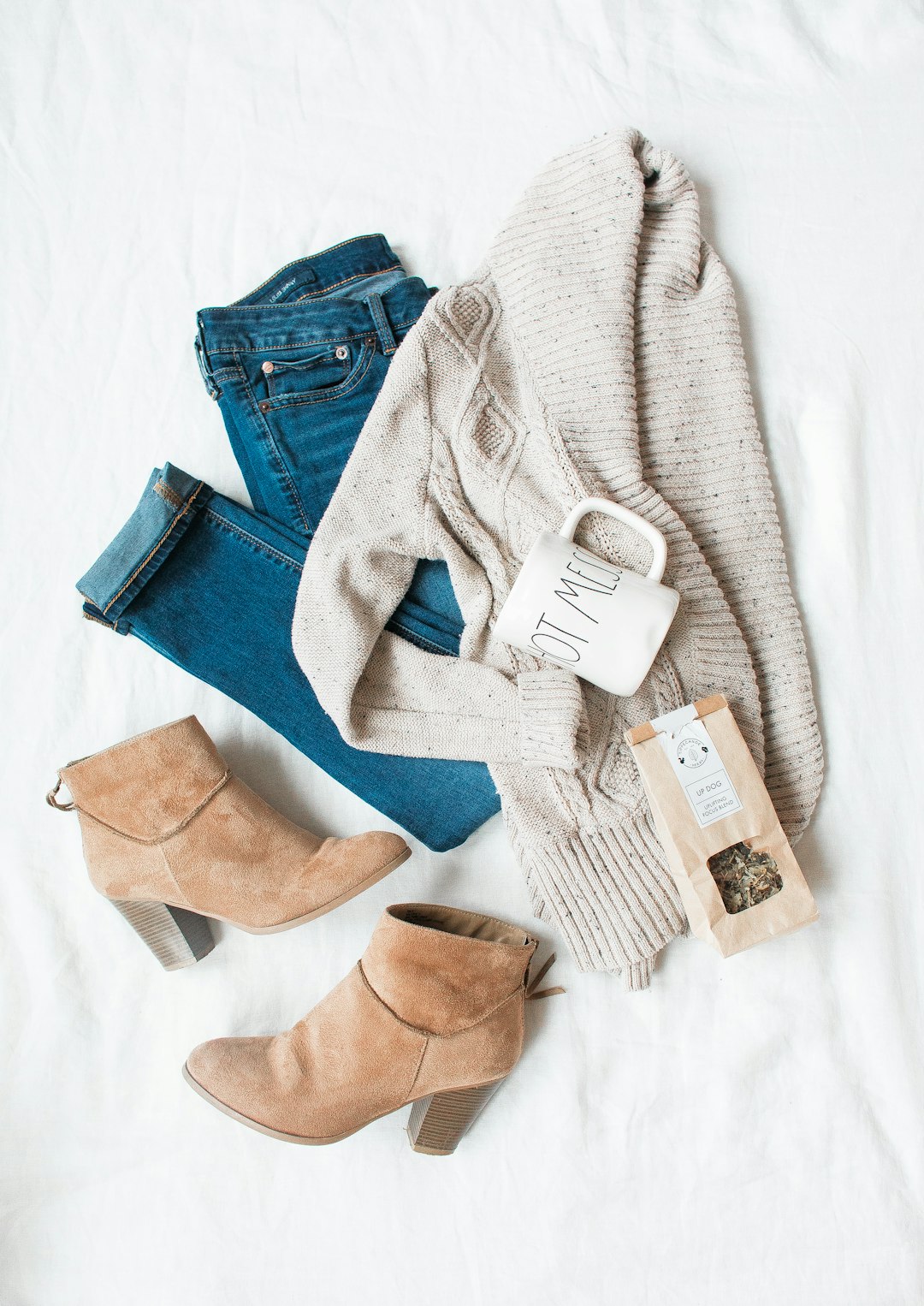
That treadmill in the corner? It’s probably sporting more laundry than miles. Home stagers regularly advise ditching bulky, unused gear because it shrinks the room and distracts from a home’s best features. According to a recent Zillow survey, open, uncluttered spaces add perceived value—even if your square footage stays the same. If you haven’t used that elliptical in six months, let it go. Consider compact, versatile equipment you’ll actually use, or reclaim the space for a cozy reading nook.
Battered Furniture Drags Down the Mood
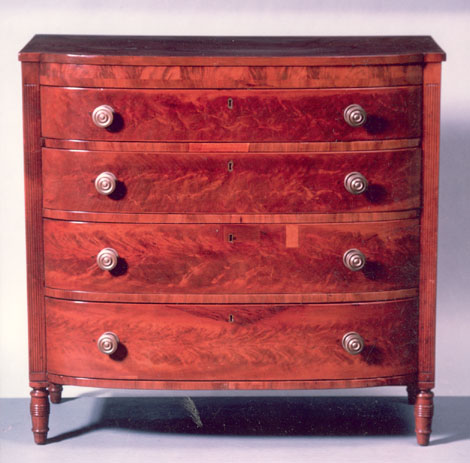
A saggy sofa or chipped coffee table sends the wrong message—to guests and future buyers alike. Outdated or damaged furniture can make even a well-designed room feel tired. Designers often suggest investing in fewer, higher-quality pieces that reflect your style and fit the space. Swapping out heavy, mismatched furniture for sleek, modern lines instantly brightens and modernizes a room. A single, well-chosen statement piece can do more for your home’s vibe than a dozen worn-out items.
Worn Out Linens and Towels Feel Tired
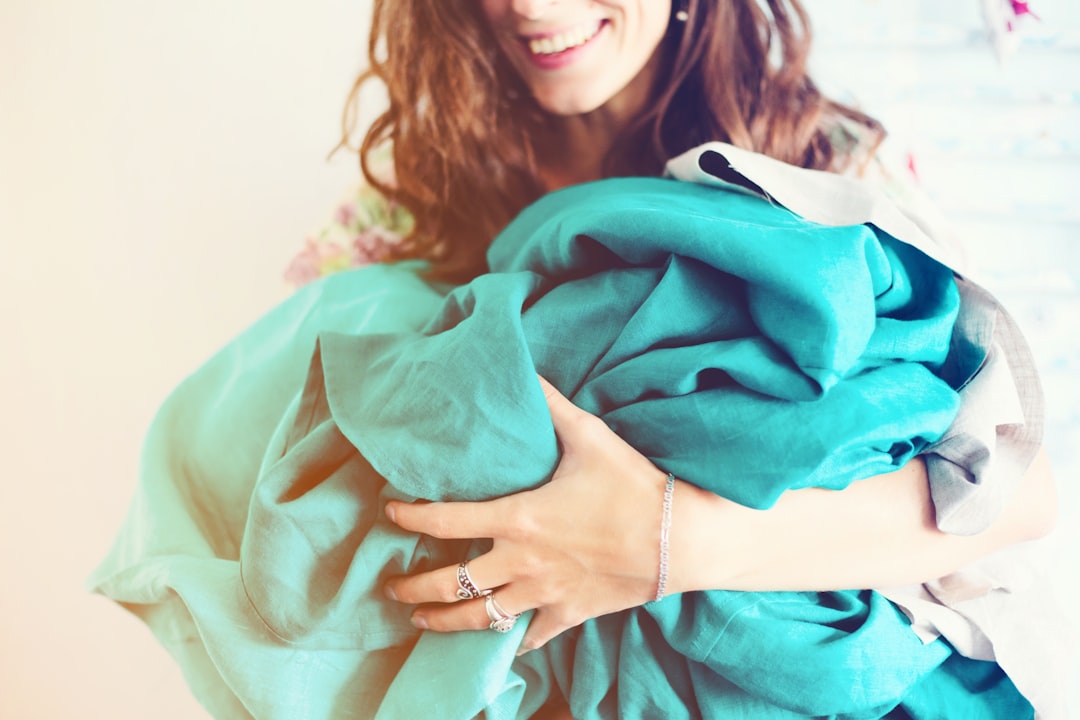
Faded sheets, scratchy towels, and pilled blankets don’t just look sad—they feel sad. Studies show tactile comfort at home directly relates to your overall sense of well-being. If your linens are past their prime, now’s the time to refresh. Keep a few sets in rotation and let go of the rest. This instantly elevates daily routines and gives your closets room to breathe. Plus, fresh linens make a home feel hotel-luxe, even on a budget.
Excessive Decorative Trinkets Overwhelm Spaces
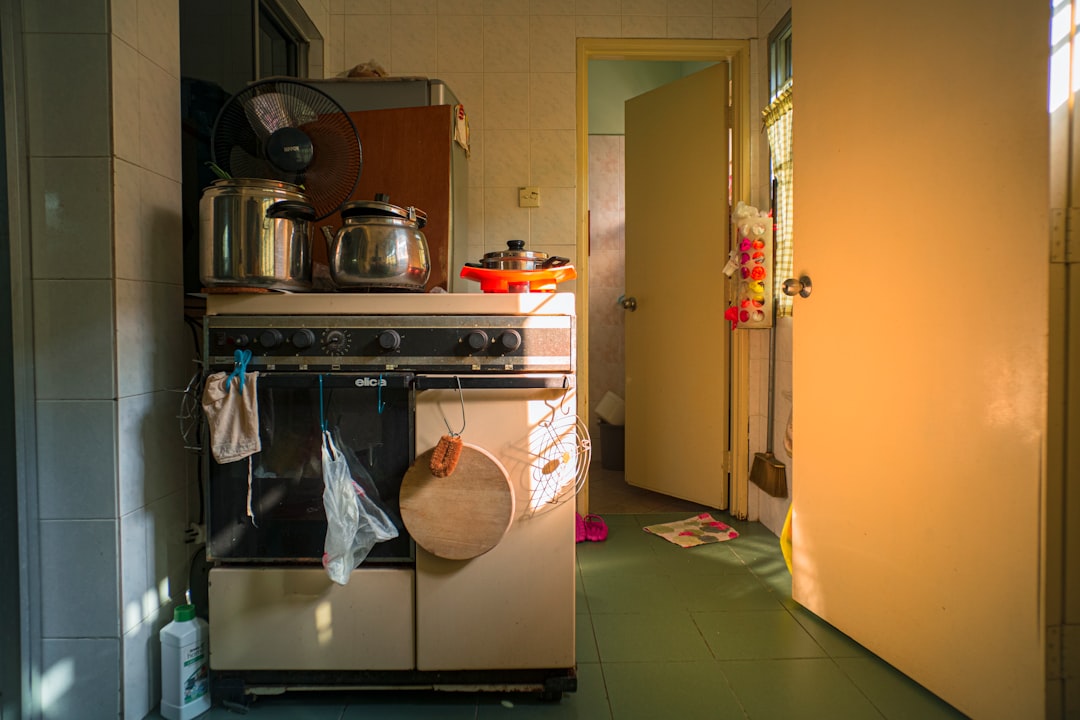
A shelf full of tiny figurines or crowded picture frames can turn visual charm into chaos. Interior stylists recommend the “rule of threes”—grouping a few meaningful pieces for maximum impact. Editing your decor allows your favorite finds to truly shine. In home staging, less is often more: pared-back surfaces make rooms feel larger and more serene. If dusting knickknacks has become a chore, it’s a sign to scale back and create more visual breathing room.
Outdated Electronics Add Hidden Clutter

Old phones, tangled chargers, and ancient DVD players don’t just take up space—they drag down your home’s energy. Tech experts say that upgrading to streamlined, multi-use devices cuts clutter and boosts daily efficiency. Recycle or donate devices you haven’t used in the past year. Your entertainment center will look sleeker, and your cords will finally be under control. Modern, wireless solutions not only look better but help your space work smarter.
Unread Books and Stale Magazines Steal Space
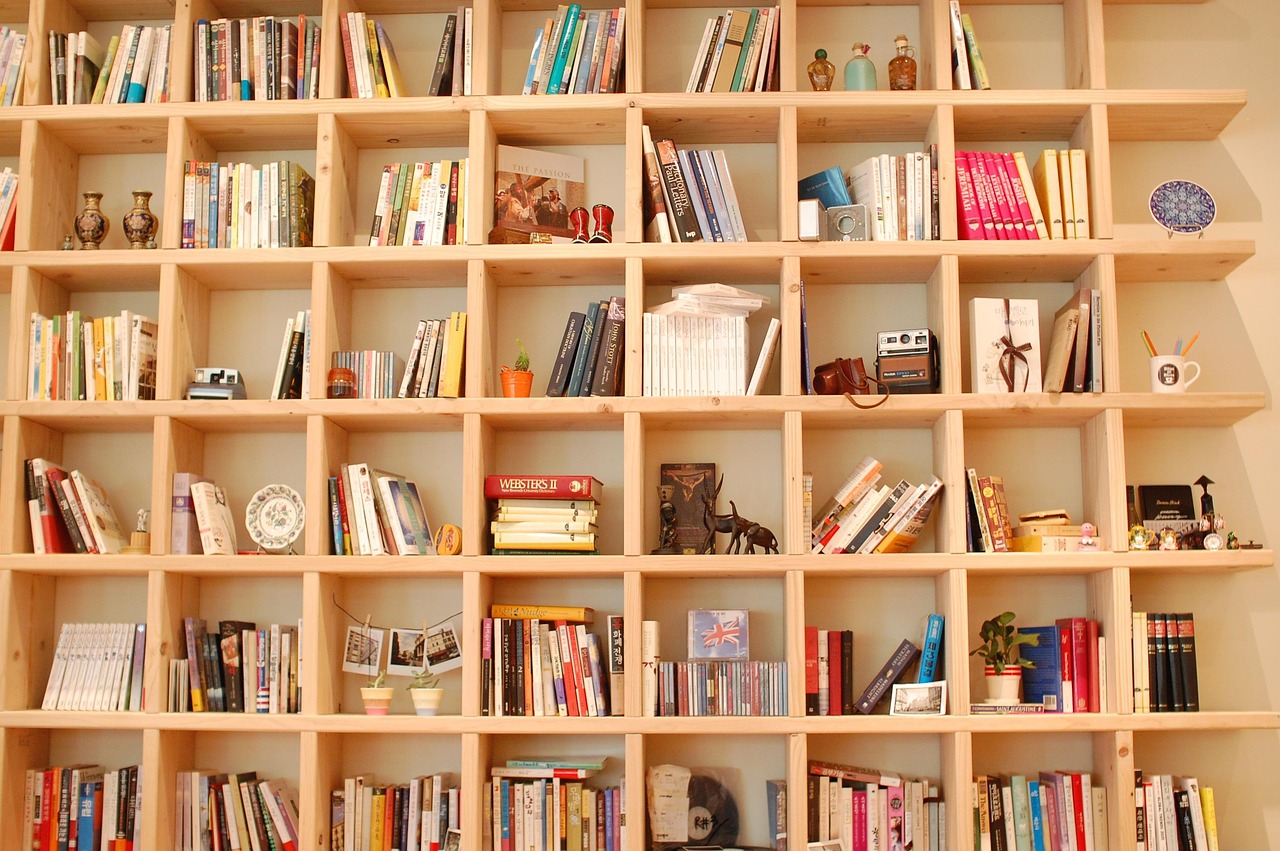
That towering stack of books you’ll “get to someday” can quietly sap visual calm. Real estate pros say a curated collection looks intentional and sophisticated, while overflowing shelves just look crowded. Donate what you won’t read and keep only what inspires or delights you. A well-edited bookcase becomes an instant design feature. This isn’t anti-reading—it’s pro-peace-of-mind, giving your favorites the spotlight they deserve.
Seasonal Decor You Never Unpack

We all have boxes of holiday décor that never see daylight, crowding closets year after year. Stagers suggest keeping only the pieces you truly love (or that spark joy, if you’re channeling Marie Kondo). Letting go of dated or generic items makes seasonal decorating easier and more meaningful. Plus, you’ll reclaim valuable storage for things you actually use. Well-chosen accents say more about your style than a sea of forgotten trinkets.
Excessive Throw Pillows Lose Their Charm
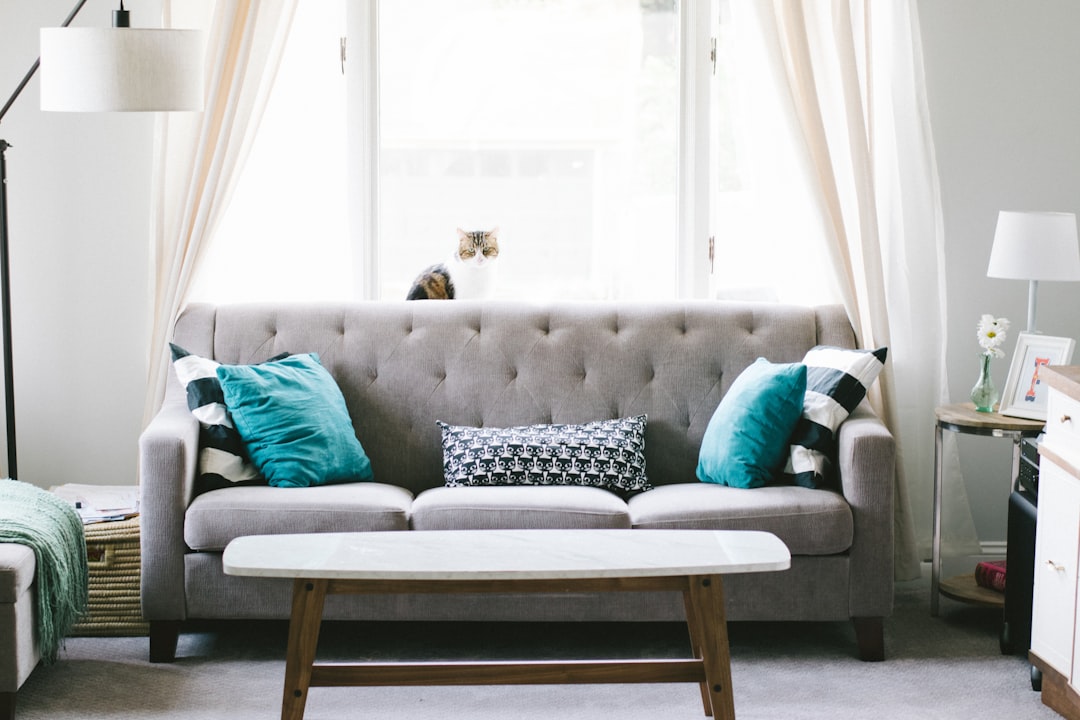
Throw pillows can transform a room—until they take over every seat and bed. Too many, and the effect goes from cozy to chaotic. Designers recommend sticking to a tight color palette and mixing textures for a luxe, layered look. Keep only the pillows that truly add comfort or style. Fewer, better pillows mean less to clean and more room to relax. Your space will instantly feel more pulled-together and welcoming.
Empty Product Bottles Hog Shower Space
It’s shockingly easy to collect half-empty shampoo, conditioner, and body wash bottles. These clutter up showers, making the space feel cramped and messy. Experts advise paring back to products you actually use, storing extras out of sight. Sleek, matching bottles can even double as décor. A tidy shower routine helps mornings start calmer and keeps your bathroom feeling spa-fresh.
Old Paint Cans and DIY Supplies Linger Unused
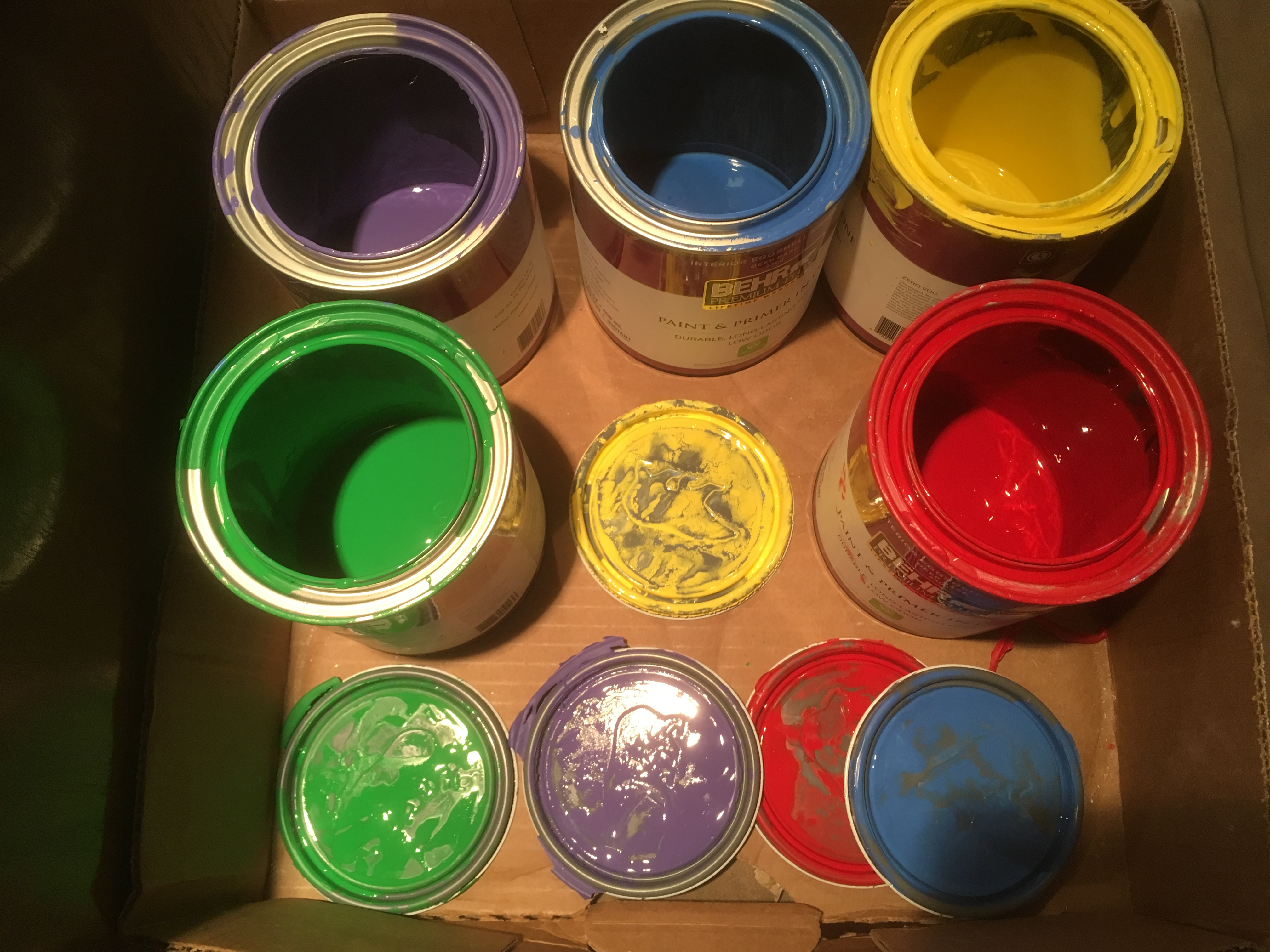
Garages and basements are notorious for collecting leftover paint and half-finished craft projects. According to home inspectors, these forgotten supplies can attract pests and even lower resale value. Keep only what you need for touch-ups and safely dispose of the rest. Organized storage signals a well-maintained home—something every buyer is looking for. Plus, you’ll finally have room for the projects you actually want to do.
Phone Books and Paper Manuals Are Obsolete
In the digital age, shelves of paper manuals and phone books are pure nostalgia—and pure clutter. Most instructions and contacts are now just a click away. Recycling these frees up space and simplifies your search for information. A streamlined filing system makes your home office more functional and less overwhelming. Lightening your paper load is a smart upgrade for both style and sanity.
Unused Vases and Glassware Multiply
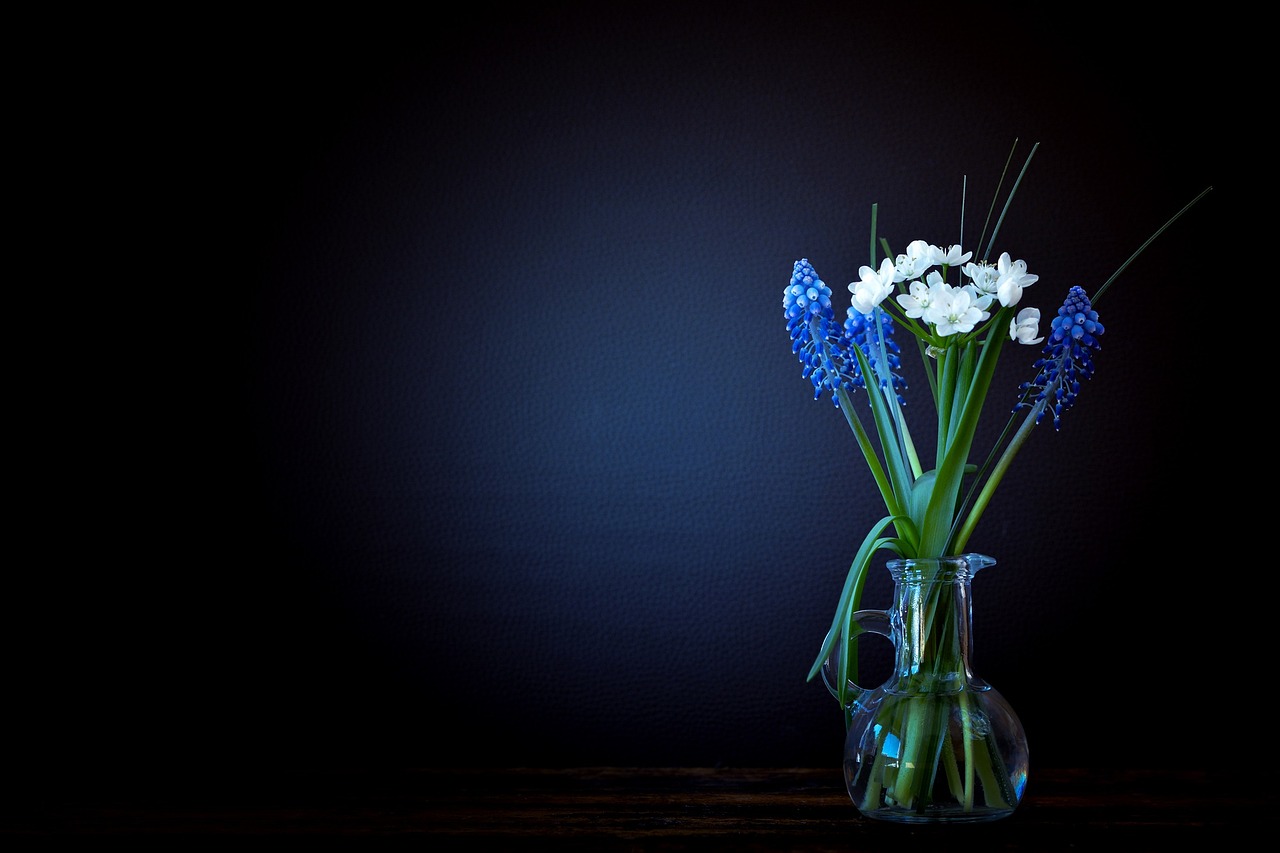
Somehow, vases and glassware accumulate behind closed cabinet doors. If you can’t remember the last time you filled that vase with flowers, it’s time to let it go. Keep a few versatile pieces and donate the rest. Open shelving with a curated display is a top trend this year, making your kitchen or dining area feel fresh and up-to-date. Less glass means less to dust and more room for what you love.
Broken Tools and Duplicated Hardware

Junk drawers and garages overflow with broken screwdrivers, rusty nails, and mystery keys. These items create a sense of chaos and make it harder to find what you actually need. Experts recommend a simple toolkit with high-quality basics. Organizing your tools makes you feel more in control—and can even prevent costly mistakes during DIY projects. It’s a small fix with a big payoff for daily living.
Old Children’s Toys and Games Outgrown

Kids grow fast, but the toys and games they leave behind tend to linger. A cluttered playroom stresses parents and overwhelms children. Donate gently used items to a local charity or swap with friends. A tidy, organized play space encourages creativity and calm. Plus, it’s easier to keep clean and more appealing to potential buyers with families.
Sentimental Clutter Weighs Down Your Energy
Gifts you never loved, inherited china you never use, wedding favors gathering dust—these emotional items can make your space feel more like a museum than a home. Design psychologists say letting go of guilt-laden clutter is essential for well-being. Choose a few meaningful keepsakes and display them proudly. Release the rest to make room for memories you’re still making. An emotionally light home feels instantly more joyful and welcoming.
Expired Beauty Products Fill Drawers
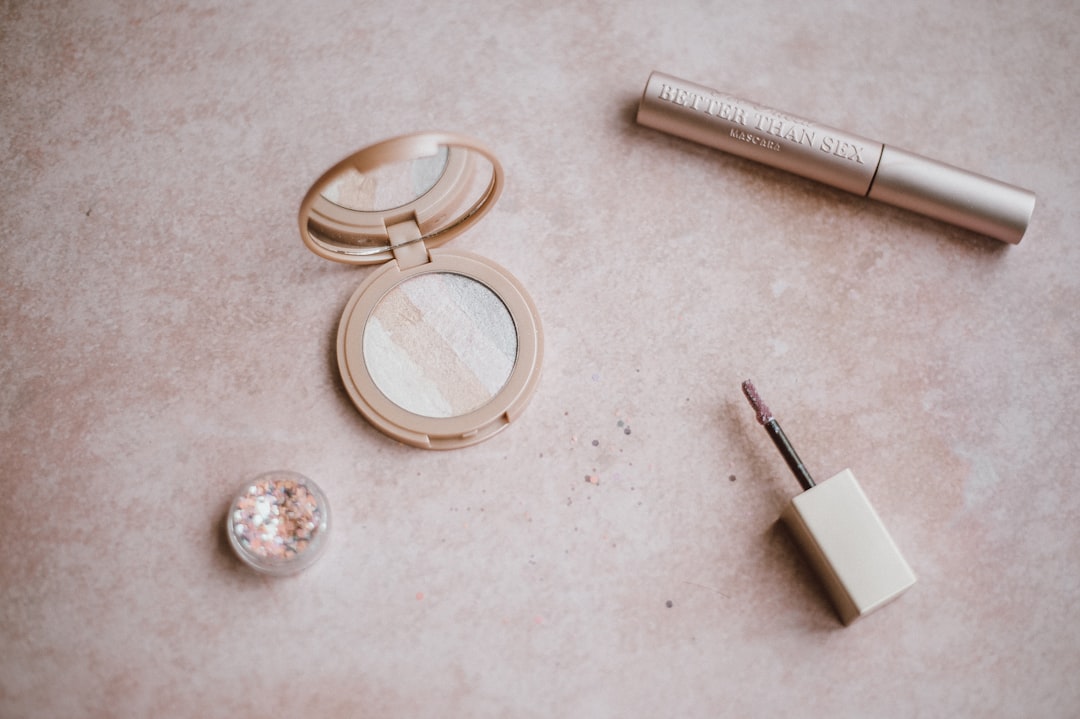
Old makeup, expired skincare, and dried-out nail polish can quickly overflow your bathroom drawers. Dermatologists warn that expired products can irritate skin and lose effectiveness. Toss anything past its prime and keep your daily essentials accessible and organized. A simplified vanity is more inviting and easier to clean. Plus, seeing only what you actually use every morning starts your day on a fresh, positive note.

Henrieke Otte is an accomplished writer and content editor, specializing in topics that inspire thoughtful living—ranging from global travel and sustainable lifestyles to interior design and architecture. With a keen editorial sense and a background in cultural studies, Henrieke brings depth, elegance, and clarity to every piece she crafts.
Her work is known for its engaging voice, visual sensitivity, and ability to turn complex ideas into accessible, reader-friendly narratives. Whether exploring eco-conscious destinations, dissecting climate-conscious home trends, or curating serene living spaces, Henrieke writes with a balance of creativity and insight that resonates with design-savvy, environmentally aware audiences.
Driven by a love of meaningful storytelling and a refined aesthetic, Henrieke contributes regularly to digital platforms and magazines where quality content meets visual sophistication.