


Henrieke Otte is an accomplished writer and content editor, specializing in topics that inspire thoughtful living—ranging from global travel and sustainable lifestyles to interior design and architecture. With a keen editorial sense and a background in cultural studies, Henrieke brings depth, elegance, and clarity to every piece she crafts.
Her work is known for its engaging voice, visual sensitivity, and ability to turn complex ideas into accessible, reader-friendly narratives. Whether exploring eco-conscious destinations, dissecting climate-conscious home trends, or curating serene living spaces, Henrieke writes with a balance of creativity and insight that resonates with design-savvy, environmentally aware audiences.
Driven by a love of meaningful storytelling and a refined aesthetic, Henrieke contributes regularly to digital platforms and magazines where quality content meets visual sophistication.
Politics and Elections

Bringing up politics at dinner is like lighting a match in a dry forest—sparks fly fast, and almost everyone gets burned. According to a 2024 Pew Research Center study, political polarization in American families has deepened, with 44% of adults admitting to family arguments over political topics in the past year. Heated debates often ruin the meal, making everyone uncomfortable. These clashes can fracture relationships, especially between generations. Instead of sharing a peaceful meal, the table turns into a battleground. Experts recommend saving political discussions for another time, as mealtimes should be about connection, not division. Most families still break this rule, even though it rarely ends well.
Religion and Beliefs

Religion is another sensitive topic that regularly bubbles up at family dinners. In a 2023 Gallup survey, nearly 30% of respondents said they felt uncomfortable discussing faith with relatives. Differing beliefs can cause defensiveness, frustration, or hurt feelings, especially when family members feel judged or misunderstood. The emotional weight of these conversations often overshadows the joy of eating together. Arguments about holidays, church attendance, or spiritual upbringing can quickly escalate. Experts agree that dinner is the wrong time to challenge someone’s core values. Yet, many families still fall into this trap, forgetting how divisive the topic can be.
Money and Finances

Money talk at the table is a recipe for indigestion. According to a 2024 Fidelity Investments report, over half of Americans experience stress when discussing finances with family. Disagreements about spending, saving, or financial help often spark tension and embarrassment. It’s easy for such conversations to turn into blame games or comparisons. The family meal should be a safe space, not a financial review. Children, in particular, can feel anxious or confused when adults argue about money. Despite this, many families still let money matters creep into dinner conversations.
Parenting Styles

Criticizing parenting choices in front of the family is more common than you’d think. According to a 2024 American Psychological Association study, 37% of parents have felt judged by relatives over their parenting at family gatherings. Comments about discipline, screen time, or school choices can quickly become personal attacks. This kind of argument puts parents on the defensive and can embarrass children. It’s rarely productive and often leaves everyone feeling misunderstood. Dinner is supposed to be about unity, but parenting debates divide the group instead. Still, these arguments persist in many households.
Weight and Body Image

Comments about weight or eating habits are surprisingly common and deeply hurtful. The CDC reported in 2023 that over 40% of teens feel self-conscious about their bodies, often due to family remarks. Dinner table comments about portion sizes, diets, or “looking healthy” can trigger shame and anxiety. These conversations can contribute to disordered eating and long-term body image issues. Family members may mean well, but these topics are best left untouched at meals. Nonetheless, such comments still find their way into dinner conversations across the country.
Career Choices

Arguments about career paths can make dinner feel like a performance review. According to a 2024 LinkedIn survey, 1 in 3 young professionals feel their family doesn’t support their career decisions. Comments about job security, salary, or working hours can sting, especially for those still finding their way. These discussions often lead to defensiveness or feelings of inadequacy. Instead of celebrating achievements, the focus shifts to criticism. Dinner should be about support, not scrutiny, yet many families can’t resist the urge to weigh in.
Academic Performance

Grades and academic achievements are a recurring source of tension at the table. The National PTA reported in 2023 that 65% of students feel stressed by family expectations around academics. Bringing up report cards, test scores, or college plans can turn a relaxing meal into an interrogation. This pressure often leads to anxiety and resentment, especially among teens. The dinner table should be a break from school talk, not an extension of it. Yet, families still fall into the habit of drilling kids about their performance.
Family History and Old Grudges
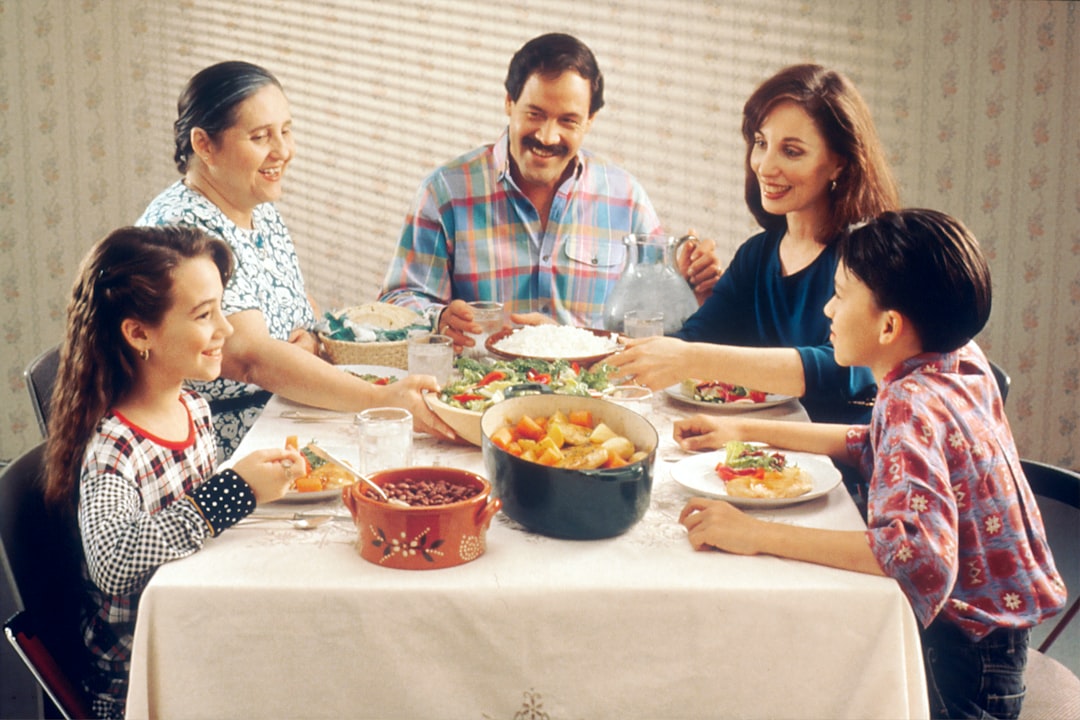
Bringing up past mistakes or family disputes during dinner is a classic recipe for disaster. The American Family Survey in 2024 found that nearly 20% of family conflicts stem from unresolved past issues. Whether it’s an old argument or a long-held grudge, rehashing history only revives negative emotions. These conversations can derail the meal and reopen old wounds. Instead of moving forward, the family gets stuck in a cycle of blame and hurt. Still, old stories and grievances often resurface at the table.
Comparisons Between Siblings

Comparing siblings’ achievements, looks, or choices is one of the quickest ways to create tension. A 2023 University of Michigan study found that sibling rivalry is intensified by parental comparisons, leading to long-term resentment. Comments like “Why can’t you be more like your brother?” can cut deep and damage self-esteem. Sibling comparisons turn dinner into a competition rather than a time for togetherness. This habit, while common, does more harm than good. Yet, many families still make these kinds of remarks, often without realizing the impact.
Divorce and Relationship Troubles

Discussing divorce or relationship issues during dinner can make everyone uncomfortable, especially kids. According to a 2024 report by the American Academy of Matrimonial Lawyers, family meals are the worst time to address marital problems. Children can feel caught in the middle or responsible for adult issues. Even adults may feel awkward or pressured to take sides. These conversations rarely lead to solutions and often spoil the mood. Despite the discomfort, families sometimes air their relationship grievances during meals.
Personal Health Issues

Talking about illnesses, medical treatments, or private health matters at dinner is rarely a good idea. The Mayo Clinic advises keeping such topics private, as they can make others lose their appetite or feel anxious. Even well-meaning questions about medications or diagnoses can embarrass family members. Health conversations can also trigger worry, especially in children. Dinner should be a time to relax, not worry about ailments. Regardless, many families still slip into health talk at the table.
Legal Troubles

Discussing legal problems—whether it’s a parking ticket or something more serious—creates stress for everyone. A 2023 American Bar Association survey found that legal issues are among the top three most stressful family topics. Bringing up lawsuits, arrests, or court dates during dinner can embarrass those involved and worry the whole group. It’s hard to enjoy a meal when legal drama is on the menu. Yet, these topics sometimes emerge, often turning the conversation sour.
Substance Use and Addiction

Bringing up a family member’s substance use or addiction at dinner can quickly escalate into confrontation. The National Institute on Drug Abuse reported in 2024 that family interventions are most effective in private, supportive settings—not at the dinner table. Publicly discussing rehab, drinking habits, or drug use creates shame and defensiveness. This approach rarely leads to solutions and usually ruins the meal for everyone. Still, some families confront these issues in front of the whole group, hoping for change but causing embarrassment instead.
Inheritance and Family Wills

Conversations about inheritance or wills during dinner are a surefire way to create suspicion and resentment. A 2024 survey by Caring.com found that 54% of adults have unresolved concerns about family inheritance, often leading to arguments. Discussing who gets what or how assets will be divided can spark jealousy and distrust. These topics are best handled with care, outside of family gatherings. Yet, inheritance talk still finds its way to the dinner table, often with dramatic results.
Romantic Lives and Dating Choices

Questioning someone’s romantic relationships at dinner puts them on the spot and invites judgment. According to a 2023 Match.com survey, 42% of singles dread family gatherings because of questions about their love life. Comments about marriage, breakups, or dating apps can feel invasive and embarrassing. These discussions often lead to defensiveness or family gossip. Dinner should be a safe space, not a tribunal for personal choices. Despite this, families still bring up relationships, often turning a pleasant meal into an awkward affair.

Henrieke Otte is an accomplished writer and content editor, specializing in topics that inspire thoughtful living—ranging from global travel and sustainable lifestyles to interior design and architecture. With a keen editorial sense and a background in cultural studies, Henrieke brings depth, elegance, and clarity to every piece she crafts.
Her work is known for its engaging voice, visual sensitivity, and ability to turn complex ideas into accessible, reader-friendly narratives. Whether exploring eco-conscious destinations, dissecting climate-conscious home trends, or curating serene living spaces, Henrieke writes with a balance of creativity and insight that resonates with design-savvy, environmentally aware audiences.
Driven by a love of meaningful storytelling and a refined aesthetic, Henrieke contributes regularly to digital platforms and magazines where quality content meets visual sophistication.