

Lena is a thoughtful and imaginative writer with a passion for storytelling across the themes of travel, environmental sustainability, and contemporary home aesthetics. With a background in cultural media and a strong visual sensibility, Anna Lena creates content that bridges inspiration with practical insight.
Her work explores the interplay between place, lifestyle, and design—guiding readers through meaningful travel experiences, eco-conscious choices, and modern approaches to living well. Known for her elegant writing style and attention to detail, she brings a fresh, human-centered perspective to every topic she covers.
Anna Lena contributes to digital publications and editorial projects where aesthetics meet purpose. Her writing not only informs but also encourages readers to live more intentionally, sustainably, and beautifully—wherever they are in the world.
Magnetic Toys: The Hidden Danger

Small, brightly colored magnetic toys seem harmless, but they pose a serious risk if swallowed. In recent years, U.S. emergency rooms have seen a spike in cases where children ingested powerful magnets, leading to life-threatening intestinal injuries. According to a 2024 study published by the American Academy of Pediatrics, incidents involving high-powered magnets have more than doubled since 2020 as these toys have become more widely available. Even a single swallowed magnet can cause problems, but two or more can attract each other through intestinal walls, causing blockages or tears. The Consumer Product Safety Commission has issued repeated warnings, but many parents still aren’t aware of the risks. Experts recommend keeping all magnetic toys out of reach of children under the age of 14. The danger is especially high in homes where older siblings have access to magnetic building sets.
Button Batteries: Small Size, Big Threat
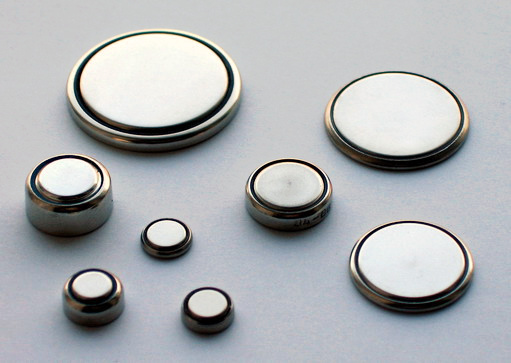
Button batteries are found in everything from remote controls to musical greeting cards, yet they are one of the most dangerous items a child can swallow. The National Capital Poison Center reports that over 3,500 swallowing incidents involving button batteries occur annually in the U.S., and severe injuries can develop in under two hours. When lodged in the throat or digestive tract, the battery can trigger a chemical reaction that burns through tissue, sometimes causing fatal bleeding. Research published in 2023 highlighted a rise in these accidents as more devices use button batteries, and children under 5 are most at risk. Experts urge parents to secure battery compartments with tape and store spare batteries where kids can’t access them.
Window Blind Cords: The Silent Strangler

Window blind cords may blend into the background, but they remain a leading cause of accidental strangulation in young children. The U.S. Consumer Product Safety Commission estimates that nearly one child per month dies from strangulation by window cords. Despite years of public safety campaigns, many homes still have older blinds with hazardous cords. In 2023, new regulations required all window coverings sold in the U.S. to have cordless designs, but millions of homes still use older models. The American Academy of Pediatrics recommends replacing corded blinds or, at minimum, keeping cords tied up and out of children’s reach. It’s a simple fix that could save lives, yet many parents overlook it.
Unanchored Furniture: The Tipping Point

Tall dressers, bookshelves, and TVs can easily tip over if climbed on or pulled, posing a fatal risk to young children. The Consumer Product Safety Commission reported over 22,500 emergency room visits between 2021 and 2024 due to furniture tip-overs, with children under six most affected. Tragically, dozens of children die each year when heavy furniture falls on them. In a 2024 safety survey, only 38% of parents said they had anchored large furniture to the wall. Safety experts emphasize that even seemingly stable furniture can tip if a child climbs or pulls on it, and simple anchoring kits are widely available and inexpensive.
Household Cleaning Products: Colorful but Toxic

The trend toward colorful, fruit-scented cleaning products has made them more appealing to young children, increasing the risk of accidental ingestion. According to the American Association of Poison Control Centers, calls about young children exposed to cleaning products surged 20% between 2022 and 2024. Many of these products come in bright packaging that can be mistaken for juice or candy. Bleach, dishwasher pods, and liquid laundry packets are especially dangerous and can cause severe chemical burns or poisoning. Experts recommend keeping all cleaning products locked away and out of sight, and choosing packaging with child-resistant caps.
Loose Rugs and Slippery Floors: Falls Waiting to Happen

Falls are the leading cause of non-fatal injuries among children, according to the CDC, and loose rugs or wet floors are a major culprit. In 2023, over 2 million children visited emergency rooms for fall-related injuries, with many incidents occurring at home. Rugs without non-slip backing can slide easily, especially on hardwood or tile floors, which increases the risk of head injuries. Parents are advised to secure rugs with non-slip pads and clean up spills immediately. Although it sounds simple, taking these precautions can prevent serious accidents that often happen in the blink of an eye.
Unlocked Medicine Cabinets: Easy Access to Danger

Medications are one of the most common sources of accidental poisoning in children, and it’s often because they’re not locked away. The CDC recorded more than 50,000 emergency visits in 2024 for children exposed to prescription or over-the-counter medications at home. Many medicines look like candy or are flavored, making them especially tempting for curious kids. Experts advise always locking medicine cabinets and never leaving pills out in purses, nightstands, or counters. Even “child-resistant” caps aren’t foolproof if adults forget to secure them tightly.
Hot Water Burns: The Scalding Truth

Hot tap water can cause third-degree burns in seconds, yet most parents don’t realize how quickly scalds happen. Studies show that water at 140°F (60°C) can burn a child in less than five seconds. According to the American Burn Association, over 6,000 children are treated each year for scald injuries from hot water. Many cases happen during bath time when parents are distracted, or children turn on hot taps themselves. Setting your water heater to 120°F (49°C) or lower is a simple way to prevent most scald injuries, and it doesn’t affect water quality or cleaning.
Choking Hazards in Plain Sight

Choking is a leading cause of death in children under five, and many hazards are hiding in plain sight. The American Academy of Pediatrics highlights that items like grapes, hot dogs, nuts, and coins are all top choking risks. Small toy parts, beads, and even broken crayons can also cause airway blockages. In a 2023 survey, over 60% of parents admitted to underestimating the choking risk of everyday items. Experts recommend cutting food into small pieces, supervising mealtimes, and keeping small objects out of reach, especially for toddlers.
Accessible Pet Food and Bowls: An Overlooked Hazard

Pet food bowls on the floor may seem harmless, but they can be a surprising source of both choking and slip-and-fall injuries for children. The CDC warns that children under three are particularly at risk of choking on dry kibble, and studies in 2024 show an uptick in related emergency visits as more families adopt pets. Water bowls are another concern, as they create slippery spots that lead to falls. Experts suggest placing pet food and water bowls in areas inaccessible to young children and monitoring pets during feeding times.
Garage and Laundry Room Chemicals: Toxic Temptations

Many families store dangerous chemicals like antifreeze, paint thinner, and laundry detergent in garages or laundry rooms, often within easy reach of children. The National Safety Council reports that accidental poisonings from these substances have risen 15% since 2022. Children are naturally curious, and brightly colored containers can look like drinks or toys. Laundry pods are especially hazardous due to their candy-like appearance and concentrated toxins. Parents should store all chemicals in locked cabinets and never leave them unattended, even for a moment.
Bath Toys and Mold: The Unseen Invader

Rubber ducks and bath toys can harbor mold inside, even if they look clean on the outside. A 2023 study by Swiss researchers found that over 80% of bath toys tested contained potentially harmful bacteria and mold, which can lead to respiratory and skin infections. Warm, damp environments make bath toys a breeding ground for germs. Experts advise cleaning bath toys regularly with a bleach solution, squeezing out excess water after each use, and replacing them frequently. Families should also consider buying toys designed to resist mold buildup.
Open Staircases and Baby Gates: Gaps in Protection

While baby gates are intended to keep children safe, improperly installed or missing gates can be just as dangerous as having none at all. The CDC says that falls down stairs remain a top cause of injury in children under four, and many accidents happen when gates are left open or not securely mounted. In 2024, safety audits found that nearly 40% of homes with babies had unsafe stair access. Parents should choose gates that are hardware-mounted rather than pressure-mounted, especially at the top of stairs, and always double-check that they’re latched securely.

Lena is a thoughtful and imaginative writer with a passion for storytelling across the themes of travel, environmental sustainability, and contemporary home aesthetics. With a background in cultural media and a strong visual sensibility, Anna Lena creates content that bridges inspiration with practical insight.
Her work explores the interplay between place, lifestyle, and design—guiding readers through meaningful travel experiences, eco-conscious choices, and modern approaches to living well. Known for her elegant writing style and attention to detail, she brings a fresh, human-centered perspective to every topic she covers.
Anna Lena contributes to digital publications and editorial projects where aesthetics meet purpose. Her writing not only informs but also encourages readers to live more intentionally, sustainably, and beautifully—wherever they are in the world.