

Lena is a thoughtful and imaginative writer with a passion for storytelling across the themes of travel, environmental sustainability, and contemporary home aesthetics. With a background in cultural media and a strong visual sensibility, Anna Lena creates content that bridges inspiration with practical insight.
Her work explores the interplay between place, lifestyle, and design—guiding readers through meaningful travel experiences, eco-conscious choices, and modern approaches to living well. Known for her elegant writing style and attention to detail, she brings a fresh, human-centered perspective to every topic she covers.
Anna Lena contributes to digital publications and editorial projects where aesthetics meet purpose. Her writing not only informs but also encourages readers to live more intentionally, sustainably, and beautifully—wherever they are in the world.
Ultra-Bright Security Floodlights
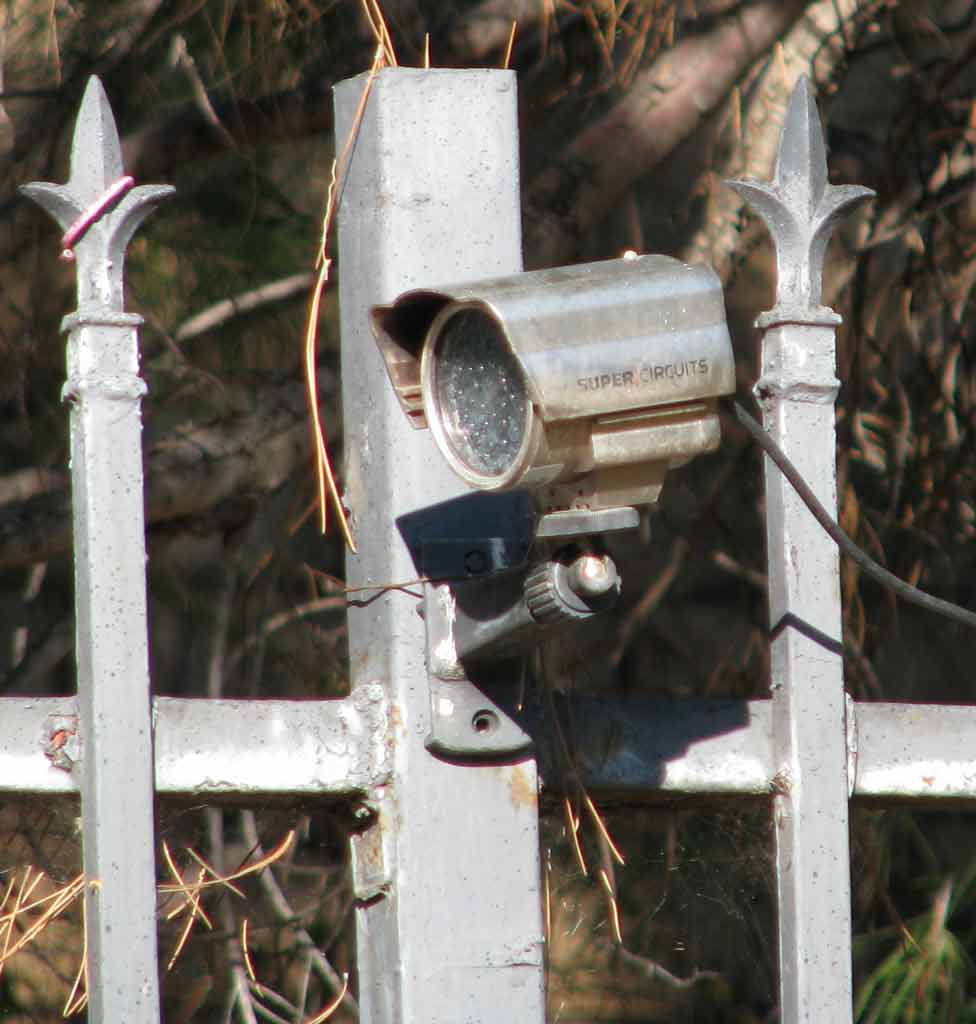
Many cities have started cracking down on ultra-bright security floodlights, especially those exceeding 1,000 lumens. These lights, often installed to deter trespassers, can violate municipal codes by casting excessive glare onto neighboring properties and into streets. According to a 2024 report from the International Dark-Sky Association, complaints about blinding residential floodlights rose by 19% from 2022 to 2024, prompting stricter enforcement in places like Los Angeles and Austin. Municipal codes typically require outdoor lighting to be shielded and directed downward, but these security lights nearly always breach that rule. Residents have reported being unable to sleep due to neighboring floodlights streaming through bedroom windows. In some cases, fines for these violations can reach up to $500 per incident. The excessive brightness also disrupts local wildlife, according to recent studies, making these lights a growing concern for both people and ecosystems.
Color-Changing LED Displays
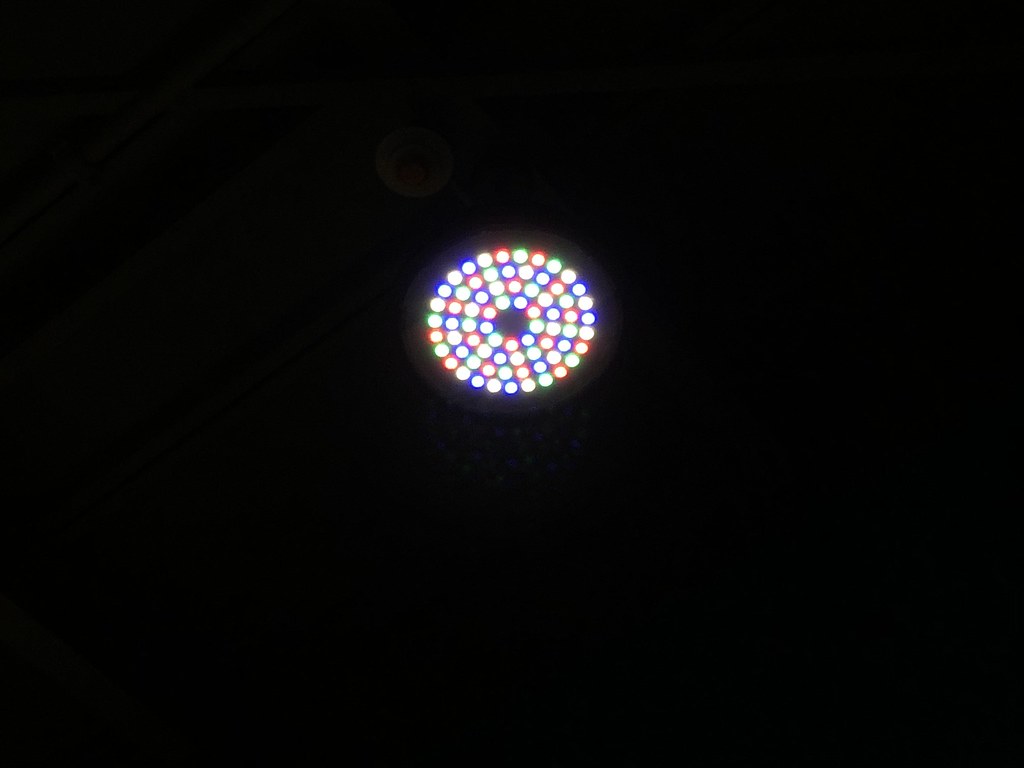
Color-changing LED displays—especially those used for holiday decorations or home accent lighting—often violate ordinances that prohibit flashing or rapidly changing lights. In 2023, Seattle received a record number of complaints (over 2,000 according to city records) about such displays causing distractions for drivers and discomfort for neighbors. Many local codes specifically ban lights that blink, strobe, or change colors more than once every few seconds. The American Medical Association continues to warn that intense, rapidly shifting lights can trigger migraines and worsen sleep disorders. Police in Boston have started issuing warnings and fines to homeowners with such lights visible from the street. Some neighborhoods have even voted to prohibit multicolor LEDs entirely after midnight. These rules are designed to keep neighborhoods peaceful and safe from light-induced hazards.
Unshielded Wall Packs
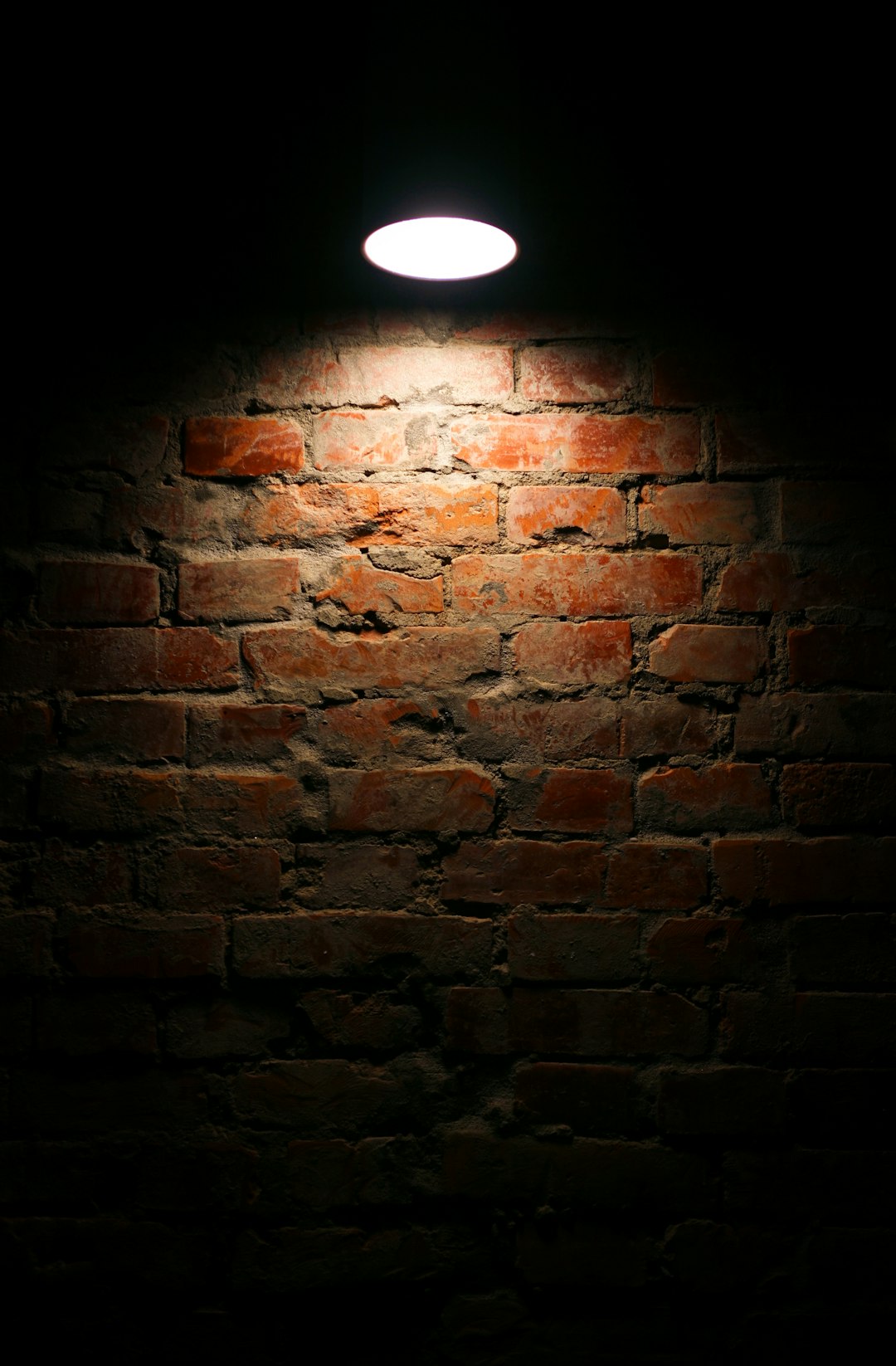
Unshielded wall pack lights—those boxy fixtures attached to garages or commercial buildings—create a huge problem for compliance. Without a shield to aim the light downward, these fixtures spray light horizontally and upward, violating “full cutoff” requirements in most modern lighting codes. According to a 2023 lighting audit by the city of Denver, over 60% of commercial properties failed compliance checks because of unshielded wall packs. These lights contribute heavily to skyglow, the brightening of the night sky that makes it harder to see stars. Residents often complain about glare and loss of privacy when nearby homes or businesses use these. In response, several cities now require retrofitting older fixtures with shields or replacing them altogether. Failure to comply can lead to escalating fines and mandatory removal.
Motion-Activated Spotlights
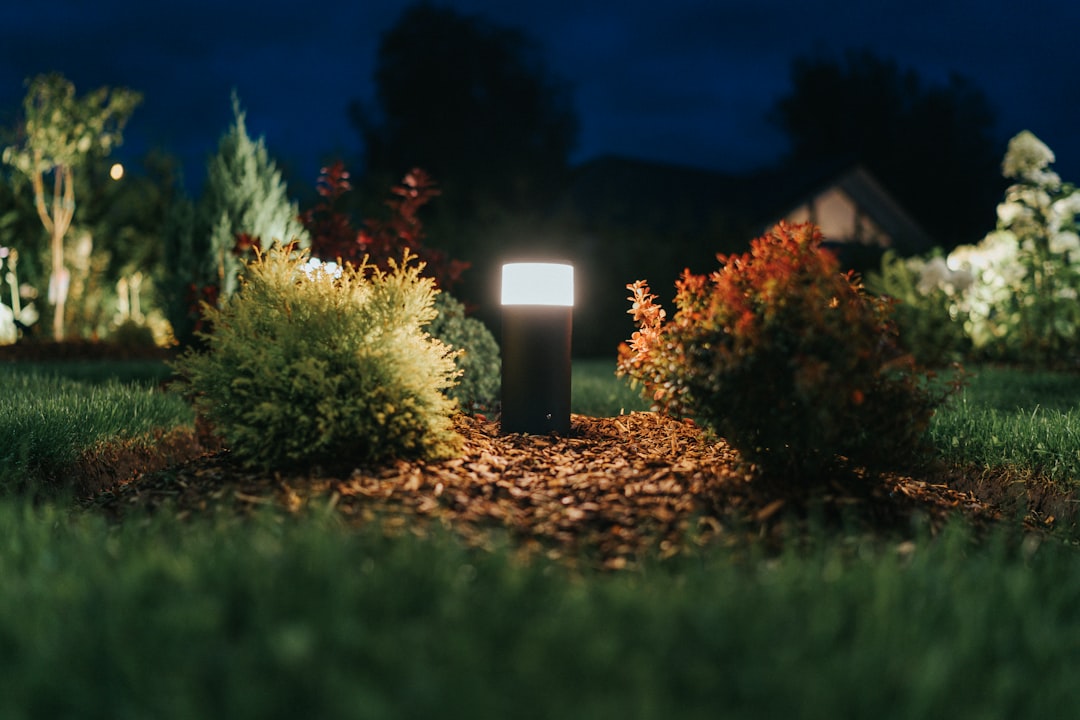
Motion-activated spotlights, while popular for home security, can easily break local ordinances if they’re too sensitive or powerful. When triggered by passing cars, animals, or even wind-blown branches, these lights illuminate entire blocks, often with intensities above legal limits. In Portland, city inspectors found that over 30% of complaints about intrusive lighting in 2024 involved motion-activated spotlights set to cover wide angles or high wattages. Municipal codes often specify maximum brightness and coverage area for motion lights, but many store-bought models exceed these specifications. The unpredictable on-off behavior is particularly disruptive, as confirmed by neighborhood surveys conducted by the National Sleep Foundation. Residents affected by these lights frequently report sleep disturbances and increased anxiety. Local governments are responding by requiring motion lights to have adjustable sensors and low-lumen settings.
String Lights Across Property Lines
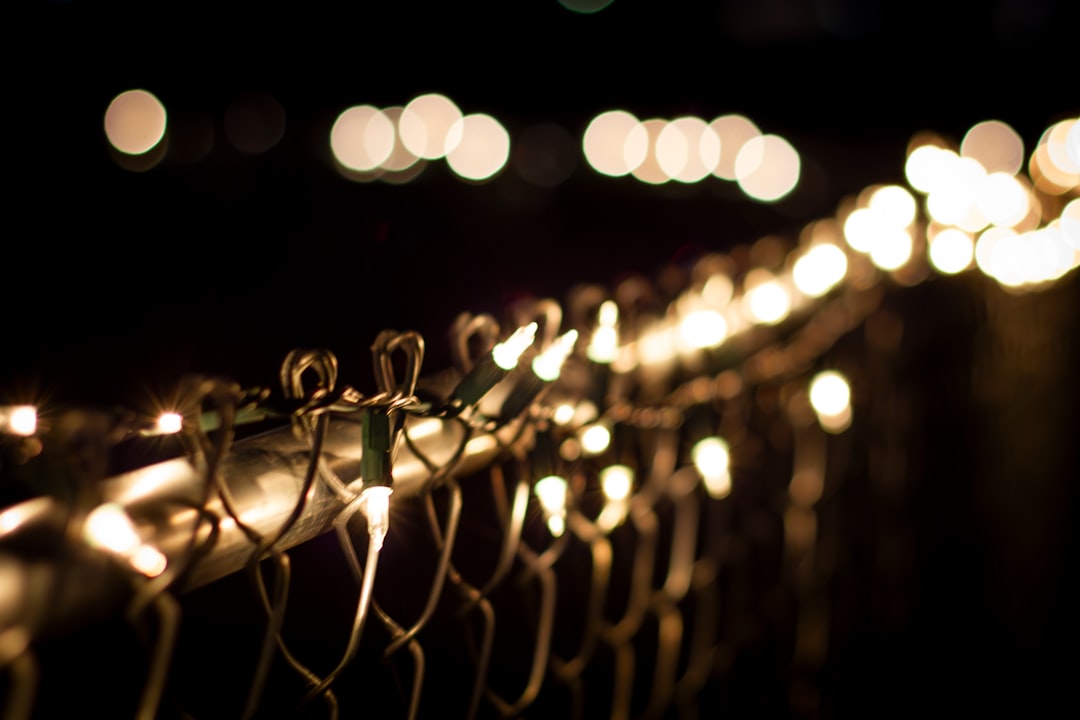
String lights are trendy for backyard parties and patios, but when they cross property lines, they often violate codes about light trespass. In Miami, a 2023 city council report highlighted a 27% increase in neighbor disputes over string lights strung along shared fences or across alleyways. City ordinances usually demand that decorative lighting remain within the boundaries of the owner’s property and not shine into adjacent yards or windows. These rules are especially strict in densely populated areas and historic districts, where preserving darkness is a priority. Some cities have even set curfews, requiring string lights to be turned off by 10 p.m. Violators risk not only fines but also mediation hearings with affected neighbors. The issue has become so prominent that several homeowners’ associations updated their rules in 2024 to limit decorative string lighting altogether.
Upward-Facing Landscape Spotlights
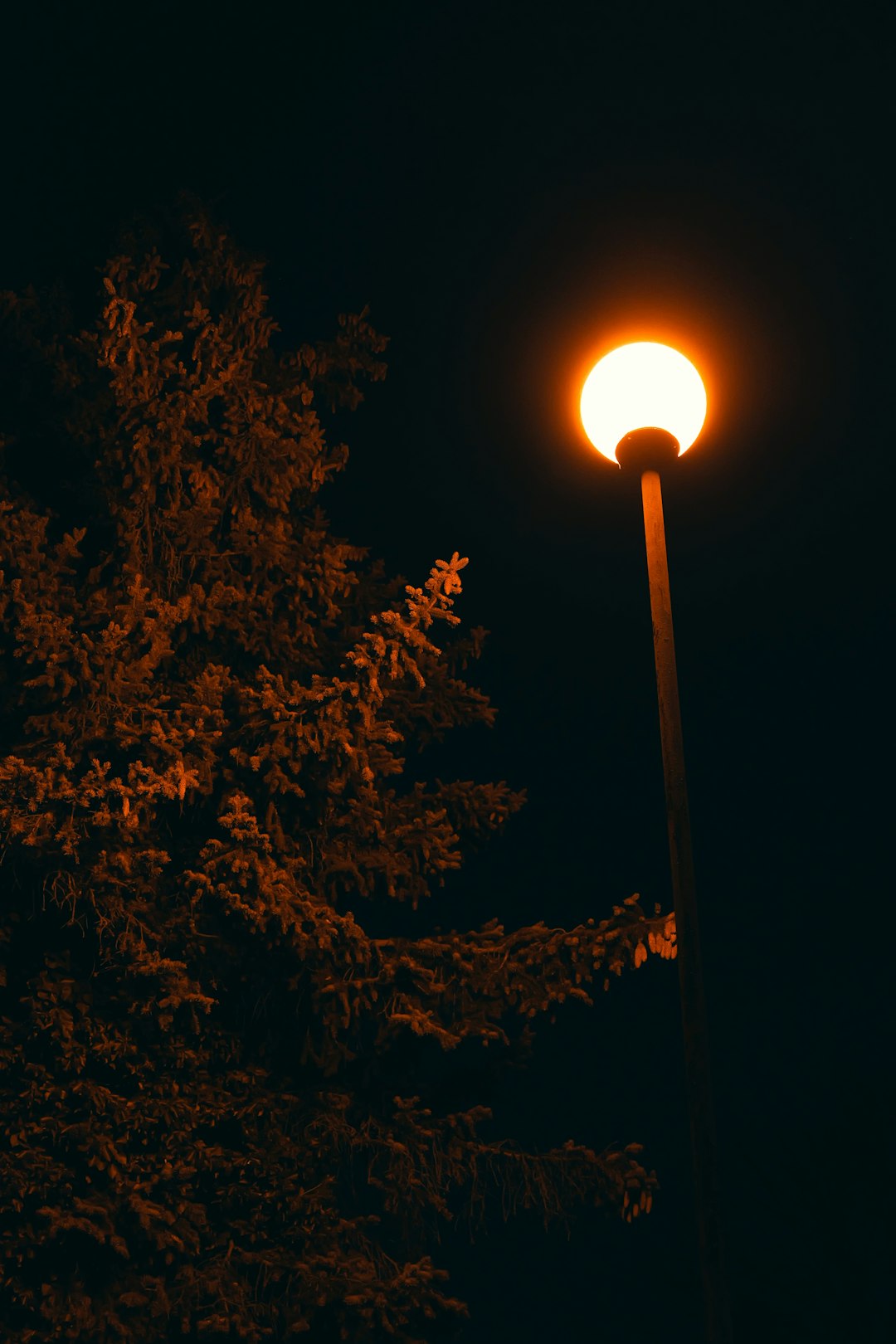
Upward-facing landscape spotlights are notorious for violating “dark sky” ordinances, which require all outdoor lighting to be directed down or shielded. These spotlights, often used to highlight trees or building facades, send beams of light skyward, contributing significantly to light pollution. According to a 2024 survey by the Dark Sky Association, upward-facing lights accounted for nearly 35% of all residential lighting violations nationwide. In places like Tucson, where sky visibility for astronomy is valued, enforcement is especially strict. Local codes specify that outdoor lighting must not emit light above the horizontal plane, a rule these spotlights frequently ignore. The result is not just diminished stargazing but also disrupted nocturnal wildlife patterns. Fines for noncompliance can be steep, especially for repeat offenders.
High-Intensity Pathway Lights
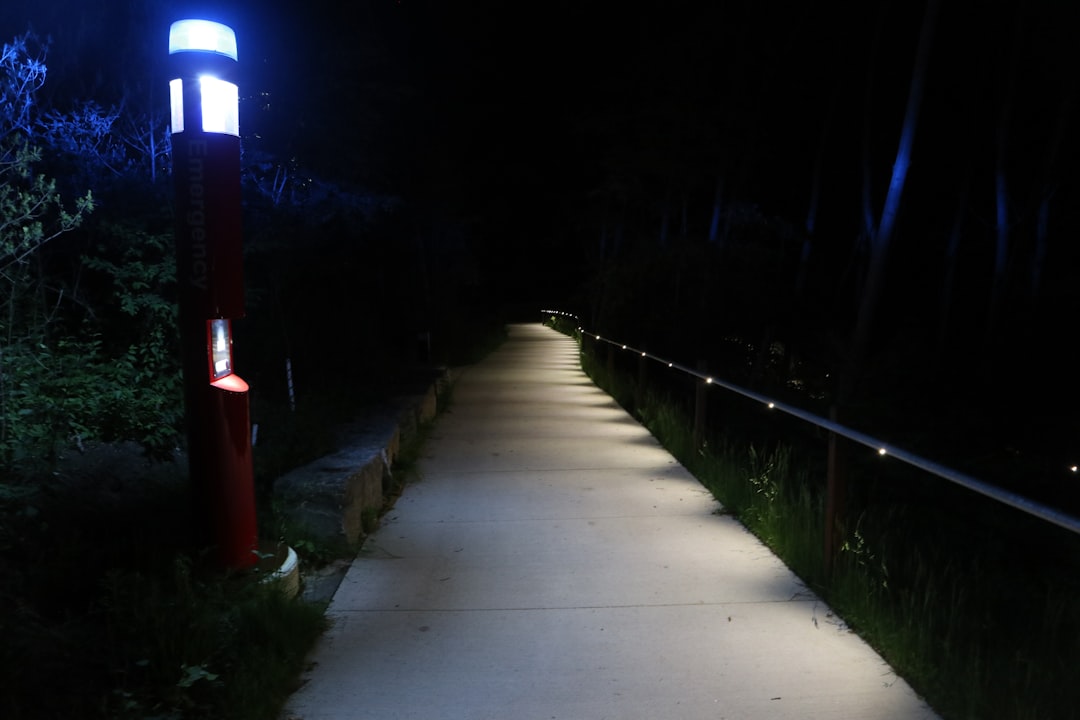
Pathway lights are meant to provide gentle illumination for walkways, but high-intensity models often violate local regulations regarding brightness and glare. In 2023, a San Diego public works study found that nearly 40% of new pathway installations used lights exceeding recommended brightness levels, spilling light beyond the intended paths. Most city codes now require pathway lights to use low-lumen bulbs and shields to prevent light from straying into gardens or neighboring properties. Homeowners sometimes install solar-powered models that lack proper diffusers, making the problem worse. This over-lighting can be especially aggravating in quiet neighborhoods, where residents expect darkness at night. Several cities have begun issuing citations for pathway lights that create visible glare from the street. The push for compliance is part of a larger trend toward reducing unnecessary outdoor illumination.
Commercial-Grade Market Lights in Residential Zones
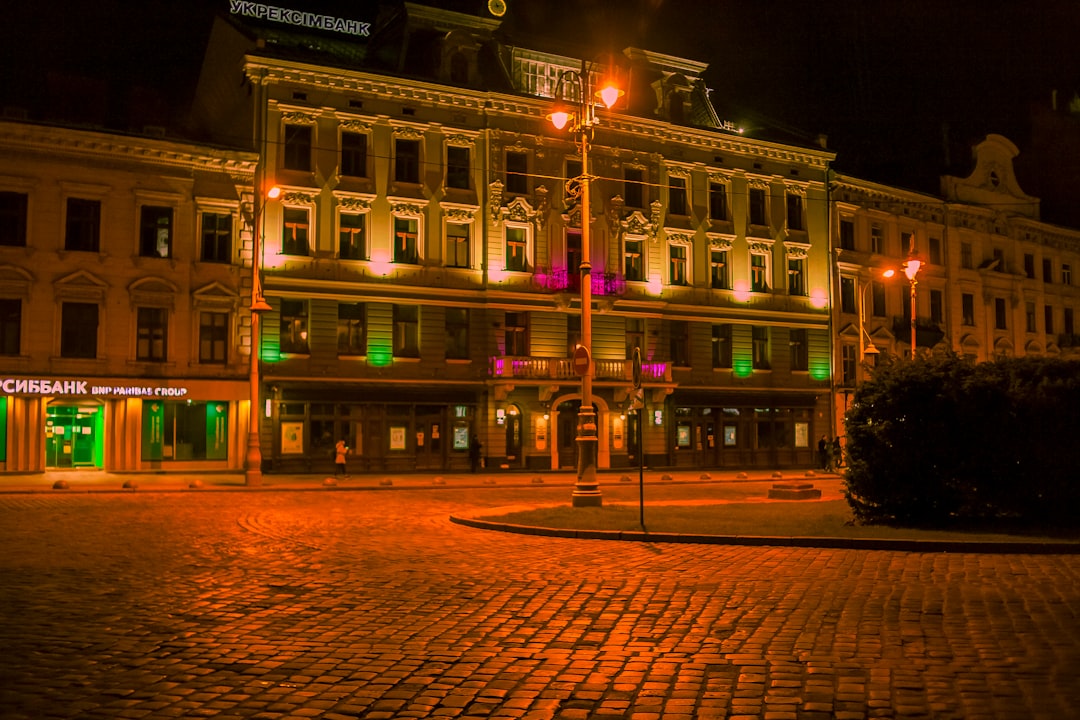
Commercial-grade market lights, which are much brighter and more robust than residential models, are now the focus of enforcement in many suburban neighborhoods. Designed for restaurants and event venues, these lights often exceed residential lighting codes by several times in terms of brightness and coverage. In 2024, a report from the Chicago Department of Buildings noted a 22% uptick in complaints about market lights being used in backyards, particularly for home gatherings and parties. City codes generally restrict the use of commercial fixtures to business zones, specifying maximum brightness and shielding for any lights used in residential areas. Homeowners have faced fines and mandatory removal orders when found using these powerful setups. The glare and light trespass from these lights can disrupt entire blocks, affecting sleep and privacy.
Neon Accent Lighting
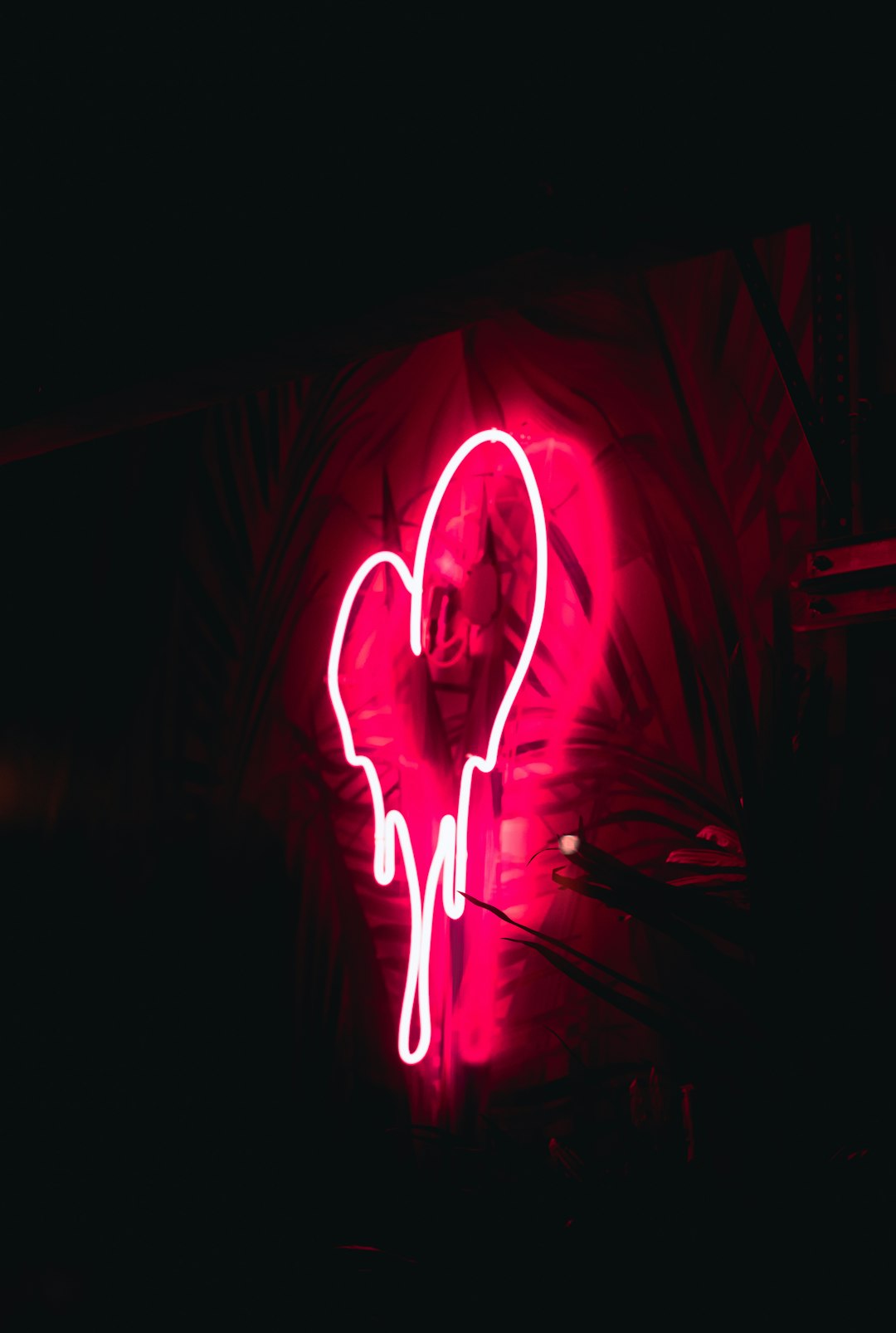
Neon accent lighting, while visually striking, frequently violates local ordinances that ban exposed neon in residential neighborhoods. These rules, common in cities like San Francisco and Dallas, are meant to preserve neighborhood character and prevent excessive glare. In 2023, enforcement actions against neon installations jumped by 18% in major metro areas, according to city code enforcement data. Neon tubes are especially problematic because they emit intense, colorful light visible from long distances, often drawing complaints from drivers and neighbors alike. Codes typically allow only shielded, low-intensity lighting for home exteriors, but neon rarely fits those criteria. Homeowners have been ordered to remove neon signs or face daily fines until they comply. Neon’s resurgence as a design trend has clashed head-on with these longstanding rules.
Improperly Timed Lights
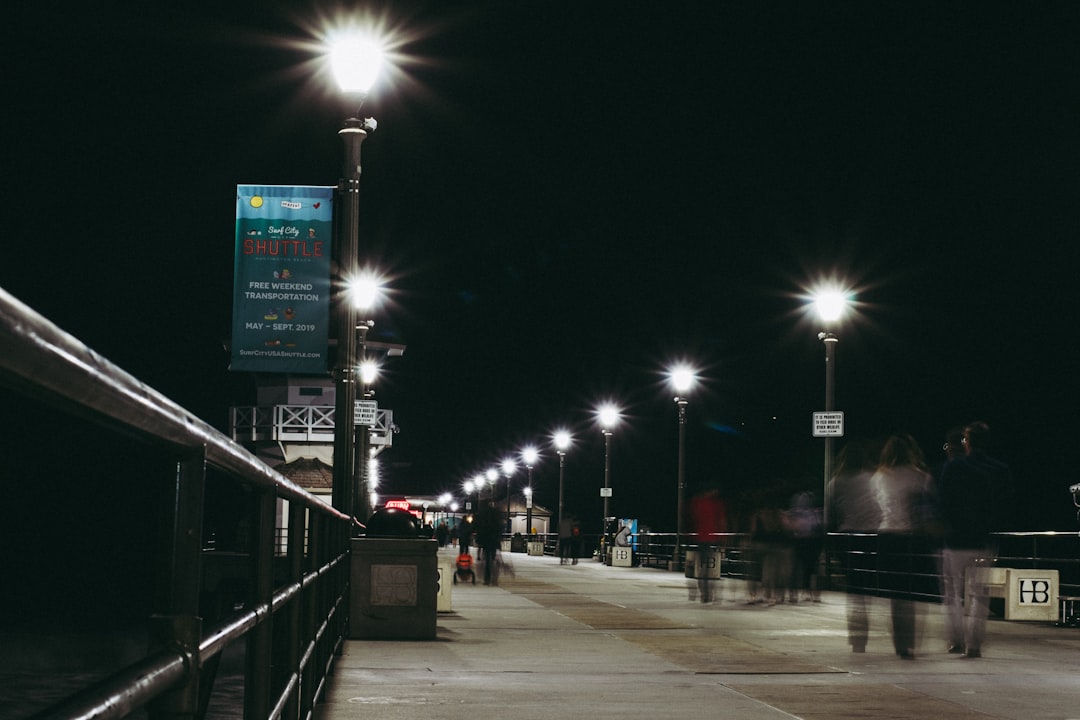
Outdoor lights left on all night, especially in areas with time-of-use ordinances, are a growing source of violations. Many cities, including New York and San Jose, now require non-essential outdoor lighting to be turned off or dimmed after certain hours (often midnight or 11 p.m.). A 2024 audit in San Jose found that over 25% of residential properties ignored these curfews, leading to a spike in enforcement actions. These rules aim to reduce energy waste, minimize light pollution, and maintain neighborhood tranquility. Smart timers and motion sensors are recommended, but many homeowners still use manual switches, forgetting to turn lights off. Prolonged lighting can also disrupt local wildlife and human circadian rhythms, as highlighted by new research from the American Academy of Sleep Medicine. Fines for violating lighting curfews can reach $200 per day.
Solar Lights with Reflective Panels
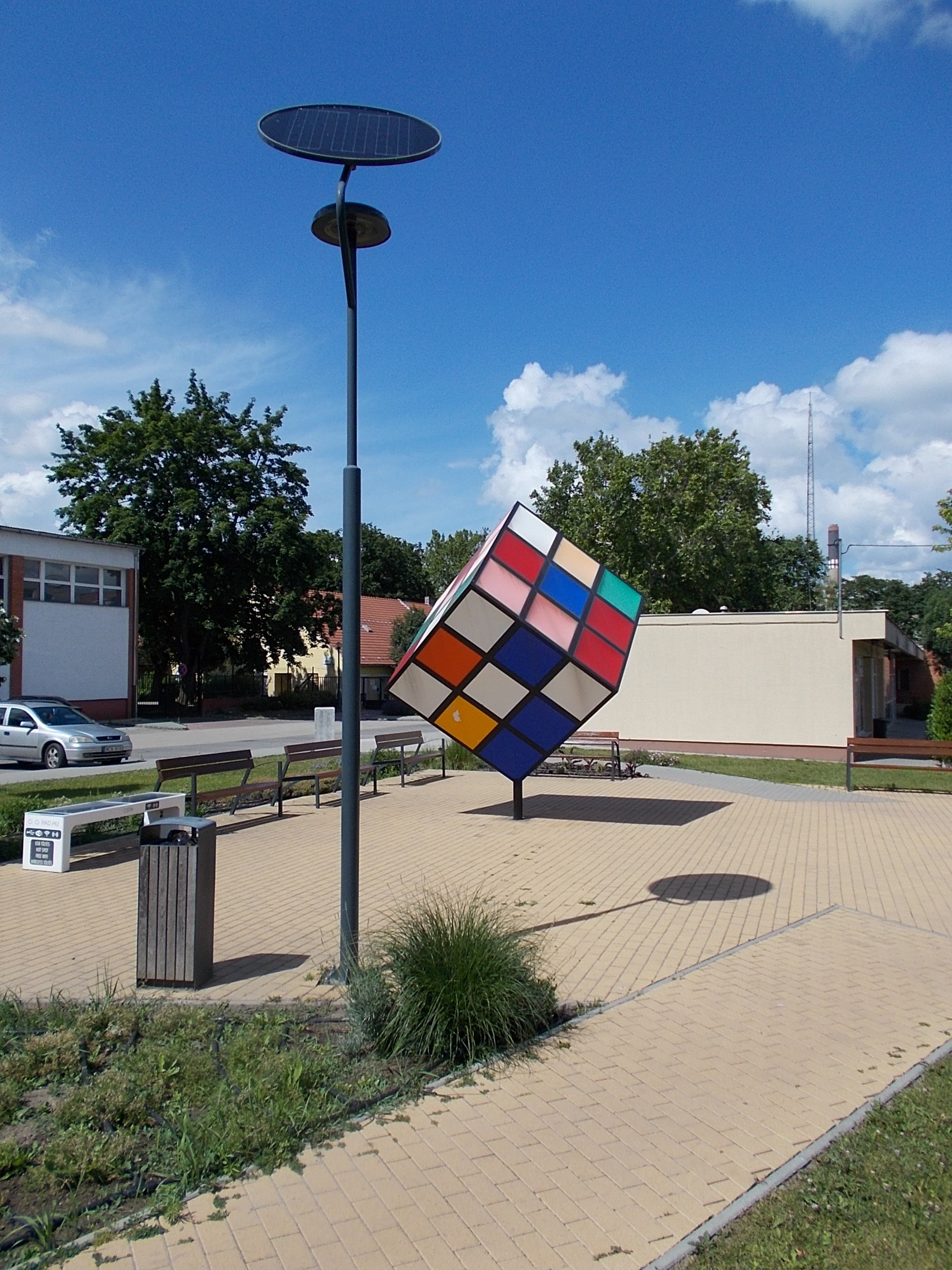
Solar-powered outdoor lights are usually seen as eco-friendly, but models with highly reflective panels can violate glare and light trespass rules. In a 2023 survey by the U.S. Green Building Council, complaints about solar light glare increased by 15% year-over-year. These lights sometimes direct light not just downward but also outward and upward, especially when installed at improper angles. Local codes in cities like Phoenix and Orlando now require solar fixtures to have diffusers or shields to minimize glare. Residents have reported eye discomfort and visibility problems from solar lights shining into windows or onto sidewalks. New building guidelines recommend avoiding models with bare, mirrored surfaces. Enforcement is increasing as solar lighting grows in popularity, making compliance more important than ever.
Improperly Installed Bollard Lights
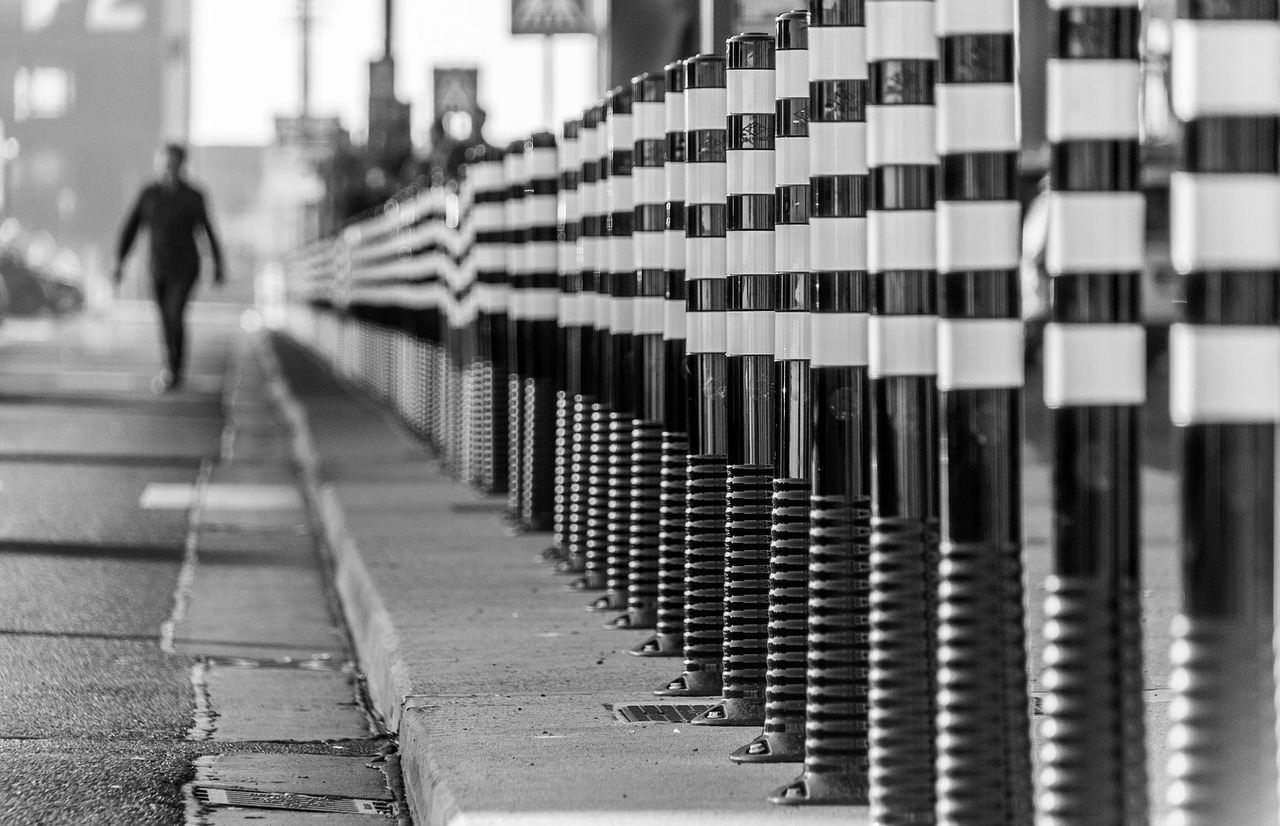
Bollard lights—short, sturdy fixtures meant to illuminate paths or driveways—are often installed incorrectly, causing unwanted light spill and code violations. According to a 2024 field study by the Illuminating Engineering Society, nearly 30% of bollard lights in suburban developments were found to shine directly into streets or neighboring yards. Most ordinances require bollards to use frosted or shielded lenses and to be placed at specific intervals to avoid overlapping beams. When installed too close together or with clear lenses, they can create a runway effect, flooding large areas with unnecessary light. Complaints about improperly installed bollards have surged in planned communities, prompting stricter inspections during new construction. The push for compliance is driven by both resident feedback and the need to protect nighttime environments.

Lena is a thoughtful and imaginative writer with a passion for storytelling across the themes of travel, environmental sustainability, and contemporary home aesthetics. With a background in cultural media and a strong visual sensibility, Anna Lena creates content that bridges inspiration with practical insight.
Her work explores the interplay between place, lifestyle, and design—guiding readers through meaningful travel experiences, eco-conscious choices, and modern approaches to living well. Known for her elegant writing style and attention to detail, she brings a fresh, human-centered perspective to every topic she covers.
Anna Lena contributes to digital publications and editorial projects where aesthetics meet purpose. Her writing not only informs but also encourages readers to live more intentionally, sustainably, and beautifully—wherever they are in the world.